ข้ามไปยังเนื้อหา

บทที่ 1/16 · 30 คำ · จำได้แล้ว 0

Lesson 1: BACK TO SCHOOL

บทที่ 1: กลับสู่โรงเรียน

  1. 1

    market(noun)

    /ˈmɑːrkɪt/

    ตลาด

    an occasion when people buy and sell goods; the open area or building where they meet to do this

    My mother buys fresh vegetables and fruit at the market every Sunday morning.

    แม่ของฉันซื้อผักและผลไม้สดที่ตลาดทุกเช้าวันอาทิตย์

    คำพ้องความหมายmarketplacedemandclienteleexchangetradeoutlet
    คำตรงข้ามnonmarketindividual saleseclusion
  2. 2

    busy(adjective)

    /ˈbɪzi/

    ยุ่ง

    having a lot to do; perhaps not free to do something else because you are working on something

    Alfred was busy getting ready for his vacation

    อัลเฟรดกำลังยุ่งกับการเตรียมตัวสำหรับวันหยุดพักผ่อนของเขา

    The airport was busy, with people catching planes and heading for car rental companies

    คำพ้องความหมายoccupiedengagedactiveworkinginvolvedswamped
    คำตรงข้ามidlefreeavailableunoccupiedlazy
  3. 3

    new(adjective)

    /nuː/

    ใหม่

    not existing before; recently made, invented, introduced, etc.

    This toothbrush is new.

    แปรงสีฟันนี้ใหม่

    Have you read her new novel?

    คำพ้องความหมายfreshnovelrecentmodernoriginal
    คำตรงข้ามoldusedancientobsoleteworn
  4. 4

    later(adverb)

    /ˈleɪtər/

    ทีหลัง, ภายหลัง, เดี๋ยวค่อยว่ากัน

    at a time in the future; after the time you are talking about

    See you later.

    แล้วเจอกันนะ

    The match has been postponed to a later date.

    คำพ้องความหมายafterwardsubsequentlyeventuallyhereafterin the futuredown the road
    คำตรงข้ามbeforeearlierpreviouslyimmediatelynowat once
  5. 5

    still(adverb)

    /stɪl/

    ยัง

    continuing until a particular point in time and not finishing

    I'm still hungry.

    ฉันยังหิวอยู่

    I wrote to them last month and I'm still waiting for a reply.

    คำพ้องความหมายyetevenneverthelessnonethelesshoweverin spite of that
    คำตรงข้ามno longeralreadynot anymore
  6. 6

    why(adverb)

    /waɪ/

    ทำไม (tham mai)

    used in questions to ask the reason for or purpose of something

    Why is Hoa sad?

    ทำไมฮวาถึงเศร้า (tham mai Hwa thueng sao)?

    Tell me why you did it.

    คำพ้องความหมายfor what reasonhow sowherefore
    คำตรงข้ามbecause
  7. 7

    different(adjective)

    /ˈdɪfrənt/

    แตกต่าง

    not the same as somebody/something; not like somebody/something else

    It's very different to what I'm used to

    มันแตกต่างจากสิ่งที่ฉันคุ้นเคยมาก

    It's very different to what I'm used to.

    คำพ้องความหมายdissimilardistinctunlikevariedcontrasting
    คำตรงข้ามsimilarsameidenticalalikeequivalent
  8. 8

    pretty(adverb)

    /ˈprɪti/

    ค่อนข้าง

    to some extent; fairly

    The house has four bedrooms, so it's pretty big.

    บ้านมีสี่ห้องนอน ดังนั้นมันจึงค่อนข้างใหญ่

    a pretty little girl

    คำพ้องความหมายattractivebeautifullovelypleasantfairsomewhatquiterather
    คำตรงข้ามuglyunattractiveplainunpleasantveryextremely
  9. 9

    what(pronoun, determiner)

    /wʌt/

    อะไร

    used in questions to ask for particular information about somebody/something

    What is your favorite book?

    หนังสือที่คุณชื่นชอบคืออะไร

    What is your name?

    คำพ้องความหมายwhichthathowthe thing thatthe item that
    คำตรงข้ามnonenothing
  10. 10

    who(pronoun)

    /huː/

    ใคร

    used in questions to ask about the name, identity or function of one or more people

    Who is this?

    นี่คือใคร

    Who is that woman?

    คำพ้องความหมายwhich personwhat person
    คำตรงข้ามnobody
  11. 11

    survey(noun)

    /ˈsɜːrveɪ/

    การสำรวจ, แบบสำรวจ, แบบสอบถาม

    a set of questions asked to many people to find out their opinions or behaviour

    We sent an online survey to 2,000 customers last week.

    เมื่อสัปดาห์ที่แล้วเราส่งแบบสำรวจออนไลน์ให้ลูกค้า 2,000 ราย

    The survey found that most users shop on their phones.

    คำพ้องความหมายpollstudyquestionnaireinvestigationreviewanalysisassessment
    คำตรงข้ามignoranceneglectspeculationguesswork
  12. 12

    where(adverb)

    /wer/

    ที่ไหน

    in or to what place or situation

    Where is your white shirt?

    เสื้อเชิ้ตสีขาวของคุณอยู่ที่ไหน?

    I wonder where they will take us to.

    คำพ้องความหมายlocationplacepositionspot
    คำตรงข้ามnowhere
  13. 13

    movie(noun)

    /ˈmuːvi/

    ภาพยนตร์

    a series of moving pictures recorded with sound that tells a story, watched at a movie theater or on a television or other device

    I like watching movies very much.

    ฉันชอบดูภาพยนตร์มาก

    Have you seen the latest Miyazaki movie?

    คำพ้องความหมายfilmmotion picturefeaturepicture show
    คำตรงข้ามplaystage showperformance
  14. 14

    transport(noun)

    /ˈtrænspɔːrt/

    การขนส่ง (gaan khon song)

    a system for carrying people or goods from one place to another using vehicles, roads, etc.

    The bicycle is a cheap and efficient means of transport.

    จักรยานเป็นวิธีการขนส่งที่ราคาถูกและมีประสิทธิภาพ (jakrayaan bpen withi gaan khon song tee rakaa took lae mee praasitdhipaap)

    Most of our luggage was transported by sea.

    คำพ้องความหมายshipmentconveyancecarriagemovementtransit
    คำตรงข้ามimmobilitystasisinactivitystationary
  15. 15

    far(adverb)

    /fɑːr/

    ไกล (glai)

    a long distance away

    My house is far from my school.

    บ้านของฉันอยู่ไกลจากโรงเรียนของฉัน (baan khong chan yoo glai jaak roong rian khong chan)

    He looked down at the traffic far below.

    คำพ้องความหมายdistantremoteremovedoutlyingfurther
    คำตรงข้ามnearclosenearbyadjacent
  16. 16

    distance(noun)

    /ˈdɪstəns/

    ระยะทาง

    the amount of space between two places or things

    What's the distance between New York and California?

    ระยะทางระหว่างนิวยอร์กกับแคลิฟอร์เนียคือเท่าไหร่

    What's the distance between New York City and Boston/from New York City to Boston?

    คำพ้องความหมายlengthextentrangespanreachgapinterval
    คำตรงข้ามclosenessnearnessproximityadjacency
  17. 17

    means(noun)

    /miːnz/

    วิธีการ

    an action, an object or a system by which a result is achieved; a way of achieving or doing something

    The telephone is a means of communication.

    โทรศัพท์เป็นวิธีการสื่อสาร

    We needed to get to London but we had no means of transport.

    คำพ้องความหมายmethodwaymannerinstrumentvehicleresourcetoolmedium
    คำตรงข้ามendresultoutcome
  18. 18

    fine(adjective)

    /faɪn/

    สบายดี

    in good health

    I am fine.

    ฉันสบายดี (chăn sabai dee)

    คำพ้องความหมายwellgoodokaysatisfactoryacceptableexcellentsuperbthin
    คำตรงข้ามbadpoorillunwellthickcoarse
  19. 19

    classmate(noun)

    /ˈklæsmeɪt/

    เพื่อนร่วมชั้น

    a person who is or was in the same class as you at school or college

    Kim, Nick, Sam and Ken are in class 11B. They are classmates.

    คิม, นิค, แซม และเคน อยู่ในชั้นเรียน 11B พวกเขาเป็นเพื่อนร่วมชั้น

    คำพ้องความหมายschoolmateclassmatefellow studentpeer
    คำตรงข้ามoutsiderstrangerrival

  20. 20

    family name(noun)

    /ˈfæməli neɪm/

    นามสกุล

    the part of your name that shows which family you belong to

    His family name is Smith.

    นามสกุลของเขาคือสมิธ

    คำพ้องความหมายsurnamelast namemonikercognomen
    คำตรงข้ามfirst namegiven nameforename
  21. 21

    bus stop(noun)

    /ˈbʌs stɑːp/

    ป้ายรถเมล์

    a place at the side of a road that is marked with a sign, where buses stop

    You can take a bus at any bus stop.

    คุณสามารถขึ้นรถประจำทางได้ที่ป้ายรถเมล์ทุกป้าย

    คำพ้องความหมายbus stationbus terminalbus shelterstopping place
    คำตรงข้ามN/A
  22. 22

    how(adverb)

    /haʊ/

    อย่างไร

    in what way or manner

    How do you feel?

    คุณรู้สึกอย่างไร

    คำพ้องความหมายin what wayby what meansto what extentin which manner
    คำตรงข้ามwhybecause
  23. 23

    how far(phrase)

    /ˈhaʊ fɑːr/

    ไกลแค่ไหน

    used to ask about the distance between two places

    How far is it from your house to the nearest hospital?

    จากบ้านของคุณไปโรงพยาบาลที่ใกล้ที่สุดไกลแค่ไหน

    คำพ้องความหมายdistancelengthextent
    คำตรงข้ามnearbyclose
  24. 24

    how old(phrase)

    /ˈhaʊ əʊld/

    อายุเท่าไหร่

    used to ask about a person's or thing's age

    How old is your father?

    พ่อของคุณอายุเท่าไหร่

    คำพ้องความหมายwhat ageat what age
    คำตรงข้ามyoungyouthful
  25. 25

    lunchroom(noun)

    /ˈlʌntʃruːm/

    โรงอาหาร

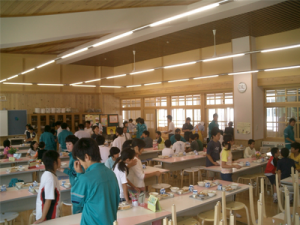
    a large room in a school or office where people eat lunch

    I'm sitting in the lunchroom of the Amsterdam high school.

    ฉันกำลังนั่งอยู่ในโรงอาหารของโรงเรียนมัธยมอัมสเตอร์ดัม

    คำพ้องความหมายcafeteriacanteendining hallsnack bar
    คำตรงข้ามclassroomlibrarygymnasium
  26. 26

    middle name(noun)

    /ˌmɪdl ˈneɪm/

    ชื่อกลาง

    a name that comes between your first name and your family name

    My middle name’s Ngoc.

    ชื่อกลางของฉันคือหง็อก

    คำพ้องความหมายsecond name (in some contexts)given name (depending on culture)
    คำตรงข้ามfirst namesurnamelast name
  27. 27

    nice(adjective)

    /naɪs/

    ดี

    pleasant or attractive

    Have a nice day!

    ขอให้มีวันที่ดี!

    คำพ้องความหมายpleasantagreeablekindgoodenjoyablelovelydelightful
    คำตรงข้ามunpleasantawfulhorriblenastymeanbad
  28. 28

    parent(noun)

    /ˈperənt/

    ผู้ปกครอง

    a person’s father or mother

    He's still living with his parents.

    เขายังคงอาศัยอยู่กับพ่อแม่อยู่

    คำพ้องความหมายfathermotherguardianprogenitor
    คำตรงข้ามchildoffspringdependent
  29. 29

    unhappy(adjective)

    /ʌnˈhæpi/

    ไม่มีความสุข

    not happy; sad

    I didn't realize but he was deeply unhappy at that time.

    ฉันไม่รู้ แต่ตอนนั้นเขาไม่มีความสุขมาก

    คำพ้องความหมายsadmiserabledepresseddowncastdejecteddiscontentedglum
    คำตรงข้ามhappyjoyfulcontentcheerfulglad
  30. 30

    miss(noun)

    /mɪs/

    คุณครู, นางสาว

    a title used before the name of a girl or a woman who is not married, or of a female teacher

    Good morning, Miss Sarah.

    สวัสดีตอนเช้าค่ะ คุณครูซาราห์