跳至主要內容

第 1/16 課 · 30 個單字 · 已學會 0 個

Lesson 1: BACK TO SCHOOL

第1課:返校

  1. 1

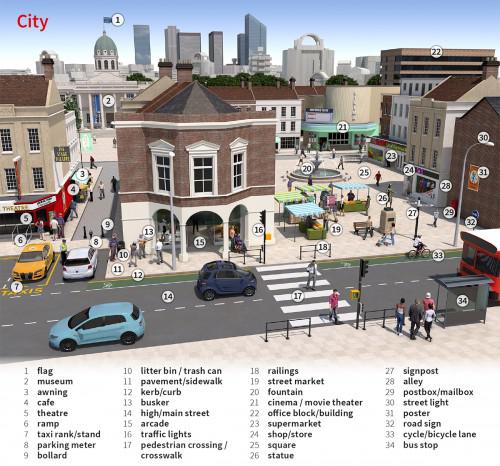
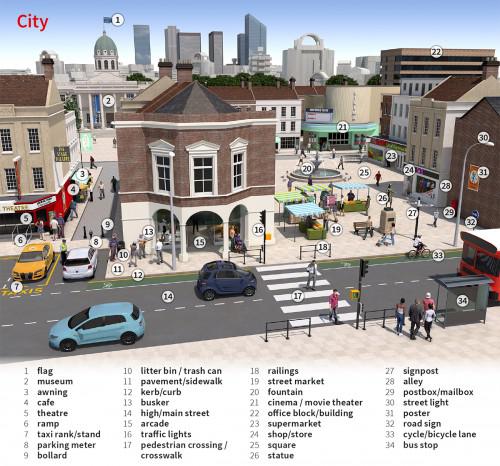
    market(noun)

    /ˈmɑːrkɪt/

    市場, 市集

    an occasion when people buy and sell goods; the open area or building where they meet to do this

    My mother buys fresh vegetables and fruit at the market every Sunday morning.

    我媽媽每個星期天早上都會到市場買新鮮的蔬菜和水果。

    同義詞marketplacedemandclienteleexchangetradeoutlet
    反義詞nonmarketindividual saleseclusion
  2. 2

    busy(adjective)

    /ˈbɪzi/

    忙碌的

    having a lot to do; perhaps not free to do something else because you are working on something

    Alfred was busy getting ready for his vacation

    Alfred 忙著準備他的假期。

    The airport was busy, with people catching planes and heading for car rental companies

    同義詞occupiedengagedactiveworkinginvolvedswamped
    反義詞idlefreeavailableunoccupiedlazy
  3. 3

    new(adjective)

    /nuː/

    新的

    not existing before; recently made, invented, introduced, etc.

    This toothbrush is new.

    這支牙刷是新的。

    Have you read her new novel?

    同義詞freshnovelrecentmodernoriginal
    反義詞oldusedancientobsoleteworn
  4. 4

    later(adverb)

    /ˈleɪtər/

    稍後, 之後

    at a time in the future; after the time you are talking about

    See you later.

    待會見。

    The match has been postponed to a later date.

    同義詞afterwardsubsequentlyeventuallyhereafterin the futuredown the road
    反義詞beforeearlierpreviouslyimmediatelynowat once
  5. 5

    still(adverb)

    /stɪl/

    仍然,還

    continuing until a particular point in time and not finishing

    I'm still hungry.

    我還是很餓。

    I wrote to them last month and I'm still waiting for a reply.

    同義詞yetevenneverthelessnonethelesshoweverin spite of that
    反義詞no longeralreadynot anymore
  6. 6

    why(adverb)

    /waɪ/

    為什麼, 為何

    used in questions to ask the reason for or purpose of something

    Why is Hoa sad?

    Hoa 為什麼難過?

    Tell me why you did it.

    同義詞for what reasonhow sowherefore
    反義詞because
  7. 7

    different(adjective)

    /ˈdɪfrənt/

    不同的, 不一樣的

    not the same as somebody/something; not like somebody/something else

    It's very different to what I'm used to

    這跟我所習慣的很不一樣。

    It's very different to what I'm used to.

    同義詞dissimilardistinctunlikevariedcontrasting
    反義詞similarsameidenticalalikeequivalent
  8. 8

    pretty(adverb)

    /ˈprɪti/

    相當, 頗

    to some extent; fairly

    The house has four bedrooms, so it's pretty big.

    這房子有四間臥室,所以相當大。

    a pretty little girl

    同義詞attractivebeautifullovelypleasantfairsomewhatquiterather
    反義詞uglyunattractiveplainunpleasantveryextremely
  9. 9

    what(pronoun, determiner)

    /wʌt/

    什麼

    used in questions to ask for particular information about somebody/something

    What is your favorite book?

    你最喜歡的書是什麼?

    What is your name?

    同義詞whichthathowthe thing thatthe item that
    反義詞nonenothing
  10. 10

    who(pronoun)

    /huː/

    誰

    used in questions to ask about the name, identity or function of one or more people

    Who is this?

    這位是誰?

    Who is that woman?

    同義詞which personwhat person
    反義詞nobody
  11. 11

    survey(noun)

    /ˈsɜːrveɪ/

    問卷調查, 調查

    a set of questions asked to many people to find out their opinions or behaviour

    We sent an online survey to 2,000 customers last week.

    我們上週向 2,000 名客戶寄出了線上問卷。

    The survey found that most users shop on their phones.

    同義詞pollstudyquestionnaireinvestigationreviewanalysisassessment
    反義詞ignoranceneglectspeculationguesswork
  12. 12

    where(adverb)

    /wer/

    哪裡, 在何處

    in or to what place or situation

    Where is your white shirt?

    你的白襯衫在哪裡?

    I wonder where they will take us to.

    同義詞locationplacepositionspot
    反義詞nowhere
  13. 13

    movie(noun)

    /ˈmuːvi/

    電影

    a series of moving pictures recorded with sound that tells a story, watched at a movie theater or on a television or other device

    I like watching movies very much.

    我非常喜歡看電影。

    Have you seen the latest Miyazaki movie?

    同義詞filmmotion picturefeaturepicture show
    反義詞playstage showperformance
  14. 14

    transport(noun)

    /ˈtrænspɔːrt/

    運輸, 交通

    a system for carrying people or goods from one place to another using vehicles, roads, etc.

    The bicycle is a cheap and efficient means of transport.

    自行車是一種便宜又有效率的交通工具。

    Most of our luggage was transported by sea.

    同義詞shipmentconveyancecarriagemovementtransit
    反義詞immobilitystasisinactivitystationary
  15. 15

    far(adverb)

    /fɑːr/

    遠, 遙遠地

    a long distance away

    My house is far from my school.

    我家離學校很遠。

    He looked down at the traffic far below.

    同義詞distantremoteremovedoutlyingfurther
    反義詞nearclosenearbyadjacent
  16. 16

    distance(noun)

    /ˈdɪstəns/

    距離, 路程

    the amount of space between two places or things

    What's the distance between New York and California?

    紐約到加州的距離有多遠?

    What's the distance between New York City and Boston/from New York City to Boston?

    同義詞lengthextentrangespanreachgapinterval
    反義詞closenessnearnessproximityadjacency
  17. 17

    means(noun)

    /miːnz/

    方法, 手段, 工具

    an action, an object or a system by which a result is achieved; a way of achieving or doing something

    The telephone is a means of communication.

    電話是一種通訊的工具。

    We needed to get to London but we had no means of transport.

    同義詞methodwaymannerinstrumentvehicleresourcetoolmedium
    反義詞endresultoutcome
  18. 18

    fine(adjective)

    /faɪn/

    很好的, 健康的

    in good health

    I am fine.

    我很好。

    同義詞wellgoodokaysatisfactoryacceptableexcellentsuperbthin
    反義詞badpoorillunwellthickcoarse
  19. 19

    classmate(noun)

    /ˈklæsmeɪt/

    同班同學

    a person who is or was in the same class as you at school or college

    Kim, Nick, Sam and Ken are in class 11B. They are classmates.

    Kim、Nick、Sam 和 Ken 在 11B 班。他們是同班同學。

    同義詞schoolmateclassmatefellow studentpeer
    反義詞outsiderstrangerrival
  20. 20

    family name(noun)

    /ˈfæməli neɪm/

    姓,姓氏

    the part of your name that shows which family you belong to

    His family name is Smith.

    他的姓是 Smith。

    同義詞surnamelast namemonikercognomen
    反義詞first namegiven nameforename
  21. 21

    bus stop(noun)

    /ˈbʌs stɑːp/

    公車站

    a place at the side of a road that is marked with a sign, where buses stop

    You can take a bus at any bus stop.

    你可以在任何一個公車站搭公車。

    同義詞bus stationbus terminalbus shelterstopping place
    反義詞N/A
  22. 22

    how(adverb)

    /haʊ/

    如何, 怎樣

    in what way or manner

    How do you feel?

    你覺得怎麼樣?

    同義詞in what wayby what meansto what extentin which manner
    反義詞whybecause
  23. 23

    how far(phrase)

    /ˈhaʊ fɑːr/

    多遠

    used to ask about the distance between two places

    How far is it from your house to the nearest hospital?

    從你家到最近的醫院有多遠?

    同義詞distancelengthextent
    反義詞nearbyclose
  24. 24

    how old(phrase)

    /ˈhaʊ əʊld/

    幾歲, 多大年紀

    used to ask about a person's or thing's age

    How old is your father?

    你父親幾歲?

    同義詞what ageat what age
    反義詞youngyouthful
  25. 25

    lunchroom(noun)

    /ˈlʌntʃruːm/

    午餐室, 餐廳

    a large room in a school or office where people eat lunch

    I'm sitting in the lunchroom of the Amsterdam high school.

    我正坐在阿姆斯特丹高中的午餐室裡。

    同義詞cafeteriacanteendining hallsnack bar
    反義詞classroomlibrarygymnasium
  26. 26

    middle name(noun)

    /ˌmɪdl ˈneɪm/

    中間名

    a name that comes between your first name and your family name

    My middle name’s Ngoc.

    我的中間名是 Ngoc。

    同義詞second name (in some contexts)given name (depending on culture)
    反義詞first namesurnamelast name
  27. 27

    nice(adjective)

    /naɪs/

    愉快的, 美好的

    pleasant or attractive

    Have a nice day!

    祝你有美好的一天!

    同義詞pleasantagreeablekindgoodenjoyablelovelydelightful
    反義詞unpleasantawfulhorriblenastymeanbad
  28. 28

    parent(noun)

    /ˈperənt/

    父親或母親, 家長

    a person’s father or mother

    He's still living with his parents.

    他仍然和父母住在一起。

    同義詞fathermotherguardianprogenitor
    反義詞childoffspringdependent
  29. 29

    unhappy(adjective)

    /ʌnˈhæpi/

    不快樂的, 不開心的

    not happy; sad

    I didn't realize but he was deeply unhappy at that time.

    我當時沒有察覺,但他那時非常不快樂。

    同義詞sadmiserabledepresseddowncastdejecteddiscontentedglum
    反義詞happyjoyfulcontentcheerfulglad
  30. 30

    miss(noun)

    /mɪs/

    小姐, 老師

    a title used before the name of a girl or a woman who is not married, or of a female teacher

    Good morning, Miss Sarah.

    早安,莎拉老師。