บทที่ 5/33 · 110 คำ · จำได้แล้ว 0
Education
การศึกษา
วิจัย
a careful study of a subject, especially in order to discover new facts or information about it
For toy manufacturers, research can be pure fun
สำหรับผู้ผลิตของเล่น การวิจัยอาจเป็นเรื่องสนุกอย่างแท้จริง
Part of the research the team does is to determine whether similar products are already on the market
คำพ้องความหมายstudyinvestigationexplorationinquiryanalysisexperimentationคำตรงข้ามignoranceneglectcarelessnesssuperficialityการบ้าน
a task or piece of work that somebody is given to do, usually as part of their job or studies
This assignment has to be turned in before midnight
การบ้านนี้ต้องส่งก่อนเที่ยงคืน
When the reporter is on assignment, research piles up on her desk
คำพ้องความหมายtaskjobdutymissionprojectchoreคำตรงข้ามleisurerecreationentertainmentfunศิลปะ
the use of the imagination to express ideas or feelings, particularly in painting, drawing or sculpture
We have art on Monday, and I love painting pictures.
วันจันทร์เรามีเรียนศิลปะ และฉันชอบวาดรูปมาก
คำพ้องความหมายskillcrafttalentcreativityexpressiondesignmasteryคำตรงข้ามclumsinessineptitudelack of skillartlessnessinabilityบรรยาย
a talk that is given to a group of people to teach them about a particular subject, often as part of a university or college course
The lecture was very interesting.
การบรรยายนั้นน่าสนใจมาก
to deliver/give a lecture to first-year students
คำพ้องความหมายtalkspeechpresentationaddressdiscourseคำตรงข้ามdialogueconversationdiscussionครู (khruu)
a person whose job is teaching, especially in a school
Ms. Sarah is my English teacher.
คุณซาร่าห์เป็นครูสอนภาษาอังกฤษของฉัน (khun Sarah pen khruu sɔ̌ɔn phaa-saa ang-grit khɔɔng chǎn)
a history/science, etc. teacher
คำพ้องความหมายeducatorinstructortutorprofessormentorlecturerguideคำตรงข้ามstudentpupillearnerมหาวิทยาลัย (mahawitthayalai)
an institution at the highest level of education where you can study for a degree or do research
Is there a university in this town?
มีมหาวิทยาลัยในเมืองนี้ไหม (mi mahawitthayalai nai mueang ni mai)
คำพ้องความหมายcollegeinstituteacademyinstitution of higher learningคำตรงข้ามschoolelementary schoolhigh schoolvocational schoolวรรณคดี
pieces of writing that are valued as works of art, especially novels, plays and poems (in contrast to technical books and newspapers, magazines, etc.)
My sister is very good at Literature.
น้องสาวของฉันเก่งวรรณคดีมาก
French literature
คำพ้องความหมายwritingslettersbookscompositioncreative writingpoetrydramaคำตรงข้ามilliteracynonfictionsciencemathematicsคำแนะนำ
detailed information on how to do or use something
The plant comes with full instructions on how to care for it.
ต้นไม้มาพร้อมกับคำแนะนำทั้งหมดเกี่ยวกับวิธีการดูแล
Follow the instructions on the packet carefully.
คำพ้องความหมายdirectionguidancecommandorderbriefingteachingeducationคำตรงข้ามmisinformationambiguityconfusionmisdirectionฟิสิกส์ (físík)
the scientific study of matter and energy and the relationships between them, including the study of forces, heat, light, sound, electricity and the structure of atoms
I’m not good at physics.
ฉันไม่เก่งฟิสิกส์ (chăn mâi gèng físík).
particle/nuclear/theoretical physics
คำพ้องความหมายsciencephysical sciencenatural philosophyคำตรงข้ามartshumanitiesการสอบ, แบบทดสอบ
an examination of somebody’s knowledge or ability, consisting of questions for them to answer or activities for them to perform
We have a maths test on Friday, so I need to study tonight.
วันศุกร์เรามีสอบคณิตศาสตร์ ฉันเลยต้องอ่านหนังสือคืนนี้
คำพ้องความหมายexamineassessevaluatequiztrialverifyคำตรงข้ามneglectignoredisregardapprovepassวินัย
the practice of training people to obey rules and orders and punishing them if they do not; the controlled behaviour or situation that is the result of this training
Discipline is necessary in any school.
วินัยเป็นสิ่งจำเป็นในโรงเรียนทุกแห่ง
Lack of discipline at home meant that many pupils found it difficult to settle in to the ordered environment of the school.
คำพ้องความหมายself-controlorderregulationtrainingstrictnesscontrolคำตรงข้ามleniencydisorderchaosforgivenessindulgencelawlessnessสอบ
a formal written, spoken or practical test, especially at school or college, to see how much you know about a subject, or what you can do
Have you prepared for the coming exam?
คุณเตรียมตัวสำหรับสอบที่กำลังจะมาถึงแล้วหรือยัง
คำพ้องความหมายtestassessmentquizevaluationtrialคำตรงข้ามbreakrecessholidayvacationเคมี
the scientific study of the structure of substances, how they react when combined or in contact with one another, and how they behave under different conditions
I like learning Chemistry in the laboratory.
ฉันชอบเรียนวิชาเคมีในห้องปฏิบัติการ
the university's chemistry department
คำพ้องความหมายchemical sciencechemical analysiscompositionchemical processesคำตรงข้ามphysical scienceภูมิศาสตร์
the scientific study of the earth’s surface, physical features, divisions, products, population, etc.
We know more about the countries through Geography.
เรารู้จักประเทศต่างๆ มากขึ้นผ่านทางภูมิศาสตร์
a geography lesson/department/teacher/textbook
คำพ้องความหมายearth sciencetopographycartographyearth studiesคำตรงข้ามhistorynonspatial studiesเล็กน้อย
not very large, important or serious
There may be some minor changes to the schedule.
อาจมีการเปลี่ยนแปลงเล็กน้อยในตารางเวลา
to undergo minor surgery
คำพ้องความหมายsmallslightinsignificanttrivialpettysecondarylesserคำตรงข้ามmajorsignificantimportantsubstantiallargeconsiderableชีววิทยา (cheewawittaya)
the scientific study of the life and structure of plants and animals
What day do you have biology?
คุณเรียนชีววิทยาในวันไหน (khun rian cheewawittaya nai wan nai)?
The beach is a mile away.
คำพ้องความหมายlife sciencenatural scienceคำตรงข้ามphysicschemistrymathematicsความรู้
the information, understanding and skills that you gain through education or experience
There is a lack of knowledge about the tax system.
มีความรู้เกี่ยวกับระบบภาษีน้อย
There is a lack of knowledge about the tax system.
คำพ้องความหมายunderstandingawarenesswisdomexpertiseinformationintelligenceคำตรงข้ามignoranceunawarenessnesciencestupidityวิทยาลัย
(in the UK) a place where students go to study or to receive training after they have left school
a college course/library/student
หลักสูตร/ห้องสมุด/นักศึกษาวิทยาลัย
the Royal College of Art
คำพ้องความหมายuniversityacademyinstitutioninstituteschoolคำตรงข้ามprimary schoolsecondary schoolhigh schoolประวัติศาสตร์, วิชาประวัติศาสตร์
the study of past events, especially as a subject at school or university
My mother is a history teacher.
แม่ของฉันเป็นครูสอนประวัติศาสตร์
The area was inhabited long before the dawn of recorded history(= before people wrote about events).
คำพ้องความหมายpastchroniclerecordaccounteventsคำตรงข้ามfutureเชิงวิชาการ (chēing wít chaa gaan)
connected with education, especially studying in schools and universities
There are some academic subjects such as maths or science.
มีวิชาการบางอย่างเช่นคณิตศาสตร์หรือวิทยาศาสตร์ (mee wít chaa gaan baang yàang chên ká nit saàt rʉ̌ʉ wít yá saàt)
The students return in October for the start of the new academic year.
คำพ้องความหมายscholarlyeducationalintellectualpedagogicaltheoreticalคำตรงข้ามpracticalappliednonacademicvocationalโรงเรียนประถมศึกษา
a school for children between the ages of 4 or 5 and 11
Children at primary schools have to study English as a compulsory subject.
เด็กที่โรงเรียนประถมศึกษาต้องเรียนภาษาอังกฤษเป็นวิชาบังคับ
คำพ้องความหมายelementary schoolgrade schoolคำตรงข้ามsecondary schoolhigh schoolหลักสูตร
the subjects that are included in a course of study or taught in a school, college, etc.
Music and arts should be added to the school curriculum.
ควรเพิ่มดนตรีและศิลปะในหลักสูตรของโรงเรียน
คำพ้องความหมายsyllabuscourse of studyprogrammodulessubjectsคำตรงข้ามextracurricularoptional activitiesห้องสมุด
a building in which collections of books, newspapers, etc. and sometimes films and recorded music are kept for people to read, study or borrow
I often go to the library on Friday morning.
ฉันมักจะไปห้องสมุดในเช้าวันศุกร์
คำพ้องความหมายbookstorestudyarchivereading roomคำตรงข้ามnoneครูสอนพิเศษ, ติวเตอร์
a private teacher, especially one who teaches an individual student or a very small group
My parents hired a tutor to help me with maths.
พ่อแม่จ้างครูสอนพิเศษมาช่วยสอนวิชาคณิตศาสตร์ให้ฉัน
คำพ้องความหมายinstructorteachercoachmentoreducatorguideคำตรงข้ามstudentlearnerpupilหลักสูตรโดยสังเขป
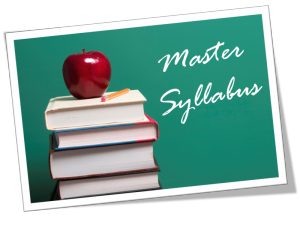
a list of the topics, books, etc. that students should study in a particular subject at school or college
Read the syllabus before the first day of class.
อ่านหลักสูตรโดยสังเขปก่อนวันแรกของการเรียน
คำพ้องความหมายcourse outlinecurriculumprogramplanguideคำตรงข้ามimprovisationunscriptedwinging itad-libโรงเรียนมัธยมปลาย
(in the US and some other countries) a school for young people between the ages of 14 and 18
I am 17 years old and I'm studying at Texas high school.
ฉันอายุ 17 ปี และฉันกำลังเรียนอยู่ที่โรงเรียนมัธยมปลายในเท็กซัส
คำพ้องความหมายsecondary schoolacademyprep schoolคำตรงข้ามelementary schoolprimary schoolคณิตศาสตร์ (khanit-sart)
mathematics, especially as a subject in school
When we learn Math, we learn numbers.
เมื่อเราเรียนคณิตศาสตร์ เราเรียนรู้ตัวเลข (muea rao rian khanit-sart, rao rian-rua tua-lek)
คำพ้องความหมายarithmeticcalculationalgebrageometrytrigonometryคำตรงข้ามilliteracyinnumeracyผู้อำนวยการโรงเรียน, อธิการบดี
the person who is in charge of a school or college
I presented an action plan to the school principal when I was at the meeting.
ฉันนำเสนอแผนปฏิบัติการต่อผู้อำนวยการโรงเรียนตอนที่ฉันเข้าร่วมประชุม
คำพ้องความหมายheadmasterheadmistressdirectorchiefleadermanagerคำตรงข้ามsubordinatefollowerstudentemployeeลงทะเบียน
to arrange for yourself or for somebody else to officially join a course, school, etc.
They want to enroll themselves in the competition.
พวกเขาต้องการลงทะเบียนเข้าร่วมการแข่งขัน
คำพ้องความหมายregistersign upjoinenterlistrecordคำตรงข้ามwithdrawcancelleavedrop outunregisterประกาศนียบัตร, อนุปริญญา
a document showing that you have completed a course of study or part of your education
My brother has got a diploma in business studies.
พี่ชายของฉันได้ประกาศนียบัตรด้านธุรกิจศึกษา
คำพ้องความหมายcertificatedegreequalificationcredentiallicenseคำตรงข้ามfailureincompetenceนักวิชาการ
a person who knows a lot about a particular subject because they have studied it in detail
Many kings and scholars worked to develop the university.
พระราชาและนักวิชาการจำนวนมากทำงานเพื่อพัฒนา มหาวิทยาลัย
คำพ้องความหมายacademicintellectualpunditeggheadsageexpertคำตรงข้ามignoramusnoviceamateurlaymanโรงเรียนเอกชน
a school that receives no money from the government and where the education of the students is paid for by their parents
My younger sister studies at a famous private school.
น้องสาวของฉันเรียนที่โรงเรียนเอกชนชื่อดัง
คำพ้องความหมายindependent schoolnon-state schoolfee-paying schoolคำตรงข้ามpublic schoolstate schoolgovernment schoolทางปัญญา
connected with or using a person’s ability to think in a logical way and understand things
I like detective stories and romances - nothing too intellectual.
ฉันชอบเรื่องนักสืบและความรัก - ไม่มีอะไรที่ฉลาดเกินไป
คำพ้องความหมายintelligentlearnedacademicscholarlyeruditebrainyhighbrowcerebralคำตรงข้ามunintelligentsimplenaivedulluneducatedshallowignorantการประเมิน, การประเมินผล
an opinion or a judgement about somebody/something that has been thought about very carefully
The teacher's assessment of my essay was fair and very helpful.
การประเมินเรียงความของฉันโดยครูนั้นยุติธรรมและเป็นประโยชน์มาก
คำพ้องความหมายevaluationappraisalreviewtestanalysisคำตรงข้ามdisregardneglectignoranceสถาบันการศึกษา
an organization such as a school, college or university that provides education
The educational institution provides a wide range of courses.
สถาบันการศึกษาแห่งนี้เปิดสอนหลักสูตรที่หลากหลาย
คำพ้องความหมายschoolcollegeuniversityacademyคำตรงข้ามN/Aความสามารถในการอ่านออกเขียนได้
the ability to read and write
Literacy is essential for success in modern society.
ความสามารถในการอ่านออกเขียนได้เป็นสิ่งจำเป็นสำหรับความสำเร็จในสังคมสมัยใหม่
คำพ้องความหมายeducationreading abilitywriting abilitycomprehensionคำตรงข้ามilliteracyignoranceเชิงการสอน
connected with ways of teaching or with the study of teaching methods
The professor used a pedagogical approach to teach the difficult subject.
ศาสตราจารย์ใช้วิธีการสอนเพื่อสอนวิชาที่ยาก
คำพ้องความหมายeducationalinstructionalteachingdidacticคำตรงข้ามnon-educationalunteachingคงแก่เรียน
spending a lot of time studying and having a lot of knowledge about an academic subject
She is a scholarly woman who has dedicated her life to academia.
เธอเป็นผู้หญิงคงแก่เรียนที่อุทิศชีวิตให้กับวงการวิชาการ
คำพ้องความหมายacademiclearnederuditestudiousintellectualคำตรงข้ามignorantuneducatedilliterateการประชุมเชิงปฏิบัติการ
a period of discussion and practical work on a particular subject, in which a group of people share their knowledge and experience
I attended a pottery workshop last weekend.
ฉันเข้าร่วมการประชุมเชิงปฏิบัติการเครื่องปั้นดินเผาเมื่อสุดสัปดาห์ที่แล้ว
คำพ้องความหมายseminarclasssessionclinicคำตรงข้ามlecturepresentationการเรียนรู้ทางไกล
a system of education in which students study at home and communicate with their teachers over the internet
Many students have adapted to remote learning this year.
นักเรียนจำนวนมากปรับตัวเข้ากับการเรียนรู้ทางไกลในปีนี้
คำพ้องความหมายdistance learningonline learninge-learningคำตรงข้ามin-person learningtraditional learningclassroom learningความต้องการพิเศษ
needs that a person has because of mental or physical problems
The school has a program for children with special needs.
โรงเรียนมีโปรแกรมสำหรับเด็กที่มีความต้องการพิเศษ
คำพ้องความหมายexceptional needsadditional support needsdisabilitiesคำตรงข้ามtypicalnormalmainstreamทัศนศึกษา
a journey made by a group of people, often students, to study something in its natural environment
The students went on a field trip to the museum.
นักเรียนไปทัศนศึกษาที่พิพิธภัณฑ์
คำพ้องความหมายexcursionoutingeducational visitคำตรงข้ามstay-at-homein-class learningอุดมศึกษา
education at university, especially to degree level
Higher education is important for career advancement.
อุดมศึกษาเป็นสิ่งสำคัญสำหรับการก้าวหน้าในอาชีพ
คำพ้องความหมายpost-secondary educationtertiary educationuniversity educationคำตรงข้ามprimary educationsecondary educationการศึกษา ระดับมัธยมศึกษา
education for children between the ages of 11 and 18
Secondary education is crucial for developing critical thinking skills.
การศึกษาระดับมัธยมศึกษาเป็นสิ่งสำคัญสำหรับการพัฒนาทักษะการคิดอย่างมีวิจารณญาณ
คำพ้องความหมายhigh school educationupper school educationsecond-level educationคำตรงข้ามprimary educationelementary educationความสามารถในการคำนวณ
a good basic knowledge of mathematics; the ability to understand and work with numbers
Basic numeracy is essential for managing personal finances.
ความสามารถในการคำนวณขั้นพื้นฐานเป็นสิ่งจำเป็นสำหรับการจัดการการเงินส่วนบุคคล
คำพ้องความหมายnumerical abilitymathematical skillquantitative literacyคำตรงข้ามinnumeracylack of mathematical skillผลสัมฤทธิ์ทางการเรียน
the level of success a student reaches in their studies, for example in grades and exams.
Her academic achievement earned her a scholarship.
ผลสัมฤทธิ์ทางการเรียนของเธอทำให้เธอได้รับทุนการศึกษา
คำพ้องความหมายEducational attainmentScholastic successLearning progressคำตรงข้ามAcademic failureUnderachievementปฏิทินการศึกษา
a list of the important dates in a school or university year, such as terms, holidays and exams.
The academic calendar outlines important dates for the semester.
ปฏิทินการศึกษาสรุปวันที่สำคัญสำหรับภาคการศึกษา
คำพ้องความหมายSchool calendarTerm scheduleAcademic scheduleคำตรงข้ามUnstructured scheduleIrregular scheduleการเรียนรู้เชิงรุก
a way of teaching in which students take part actively, for example by discussing and solving problems.
Active learning encourages students to participate in their education.
การเรียนรู้เชิงรุกส่งเสริมให้นักเรียนมีส่วนร่วมในการศึกษาของตนเอง
คำพ้องความหมายengaged learningparticipatory learningexperiential learningคำตรงข้ามpassive learningrote learningการศึกษาพลเมือง
teaching about the rights and duties of citizens and how society and government work.
Civil education teaches students about their rights and responsibilities as citizens.
การศึกษาพลเมืองสอนนักเรียนเกี่ยวกับสิทธิและความรับผิดชอบของพวกเขาในฐานะพลเมือง
คำพ้องความหมายcivicscitizenship educationgovernment studiesคำตรงข้ามindoctrinationpropagandaพฤติกรรมในชั้นเรียน
the way students act and behave during lessons in a classroom.
The teacher discussed classroom behavior expectations on the first day of school.
ครูอธิบายความคาดหวังเกี่ยวกับพฤติกรรมในชั้นเรียนในวันแรกของการเปิดเรียน
คำพ้องความหมายClassroom conductStudent behaviorDisciplineคำตรงข้ามMisbehaviorDisruptionการจัดการชั้นเรียน
the methods a teacher uses to organize a class and keep students focused and well-behaved.
Effective classroom management creates a positive learning environment.
การจัดการชั้นเรียนที่มีประสิทธิภาพสร้างสภาพแวดล้อมการเรียนรู้เชิงบวก
คำพ้องความหมายClassroom disciplineClassroom organizationBehavior managementคำตรงข้ามChaosDisorderMismanagementการเรียนรู้แบบร่วมมือ
a teaching method in which students work together in small groups to help each other learn and reach shared goals
Cooperative learning encourages students to work together to achieve a common goal.
การเรียนรู้แบบร่วมมือส่งเสริมให้นักเรียนทำงานร่วมกันเพื่อให้บรรลุเป้าหมายร่วมกัน
คำพ้องความหมายCollaborative learningGroup learningคำตรงข้ามIndividual learningIndependent studyการคิดเชิงวิพากษ์
the process of thinking carefully about ideas and information, judging them fairly before forming an opinion
Critical thinking is essential for problem-solving.
การคิดเชิงวิพากษ์เป็นสิ่งจำเป็นสำหรับการแก้ปัญหา
คำพ้องความหมายAnalytical thinkingLogical reasoningProblem-solvingRational thinkingคำตรงข้ามAcceptanceGullibilityNaivetyUncritical thinkingการศึกษาทางไกล
a way of studying in which students learn at home or far from the teacher, using the internet, post, etc.
Distance education allows students to learn from home.
การศึกษาทางไกลช่วยให้นักเรียนสามารถเรียนรู้จากที่บ้านได้
คำพ้องความหมายOnline learningRemote learningE-learningคำตรงข้ามTraditional educationClassroom learningอัตราการออกกลางคัน, อัตราการลาออกจากโรงเรียน
the percentage of students who leave a school or course before finishing it
The drop-out rate in that school is alarmingly high.
อัตราการออกกลางคันของโรงเรียนนั้นสูงอย่างน่าตกใจ
คำพ้องความหมายAttrition rateWithdrawal rateSchool leaversคำตรงข้ามGraduation rateRetention rateอีเลิร์นนิง, การเรียนรู้ผ่านระบบออนไลน์
learning through online courses and materials that employees can study on a computer or phone
All staff must finish the data security e-learning module by June.
พนักงานทุกคนต้องเรียนอีเลิร์นนิงโมดูลความปลอดภัยของข้อมูลให้จบภายในเดือนมิถุนายน
E-learning lets factory workers study during quiet shifts.
คำพ้องความหมายonline learningdistance educationvirtual learningคำตรงข้ามtraditional learningface-to-face learningจิตวิทยาการศึกษา
the study of how people learn and how teaching can be made more effective
Educational psychology helps teachers understand how students learn.
จิตวิทยาการศึกษาช่วยให้ครูเข้าใจว่านักเรียนเรียนรู้อย่างไร
คำพ้องความหมายLearning psychologyPedagogical psychologyคำตรงข้ามClinical psychologyDevelopmental psychologyเทคโนโลยีการศึกษา
the use of computers, software and other technology to support teaching and learning
Educational technology can enhance the learning experience.
เทคโนโลยีการศึกษาสามารถเพิ่มพูนประสบการณ์การเรียนรู้ได้
คำพ้องความหมายEdTechLearning TechnologyInstructional Technologyคำตรงข้ามTraditional educationClassical educationกิจกรรมนอกหลักสูตร
activities such as sports or clubs that students do at school but that are not part of their normal lessons
She is involved in many extracurricular activities at school, such as drama club and debate team.
เธอมีส่วนร่วมในกิจกรรมนอกหลักสูตรมากมายที่โรงเรียน เช่น ชมรมละครและทีมโต้วาที
คำพ้องความหมายAfter-school activitiesOutside activitiesSupplementary activitiesคำตรงข้ามAcademic studiesRequired courseworkCore curriculumการศึกษาสำหรับผู้มีพรสวรรค์
special teaching programmes for children who are unusually intelligent or talented
The school offers a gifted education program for exceptionally bright students.
โรงเรียนมีโครงการการศึกษาสำหรับผู้มีพรสวรรค์สำหรับนักเรียนที่ฉลาดเป็นพิเศษ
คำพ้องความหมายTalented educationAdvanced learningEnrichment programคำตรงข้ามRemedial educationSpecial educationการศึกษาแบบเรียนรวม, การศึกษาแบบรวม
a system in which all children, including those with disabilities or special needs, learn together in ordinary schools
The school board supports inclusive education for all students.
คณะกรรมการโรงเรียนสนับสนุนการศึกษาแบบเรียนรวมสำหรับนักเรียนทุกคน
คำพ้องความหมายIntegrated educationIntegrated learningMainstreamingคำตรงข้ามSegregationExclusionการสอนแบบรายบุคคล
teaching that is planned to suit the needs, abilities and pace of each individual student
The school provides individualized instruction to meet the needs of each student.
โรงเรียนให้การสอนแบบรายบุคคลเพื่อตอบสนองความต้องการของนักเรียนแต่ละคน
คำพ้องความหมายpersonalized learningcustomized instructiondifferentiated instructionคำตรงข้ามstandardized instructiongroup instructionพัฒนาการทางสติปัญญา
the growth of a person's ability to think, understand and reason
Intellectual development is crucial for a child's future.
พัฒนาการทางสติปัญญาเป็นสิ่งสำคัญสำหรับอนาคตของเด็ก
คำพ้องความหมายcognitive growthmental advancementintellectual growthคำตรงข้ามintellectual declinemental stagnationความบกพร่องทางการเรียนรู้
conditions that make it difficult for someone to learn certain skills, such as reading, writing or maths
The school offers special programs for students with learning disabilities.
โรงเรียนมีโปรแกรมพิเศษสำหรับนักเรียนที่มีความบกพร่องทางการเรียนรู้
คำพ้องความหมายLearning differencesCognitive impairmentsAcademic challengesคำตรงข้ามLearning abilitiesCognitive strengthsAcademic proficiencyชุดการบรรยาย
a set of related lectures on a particular subject, given over a period of time
The university offers a fascinating lecture series on astrophysics.
มหาวิทยาลัยเสนอชุดการบรรยายที่น่าสนใจเกี่ยวกับฟิสิกส์ดาราศาสตร์
คำพ้องความหมายSeminar seriesCourse of lecturesLecture programคำตรงข้ามSingle lectureOne-off talkอัตราการรู้หนังสือ
the percentage of people in a country or area who can read and write
The literacy rate in the country has improved significantly.
อัตราการรู้หนังสือในประเทศนั้นดีขึ้นอย่างมาก
คำพ้องความหมายEducation levelReading proficiencyKnowledge rateคำตรงข้ามIlliteracy rateทักษะการอ่านออกเขียนได้
the abilities needed to read and write well
Literacy skills are essential for success in today's world.
ทักษะการอ่านออกเขียนได้เป็นสิ่งจำเป็นสำหรับความสำเร็จในโลกปัจจุบัน
คำพ้องความหมายreading skillswriting skillscomprehension skillsคำตรงข้ามilliteracylack of educationทักษะการคำนวณ
the abilities needed to understand and work with numbers
Good numeracy skills are essential for managing personal finances.
ทักษะการคำนวณที่ดีเป็นสิ่งจำเป็นสำหรับการจัดการการเงินส่วนบุคคล
คำพ้องความหมายMathematical skillsQuantitative skillsArithmetic skillsคำตรงข้ามIlliteracyInnumeracyหลักสูตรออนไลน์
a course of study that is taught and taken over the internet
I am taking an online course in data science.
ฉันกำลังเรียนหลักสูตรออนไลน์ด้านวิทยาศาสตร์ข้อมูล
คำพ้องความหมายe-coursevirtual classwebinardistance learningคำตรงข้ามin-person coursetraditional classoffline courseการเรียนรู้ออนไลน์
a way of studying in which courses and lessons are taken over the internet rather than in a classroom.
Online learning offers flexibility and convenience.
การเรียนรู้ออนไลน์มีความยืดหยุ่นและสะดวกสบาย
คำพ้องความหมายE-learningDistance learningVirtual learningคำตรงข้ามTraditional learningIn-person learningClassroom learningห้องสมุดออนไลน์
a collection of books, journals and other materials that people can read or use over the internet.
The online library provides access to thousands of books.
ห้องสมุดออนไลน์ให้บริการเข้าถึงหนังสือหลายพันเล่ม
คำพ้องความหมายdigital libraryvirtual librarye-libraryคำตรงข้ามphysical librarybrick-and-mortar libraryแหล่งเรียนรู้เปิด
teaching and learning materials that are freely available for anyone to use, copy and share.
The university adopted open educational resources to reduce student costs.
มหาวิทยาลัยนำแหล่งเรียนรู้เปิดมาใช้เพื่อลดค่าใช้จ่ายของนักศึกษา
คำพ้องความหมายOERfree educational materialsopen learning resourcesคำตรงข้ามproprietary educational resourcescopyrighted learning materialsclosed educational resourcesกลุ่มเพื่อน
a group of people of about the same age or social position who influence each other.
Teenagers are heavily influenced by their peer group.
วัยรุ่นได้รับอิทธิพลอย่างมากจากกลุ่มเพื่อน
คำพ้องความหมายSocial circleCliqueAssociatesFellowsคำตรงข้ามOutsiderIndividualLone wolfการเรียนรู้แบบเพื่อน
a way of learning in which students help and teach each other.
Peer learning can improve understanding and collaboration.
การเรียนรู้แบบเพื่อนสามารถปรับปรุงความเข้าใจและความร่วมมือ
คำพ้องความหมายCollaborative learningGroup learningCooperative learningคำตรงข้ามIndividual learningIndependent studyพลศึกษา
sport and exercise that is taught as a subject in schools.
We have physical education class every Tuesday and Thursday.
เรามีชั่วโมงเรียนพลศึกษาทุกวันอังคารและพฤหัสบดี
คำพ้องความหมายGym classPhys EdSportsExerciseคำตรงข้ามSedentary activityInactivityDesk workการศึกษาปฐมวัย
education for young children before they start primary school.
Preschool education prepares children for primary school.
การศึกษาปฐมวัยเตรียมความพร้อมให้เด็ก ๆ สำหรับโรงเรียนประถมศึกษา
คำพ้องความหมายearly childhood educationnursery school educationpre-primary educationคำตรงข้ามhigher educationadult educationการศึกษาขั้นพื้นฐาน
the first stage of formal education, usually for children aged between about five and eleven.
Primary education is crucial for a child's development.
การศึกษาขั้นพื้นฐานมีความสำคัญต่อพัฒนาการของเด็ก
คำพ้องความหมายelementary educationbasic educationearly educationคำตรงข้ามhigher educationsecondary educationงานวิจัย
a piece of academic writing that presents the results of a study of a particular subject.
She spent months writing her research paper.
เธอใช้เวลาหลายเดือนในการเขียนงานวิจัยของเธอ
คำพ้องความหมายScholarly paperAcademic paperStudyThesisคำตรงข้ามUnscholarly writingInformal writingทุนการศึกษา
amounts of money given to students by an organization to help pay for their education.
She applied for several scholarships to help pay for college.
เธอสมัครทุนการศึกษาหลายทุนเพื่อช่วยจ่ายค่าเล่าเรียน
คำพ้องความหมายGrantFellowshipBursaryFundingFinancial aidคำตรงข้ามDebtLoanฝ่ายบริหารโรงเรียน
the people who manage and organize a school and make decisions about how it is run.
The school administration decided to implement a new dress code policy.
ฝ่ายบริหารโรงเรียนตัดสินใจใช้ระเบียบการแต่งกายใหม่
คำพ้องความหมายSchool managementEducational administrationSchool leadershipคำตรงข้ามStudentsFacultyTeachersที่ปรึกษาประจำโรงเรียน
a person whose job is to give students advice about their studies, future plans and personal problems.
The school counselor helped students with their college applications.
ที่ปรึกษาประจำโรงเรียนช่วยเหลือนักเรียนในการสมัครเข้าเรียนในมหาวิทยาลัย
คำพ้องความหมายGuidance counselorStudent advisorคำตรงข้ามNoneการทดสอบมาตรฐาน
a test that is given and marked in the same way for all students, so results can be compared.
The students took a standardized test to assess their academic performance.
นักเรียนทำแบบทดสอบมาตรฐานเพื่อประเมินผลการเรียน
คำพ้องความหมายStandard testNorm-referenced testUniform testคำตรงข้ามInformal assessmentTeacher-made testNon-standardized testการมีส่วนร่วมของนักเรียน
the degree to which students show interest, attention and active involvement in their learning.
Student engagement is crucial for effective learning.
การมีส่วนร่วมของนักเรียนเป็นสิ่งสำคัญสำหรับการเรียนรู้ที่มีประสิทธิภาพ
คำพ้องความหมายStudent involvementStudent participationStudent connectionคำตรงข้ามStudent apathyStudent disengagementเงินกู้ยืมเพื่อการศึกษา
money that a student borrows to pay for their education and pays back later.
She paid off her student loan after ten years.
เธอจ่ายหนี้เงินกู้ยืมเพื่อการศึกษาของเธอหมดหลังจากสิบปี
คำพ้องความหมายEducation loanTuition loanคำตรงข้ามGrantScholarshipห้องเรียนเสมือน
an online space where teachers and students meet and have lessons using the internet.
The virtual classroom allowed students from different countries to learn together.
ห้องเรียนเสมือนช่วยให้นักเรียนจากประเทศต่างๆ เรียนรู้ร่วมกันได้
คำพ้องความหมายOnline classroomDigital classroomE-classroomคำตรงข้ามPhysical classroomTraditional classroomการฝึกอาชีพ
training that teaches the skills needed for a particular job or trade.
Vocational training provides practical skills for specific jobs.
การฝึกอบรมวิชาชีพให้ทักษะที่เป็นประโยชน์สำหรับงานเฉพาะ
คำพ้องความหมายJob trainingSkills trainingCareer trainingTechnical educationคำตรงข้ามAcademic educationLiberal arts educationการศึกษาที่รอบด้าน
An education that develops a wide range of knowledge and skills rather than focusing on one subject area.
A well-rounded education includes arts, sciences, and humanities.
การศึกษาที่รอบด้านรวมถึงศิลปะ วิทยาศาสตร์ และมนุษยศาสตร์
คำพ้องความหมายComprehensive educationBalanced educationHolistic educationคำตรงข้ามNarrow educationSpecialized education