コンテンツへスキップ

レッスン5/33 · 110語 · 覚えた単語 0

Education

教育

  1. 1

    research(noun)

    /ˈriːsɜːrtʃ/

    研究 (kenkyuu)

    a careful study of a subject, especially in order to discover new facts or information about it

    For toy manufacturers, research can be pure fun

    おもちゃメーカーにとって、研究は純粋な楽しみになり得る。

    Part of the research the team does is to determine whether similar products are already on the market

    類義語studyinvestigationexplorationinquiryanalysisexperimentation
    対義語ignoranceneglectcarelessnesssuperficiality
  2. 2

    assignment(noun)

    /əˈsaɪnmənt/

    課題 (kadai)

    a task or piece of work that somebody is given to do, usually as part of their job or studies

    This assignment has to be turned in before midnight

    この課題は真夜中までに提出しなければなりません。

    When the reporter is on assignment, research piles up on her desk

    類義語taskjobdutymissionprojectchore
    対義語leisurerecreationentertainmentfun
  3. 3

    student(noun)

    /ˈstuːdnt/

    学生 (gakusei)

    a person who is studying at a university or college

    He is a student.

    彼は学生です。(Kare wa gakusei desu.)

    a graduate/postgraduate/research student

    類義語learnerpupilscholardiscipleapprentice
    対義語teacherinstructormastergraduateexpert
  4. 4

    art(noun)

    /ɑːrt/

    芸術, 美術

    the use of the imagination to express ideas or feelings, particularly in painting, drawing or sculpture

    We have art on Monday, and I love painting pictures.

    月曜日には美術の授業があって、私は絵を描くのが大好きだ。

    類義語skillcrafttalentcreativityexpressiondesignmastery
    対義語clumsinessineptitudelack of skillartlessnessinability
  5. 5

    lecture(noun)

    /ˈlektʃər/

    講義 (kougi)

    a talk that is given to a group of people to teach them about a particular subject, often as part of a university or college course

    The lecture was very interesting.

    その講義はとても面白かった。

    to deliver/give a lecture to first-year students

    類義語talkspeechpresentationaddressdiscourse
    対義語dialogueconversationdiscussion
  6. 6

    teacher(noun)

    /ˈtiːtʃər/

    教師 (kyoushi)

    a person whose job is teaching, especially in a school

    Ms. Sarah is my English teacher.

    サラさんは私の英語の先生です。(Sara-san wa watashi no eigo no sensei desu.)

    a history/science, etc. teacher

    類義語educatorinstructortutorprofessormentorlecturerguide
    対義語studentpupillearner
  7. 7

    university(noun)

    /ˌjuːnɪˈvɜːrsəti/

    大学 (daigaku)

    an institution at the highest level of education where you can study for a degree or do research

    Is there a university in this town?

    この町に大学はありますか? (Kono machi ni daigaku wa arimasu ka?)

    類義語collegeinstituteacademyinstitution of higher learning
    対義語schoolelementary schoolhigh schoolvocational school
  8. 8

    literature(noun)

    /ˈlɪtrətʃər/

    文学 (bungaku)

    pieces of writing that are valued as works of art, especially novels, plays and poems (in contrast to technical books and newspapers, magazines, etc.)

    My sister is very good at Literature.

    私の妹は文学が得意です。

    French literature

    類義語writingslettersbookscompositioncreative writingpoetrydrama
    対義語illiteracynonfictionsciencemathematics
  9. 9

    instruction(noun)

    /ɪnˈstrʌkʃn/

    指示 (shiji)

    detailed information on how to do or use something

    The plant comes with full instructions on how to care for it.

    その植物には、育て方についての完全な指示書が付属しています。

    Follow the instructions on the packet carefully.

    類義語directionguidancecommandorderbriefingteachingeducation
    対義語misinformationambiguityconfusionmisdirection
  10. 10

    physics(noun)

    /ˈfɪzɪks/

    物理学 (butsurigaku)

    the scientific study of matter and energy and the relationships between them, including the study of forces, heat, light, sound, electricity and the structure of atoms

    I’m not good at physics.

    私は物理が得意ではありません。(Watashi wa butsuri ga tokui dewa arimasen.)

    particle/nuclear/theoretical physics

    類義語sciencephysical sciencenatural philosophy
    対義語artshumanities
  11. 11

    test(noun)

    /test/

    テスト, 試験

    an examination of somebody’s knowledge or ability, consisting of questions for them to answer or activities for them to perform

    We have a maths test on Friday, so I need to study tonight.

    金曜日に数学のテストがあるので、今夜は勉強しなければならない。

    類義語examineassessevaluatequiztrialverify
    対義語neglectignoredisregardapprovepass
  12. 12

    discipline(noun)

    /ˈdɪsəplɪn/

    規律 (kiritsu)

    the practice of training people to obey rules and orders and punishing them if they do not; the controlled behaviour or situation that is the result of this training

    Discipline is necessary in any school.

    規律はどの学校でも必要です。

    Lack of discipline at home meant that many pupils found it difficult to settle in to the ordered environment of the school.

    類義語self-controlorderregulationtrainingstrictnesscontrol
    対義語leniencydisorderchaosforgivenessindulgencelawlessness
  13. 13

    school(noun)

    /skuːl/

    学校 (gakkou)

    a place where children go to be educated

    This is my school.

    これは私の学校です。(Kore wa watashi no gakkou desu.)

    Which school do they attend?

    類義語academyinstituteinstitutioncollegeuniversityeducational establishment
    対義語workofficejob
  14. 14

    exam(noun)

    /ɪɡˈzæm/

    試験 (shiken)

    a formal written, spoken or practical test, especially at school or college, to see how much you know about a subject, or what you can do

    Have you prepared for the coming exam?

    今度の試験の準備はできましたか? (Kondo no shiken no junbi wa dekimashita ka?)

    類義語testassessmentquizevaluationtrial
    対義語breakrecessholidayvacation
  15. 15

    chemistry(noun)

    /ˈkemɪstri/

    化学 (kagaku)

    the scientific study of the structure of substances, how they react when combined or in contact with one another, and how they behave under different conditions

    I like learning Chemistry in the laboratory.

    私は実験室で化学を学ぶのが好きです。

    the university's chemistry department

    類義語chemical sciencechemical analysiscompositionchemical processes
    対義語physical science
  16. 16

    geography(noun)

    /dʒiˈɑːɡrəfi/

    地理 (chiri)

    the scientific study of the earth’s surface, physical features, divisions, products, population, etc.

    We know more about the countries through Geography.

    私たちは地理を通してその国々についてより多くを知っています。

    a geography lesson/department/teacher/textbook

    類義語earth sciencetopographycartographyearth studies
    対義語historynonspatial studies
  17. 17

    minor(adjective)

    /ˈmaɪnər/

    軽微な

    not very large, important or serious

    There may be some minor changes to the schedule.

    スケジュールに若干の変更があるかもしれません。

    to undergo minor surgery

    類義語smallslightinsignificanttrivialpettysecondarylesser
    対義語majorsignificantimportantsubstantiallargeconsiderable
  18. 18

    biology(noun)

    /baɪˈɑːlədʒi/

    生物学 (seibutsugaku)

    the scientific study of the life and structure of plants and animals

    What day do you have biology?

    何曜日に生物学の授業がありますか? (Nani yōbi ni seibutsugaku no jugyō ga arimasu ka?)

    The beach is a mile away.

    類義語life sciencenatural science
    対義語physicschemistrymathematics
  19. 19

    knowledge(noun)

    /ˈnɑːlɪdʒ/

    知識 (chishiki)

    the information, understanding and skills that you gain through education or experience

    There is a lack of knowledge about the tax system.

    税制についての知識が不足している。

    There is a lack of knowledge about the tax system.

    類義語understandingawarenesswisdomexpertiseinformationintelligence
    対義語ignoranceunawarenessnesciencestupidity
  20. 20

    college(noun)

    /ˈkɑːlɪdʒ/

    大学 (daigaku)

    (in the UK) a place where students go to study or to receive training after they have left school

    a college course/library/student

    大学のコース/図書館/学生 (daigaku no kōsu/toshokan/gakusei)

    the Royal College of Art

    類義語universityacademyinstitutioninstituteschool
    対義語primary schoolsecondary schoolhigh school
  21. 21

    history(noun)

    /ˈhɪstri/

    歴史, 歴史学

    the study of past events, especially as a subject at school or university

    My mother is a history teacher.

    私の母は歴史の先生です。

    The area was inhabited long before the dawn of recorded history(= before people wrote about events).

    類義語pastchroniclerecordaccountevents
    対義語future
  22. 22

    academic(adjective)

    /ˌækəˈdemɪk/

    学術的な (gakujutsuteki na)

    connected with education, especially studying in schools and universities

    There are some academic subjects such as maths or science.

    数学や科学のような学術的な科目があります。(Sūgaku ya kagaku no yōna gakujutsuteki na kamoku ga arimasu.)

    The students return in October for the start of the new academic year.

    類義語scholarlyeducationalintellectualpedagogicaltheoretical
    対義語practicalappliednonacademicvocational
  23. 23

    major(adjective)

    /ˈmeɪdʒər/

    主要な

    very large or important

    We have encountered major problems.

    私たちは主要な問題に遭遇しました。

    major international companies

    類義語significantimportantprimarychiefprincipalsubstantialconsiderableserious
    対義語minorinsignificantunimportanttrivialsecondarylesser
  24. 24

    homework(noun)

    /ˈhəʊmwɜːrk/

    宿題 (shukudai)

    work that is given by teachers for students to do at home

    Why don't you do your homework?

    どうして宿題をしないの? (doushite shukudai o shinai no?)

    How much homework do you get?

    類義語assignmentschoolworklessonexercise
    対義語recreationleisurefunbreak
  25. 25

    primary school(noun)

    /ˈpraɪmeri skuːl/

    小学校

    a school for children between the ages of 4 or 5 and 11

    Children at primary schools have to study English as a compulsory subject.

    小学校の子供たちは、必修科目として英語を勉強しなければなりません。

    類義語elementary schoolgrade school
    対義語secondary schoolhigh school
  26. 26

    secondary school(noun)

    /ˈsekənderi skuːl/

    中学校 (chūgakkō)

    a school for young people between the ages of 11 and 16 or 18

    We all go to the secondary school in town.

    私たちはみんな町の学校に通っています。(Watashitachi wa minna machi no chūgakkō ni kayotte imasu.)

    類義語high schooljunior high schoolmiddle school
    対義語primary schoolelementary school
  27. 27

    curriculum(noun)

    /kəˈrɪkjələm/

    カリキュラム

    the subjects that are included in a course of study or taught in a school, college, etc.

    Music and arts should be added to the school curriculum.

    音楽と芸術は学校のカリキュラムに追加されるべきです。

    類義語syllabuscourse of studyprogrammodulessubjects
    対義語extracurricularoptional activities
  28. 28

    library(noun)

    /ˈlaɪbreri/

    図書館 (toshokan)

    a building in which collections of books, newspapers, etc. and sometimes films and recorded music are kept for people to read, study or borrow

    I often go to the library on Friday morning.

    私は金曜日の朝によく図書館に行きます。

    類義語bookstorestudyarchivereading room
    対義語none
  29. 29

    tutor(noun)

    /ˈtuːtər/

    家庭教師, 個人指導教師

    a private teacher, especially one who teaches an individual student or a very small group

    My parents hired a tutor to help me with maths.

    両親は私の数学を手伝ってもらうために家庭教師を雇った。

    類義語instructorteachercoachmentoreducatorguide
    対義語studentlearnerpupil
  30. 30

    syllabus(noun)

    /ˈsɪləbəs/

    シラバス

    a list of the topics, books, etc. that students should study in a particular subject at school or college

    Read the syllabus before the first day of class.

    授業の初日前にシラバスを読んでください。

    類義語course outlinecurriculumprogramplanguide
    対義語improvisationunscriptedwinging itad-lib
  31. 31

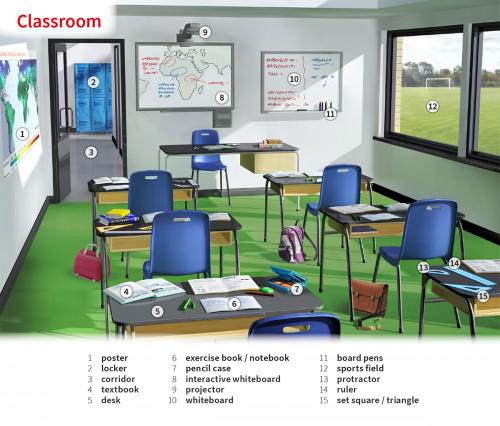
    classroom(noun)

    /ˈklæsruːm/

    教室 (kyoushitsu)

    a room where a class of children or students is taught

    That is my classroom.

    あれは私の教室です。(Are wa watashi no kyoushitsu desu.)

    類義語schoolroomclasslecture hall
    対義語hallwayoutsideoffice
  32. 32

    English(noun)

    /ˈɪŋɡlɪʃ/

    英語 (eigo)

    the language, originally of England, now spoken in many other countries and used as a language of international communication throughout the world

    I like learning English.

    私は英語を勉強するのが好きです。(Watashi wa eigo o benkyō suru no ga suki desu.)

    類義語the English languageBritish EnglishAmerican English
  33. 33

    high school(noun)

    /ˈhaɪ skuːl/

    高校 (koukou)

    (in the US and some other countries) a school for young people between the ages of 14 and 18

    I am 17 years old and I'm studying at Texas high school.

    私は17歳で、テキサスの高校で勉強しています。

    類義語secondary schoolacademyprep school
    対義語elementary schoolprimary school
  34. 34

    math(noun)

    /mæθ/

    数学 (sūgaku)

    mathematics, especially as a subject in school

    When we learn Math, we learn numbers.

    数学を学ぶとき、私たちは数字を学びます。 (Sūgaku o manabu toki, watashitachi wa sūji o manabimasu.)

    類義語arithmeticcalculationalgebrageometrytrigonometry
    対義語illiteracyinnumeracy
  35. 35

    principal(noun)

    /ˈprɪnsəpl/

    校長, 学長

    the person who is in charge of a school or college

    I presented an action plan to the school principal when I was at the meeting.

    会議に出た際、私は校長に行動計画を提示した。

    類義語headmasterheadmistressdirectorchiefleadermanager
    対義語subordinatefollowerstudentemployee
  36. 36

    enroll(verb)

    /ɪnˈrəʊl/

    登録する (touroku suru)

    to arrange for yourself or for somebody else to officially join a course, school, etc.

    They want to enroll themselves in the competition.

    彼らはその競技会に登録したいと思っています。

    類義語registersign upjoinenterlistrecord
    対義語withdrawcancelleavedrop outunregister
  37. 37

    diploma(noun)

    /dɪˈpləʊmə/

    修了証書, 免状, 卒業証書

    a document showing that you have completed a course of study or part of your education

    My brother has got a diploma in business studies.

    兄はビジネス学の修了証書を持っている。

    類義語certificatedegreequalificationcredentiallicense
    対義語failureincompetence
  38. 38

    scholar(noun)

    /ˈskɑːlər/

    学者 (gakusha)

    a person who knows a lot about a particular subject because they have studied it in detail

    Many kings and scholars worked to develop the university.

    多くの王や学者が大学を発展させるために働いた。

    類義語academicintellectualpunditeggheadsageexpert
    対義語ignoramusnoviceamateurlayman
  39. 39

    private school(noun)

    /ˌpraɪvət ˈskuːl/

    私立学校 (shiritsu gakkou)

    a school that receives no money from the government and where the education of the students is paid for by their parents

    My younger sister studies at a famous private school.

    私の妹は有名な私立学校に通っています。(Watashi no imouto wa yumeina shiritsu gakkou ni kayotteimasu.)

    類義語independent schoolnon-state schoolfee-paying school
    対義語public schoolstate schoolgovernment school
  40. 40

    intellectual(adjective)

    /ˌɪntəˈlektʃuəl/

    知的

    connected with or using a person’s ability to think in a logical way and understand things

    I like detective stories and romances - nothing too intellectual.

    推理小説と恋愛小説が好きです。あまり知的なものは好きではありません。

    類義語intelligentlearnedacademicscholarlyeruditebrainyhighbrowcerebral
    対義語unintelligentsimplenaivedulluneducatedshallowignorant
  41. 41

    assessment(noun)

    /əˈsesmənt/

    評価, 査定

    an opinion or a judgement about somebody/something that has been thought about very carefully

    The teacher's assessment of my essay was fair and very helpful.

    私のエッセイに対する先生の評価は公正で、とても参考になった。

    類義語evaluationappraisalreviewtestanalysis
    対義語disregardneglectignorance
  42. 42

    drop-out(noun)

    /'drɔp'aut/

    中退者, 落ちこぼれ

    a person who leaves school or college before finishing their studies

    He became a drop-out after his parents lost their jobs.

    両親が失業したため、彼は学校を中退することになった。

    類義語quitterdeserterearly leaver
    対義語graduateachievercompleter
  43. 43

    educational institution(noun)

    /ˌedʒuˈkeɪʃənl ˌɪnstɪˈtuːʃn/

    教育機関

    an organization such as a school, college or university that provides education

    The educational institution provides a wide range of courses.

    その教育機関は幅広いコースを提供しています。

    類義語schoolcollegeuniversityacademy
    対義語N/A
  44. 44

    graduation(noun)

    /ˌɡrædʒuˈeɪʃn/

    卒業

    the act of successfully completing a university degree, or studies at an American high school

    She celebrated her graduation with a party.

    彼女は卒業をパーティーで祝った。

    類義語commencementpassing outcompletion
    対義語failurebeginning
  45. 45

    instructive(adjective)

    /ɪnˈstrʌktɪv/

    有益な

    giving a lot of useful information

    The documentary was very instructive.

    そのドキュメンタリーは非常に有益だった。

    類義語educationalinformativeilluminatingenlightening
    対義語uninstructiveuninformativemisleading
  46. 46

    kindergarten(noun)

    /ˈkɪndərɡɑːrtn/

    幼稚園 (youchien)

    a school or class to prepare children aged five for school

    My daughter will start kindergarten next year.

    私の娘は来年幼稚園に入園します。

    類義語preschoolnursery school
    対義語universitycollege
  47. 47

    literacy(noun)

    /ˈlɪtərəsi/

    識字

    the ability to read and write

    Literacy is essential for success in modern society.

    識字は現代社会で成功するために不可欠です。

    類義語educationreading abilitywriting abilitycomprehension
    対義語illiteracyignorance
  48. 48

    pedagogical(adjective)

    /,pedə'gɔdik/

    教育的な

    connected with ways of teaching or with the study of teaching methods

    The professor used a pedagogical approach to teach the difficult subject.

    教授は難しい主題を教えるために教育的なアプローチを使用しました。

    類義語educationalinstructionalteachingdidactic
    対義語non-educationalunteaching
  49. 49

    pedagogy(noun)

    /ˈpedəɡɑːdʒi/

    教育学

    the study of teaching methods

    The professor is known for his innovative pedagogy.

    その教授は革新的な教育学で知られています。

    類義語teachinginstructioneducationdidactics
    対義語learningstudying
  50. 50

    plagiarism(noun)

    /ˈpleɪdʒərɪzəm/

    盗作, 剽窃

    an act of plagiarizing something; something that has been plagiarized

    The student was expelled for plagiarism.

    その学生は剽窃を理由に退学処分となった。

    類義語copyingtheftinfringementpiracy
    対義語originalitycreationinnovation
  51. 51

    scholarly(adjective)

    /ˈskɑːlərli/

    学術的な

    spending a lot of time studying and having a lot of knowledge about an academic subject

    She is a scholarly woman who has dedicated her life to academia.

    彼女は学術的な女性で、生涯を学問に捧げてきました。

    類義語academiclearnederuditestudiousintellectual
    対義語ignorantuneducatedilliterate
  52. 52

    undergraduate(noun)

    /ˌʌndərˈɡrædʒuət/

    学部生

    a university or college student who is studying for their first degree

    She is an undergraduate student at Harvard.

    彼女はハーバード大学の学部生です。

    類義語college studentstudent
    対義語graduatepostgraduatealumnus
  53. 53

    workshop(noun)

    /ˈwɜːrkʃɑːp/

    ワークショップ

    a period of discussion and practical work on a particular subject, in which a group of people share their knowledge and experience

    I attended a pottery workshop last weekend.

    先週末、陶芸のワークショップに参加しました。

    類義語seminarclasssessionclinic
    対義語lecturepresentation
  54. 54

    remote learning(noun)

    /rɪˈməʊt ˈlɜːrnɪŋ/

    リモート学習

    a system of education in which students study at home and communicate with their teachers over the internet

    Many students have adapted to remote learning this year.

    多くの学生が今年、リモート学習に適応しました。

    類義語distance learningonline learninge-learning
    対義語in-person learningtraditional learningclassroom learning
  55. 55

    special needs(noun)

    /ˈspeʃl niːdz/

    特別なニーズ

    needs that a person has because of mental or physical problems

    The school has a program for children with special needs.

    その学校には特別なニーズを持つ子供たちのためのプログラムがあります。

    類義語exceptional needsadditional support needsdisabilities
    対義語typicalnormalmainstream
  56. 56

    field trip(noun)

    /fiːld trɪp/

    遠足

    a journey made by a group of people, often students, to study something in its natural environment

    The students went on a field trip to the museum.

    生徒たちは博物館へ遠足に行きました。

    類義語excursionoutingeducational visit
    対義語stay-at-homein-class learning
  57. 57

    higher education(noun)

    /ˈhaɪər ˌedʒuˈkeɪʃn/

    高等教育

    education at university, especially to degree level

    Higher education is important for career advancement.

    高等教育はキャリアアップに重要です。

    類義語post-secondary educationtertiary educationuniversity education
    対義語primary educationsecondary education
  58. 58

    lecture hall(noun)

    /ˈlektʃər hɔːl/

    講堂

    a large room with rows of seats on a slope, where lectures are given

    The lecture hall was packed with students.

    講堂は学生でいっぱいだった。

    類義語auditoriumlecture theaterhallclassroom
    対義語private studysmall classroom
  59. 59

    secondary education(noun)

    /ˈsekənderi ˌedʒuˈkeɪʃn/

    中等教育

    education for children between the ages of 11 and 18

    Secondary education is crucial for developing critical thinking skills.

    中等教育は批判的思考スキルを養うために重要です。

    類義語high school educationupper school educationsecond-level education
    対義語primary educationelementary education
  60. 60

    numeracy(noun)

    /ˈnuːmərəsi/

    算数能力

    a good basic knowledge of mathematics; the ability to understand and work with numbers

    Basic numeracy is essential for managing personal finances.

    基本的な算数能力は、個人の財政を管理するために不可欠です。

    類義語numerical abilitymathematical skillquantitative literacy
    対義語innumeracylack of mathematical skill
  61. 61

    Academic achievement(noun)

    /ˌækəˈdɛmɪk əˈʧiːvmənt/

    学業成績

    the level of success a student reaches in their studies, for example in grades and exams.

    Her academic achievement earned her a scholarship.

    彼女の学業成績が評価され、奨学金を得ることができました。

    類義語Educational attainmentScholastic successLearning progress
    対義語Academic failureUnderachievement
  62. 62

    Academic calendar(noun)

    /ˌækəˈdɛmɪk ˈkæləndər/

    学事暦

    a list of the important dates in a school or university year, such as terms, holidays and exams.

    The academic calendar outlines important dates for the semester.

    学事暦は、学期の重要な日付を概説しています。

    類義語School calendarTerm scheduleAcademic schedule
    対義語Unstructured scheduleIrregular schedule
  63. 63

    Active learning(noun)

    /ˈæktɪv ˈlɜːrnɪŋ/

    アクティブラーニング

    a way of teaching in which students take part actively, for example by discussing and solving problems.

    Active learning encourages students to participate in their education.

    アクティブラーニングは、生徒が自分の教育に参加することを奨励します。

    類義語engaged learningparticipatory learningexperiential learning
    対義語passive learningrote learning
  64. 64

    Boarding school(noun)

    /ˈbɔːrdɪŋ skul/

    寄宿学校

    a school where students live during the school term.

    She was sent to boarding school at the age of eleven.

    彼女は11歳の時に寄宿学校に送られました。

    類義語residential schoolprivate schoolacademy
    対義語day schoolpublic school
  65. 65

    Civil education(noun)

    /ˈsɪvəl ˌɛdʒʊˈkeɪʃən/

    公民教育

    teaching about the rights and duties of citizens and how society and government work.

    Civil education teaches students about their rights and responsibilities as citizens.

    公民教育は、生徒に市民としての権利と責任について教えます。

    類義語civicscitizenship educationgovernment studies
    対義語indoctrinationpropaganda
  66. 66

    Classroom behavior(noun)

    /klæsrum bɪˈheɪvjər/

    授業態度

    the way students act and behave during lessons in a classroom.

    The teacher discussed classroom behavior expectations on the first day of school.

    先生は、学校の初日に教室での行動に関する期待について話し合いました。

    類義語Classroom conductStudent behaviorDiscipline
    対義語MisbehaviorDisruption
  67. 67

    Classroom management(noun)

    /klæsrum ˈmænɪʤmənt/

    教室管理

    the methods a teacher uses to organize a class and keep students focused and well-behaved.

    Effective classroom management creates a positive learning environment.

    効果的な教室管理は、ポジティブな学習環境を作り出します。

    類義語Classroom disciplineClassroom organizationBehavior management
    対義語ChaosDisorderMismanagement
  68. 68

    Cooperative learning(noun)

    /koʊˈɑpərətɪv ˈlɜːrnɪŋ/

    協同学習

    a teaching method in which students work together in small groups to help each other learn and reach shared goals

    Cooperative learning encourages students to work together to achieve a common goal.

    協同学習は、生徒が共通の目標を達成するために協力することを奨励します。

    類義語Collaborative learningGroup learning
    対義語Individual learningIndependent study
  69. 69

    Critical thinking(noun)

    /ˈkrɪtɪkəl ˈθɪŋkɪŋ/

    批判的思考

    the process of thinking carefully about ideas and information, judging them fairly before forming an opinion

    Critical thinking is essential for problem-solving.

    批判的思考は問題解決に不可欠です。

    類義語Analytical thinkingLogical reasoningProblem-solvingRational thinking
    対義語AcceptanceGullibilityNaivetyUncritical thinking
  70. 70

    Distance education(noun)

    /ˈdɪstəns ˌɛdʒʊˈkeɪʃən/

    遠隔教育

    a way of studying in which students learn at home or far from the teacher, using the internet, post, etc.

    Distance education allows students to learn from home.

    遠隔教育により、学生は自宅から学習できます。

    類義語Online learningRemote learningE-learning
    対義語Traditional educationClassroom learning
  71. 71

    Drop-out rate(noun)

    /ˈdraʊˌpɑʊt reɪt/

    中退率

    the percentage of students who leave a school or course before finishing it

    The drop-out rate in that school is alarmingly high.

    その学校の中退率は驚くほど高いです。

    類義語Attrition rateWithdrawal rateSchool leavers
    対義語Graduation rateRetention rate
  72. 72

    e-learning(noun)

    /ˈiːˌlɜrnɪŋ/

    eラーニング, オンライン研修

    learning through online courses and materials that employees can study on a computer or phone

    All staff must finish the data security e-learning module by June.

    全社員は6月までに情報セキュリティのeラーニングモジュールを修了しなければならない。

    E-learning lets factory workers study during quiet shifts.

    類義語online learningdistance educationvirtual learning
    対義語traditional learningface-to-face learning
  73. 73

    Educational psychology(noun)

    /ˌɛdʒʊˈkeɪʃənəl saɪˈkɒləʤi/

    教育心理学

    the study of how people learn and how teaching can be made more effective

    Educational psychology helps teachers understand how students learn.

    教育心理学は、教師が学生の学習方法を理解するのに役立ちます。

    類義語Learning psychologyPedagogical psychology
    対義語Clinical psychologyDevelopmental psychology
  74. 74

    Educational technology(noun)

    /ˌɛdʒʊˈkeɪʃənəl tɛkˈnɒləʤi/

    教育技術

    the use of computers, software and other technology to support teaching and learning

    Educational technology can enhance the learning experience.

    教育技術は学習体験を向上させることができます。

    類義語EdTechLearning TechnologyInstructional Technology
    対義語Traditional educationClassical education
  75. 75

    Extracurricular activities(noun)

    /ˌɛkstrəkəˈrɪkjʊlər ækˈtɪvɪtiz/

    課外活動

    activities such as sports or clubs that students do at school but that are not part of their normal lessons

    She is involved in many extracurricular activities at school, such as drama club and debate team.

    彼女は演劇部やディベートチームなど、学校で多くの課外活動に参加しています。

    類義語After-school activitiesOutside activitiesSupplementary activities
    対義語Academic studiesRequired courseworkCore curriculum
  76. 76

    Gifted education(noun)

    /ˈɡɪftɪd ˌɛdʒəˈkeɪʃən/

    才能教育

    special teaching programmes for children who are unusually intelligent or talented

    The school offers a gifted education program for exceptionally bright students.

    学校は、非常に優秀な生徒のために才能教育プログラムを提供しています。

    類義語Talented educationAdvanced learningEnrichment program
    対義語Remedial educationSpecial education
  77. 77

    Grading(noun)

    /ˈɡreɪdɪŋ/

    採点

    the process of giving marks or grades to students' work or exams

    The grading system is based on a curve.

    採点システムは曲線に基づいています。

    類義語assessmentevaluationmarking
    対義語approvalpraise
  78. 78

    Grants(noun)

    /ɡrænts/

    助成金

    sums of money given by a government or organization for a particular purpose, such as study or research

    The university received several research grants.

    大学はいくつかの研究助成金を受け取りました。

    類義語subsidiesfundingallowancesendowments
    対義語taxesfees
  79. 79

    Inclusive education(noun)

    /ɪnˈkluːsɪv ˌɛdʒʊˈkeɪʃən/

    インクルーシブ教育

    a system in which all children, including those with disabilities or special needs, learn together in ordinary schools

    The school board supports inclusive education for all students.

    教育委員会は、すべての生徒のためのインクルーシブ教育を支持しています。

    類義語Integrated educationIntegrated learningMainstreaming
    対義語SegregationExclusion
  80. 80

    Individualized instruction(noun)

    /ˌɪndəˈvɪʤʊəˌlaɪzd ɪnˈstrʌkʃən/

    個別指導

    teaching that is planned to suit the needs, abilities and pace of each individual student

    The school provides individualized instruction to meet the needs of each student.

    学校は、各生徒のニーズに合わせて個別指導を提供しています。

    類義語personalized learningcustomized instructiondifferentiated instruction
    対義語standardized instructiongroup instruction
  81. 81

    Intellectual development(noun)

    /ˌɪntəˈlɛktʃuəl dɪˈvɛləpmənt/

    知的発達

    the growth of a person's ability to think, understand and reason

    Intellectual development is crucial for a child's future.

    知的発達は子供の将来にとって非常に重要です。

    類義語cognitive growthmental advancementintellectual growth
    対義語intellectual declinemental stagnation
  82. 82

    Learning disabilities(noun)

    /ˈlɜːrnɪŋ dɪsəˈbɪlətiz/

    学習障害

    conditions that make it difficult for someone to learn certain skills, such as reading, writing or maths

    The school offers special programs for students with learning disabilities.

    学校は学習障害のある生徒のために特別なプログラムを提供しています。

    類義語Learning differencesCognitive impairmentsAcademic challenges
    対義語Learning abilitiesCognitive strengthsAcademic proficiency
  83. 83

    Lecture notes(noun)

    /ˈlɛkʧər noʊts/

    講義ノート

    notes written by a student or teacher about the content of a lecture

    I always take careful lecture notes during class.

    授業中はいつも丁寧に講義ノートを取ります。

    類義語Course notesClass notesNotes
    対義語Published textTextbook
  84. 84

    Lecture series(noun)

    /ˈlɛkʧər ˈsɪriz/

    講義シリーズ

    a set of related lectures on a particular subject, given over a period of time

    The university offers a fascinating lecture series on astrophysics.

    大学は天体物理学に関する魅力的な講義シリーズを提供しています。

    類義語Seminar seriesCourse of lecturesLecture program
    対義語Single lectureOne-off talk
  85. 85

    Literacy rate(noun)

    /ˈlɪtərəsi reɪt/

    識字率

    the percentage of people in a country or area who can read and write

    The literacy rate in the country has improved significantly.

    その国の識字率は大幅に向上しました。

    類義語Education levelReading proficiencyKnowledge rate
    対義語Illiteracy rate
  86. 86

    Literacy skills(noun)

    /ˈlɪtərəsi skɪlz/

    読み書き能力

    the abilities needed to read and write well

    Literacy skills are essential for success in today's world.

    読み書き能力は、今日の社会で成功するために不可欠です。

    類義語reading skillswriting skillscomprehension skills
    対義語illiteracylack of education
  87. 87

    Numeracy skills(noun)

    /ˈnuːmərəsi skɪlz/

    計算能力

    the abilities needed to understand and work with numbers

    Good numeracy skills are essential for managing personal finances.

    優れた計算能力は、個人の財政を管理するために不可欠です。

    類義語Mathematical skillsQuantitative skillsArithmetic skills
    対義語IlliteracyInnumeracy
  88. 88

    Online course(noun)

    /ˈɒnˌlaɪn kɔːrs/

    オンラインコース

    a course of study that is taught and taken over the internet

    I am taking an online course in data science.

    私はデータサイエンスのオンラインコースを受講しています。

    類義語e-coursevirtual classwebinardistance learning
    対義語in-person coursetraditional classoffline course
  89. 89

    Online learning(noun)

    /ˈɒnˌlaɪn ˈlɜrnɪŋ/

    オンライン学習

    a way of studying in which courses and lessons are taken over the internet rather than in a classroom.

    Online learning offers flexibility and convenience.

    オンライン学習は柔軟性と利便性を提供します。

    類義語E-learningDistance learningVirtual learning
    対義語Traditional learningIn-person learningClassroom learning
  90. 90

    Online library(noun)

    /ˈɒnˌlaɪn ˈlaɪˌbrɛri/

    オンライン図書館

    a collection of books, journals and other materials that people can read or use over the internet.

    The online library provides access to thousands of books.

    オンライン図書館は数千冊の本へのアクセスを提供しています。

    類義語digital libraryvirtual librarye-library
    対義語physical librarybrick-and-mortar library
  91. 91

    Open educational resources(noun)

    /ˈoʊpən ˌɛdʒʊˈkeɪʃənəl ˈriːsɔːrsɪz/

    オープン教育リソース

    teaching and learning materials that are freely available for anyone to use, copy and share.

    The university adopted open educational resources to reduce student costs.

    大学は学生の費用を削減するためにオープン教育リソースを採用しました。

    類義語OERfree educational materialsopen learning resources
    対義語proprietary educational resourcescopyrighted learning materialsclosed educational resources
  92. 92

    Peer group(noun)

    /pɪr ɡruːp/

    仲間グループ

    a group of people of about the same age or social position who influence each other.

    Teenagers are heavily influenced by their peer group.

    ティーンエイジャーは仲間グループに大きく影響されます。

    類義語Social circleCliqueAssociatesFellows
    対義語OutsiderIndividualLone wolf
  93. 93

    Peer learning(noun)

    /pɪr ˈlɜːrnɪŋ/

    ピア学習

    a way of learning in which students help and teach each other.

    Peer learning can improve understanding and collaboration.

    ピア学習は、理解とコラボレーションを向上させることができます。

    類義語Collaborative learningGroup learningCooperative learning
    対義語Individual learningIndependent study
  94. 94

    Physical Education (PE)(noun)

    /ˈfɪzɪkəl ˌɛdʒʊˈkeɪʃən/

    体育

    sport and exercise that is taught as a subject in schools.

    We have physical education class every Tuesday and Thursday.

    毎週火曜日と木曜日に体育の授業があります。

    類義語Gym classPhys EdSportsExercise
    対義語Sedentary activityInactivityDesk work
  95. 95

    Preschool education(noun)

    /ˈpriːˌskul ˌɛdʒʊˈkeɪʃən/

    就学前教育

    education for young children before they start primary school.

    Preschool education prepares children for primary school.

    就学前教育は、子供たちが小学校に進学する準備をします。

    類義語early childhood educationnursery school educationpre-primary education
    対義語higher educationadult education
  96. 96

    Primary education(noun)

    /ˈpraɪˌmɛri ˌɛdʒʊˈkeɪʃən/

    初等教育

    the first stage of formal education, usually for children aged between about five and eleven.

    Primary education is crucial for a child's development.

    初等教育は子供の成長にとって非常に重要です。

    類義語elementary educationbasic educationearly education
    対義語higher educationsecondary education
  97. 97

    Research paper(noun)

    /rɪˈsɜːrtʃ ˈpeɪpər/

    研究論文

    a piece of academic writing that presents the results of a study of a particular subject.

    She spent months writing her research paper.

    彼女は研究論文を書くのに数ヶ月を費やしました。

    類義語Scholarly paperAcademic paperStudyThesis
    対義語Unscholarly writingInformal writing
  98. 98

    Scholarships(noun)

    /ˈskɒlərˌʃɪps/

    奨学金

    amounts of money given to students by an organization to help pay for their education.

    She applied for several scholarships to help pay for college.

    彼女は大学の学費を払うためにいくつかの奨学金を申請しました。

    類義語GrantFellowshipBursaryFundingFinancial aid
    対義語DebtLoan
  99. 99

    School administration(noun)

    /skuːl ədˌmɪnɪˈstreɪʃən/

    学校管理

    the people who manage and organize a school and make decisions about how it is run.

    The school administration decided to implement a new dress code policy.

    学校管理部は新しい服装規定を導入することを決定しました。

    類義語School managementEducational administrationSchool leadership
    対義語StudentsFacultyTeachers
  100. 100

    School board(noun)

    /skuːl bɔːrd/

    教育委員会

    a group of elected people who are responsible for managing the schools in a particular area.

    The school board approved the new budget.

    教育委員会は新しい予算を承認しました。

    類義語Board of educationGoverning board
  101. 101

    School counselor(noun)

    /skuːl ˈkaʊnsələr/

    スクールカウンセラー

    a person whose job is to give students advice about their studies, future plans and personal problems.

    The school counselor helped students with their college applications.

    スクールカウンセラーは、生徒の大学願書作成を手伝いました。

    類義語Guidance counselorStudent advisor
    対義語None
  102. 102

    School supplies(noun)

    /skuːl səˈplaɪz/

    学用品

    the things such as pens, pencils, notebooks and bags that students need for school.

    I need to buy school supplies before the term starts.

    学期が始まる前に学用品を買う必要があります。

    類義語StationerySchool materialsLearning tools
    対義語None
  103. 103

    Standardized test(noun)

    /ˈstændərdaɪzd tɛst/

    標準テスト

    a test that is given and marked in the same way for all students, so results can be compared.

    The students took a standardized test to assess their academic performance.

    学生たちは学業成績を評価するために標準テストを受けました。

    類義語Standard testNorm-referenced testUniform test
    対義語Informal assessmentTeacher-made testNon-standardized test
  104. 104

    Student engagement(noun)

    /ˈstuːdnt ɪnˈɡeɪʤmənt/

    学生のエンゲージメント

    the degree to which students show interest, attention and active involvement in their learning.

    Student engagement is crucial for effective learning.

    学生のエンゲージメントは、効果的な学習のために重要です。

    類義語Student involvementStudent participationStudent connection
    対義語Student apathyStudent disengagement
  105. 105

    Student loan(noun)

    /ˈstuːdnt loʊn/

    学生ローン

    money that a student borrows to pay for their education and pays back later.

    She paid off her student loan after ten years.

    彼女は10年後に学生ローンを完済しました。

    類義語Education loanTuition loan
    対義語GrantScholarship
  106. 106

    Study abroad(phrase)

    /ˈstʌdi əˈbrɔːd/

    留学

    to go to another country in order to study at a school or university there.

    I want to study abroad next year.

    来年、留学したいです。

    類義語International studyOverseas studyStudy overseas
    対義語Study locallyDomestic study
  107. 107

    Virtual classroom(noun)

    /ˈvɜːrtʃuəl ˈklæsrum/

    バーチャル教室

    an online space where teachers and students meet and have lessons using the internet.

    The virtual classroom allowed students from different countries to learn together.

    バーチャル教室のおかげで、さまざまな国の学生が一緒に学ぶことができました。

    類義語Online classroomDigital classroomE-classroom
    対義語Physical classroomTraditional classroom
  108. 108

    Vocational training(noun)

    /voʊˈkeɪʃənl ˈtreɪnɪŋ/

    職業訓練

    training that teaches the skills needed for a particular job or trade.

    Vocational training provides practical skills for specific jobs.

    職業訓練は、特定の仕事のための実践的なスキルを提供します。

    類義語Job trainingSkills trainingCareer trainingTechnical education
    対義語Academic educationLiberal arts education
  109. 109

    Well-rounded education(noun)

    /wɛl-raʊndɪd ˌɛdʒəˈkeɪʃən/

    バランスの取れた教育

    An education that develops a wide range of knowledge and skills rather than focusing on one subject area.

    A well-rounded education includes arts, sciences, and humanities.

    バランスの取れた教育は、芸術、科学、人文科学を含みます。

    類義語Comprehensive educationBalanced educationHolistic education
    対義語Narrow educationSpecialized education

  110. 110

    degree(noun)

    /dɪˈɡriː/

    学位

    a qualification given by a university or college after a course of study


    I have a master's degree in English.

    私は英語の修士号を持っています。