跳至主要內容

第 26/202 課 · 11 個單字 · 已學會 0 個

Disease

疾病

  1. 1

    disease(noun)

    /dɪˈziːz/

    疾病, 病

    an illness affecting humans, animals or plants, often caused by infection

    A fatty diet increases the risk of heart disease.

    高脂肪的飲食會增加罹患心臟病的風險。

    同義詞illnessailmentsicknessmaladycondition
    反義詞healthwellnessfitness
  2. 2

    amnesia(noun)

    /æmˈniːʒə/

    失憶症, 健忘症

    a medical condition in which somebody partly or completely loses their memory

    He suffered from amnesia after the accident.

    他在那場意外之後患上失憶症。

    同義詞memory lossforgetfulnessoblivion
    反義詞memoryrecollectionremembrance
  3. 3

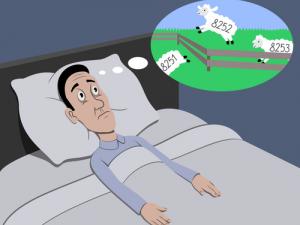
    insomnia(noun)

    /ɪnˈsɑːmniə/

    失眠, 失眠症

    the condition of being unable to sleep

    She has suffered from insomnia since she started her stressful new job.

    自從開始那份壓力很大的新工作後,她就一直受失眠所苦。

    同義詞sleeplessnesswakefulnessrestlessness
    反義詞sleepsound sleepslumber
  4. 4

    cramp(noun)

    /kræmp/

    抽筋, 痙攣

    a sudden pain that you get when the muscles in a particular part of your body contract, usually caused by cold or too much exercise

    I got a terrible cramp in my leg after swimming.

    游完泳後我的腿嚴重抽筋。

    同義詞spasmmuscle spasmcontractionricktwinge
    反義詞relaxationeasecomfort
  5. 5

    gout(noun)

    /ɡaʊt/

    痛風

    a disease that causes painful swelling (= the condition of being larger or rounder than normal) in the joints , especially of the toes, knees and fingers

    He was suffering from a painful bout of gout in his toe.

    他的腳趾正因痛風發作而疼痛不已。

    同義詞podagraarthritis
    反義詞healthwellness
  6. 6

    obesity(noun)

    /əʊˈbiːsəti/

    肥胖, 肥胖症

    a condition of having too much body fat, which harms health; it is often defined by a high BMI

    Obesity increases the risk of diabetes, hypertension and joint problems.

    肥胖會增加罹患糖尿病、高血壓和關節問題的風險。

    The clinic offers diet advice for children with obesity.

    同義詞corpulenceexcess weightfattinessplumpnessoverweight
    反義詞thinnessleannessunderweightskinniness
  7. 7

    dizziness(noun)

    /ˈdɪzinəs/

    頭暈, 暈眩

    a feeling that you are losing your balance or that things are spinning around you

    Dizziness when standing up can be caused by low blood pressure.

    站起來時頭暈可能是由低血壓引起的。

    She was admitted to the ward with dizziness and vomiting.

    同義詞lightheadednessvertigogiddinessunsteadiness
    反義詞steadinessstabilitybalanceequanimity
  8. 8

    dyslexia(noun)

    /dɪsˈleksiə/

    閱讀障礙, 失讀症

    a slight disorder of the brain that causes difficulty in reading and spelling, for example, but does not affect intelligence

    He has dyslexia, which makes reading difficult.

    他有閱讀障礙,因此閱讀對他來說很困難。

    同義詞reading disorderlearning disability (related to reading)
    反義詞reading proficiencyliteracy

  9. 9

    food poisoning(noun)

    /ˈfuːd pɔɪzənɪŋ/

    食物中毒

    an illness of the stomach caused by eating food that contains harmful bacteria

    I got food poisoning from the dodgy seafood restaurant.

    我在那家不太衛生的海鮮餐廳吃到食物中毒。

    同義詞foodborne illnessalimentary toxic infectionptomaine poisoning
    反義詞healthy eatingsafe food consumption
  10. 10

    migraine(noun)

    /ˈmaɪɡreɪn/

    偏頭痛

    a very severe type of headache that often makes a person feel sick and have difficulty in seeing

    She suffers from severe migraines.

    她深受嚴重偏頭痛之苦。

    同義詞headachesick headachethrobbing headache
    反義詞good healthwellnessease
  11. 11

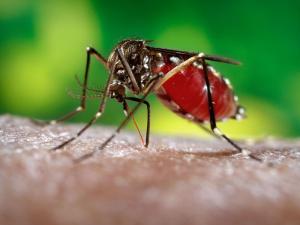
    malaria(noun)

    /məˈleriə/

    瘧疾

    a serious disease that causes a high temperature and shivering (= shaking of the body) caused by the bite of some types of mosquito

    Malaria is a serious disease spread by mosquitoes.

    瘧疾是一種由蚊子傳播的嚴重疾病。

    同義詞aguepaludismmarsh fever
    反義詞healthwellness