บทที่ 26/202 · 11 คำ · จำได้แล้ว 0
Disease
โรคภัย
โรค (rok)
an illness affecting humans, animals or plants, often caused by infection
A fatty diet increases the risk of heart disease.
อาหารที่มีไขมันสูงเพิ่มความเสี่ยงของโรคหัวใจ (a-haan thi mee khai man sung perm kwam siang khong rok hua jai)
คำพ้องความหมายillnessailmentsicknessmaladyconditionคำตรงข้ามhealthwellnessfitnessอาการนอนไม่หลับ, โรคนอนไม่หลับ
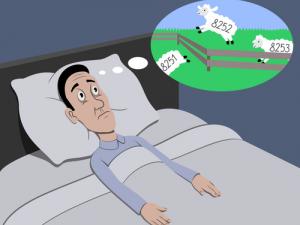
the condition of being unable to sleep
She has suffered from insomnia since she started her stressful new job.
เธอมีอาการนอนไม่หลับมาตั้งแต่เริ่มงานใหม่ที่เครียดมาก
คำพ้องความหมายsleeplessnesswakefulnessrestlessnessคำตรงข้ามsleepsound sleepslumberตะคริว
a sudden pain that you get when the muscles in a particular part of your body contract, usually caused by cold or too much exercise
I got a terrible cramp in my leg after swimming.
ฉันเป็นตะคริวที่ขาอย่างรุนแรงหลังจากว่ายน้ำ
คำพ้องความหมายspasmmuscle spasmcontractionricktwingeคำตรงข้ามrelaxationeasecomfortโรคเกาต์
a disease that causes painful swelling (= the condition of being larger or rounder than normal) in the joints , especially of the toes, knees and fingers
He was suffering from a painful bout of gout in his toe.
เขากำลังทรมานจากอาการปวดเกาต์ที่นิ้วเท้าของเขา
คำพ้องความหมายpodagraarthritisคำตรงข้ามhealthwellnessโรคอ้วน, ภาวะอ้วน
a condition of having too much body fat, which harms health; it is often defined by a high BMI
Obesity increases the risk of diabetes, hypertension and joint problems.
โรคอ้วนเพิ่มความเสี่ยงต่อโรคเบาหวาน ความดันโลหิตสูง และปัญหาเกี่ยวกับข้อ
The clinic offers diet advice for children with obesity.
คำพ้องความหมายcorpulenceexcess weightfattinessplumpnessoverweightคำตรงข้ามthinnessleannessunderweightskinninessอาการเวียนศีรษะ, อาการวิงเวียน
a feeling that you are losing your balance or that things are spinning around you
Dizziness when standing up can be caused by low blood pressure.
อาการเวียนศีรษะเมื่อลุกขึ้นยืนอาจเกิดจากความดันโลหิตต่ำ
She was admitted to the ward with dizziness and vomiting.
คำพ้องความหมายlightheadednessvertigogiddinessunsteadinessคำตรงข้ามsteadinessstabilitybalanceequanimityดิสเล็กเซีย
a slight disorder of the brain that causes difficulty in reading and spelling, for example, but does not affect intelligence
He has dyslexia, which makes reading difficult.
เขามีอาการดิสเล็กเซียซึ่งทำให้การอ่านเป็นเรื่องยาก
คำพ้องความหมายreading disorderlearning disability (related to reading)คำตรงข้ามreading proficiencyliteracyอาหารเป็นพิษ
an illness of the stomach caused by eating food that contains harmful bacteria
I got food poisoning from the dodgy seafood restaurant.
ฉันอาหารเป็นพิษจากร้านอาหารทะเลที่ไม่น่าไว้วางใจ
คำพ้องความหมายfoodborne illnessalimentary toxic infectionptomaine poisoningคำตรงข้ามhealthy eatingsafe food consumptionมาลาเรีย (maa-laa-riia)
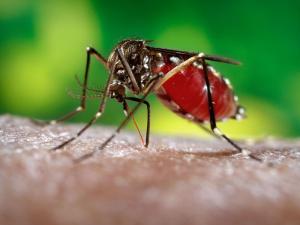
a serious disease that causes a high temperature and shivering (= shaking of the body) caused by the bite of some types of mosquito
Malaria is a serious disease spread by mosquitoes.
มาลาเรียเป็นโรคร้ายแรงที่แพร่กระจายโดยยุง (maa-laa-riia bpen rohk raai raeng thee phrae kra-jaai doi yung)
คำพ้องความหมายaguepaludismmarsh feverคำตรงข้ามhealthwellness