सामग्री पर जाएँ

पाठ 4/16 · 45 शब्द · 0 याद हो गए

Lesson 4: BIG OR SMALL?

पाठ 4: बड़ा या छोटा?

  1. 1

    breakfast(noun)

    /ˈbrekfəst/

    नाश्ता (nashta)

    the first meal of the day

    What time do you have breakfast?

    आप नाश्ता कितने बजे करते हैं? (Aap nashta kitne baje karte hain?)

    Do you want bacon and eggs for breakfast?

    समानार्थीmorning mealfirst mealbreak fast
    विलोमlunchdinnersupper
  2. 2

    tooth(noun)

    /tuːθ/

    दाँत (daant)

    any of the hard white structures in the mouth used for biting food

    Jane had her first tooth when she was only five months.

    जेन का पहला दाँत पाँच महीने की होने पर निकला।

    The cat sank its teeth into his finger.

    समानार्थीdental partfangivory
    विलोमgum
  3. 3

    fifth(number)

    /fɪfθ/

    पाँचवाँ

    5th

    It’s her fifth birthday.

    यह उसका पाँचवाँ जन्मदिन है।

    Today is the fifth (of May).

    समानार्थी5thordinal number five
    विलोमfirstsecondthirdfourth
  4. 4

    do(verb)

    /duː/

    करना

    to perform an action, activity or task

    I do my homework every day.

    मैं हर दिन अपना होमवर्क करता हूँ।

    Does she speak French?

    समानार्थीperformexecuteaccomplishcompleteactcreatemake
    विलोमundoneglectfailomitstopdestroy
  5. 5

    eighth(number)

    /eɪtθ/

    आठवाँ

    8th

    This is the eighth time I have seen this movie.

    यह आठवीं बार है जब मैं यह फ़िल्म देख रहा हूँ।

    English classics such as ‘Alice in Wonderland’

    समानार्थी8thordinal eight
    विलोमfirstlast
  6. 6

    go(verb)

    /ɡəʊ/

    जाना (jaana)

    to move or travel from one place to another

    I go to school by bus.

    मैं बस से स्कूल जाता हूँ। (Main bas se school jaata hoon.)

    She has gone to China (= is now in China or is on her way there).

    समानार्थीmoveproceeddeparttravelheadadvancepassrun
    विलोमstayremainstophaltwait
  7. 7

    hour(noun)

    /ˈaʊər/

    घंटा (ghanta)

    60 minutes; one of the 24 parts that a day is divided into

    I can learn to play chess in an hour.

    मैं एक घंटे में शतरंज खेलना सीख सकता हूँ। (Main ek ghante mein shatranj khelna seekh sakta hoon.)

    It will take about an hour to get there.

    समानार्थीtimeperioddurationmoment
    विलोमinstantmomenteternity
  8. 8

    early(adjective)

    /ˈɜːrli/

    सुबह का, जल्दी का

    near the beginning of a period of time, an event etc.

    We caught an early train, so we arrived before lunch.

    हमने सुबह की ट्रेन पकड़ी, इसलिए हम दोपहर के खाने से पहले पहुँच गए।

    समानार्थीahead of timepromptbeforehandbetimespremature
    विलोमlatedelayed
  9. 9

    wash(verb)

    /wɑːʃ/

    धोना (dhona)

    to make something/somebody clean using water and usually soap

    Do you wash your face every morning?

    क्या आप हर सुबह अपना चेहरा धोते हैं? (Kya aap har subah apna chehra dhote hain?)

    The beach had been washed clean by the tide.

    समानार्थीcleanrinsescrubbathecleanse
    विलोमdirtysoilstaincontaminatepollute
  10. 10

    minute(noun)

    /ˈmɪnɪt/

    मिनट (minaṭ)

    each of the 60 parts of an hour, that are equal to 60 seconds

    I do this exercise in 10 minutes.

    मैं यह व्यायाम 10 मिनट में करता हूँ। (Main yah vyayam 10 minaṭ mein karta hoon.)

    Boil the rice for 20 minutes.

    समानार्थीmomentsecondinstantwhile
    विलोमhourdayageeternity
  11. 11

    tenth(number)

    /tenθ/

    दसवाँ

    10th

    Lan is ranked tenth in her class this year.

    लैन इस साल अपनी कक्षा में दसवें स्थान पर है।

    समानार्थीordinal tenthone tenth
    विलोमfirstlast
  12. 12

    time(noun)

    /taɪm/

    समय (samay)

    what is measured in minutes, hours, days, etc.

    What time do you get up?

    आप कितने बजे उठते हैं?

    time and space

    समानार्थीdurationperiodmomentoccasioneraage
    विलोमeternitynever
  13. 13

    lunch(noun)

    /lʌntʃ/

    दोपहर का भोजन (dopahar ka bhojan)

    a meal eaten in the middle of the day

    I often have lunch at 11 o'clock.

    मैं अक्सर 11 बजे दोपहर का भोजन करता हूँ।

    I always eat/have lunch at my desk.

    समानार्थीmidday mealluncheonnoonday meal
    विलोमbreakfastdinnersupper
  14. 14

    fourth(number)

    /fɔːrθ/

    चौथा

    4th

    He won the fourth prize in the competition.

    उसने प्रतियोगिता में चौथा पुरस्कार जीता।

    समानार्थीordinal number four4th
    विलोमfirstlast
  15. 15

    ninth(number)

    /naɪnθ/

    नौवाँ

    coming after eight other people or things in a series; 9th

    Today is the ninth of September, and it is my birthday.

    आज नौ सितंबर है, और आज मेरा जन्मदिन है।

    समानार्थीnumber nine9th
    विलोमfirstsecondlast
  16. 16

    third(number)

    /θɜːrd/

    तीसरा

    coming after the second in order; 3rd

    Today is the third of October.

    आज तीन अक्टूबर है।

    to shed tears of happiness

    समानार्थीone-third3rdtertiary
    विलोमfirstsecondlast
  17. 17

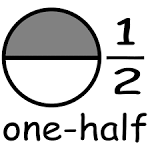
    half(noun)

    /hæf/

    आधा, आधा हिस्सा

    either of two equal parts into which something is or can be divided

    She cut the apple in half and gave me one half.

    उसने सेब को आधा काटा और मुझे एक हिस्सा दे दिया।

    समानार्थीportionpartfractionpercentageshare
    विलोमwholeentiretyfull
  18. 18

    have(verb)

    /həv/

    पास (paas)

    to own, hold or possess something

    My family has four people.

    मेरे परिवार में चार लोग हैं। (Mere parivar mein char log hain.)

    If I hadn't seen it with my own eyes I wouldn't have believed it.

    समानार्थीpossessowncontainincludeexperienceundergohold
    विलोमlackneedwantlosebe without
  19. 19

    brush(verb)

    /brʌʃ/

    ब्रश करना, साफ़ करना

    to clean, polish or make something smooth with a brush

    Do you brush your teeth every day?

    क्या तुम रोज़ अपने दाँत ब्रश करते हो?

    समानार्थीscrubcleansweepgroompolish
    विलोमdirtyneglectignore
  20. 20

    midday(noun)

    /ˌmɪdˈdeɪ/

    मध्याह्न (madhyahn)

    12 o’clock in the middle of the day; the period around this time

    Can I meet you at midday?

    क्या मैं आपसे मध्याह्न में मिल सकता हूँ? (Kya main aapse madhyahn mein mil sakta hun?)

    a midday meal

    समानार्थीnoontwelve noonhigh noon
    विलोमmidnightdawndusk
  21. 21

    big(adjective)

    /bɪɡ/

    बड़ा (bada)

    large in size, degree, amount, etc.

    My school is very big.

    मेरा विद्यालय बहुत बड़ा है। (Mera vidyalaya bahut bada hai.)

    He had this great big grin on his face.

    समानार्थीlargehugemassivegrandgreatsubstantialconsiderable
    विलोमsmalllittletinyinsignificantminorshort
  22. 22

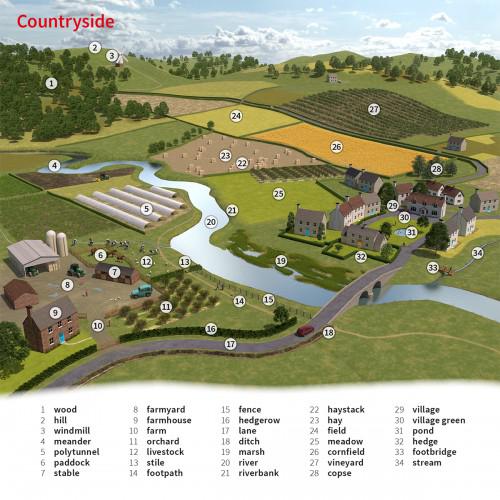
    country(noun)

    /ˈkʌntri/

    देश (desh)

    an area of land that has or used to have its own government and laws

    Each country has its own flag.

    प्रत्येक देश का अपना ध्वज होता है। (Pratyek desh ka apna dhwaj hota hai.)

    European countries

    समानार्थीnationstatelandterritoryrealm
    विलोमregiondistrictarea
  23. 23

    first(determiner)

    /fɜːrst/

    पहला, प्रथम

    happening or coming before all other similar things or people; 1st

    My classroom is on the first floor.

    मेरी कक्षा पहली मंज़िल पर है।

    The first I heard about the wedding (= the first time I became aware of it) was when I saw it in the local paper.

    समानार्थीinitialprimaryearliestleadingforemostoriginal
    विलोमlastfinallatestultimatesecondary
  24. 24

    every(determiner)

    /ˈevri/

    हर

    used with singular nouns to refer to all the members of a group of things or people

    Every classroom has 25 desks.

    हर कक्षा में 25 डेस्क हैं।

    They were watching her every movement.

    समानार्थीeachallanythe whole of
    विलोमnononesomefew
  25. 25

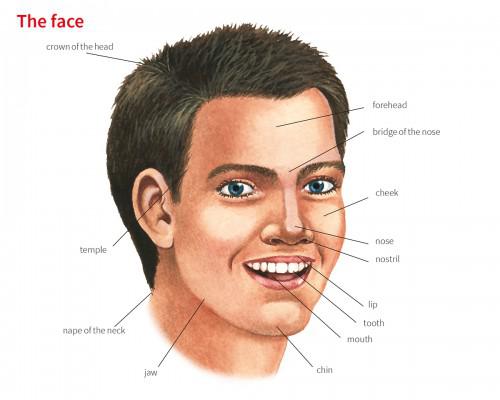
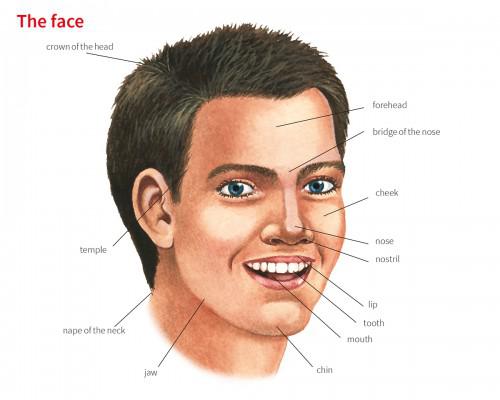
    face(noun)

    /feɪs/

    चेहरा, मुँह

    the front part of the head, where the eyes, nose and mouth are

    She has a round face and big brown eyes.

    उसका चेहरा गोल है और आँखें बड़ी-बड़ी भूरी हैं।

    समानार्थीconfrontencountertacklemeetdeal withcope with
    विलोमavoidevadedodgeshunignore
  26. 26

    o'clock(adverb)

    /əˈklɑːk/

    बजे (baje)

    used with the numbers 1 to 12 when telling the time, to mean an exact hour

    My father often gets up at 6 o'clock.

    मेरे पिताजी अक्सर 6 बजे उठते हैं।

    He left between five and six o'clock.

    समानार्थीhourtime
    विलोमapproximatelyaround
  27. 27

    midnight(noun)

    /ˈmɪdnaɪt/

    आधी रात (aadhi raat)

    12 o’clock at night

    She often wakes up at midnight.

    वह अक्सर आधी रात को उठती है। (Vah aksar aadhi raat ko uthati hai.)

    We have to catch the midnight train.

    समानार्थीsmall hourswee hoursdead of night
    विलोमnoonmidday
  28. 28

    late(adjective)

    /leɪt/

    देर

    arriving, happening or done after the expected, arranged or usual time

    You are late.

    तुम्हे देर हो गयी है।

    Can I stay up late tonight?

    समानार्थीtardydelayedbehind scheduleoverdue
    विलोमearlyon timepunctual
  29. 29

    dinner(noun)

    /ˈdɪnər/

    रात का खाना (raat ka khaana)

    the main meal of the day, eaten either in the middle of the day or in the evening

    I always have dinner with my family.

    मैं हमेशा अपने परिवार के साथ रात का खाना खाता हूँ।

    It's time for dinner.

    समानार्थीsupperevening meal
    विलोमbreakfastlunch
  30. 30

    second(number)

    /ˈsekənd/

    दूसरा, द्वितीय

    happening or coming next after the first in a series of similar things or people; 2nd

    My birthday is on the second of June.

    मेरा जन्मदिन जून की दो तारीख़ को है।

    The light flashes every 5 seconds.

    समानार्थीalternateinferiornextadditional
    विलोमfirstprimaryoriginal
  31. 31

    then(adverb)

    /ðen/

    फिर, उसके बाद

    used to introduce the next thing that happens; after that

    Then, we will visit the square.

    फिर, हम चौक देखने जाएँगे।

    I saw them at Christmas but haven't heard a thing since then.

    समानार्थीafterwardnextsubsequentlythereafterin that case
    विलोमbeforepreviouslyearlier
  32. 32

    small(adjective)

    /smɔːl/

    छोटा (chhota)

    not large in size, number, degree, amount, etc.

    My house is small.

    मेरा घर छोटा है। (Mera ghar chhota hai.)

    A much smaller number of students passed than I had expected.

    समानार्थीlittletinyminiatureshortcompact
    विलोमbiglargehugegreatimmense
  33. 33

    very(adverb)

    /ˈveri/

    बहुत

    used before adjectives, adverbs and determiners to mean ‘in a high degree’ or ‘extremely’

    My classroom is very big.

    मेरा कक्षा बहुत बड़ा है।

    I'm very very grateful.

    समानार्थीextremelyhighlyreallyexceedinglyremarkablyawfully
    विलोमslightlysomewhata littlemoderatelybarely
  34. 34

    a.m. (ante meridiem)(abbreviation)

    /ˌei ˈem/

    पूर्वाह्न, सुबह

    used after times to show the time is between midnight and midday

    My father often gets up at 6.15 a.m.

    मेरे पिता अक्सर सुबह 6.15 बजे उठते हैं।

    समानार्थीbefore noonin the morning
    विलोमp.m. (post meridiem)afternoonevening
  35. 35

    get dressed(phrase)

    /get drest/

    कपड़े पहनना, तैयार होना

    to put your clothes on

    I often get dressed before breakfast.

    मैं अक्सर नाश्ते से पहले कपड़े पहन लेता हूँ।

    समानार्थीdressclotheattiregarb
    विलोमundressdisrobestripunclothe
  36. 36

    get ready(phrase)

    /get 'redi/

    तैयार होना, तैयारी करना

    to prepare yourself or make things ready for something

    I get ready for school at 6.30 a.m.

    मैं सुबह 6.30 बजे स्कूल के लिए तैयार होता हूँ।

    समानार्थीpreparereadyprepare oneselfmake readyget prepared
    विलोमdelayprocrastinateunpreparednot ready
  37. 37

    get up(phrasal verb)

    /get ʌp/

    उठना, जागना

    to get out of bed after sleeping

    I often get up late.

    मैं अक्सर देर से उठता हूँ।

    समानार्थीarisewake upriseawakenstir
    विलोमlie downstay in bed
  38. 38

    noon(noun)

    /nuːn/

    दोपहर (dopahar)

    12 o’clock in the middle of the day

    Can I meet you at noon?

    क्या मैं तुमसे दोपहर को मिल सकता हूँ? (kya main tumse dopahar ko mil saktaa hoon?)

    समानार्थीmiddaytwelve noonhigh noon
    विलोमmidnight
  39. 39

    p.m. (post meridiem)(abbreviation)

    /pi ˈem/

    अपराह्न, शाम, रात

    used after times to show the time is between midday and midnight

    My father often goes to bed at 10.30 p.m.

    मेरे पिता अक्सर रात 10.30 बजे सोने जाते हैं।

    समानार्थीeveningnight
    विलोमa.m.morningforenoon
  40. 40

    seventh(number)

    /ˈsevnθ/

    सातवाँ

    7th

    My office is on the seventh floor of that building.

    मेरा दफ़्तर उस इमारत की सातवीं मंज़िल पर है।

    समानार्थी7thnumber sevenfollowing sixth
    विलोमfirstlast
  41. 41

    sixth(number)

    /sɪksθ/

    छठा

    6th

    He finished sixth in the race last Sunday.

    वह पिछले रविवार की दौड़ में छठे स्थान पर रहा।

    समानार्थीordinal number six6thsixth part
    विलोमfirstlast
  42. 42

    teeth(noun)

    /tiːθ/

    दाँत (daant)

    the plural of tooth; the hard white parts in your mouth used for biting and chewing

    I always brush my teeth three times a day.

    मैं हमेशा दिन में तीन बार अपने दाँत ब्रश करता हूँ। (Main hamesha din mein teen baar apne daant brush karta hoon.)

    समानार्थीivoriespearly whitesdentition
    विलोमcalf's teethdragon's teetheighteethforeteethteethteetheteething

  43. 43

    toothbrush(noun)

    /ˈtuːθbrʌʃ/

    दाँत का ब्रश (daant ka brush)

    a small brush for cleaning your teeth

    This toothbrush is very small.

    यह दाँत का ब्रश बहुत छोटा है। (Yah daant ka brush bahut chhota hai.)

    समानार्थीdental brushtooth cleaner
    विलोमNone
  44. 44

    floor(noun)

    /flɔːr/

    मंज़िल, तल

    all the rooms that are on the same level of a building
    My classroom is on the second floor of the school.

    मेरी कक्षा स्कूल की दूसरी मंज़िल पर है।

  45. 45

    grade(noun)

    /ɡreɪd/

    कक्षा, श्रेणी

    one of the levels in a school with children of similar age

    My brother is in grade six at a big school in town.

    मेरा भाई शहर के एक बड़े स्कूल में छठी कक्षा में पढ़ता है।