ข้ามไปยังเนื้อหา

บทที่ 4/16 · 45 คำ · จำได้แล้ว 0

Lesson 4: BIG OR SMALL?

บทที่ 4: ใหญ่หรือเล็ก?

  1. 1

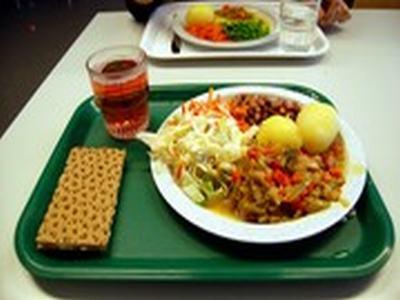
    breakfast(noun)

    /ˈbrekfəst/

    อาหารเช้า (aa-haan cháo)

    the first meal of the day

    What time do you have breakfast?

    คุณทานอาหารเช้ากี่โมง (khun taan aa-haan cháo gee mohng)

    Do you want bacon and eggs for breakfast?

    คำพ้องความหมายmorning mealfirst mealbreak fast
    คำตรงข้ามlunchdinnersupper
  2. 2

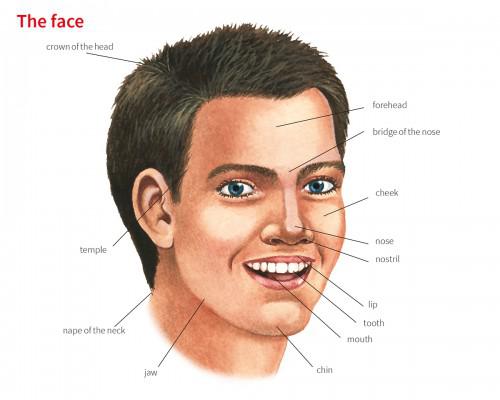
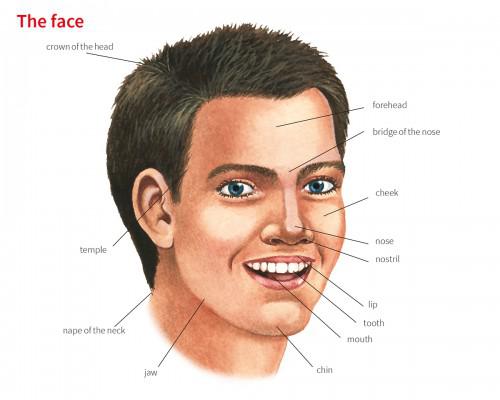
    tooth(noun)

    /tuːθ/

    ฟัน (fan)

    any of the hard white structures in the mouth used for biting food

    Jane had her first tooth when she was only five months.

    เจนมีฟันซี่แรกเมื่อเธออายุเพียงห้าเดือน

    The cat sank its teeth into his finger.

    คำพ้องความหมายdental partfangivory
    คำตรงข้ามgum
  3. 3

    fifth(number)

    /fɪfθ/

    ที่ห้า

    5th

    It’s her fifth birthday.

    นี่เป็นวันเกิดครบห้าขวบของเธอ

    Today is the fifth (of May).

    คำพ้องความหมาย5thordinal number five
    คำตรงข้ามfirstsecondthirdfourth
  4. 4

    do(verb)

    /duː/

    ทำ

    to perform an action, activity or task

    I do my homework every day.

    ฉันทำการบ้านทุกวัน

    Does she speak French?

    คำพ้องความหมายperformexecuteaccomplishcompleteactcreatemake
    คำตรงข้ามundoneglectfailomitstopdestroy
  5. 5

    eighth(number)

    /eɪtθ/

    ที่แปด, ลำดับที่แปด

    8th

    This is the eighth time I have seen this movie.

    นี่เป็นครั้งที่แปดที่ฉันดูหนังเรื่องนี้

    English classics such as ‘Alice in Wonderland’

    คำพ้องความหมาย8thordinal eight
    คำตรงข้ามfirstlast
  6. 6

    go(verb)

    /ɡəʊ/

    ไป

    to move or travel from one place to another

    I go to school by bus.

    ฉันไปโรงเรียนโดยรถประจำทาง

    She has gone to China (= is now in China or is on her way there).

    คำพ้องความหมายmoveproceeddeparttravelheadadvancepassrun
    คำตรงข้ามstayremainstophaltwait
  7. 7

    hour(noun)

    /ˈaʊər/

    ชั่วโมง

    60 minutes; one of the 24 parts that a day is divided into

    I can learn to play chess in an hour.

    ฉันสามารถเรียนรู้การเล่นหมากรุกได้ภายในหนึ่งชั่วโมง

    It will take about an hour to get there.

    คำพ้องความหมายtimeperioddurationmoment
    คำตรงข้ามinstantmomenteternity
  8. 8

    early(adjective)

    /ˈɜːrli/

    แรก, เช้า

    near the beginning of a period of time, an event etc.

    We caught an early train, so we arrived before lunch.

    เราขึ้นรถไฟเที่ยวเช้า จึงไปถึงก่อนอาหารกลางวัน

    คำพ้องความหมายahead of timepromptbeforehandbetimespremature
    คำตรงข้ามlatedelayed
  9. 9

    wash(verb)

    /wɑːʃ/

    ล้าง

    to make something/somebody clean using water and usually soap

    Do you wash your face every morning?

    คุณล้างหน้าทุกเช้าไหม

    The beach had been washed clean by the tide.

    คำพ้องความหมายcleanrinsescrubbathecleanse
    คำตรงข้ามdirtysoilstaincontaminatepollute
  10. 10

    minute(noun)

    /ˈmɪnɪt/

    นาที (na-thi)

    each of the 60 parts of an hour, that are equal to 60 seconds

    I do this exercise in 10 minutes.

    ฉันทำแบบฝึกหัดนี้ใน 10 นาที (Chan tham baepฝึก หัด ni nai sip na-thi)

    Boil the rice for 20 minutes.

    คำพ้องความหมายmomentsecondinstantwhile
    คำตรงข้ามhourdayageeternity
  11. 11

    tenth(number)

    /tenθ/

    ที่สิบ

    10th

    Lan is ranked tenth in her class this year.

    ปีนี้ลานได้อันดับที่สิบของห้อง

    คำพ้องความหมายordinal tenthone tenth
    คำตรงข้ามfirstlast
  12. 12

    time(noun)

    /taɪm/

    เวลา

    what is measured in minutes, hours, days, etc.

    What time do you get up?

    คุณตื่นนอนกี่โมง

    time and space

    คำพ้องความหมายdurationperiodmomentoccasioneraage
    คำตรงข้ามeternitynever
  13. 13

    lunch(noun)

    /lʌntʃ/

    อาหารกลางวัน

    a meal eaten in the middle of the day

    I often have lunch at 11 o'clock.

    ฉันมักจะทานอาหารกลางวันตอน 11 โมง

    I always eat/have lunch at my desk.

    คำพ้องความหมายmidday mealluncheonnoonday meal
    คำตรงข้ามbreakfastdinnersupper
  14. 14

    fourth(number)

    /fɔːrθ/

    ที่สี่

    4th

    He won the fourth prize in the competition.

    เขาได้รางวัลที่สี่ในการแข่งขัน

    คำพ้องความหมายordinal number four4th
    คำตรงข้ามfirstlast
  15. 15

    ninth(number)

    /naɪnθ/

    ที่เก้า

    coming after eight other people or things in a series; 9th

    Today is the ninth of September, and it is my birthday.

    วันนี้เป็นวันที่เก้ากันยายน และเป็นวันเกิดของฉัน

    คำพ้องความหมายnumber nine9th
    คำตรงข้ามfirstsecondlast
  16. 16

    third(number)

    /θɜːrd/

    ที่สาม

    coming after the second in order; 3rd

    Today is the third of October.

    วันนี้เป็นวันที่สามตุลาคม

    to shed tears of happiness

    คำพ้องความหมายone-third3rdtertiary
    คำตรงข้ามfirstsecondlast
  17. 17

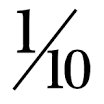
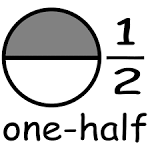
    half(noun)

    /hæf/

    ครึ่ง, ครึ่งหนึ่ง

    either of two equal parts into which something is or can be divided

    She cut the apple in half and gave me one half.

    เธอผ่าแอปเปิลออกเป็นสองซีกและให้ฉันหนึ่งซีก

    คำพ้องความหมายportionpartfractionpercentageshare
    คำตรงข้ามwholeentiretyfull
  18. 18

    have(verb)

    /həv/

    มี

    to own, hold or possess something

    My family has four people.

    ครอบครัวของฉันมีสี่คน

    If I hadn't seen it with my own eyes I wouldn't have believed it.

    คำพ้องความหมายpossessowncontainincludeexperienceundergohold
    คำตรงข้ามlackneedwantlosebe without
  19. 19

    brush(verb)

    /brʌʃ/

    แปรง

    to clean, polish or make something smooth with a brush

    Do you brush your teeth every day?

    คุณแปรงฟันทุกวันไหม

    คำพ้องความหมายscrubcleansweepgroompolish
    คำตรงข้ามdirtyneglectignore
  20. 20

    midday(noun)

    /ˌmɪdˈdeɪ/

    เที่ยงวัน

    12 o’clock in the middle of the day; the period around this time

    Can I meet you at midday?

    ฉันขอพบนายตอนเที่ยงวันได้ไหม

    a midday meal

    คำพ้องความหมายnoontwelve noonhigh noon
    คำตรงข้ามmidnightdawndusk
  21. 21

    big(adjective)

    /bɪɡ/

    ใหญ่

    large in size, degree, amount, etc.

    My school is very big.

    โรงเรียนของฉันใหญ่มาก

    He had this great big grin on his face.

    คำพ้องความหมายlargehugemassivegrandgreatsubstantialconsiderable
    คำตรงข้ามsmalllittletinyinsignificantminorshort
  22. 22

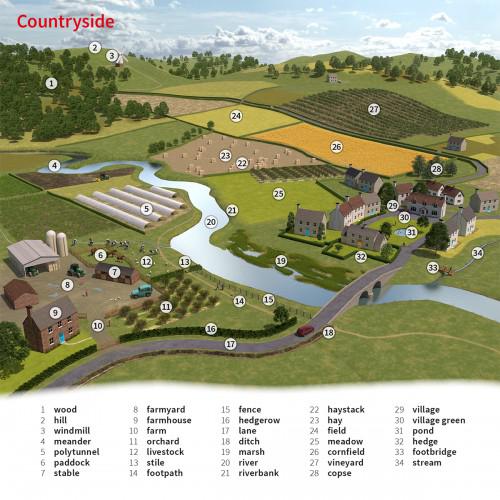
    country(noun)

    /ˈkʌntri/

    ประเทศ

    an area of land that has or used to have its own government and laws

    Each country has its own flag.

    แต่ละประเทศมีธงชาติของตนเอง

    European countries

    คำพ้องความหมายnationstatelandterritoryrealm
    คำตรงข้ามregiondistrictarea
  23. 23

    first(determiner)

    /fɜːrst/

    ที่หนึ่ง, แรก, ชั้นแรก

    happening or coming before all other similar things or people; 1st

    My classroom is on the first floor.

    ห้องเรียนของฉันอยู่ที่ชั้นหนึ่ง

    The first I heard about the wedding (= the first time I became aware of it) was when I saw it in the local paper.

    คำพ้องความหมายinitialprimaryearliestleadingforemostoriginal
    คำตรงข้ามlastfinallatestultimatesecondary
  24. 24

    every(determiner)

    /ˈevri/

    ทุก

    used with singular nouns to refer to all the members of a group of things or people

    Every classroom has 25 desks.

    ทุกห้องเรียนมีโต๊ะ 25 ตัว

    They were watching her every movement.

    คำพ้องความหมายeachallanythe whole of
    คำตรงข้ามnononesomefew
  25. 25

    face(noun)

    /feɪs/

    ใบหน้า, หน้า

    the front part of the head, where the eyes, nose and mouth are

    She has a round face and big brown eyes.

    เธอมีใบหน้ากลมและดวงตาสีน้ำตาลโต

    คำพ้องความหมายconfrontencountertacklemeetdeal withcope with
    คำตรงข้ามavoidevadedodgeshunignore
  26. 26

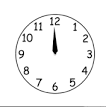
    o'clock(adverb)

    /əˈklɑːk/

    นาฬิกา

    used with the numbers 1 to 12 when telling the time, to mean an exact hour

    My father often gets up at 6 o'clock.

    พ่อของฉันมักจะตื่นนอนตอน 6 นาฬิกา

    He left between five and six o'clock.

    คำพ้องความหมายhourtime
    คำตรงข้ามapproximatelyaround
  27. 27

    midnight(noun)

    /ˈmɪdnaɪt/

    เที่ยงคืน

    12 o’clock at night

    She often wakes up at midnight.

    เธอมักจะตื่นขึ้นมาตอนเที่ยงคืน

    We have to catch the midnight train.

    คำพ้องความหมายsmall hourswee hoursdead of night
    คำตรงข้ามnoonmidday
  28. 28

    late(adjective)

    /leɪt/

    สาย

    arriving, happening or done after the expected, arranged or usual time

    You are late.

    คุณสายแล้ว

    Can I stay up late tonight?

    คำพ้องความหมายtardydelayedbehind scheduleoverdue
    คำตรงข้ามearlyon timepunctual
  29. 29

    dinner(noun)

    /ˈdɪnər/

    อาหารเย็น

    the main meal of the day, eaten either in the middle of the day or in the evening

    I always have dinner with my family.

    ฉันทานอาหารเย็นกับครอบครัวเสมอ

    It's time for dinner.

    คำพ้องความหมายsupperevening meal
    คำตรงข้ามbreakfastlunch
  30. 30

    second(number)

    /ˈsekənd/

    ที่สอง, ลำดับที่สอง

    happening or coming next after the first in a series of similar things or people; 2nd

    My birthday is on the second of June.

    วันเกิดของฉันคือวันที่สองของเดือนมิถุนายน

    The light flashes every 5 seconds.

    คำพ้องความหมายalternateinferiornextadditional
    คำตรงข้ามfirstprimaryoriginal
  31. 31

    then(adverb)

    /ðen/

    แล้ว, หลังจากนั้น, จากนั้น

    used to introduce the next thing that happens; after that

    Then, we will visit the square.

    จากนั้นเราจะไปเยี่ยมชมจัตุรัส

    I saw them at Christmas but haven't heard a thing since then.

    คำพ้องความหมายafterwardnextsubsequentlythereafterin that case
    คำตรงข้ามbeforepreviouslyearlier
  32. 32

    small(adjective)

    /smɔːl/

    เล็ก

    not large in size, number, degree, amount, etc.

    My house is small.

    บ้านของฉันเล็ก

    A much smaller number of students passed than I had expected.

    คำพ้องความหมายlittletinyminiatureshortcompact
    คำตรงข้ามbiglargehugegreatimmense
  33. 33

    very(adverb)

    /ˈveri/

    มาก

    used before adjectives, adverbs and determiners to mean ‘in a high degree’ or ‘extremely’

    My classroom is very big.

    ห้องเรียนของฉันใหญ่มาก

    I'm very very grateful.

    คำพ้องความหมายextremelyhighlyreallyexceedinglyremarkablyawfully
    คำตรงข้ามslightlysomewhata littlemoderatelybarely
  34. 34

    a.m. (ante meridiem)(abbreviation)

    /ˌei ˈem/

    ก่อนเที่ยง

    used after times to show the time is between midnight and midday

    My father often gets up at 6.15 a.m.

    พ่อของฉันมักตื่นนอนตอน 6.15 น.

    คำพ้องความหมายbefore noonin the morning
    คำตรงข้ามp.m. (post meridiem)afternoonevening
  35. 35

    get dressed(phrase)

    /get drest/

    แต่งตัว, สวมเสื้อผ้า

    to put your clothes on

    I often get dressed before breakfast.

    ฉันมักแต่งตัวก่อนกินอาหารเช้า

    คำพ้องความหมายdressclotheattiregarb
    คำตรงข้ามundressdisrobestripunclothe
  36. 36

    get ready(phrase)

    /get 'redi/

    เตรียมตัว, เตรียมพร้อม

    to prepare yourself or make things ready for something

    I get ready for school at 6.30 a.m.

    ฉันเตรียมตัวไปโรงเรียนตอน 6.30 น.

    คำพ้องความหมายpreparereadyprepare oneselfmake readyget prepared
    คำตรงข้ามdelayprocrastinateunpreparednot ready
  37. 37

    get up(phrasal verb)

    /get ʌp/

    ตื่นนอน, ลุกจากเตียง

    to get out of bed after sleeping

    I often get up late.

    ฉันมักตื่นสาย

    คำพ้องความหมายarisewake upriseawakenstir
    คำตรงข้ามlie downstay in bed
  38. 38

    noon(noun)

    /nuːn/

    เที่ยงวัน

    12 o’clock in the middle of the day

    Can I meet you at noon?

    ฉันขอพบนายตอนเที่ยงวันได้ไหม

    คำพ้องความหมายmiddaytwelve noonhigh noon
    คำตรงข้ามmidnight
  39. 39

    p.m. (post meridiem)(abbreviation)

    /pi ˈem/

    หลังเที่ยง

    used after times to show the time is between midday and midnight

    My father often goes to bed at 10.30 p.m.

    พ่อของฉันมักเข้านอนตอน 22.30 น.

    คำพ้องความหมายeveningnight
    คำตรงข้ามa.m.morningforenoon
  40. 40

    seventh(number)

    /ˈsevnθ/

    ที่เจ็ด

    7th

    My office is on the seventh floor of that building.

    สำนักงานของฉันอยู่ชั้นเจ็ดของตึกนั้น

    คำพ้องความหมาย7thnumber sevenfollowing sixth
    คำตรงข้ามfirstlast
  41. 41

    sixth(number)

    /sɪksθ/

    ที่หก

    6th

    He finished sixth in the race last Sunday.

    เขาเข้าเส้นชัยเป็นอันดับที่หกในการแข่งขันเมื่อวันอาทิตย์ที่แล้ว

    คำพ้องความหมายordinal number six6thsixth part
    คำตรงข้ามfirstlast
  42. 42

    teeth(noun)

    /tiːθ/

    ฟัน (fan)

    the plural of tooth; the hard white parts in your mouth used for biting and chewing

    I always brush my teeth three times a day.

    ฉันแปรงฟันวันละสามครั้งเสมอ (chan bpraeng fan wan la saam krang samer)

    คำพ้องความหมายivoriespearly whitesdentition
    คำตรงข้ามcalf's teethdragon's teetheighteethforeteethteethteetheteething

  43. 43

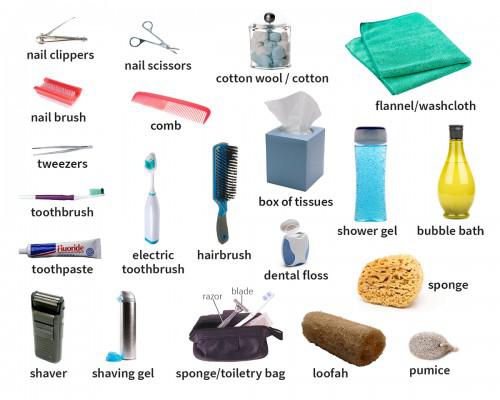
    toothbrush(noun)

    /ˈtuːθbrʌʃ/

    แปรงสีฟัน

    a small brush for cleaning your teeth

    This toothbrush is very small.

    แปรงสีฟันนี้เล็กมาก

    คำพ้องความหมายdental brushtooth cleaner
    คำตรงข้ามNone
  44. 44

    floor(noun)

    /flɔːr/

    ชั้น

    all the rooms that are on the same level of a building

    My classroom is on the second floor of the school.

    ห้องเรียนของฉันอยู่ชั้นสองของโรงเรียน

  45. 45

    grade(noun)

    /ɡreɪd/

    ชั้น, ระดับชั้น

    one of the levels in a school with children of similar age

    My brother is in grade six at a big school in town.

    พี่ชายของฉันเรียนอยู่ชั้นป.6 ที่โรงเรียนใหญ่ในเมือง