본문으로 건너뛰기

레슨 4/16 · 45단어 · 외운 단어 0

Lesson 4: BIG OR SMALL?

4과: 클까, 작을까?

  1. 1

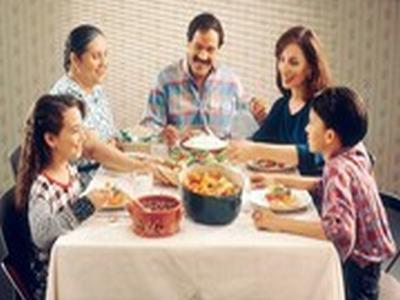
    breakfast(noun)

    /ˈbrekfəst/

    아침 (achim)

    the first meal of the day

    What time do you have breakfast?

    아침 몇 시에 드세요? (Achim myeot sie deuseyo?)

    Do you want bacon and eggs for breakfast?

    유의어morning mealfirst mealbreak fast
    반의어lunchdinnersupper
  2. 2

    tooth(noun)

    /tuːθ/

    이 (i)

    any of the hard white structures in the mouth used for biting food

    Jane had her first tooth when she was only five months.

    제인은 겨우 5개월 만에 첫 이가 났습니다.

    The cat sank its teeth into his finger.

    유의어dental partfangivory
    반의어gum
  3. 3

    fifth(number)

    /fɪfθ/

    다섯 번째

    5th

    It’s her fifth birthday.

    오늘은 그녀의 다섯 번째 생일이다.

    Today is the fifth (of May).

    유의어5thordinal number five
    반의어firstsecondthirdfourth
  4. 4

    do(verb)

    /duː/

    하다, 행하다

    to perform an action, activity or task

    I do my homework every day.

    나는 매일 숙제를 한다.

    Does she speak French?

    유의어performexecuteaccomplishcompleteactcreatemake
    반의어undoneglectfailomitstopdestroy
  5. 5

    eighth(number)

    /eɪtθ/

    여덟 번째의, 8번째

    8th

    This is the eighth time I have seen this movie.

    이 영화를 보는 것은 이번이 여덟 번째이다.

    English classics such as ‘Alice in Wonderland’

    유의어8thordinal eight
    반의어firstlast
  6. 6

    go(verb)

    /ɡəʊ/

    가다 (gada)

    to move or travel from one place to another

    I go to school by bus.

    나는 버스로 학교에 간다. (Naneun beoseu-ro hakgyoe ganda.)

    She has gone to China (= is now in China or is on her way there).

    유의어moveproceeddeparttravelheadadvancepassrun
    반의어stayremainstophaltwait
  7. 7

    hour(noun)

    /ˈaʊər/

    시간 (sigan)

    60 minutes; one of the 24 parts that a day is divided into

    I can learn to play chess in an hour.

    저는 한 시간 안에 체스 두는 법을 배울 수 있어요. (Jeoneun han sigan ane cheseu duneun beobeul baeul su isseoyo.)

    It will take about an hour to get there.

    유의어timeperioddurationmoment
    반의어instantmomenteternity
  8. 8

    early(adjective)

    /ˈɜːrli/

    이른, 초기의

    near the beginning of a period of time, an event etc.

    We caught an early train, so we arrived before lunch.

    우리는 이른 기차를 타서 점심 전에 도착했다.

    유의어ahead of timepromptbeforehandbetimespremature
    반의어latedelayed
  9. 9

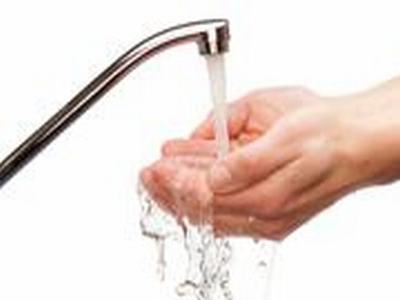
    wash(verb)

    /wɑːʃ/

    씻다 (ssitda)

    to make something/somebody clean using water and usually soap

    Do you wash your face every morning?

    매일 아침 세수하세요? (Maeil achim sesuhaseyo?)

    The beach had been washed clean by the tide.

    유의어cleanrinsescrubbathecleanse
    반의어dirtysoilstaincontaminatepollute
  10. 10

    minute(noun)

    /ˈmɪnɪt/

    분 (bun)

    each of the 60 parts of an hour, that are equal to 60 seconds

    I do this exercise in 10 minutes.

    이 운동을 10분 안에 합니다. (I undongeul sipbun ane hamnida.)

    Boil the rice for 20 minutes.

    유의어momentsecondinstantwhile
    반의어hourdayageeternity
  11. 11

    tenth(number)

    /tenθ/

    열 번째의, 10번째의

    10th

    Lan is ranked tenth in her class this year.

    란은 올해 반에서 10등이다.

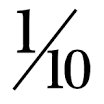
    유의어ordinal tenthone tenth
    반의어firstlast
  12. 12

    time(noun)

    /taɪm/

    시간 (sigan)

    what is measured in minutes, hours, days, etc.

    What time do you get up?

    몇 시에 일어나세요? (Myeot si-e ireonaseyo?)

    time and space

    유의어durationperiodmomentoccasioneraage
    반의어eternitynever
  13. 13

    lunch(noun)

    /lʌntʃ/

    점심 (jeomsim)

    a meal eaten in the middle of the day

    I often have lunch at 11 o'clock.

    저는 보통 11시에 점심을 먹습니다.

    I always eat/have lunch at my desk.

    유의어midday mealluncheonnoonday meal
    반의어breakfastdinnersupper
  14. 14

    fourth(number)

    /fɔːrθ/

    네 번째의, 4번째의

    4th

    He won the fourth prize in the competition.

    그는 대회에서 4등상을 받았다.

    유의어ordinal number four4th
    반의어firstlast
  15. 15

    ninth(number)

    /naɪnθ/

    아홉 번째의, 9번째의

    coming after eight other people or things in a series; 9th

    Today is the ninth of September, and it is my birthday.

    오늘은 9월 9일이고 내 생일이다.

    유의어number nine9th
    반의어firstsecondlast
  16. 16

    third(number)

    /θɜːrd/

    세 번째의, 3번째의

    coming after the second in order; 3rd

    Today is the third of October.

    오늘은 10월 3일이다.

    to shed tears of happiness

    유의어one-third3rdtertiary
    반의어firstsecondlast
  17. 17

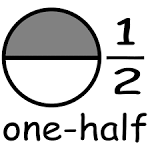
    half(noun)

    /hæf/

    절반, 반

    either of two equal parts into which something is or can be divided

    She cut the apple in half and gave me one half.

    그녀는 사과를 반으로 잘라 나에게 한 쪽을 주었다.

    유의어portionpartfractionpercentageshare
    반의어wholeentiretyfull
  18. 18

    have(verb)

    /həv/

    가지다 (gajida)

    to own, hold or possess something

    My family has four people.

    우리 가족은 네 명입니다. (Uri gajogeun ne myeongimnida.)

    If I hadn't seen it with my own eyes I wouldn't have believed it.

    유의어possessowncontainincludeexperienceundergohold
    반의어lackneedwantlosebe without
  19. 19

    brush(verb)

    /brʌʃ/

    닦다 (dakda)

    to clean, polish or make something smooth with a brush

    Do you brush your teeth every day?

    매일 이를 닦으세요? (Maeil ireul dakkeuseyo?)

    유의어scrubcleansweepgroompolish
    반의어dirtyneglectignore
  20. 20

    midday(noun)

    /ˌmɪdˈdeɪ/

    정오 (jeong-o)

    12 o’clock in the middle of the day; the period around this time

    Can I meet you at midday?

    정오에 만날 수 있을까요? (Jeong-o-e mannal su isseulkkayo?)

    a midday meal

    유의어noontwelve noonhigh noon
    반의어midnightdawndusk
  21. 21

    big(adjective)

    /bɪɡ/

    큰 (keun)

    large in size, degree, amount, etc.

    My school is very big.

    제 학교는 매우 큽니다. (Je hakgyoneun maeu keumnida.)

    He had this great big grin on his face.

    유의어largehugemassivegrandgreatsubstantialconsiderable
    반의어smalllittletinyinsignificantminorshort
  22. 22

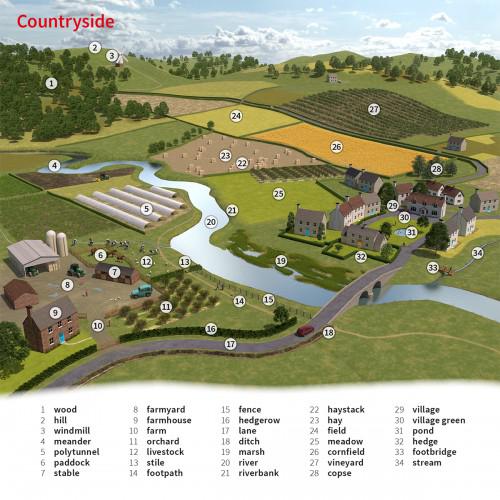
    country(noun)

    /ˈkʌntri/

    나라 (nara)

    an area of land that has or used to have its own government and laws

    Each country has its own flag.

    각 나라마다 고유의 깃발이 있습니다. (gak naramada goyuui gitbal-i itseumnida.)

    European countries

    유의어nationstatelandterritoryrealm
    반의어regiondistrictarea
  23. 23

    first(determiner)

    /fɜːrst/

    첫 번째의, 첫, 제일 처음의

    happening or coming before all other similar things or people; 1st

    My classroom is on the first floor.

    우리 교실은 1층에 있어요.

    The first I heard about the wedding (= the first time I became aware of it) was when I saw it in the local paper.

    유의어initialprimaryearliestleadingforemostoriginal
    반의어lastfinallatestultimatesecondary
  24. 24

    every(determiner)

    /ˈevri/

    모든

    used with singular nouns to refer to all the members of a group of things or people

    Every classroom has 25 desks.

    모든 교실에는 25개의 책상이 있습니다.

    They were watching her every movement.

    유의어eachallanythe whole of
    반의어nononesomefew
  25. 25

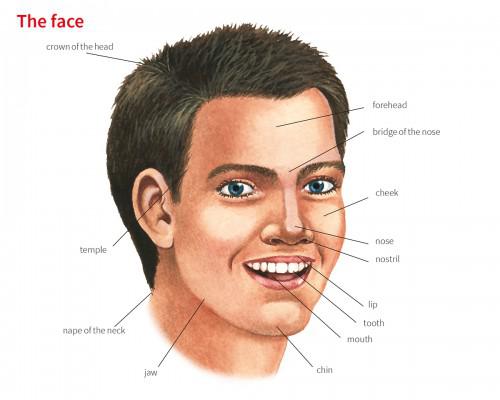
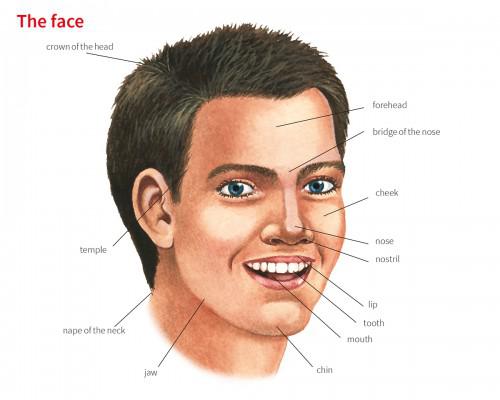
    face(noun)

    /feɪs/

    얼굴

    the front part of the head, where the eyes, nose and mouth are

    She has a round face and big brown eyes.

    그녀는 둥근 얼굴에 커다란 갈색 눈을 가졌다.

    유의어confrontencountertacklemeetdeal withcope with
    반의어avoidevadedodgeshunignore
  26. 26

    o'clock(adverb)

    /əˈklɑːk/

    시 (si)

    used with the numbers 1 to 12 when telling the time, to mean an exact hour

    My father often gets up at 6 o'clock.

    저희 아버지는 보통 6시에 일어나십니다.

    He left between five and six o'clock.

    유의어hourtime
    반의어approximatelyaround
  27. 27

    midnight(noun)

    /ˈmɪdnaɪt/

    자정 (jajeong)

    12 o’clock at night

    She often wakes up at midnight.

    그녀는 자주 자정에 깨어난다. (Geunyeoneun jaju jajeonge kkaeeonanda.)

    We have to catch the midnight train.

    유의어small hourswee hoursdead of night
    반의어noonmidday
  28. 28

    late(adjective)

    /leɪt/

    늦은

    arriving, happening or done after the expected, arranged or usual time

    You are late.

    당신은 늦었어요.

    Can I stay up late tonight?

    유의어tardydelayedbehind scheduleoverdue
    반의어earlyon timepunctual
  29. 29

    dinner(noun)

    /ˈdɪnər/

    저녁 (jeonyeok)

    the main meal of the day, eaten either in the middle of the day or in the evening

    I always have dinner with my family.

    저는 항상 가족과 저녁을 먹습니다.

    It's time for dinner.

    유의어supperevening meal
    반의어breakfastlunch
  30. 30

    second(number)

    /ˈsekənd/

    두 번째의, 둘째의

    happening or coming next after the first in a series of similar things or people; 2nd

    My birthday is on the second of June.

    내 생일은 6월 2일이다.

    The light flashes every 5 seconds.

    유의어alternateinferiornextadditional
    반의어firstprimaryoriginal
  31. 31

    then(adverb)

    /ðen/

    그다음에, 그러고 나서

    used to introduce the next thing that happens; after that

    Then, we will visit the square.

    그다음에 우리는 광장을 방문할 거예요.

    I saw them at Christmas but haven't heard a thing since then.

    유의어afterwardnextsubsequentlythereafterin that case
    반의어beforepreviouslyearlier
  32. 32

    small(adjective)

    /smɔːl/

    작은 (jageun)

    not large in size, number, degree, amount, etc.

    My house is small.

    제 집은 작아요. (Je jibeun jagayo.)

    A much smaller number of students passed than I had expected.

    유의어littletinyminiatureshortcompact
    반의어biglargehugegreatimmense
  33. 33

    very(adverb)

    /ˈveri/

    매우

    used before adjectives, adverbs and determiners to mean ‘in a high degree’ or ‘extremely’

    My classroom is very big.

    제 교실은 매우 큽니다.

    I'm very very grateful.

    유의어extremelyhighlyreallyexceedinglyremarkablyawfully
    반의어slightlysomewhata littlemoderatelybarely
  34. 34

    a.m. (ante meridiem)(abbreviation)

    /ˌei ˈem/

    오전

    used after times to show the time is between midnight and midday

    My father often gets up at 6.15 a.m.

    우리 아버지는 보통 오전 6시 15분에 일어나신다.

    유의어before noonin the morning
    반의어p.m. (post meridiem)afternoonevening
  35. 35

    get dressed(phrase)

    /get drest/

    옷을 입다

    to put your clothes on

    I often get dressed before breakfast.

    나는 보통 아침 식사 전에 옷을 입는다.

    유의어dressclotheattiregarb
    반의어undressdisrobestripunclothe
  36. 36

    get ready(phrase)

    /get 'redi/

    준비하다, 채비하다

    to prepare yourself or make things ready for something

    I get ready for school at 6.30 a.m.

    나는 오전 6시 30분에 학교 갈 준비를 한다.

    유의어preparereadyprepare oneselfmake readyget prepared
    반의어delayprocrastinateunpreparednot ready
  37. 37

    get up(phrasal verb)

    /get ʌp/

    일어나다, 기상하다

    to get out of bed after sleeping

    I often get up late.

    나는 보통 늦게 일어난다.

    유의어arisewake upriseawakenstir
    반의어lie downstay in bed
  38. 38

    noon(noun)

    /nuːn/

    정오 (jeongo)

    12 o’clock in the middle of the day

    Can I meet you at noon?

    정오에 만날 수 있을까요? (jeongoe mannal su isseulkkayo?)

    유의어middaytwelve noonhigh noon
    반의어midnight
  39. 39

    p.m. (post meridiem)(abbreviation)

    /pi ˈem/

    오후

    used after times to show the time is between midday and midnight

    My father often goes to bed at 10.30 p.m.

    우리 아버지는 보통 오후 10시 30분에 주무신다.

    유의어eveningnight
    반의어a.m.morningforenoon
  40. 40

    seventh(number)

    /ˈsevnθ/

    일곱 번째, 제7의

    7th

    My office is on the seventh floor of that building.

    내 사무실은 저 건물 7층에 있다.

    유의어7thnumber sevenfollowing sixth
    반의어firstlast
  41. 41

    sixth(number)

    /sɪksθ/

    여섯 번째의, 6번째

    6th

    He finished sixth in the race last Sunday.

    그는 지난 일요일 경주에서 6위를 했다.

    유의어ordinal number six6thsixth part
    반의어firstlast
  42. 42

    teeth(noun)

    /tiːθ/

    이 (i)

    the plural of tooth; the hard white parts in your mouth used for biting and chewing

    I always brush my teeth three times a day.

    저는 하루에 세 번 이를 닦습니다. (Jeoneun harue se beon ireul dakseumnida.)

    유의어ivoriespearly whitesdentition
    반의어calf's teethdragon's teetheighteethforeteethteethteetheteething

  43. 43

    toothbrush(noun)

    /ˈtuːθbrʌʃ/

    칫솔 (chis-sol)

    a small brush for cleaning your teeth
    This toothbrush is very small.

    이 칫솔은 매우 작습니다. (I chis-sol-eun maeu jag-seubnida.)

    유의어dental brushtooth cleaner
    반의어None
  44. 44

    floor(noun)

    /flɔːr/

    층

    all the rooms that are on the same level of a building
    My classroom is on the second floor of the school.

    내 교실은 학교 2층에 있다.

  45. 45

    grade(noun)

    /ɡreɪd/

    학년

    one of the levels in a school with children of similar age

    My brother is in grade six at a big school in town.

    내 남동생은 시내의 큰 학교에서 6학년이다.