コンテンツへスキップ

レッスン2/38 · 94語 · 覚えた単語 0

Body Appearance

体と外見

  1. 1

    glimpse(noun)

    /ɡlɪmps/

    ちらっと見ること

    a sight of somebody/something for a very short time, when you do not see the person or thing completely

    The secretary caught a glimpse of her new boss as she was leaving the office.

    秘書はオフィスを出る際、新しい上司をちらっと見た。

    After one year with the company, he still felt as though he had only a glimpse of the overall operations

    類義語glancepeeksightflashviewimpression
    対義語staregazescrutinylong look
  2. 2

    shape(noun)

    /ʃeɪp/

    形 (katachi)

    the form of the outer edges or surfaces of something; an example of something that has a particular form

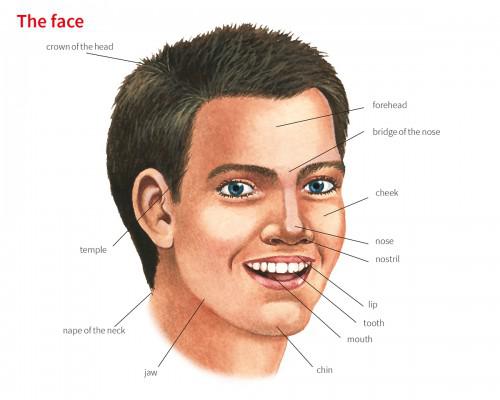
    She liked the shape of his nose.

    彼女は彼の鼻の形が好きだった。

    a rectangular shape

    類義語formfigureoutlinestructurecontourappearance
    対義語formlessnessamorphousness
  3. 3

    height(noun)

    /haɪt/

    高さ (takasa)

    the measurement of how tall a person or thing is

    The height of this room is 3 meters.

    この部屋の高さは3メートルです。

    The table is available in several different heights.

    類義語elevationaltitudepeaktallnesshighness
    対義語depthshortnesslowdepressionbase
  4. 4

    nail(noun)

    /neɪl/

    爪

    the thin hard layer covering the outer tip of the fingers or toes

    nail clippers

    爪切り

    Stop biting your nails!

    類義語tackspikepinclawtalon
    対義語None (in the context of the anatomical part). For the verb senseantonyms would be things like 'unfasten''detach'
  5. 5

    tooth(noun)

    /tuːθ/

    歯 (ha)

    any of the hard white structures in the mouth used for biting food

    Jane had her first tooth when she was only five months.

    ジェーンは生後わずか5か月で初めて歯が生えた。

    The cat sank its teeth into his finger.

    類義語dental partfangivory
    対義語gum
  6. 6

    beautiful(adjective)

    /ˈbjuːtɪfl/

    美しい (utsukushii)

    having beauty; giving pleasure to the senses or to the mind

    My teacher is very beautiful.

    私の先生はとても美しいです (Watashi no sensei wa totemo utsukushii desu).

    What a beautiful thing to say!

    類義語attractiveprettygorgeouslovelystunninghandsomefair
    対義語uglyunattractivehideousplainrepulsive
  7. 7

    fat(adjective)

    /fæt/

    太っている (futotteiru)

    having too much flesh on it and weighing too much

    My sister is very fat.

    私の妹はとても太っています。(Watashi no imōto wa totemo futotte imasu.)

    You'll get fat if you eat so much chocolate.

    類義語plumpstoutoverweightchubbyobeselargeheavy
    対義語thinslimskinnyunderweightleanslender
  8. 8

    kiss(verb)

    /kɪs/

    キスする, 口づけする

    to touch somebody with your lips as a sign of love or sexual desire or when saying hello or goodbye

    He lifted the trophy up and kissed it.

    彼はトロフィーを掲げ、それにキスをした。

    They stood in a doorway kissing (= kissing each other).

    類義語pecksmoochosculatelip-lock
    対義語slapinsultignore
  9. 9

    tongue(noun)

    /tʌŋ/

    舌 (shita)

    the soft part in the mouth that moves around, used for tasting, swallowing , speaking, etc.

    He clicked his tongue to attract their attention.

    彼は舌打ちをして彼らの注意を引いた。(Kare wa shitauchi o shite karera no chūi o hiita.)

    It's very rude to stick your tongue out at people.

    類義語speechlanguagearticulationdialect
    対義語silencemuteness
  10. 10

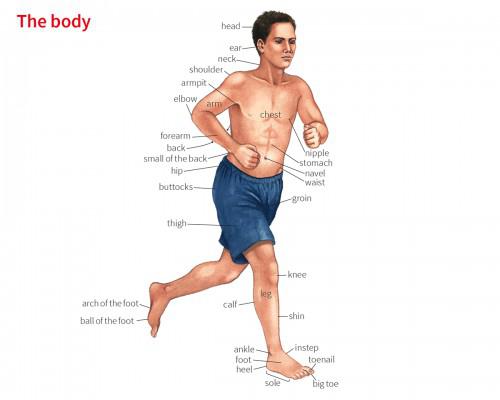
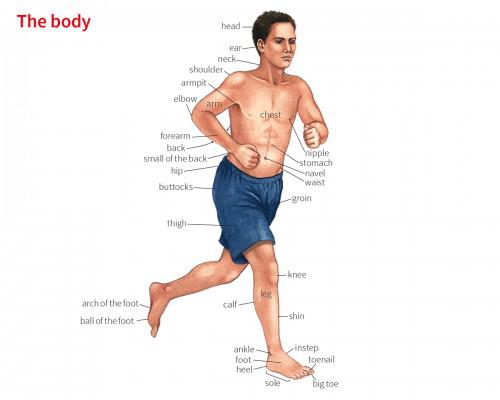
    elbow(noun)

    /ˈelbəʊ/

    肘 (hiji)

    the joint between the upper and lower parts of the arm where it bends in the middle

    She jabbed him with her elbow.

    彼女は肘で彼を突いた (Kanojo wa hiji de kare o tsuita).

    He's fractured his elbow.

    類義語bendjoint
  11. 11

    eye(noun)

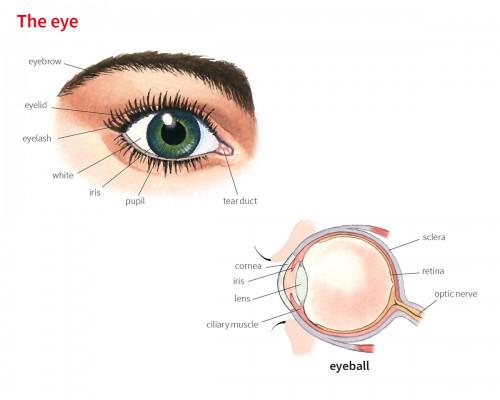
    /aɪ/

    目 (me)

    either of the two organs on the face that you see with

    There were tears in his eyes.

    彼の目には涙が浮かんでいた。(Kare no me ni wa namida ga ukan de ita.)

    All eyes were on him (= everyone was looking at him) as he walked on to the stage.

    類義語opticviewgaze
    対義語blindness
  12. 12

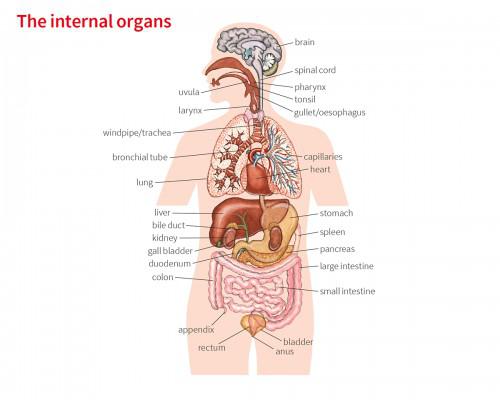
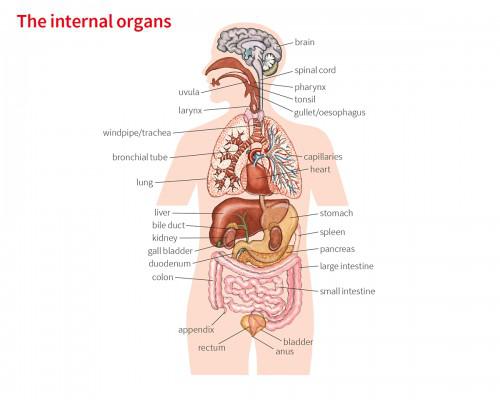
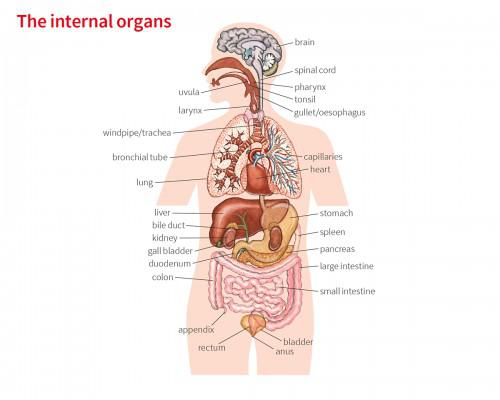
    organ(noun)

    /ˈɔːrɡən/

    臓器, 器官

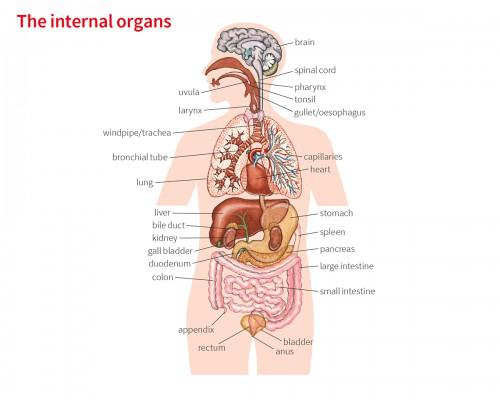
    a part of the body made of several tissues that performs a particular function, such as the heart or liver

    The liver is the largest internal organ in the body.

    肝臓は体内で最大の臓器です。

    Severe sepsis can lead to multiple organ failure.

    類義語body partmemberinstrumentpublicationvehicleagency
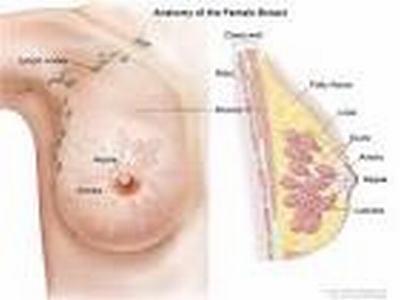
    対義語wholeentiretyinanimate object
  13. 13

    throat(noun)

    /θrəʊt/

    喉 (nodo)

    a passage in the neck through which food and air pass on their way into the body; the front part of the neck

    a sore throat

    喉の痛み (nodo no itami)

    He held the knife to her throat.

    類義語gulletwindpipepharynx
    対義語common yellowthroatcutthroatear-nose-and-throat doctorfrog-in-the-throatrelaxed throatthroatthroatywhite-throat
  14. 14

    weight(noun)

    /weɪt/

    体重 (taijuu)

    how heavy somebody/something is, which can be measured in, for example, kilograms or pounds

    His weight is about 46 kilos.

    彼の体重は約46キロです。

    Sam has a weight problem (= is too fat).

    類義語heftmassloadburdenimportanceinfluence
    対義語lightnessweightlessnessinsignificanceunimportance
  15. 15

    fur(noun)

    /fɜːr/

    毛皮 (kegawa)

    the soft thick mass of hair that grows on the body of some animals

    The cat is licking its fur.

    猫が自分の毛皮を舐めている。(Neko ga jibun no kegawa o namete iru.)

    fashionable clothes/furniture/ideas

    類義語haircoatpeltwool
    対義語skinbarenesshairlessness
  16. 16

    arm(noun)

    /ɑːrm/

    腕 (ude)

    either of the two long parts that stick out from the top of the body and connect the shoulders to the hands

    The broken arm makes him uncomfortable.

    腕を骨折したため、彼は不快に感じている。(Ude o kossetsu shita tame, kare wa fukai ni kanjite iru.)

    The men armed themselves with sticks and stones.

    類義語upper limbforelimbappendage
    対義語legfoot
  17. 17

    scream(verb)

    /skriːm/

    悲鳴を上げる, 叫ぶ

    to give a loud, high shout, because you are hurt, frightened, excited, etc.

    Passengers screamed when the car crashed into a motorbike.

    車がバイクに衝突したとき、乗客たちは悲鳴を上げた。

    the screams of adoring fans

    類義語yellshoutshriekbawlcry outholler
    対義語whispermurmurmumblesilence
  18. 18

    chest(noun)

    /tʃest/

    胸 (mune)

    the top part of the front of the body, between the neck and the stomach

    There is a red spot on his chest.

    彼の胸に赤い斑点があります。

    a chest infection

    類義語breastthoraxbosomtorsopectus
    対義語backrear
  19. 19

    cheek(noun)

    /tʃiːk/

    頬 (hoho)

    either side of the face below the eyes

    He kissed her on both cheeks.

    彼は彼女の両頬にキスをした。

    Couples were dancing cheek to cheek.

    類義語jowlside of face
    対義語back of headnape
  20. 20

    shaped(adjective)

    /ʃeɪpt/

    形

    having the type of shape mentioned

    a huge balloon shaped like a giant cow

    巨大な牛の形をした巨大な風船

    almond-shaped eyes

    類義語formedfashionedmoldedcontoureddesigned
    対義語formlessshapelessamorphousunformed
  21. 21

    shout(verb)

    /ʃaʊt/

    叫ぶ (sakebu)

    to say something in a loud voice; to speak loudly/angrily to somebody

    I shouted for help but nobody came.

    助けを求めて叫んだが、誰も来なかった。

    He shouted that he couldn't swim.

    類義語yellcryscreamhollerbawlexclaim
    対義語whispermurmurmutter
  22. 22

    ankle(noun)

    /ˈæŋkl/

    足首 (ashikubi)

    the joint connecting the foot to the leg; the narrow part of the leg just above the ankle joint

    to sprain/break your ankle

    足首を捻挫する/骨折する (ashikubi wo nenza suru/kossetsu suru)

    We found ourselves ankle-deep in water (= the water came up to our ankles).

    類義語tarsushock (animal)
  23. 23

    tall(adjective)

    /tɔːl/

    背が高い (se ga takai)

    having a greater than average height

    My brother is very tall.

    私の兄はとても背が高いです。

    She's tall and thin.

    類義語highgianttoweringloftybig
    対義語shortsmalllowlittledwarf
  24. 24

    cry(verb)

    /kraɪ/

    泣く (naku)

    to produce tears from your eyes because you are unhappy or hurt

    I just couldn't stop crying.

    ただ泣き止まらなかった。

    There's nothing to cry about.

    類義語weepsobwailbawllamentshed tears
    対義語laughrejoicecheerbe happy
  25. 25

    naked(adjective)

    /ˈneɪkɪd/

    裸の

    not wearing any clothes

    naked shoulders

    裸の肩

    The prisoners were stripped naked.

    類義語barenudeexposeduncoveredundressedvulnerable
    対義語clotheddressedcoveredprotected
  26. 26

    wound(noun)

    /wuːnd/

    傷 (kizu)

    an injury to part of the body, especially one in which a hole is made in the skin using a weapon

    A nurse cleaned and bandaged the wound for me.

    看護師が私のために傷を洗い、包帯を巻いてくれました。

    She felt the warmth of his arms around her.

    類義語injurycutlacerationbruiselesiontrauma
    対義語curehealinghealthrecovery
  27. 27

    fit(verb)

    /fɪt/

    合う (au)

    to be the right shape and size for somebody/something

    This skirt does not fit me.

    このスカートは私に合いません。(Kono sukaato wa watashi ni aimasen.)

    I tried the dress on but it didn't fit.

    類義語suitaccommodatecorrespondconformmatchtailor
    対義語misfitunsuitablelooseill-fittingincompatible
  28. 28

    laugh(verb)

    /læf/

    笑う (warau)

    to make the sounds and movements of your face that show you think something is funny or silly

    to laugh loudly/aloud/out loud

    大声で笑う (ōgoe de warau)

    You never laugh at my jokes!

    類義語gigglechucklechortlesnickerroarhowlcackle
    対義語cryweepmournlament
  29. 29

    beauty(noun)

    /ˈbjuːti/

    美しさ (utsukushisa)

    the quality of giving pleasure to the senses or to the mind

    The sheer beauty of the scenery took my breath away.

    その景色の圧倒的な美しさに息を呑んだ。

    類義語lovelinessattractivenessexcellencegracecharmelegance
    対義語uglinesshideousnessrepulsivenessplainnesseyesore
  30. 30

    hair(noun)

    /her/

    髪 (kami)

    the substance that looks like a mass of fine threads growing on a person's head

    My sister has long black hair.

    私の妹は長い黒髪です。(Watashi no imōto wa nagai kurokami desu.)

    body/facial/pubic hair

    類義語tresseslocksmanecoiffure
    対義語baldnesshairlessness
  31. 31

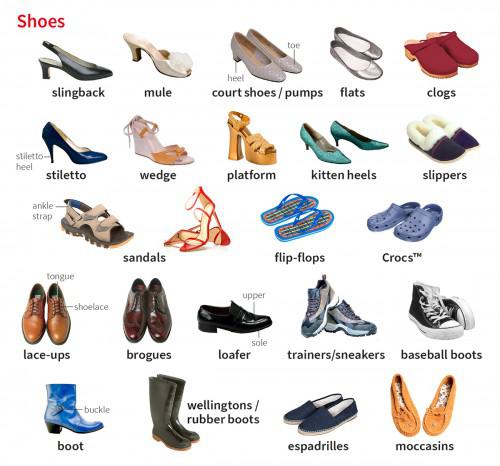
    heel(noun)

    /hiːl/

    かかと, 踵

    the back part of the foot below the ankle

    I have a painful blister on my heel from walking all day.

    一日中歩いたので、かかとに痛いマメができた。

    類義語backrearelevationlift
    対義語toefrontsole
  32. 32

    muscle(noun)

    /ˈmʌsl/

    筋肉 (kin'niku)

    a piece of body tissue that you make tight and relax in order to move a particular part of the body; the tissue that forms the muscles of the body

    She tried to relax her tense muscles.

    彼女は緊張した筋肉をリラックスさせようとした。

    a calf/neck/thigh muscle

    類義語sinewbicepstendonstrengthbrawn
    対義語weaknessatrophyflabbiness
  33. 33

    skin(noun)

    /skɪn/

    肌 (hada)

    the layer of tissue that covers the body

    to have dark/fair/olive, etc. skin

    肌が黒い/白い/オリーブ色など

    The snake sheds its skin once a year.

    類義語epidermisintegumenthidepelt
    対義語bodycoreinteriormiddlefleshpulpcover
  34. 34

    ear(noun)

    /ɪr/

    耳 (mimi)

    either of the organs on the sides of the head that you hear with

    Put your hands over your ears.

    耳に手を当ててください。

    an ear infection

    類義語auditory organhearingsense of hearing
    対義語deafness
  35. 35

    blonde(adjective)

    /blɑːnd/

    金髪の, ブロンドの

    pale gold in colour

    She has long blonde hair and big blue eyes.

    彼女は長いブロンドの髪と大きな青い目をしている。

    類義語fair-hairedlight-haired
    対義語brunettedark-hairedblack-haired
  36. 36

    blood(noun)

    /blʌd/

    血, 血液

    the red liquid that flows through the bodies of humans and animals

    The nurse took a small amount of blood from my arm.

    看護師は私の腕から少量の血を採った。

    類義語gorevital fluidlifeblood
    対義語lymphwater
  37. 37

    mouth(noun)

    /maʊθ/

    口 (kuchi)

    the opening in the face used for speaking, eating, etc.; the area inside the head behind this opening

    Please open your mouth.

    口を開けてください。(kuchi o akete kudasai)

    His mouth twisted into a wry smile.

    類義語lipsjawsmaworal cavity
    対義語closureendorigin
  38. 38

    toe(noun)

    /təʊ/

    つま先

    one of the five small parts that stick out from the foot; any similar part on the foot of an animal or bird

    That man has 11 toes.

    あの男はつま先が11本ある。

    I stubbed my toe on the step.

    類義語digitpedal digit
    対義語autoeroticdostoevskidostoevskiandostoevskyeven-toedgrottoeshammer-toeheel-and-toe
  39. 39

    foot(noun)

    /fʊt/

    足 (ashi)

    the lowest part of the leg, below the ankle, on which a person or an animal stands

    He can stand on one foot very long.

    彼は片足で非常に長く立つことができる。

    a foot pump(= operated using your foot, not your hand)

    類義語pedal extremitylower extremity
    対義語lidtop
  40. 40

    ugly(adjective)

    /ˈʌɡli/

    醜い (minikui)

    unpleasant to look at

    She is quite ugly.

    彼女はかなり醜いです。(Kanojo wa kanari minikui desu.)

    an ugly face

    類義語unattractivehideousrepulsivegrotesqueunpleasantplainhomely
    対義語beautifulattractiveprettyhandsomegorgeouslovely
  41. 41

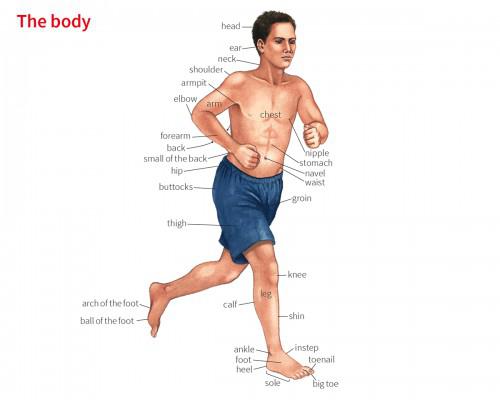
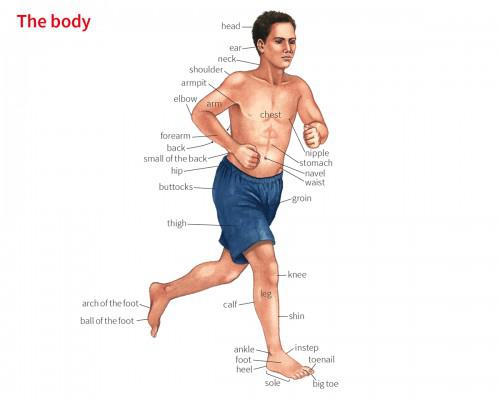
    body(noun)

    /ˈbɑːdi/

    体 (karada)

    the whole physical structure of a human or an animal

    You should keep your body clean.

    体を清潔に保つべきです。

    body fat/weight/temperature/size/heat

    類義語physical formfigureframeanatomycarcass
    対義語spiritsoulmind
  42. 42

    knee(noun)

    /niː/

    膝 (hiza)

    the joint between the top and bottom parts of the leg where it bends in the middle

    She often sits on her father’s knee while he reads her a story.

    彼女は父が物語を読んでくれる間、よく父の膝の上に座ります。

    I grazed my knee when I fell.

    類義語genuknee joint
  43. 43

    appearance(noun)

    /əˈpɪrəns/

    外見 (gaiken)

    the way that somebody/something looks on the outside; what somebody/something seems to be

    She had never been greatly concerned about her appearance.

    彼女は自分の外見をそれほど気にしたことがなかった。

    類義語lookaspectimagesemblanceexteriorform
    対義語realityessenceinner selfcharacter
  44. 44

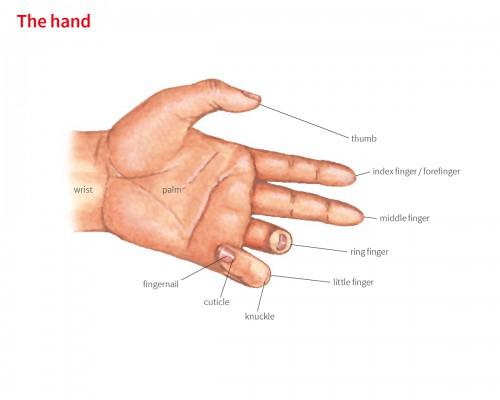
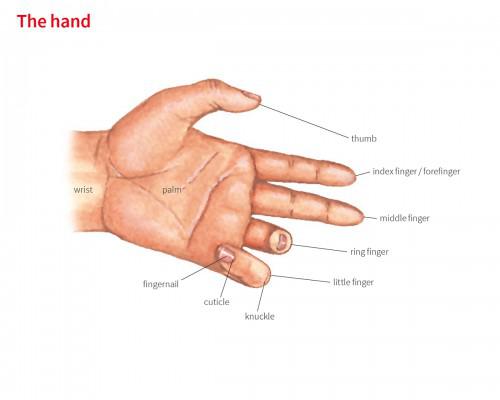
    hand(noun)

    /hænd/

    手 (te)

    the part of the body at the end of the arm, including the fingers and thumb

    I want to hold your hand.

    あなたの手を握りたい (Anata no te o nigiritai).

    a hand towel(= a small towel for drying your hands on)

    類義語fistpalmpawgripmitt
    対義語foottoeabsence
  45. 45

    stare(verb)

    /ster/

    見つめる

    to look at somebody/something for a long time

    They stared up at the hole in the ceiling.

    彼らは天井の穴をじっと見つめた。

    I screamed and everyone stared.

    類義語gazepeerglarewatchobserve
    対義語glanceignoreneglectoverlook
  46. 46

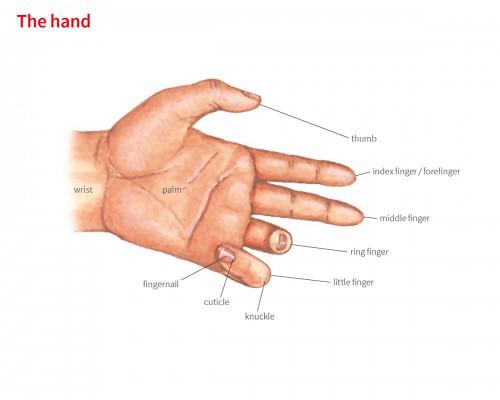
    finger(noun)

    /ˈfɪŋɡər/

    指 (yubi)

    one of the four long thin parts that stick out from the hand (or five, if the thumb is included)

    She has very long fingers.

    彼女はとても長い指をしている。

    He was about to speak but she raised a finger to her lips.

    類義語digitphalange
    対義語palmhand
  47. 47

    thumb(noun)

    /θʌm/

    親指 (oyayubi)

    the short, thick finger at the side of the hand, slightly apart from the other four

    She still sucks her thumb when she's worried.

    彼女は心配するとまだ親指を吸う。

    Your statement is misleading.

    類義語digitpollex
  48. 48

    brain(noun)

    /breɪn/

    脳 (nou)

    the organ inside the head that controls movement, thought, memory and feeling

    Our brain is responsible for a lot of functions.

    私たちの脳は多くの機能に責任があります。(watashitachi no nou wa ooku no kinou ni sekinin ga arimasu.)

    brain cells

    類義語mindintellectgrey matterencephalon
    対義語bodymusclephysicality
  49. 49

    face(noun)

    /feɪs/

    顔

    the front part of the head, where the eyes, nose and mouth are

    She has a round face and big brown eyes.

    彼女は丸顔で、大きな茶色の目をしている。

    類義語confrontencountertacklemeetdeal withcope with
    対義語avoidevadedodgeshunignore
  50. 50

    weigh(verb)

    /weɪ/

    重さが〜ある, 体重が〜ある

    to have a particular weight

    How much do you weigh?

    あなたは体重がどれくらいありますか。

    How much do you weigh (= how heavy are you)?

    類義語measurescaletip the scales at
    対義語lightenlose weight
  51. 51

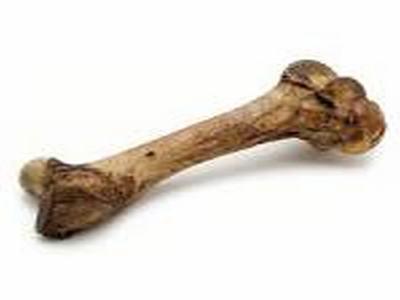
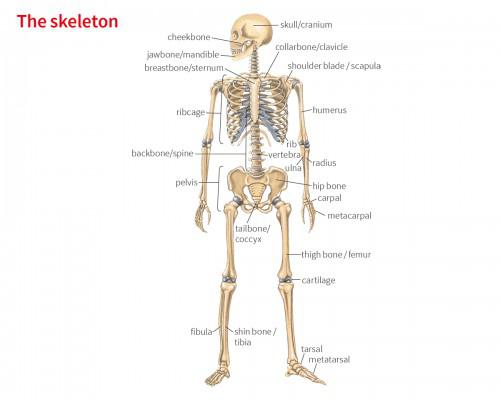
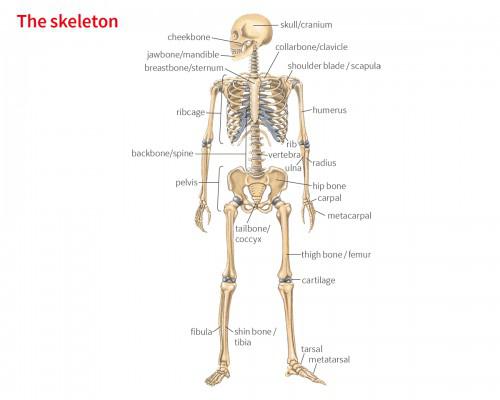
    bone(noun)

    /bəʊn/

    骨 (hone)

    any of the hard parts that form the skeleton of the body of a human or an animal

    The dog was gnawing at a bone.

    犬は骨をかじっていた。(Inu wa hone o kajitte ita.)

    He survived the accident with no broken bones.

    類義語skeletonosseous tissueivory
    対義語cartilagefleshmuscle
  52. 52

    leg(noun)

    /leɡ/

    脚 (ashi)

    one of the long parts that connect the feet to the rest of the body

    How many legs does an ant have?

    アリは脚が何本ありますか? (Ari wa ashi ga nanbon arimasu ka?)

    How many legs does a centipede have?

    類義語limbextremitymembersupport
    対義語torsobody
  53. 53

    smile(verb)

    /smaɪl/

    微笑む, 笑う

    to make a smile appear on your face

    He never seems to smile.

    彼は決して笑わないようだ。

    He never seems to smile.

    類義語grinbeamsmirksimperchuckle
    対義語frownscowlglaregrimace
  54. 54

    whisper(verb)

    /ˈwɪspər/

    ささやく, 小声で話す

    to speak very quietly to somebody so that other people cannot hear what you are saying

    She whispered something in my ear so nobody else could hear.

    彼女は他の誰にも聞こえないように、私の耳元で何かをささやいた。

    類義語murmurmutterundertoneasidehush
    対義語shoutyellscreamroarboast
  55. 55

    feature(noun)

    /ˈfiːtʃər/

    機能, 特長, 特徴

    a particular part, quality or function of a product

    The main feature of this printer is its ability to print on both sides automatically.

    このプリンターの主な特長は、両面を自動で印刷できることです。

    Do not list every feature; explain how each one helps the customer.

    類義語characteristicattributeaspecttraitqualityelementcomponent
    対義語bugflawdefectlackomission
  56. 56

    shoulder(noun)

    /ˈʃəʊldər/

    肩 (kata)

    either of the two parts of the body between the top of each arm and the neck

    He carried the child on his shoulders.

    彼は肩に子供を乗せて運んだ。(Kare wa kata ni kodomo o nosete hakonda.)

    She tapped him on the shoulder.

    類義語upper backneckburdenresponsibility
    対義語backfootavoidevade
  57. 57

    head(noun)

    /hed/

    頭 (atama)

    the part of the body on top of the neck containing the eyes, nose, mouth and brain

    She shakes her head when she doesn't agree.

    彼女は同意しないとき、頭を振る。(Kanojo wa doui shinai toki, atama o furu.)

    He shook his head in disbelief.

    類義語skullbrainmindchiefleadertop
    対義語footbasefollower
  58. 58

    stomach(noun)

    /ˈstʌmək/

    胃

    the muscular bag-shaped organ where food is stored and partly digested by acid and enzymes

    The stomach produces acid that helps to digest proteins.

    胃はタンパク質の消化を助ける胃酸を分泌する。

    Endoscopy revealed an ulcer in the lining of the stomach.

    類義語bellyabdomentummygutpaunch
    対義語nothing (related to lack of stomach issues/concerns)health (related to stomach health)
  59. 59

    elegant(adjective)

    /ˈelɪɡənt/

    上品 (jōhin)

    attractive and showing a good sense of style

    She was tall and elegant.

    彼女は背が高くて上品だった (Kanojo wa se ga takakute jōhin datta).

    He dismissed the opinion polls as worthless.

    類義語gracefulrefinedstylishsophisticatedchic
    対義語clumsyawkwardinelegantunsophisticated
  60. 60

    lung(noun)

    /lʌŋ/

    肺

    either of the two organs in the chest that you use for breathing

    Smoking can seriously damage your lungs and make breathing difficult.

    喫煙は肺をひどく傷つけ、呼吸を困難にすることがあります。

    類義語respiratory organair sacbellows
    対義語clungcoal miner's lungfar-flungflungiron lunglunglung feverlung-like
  61. 61

    heart(noun)

    /hɑːrt/

    心臓

    the organ in the chest that sends blood around the body, usually on the left in humans

    Your heart beats faster when you run or exercise.

    走ったり運動したりすると、心臓の鼓動が速くなります。

    類義語corecenteressencespiritsoul
    対義語exterioroutsidesurfaceapathycallousness
  62. 62

    lip(noun)

    /lɪp/

    唇 (kuchibiru)

    either of the two soft edges at the opening to the mouth

    Her lips are quite thin.

    彼女の唇はかなり薄い。

    The assistant pursed her lips.

    類義語mouthlabium
    対義語insideinteriormiddlekindness
  63. 63

    attractive(adjective)

    /əˈtræktɪv/

    魅力的 (miryokuteki)

    pleasant to look at, especially in a sexual way

    I saw a very attractive lady yesterday.

    昨日、とても魅力的な女性を見ました。

    an attractive woman

    類義語appealingbeautifulcharmingalluringlovelygood-lookingpretty
    対義語unattractiverepulsiveunappealinguglyrepellent
  64. 64

    breast(noun)

    /brest/

    乳房 (nyuubou)

    either of the two round soft parts at the front of a woman’s body that produce milk when she has had a baby

    breast cancer

    乳がん (nyuugan)

    breast milk

    類義語bosomchestmammary glandteatbust
  65. 65

    hip(noun)

    /hɪp/

    腰(こし)

    the area at either side of the body between the top of the leg and the middle part of the body; the joint at the top of the leg that connects it with the top part of the body

    a hip replacement operation

    股関節置換手術 (kokansetsu chikan shujutsu)

    the hip bone

    類義語pelviscoxahaunchthigh
    対義語kneeankleshoulderneck
  66. 66

    back(noun)

    /bæk/

    背中, 背

    the part of the human body that is on the opposite side to the chest, between the neck and the tops of the legs; the part of an animal’s body that corresponds to this

    I have a terrible pain in my lower back.

    腰(背中の下の方)がひどく痛みます。

    類義語returnreappearrestorebehindrear
    対義語frontforwardawaygone
  67. 67

    nerve(noun)

    /nɜːrv/

    神経 (shinkei)

    any of the long fibres that carry messages between the brain and parts of the body, enabling you to move, feel pain, etc.

    nerve endings

    神経終末 (shinkei shūmatsu)

    the optic nerve

    類義語couragebraveryaudacitygutscheekresolvepoise
    対義語fearcowardicetimidityapprehensionbashfulness
  68. 68

    gesture(noun)

    /ˈdʒestʃər/

    身振り, ジェスチャー, 手振り

    a movement that you make with your hands, your head or your face to show a particular meaning

    The angry fans made rude gestures at the striker.

    怒ったファンたちはストライカーに向かって下品なジェスチャーをした。

    類義語signalindicationmotionwavesignact
    対義語speechverbalizationdeclaration
  69. 69

    nose(noun)

    /nəʊz/

    鼻 (hana)

    the part of the face that sticks out above the mouth, used for breathing and smelling things

    Her mother has a sharp nose.

    彼女の母親は鼻が高い。 (Kanojo no hahaoya wa hana ga takai.)

    類義語snootproboscisbeakmuzzlesnout
  70. 70

    fitness(noun)

    /ˈfɪtnəs/

    フィットネス

    the state of being physically healthy and strong

    I took a fitness course last month.

    先月、フィットネスのコースを受講しました。

    類義語healthwellnessphysical conditionwell-beingshape
    対義語illnessweaknessfrailtyunhealthiness
  71. 71

    yell(verb)

    /jel/

    叫ぶ, 大声を出す

    to shout loudly, for example because you are angry, excited, frightened or in pain

    The children yelled with excitement when the lion dance began.

    獅子舞が始まると、子どもたちは興奮して大声をあげた。

    類義語shoutcryscreambawlholler
    対義語whispermurmursilence
  72. 72

    sigh(verb)

    /saɪ/

    ため息をつく, ほっとする

    to take and then let out a long deep breath that can be heard, to show that you are disappointed, sad, tired, etc.

    She sighed with relief that it was all over.

    彼女はすべてが終わってほっとため息をついた。

    類義語exhalationgroanmoanbreathe outgasp
    対義語inhalegaspinspiration
  73. 73

    shrug(verb)

    /ʃrʌɡ/

    肩をすくめる

    to raise your shoulders and then drop them to show that you do not know or care about something

    He shrugged his shoulders as if to say that there was nothing he could do about it.

    彼はどうしようもないと言わんばかりに肩をすくめた。

    類義語hunchraisedraw upmove upwarddismiss
    対義語straightenaffirmacknowledge
  74. 74

    neck(noun)

    /nek/

    首 (kubi)

    the part of the body between the head and the shoulders

    The boy keeps the key on a string around his neck.

    少年は首にかけた紐に鍵を付けている。

    類義語napethroatscruff
  75. 75

    gorgeous(adjective)

    /ˈɡɔːrdʒəs/

    豪華な

    very beautiful and attractive; giving great pleasure

    This Tulips garden is a gorgeous place to visit in Spring!

    このチューリップ庭園は、春に訪れるのに豪華な場所です!

    類義語beautifulstunningsplendidmagnificentexquisitelovelyattractive
    対義語uglyplainunattractiveordinarydull
  76. 76

    cute(adjective)

    /kjuːt/

    可愛い (kawaii)

    pretty and attractive

    That puppy is so cute!

    あの犬はとても可愛い!(Ano inu wa totemo kawaii!)

    類義語adorablecharmingsweetlovelypretty
    対義語uglyunattractiverepulsive
  77. 77

    gaze(verb)

    /ɡeɪz/

    見つめる

    to look steadily at somebody/something for a long time, either because you are very interested or surprised, or because you are thinking of something else

    She began to gaze out the window.

    彼女は窓の外を見つめ始めた。

    類義語starelookcontemplateobserve
    対義語glanceignoreneglect
  78. 78

    glance(verb)

    /ɡlæns/

    ちらりと見る, 一瞥する

    to look quickly at something/somebody

    She glanced at her watch and hurried out of the room.

    彼女は腕時計をちらりと見て、急いで部屋を出て行った。

    類義語peekpeepgazelookview
    対義語staregazescrutinizecontemplate
  79. 79

    grin(verb)

    /ɡrɪn/

    にっこり笑う, ニヤリと笑う

    to smile widely

    He grinned at his friends when he heard the good news.

    彼は良い知らせを聞いて、友人たちに向かってにっこり笑った。

    類義語smilesmirkbeam
    対義語frownscowl
  80. 80

    kidney(noun)

    /ˈkɪdni/

    腎臓, 腎

    one of the two bean-shaped organs at the back of the abdomen that filter waste from the blood and make urine

    Patients with advanced chronic kidney disease may eventually require dialysis.

    進行した慢性腎臓病の患者は、最終的に透析が必要になることがあります。

    The ultrasound showed a stone in the left kidney.

    類義語renal organ
  81. 81

    laughter(noun)

    /ˈlæftər/

    笑い

    the act or sound of laughing

    The sound of laughter filled the room.

    笑い声が部屋中に響き渡った。

    類義語giggleschucklesmerrimentglee
    対義語cryingsadnessgriefsorrow
  82. 82

    limb(noun)

    /lɪm/

    手足

    an arm or a leg; a similar part of an animal, such as a wing

    The hiker injured a limb during the descent.

    ハイカーは下山中に手足を負傷した。

    類義語appendageextremityarmleg
    対義語trunkbody
  83. 83

    liver(noun)

    /ˈlɪvər/

    肝臓

    a large organ in the upper right abdomen that processes nutrients, makes bile and removes toxins from the blood

    Heavy drinking over many years can cause scarring of the liver.

    長年の大量飲酒は、肝臓の線維化を引き起こすことがある。

    Blood tests showed that his liver was not working properly.

    類義語organviscus
  84. 84

    nod(verb)

    /nɑːd/

    うなずく

    if you nod , nod your head or your head nods , you move your head up and down to show agreement, understanding, etc.

    She nodded her head to show that she agreed with me.

    彼女は私に同意するしるしにうなずいた。

    類義語gesturesignalbowdip
    対義語shakedisagreementrefusal
  85. 85

    palm(noun)

    /pɑːm/

    手のひら, 掌

    the inner surface of the hand between the wrist and the fingers

    She held the bird gently in the palm of her hand.

    彼女は鳥を手のひらにそっと乗せた。

    類義語handcontrolvictory
    対義語backfailure
  86. 86

    skull(noun)

    /skʌl/

    頭蓋骨, 頭蓋

    the bony structure of the head that encloses the brain and supports the face

    The CT scan showed a fracture at the base of the skull.

    CT検査で頭蓋底骨折が認められた。

    A newborn's skull has soft spots that close during the first two years.

    類義語craniumheadbraincase
    対義語bodyskeleton
  87. 87

    spine(noun)

    /spaɪn/

    脊椎

    the row of small bones that are connected together down the middle of the back

    The doctor examined my spine after the accident.

    事故の後、医者は私の脊椎を調べました。

    類義語backbonevertebraespinal column
    対義語weaknesspliancysoftness
  88. 88

    wrist(noun)

    /rɪst/

    手首

    the joint between the hand and the arm

    I sprained my wrist playing tennis.

    テニスをしていて手首を捻挫しました。

    類義語carpus
  89. 89

    pretty(adjective)

    /ˈprɪti/

    きれいな, かわいい

    (especially of a woman or girl) attractive and pleasant to look at

    She has a pretty face and long dark hair.

    彼女はかわいらしい顔立ちで、長い黒髪をしている。

  90. 90

    short(adjective)

    /ʃɔːrt/

    背が低い

    (of a person) small in height

    He is short and fat.

    彼は背が低くて太っている。

  91. 91

    look(verb)

    /lʊk/

    〜に見える, 〜のようだ

    to seem; to appear to be something, especially from what you can see

    You look really tired today; did you sleep badly last night?

    今日はすごく疲れているように見えるよ。昨夜はよく眠れなかったの?

  92. 92

    tear(noun)

    /ter/

    涙

    a drop of liquid that comes out of your eye when you cry

    I was close to tears as I told them the news.

    その知らせを伝えたとき、私は泣きそうだった。

  93. 93

    wave(verb)

    /weɪv/

    手を振る, 振る

    to move your hand or arm from side to side in the air, for example to say hello

    A man in the water was shouting and waving his arms around frantically.

    水の中の男性が必死に叫びながら両腕を振り回していた。

  94. 94

    tissue(noun)

    /ˈtɪʃuː/

    組織

    a collection of cells that form the different parts of humans, animals and plants

    The doctor took a tissue sample for testing.

    医師は検査のために組織サンプルを採取した。