レッスン1/38 · 105語 · 覚えた単語 0
People Family
人と家族
特徴 (Tokuchō)
a typical feature or quality that something/somebody has
One characteristic of the store is that it is slow in mailing refund checks.
その店の特徴の一つは、払い戻し小切手の郵送が遅いことです。(Sono mise no tokuchō no hitotsu wa, haraimodoshi kogitte no yūsō ga osoi koto desu.)
The cooking pot has features characteristic of the brand, such as \"heat-resistant\" handles
類義語traitfeatureattributequalitypropertymarkaspect対義語defectflawimperfectionabsence人事, 従業員, 職員
the people employed by an organisation; in some companies also the old name for the HR department
Only authorised personnel may enter the server room.
サーバールームには、許可された職員のみ入室できます。
Personnel costs make up almost half of our annual budget.
類義語staffemployeesworkforcehuman resourceslabor対義語managementexecutivesadministration特定する
to recognize somebody/something and be able to say who or what they are
The tiny bracelets identified each baby in the nursery
その小さなブレスレットは、保育園の各赤ちゃんを特定しました。
Your medical records are all marked with your patient number to identify them in case of a mix-up
類義語recognizedeterminedistinguishnamesingle outpoint out対義語confuseobscuremisidentifyoverlook友情 (yūjō)
a relationship between friends
friendships formed while she was at college
彼女が大学にいた時に形成された友情 (kanojo ga daigaku ni ita toki ni keisei sareta yūjō)
a close/lasting/lifelong friendship
類義語companionshipfellowshiprapportamityaffection対義語enmityanimosityhostilitydislikehatred仲間 (nakama)
used to describe somebody who is the same as you in some way, or in the same situation
I recognized a fellow sufferer, waiting nervously outside the exam room.
私は試験室の外で緊張して待っている、同じ苦しみを抱える仲間だと気づいた。
fellow members/citizens/workers
類義語associatecompanioncolleaguepeermatepartner対義語strangerrivalenemyoutsider紳士 (shinshi)
a man who is polite and well educated, who has excellent manners and always behaves well
Thank you—you're a real gentleman.
ありがとう—あなたは本当に紳士ですね。
He's no gentleman!
類義語man of honorman of his wordupstanding mandecent manhonorable mansir対義語cadboorloutvillainscoundrel人口 (jinkō)
all the people who live in a particular area, city or country; the total number of people who live there
What is the population of your country?
あなたの国の人口はどれくらいですか? (Anata no kuni no jinkō wa dore kurai desu ka?)
The population is increasing at about 6% per year.
類義語inhabitantsresidentscommunitypeoplenumber of inhabitants対義語emptinessuninhabitednessdepopulation青春 (seishun)
the time of life when a person is young, especially the time before a child becomes an adult
She regrets spending her youth travelling, not studying.
彼女は勉強せずに旅行に青春を費やしたことを後悔している。(Kanojo wa benkyō sezu ni ryokō ni seishun o tsuiyashita koto o kōkai shite iru.)
She regrets that she spent her youth travelling and not studying.
類義語young ageprimeadolescencespringtimeearly years対義語old ageelderlymaturityadulthoodseniority個人的に
used to show that you are giving your own opinion about something
‘Is it worth the effort?’ ‘Speaking personally, yes.’
「努力する価値はありますか?」「個人的には、はい。」
Personally, I prefer the second option.
類義語individuallyprivatelydirectlyfor myselfas for me対義語impersonallyobjectivelygenerallypublicly住民
a person who lives in a particular place or who has their home there
The local residents are happy with the punctuality of the post office.
地元の住民は郵便局の時間厳守に満足しています。
There were confrontations between local residents and the police.
類義語inhabitantdwelleroccupantcitizenlocal対義語foreignervisitortransientimmigrantnonnative大人 (otona)
a fully grown person who is legally responsible for their actions
Each adult has to pay ten dollars to enter the museum.
博物館に入るには、大人一人につき10ドル支払う必要があります。(Hakubutsukan ni hairu ni wa, otona hitori ni tsuki ju doru harau hitsuyou ga arimasu.)
Why can't you two act like civilized adults?
類義語grown-upmature personsenior対義語childminoryouth関係 (kankei)
the way in which two people, groups or countries behave towards each other or deal with each other
a master-servant relationship
主人と使用人の関係 (shujin to shiyounin no kankei)
She has a very close relationship with her sister.
類義語connectionassociationlinkbondaffiliationrapportkinship対義語separationdetachmentestrangementalienationisolation結婚する (kekkon suru - to marry)
to become the husband or wife of somebody; to get married to somebody
Men tend to marry later than women.
男性は女性よりも結婚するのが遅い傾向があります。
I guess I'm not the marrying kind(= the kind of person who wants to get married).
類義語wedget marriedtie the knottake to wife/husbandespouse対義語divorceseparatesplit upremain singledissolve marriage客 (kyaku)
a person that you have invited to your house or to a particular event that you are paying for
I have two guests coming to dinner tonight.
今夜、夕食に客が2人来ます。(Kon'ya, yūshoku ni kyaku ga futari kimasu.)
We have guests staying this weekend.
類義語visitorcallerinviteepatronboarder対義語hostresidenttenant協力関係, 提携, パートナーシップ
a relationship between two people or groups who live or work together as partners
Their marriage was a true partnership based on trust and respect.
二人の結婚は、信頼と尊敬に基づく真のパートナーシップだった。
類義語allianceassociationcollaborationcooperationunionaffiliationjoint venture対義語separationdivisionindependencesolitudeautonomy見知らぬ人 (mishiranu hito)
a person that you do not know
There was a complete stranger sitting at my desk.
私の机に見知らぬ人が座っていた。(Watashi no tsukue ni mishiranu hito ga suwatteita.)
They got on well together although they were total strangers.
類義語foreigneroutsideraliennewcomerunknown person対義語acquaintancefriendfamiliarnativelocal相手 (aite)
a person that you are doing an activity with, such as dancing or playing a game
Practice the dialogue with a partner.
パートナーと対話の練習をしなさい。(Paatonaa to taiwa no renshuu o shinasai.)
a marriage partner
類義語associatecolleagueallyteammatecollaborator対義語opponentrivalenemyadversaryおじ (oji)
the brother of your mother or father; the husband of your aunt or uncle
I’m going to visit my uncle.
私はおじを訪ねるつもりです。(Watashi wa oji o tazuneru tsumori desu.)
I've just become an uncle (= because your brother/sister has had a baby).
類義語paternal unclematernal uncleforefatherkinsmanrelative対義語auntniecenephew個性 (kosei)
the various aspects of a person’s character that combine to make them different from other people
People's clothes are often an expression of their personality.
人々の服装は、しばしばその個性の表現です。
The children all have very different personalities.
類義語characterdispositiontemperamentnatureindividuality対義語impersonalityconformityuniformity自己 (jiko)
the type of person you are, especially the way you normally behave, look or feel
His private/professional self (= how he behaves at home/work)
彼の私的な/仕事上の自己(=家/職場でどのように振る舞うか)
Only with a few people could she be her real self(= show what she was really like rather than what she pretended to be).
類義語individualidentityegobeingperson対義語otherexternalnon-self遺産 (isan)
the history, traditions, buildings and objects that a country or society has had for many years and that are considered an important part of its character
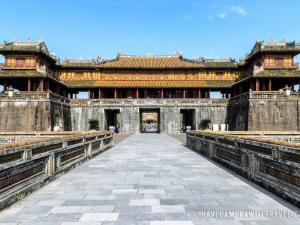
Hue's Imperial City was listed as a Cultural World Heritage site by UNESCO in 1993.
フエの王宮は、1993年にユネスコによって文化遺産に登録されました。
類義語legacyinheritancetraditionbirthrightendowment対義語presentmodernityinnovation人道的
connected with helping people who are suffering and improving the conditions that they are living in
The prisoner has been released for humanitarian reasons.
囚人は人道的な理由で釈放された。
類義語compassionatebenevolentcharitablealtruistickindcaringhumane対義語cruelinhumanecallousmercilessruthlessheartless