コンテンツへスキップ

レッスン3/38 · 107語 · 覚えた単語 0

Health Medicine

健康と医療

  1. 1

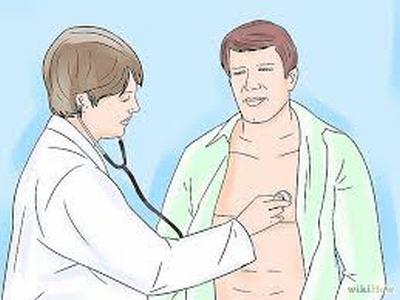
    diagnose(verb)

    /ˌdaɪəɡˈnəʊs/

    診断する

    to identify which disease or condition a patient has

    She was diagnosed with type 2 diabetes last year.

    彼女は昨年、2型糖尿病と診断されました。

    It can be difficult to diagnose tuberculosis in children.

    類義語identifydeterminerecognizeanalyzeassessfigure out
    対義語misdiagnoseoverlookmissconfuse
  2. 2

    suffer(verb)

    /ˈsʌfər/

    苦しむ

    to be badly affected by a disease, pain, sad feelings, a lack of something, etc.

    He suffered intense pain

    彼は激しい痛みに苦しんだ。

    He suffers from asthma.

    類義語endureundergoexperiencebeartoleratesustain
    対義語enjoythriveprosperflourishbenefit
  3. 3

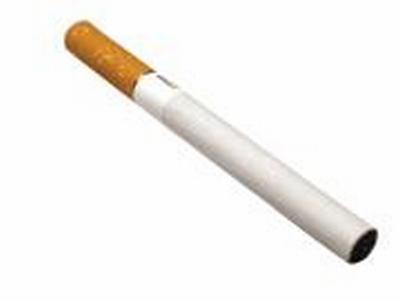
    cigarette(noun)

    /ˈsɪɡəret/

    タバコ

    a thin tube of paper filled with tobacco , for smoking

    a packet/pack of cigarettes

    タバコのパック

    to light a cigarette

    類義語smokefagbuttcancer stick
    対義語none (in the direct sensebut could be 'health''fresh air')
  4. 4

    emergency(noun)

    /ɪˈmɜːrdʒənsi/

    緊急事態, 救急, 救急疾患

    a sudden, serious situation, such as an injury or illness, that needs immediate action

    Severe chest pain should always be treated as a medical emergency.

    激しい胸の痛みは、常に医学的緊急事態として扱うべきです。

    In an emergency, call 115 for an ambulance.

    類義語crisisurgencyexigencypredicamentdisaster
    対義語calmpeacenormalityroutine
  5. 5

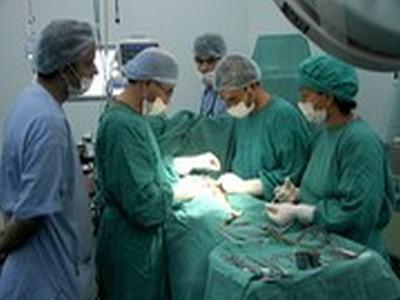
    operation(noun)

    /ˌɑːpəreɪʃn ˌdezərt ˈʃiːld/

    手術

    the process of cutting open a part of a person's body in order to remove or repair a damaged part

    Doctors performed an emergency operation for appendicitis last night

    医師たちは昨夜、虫垂炎の緊急手術を行った。

    Doctors performed an emergency operation for appendicitis last night.

    類義語surgeryprocedureinterventiontreatmentprocessundertakingactivity
    対義語inactionrestnoninterventionabstention
  6. 6

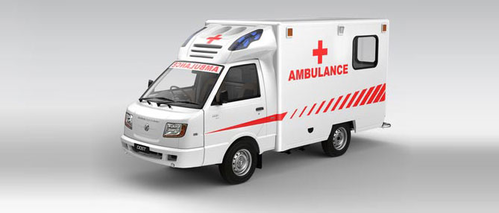
    ambulance(noun)

    /ˈæmbjələns/

    救急車

    a vehicle with medical equipment and staff that takes sick or injured people to hospital

    The ambulance arrived ten minutes after the call.

    通報から10分後に救急車が到着しました。

    She was taken by ambulance to the nearest emergency department.

    類義語medical transportemergency vehicle
    対義語personal vehicle
  7. 7

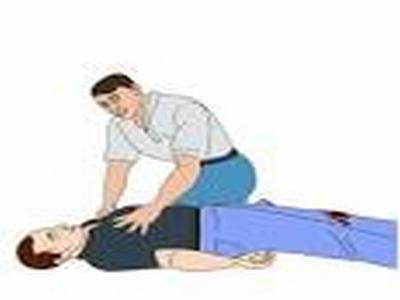
    unconscious(adjective)

    /ʌnˈkɑːnʃəs/

    意識不明の, 意識のない, 意識障害の

    not awake and unable to respond to people or things around you because of injury or illness

    The man was found unconscious at the scene of the accident.

    その男性は事故現場で意識不明の状態で発見されました。

    Place an unconscious patient who is breathing in the recovery position.

    類義語insensibleout coldsenselesscomatosestunnedblacked out
    対義語consciousawarealertsensible
  8. 8

    stress(noun)

    /stres/

    ストレス

    pressure or worry caused by the problems in somebody’s life

    Many students suffer from stress before their final exams.

    多くの学生が期末試験の前にストレスに悩まされる。

    類義語pressurestraintensionanxietyworryburdendistress
    対義語relaxationreliefcalmpeacecomfortease
  9. 9

    hurt(verb)

    /hɜːrt/

    痛める

    to cause physical pain to somebody/yourself; to injure somebody/yourself

    My shoes hurt me because they are too small.

    靴が小さすぎるので、足が痛い。

    People's reaction to the film has varied greatly.

    類義語achepaininjurewoundharmafflict
    対義語healcomfortsootheeasehelp
  10. 10

    health(noun)

    /helθ/

    健康 (kenko)

    the condition of a person’s body or mind

    Exhaust fumes are bad for your health.

    排気ガスは健康に悪いです。(Haiki gasu wa kenko ni warui desu.)

    類義語well-beingfitnessconditionshapehalenessvigor
    対義語illnesssicknessdiseaseinfirmityunhealthiness
  11. 11

    patient(noun)

    /ˈpeɪʃnt/

    患者 (kanja)

    a person who is receiving medical treatment, especially in a hospital

    I am a patient of Dr. Stephens; could I make an appointment to see her?

    私はスティーブンス先生の患者です。診察の予約はできますか?(Watashi wa Sutiibunsu sensei no kanja desu. Shinsatsu no yoyaku wa dekimasu ka?)

    She's very patient with young children.

    類義語sick personinvalidcasesuffererclient (in some contexts)
    対義語doctorphysicianhealthy personwellness
  12. 12

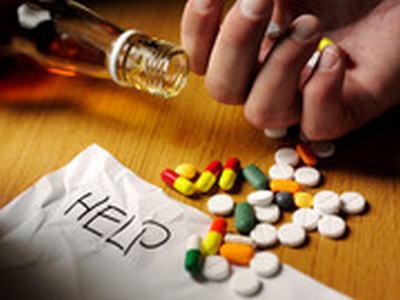
    abuse(noun)

    /əˈbjuːs/

    乱用, 濫用

    the use of something in a way that is wrong or harmful

    Alcohol and drug abuse can cause serious health problems.

    アルコールや薬物の乱用は深刻な健康問題を引き起こすことがある。

    類義語mistreatmaltreatill-treatmisuseexploitviolateoppress
    対義語cherishrespectvalueprotectcare fornurture
  13. 13

    hospital(noun)

    /ˈhɑːspɪtl/

    病院 (byouin)

    a large building where people who are ill or injured are given medical treatment and care

    He had to go to the hospital for treatment.

    彼は治療のために病院に行かなければならなかった。(Kare wa chiryou no tame ni byouin ni ikanakereba naranakatta.)

    類義語infirmaryclinicmedical centersanatoriumhospice
    対義語homeofficeworkplace
  14. 14

    ill(adjective)

    /ɪl/

    病気

    suffering from an illness or disease; not feeling well

    Uncle Harry is terminally ill with cancer (= he will die from his illness).

    ハリーおじさんは末期がんで重病です (= 彼は病気で亡くなります)。

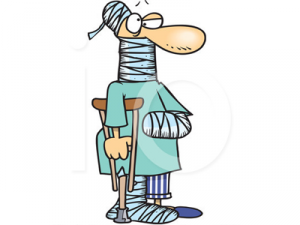
    She was taken ill suddenly.

    類義語sickunwellailinginfirmpoorly
    対義語healthywellfithale
  15. 15

    relaxed(adjective)

    /rɪˈlækst/

    リラックスした (rirakkusu shita)

    calm and not anxious or worried

    He appeared relaxed and confident before the match.

    彼は試合前にリラックスして自信があるように見えた。(Kare wa shiai mae ni rirakkusu shite jishin ga aru yō ni mieta.)

    I'm feeling more relaxed about the future now.

    類義語calmat easelaid-backunhurriedpeacefultranquilrestful
    対義語tenseanxiousstressednervousagitatedworried
  16. 16

    mental(adjective)

    /ˈmentl/

    精神的な

    connected with or happening in the mind; involving the process of thinking

    He has a complete mental block when it comes to physics.

    彼は物理に関しては完全に精神的な壁にぶつかっている。

    the mental process of remembering

    類義語intellectualcognitivepsychologicalcerebral
    対義語physicalbodily
  17. 17

    flu(noun)

    /fluː/

    インフルエンザ

    a serious disease caused by a virus, that causes a high temperature, severe pains and weakness

    The whole family has the flu.

    家族全員がインフルエンザにかかっています。

    She's got flu.

    類義語influenzagrippe
    対義語healthwellnesswell-being
  18. 18

    relax(verb)

    /rɪˈlæks/

    リラックス

    to rest while you are doing something that you enjoy, especially after work or effort

    Just relax and enjoy the vacation.

    リラックスして休暇を楽しんでください。

    When I get home from work I like to relax with the newspaper.

    類義語unwindchillloosen uprestreclinede-stress
    対義語stressworryexciteagitatestraintense
  19. 19

    infection(noun)

    /ɪnˈfekʃn/

    感染症, 感染

    an illness caused by bacteria, viruses or other germs entering and growing in the body

    The wound shows signs of infection, such as redness and pus.

    傷口に赤みや膿など、感染の兆候が見られます。

    Most respiratory infections in children are caused by viruses.

    類義語contaminationsepsisdiseaseailmentvirusgermpathogen
    対義語sterilityasepsiscleanlinessimmunityhealth
  20. 20

    suffering(noun)

    /ˈsʌfərɪŋ/

    苦しみ (kurushimi)

    physical or mental pain

    Death finally brought an end to her suffering.

    ついに死が彼女の苦しみに終止符を打った。

    This war has caused widespread human suffering.

    類義語paindistressmiseryagonyhardshiptribulation
    対義語joyhappinesspleasurecomfortreliefcontentment
  21. 21

    cancer(noun)

    /ˈkænsər/

    がん, 悪性腫瘍

    a disease in which abnormal cells grow out of control and can spread to other parts of the body

    Liver cancer is one of the most common cancers in Vietnam.

    肝がんはベトナムで最も多いがんの一つです。

    Early detection greatly improves the chance of curing cancer.

    類義語malignancytumorneoplasm
    対義語healthwellnesswell-being
  22. 22

    breathing(noun)

    /ˈbriːðɪŋ/

    呼吸 (kokyuu)

    the action of taking air into the lungs and sending it out again

    Heavy (= loud) breathing was all I could hear.

    聞こえたのは荒い呼吸だけだった。

    Her breathing became steady and she fell asleep.

    類義語respirationventilationinspirationexpirationpantingsighing
    対義語suffocationasphyxiationbreathlessness
  23. 23

    infect(verb)

    /ɪnˈfekt/

    感染させる, 伝染させる

    to make a disease or an illness spread to a person, an animal or a plant

    The virus can infect people who drink dirty water.

    そのウイルスは、汚れた水を飲んだ人に感染することがある。

    類義語contaminatetaintaffectdiseasepoison
    対義語cleansedisinfectpurifysterilizeheal
  24. 24

    breathe(verb)

    /briːð/

    呼吸する, 息をする

    to take air into your lungs and send it out again through your nose or mouth

    He breathed deeply before speaking again.

    彼は深く息を吸ってから、再び話し始めた。

    He was breathing heavily after his exertions.

    類義語inhaleexhalerespiregasppantpuff
    対義語suffocateasphyxiatechoke
  25. 25

    medical(adjective)

    /ˈmedɪkl/

    医療の

    connected with illness and injury and their treatment

    Medical advances surely help us to live longer.

    医学の進歩は確かに私たちがより長く生きるのに役立ちます。

    a medical student/school

    類義語clinicalmedicinaltherapeutichealingpharmaceutical
    対義語nonmedicallayholisticalternative
  26. 26

    pill(noun)

    /pɪl/

    錠剤 (jōzai)

    a small flat round piece of medicine that you swallow whole, without biting it

    Take three pills daily after meals.

    毎日食後に3錠服用してください。

    pill-popping(= the act of taking too many pills or using illegal drugs)

    類義語tabletcapsulelozengedosemedicine
    対義語liquid medicineinjectionsyrup
  27. 27

    recover(verb)

    /rɪˈkʌvər/

    回復

    to get well again after being ill, hurt, etc.

    He's still recovering from his operation.

    彼はまだ手術から回復している。

    They rated him highly as a colleague.

    類義語recuperatehealimproverallybounce backmend
    対義語declinedeteriorateworsenlose
  28. 28

    breath(noun)

    /breθ/

    息 (iki)

    the air that you take into your lungs and send out again

    We had to stop for breath before we got to the top.

    頂上に着く前に、息を整えるために立ち止まらなければなりませんでした。

    His breath smelt of garlic.

    類義語respirationexhalationinhalationpuffgasp
    対義語suffocationasphyxiation
  29. 29

    diet(noun)

    /ˈdaɪət/

    食事, 食生活

    the food and drink that you eat and drink regularly

    A healthy diet includes plenty of fresh fruit and vegetables.

    健康的な食事には、新鮮な果物や野菜がたっぷり含まれている。

    類義語regimeneating planweight loss plannutritionnourishment
    対義語overeatingindulgencebinge eatingunrestricted eating
  30. 30

    dentist(noun)

    /ˈdentɪst/

    歯科医 (shikai)

    a person whose job is to take care of people’s teeth

    A dentist's job is taking care of people's teeth.

    歯科医の仕事は人々の歯の世話をすることです。(Shikai no shigoto wa hitobito no ha no sewa o suru koto desu.)

    That's definite then, is it?

    類義語tooth doctordental surgeonoral surgeon
    対義語patient
  31. 31

    relaxing(adjective)

    /rɪˈlæksɪŋ/

    リラックスした

    helping you to rest and become less anxious

    a relaxing evening with friends

    友人とのリラックスした夜

    Tell me what really happened.

    類義語calmingsoothingrestfulpeacefultranquil
    対義語stressfultenseanxiousagitating
  32. 32

    fever(noun)

    /ˈfiːvər/

    発熱, 熱

    a body temperature higher than normal, usually above 38 degrees Celsius, often caused by infection

    The child has had a high fever for three days.

    その子は3日間高熱が続いている。

    Paracetamol was given to bring down the fever.

    類義語pyrexiahigh temperaturetemperatureheat
    対義語hypothermiaafebrile
  33. 33

    first(determiner)

    /fɜːrst/

    最初の, 第一の, 1番目の

    happening or coming before all other similar things or people; 1st

    My classroom is on the first floor.

    私の教室は1階にあります。

    The first I heard about the wedding (= the first time I became aware of it) was when I saw it in the local paper.

    類義語initialprimaryearliestleadingforemostoriginal
    対義語lastfinallatestultimatesecondary
  34. 34

    poison(noun)

    /ˈpɔɪzn/

    毒, 毒物

    a substance that causes death or harm if it gets into the body

    Keep the rat poison away from small children and pets.

    ネズミ用の毒は小さな子どもやペットの手の届かないところに置いてください。

    類義語venomtoxintoxicantbanecontaminate
    対義語antidotecureremedyneutralizecleanse
  35. 35

    doctor(noun)

    /ˈdɑːktər/

    医者 (isha)

    a person who has been trained in medical science, whose job is to treat people who are ill or injured

    I am a doctor.

    私は医者です (Watashi wa isha desu).

    Doctor Staples (= as a title/form of address)

    類義語physicianmedical practitionerclinician
    対義語patient
  36. 36

    cure(verb)

    /kjʊr/

    治す, 治療する, 治癒させる

    to make a sick person healthy again or to make a disease go away completely

    Most cases of tuberculosis can be cured with six months of treatment.

    結核の大半は6か月間の治療で治すことができる。

    Early-stage cancer can often be cured by surgery.

    類義語remedytreatmenthealingtherapyantidote
    対義語diseaseailmentillnessaffliction
  37. 37

    medicine(noun)

    /ˈmedɪsn/

    薬, 内服薬

    a substance, especially a liquid that you drink or swallow, that is used to treat or prevent an illness

    Did you take your medicine?

    薬は飲みましたか?

    to study/practise medicine

    類義語medicationremedycuretreatmentdrugpharmaceutical
    対義語poisontoxindiseaseillness
  38. 38

    virus(noun)

    /ˈvaɪrəs/

    ウイルス, 病原体

    a living thing, too small to be seen without a microscope , that causes disease in people, animals and plants

    The doctor said my fever was caused by a virus.

    医者は私の熱はウイルスが原因だと言いました。

    類義語malwareinfectionbugTrojan horseworm
    対義語cleansterileprotectedsecure
  39. 39

    nurse(noun)

    /nɜːrs/

    看護師 (kangoshi)

    a person whose job is to take care of sick or injured people, usually in a hospital

    My father is a doctor and my mother is a nurse.

    私の父は医者で、母は看護師です。

    a dental nurse (= one who helps a dentist)

    類義語registered nurseRNnursing sisterhealthcare professionalmedic
    対義語patientlaymannonprofessional
  40. 40

    alarm(noun)

    /əˈlɑːrm/

    警報, 警報器, アラーム

    a loud noise or a signal that warns people of danger or of a problem

    The burglar alarm went off in the middle of the night.

    真夜中に防犯ベルが鳴り出した。

    類義語warnalertfrightenstartlescare
    対義語calmsoothereassurecomfort
  41. 41

    injury(noun)

    /ˈɪndʒəri/

    負傷

    harm done to a person’s or an animal’s body, for example in an accident

    to sustain injuries/an injury

    怪我をする

    a head injury

    類義語woundtraumadamageharmhurtailment
    対義語healingrecoveryhealthwellness
  42. 42

    disease(noun)

    /dɪˈziːz/

    病気 (byouki)

    an illness affecting humans, animals or plants, often caused by infection

    A fatty diet increases the risk of heart disease.

    脂肪分の多い食事は心臓病のリスクを高めます。(shiboubun no ooi shokuji wa shinzoubyou no risuku o takamemasu)

    類義語illnessailmentsicknessmaladycondition
    対義語healthwellnessfitness
  43. 43

    healthy(adjective)

    /ˈhelθi/

    健康な, 元気な

    having good health and not likely to become ill

    My grandfather is eighty but he is still very healthy and strong.

    祖父は80歳だが、今でもとても健康で丈夫だ。

    類義語wellfitwholesomerobustvigorousin good shape
    対義語unhealthysickillweakfrail
  44. 44

    bacteria(noun)

    /bækˈtɪriə/

    バクテリア

    the simplest and smallest forms of life. Bacteria exist in large numbers in air, water and soil, and also in living and dead creatures and plants, and are often a cause of disease.

    an illness caused by bacteria in drinking water

    飲料水中のバクテリアによって引き起こされる病気

    The house is built around a central courtyard.

    類義語germsmicrobesmicroorganisms
    対義語cleanlinesssterilityhygiene
  45. 45

    injure(verb)

    /ˈɪndʒər/

    負傷させる

    to harm yourself or somebody else physically, especially in an accident

    The bomb killed eleven people and injured 55.

    爆弾により11人が死亡し、55人が負傷した。

    She injured herself during training.

    類義語woundhurtdamageharmimpair
    対義語healcuremendrepair
  46. 46

    anxiety(noun)

    /æŋˈzaɪəti/

    不安 (fuan)

    the state of feeling nervous or worried that something bad is going to happen

    According to some articles, eating chocolate can reduce anxiety.

    いくつかの記事によると、チョコレートを食べると不安を軽減できるそうです。

    Waiting for exam results is a time of great anxiety.

    類義語worryapprehensionuneasenervousnessconcernstressdread
    対義語calmpeacetranquilityserenitycomposureassurance
  47. 47

    smoking(noun)

    /ˈsməʊkɪŋ/

    喫煙

    the activity or habit of smoking cigarettes, etc.

    Would you like smoking or non-smoking?

    喫煙席と禁煙席どちらがよろしいですか?

    He's trying to give up smoking.

    類義語puffinginhalinglighting uptobacco usevaping
    対義語non-smokingabstainingquittingnon-combustible
  48. 48

    treatment(noun)

    /ˈtriːtmənt/

    治療

    something that is done to cure an illness or injury, or to make somebody look and feel good

    The little boy has responded well to treatment.

    その小さな男の子は治療によく反応しました。

    He is receiving treatment for shock.

    類義語therapycureremedycaremanagementhealingmedicationintervention
    対義語neglectdisregardharminjuryaggravationworsening
  49. 49

    headache(noun)

    /ˈhedeɪk/

    頭痛

    pain in any part of the head, ranging from mild to severe

    A sudden, severe headache always needs urgent assessment in hospital.

    突然の激しい頭痛は、必ず病院での緊急の評価が必要である。

    She has had a throbbing headache since yesterday.

    類義語cephalalgiamigrainehead pain
    対義語reliefcurerecoverywellness
  50. 50

    hearing(noun)

    /ˈhɪrɪŋ/

    聴覚 (choukaku)

    the ability to hear

    He's hearing-impaired(= not able to hear well).

    彼は聴覚障害者です(=よく聞こえません)。

    Her hearing is poor.

    類義語listeningauditoryaural
    対義語deafnessinaudibilitysilence
  51. 51

    painful(adjective)

    /ˈpeɪnfl/

    痛い, 痛みを伴う

    causing you pain

    My knee is still very painful after I fell off my bike.

    自転車から落ちてから、膝がまだとても痛いです。

    類義語achingagonizingbitterdistressinggrievoushurtfulmiserablesevere
    対義語pleasantdelightfuljoyfulhappyagreeablepainless
  52. 52

    heal(verb)

    /hiːl/

    治癒する

    to become healthy again; to make something healthy again

    It took a long time for the wounds to heal.

    傷が癒えるまでには長い時間がかかりました。

    It was a chance to heal the wounds in the party (= to repair the damage that had been done).

    類義語recovermendcureremedyimproveregenerate
    対義語injurewoundharmdamageworsen
  53. 53

    ego(noun)

    /ˈiːɡəʊ/

    自我, エゴ

    the part of the mind that gives you your sense of who you are; the self

    Buddhism teaches that letting go of the ego can bring true inner peace.

    仏教は、自我を手放すことで真の心の平穏が得られると教えています。

    類義語self-esteemself-importanceself-regardpridevanityself-worth
    対義語humilitymeeknessselflessnessmodesty
  54. 54

    healthcare(noun)

    /ˈhelθ ker/

    医療

    the service of providing medical care

    There are few more basic needs than efficient and safe healthcare provision.

    効率的で安全な医療の提供よりも基本的なニーズはほとんどありません。

    類義語medical carehealth servicesmedical treatmentclinical care
    対義語diseaseillnesssickness
  55. 55

    obesity(noun)

    /əʊˈbiːsəti/

    肥満, 肥満症

    a condition of having too much body fat, which harms health; it is often defined by a high BMI

    Obesity increases the risk of diabetes, hypertension and joint problems.

    肥満は、糖尿病、高血圧、関節の問題のリスクを高めます。

    The clinic offers diet advice for children with obesity.

    類義語corpulenceexcess weightfattinessplumpnessoverweight
    対義語thinnessleannessunderweightskinniness
  56. 56

    exposure(noun)

    /ɪkˈspəʊʒər/

    さらされること, 曝露

    the state of being in a place or situation where there is no protection from something harmful or unpleasant

    Prolonged exposure to the sun can damage your skin.

    長時間日光にさらされると肌を傷めることがある。

    類義語publicityvisibilityattentioncoveragedisclosureunveiling
    対義語concealmenthidingobscurityseclusion
  57. 57

    prescription(noun)

    /prɪˈskrɪpʃn/

    処方箋, 処方せん

    a written or electronic order from a doctor allowing a patient to receive a particular medicine

    Antibiotics can only be sold with a prescription.

    抗生物質は処方箋がなければ販売できません。

    The pharmacist checked the prescription carefully for dosing errors.

    類義語orderdirectioninstructionformulamedication order
    対義語over-the-counter (medication)
  58. 58

    chronic(adjective)

    /ˈkrɑːnɪk/

    慢性の, 慢性

    (of an illness) lasting for a long time or recurring often, and usually needing long-term care

    Diabetes and hypertension are chronic diseases that need lifelong management.

    糖尿病と高血圧は、生涯にわたる管理が必要な慢性疾患です。

    She has suffered from chronic back pain for years.

    類義語persistentlong-lastinginveteraterecurringconstanthabitual
    対義語acutetemporaryshort-termfleetingtransient
  59. 59

    therapy(noun)

    /ˈθerəpi/

    療法 (ryouhou)

    the treatment of a physical problem or an illness

    We can apply herbal therapy to treat her disease.

    私たちは彼女の病気を治療するためにハーブ療法を適用することができます。(Watashitachi wa kanojo no byouki o chiryou suru tame ni haabu ryouhou o tekiyou suru koto ga dekimasu.)

    類義語treatmentremedycurehealinginterventioncare
    対義語diseaseillnessharmneglectinjuryworsening
  60. 60

    immune(adjective)

    /ɪˈmjuːn/

    免疫のある, 免疫性の

    that cannot catch or be affected by a particular disease or illness

    Once you have had chickenpox, you are usually immune to it for life.

    一度水ぼうそうにかかると、通常は一生それに対する免疫ができる。

    類義語resistantprotectedinvulnerableinsusceptibleunaffected
    対義語susceptiblevulnerableproneliableexposed
  61. 61

    indulge(verb)

    /ɪnˈdʌldʒ/

    耽溺する (tan'niki suru)

    to allow yourself to have or do something that you like, especially something that is considered bad for you

    They went into town to indulge in some serious shopping.

    彼らは街に繰り出して、徹底的にショッピングを楽しんだ。

    類義語spoilpampersatisfygratifywallowrevel
    対義語depriveabstainrefraindenydiscipline
  62. 62

    poisonous(adjective)

    /ˈpɔɪzənəs/

    有毒

    causing death or illness if swallowed or taken into the body

    Ivy leaves are poisonous but I am immune to the poison.

    ツタの葉は有毒ですが、私はその毒に対して免疫があります。

    類義語toxicvenomousnoxiousdeadlylethal
    対義語harmlesssafenon-toxicbenignwholesome
  63. 63

    relieve(verb)

    /rɪˈliːv/

    軽減する (keigen suru)

    to remove or reduce an unpleasant feeling or pain

    Eating bananas can relieve the stress.

    バナナを食べるとストレスを軽減できます。

    類義語alleviateeasereducelessenmitigateassuagesoothecomfort
    対義語aggravateworsenincreaseintensifyheightenexacerbate
  64. 64

    trauma(noun)

    /ˈtrɔːmə/

    トラウマ

    a mental condition caused by severe shock, especially when the harmful effects last for a long time

    the effects of trauma and stress on the body

    トラウマとストレスが体に与える影響

    類義語shockdistressupsetordealinjurypsychological wound
    対義語comfortpeacewell-beinghealingrecovery
  65. 65

    deteriorate(verb)

    /dɪˈtɪriəreɪt/

    悪化

    to become worse

    Her health deteriorated rapidly, and she died shortly afterwards.

    彼女の健康状態は急速に悪化し、その後まもなく亡くなりました。

    類義語worsendeclinedegradedegeneratedecay
    対義語improveameliorateenhancerecoverrevitalize
  66. 66

    clinic(noun)

    /ˈklɪnɪk/

    診療所, クリニック, 外来

    a place, often part of a hospital, where outpatients are examined, advised or treated

    She attends the diabetes clinic every three months for a check-up.

    彼女は3か月ごとに糖尿病外来を受診して検診を受けています。

    The private clinic opens early so workers can be examined before their shift.

    類義語medical centerhealth centersurgerydoctor's officeinfirmary
    対義語hospitalemergency room
  67. 67

    pain(noun)

    /peɪn/

    痛み (itami)

    the feelings that you have in your body when you have been hurt or when you are ill

    This cream helps to relieve the pain.

    このクリームは痛みを和らげるのに役立ちます。(Kono kuriimu wa itami o yawarageru no ni yakudachimasu.)

    類義語acheagonydiscomforthurtsufferingsorenessanguishdistress
    対義語comforteasereliefpleasurewell-beingjoy
  68. 68

    surgery(noun)

    /ˈsɜːrdʒəri/

    手術, 外科手術

    the treatment of disease or injury by cutting into the body to repair or remove parts

    He needs surgery to remove his gallbladder next week.

    彼は来週、胆嚢を摘出する手術を受ける必要があります。

    She is recovering well on the ward after heart surgery.

    類義語operationproceduresurgical procedure
    対義語medical treatmenttherapyconservative treatment
  69. 69

    sick(adjective)

    /sɪk/

    病気

    physically or mentally ill

    My grandfather is very sick.

    私の祖父はとても病気です。

    類義語illunwellailingdiseasedunhealthy
    対義語healthywellfitrobuststrong
  70. 70

    symptom(noun)

    /ˈsɪmptəm/

    症状

    a change in the body or mind that a patient notices and that may be a sign of disease

    The most common symptoms of dengue are high fever and severe body aches.

    デング熱の最も一般的な症状は、高熱と激しい全身の痛みです。

    Tell the doctor when your symptoms first started.

    類義語signindicationmanifestationcharacteristicfeatureevidence
    対義語healthwellnesscurenormality
  71. 71

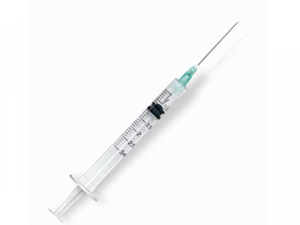
    injection(noun)

    /ɪnˈdʒekʃn/

    注射

    putting a medicine or other liquid into the body using a needle and syringe

    The nurse gave him an injection of painkiller in the arm.

    看護師は彼の腕に鎮痛剤の注射をしました。

    Insulin injections are given under the skin of the abdomen.

    類義語shotjabinoculationvaccination
    対義語oral medicationtopical treatment
  72. 72

    injured(adjective)

    /ˈɪndʒərd/

    負傷した (fushō shita)

    physically hurt; having an injury

    She was seriously injured in the accident.

    彼女は事故で重傷を負った。 (Kanojo wa jiko de jūshō o otta.)

    類義語woundedhurtdamagedimpairedafflicted
    対義語unhurtuninjuredsafewellhealthy
  73. 73

    disabled(adjective)

    /dɪsˈeɪbld/

    障害のある, 身体障害の

    unable to use a part of your body completely or easily because of a physical condition, an illness, an injury, etc.; unable to learn easily

    Although she is a disabled student, she is always the best student in our class.

    彼女は障害のある生徒だが、クラスでいつも一番だ。

    類義語handicappedimpairedchallengeddifferently abled
    対義語able-bodiedhealthyfitcapable
  74. 74

    psychological(adjective)

    /ˌsaɪkəˈlɑːdʒɪkl/

    心理的な

    connected with a person’s mind and the way in which it works

    His illness is due to psychological problems.

    彼の病気は心理的な問題が原因です。

    類義語mentalemotionalcognitivebehavioral
    対義語physicalphysiologicalbiological
  75. 75

    epidemic(noun)

    /ˌepɪˈdemɪk/

    伝染病

    a large number of cases of a particular disease or medical condition happening at the same time in a particular community

    The AIDS epidemic is very dangerous.

    エイズの流行は非常に危険です。

    類義語outbreakplaguepandemicscourgerash
    対義語nonecontainedlocalized
  76. 76

    vitamin(noun)

    /ˈvaɪtəmɪn/

    ビタミン (bitamin)

    a natural substance found in food that is an essential part of what humans and animals need to help them grow and stay healthy. There are many different vitamins .

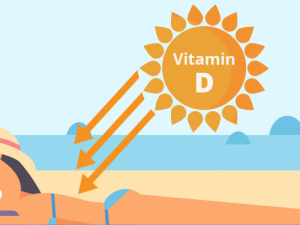
    We get some of our vitamin D through sunlight.

    私たちは日光を通してビタミンDを摂取します。(Watashitachi wa nikkou o tooshite bitamin D o sesshu shimasu.)

    類義語nutrientsupplementmicronutrient
    対義語toxinpoisoncontaminant
  77. 77

    asylum(noun)

    /əˈsaɪləm/

    精神病院, 収容施設

    (old-fashioned) a hospital where people who were mentally ill were cared for

    In the past, many people with mental illness were sent to an asylum.

    昔は、精神疾患のある多くの人が精神病院に送られた。

    類義語refugeshelterprotectionsanctuary
    対義語dangerpersecutionexposure
  78. 78

    clinical(adjective)

    /ˈklɪnɪkl/

    臨床的

    relating to the examination and treatment of patients and their illnesses

    The doctor made a clinical assessment of the patient's condition.

    医師は患者の状態を臨床的に評価した。

    類義語objectivescientificanalyticalunemotional
    対義語emotionalsubjectivepersonal
  79. 79

    demon(noun)

    /ˈdiːmən/

    悪魔

    an evil spirit

    The villagers believed a demon haunted the old house.

    村人たちは、古い家に悪魔が棲んでいると信じていた。

    類義語devilfiendevil spirit
    対義語angelsaint
  80. 80

    diagnosis(noun)

    /ˌdaɪəɡˈnəʊsɪs/

    診断

    the identification of a disease or condition from its symptoms, examination and test results

    The diagnosis of pneumonia was confirmed by chest X-ray.

    肺炎の診断は胸部X線検査で確定した。

    Early diagnosis greatly improves the outcome of cancer treatment.

    類義語identificationanalysisassessment
    対義語prognosiscure
  81. 81

    disability(noun)

    /ˌdɪsəˈbɪləti/

    障害

    a long-term condition that limits a person's movement, senses, thinking or ability to take part in daily activities

    Rehabilitation aims to reduce disability and help people live as independently as possible.

    リハビリテーションは、障害を軽減し、人々ができるだけ自立して生活できるようにすることを目指す。

    Stroke is a leading cause of adult disability in Vietnam.

    類義語impairmenthandicapcondition
    対義語abilitycapability
  82. 82

    disorder(noun)

    /dɪsˈɔːrdər/

    障害, 疾患, 異常

    an illness that causes a part of the body to stop functioning correctly

    She was diagnosed with a rare blood disorder last year.

    彼女は昨年、まれな血液疾患と診断された。

    類義語chaosconfusionmessderangementunrest
    対義語orderorganizationsystemharmony
  83. 83

    dose(noun)

    /dəʊs/

    1回量, 用量, 投与量

    the amount of a medicine taken or given at one time

    The usual dose for adults is 500 mg every six hours.

    成人の通常1回量は、6時間ごとに500 mgである。

    Do not take two doses at the same time.

    類義語amountportiondosagemeasurement
    対義語abstinencedenialnone
  84. 84

    illness(noun)

    /ˈɪlnəs/

    病気

    the state of being physically or mentally ill

    She was absent from work due to illness.

    彼女は病気で仕事を休みました。

    類義語sicknessdiseaseailment
    対義語healthwellness
  85. 85

    indication(noun)

    /ˌɪndɪˈkeɪʃn/

    兆候, 徴候, しるし

    a remark or sign that shows that something is happening or what somebody is thinking or feeling

    A high temperature can be an indication of a serious infection.

    高熱は重い感染症の兆候であることがある。

    類義語signsignalomenhintclue
    対義語concealmenthidingdenialsuppression
  86. 86

    medication(noun)

    /ˌmedɪˈkeɪʃn/

    薬 (kusuri)

    a drug or another form of medicine that you take to prevent or to treat an illness; treatment involving drugs

    The doctor prescribed medication for his illness.

    医者は彼の病気のために薬を処方しました。

    類義語drugremedycurepharmaceutical
    対義語toxinpoison
  87. 87

    panic(noun)

    /ˈpænɪk/

    パニック

    a sudden feeling of great fear that cannot be controlled and prevents you from thinking clearly

    There was a panic after the fire alarm went off.

    火災報知機が鳴った後、パニックが起きました。

    類義語alarmfearfrightterrortrepidation
    対義語calmcomposurepeaceserenity
  88. 88

    prescribe(verb)

    /prɪˈskraɪb/

    処方する

    to officially order a medicine or treatment for a patient

    The doctor prescribed amoxicillin three times a day for seven days.

    医師はアモキシシリンを1日3回、7日間処方した。

    Do not take medicine that was prescribed for another person.

    類義語orderdirectstipulatespecifyadvise
    対義語prohibitbanforbid
  89. 89

    psychiatric(adjective)

    /ˌsaɪkiˈætrɪk/

    精神医学的

    relating to psychiatry or to mental illness

    He needed psychiatric help after the accident.

    彼は事故の後、精神医学的な助けが必要だった。

    類義語mentalpsychologicalclinical
    対義語physicalsomatic
  90. 90

    recovery(noun)

    /rɪˈkʌvəri/

    回復, 治癒

    the process of returning to good health after an illness, injury or operation

    She made a full recovery after treatment for pneumonia.

    彼女は肺炎の治療を受けて完全に回復した。

    Recovery from major surgery may take several weeks.

    類義語recuperationrestorationrehabilitationimprovement
    対義語declineworseningdeteriorationrelapse
  91. 91

    rehabilitation(noun)

    /ˌriːəˌbɪlɪˈteɪʃn/

    リハビリテーション, 機能回復訓練

    treatment and training that help a person regain physical, mental or social abilities after illness, injury or surgery

    After her hip surgery, she spent three weeks in the inpatient rehabilitation unit.

    股関節の手術後、彼女は入院リハビリテーション病棟で3週間を過ごした。

    Early rehabilitation lowers the risk of long-term disability after a stroke.

    類義語recoveryrestorationrecuperation
    対義語deteriorationdeclineworsening

  92. 92

    suicide(noun)

    /ˈsuːɪsaɪd/

    自殺

    the act of killing yourself deliberately

    Suicide is a serious problem.

    自殺は深刻な問題です。

    類義語self-destructionself-slaughterself-homicide
    対義語lifebirthpreservation
  93. 93

    surgeon(noun)

    /ˈsɜːrdʒən/

    外科医

    a doctor who is trained to perform operations

    The surgeon explained the risks of the operation to the family.

    外科医は家族に手術のリスクを説明した。

    An experienced surgeon removed the tumor in under two hours.

    類義語operativedoctorphysician
    対義語patient
  94. 94

    surgical(adjective)

    /ˈsɜːrdʒɪkl/

    外科の

    used in or connected with surgery

    The surgical team prepared for the operation.

    外科チームは手術の準備をしました。

    類義語operativeclinicalmedical
    対義語non-surgicalmedicalconservative
  95. 95

    ward(noun)

    /wɔːrd/

    病棟

    a room or area in a hospital with beds for patients who need similar types of care

    The surgical ward is on the fourth floor, next to the lifts.

    外科病棟は4階のエレベーターの隣にあります。

    Visitors are not allowed on the ward after 8 p.m.

    類義語districtprecinctdivisionsection
    対義語wholeentirety
  96. 96

    abortion(noun)

    /əˈbɔːrʃn/

    中絶

    the deliberate ending of a pregnancy at an early stage

    The woman decided to have an abortion.

    女性は中絶を決意した。

    類義語termination of pregnancymiscarriageevacuation
    対義語birthlifegestation
  97. 97

    addiction(noun)

    /əˈdɪkʃn/

    中毒

    the condition of being unable to stop using or doing something as a habit, especially something harmful

    His addiction to gambling ruined his life.

    彼のギャンブル依存症は彼の人生を台無しにした。

    類義語dependencehabitcompulsioncraving
    対義語abstinenceself-controlrestraintsobriety
  98. 98

    AIDS(noun)

    /eɪdz/

    エイズ

    an illness that attacks the body’s ability to resist infection and that usually causes death (the abbreviation for ‘ Acquired Immune Deficiency Syndrome’ )

    AIDS is a serious disease.

    エイズは深刻な病気です。

    類義語Acquired Immunodeficiency SyndromeHIV/AIDS
    対義語healthwell-being
  99. 99

    nursing(noun)

    /ˈnɜːrsɪŋ/

    看護

    the job or skill of caring for people who are sick or injured

    Nursing is a rewarding career.

    看護はやりがいのある仕事です。

    類義語carehealthcaretreatmentattending
    対義語neglectharminjury
  100. 100

    relieved(adjective)

    /rɪˈliːvd/

    安心した

    feeling happy because something unpleasant has stopped or has not happened; showing this

    I felt relieved when I heard the good news.

    良い知らせを聞いて安心しました。

    類義語easedcomfortedsoothedlightenedliberated
    対義語worriedanxiousstressedconcernedburdened
  101. 101

    therapist(noun)

    /ˈθerəpɪst/

    セラピスト

    a specialist who treats a particular type of illness or problem, or who uses a particular type of treatment

    I have an appointment with my therapist tomorrow.

    明日、セラピストとの予約があります。

    類義語counselorpsychotherapistanalyst
    対義語patientclient
  102. 102

    rest(noun)

    /rest/

    休息, 休憩, 睡眠

    a period of relaxing, sleeping or doing nothing after a period of activity

    Try to get some rest. You have a busy day tomorrow.

    少し休んでください。明日は忙しい一日になりますから。

  103. 103

    tablet(noun)

    /ˈtæblət/

    錠剤, 丸薬

    a small round solid piece of medicine that you swallow

    Take two vitamin tablets every morning with a glass of water.
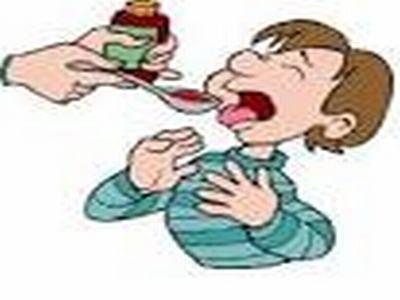
    毎朝、水をコップ1杯と一緒にビタミン剤を2錠飲んでください。

  104. 104

    relief(noun)

    /rɪˈliːf/

    緩和, 軽減, 苦痛の除去

    the act of removing or reducing pain, anxiety, etc.

    This medicine gives quick relief from headaches and back pain.

    この薬は頭痛や腰痛をすばやく和らげます。

  105. 105

    cold(noun)

    /kəʊld/

    風邪

    a common illness that affects the nose and/or throat, making you cough, sneeze, etc.

    I caught a cold because I walked in the rain.

    雨の中を歩いたので風邪をひきました。

  106. 106

    drug(noun)

    /drʌɡ/

    薬, 医薬品

    a substance used as a medicine or used in a medicine

    The doctor prescribed a new drug to help control her blood pressure.

    医師は彼女の血圧を抑えるために新しい薬を処方しました。

  107. 107

    smoke(verb)

    /sməʊk/

    タバコを吸う, 喫煙する

    to suck smoke from a cigarette, pipe, etc. into your mouth and let it out again

    Doctors say that people who smoke have a higher risk of lung disease.

    医師によると、喫煙する人は肺の病気にかかるリスクが高い。