コンテンツへスキップ

レッスン10/38 · 109語 · 覚えた単語 0

Money Economy

お金と経済

  1. 1

    offer(verb)

    /ˈɔːfər/

    申し出る, 提供する

    to say that you are willing to give something to somebody

    Devon offered to write the business plan for our new company.

    デボンは、私たちの新会社のために事業計画書を書くと申し出た。

    類義語proposalsuggestionbidtenderovertureproposition
    対義語rejectionrefusaldenial
  2. 2

    affordable(adjective)

    /əˈfɔːrdəbl/

    手頃な

    cheap enough that people can afford to pay it or buy it

    The company's first priority was to find an affordable phone system

    会社の最優先事項は、手頃な価格の電話システムを見つけることでした。

    Obviously, the computer systems that are affordable for a Fortune 500 company will not be affordable for a small company

    類義語cheapinexpensiveeconomicalreasonablebudget-friendlyfairly-priced
    対義語expensivecostlypriceyunaffordableexorbitant
  3. 3

    value(noun)

    /ˈvæljuː/

    価値, 価格

    how much something is worth in money or other goods for which it can be exchanged

    The value of the house has doubled over the last ten years.

    その家の価値は過去10年間で2倍になった。

    類義語worthpriceimportancesignificancemeritrateappraiseestimate
    対義語worthlessnessuselessnessinconsequence
  4. 4

    bargain(noun)

    /ˈbɑːrɡən/

    掘り出し物 (horidashimono)

    a thing bought for less than the usual price

    Lois compared the sweaters carefully to determine which was a better bargain

    ロイスは、どちらがお買い得か判断するために、セーターを注意深く比較しました。

    類義語dealdiscountspecialstealgood buy
    対義語rip-offlossoverpricedexpensive
  5. 5

    discount(noun)

    /ˈdɪskaʊnt/

    値引き, 割引

    an amount of money taken off the usual price of something

    We can give you a 10 percent discount if you pay in advance.

    前払いしていただければ、10パーセントの値引きができます。

    Sales staff cannot offer discounts above 5 percent without approval.

    類義語reductionmarkdownallowancerebateprice cut
    対義語increaserisepremiumsurcharge
  6. 6

    borrow(verb)

    /ˈbɔːrəʊ/

    借りる (kariru)

    to take and use something that belongs to somebody else, and return it to them at a later time

    Do you want to borrow a pen?

    ペンを借りたいですか? (Pen o karitai desu ka?)

    The couple borrowed money from the bank to buy a home

    類義語takeobtainacquireget a loan ofloan
    対義語lendgivedonatereturn
  7. 7

    mortgage(noun)

    /ˈmɔːrɡɪdʒ/

    住宅ローン, 抵当権, 譲渡抵当

    a loan to buy a house or land, using the property as security, or the legal agreement for such a loan

    They took out a twenty-year mortgage to buy an apartment.

    彼らはアパートを購入するため、20年の住宅ローンを組んだ。

    Monthly mortgage payments take a third of their income.

    類義語encumberpledgesecurehypothecatelien
    対義語freedischargeredeemclear
  8. 8

    budget(noun)

    /ˈbʌdʒɪt/

    予算

    a financial plan showing expected income and spending for a future period

    The marketing department went over budget in the third quarter.

    マーケティング部は第3四半期に予算を超過しました。

    Each department submits its budget for next year in October.

    類義語allocatefinancefundestimateallowanceresources
    対義語overspendwasteimproviseextemporize
  9. 9

    debt(noun)

    /det/

    借金 (shakkin)

    a sum of money that somebody owes

    The banks are worried about your increasing debt

    銀行はあなたの負債が増えていることを心配しています

    The company has been very careful and is slowly digging itself out of debt

    類義語liabilityobligationarrearsindebtednessoutstanding balance
    対義語assetcreditprofitsavingssurplus
  10. 10

    fund(noun)

    /fʌnd/

    資金

    an amount of money that has been saved or has been made available for a particular purpose

    He will have access to his trust fund when he is 21 years old

    彼は21歳になった時に信託基金にアクセスできるようになります。

    The company will fund the trip to the conference

    類義語poolstockcapitalendowmentkittyreserveresources
    対義語debtliabilitydeficit
  11. 11

    invest(verb)

    /ɪnˈvest/

    投資する

    to buy property, shares in a company, etc. in the hope of making a profit

    Many people invest their savings in property or company shares.

    多くの人が貯金を不動産や会社の株に投資する。

    類義語financeendowallocatedevotecommitsink (money)plow (back)
    対義語divestwithdrawsquanderwastedissipatespend
  12. 12

    portfolio(noun)

    /pɔːrtˈfəʊliəʊ/

    ポートフォリオ, 運用資産, 貸出ポートフォリオ

    all the investments, or all the loans, held by a person or institution

    Her investment portfolio includes bank shares, government bonds and gold.

    彼女の投資ポートフォリオには、銀行株、国債、金が含まれています。

    The bank's loan portfolio grew by 14 per cent last year.

    類義語collectionassortmentrangeselectionholdingsinvestments
    対義語single assetundiversified holdings
  13. 13

    owe(verb)

    /əʊ/

    借りがある (kari ga aru)

    to have to pay somebody for something that you have already received or return money that you have borrowed

    As the business grew, the owner paid back loans and owed less money

    ビジネスが成長するにつれて、オーナーはローンを返済し、借金が減った

    People are often surprised to discover that they owe more money in income taxes at the end of the year

    類義語be indebtedbe in debtbe liablebe boundbe obligated
    対義語ownpossesshavebe owed
  14. 14

    demand(noun)

    /dɪˈmænd/

    需要, 要求

    a very strong request for something; something that somebody needs

    The demand for electricity rises sharply during the hot summer months.

    暑い夏の間は電力の需要が急激に増える。

    類義語requireneedinsistclaimexactrequestaskorder
    対義語offergivesupplyprovideforgosuggestwaive
  15. 15

    expense(noun)

    /ɪkˈspens/

    費用, 経費

    a cost that a business has in order to earn revenue, such as rent, wages or electricity

    Office rent is our biggest monthly expense after staff salaries.

    オフィスの家賃は、従業員の給与に次いで毎月最大の経費です。

    Each expense must be supported by a valid invoice.

    類義語costexpenditureoutlaypricecharge
    対義語incomerevenueprofitsavings
  16. 16

    fee(noun)

    /fiː/

    料金 (ryoukin)

    an amount of money that you pay for professional advice or services

    He had a lot of trouble paying the tuition fee.

    彼は授業料を支払うのに苦労した。

    Does the bank charge a fee for setting up the account?

    類義語chargeduestollpaymentrateprice
    対義語freegratisdonationgift
  17. 17

    finance(noun)

    /ˈfaɪnæns/

    財政, 金融, 財務

    the activity of managing money, especially by a government or a large organization

    New York is the center of global finance, communications and business.

    ニューヨークは世界の金融、通信、ビジネスの中心地だ。

    The project will only go ahead if they can raise the necessary finance.

    類義語fundingeconomicsinvestmentbankingcapitalmonetary affairs
    対義語debtbankruptcyloss
  18. 18

    shop(noun)

    /ʃɑːp/

    店 (mise)

    a building or part of a building where you can buy goods or services

    a butcher shop

    肉屋 (nikuuya)

    a shoe shop

    類義語storeboutiquemarketoutletestablishment
    対義語wholesalenoncommercial
  19. 19

    valuable(adjective)

    /ˈvæljuəbl/

    高価な, 貴重な

    worth a lot of money

    This old painting is very valuable, so we keep it in a safe place.

    この古い絵画はとても高価なので、安全な場所に保管しています。

    類義語preciousimportantsignificantworthwhileadvantageoususefulbeneficialcostly
    対義語worthlessuselessinsignificantcheapvalueless
  20. 20

    economic(adjective)

    /ˌiːkəˈnɑːmɪk/

    経済的 (keizaiteki)

    connected with the trade, industry and development of wealth of a country, an area or a society

    the government's economic policy

    政府の経済政策 (seifu no keizai seisaku)

    social, economic and political issues

    類義語financialfiscalmonetarybudgetarycommercial
    対義語noneconomicnonfinancial
  21. 21

    euro(noun)

    /ˈjʊrəʊ/

    ユーロ (yūro)

    the unit of money of some countries of the European Union

    The price is given in dollars or euros.

    価格はドルまたはユーロで表示されます。(kakaku wa doru matawa yūro de hyōji sa remasu.)

    類義語European currencysingle currencyEUR
    対義語dollarpoundyencurrency (of other countries)
  22. 22

    insurance(noun)

    /ɪnˈʃʊrəns/

    保険 (hoken)

    an arrangement with a company in which you pay them regular amounts of money and they agree to pay the costs, for example, if you die or are ill, or if you lose or damage something

    Can you claim for the loss on your insurance?

    保険で損失を請求できますか? (Hoken de sonshitsu o seikyū dekimasu ka?)

    The bill would require employers to provide insurance for their workers.

    類義語coverageassuranceprotectionsecurityindemnitypolicy
    対義語riskvulnerabilityexposuredangerunprotected
  23. 23

    saving(noun)

    /ˈseɪvɪŋ/

    節約

    an amount of something such as time or money that you do not need to use or spend

    Buy three and make a saving of 55p.

    3つ購入して55p節約しましょう。

    With the new boiler you can make big savings on fuel bills.

    類義語economythriftpreservationreductionaccumulationstockpile
    対義語expenditurespendingwastedissipation
  24. 24

    bank(noun)

    /bæŋk/

    銀行 (ginkou)

    an organization that provides various financial services, for example keeping or lending money

    There is only one bank in this town.

    この町には銀行が一つしかありません。

    I need to go to the bank (= the local office of a bank).

    類義語financial institutioncredit unionsavings and loandepositorytrust company
    対義語debtinsolvencybankruptcy
  25. 25

    cent(noun)

    /sent/

    セント (sento)

    a coin and unit of money worth 1% of the main unit of money in many countries, for example of the US dollar or of the euro

    A call will cost you around 25 cents.

    電話をかけると約25セントかかります。

    a car accident/crash

    類義語pennyfractionportionbit
    対義語dollarwholeentirety
  26. 26

    expensive(adjective)

    /ɪkˈspensɪv/

    高価な (kouka na)

    costing a lot of money

    I can't afford it, it's too expensive.

    高すぎて買えません。

    This computer is expensive.

    類義語costlypriceyhigh-priceddearlavishextravagant
    対義語cheapinexpensiveaffordableeconomicalreasonable
  27. 27

    institution(noun)

    /ˌɪnstɪˈtuːʃn/

    機関 (kikan)

    a large important organization that has a particular purpose, for example a university or bank

    an educational/financial, etc. institution

    教育/金融などの機関

    the Smithsonian Institution

    類義語organizationestablishmentfoundationacademybodyassociation
    対義語disorganizationanarchyinformality
  28. 28

    tax(noun)

    /tæks/

    税金 (zeikin)

    money that you have to pay to the government so that it can pay for public services. People pay tax according to their income and businesses pay tax according to their profits. Tax is also often paid on goods and services.

    changes in tax rates

    税率の変更 (zeiritsu no henkō)

    tax increases/cuts

    類義語levydutytariffexcisecharge
    対義語subsidygrantrebate
  29. 29

    lend(verb)

    /lend/

    貸す (kasu)

    to give something to somebody or allow them to use something that belongs to you, which they have to return to you later

    Has he returned that book you lent him?

    彼はあなたに貸したあの本を返しましたか?(Kare wa anata ni kashita ano hon o kaeshimashita ka?)

    Can you lend me your car this evening?

    類義語loanprovideadvancefurnishentrust
    対義語borrowkeepretainhold
  30. 30

    deposit(noun)

    /dɪˈpɑːzɪt/

    手付金, 内金, 前受金

    a part of the total price paid in advance to show that a customer is serious about buying

    Production starts once we receive a 30 percent deposit.

    30パーセントの手付金を受領次第、生産を開始します。

    The deposit is non-refundable if the customer cancels the order.

    類義語down paymentsecuritycollateralpledgeearnest money
    対義語withdrawal
  31. 31

    afford(verb)

    /əˈfɔːrd/

    余裕がある

    to have enough money to be able to buy or do something

    We can't afford to buy a luxury house.

    私たちは高級な家を買う余裕がありません。

    She felt she couldn't afford any more time off work.

    類義語managesparebear the expense ofhave the means for
    対義語lackwantneedcannot afford
  32. 32

    material(noun)

    /məˈtɪriəl/

    材料 (zairyō)

    a substance that things can be made from

    Clothing has been made from many different kinds of materials.

    衣服はさまざまな種類の材料から作られています。

    類義語stuffmatterfabricsubstancecomponentelement
    対義語immaterialspiritualintangibleabstract
  33. 33

    penny(noun)

    /ˈpeni/

    ペニー

    a small British coin and unit of money. There are 100 pence in one pound (£1).

    That will be 45 pence, please.

    45ペニーになります。

    He had a few pennies in his pocket.

    類義語centsmall changecopperdenomination
    対義語pounddollarlarge sum
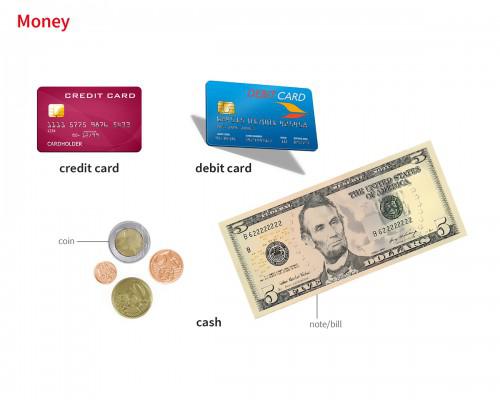
  34. 34

    coin(noun)

    /kɔɪn/

    硬貨

    a small flat piece of metal used as money

    That machine doesn't take coins.

    その機械は硬貨を受け付けません。

    a basketball/football/tennis, etc. coach

    類義語speciepiece of moneycash
    対義語paper moneybillnote
  35. 35

    purchase(verb)

    /ˈpɜːrtʃəs/

    購入する, 買う

    to buy something

    You can purchase tickets online or at the station.

    チケットはオンラインまたは駅で購入できます。

    類義語buyacquireobtainprocuresecuregetgain
    対義語sellloseforfeitgive away
  36. 36

    financial(adjective)

    /faɪˈnænʃl/

    金融

    connected with money and finance

    financial services

    金融サービス

    to be in financial difficulties

    類義語economicfiscalmonetarypecuniary
    対義語nonfinancialunrelated to finance
  37. 37

    wealth(noun)

    /welθ/

    富

    a large amount of money, property, etc. that a person or country owns

    His personal wealth is estimated at around $100 million.

    彼の個人資産は約1億ドルと推定されています。

    the distribution of wealth in Britain

    類義語richesfortuneprosperityaffluenceopulence
    対義語povertydestitutionscarcitywant
  38. 38

    buy(verb)

    /baɪ/

    買う (kau)

    to obtain something by paying money for it

    I bought my car second-hand.

    中古車を買いました。 (chūko-sha o kaimashita)

    He bought me a new coat.

    類義語purchaseacquireobtainprocure
    対義語selldisposetradebarter
  39. 39

    grant(noun)

    /ɡrænt/

    助成金, 補助金, 奨学金

    a sum of money that is given by the government or another organization to be used for a particular purpose

    He has been awarded a research grant.

    彼は研究助成金を授与された。

    The judge granted an injunction preventing the newspaper from printing the names.

    類義語allowancesubsidycontributiondonationscholarshipendowmentgiftbestow
    対義語denialrefusalrejectionwithholdingpenaltyforfeit
  40. 40

    sell(verb)

    /sel/

    売る (uru)

    to give something to somebody in exchange for money

    They sold the business at a profit/loss(= they gained/lost money when they sold it).

    彼らは利益/損失で事業を売った(=彼らはそれを売ったときにお金を得た/失った)。

    I sold my car to James for £800.

    類義語vendmarkettradedispose ofauction offpeddle
    対義語buypurchaseacquireretainkeep
  41. 41

    economy(noun)

    /ɪˈkɑːnəmi/

    経済 (keizai)

    the relationship between production, trade and the supply of money in a particular country or region

    The economy is in recession.

    経済は不況です。(keizai wa fukyou desu)

    the world economy

    類義語financial systemeconomic systemcommerceindustrymarketfiscal system
    対義語nonmarketbarternoneconomiccollapsestagnation
  42. 42

    investment(noun)

    /ɪnˈvestmənt/

    投資 (tōshi)

    the act of investing money in something

    Stocks are regarded as good long-term investments.

    株式は長期的な良い投資とみなされています。

    investment income

    類義語venturecapitalassetstakeendowmentcommitment
    対義語debtlossspendingconsumption
  43. 43

    import(noun)

    /ˈɪmpɔːrt/

    輸入品, 輸入

    a product or service that is brought into one country from another

    Oil is one of the country's most important imports.

    石油はその国の最も重要な輸入品の一つだ。

    類義語bring inintroducefetchship inreceive
    対義語exportexportship outdispatch
  44. 44

    billion(number)

    /ˈbɪljən/

    十億 (jūoku)

    1 000 000 000; one thousand million

    Worldwide sales reached 2.5 billion.

    世界中で25億の売り上げに達した。

    They have spent billions on the problem (= billions of dollars, etc.).

    類義語thousand milliongiga-
    対義語thousandmillion
  45. 45

    guarantee(verb)

    /ˌɡærənˈtiː/

    保証する, 約束する

    to promise to do something; to promise something will happen

    We guarantee delivery of your order within three working days.

    ご注文品の配達は3営業日以内をお約束します。

    類義語assurancewarrantypromisepledgecovenantbond
    対義語uncertaintydoubtriskchance
  46. 46

    shopping(noun)

    /ˈʃɑːpɪŋ/

    買い物

    the activity of going to shops and buying things or ordering them online

    I do all my clothes shopping online.

    服の買い物は全部オンラインでする。

    類義語purchasingbuyingbrowsingmarketingerrands
    対義語sellingdisposingdivesting
  47. 47

    rich(adjective)

    /rɪtʃ/

    金持ちの, 裕福な

    having a lot of money or property

    He became very rich after selling his company.

    彼は会社を売却した後、とても裕福になった。

    類義語wealthyaffluentprosperousopulentwell-off
    対義語poorimpoverisheddestituteneedypenniless
  48. 48

    exchange(noun)

    /ɪksˈtʃeɪndʒ/

    交換, 交流

    an act of giving something to somebody or doing something for somebody and receiving something in return

    Our school organised a cultural exchange with students from Japan.

    私たちの学校は日本の学生との文化交流を企画した。

    類義語swaptradebarterinterchangesubstitutereplace
    対義語keepretainholdwithhold
  49. 49

    loan(noun)

    /ləʊn/

    融資, ローン, 貸付金

    money that a bank lends to a customer, who must pay it back with interest

    We took out a loan to buy new delivery trucks.

    新しい配送トラックを購入するために融資を受けた。

    The bank approved the loan within five working days.

    類義語creditadvancemortgagefinancing
    対義語paymentrepaymentdepositcredit
  50. 50

    cheap(adjective)

    /tʃiːp/

    安い

    costing little money or less money than you expected

    Cycling is a cheap way to get around.

    サイクリングは移動するのに安い方法です。

    This dress is not cheap.

    類義語inexpensivelow-costaffordableeconomicalbudget-friendly
    対義語expensivecostlypriceydear
  51. 51

    gain(verb)

    /ɡeɪn/

    得る, 獲得する, 増す

    to obtain or win something, especially something that you need or want

    Investors gained a lot of money when share prices rose last year.

    昨年は株価が上昇し、投資家は大きな利益を得ました。

    類義語increaseprofitbenefitacquireattaingrowthachievement
    対義語lossdecreasedeclinereductionwane
  52. 52

    poor(adjective)

    /pʊr/

    貧しい (mazushii)

    having very little money; not having enough money for basic needs

    They were too poor to buy shoes for the kids.

    彼らは貧しすぎて子供たちのために靴を買うことができなかった。

    We aim to help the poorest families.

    類義語impoverishedneedydestitutepennilessindigent
    対義語richwealthyaffluentprosperouswell-off
  53. 53

    cost(noun)

    /kɔːst/

    費用, コスト, 値段

    the amount of money that you need in order to buy, make or do something

    The cost of living in the city has gone up a lot.

    その都市の生活費はかなり上がった。

    類義語priceexpensechargevaluefee
    対義語benefitprofitgainworthlessnesscheapness
  54. 54

    pound(noun)

    /paʊnd/

    ポンド (通貨)

    the unit of money in the UK, worth 100 pence

    Total losses were estimated at over three million pounds.

    総損失は300万ポンド以上と見積もられた。

    類義語GBPBritish poundcurrencylegal tender
    対義語give up
  55. 55

    trillion(number)

    /ˈtrɪljən/

    兆 (chō)

    1 000 000 000 000; one million million

    Four light years is 25 trillion miles.

    4光年は25兆マイルです。

    Foreign governments supplied arms to the rebels.

    類義語very large numberastronomical numberhuge number
    対義語unitonesmall number
  56. 56

    growth(noun)

    /ɡrəʊθ/

    成長, 増加, 拡大

    an increase in the size, amount or degree of something

    The country has seen rapid economic growth over the past ten years.

    その国は過去10年間で急速な経済成長を遂げた。

    類義語developmentexpansionincreaseprogressionadvancementmaturation
    対義語declinedecreasereductionstagnationatrophy
  57. 57

    distribute(verb)

    /dɪˈstrɪbjuːt/

    配布する (haifu suru)

    to give things to a large number of people; to share something between a number of people

    The money was distributed among schools in the area.

    お金はその地域の学校に配布されました。(Okane wa sono chiiki no gakkō ni haifu saremashita.)

    The organization distributed food to the earthquake victims.

    類義語allocatedispensesharedivideapportioncirculate
    対義語collectgatheraccumulatewithholdkeepcentralize
  58. 58

    account(noun)

    /əˈkaʊnt/

    口座

    an arrangement that somebody has with a bank, etc. to keep money there, take some out, etc.

    My wife and I opened a joint account at the bank last year.

    妻と私は昨年、銀行で共同名義の口座を開設しました。

    類義語recordstatementreportdescriptionexplanationnarrative
    対義語disregardsilenceneglect
  59. 59

    price(noun)

    /praɪs/

    価格 (kakaku)

    the amount of money that you have to pay for something

    We will have to raise ticket prices.

    チケットの価格を上げざるを得ないでしょう。

    類義語costvalueratechargeexpensefee
    対義語discountreductioncheapnessworthlessnessgiveaway
  60. 60

    spend(verb)

    /spend/

    使う, 費やす

    to give money to pay for goods, services, etc.

    She spent all her money on new clothes and shoes.

    彼女は有り金をすべて新しい服と靴に使いました。

    類義語expenduseconsumepassallocatedisburse
    対義語saveconservehoardaccumulateearngain
  61. 61

    cash(noun)

    /kæʃ/

    現金

    money in the form of coins or notes

    Payments can be made by cheque or in cash.

    支払いは小切手または現金で行うことができます。

    How much cash do you have on you?

    類義語moneycurrencyfundslegal tender
    対義語creditdebtcredit cardIOU
  62. 62

    dollar(noun)

    /ˈdɑːlər/

    ドル

    the unit of money in the US, Canada, Australia and several other countries

    You will be paid in American dollars.

    アメリカドルで支払われます。

    類義語buckcurrencycashgreenback
    対義語changecoin
  63. 63

    receipt(noun)

    /rɪˈsiːt/

    領収書, レシート

    a document showing that money has been paid or goods have been received

    Please keep the receipt so we can record the expense.

    経費として記録できるよう、領収書を保管しておいてください。

    The cashier gives a receipt for every cash payment.

    類義語proof of purchasesales slipbillchitacknowledgmentrecord
    対義語paymentexpenditureinvoice (sometimesdepending on context)
  64. 64

    tip(noun)

    /tɪp/

    チップ, 心付け

    a small amount of extra money that you give to somebody who serves you, for example in a restaurant

    He gave the waiter a generous tip.

    彼はウェイターに多めのチップを渡した。

    Someone put a dollar in the tip jar.

    類義語gratuityrewardperkbonus
    対義語finepenaltydeduction
  65. 65

    credit(noun)

    /ˈkredɪt/

    信用

    an arrangement that you make, with a shop for example, to pay later for something you buy

    Your credit limit is now £2000.

    あなたのクレジット限度額は現在2000ポンドです。

    to offer interest-free credit(= allow somebody to pay later, without any extra charge)

    類義語trustbeliefrelianceconfidencereputationworthiness
    対義語distrustdisbeliefdoubtdiscredit
  66. 66

    Currency(noun)

    /ˈkɜːrənsi/

    通貨, 貨幣

    the system of money that a country uses

    Many European countries use the same currency, the euro.

    ヨーロッパの多くの国は、ユーロという同じ通貨を使っている。

    類義語MoneyLegal tenderCashMedium of exchange
    対義語BarterDebtWorthlessness
  67. 67

    bonus(noun)

    /ˈbəʊnəs/

    賞与, ボーナス, 特別手当

    an extra payment given to employees, for example for good performance or at the end of the year

    Every employee received a Tet bonus equal to one month's salary.

    全従業員に、月給1か月分に相当するテト(旧正月)賞与が支給されました。

    The bonus is accrued in December and paid in January.

    類義語RewardIncentivePerkPremiumGratuityWindfall
    対義語PenaltyFineDeductionLoss
  68. 68

    bill(noun)

    /bɪl/

    請求書 (seikyū-sho)

    a document that shows how much you owe somebody for goods or services

    The bill for their meal came to £17.

    彼らの食事代は17ポンドになりました。

    類義語invoicestatementchecktabaccount
    対義語paymentcreditrefund
  69. 69

    sale(noun)

    /seɪl/

    販売, 売却, 売ること

    an act or the process of selling something

    The sale of the house brought the family a lot of money.

    その家の売却によって、一家は多額のお金を得ました。

    類義語discountbargainreductionclearancepromotion
    対義語purchaseacquisition
  70. 70

    premium(noun)

    /ˈpriːmiəm/

    保険料

    the amount of money paid to an insurer for an insurance policy

    The premium for this shipment is 0.15 percent of the insured value.

    この貨物の保険料は、保険金額の0.15パーセントです。

    Premiums rise for cargo going through war zones.

    類義語high-qualitysuperiortop-tierexclusivedeluxe
    対義語inferiorcheapbasiclow-qualitystandard
  71. 71

    inflation(noun)

    /ɪnˈfleɪʃn/

    インフレーション, インフレ

    a general rise in the prices of goods and services, which reduces the value of money

    The government aims to keep inflation below 4.5 per cent.

    政府はインフレ率を4.5パーセント未満に抑えることを目指しています。

    High inflation reduces the real return on savings.

    類義語price increasecost-pushdemand-pulldevaluation
    対義語deflationprice stability
  72. 72

    wealthy(adjective)

    /ˈwelθi/

    裕福

    having a lot of money, possessions, etc.

    My dream is to become wealthy.

    私の夢は裕福になることです。

    類義語richaffluentprosperousopulentwell-offmoneyed
    対義語poorimpoverisheddestituteneedypenniless
  73. 73

    economics(noun)

    /ˌiːkəˈnɑːmɪks/

    経済学 (keizaigaku)

    the study of how a society organizes its money, trade and industry

    She's in her third year of economics at Washington University.

    彼女はワシントン大学で経済学の3年生です。

    類義語financial sciencepolitical economyfinancebusiness
    対義語none (strictly antonymous words are rare; related concepts might be things like 'wastefulness' or 'inefficiency')spending
  74. 74

    costly(adjective)

    /ˈkɔːstli/

    高価な

    costing a lot of money, especially more than you want to pay

    Buying new furniture may prove too costly.

    新しい家具を買うのは費用がかかりすぎるかもしれない。

    類義語expensivehigh-priceddearpriceylavish
    対義語cheapinexpensiveaffordableeconomicalreasonable
  75. 75

    consumption(noun)

    /kənˈsʌmpʃn/

    消費 (shōhi)

    the act of using energy, food or materials; the amount used

    Industrialized countries should reduce their energy consumption.

    工業国はエネルギー消費を削減すべきである。

    類義語useutilizationexpendituredepletionspendingabsorption
    対義語conservationpreservationsavingproductioncreation
  76. 76

    consumer(noun)

    /kənˈsuːmər/

    消費者 (shōhisha)

    a person who buys goods or uses services

    It is necessary to raise consumers' awareness.

    消費者の意識を高めることが必要です。 (Shōhisha no ishikio takameru koto ga hitsuyō desu.)

    類義語buyerpurchasercustomeruser
    対義語producersuppliervendor
  77. 77

    luxury(noun)

    /ˈlʌkʃəri/

    贅沢 (zeitaku)

    the fact of enjoying special and expensive things, particularly food and drink, clothes and places

    We can't afford many luxuries.

    私たちは多くの贅沢品を買う余裕がありません。

    類義語opulenceaffluencegrandeursplendordeluxecomfortindulgence
    対義語necessitypovertyhardshipdeprivationsimplicityfrugality
  78. 78

    donation(noun)

    /dəʊˈneɪʃn/

    寄付 (kifu)

    something that is given to a person or an organization such as a charity, in order to help them; the act of giving something in this way

    All kinds of donations are appreciated.

    あらゆる種類の寄付に感謝します。

    類義語contributiongiftgrantofferingpresentalmscharity
    対義語lossdeprivationwithholdingtaking
  79. 79

    poverty(noun)

    /ˈpɑːvərti/

    貧困 (hinkon)

    the state of being poor

    Two million people in the city live in poverty.

    その都市には、200万人が貧困の中で暮らしています。

    類義語destitutionindigencepenuryneedwantprivation
    対義語wealthaffluenceprosperityabundanceriches
  80. 80

    donor(noun)

    /ˈdəʊnər/

    寄付者 (kifusha)

    a person or an organization that makes a gift of money, clothes, food, etc. to a charity, etc.

    The charity received £100,000 from an unnamed donor.

    慈善団体は、匿名の寄付者から10万ポンドを受け取りました。

    類義語contributorgiverbenefactorpatronphilanthropistsponsor
    対義語recipientbeneficiary
  81. 81

    auction(noun)

    /ˈɔːkʃn/

    オークション

    a public sale in which things are sold to the person who offers the most money for them

    The painting was sold at auction for a million dollars.

    その絵はオークションで100万ドルで売られました。

    類義語salebiddingpublic saleDutch auction
    対義語purchaseprivate salefixed price
  82. 82

    capitalism(noun)

    /ˈkæpɪtəlɪzəm/

    資本主義

    an economic system in which a country’s businesses and industry are controlled and run for profit by private owners rather than by the government

    Capitalism encourages competition and innovation.

    資本主義は競争と革新を奨励する。

    類義語free marketfree enterprisemarket economy
    対義語socialismcommunismcollectivism
  83. 83

    capitalist(noun)

    /ˈkæpɪtəlɪst/

    資本家

    a person who owns or controls a lot of wealth and uses it to produce more wealth

    He became a successful capitalist through hard work and innovation.

    彼は努力と革新によって成功した資本家になった。

    類義語investorfinancierentrepreneurindustrialist
    対義語socialistcommunistegalitarian
  84. 84

    casino(noun)

    /kəˈsiːnəʊ/

    カジノ (kajino)

    a public building or room where people play gambling games for money

    We spent the evening at the casino.

    私たちはカジノで夜を過ごしました。

    類義語gambling housegaming houseclubresort
    対義語none (in the literal sense)churchschoollibrary
  85. 85

    commodity(noun)

    /kəˈmɑːdəti/

    商品

    a product or a raw material that can be bought and sold

    Oil is a major commodity traded on the global market.

    石油は、グローバル市場で取引される主要な商品です。

    類義語productmerchandisegoodsmaterialstock
    対義語serviceintangible
  86. 86

    deficit(noun)

    /ˈdefɪsɪt/

    赤字 (akaji)

    the amount by which money spent or owed is greater than money earned in a particular period of time

    The country is running a budget deficit.

    国は財政赤字を抱えている。

    類義語shortfallshortagelossinsufficiency
    対義語surplusexcessprofit
  87. 87

    donate(verb)

    /ˈdəʊneɪt/

    寄付する

    to give money, food, clothes, etc. to somebody/something, especially a charity

    I will donate some money to charity.

    私は慈善団体にいくらかのお金を寄付します。

    類義語contributegivebestowgiftpresent
    対義語receivetakekeepwithhold
  88. 88

    economist(noun)

    /ɪˈkɑːnəmɪst/

    経済学者

    a person who studies or writes about economics

    The economist predicted a recession.

    経済学者は景気後退を予測した。

    類義語economic expertfinancial analyst
    対義語none
  89. 89

    expenditure(noun)

    /ɪkˈspendɪtʃər/

    支出

    the act of spending or using money; an amount of money spent

    The company's expenditure on advertising increased this year.

    今年の会社の広告費は増加しました。

    類義語expensespendingcostoutlay
    対義語incomerevenuesavings
  90. 90

    fortune(noun)

    /ˈfɔːrtʃən/

    大金, 財産, 巨万の富

    a large amount of money

    He made a fortune selling houses before he turned forty.

    彼は40歳になる前に、住宅販売で大金を稼いだ。

    類義語luckchancedestinywealthfate
    対義語misfortunebad luckpoverty
  91. 91

    institutional(adjective)

    /ˌɪnstɪˈtuːʃənl/

    機関の, 組織の, 制度上の

    connected with a large important organization, for example a university or bank

    Institutional investors such as banks and pension funds own most of the shares.

    銀行や年金基金などの機関投資家が株式の大半を保有している。

    類義語establishedorganizedformalsystematic
    対義語informalunorganizedunstructured
  92. 92

    money(noun)

    /ˈmʌni/

    お金

    what you earn by working or selling things, and use to buy things

    Money can't buy happiness.

    お金で幸せは買えない。

    類義語currencyfundscapitalcash
    対義語debtpovertylackbarter
  93. 93

    prosperity(noun)

    /prɑːˈsperəti/

    繁栄

    the state of being successful, especially in making money

    The country experienced a period of great prosperity after the war.

    国は戦後、大きな繁栄の時代を経験しました。

    類義語wealthsuccessaffluencefortune
    対義語povertyfailurehardshipscarcity
  94. 94

    quota(noun)

    /ˈkwəʊtə/

    割当 (Wariate)

    a limited number or amount of people or things that is officially allowed

    The company has a quota of 100 units per month.

    会社は月に100ユニットの割当がある。

    類義語allotmentrationlimitshareceiling
    対義語unlimitedexcesssurplus
  95. 95

    recession(noun)

    /rɪˈseʃn/

    景気後退

    a difficult time for the economy of a country, when there is less trade and industrial activity than usual and more people are unemployed

    The country is facing a severe recession.

    その国は深刻な景気後退に直面しています。

    類義語downturnslumpdeclinecontraction
    対義語boomexpansiongrowthrecovery
  96. 96

    revenue(noun)

    /ˈrevənuː/

    売上高, 収益, 収入

    the income a business earns from selling goods or services before any costs are deducted

    Revenue from online sales doubled this year compared with last year.

    今年のオンライン販売の売上高は、昨年の2倍になった。

    Most of our revenue comes from three large customers.

    類義語incomeearningsturnoverreceiptsproceeds
    対義語expensescostsoutgoings
  97. 97

    surplus(noun)

    /ˈsɜːrplʌs/

    余剰

    an amount that is extra or more than you need

    The company had a surplus of inventory at the end of the year.

    会社は年末に在庫の余剰がありました。

    類義語excessoverageremainderglut
    対義語deficitshortagescarcitylack
  98. 98

    taxpayer(noun)

    /ˈtækspeɪər/

    納税者

    a person who pays tax to the government, especially on the money that they earn

    The taxpayer expects transparency from the government.

    納税者は政府に透明性を期待しています。

    類義語citizenratepayercontributor
    対義語tax evaderdefaulter
  99. 99

    worth(adjective)

    /wɜːrθ/

    〜の価値がある

    having a value in money, etc.

    This old painting is worth thousands of dollars.

    この古い絵は数千ドルの価値がある。

    類義語valuemeritdeservingbenefit
    対義語worthlessuselessvalueless
  100. 100

    funding(noun)

    /ˈfʌndɪŋ/

    資金調達

    money for a particular purpose; the act of providing money for such a purpose

    The university needs more funding for research.

    大学は研究のためにもっと資金が必要です。

    類義語financingcapitalgrantssponsorship
    対義語defundingwithdrawal
  101. 101

    privatization(noun)

    /ˌpraɪvətəˈzeɪʃn/

    民営化

    the act of selling a business or an industry so that it is no longer owned by the government

    The government decided on the privatization of the national railway.

    政府は国有鉄道の民営化を決定した。

    類義語deregulationdenationalization
    対義語nationalizationpublic ownership
  102. 102

    spending(noun)

    /ˈspendɪŋ/

    支出

    the amount of money that is spent by a government, an organization or a person

    The government's spending on infrastructure increased this year.

    政府のインフラへの支出は今年増加しました。

    類義語expenditureoutlayexpensesdisbursement
    対義語savingincomerevenueearnings

  103. 103

    stock(noun)

    /stɑːk/

    株, 株式

    shares in a company that people buy as an investment

    She invested most of her savings in stocks and bonds.

    彼女は貯金の大半を株と債券に投資した。

  104. 104

    balance(noun)

    /ˈbæləns/

    残高

    the amount of money that somebody has in their bank account

    I checked my bank balance before paying the bill.

    請求書を支払う前に、銀行の口座残高を確認した。

  105. 105

    net(adjective)

    /net/

    正味の, 税引き後の

    remaining when nothing more is to be taken away, especially after tax and costs have been paid

    Our net profit this year was much higher than we expected.

    今年の純利益は私たちの予想をはるかに上回った。

  106. 106

    share(noun)

    /ʃer/

    株, 株式

    any of the equal parts into which the value of a company is divided, sold to raise money for the company

    She bought five hundred shares in the telephone company last year.

    彼女は昨年、その電話会社の株を500株買った。

  107. 107

    capital(noun)

    /ˈkæpɪtl/

    資本, 元手, 資金

    a large amount of money that is invested or used to start a business

    She needed more capital to expand her small business.

    彼女は小さな事業を拡大するためにもっと資本が必要だった。

  108. 108

    interest(noun)

    /ˈɪntrəst/

    利子, 利息

    the extra money that you pay when you borrow money or receive when you invest money

    The bank charges five percent interest on this loan.

    銀行はこのローンに5パーセントの利息を課しています。

  109. 109

    distribution(noun)

    /ˌdɪstrɪˈbjuːʃn/

    配給, 流通, 配布

    the act or system of supplying or delivering goods, services or products to people or places

    The company is responsible for the distribution of its films to cinemas nationwide.

    その会社は、自社の映画を全国の映画館に配給する責任を負っている。