본문으로 건너뛰기

레슨 10/38 · 109단어 · 외운 단어 0

Money Economy

돈과 경제

  1. 1

    offer(verb)

    /ˈɔːfər/

    제안하다, 제의하다

    to say that you are willing to give something to somebody

    Devon offered to write the business plan for our new company.

    Devon은 우리 새 회사의 사업 계획서를 작성해 주겠다고 제안했다.

    유의어proposalsuggestionbidtenderovertureproposition
    반의어rejectionrefusaldenial
  2. 2

    affordable(adjective)

    /əˈfɔːrdəbl/

    저렴한

    cheap enough that people can afford to pay it or buy it

    The company's first priority was to find an affordable phone system

    회사의 최우선 과제는 저렴한 전화 시스템을 찾는 것이었습니다.

    Obviously, the computer systems that are affordable for a Fortune 500 company will not be affordable for a small company

    유의어cheapinexpensiveeconomicalreasonablebudget-friendlyfairly-priced
    반의어expensivecostlypriceyunaffordableexorbitant
  3. 3

    value(noun)

    /ˈvæljuː/

    가치, 가격

    how much something is worth in money or other goods for which it can be exchanged

    The value of the house has doubled over the last ten years.

    그 집의 가치는 지난 10년 동안 두 배가 되었다.

    유의어worthpriceimportancesignificancemeritrateappraiseestimate
    반의어worthlessnessuselessnessinconsequence
  4. 4

    bargain(noun)

    /ˈbɑːrɡən/

    싸게 산 물건, 특가품

    a thing bought for less than the usual price

    Lois compared the sweaters carefully to determine which was a better bargain

    로이스는 어느 쪽이 더 싸게 잘 산 것인지 알아보려고 스웨터들을 꼼꼼히 비교했다.

    유의어dealdiscountspecialstealgood buy
    반의어rip-offlossoverpricedexpensive
  5. 5

    discount(noun)

    /ˈdɪskaʊnt/

    할인, 할인액

    an amount of money taken off the usual price of something

    We can give you a 10 percent discount if you pay in advance.

    선결제하시면 10퍼센트 할인해 드릴 수 있습니다.

    Sales staff cannot offer discounts above 5 percent without approval.

    유의어reductionmarkdownallowancerebateprice cut
    반의어increaserisepremiumsurcharge
  6. 6

    borrow(verb)

    /ˈbɔːrəʊ/

    빌리다 (billida)

    to take and use something that belongs to somebody else, and return it to them at a later time

    Do you want to borrow a pen?

    펜을 빌리고 싶으세요? (Peneul billigo sipeuseyo?)

    The couple borrowed money from the bank to buy a home

    유의어takeobtainacquireget a loan ofloan
    반의어lendgivedonatereturn
  7. 7

    mortgage(noun)

    /ˈmɔːrɡɪdʒ/

    주택담보대출, 모기지, 저당권

    a loan to buy a house or land, using the property as security, or the legal agreement for such a loan

    They took out a twenty-year mortgage to buy an apartment.

    그들은 아파트를 사기 위해 20년 만기 주택담보대출을 받았다.

    Monthly mortgage payments take a third of their income.

    유의어encumberpledgesecurehypothecatelien
    반의어freedischargeredeemclear
  8. 8

    budget(noun)

    /ˈbʌdʒɪt/

    예산

    a financial plan showing expected income and spending for a future period

    The marketing department went over budget in the third quarter.

    마케팅 부서는 3분기에 예산을 초과했다.

    Each department submits its budget for next year in October.

    유의어allocatefinancefundestimateallowanceresources
    반의어overspendwasteimproviseextemporize
  9. 9

    debt(noun)

    /det/

    빚 (bit)

    a sum of money that somebody owes

    The banks are worried about your increasing debt

    은행들은 당신의 늘어나는 빚에 대해 걱정하고 있습니다.

    The company has been very careful and is slowly digging itself out of debt

    유의어liabilityobligationarrearsindebtednessoutstanding balance
    반의어assetcreditprofitsavingssurplus
  10. 10

    fund(noun)

    /fʌnd/

    자금

    an amount of money that has been saved or has been made available for a particular purpose

    He will have access to his trust fund when he is 21 years old

    그는 21세가 되면 신탁 펀드에 접근할 수 있을 것입니다.

    The company will fund the trip to the conference

    유의어poolstockcapitalendowmentkittyreserveresources
    반의어debtliabilitydeficit
  11. 11

    invest(verb)

    /ɪnˈvest/

    투자하다

    to buy property, shares in a company, etc. in the hope of making a profit

    Many people invest their savings in property or company shares.

    많은 사람들이 저축한 돈을 부동산이나 회사 주식에 투자한다.

    유의어financeendowallocatedevotecommitsink (money)plow (back)
    반의어divestwithdrawsquanderwastedissipatespend
  12. 12

    portfolio(noun)

    /pɔːrtˈfəʊliəʊ/

    포트폴리오, 투자 포트폴리오, 대출 포트폴리오

    all the investments, or all the loans, held by a person or institution

    Her investment portfolio includes bank shares, government bonds and gold.

    그녀의 투자 포트폴리오에는 은행주, 국채, 금이 포함되어 있다.

    The bank's loan portfolio grew by 14 per cent last year.

    유의어collectionassortmentrangeselectionholdingsinvestments
    반의어single assetundiversified holdings
  13. 13

    owe(verb)

    /əʊ/

    빚지다 (bitjida)

    to have to pay somebody for something that you have already received or return money that you have borrowed

    As the business grew, the owner paid back loans and owed less money

    사업이 성장함에 따라 사장은 대출금을 갚았고 빚진 돈이 줄어들었다.

    People are often surprised to discover that they owe more money in income taxes at the end of the year

    유의어be indebtedbe in debtbe liablebe boundbe obligated
    반의어ownpossesshavebe owed
  14. 14

    demand(noun)

    /dɪˈmænd/

    수요, 요구

    a very strong request for something; something that somebody needs

    The demand for electricity rises sharply during the hot summer months.

    무더운 여름철에는 전기 수요가 급격히 늘어난다.

    유의어requireneedinsistclaimexactrequestaskorder
    반의어offergivesupplyprovideforgosuggestwaive
  15. 15

    expense(noun)

    /ɪkˈspens/

    비용, 경비, 지출

    a cost that a business has in order to earn revenue, such as rent, wages or electricity

    Office rent is our biggest monthly expense after staff salaries.

    사무실 임대료는 직원 급여 다음으로 큰 월 지출이다.

    Each expense must be supported by a valid invoice.

    유의어costexpenditureoutlaypricecharge
    반의어incomerevenueprofitsavings
  16. 16

    fee(noun)

    /fiː/

    수수료 (susuryo)

    an amount of money that you pay for professional advice or services

    He had a lot of trouble paying the tuition fee.

    그는 등록금을 내는 데 어려움을 겪었습니다.

    Does the bank charge a fee for setting up the account?

    유의어chargeduestollpaymentrateprice
    반의어freegratisdonationgift
  17. 17

    finance(noun)

    /ˈfaɪnæns/

    금융, 재무

    the activity of managing money, especially by a government or a large organization

    New York is the center of global finance, communications and business.

    뉴욕은 세계 금융, 통신, 비즈니스의 중심지이다.

    The project will only go ahead if they can raise the necessary finance.

    유의어fundingeconomicsinvestmentbankingcapitalmonetary affairs
    반의어debtbankruptcyloss
  18. 18

    shop(noun)

    /ʃɑːp/

    가게 (gage)

    a building or part of a building where you can buy goods or services

    a butcher shop

    정육점 (jeongyukjeom)

    a shoe shop

    유의어storeboutiquemarketoutletestablishment
    반의어wholesalenoncommercial
  19. 19

    valuable(adjective)

    /ˈvæljuəbl/

    값비싼, 귀중한

    worth a lot of money

    This old painting is very valuable, so we keep it in a safe place.

    이 오래된 그림은 아주 값비싸서 안전한 곳에 보관한다.

    유의어preciousimportantsignificantworthwhileadvantageoususefulbeneficialcostly
    반의어worthlessuselessinsignificantcheapvalueless
  20. 20

    economic(adjective)

    /ˌiːkəˈnɑːmɪk/

    경제의 (gyeongje-ui)

    connected with the trade, industry and development of wealth of a country, an area or a society

    the government's economic policy

    정부의 경제 정책 (jeongbu-ui gyeongje jeongchaek)

    social, economic and political issues

    유의어financialfiscalmonetarybudgetarycommercial
    반의어noneconomicnonfinancial
  21. 21

    euro(noun)

    /ˈjʊrəʊ/

    유로 (yuro)

    the unit of money of some countries of the European Union

    The price is given in dollars or euros.

    가격은 달러 또는 유로로 표시됩니다. (gageugeun dalleo ttoneun yuroro pyosidoepnida.)

    유의어European currencysingle currencyEUR
    반의어dollarpoundyencurrency (of other countries)
  22. 22

    insurance(noun)

    /ɪnˈʃʊrəns/

    보험 (boheom)

    an arrangement with a company in which you pay them regular amounts of money and they agree to pay the costs, for example, if you die or are ill, or if you lose or damage something

    Can you claim for the loss on your insurance?

    보험으로 손실에 대한 보상을 청구할 수 있습니까? (Boheomeuro sonsil-e daehan bosang-eul cheongguhal su isseumnikka?)

    The bill would require employers to provide insurance for their workers.

    유의어coverageassuranceprotectionsecurityindemnitypolicy
    반의어riskvulnerabilityexposuredangerunprotected
  23. 23

    saving(noun)

    /ˈseɪvɪŋ/

    절약

    an amount of something such as time or money that you do not need to use or spend

    Buy three and make a saving of 55p.

    세 개를 사면 55p 절약됩니다.

    With the new boiler you can make big savings on fuel bills.

    유의어economythriftpreservationreductionaccumulationstockpile
    반의어expenditurespendingwastedissipation
  24. 24

    bank(noun)

    /bæŋk/

    은행 (eunhaeng)

    an organization that provides various financial services, for example keeping or lending money

    There is only one bank in this town.

    이 마을에는 은행이 하나밖에 없습니다.

    I need to go to the bank (= the local office of a bank).

    유의어financial institutioncredit unionsavings and loandepositorytrust company
    반의어debtinsolvencybankruptcy
  25. 25

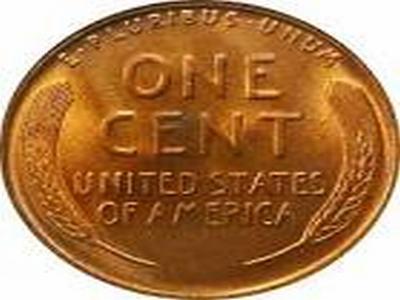
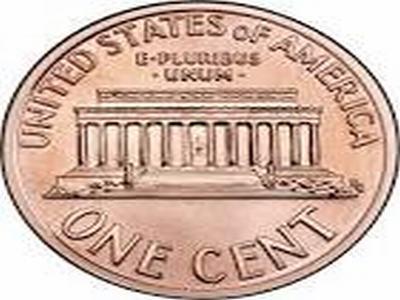
    cent(noun)

    /sent/

    센트 (senteu)

    a coin and unit of money worth 1% of the main unit of money in many countries, for example of the US dollar or of the euro

    A call will cost you around 25 cents.

    전화 한 통화에 약 25센트가 듭니다.

    a car accident/crash

    유의어pennyfractionportionbit
    반의어dollarwholeentirety
  26. 26

    expensive(adjective)

    /ɪkˈspensɪv/

    비싼 (bissan)

    costing a lot of money

    I can't afford it, it's too expensive.

    너무 비싸서 감당할 수 없어요.

    This computer is expensive.

    유의어costlypriceyhigh-priceddearlavishextravagant
    반의어cheapinexpensiveaffordableeconomicalreasonable
  27. 27

    institution(noun)

    /ˌɪnstɪˈtuːʃn/

    기관 (gigan)

    a large important organization that has a particular purpose, for example a university or bank

    an educational/financial, etc. institution

    교육/금융 기관 등

    the Smithsonian Institution

    유의어organizationestablishmentfoundationacademybodyassociation
    반의어disorganizationanarchyinformality
  28. 28

    tax(noun)

    /tæks/

    세금 (segeum)

    money that you have to pay to the government so that it can pay for public services. People pay tax according to their income and businesses pay tax according to their profits. Tax is also often paid on goods and services.

    changes in tax rates

    세율 변동 (seyul byeondong)

    tax increases/cuts

    유의어levydutytariffexcisecharge
    반의어subsidygrantrebate
  29. 29

    lend(verb)

    /lend/

    빌려주다 (billyeojuda)

    to give something to somebody or allow them to use something that belongs to you, which they have to return to you later

    Has he returned that book you lent him?

    그가 당신이 빌려준 그 책을 돌려줬어요? (geuga dangsini billyeojun geu chaegeul dollyeojwosseoyo?)

    Can you lend me your car this evening?

    유의어loanprovideadvancefurnishentrust
    반의어borrowkeepretainhold
  30. 30

    deposit(noun)

    /dɪˈpɑːzɪt/

    계약금, 보증금, 선금

    a part of the total price paid in advance to show that a customer is serious about buying

    Production starts once we receive a 30 percent deposit.

    30퍼센트의 계약금을 받는 즉시 생산을 시작합니다.

    The deposit is non-refundable if the customer cancels the order.

    유의어down paymentsecuritycollateralpledgeearnest money
    반의어withdrawal
  31. 31

    afford(verb)

    /əˈfɔːrd/

    여유가 있다

    to have enough money to be able to buy or do something

    We can't afford to buy a luxury house.

    우리는 호화로운 집을 살 여유가 없습니다.

    She felt she couldn't afford any more time off work.

    유의어managesparebear the expense ofhave the means for
    반의어lackwantneedcannot afford
  32. 32

    material(noun)

    /məˈtɪriəl/

    재료 (jaeryo)

    a substance that things can be made from

    Clothing has been made from many different kinds of materials.

    의류는 다양한 종류의 재료로 만들어졌습니다.

    유의어stuffmatterfabricsubstancecomponentelement
    반의어immaterialspiritualintangibleabstract
  33. 33

    penny(noun)

    /ˈpeni/

    페니

    a small British coin and unit of money. There are 100 pence in one pound (£1).

    That will be 45 pence, please.

    45펜스입니다.

    He had a few pennies in his pocket.

    유의어centsmall changecopperdenomination
    반의어pounddollarlarge sum
  34. 34

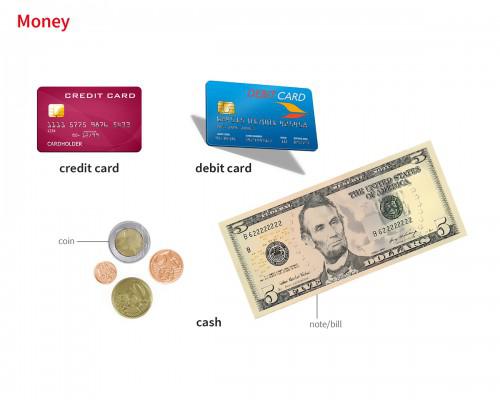
    coin(noun)

    /kɔɪn/

    동전

    a small flat piece of metal used as money

    That machine doesn't take coins.

    저 기계는 동전을 받지 않아요.

    a basketball/football/tennis, etc. coach

    유의어speciepiece of moneycash
    반의어paper moneybillnote
  35. 35

    purchase(verb)

    /ˈpɜːrtʃəs/

    구입하다, 구매하다

    to buy something

    You can purchase tickets online or at the station.

    티켓은 온라인이나 역에서 구입할 수 있습니다.

    유의어buyacquireobtainprocuresecuregetgain
    반의어sellloseforfeitgive away
  36. 36

    financial(adjective)

    /faɪˈnænʃl/

    금융의

    connected with money and finance

    financial services

    금융 서비스

    to be in financial difficulties

    유의어economicfiscalmonetarypecuniary
    반의어nonfinancialunrelated to finance
  37. 37

    wealth(noun)

    /welθ/

    부

    a large amount of money, property, etc. that a person or country owns

    His personal wealth is estimated at around $100 million.

    그의 개인 재산은 약 1억 달러로 추정됩니다.

    the distribution of wealth in Britain

    유의어richesfortuneprosperityaffluenceopulence
    반의어povertydestitutionscarcitywant
  38. 38

    buy(verb)

    /baɪ/

    사다 (sada)

    to obtain something by paying money for it

    I bought my car second-hand.

    중고차를 샀어요. (junggochareul sasseoyo)

    He bought me a new coat.

    유의어purchaseacquireobtainprocure
    반의어selldisposetradebarter
  39. 39

    grant(noun)

    /ɡrænt/

    보조금, 지원금

    a sum of money that is given by the government or another organization to be used for a particular purpose

    He has been awarded a research grant.

    그는 연구 보조금을 받았다.

    The judge granted an injunction preventing the newspaper from printing the names.

    유의어allowancesubsidycontributiondonationscholarshipendowmentgiftbestow
    반의어denialrefusalrejectionwithholdingpenaltyforfeit
  40. 40

    sell(verb)

    /sel/

    팔다 (palda)

    to give something to somebody in exchange for money

    They sold the business at a profit/loss(= they gained/lost money when they sold it).

    그들은 이익/손실을 보고 사업을 팔았다 (= 그들은 그것을 팔 때 돈을 벌거나 잃었다).

    I sold my car to James for £800.

    유의어vendmarkettradedispose ofauction offpeddle
    반의어buypurchaseacquireretainkeep
  41. 41

    economy(noun)

    /ɪˈkɑːnəmi/

    경제 (gyeongje)

    the relationship between production, trade and the supply of money in a particular country or region

    The economy is in recession.

    경제가 불황입니다. (gyeongjega bulhwangimnida)

    the world economy

    유의어financial systemeconomic systemcommerceindustrymarketfiscal system
    반의어nonmarketbarternoneconomiccollapsestagnation
  42. 42

    investment(noun)

    /ɪnˈvestmənt/

    투자 (tuja)

    the act of investing money in something

    Stocks are regarded as good long-term investments.

    주식은 좋은 장기 투자로 간주됩니다.

    investment income

    유의어venturecapitalassetstakeendowmentcommitment
    반의어debtlossspendingconsumption
  43. 43

    import(noun)

    /ˈɪmpɔːrt/

    수입품, 수입

    a product or service that is brought into one country from another

    Oil is one of the country's most important imports.

    석유는 그 나라의 가장 중요한 수입품 중 하나이다.

    유의어bring inintroducefetchship inreceive
    반의어exportexportship outdispatch
  44. 44

    billion(number)

    /ˈbɪljən/

    십억 (sibeok)

    1 000 000 000; one thousand million

    Worldwide sales reached 2.5 billion.

    전 세계 매출이 25억 달러에 달했다.

    They have spent billions on the problem (= billions of dollars, etc.).

    유의어thousand milliongiga-
    반의어thousandmillion
  45. 45

    guarantee(verb)

    /ˌɡærənˈtiː/

    보장하다, 보증하다

    to promise to do something; to promise something will happen

    We guarantee delivery of your order within three working days.

    주문하신 상품의 배송을 영업일 기준 3일 이내로 보장합니다.

    유의어assurancewarrantypromisepledgecovenantbond
    반의어uncertaintydoubtriskchance
  46. 46

    shopping(noun)

    /ˈʃɑːpɪŋ/

    쇼핑

    the activity of going to shops and buying things or ordering them online

    I do all my clothes shopping online.

    저는 옷 쇼핑을 모두 온라인으로 합니다.

    유의어purchasingbuyingbrowsingmarketingerrands
    반의어sellingdisposingdivesting
  47. 47

    rich(adjective)

    /rɪtʃ/

    부유한, 돈 많은

    having a lot of money or property

    He became very rich after selling his company.

    그는 회사를 판 뒤 아주 부자가 되었다.

    유의어wealthyaffluentprosperousopulentwell-off
    반의어poorimpoverisheddestituteneedypenniless
  48. 48

    exchange(noun)

    /ɪksˈtʃeɪndʒ/

    교환, 교류

    an act of giving something to somebody or doing something for somebody and receiving something in return

    Our school organised a cultural exchange with students from Japan.

    우리 학교는 일본 학생들과 문화 교류를 열었다.

    유의어swaptradebarterinterchangesubstitutereplace
    반의어keepretainholdwithhold
  49. 49

    loan(noun)

    /ləʊn/

    대출, 대출금

    money that a bank lends to a customer, who must pay it back with interest

    We took out a loan to buy new delivery trucks.

    우리는 새 배송 트럭을 사기 위해 대출을 받았다.

    The bank approved the loan within five working days.

    유의어creditadvancemortgagefinancing
    반의어paymentrepaymentdepositcredit
  50. 50

    cheap(adjective)

    /tʃiːp/

    저렴한

    costing little money or less money than you expected

    Cycling is a cheap way to get around.

    자전거를 타는 것은 돌아다니는 저렴한 방법입니다.

    This dress is not cheap.

    유의어inexpensivelow-costaffordableeconomicalbudget-friendly
    반의어expensivecostlypriceydear
  51. 51

    gain(verb)

    /ɡeɪn/

    얻다, 획득하다

    to obtain or win something, especially something that you need or want

    Investors gained a lot of money when share prices rose last year.

    작년에 주가가 오르면서 투자자들은 많은 돈을 벌었다.

    유의어increaseprofitbenefitacquireattaingrowthachievement
    반의어lossdecreasedeclinereductionwane
  52. 52

    poor(adjective)

    /pʊr/

    가난한 (gananhan)

    having very little money; not having enough money for basic needs

    They were too poor to buy shoes for the kids.

    그들은 너무 가난해서 아이들에게 신발을 사 줄 수 없었다.

    We aim to help the poorest families.

    유의어impoverishedneedydestitutepennilessindigent
    반의어richwealthyaffluentprosperouswell-off
  53. 53

    cost(noun)

    /kɔːst/

    비용, 원가, 값

    the amount of money that you need in order to buy, make or do something

    The cost of living in the city has gone up a lot.

    도시의 생활비가 많이 올랐다.

    유의어priceexpensechargevaluefee
    반의어benefitprofitgainworthlessnesscheapness
  54. 54

    pound(noun)

    /paʊnd/

    파운드 (통화)

    the unit of money in the UK, worth 100 pence

    Total losses were estimated at over three million pounds.

    총 손실은 3백만 파운드 이상으로 추정되었습니다.

    유의어GBPBritish poundcurrencylegal tender
    반의어give up
  55. 55

    trillion(number)

    /ˈtrɪljən/

    조 (jo)

    1 000 000 000 000; one million million

    Four light years is 25 trillion miles.

    4 광년은 25조 마일입니다.

    Foreign governments supplied arms to the rebels.

    유의어very large numberastronomical numberhuge number
    반의어unitonesmall number
  56. 56

    growth(noun)

    /ɡrəʊθ/

    성장, 증가

    an increase in the size, amount or degree of something

    The country has seen rapid economic growth over the past ten years.

    그 나라는 지난 10년 동안 급속한 경제 성장을 이루었다.

    유의어developmentexpansionincreaseprogressionadvancementmaturation
    반의어declinedecreasereductionstagnationatrophy
  57. 57

    distribute(verb)

    /dɪˈstrɪbjuːt/

    배분하다 (baebunhada)

    to give things to a large number of people; to share something between a number of people

    The money was distributed among schools in the area.

    그 돈은 그 지역 학교들에 분배되었습니다. (Geu doneun geu jiyeok hakgyodeure bunbaedoeeotseupnida.)

    The organization distributed food to the earthquake victims.

    유의어allocatedispensesharedivideapportioncirculate
    반의어collectgatheraccumulatewithholdkeepcentralize
  58. 58

    account(noun)

    /əˈkaʊnt/

    계좌, 예금 계좌

    an arrangement that somebody has with a bank, etc. to keep money there, take some out, etc.

    My wife and I opened a joint account at the bank last year.

    아내와 나는 작년에 은행에서 공동 계좌를 개설했다.

    유의어recordstatementreportdescriptionexplanationnarrative
    반의어disregardsilenceneglect
  59. 59

    price(noun)

    /praɪs/

    가격 (gageok)

    the amount of money that you have to pay for something

    We will have to raise ticket prices.

    우리는 티켓 가격을 올려야 할 것입니다.

    유의어costvalueratechargeexpensefee
    반의어discountreductioncheapnessworthlessnessgiveaway
  60. 60

    spend(verb)

    /spend/

    쓰다, 소비하다

    to give money to pay for goods, services, etc.

    She spent all her money on new clothes and shoes.

    그녀는 새 옷과 신발을 사는 데 돈을 전부 썼다.

    유의어expenduseconsumepassallocatedisburse
    반의어saveconservehoardaccumulateearngain
  61. 61

    cash(noun)

    /kæʃ/

    현금

    money in the form of coins or notes

    Payments can be made by cheque or in cash.

    지불은 수표나 현금으로 할 수 있습니다.

    How much cash do you have on you?

    유의어moneycurrencyfundslegal tender
    반의어creditdebtcredit cardIOU
  62. 62

    dollar(noun)

    /ˈdɑːlər/

    달러

    the unit of money in the US, Canada, Australia and several other countries

    You will be paid in American dollars.

    미국 달러로 지급될 것입니다.

    유의어buckcurrencycashgreenback
    반의어changecoin
  63. 63

    receipt(noun)

    /rɪˈsiːt/

    영수증

    a document showing that money has been paid or goods have been received

    Please keep the receipt so we can record the expense.

    비용을 기록할 수 있도록 영수증을 보관해 주십시오.

    The cashier gives a receipt for every cash payment.

    유의어proof of purchasesales slipbillchitacknowledgmentrecord
    반의어paymentexpenditureinvoice (sometimesdepending on context)
  64. 64

    tip(noun)

    /tɪp/

    팁, 봉사료

    a small amount of extra money that you give to somebody who serves you, for example in a restaurant

    He gave the waiter a generous tip.

    그는 웨이터에게 넉넉한 팁을 주었다.

    Someone put a dollar in the tip jar.

    유의어gratuityrewardperkbonus
    반의어finepenaltydeduction
  65. 65

    credit(noun)

    /ˈkredɪt/

    신용

    an arrangement that you make, with a shop for example, to pay later for something you buy

    Your credit limit is now £2000.

    당신의 신용 한도는 현재 2000 파운드입니다.

    to offer interest-free credit(= allow somebody to pay later, without any extra charge)

    유의어trustbeliefrelianceconfidencereputationworthiness
    반의어distrustdisbeliefdoubtdiscredit
  66. 66

    Currency(noun)

    /ˈkɜːrənsi/

    통화, 화폐

    the system of money that a country uses

    Many European countries use the same currency, the euro.

    많은 유럽 국가들이 유로라는 같은 통화를 사용한다.

    유의어MoneyLegal tenderCashMedium of exchange
    반의어BarterDebtWorthlessness
  67. 67

    bonus(noun)

    /ˈbəʊnəs/

    상여금, 보너스

    an extra payment given to employees, for example for good performance or at the end of the year

    Every employee received a Tet bonus equal to one month's salary.

    모든 직원이 한 달 치 급여에 해당하는 뗏 상여금을 받았다.

    The bonus is accrued in December and paid in January.

    유의어RewardIncentivePerkPremiumGratuityWindfall
    반의어PenaltyFineDeductionLoss
  68. 68

    bill(noun)

    /bɪl/

    계산서 (gyesanseo)

    a document that shows how much you owe somebody for goods or services

    The bill for their meal came to £17.

    그들의 식사 비용은 17파운드가 나왔습니다.

    유의어invoicestatementchecktabaccount
    반의어paymentcreditrefund
  69. 69

    sale(noun)

    /seɪl/

    판매, 매각

    an act or the process of selling something

    The sale of the house brought the family a lot of money.

    그 집을 판 덕분에 가족은 많은 돈을 벌었다.

    유의어discountbargainreductionclearancepromotion
    반의어purchaseacquisition
  70. 70

    premium(noun)

    /ˈpriːmiəm/

    보험료

    the amount of money paid to an insurer for an insurance policy

    The premium for this shipment is 0.15 percent of the insured value.

    이 화물의 보험료는 보험가액의 0.15퍼센트입니다.

    Premiums rise for cargo going through war zones.

    유의어high-qualitysuperiortop-tierexclusivedeluxe
    반의어inferiorcheapbasiclow-qualitystandard
  71. 71

    inflation(noun)

    /ɪnˈfleɪʃn/

    인플레이션, 물가 상승

    a general rise in the prices of goods and services, which reduces the value of money

    The government aims to keep inflation below 4.5 per cent.

    정부는 인플레이션을 4.5퍼센트 아래로 유지하는 것을 목표로 하고 있습니다.

    High inflation reduces the real return on savings.

    유의어price increasecost-pushdemand-pulldevaluation
    반의어deflationprice stability
  72. 72

    wealthy(adjective)

    /ˈwelθi/

    부유한

    having a lot of money, possessions, etc.

    My dream is to become wealthy.

    제 꿈은 부유해지는 것입니다.

    유의어richaffluentprosperousopulentwell-offmoneyed
    반의어poorimpoverisheddestituteneedypenniless
  73. 73

    economics(noun)

    /ˌiːkəˈnɑːmɪks/

    경제학 (gyeongjehak)

    the study of how a society organizes its money, trade and industry

    She's in her third year of economics at Washington University.

    그녀는 워싱턴 대학교에서 경제학 3학년이에요.

    유의어financial sciencepolitical economyfinancebusiness
    반의어none (strictly antonymous words are rare; related concepts might be things like 'wastefulness' or 'inefficiency')spending
  74. 74

    costly(adjective)

    /ˈkɔːstli/

    비싼

    costing a lot of money, especially more than you want to pay

    Buying new furniture may prove too costly.

    새 가구를 사는 것은 너무 비쌀 수 있습니다.

    유의어expensivehigh-priceddearpriceylavish
    반의어cheapinexpensiveaffordableeconomicalreasonable
  75. 75

    consumption(noun)

    /kənˈsʌmpʃn/

    소비 (sobi)

    the act of using energy, food or materials; the amount used

    Industrialized countries should reduce their energy consumption.

    산업 국가들은 에너지 소비를 줄여야 합니다.

    유의어useutilizationexpendituredepletionspendingabsorption
    반의어conservationpreservationsavingproductioncreation
  76. 76

    consumer(noun)

    /kənˈsuːmər/

    소비자 (sobija)

    a person who buys goods or uses services

    It is necessary to raise consumers' awareness.

    소비자들의 인식을 높이는 것이 필요합니다. (Sobijadeul-ui insig-eul nophineun geos-i pilyohabnida.)

    유의어buyerpurchasercustomeruser
    반의어producersuppliervendor
  77. 77

    luxury(noun)

    /ˈlʌkʃəri/

    사치 (sachi)

    the fact of enjoying special and expensive things, particularly food and drink, clothes and places

    We can't afford many luxuries.

    우리는 많은 사치를 누릴 여유가 없습니다.

    유의어opulenceaffluencegrandeursplendordeluxecomfortindulgence
    반의어necessitypovertyhardshipdeprivationsimplicityfrugality
  78. 78

    donation(noun)

    /dəʊˈneɪʃn/

    기부 (gibu)

    something that is given to a person or an organization such as a charity, in order to help them; the act of giving something in this way

    All kinds of donations are appreciated.

    모든 종류의 기부에 감사드립니다.

    유의어contributiongiftgrantofferingpresentalmscharity
    반의어lossdeprivationwithholdingtaking
  79. 79

    poverty(noun)

    /ˈpɑːvərti/

    빈곤 (bingon)

    the state of being poor

    Two million people in the city live in poverty.

    그 도시에는 2백만 명의 사람들이 빈곤 속에서 살고 있습니다.

    유의어destitutionindigencepenuryneedwantprivation
    반의어wealthaffluenceprosperityabundanceriches
  80. 80

    donor(noun)

    /ˈdəʊnər/

    기증자 (gijeungja)

    a person or an organization that makes a gift of money, clothes, food, etc. to a charity, etc.

    The charity received £100,000 from an unnamed donor.

    그 자선단체는 익명의 기증자로부터 10만 파운드를 받았습니다.

    유의어contributorgiverbenefactorpatronphilanthropistsponsor
    반의어recipientbeneficiary
  81. 81

    auction(noun)

    /ˈɔːkʃn/

    경매

    a public sale in which things are sold to the person who offers the most money for them

    The painting was sold at auction for a million dollars.

    그 그림은 경매에서 백만 달러에 팔렸습니다.

    유의어salebiddingpublic saleDutch auction
    반의어purchaseprivate salefixed price
  82. 82

    capitalism(noun)

    /ˈkæpɪtəlɪzəm/

    자본주의

    an economic system in which a country’s businesses and industry are controlled and run for profit by private owners rather than by the government

    Capitalism encourages competition and innovation.

    자본주의는 경쟁과 혁신을 장려합니다.

    유의어free marketfree enterprisemarket economy
    반의어socialismcommunismcollectivism
  83. 83

    capitalist(noun)

    /ˈkæpɪtəlɪst/

    자본가

    a person who owns or controls a lot of wealth and uses it to produce more wealth

    He became a successful capitalist through hard work and innovation.

    그는 노력과 혁신을 통해 성공한 자본가가 되었다.

    유의어investorfinancierentrepreneurindustrialist
    반의어socialistcommunistegalitarian
  84. 84

    casino(noun)

    /kəˈsiːnəʊ/

    카지노 (kajino)

    a public building or room where people play gambling games for money

    We spent the evening at the casino.

    우리는 저녁을 카지노에서 보냈습니다.

    유의어gambling housegaming houseclubresort
    반의어none (in the literal sense)churchschoollibrary
  85. 85

    commodity(noun)

    /kəˈmɑːdəti/

    상품

    a product or a raw material that can be bought and sold

    Oil is a major commodity traded on the global market.

    석유는 세계 시장에서 거래되는 주요 상품입니다.

    유의어productmerchandisegoodsmaterialstock
    반의어serviceintangible
  86. 86

    deficit(noun)

    /ˈdefɪsɪt/

    적자 (jeokja)

    the amount by which money spent or owed is greater than money earned in a particular period of time

    The country is running a budget deficit.

    그 나라는 예산 적자를 겪고 있다.

    유의어shortfallshortagelossinsufficiency
    반의어surplusexcessprofit
  87. 87

    donate(verb)

    /ˈdəʊneɪt/

    기부하다

    to give money, food, clothes, etc. to somebody/something, especially a charity

    I will donate some money to charity.

    자선 단체에 돈을 좀 기부할 것입니다.

    유의어contributegivebestowgiftpresent
    반의어receivetakekeepwithhold
  88. 88

    economist(noun)

    /ɪˈkɑːnəmɪst/

    경제학자

    a person who studies or writes about economics

    The economist predicted a recession.

    경제학자는 경기 침체를 예측했습니다.

    유의어economic expertfinancial analyst
    반의어none
  89. 89

    expenditure(noun)

    /ɪkˈspendɪtʃər/

    지출

    the act of spending or using money; an amount of money spent

    The company's expenditure on advertising increased this year.

    올해 회사의 광고 지출이 증가했습니다.

    유의어expensespendingcostoutlay
    반의어incomerevenuesavings
  90. 90

    fortune(noun)

    /ˈfɔːrtʃən/

    큰돈, 거금, 재산

    a large amount of money

    He made a fortune selling houses before he turned forty.

    그는 마흔 살이 되기 전에 집을 팔아 큰돈을 벌었다.

    유의어luckchancedestinywealthfate
    반의어misfortunebad luckpoverty
  91. 91

    institutional(adjective)

    /ˌɪnstɪˈtuːʃənl/

    기관의, 제도적인

    connected with a large important organization, for example a university or bank

    Institutional investors such as banks and pension funds own most of the shares.

    은행과 연기금 같은 기관 투자자들이 대부분의 주식을 보유하고 있다.

    유의어establishedorganizedformalsystematic
    반의어informalunorganizedunstructured
  92. 92

    money(noun)

    /ˈmʌni/

    돈

    what you earn by working or selling things, and use to buy things

    Money can't buy happiness.

    돈으로 행복을 살 수 없다.

    유의어currencyfundscapitalcash
    반의어debtpovertylackbarter
  93. 93

    prosperity(noun)

    /prɑːˈsperəti/

    번영

    the state of being successful, especially in making money

    The country experienced a period of great prosperity after the war.

    그 나라는 전쟁 후 큰 번영의 시기를 경험했습니다.

    유의어wealthsuccessaffluencefortune
    반의어povertyfailurehardshipscarcity
  94. 94

    quota(noun)

    /ˈkwəʊtə/

    할당량 (Halddangnyang)

    a limited number or amount of people or things that is officially allowed

    The company has a quota of 100 units per month.

    회사는 한 달에 100개 할당량이 있습니다.

    유의어allotmentrationlimitshareceiling
    반의어unlimitedexcesssurplus
  95. 95

    recession(noun)

    /rɪˈseʃn/

    경기 침체

    a difficult time for the economy of a country, when there is less trade and industrial activity than usual and more people are unemployed

    The country is facing a severe recession.

    그 나라는 심각한 경기 침체에 직면해 있습니다.

    유의어downturnslumpdeclinecontraction
    반의어boomexpansiongrowthrecovery
  96. 96

    revenue(noun)

    /ˈrevənuː/

    매출, 매출액, 수익

    the income a business earns from selling goods or services before any costs are deducted

    Revenue from online sales doubled this year compared with last year.

    올해 온라인 판매 매출은 작년에 비해 두 배로 늘었다.

    Most of our revenue comes from three large customers.

    유의어incomeearningsturnoverreceiptsproceeds
    반의어expensescostsoutgoings
  97. 97

    surplus(noun)

    /ˈsɜːrplʌs/

    잉여

    an amount that is extra or more than you need

    The company had a surplus of inventory at the end of the year.

    회사는 연말에 재고 잉여를 가지고 있었습니다.

    유의어excessoverageremainderglut
    반의어deficitshortagescarcitylack
  98. 98

    taxpayer(noun)

    /ˈtækspeɪər/

    납세자

    a person who pays tax to the government, especially on the money that they earn

    The taxpayer expects transparency from the government.

    납세자는 정부에 투명성을 기대합니다.

    유의어citizenratepayercontributor
    반의어tax evaderdefaulter
  99. 99

    worth(adjective)

    /wɜːrθ/

    ~의 가치가 있는

    having a value in money, etc.

    This old painting is worth thousands of dollars.

    이 오래된 그림은 수천 달러의 가치가 있다.

    유의어valuemeritdeservingbenefit
    반의어worthlessuselessvalueless
  100. 100

    funding(noun)

    /ˈfʌndɪŋ/

    자금 조달

    money for a particular purpose; the act of providing money for such a purpose

    The university needs more funding for research.

    대학은 연구를 위해 더 많은 자금 지원이 필요합니다.

    유의어financingcapitalgrantssponsorship
    반의어defundingwithdrawal
  101. 101

    privatization(noun)

    /ˌpraɪvətəˈzeɪʃn/

    민영화

    the act of selling a business or an industry so that it is no longer owned by the government

    The government decided on the privatization of the national railway.

    정부는 국유 철도의 민영화를 결정했다.

    유의어deregulationdenationalization
    반의어nationalizationpublic ownership
  102. 102

    spending(noun)

    /ˈspendɪŋ/

    지출

    the amount of money that is spent by a government, an organization or a person

    The government's spending on infrastructure increased this year.

    정부의 인프라 지출이 올해 증가했습니다.

    유의어expenditureoutlayexpensesdisbursement
    반의어savingincomerevenueearnings

  103. 103

    stock(noun)

    /stɑːk/

    주식

    shares in a company that people buy as an investment

    She invested most of her savings in stocks and bonds.

    그녀는 저축의 대부분을 주식과 채권에 투자했다.

  104. 104

    balance(noun)

    /ˈbæləns/

    잔액, 잔고

    the amount of money that somebody has in their bank account

    I checked my bank balance before paying the bill.

    나는 요금을 내기 전에 은행 계좌 잔액을 확인했다.

  105. 105

    net(adjective)

    /net/

    순, 정미의

    remaining when nothing more is to be taken away, especially after tax and costs have been paid

    Our net profit this year was much higher than we expected.

    올해 우리의 순이익은 예상보다 훨씬 높았다.

  106. 106

    share(noun)

    /ʃer/

    주식, 지분

    any of the equal parts into which the value of a company is divided, sold to raise money for the company

    She bought five hundred shares in the telephone company last year.

    그녀는 작년에 그 통신 회사의 주식 500주를 샀다.

  107. 107

    capital(noun)

    /ˈkæpɪtl/

    자본, 자본금

    a large amount of money that is invested or used to start a business

    She needed more capital to expand her small business.

    그녀는 작은 사업을 확장하기 위해 더 많은 자본이 필요했다.

  108. 108

    interest(noun)

    /ˈɪntrəst/

    이자, 이율

    the extra money that you pay when you borrow money or receive when you invest money

    The bank charges five percent interest on this loan.

    은행은 이 대출에 대해 5퍼센트의 이자를 부과한다.

  109. 109

    distribution(noun)

    /ˌdɪstrɪˈbjuːʃn/

    유통, 배급

    the act or system of supplying or delivering goods, services or products to people or places

    The company is responsible for the distribution of its films to cinemas nationwide.

    그 회사는 영화를 전국 극장에 배급하는 일을 맡고 있다.