ข้ามไปยังเนื้อหา

บทที่ 10/38 · 109 คำ · จำได้แล้ว 0

Money Economy

เงินและเศรษฐกิจ

  1. 1

    offer(verb)

    /ˈɔːfər/

    เสนอ, อาสา

    to say that you are willing to give something to somebody

    Devon offered to write the business plan for our new company.

    เดวอนอาสาเขียนแผนธุรกิจสำหรับบริษัทใหม่ของเรา

    คำพ้องความหมายproposalsuggestionbidtenderovertureproposition
    คำตรงข้ามrejectionrefusaldenial
  2. 2

    affordable(adjective)

    /əˈfɔːrdəbl/

    ราคาไม่แพง

    cheap enough that people can afford to pay it or buy it

    The company's first priority was to find an affordable phone system

    สิ่งสำคัญอันดับแรกของบริษัทคือการหาระบบโทรศัพท์ราคาไม่แพง

    Obviously, the computer systems that are affordable for a Fortune 500 company will not be affordable for a small company

    คำพ้องความหมายcheapinexpensiveeconomicalreasonablebudget-friendlyfairly-priced
    คำตรงข้ามexpensivecostlypriceyunaffordableexorbitant
  3. 3

    value(noun)

    /ˈvæljuː/

    มูลค่า, ราคา, คุณค่า

    how much something is worth in money or other goods for which it can be exchanged

    The value of the house has doubled over the last ten years.

    มูลค่าของบ้านหลังนี้เพิ่มขึ้นเป็นสองเท่าในรอบสิบปีที่ผ่านมา

    คำพ้องความหมายworthpriceimportancesignificancemeritrateappraiseestimate
    คำตรงข้ามworthlessnessuselessnessinconsequence
  4. 4

    bargain(noun)

    /ˈbɑːrɡən/

    ของถูก, ของคุ้มค่า

    a thing bought for less than the usual price

    Lois compared the sweaters carefully to determine which was a better bargain

    ลอยส์เปรียบเทียบเสื้อสเวตเตอร์อย่างละเอียดเพื่อดูว่าตัวไหนซื้อแล้วคุ้มกว่า

    คำพ้องความหมายdealdiscountspecialstealgood buy
    คำตรงข้ามrip-offlossoverpricedexpensive
  5. 5

    discount(noun)

    /ˈdɪskaʊnt/

    ส่วนลด

    an amount of money taken off the usual price of something

    We can give you a 10 percent discount if you pay in advance.

    เราให้ส่วนลดคุณ 10 เปอร์เซ็นต์ได้ หากชำระเงินล่วงหน้า

    Sales staff cannot offer discounts above 5 percent without approval.

    คำพ้องความหมายreductionmarkdownallowancerebateprice cut
    คำตรงข้ามincreaserisepremiumsurcharge
  6. 6

    borrow(verb)

    /ˈbɔːrəʊ/

    ยืม

    to take and use something that belongs to somebody else, and return it to them at a later time

    Do you want to borrow a pen?

    คุณต้องการยืมปากกาไหม?

    The couple borrowed money from the bank to buy a home

    คำพ้องความหมายtakeobtainacquireget a loan ofloan
    คำตรงข้ามlendgivedonatereturn
  7. 7

    mortgage(noun)

    /ˈmɔːrɡɪdʒ/

    เงินกู้จำนอง, สินเชื่อที่อยู่อาศัย, สัญญาจำนอง

    a loan to buy a house or land, using the property as security, or the legal agreement for such a loan

    They took out a twenty-year mortgage to buy an apartment.

    พวกเขากู้เงินจำนองระยะเวลายี่สิบปีเพื่อซื้ออพาร์ตเมนต์

    Monthly mortgage payments take a third of their income.

    คำพ้องความหมายencumberpledgesecurehypothecatelien
    คำตรงข้ามfreedischargeredeemclear
  8. 8

    budget(noun)

    /ˈbʌdʒɪt/

    งบประมาณ

    a financial plan showing expected income and spending for a future period

    The marketing department went over budget in the third quarter.

    ฝ่ายการตลาดใช้จ่ายเกินงบประมาณในไตรมาสที่สาม

    Each department submits its budget for next year in October.

    คำพ้องความหมายallocatefinancefundestimateallowanceresources
    คำตรงข้ามoverspendwasteimproviseextemporize
  9. 9

    debt(noun)

    /det/

    หนี้สิน

    a sum of money that somebody owes

    The banks are worried about your increasing debt

    ธนาคารกังวลเกี่ยวกับหนี้สินที่เพิ่มขึ้นของคุณ

    The company has been very careful and is slowly digging itself out of debt

    คำพ้องความหมายliabilityobligationarrearsindebtednessoutstanding balance
    คำตรงข้ามassetcreditprofitsavingssurplus
  10. 10

    fund(noun)

    /fʌnd/

    กองทุน

    an amount of money that has been saved or has been made available for a particular purpose

    He will have access to his trust fund when he is 21 years old

    เขาจะสามารถเข้าถึงกองทุนทรัสต์ของเขาได้เมื่ออายุ 21 ปี

    The company will fund the trip to the conference

    คำพ้องความหมายpoolstockcapitalendowmentkittyreserveresources
    คำตรงข้ามdebtliabilitydeficit
  11. 11

    invest(verb)

    /ɪnˈvest/

    ลงทุน

    to buy property, shares in a company, etc. in the hope of making a profit

    Many people invest their savings in property or company shares.

    หลายคนนำเงินออมของตนไปลงทุนในอสังหาริมทรัพย์หรือหุ้นบริษัท

    คำพ้องความหมายfinanceendowallocatedevotecommitsink (money)plow (back)
    คำตรงข้ามdivestwithdrawsquanderwastedissipatespend
  12. 12

    portfolio(noun)

    /pɔːrtˈfəʊliəʊ/

    พอร์ตการลงทุน, พอร์ตโฟลิโอ, พอร์ตสินเชื่อ

    all the investments, or all the loans, held by a person or institution

    Her investment portfolio includes bank shares, government bonds and gold.

    พอร์ตการลงทุนของเธอประกอบด้วยหุ้นธนาคาร พันธบัตรรัฐบาล และทองคำ

    The bank's loan portfolio grew by 14 per cent last year.

    คำพ้องความหมายcollectionassortmentrangeselectionholdingsinvestments
    คำตรงข้ามsingle assetundiversified holdings
  13. 13

    owe(verb)

    /əʊ/

    เป็นหนี้

    to have to pay somebody for something that you have already received or return money that you have borrowed

    As the business grew, the owner paid back loans and owed less money

    เมื่อธุรกิจเติบโตขึ้น เจ้าของได้ชำระคืนเงินกู้และเป็นหนี้น้อยลง

    People are often surprised to discover that they owe more money in income taxes at the end of the year

    คำพ้องความหมายbe indebtedbe in debtbe liablebe boundbe obligated
    คำตรงข้ามownpossesshavebe owed
  14. 14

    demand(noun)

    /dɪˈmænd/

    ความต้องการ, อุปสงค์

    a very strong request for something; something that somebody needs

    The demand for electricity rises sharply during the hot summer months.

    ความต้องการใช้ไฟฟ้าเพิ่มขึ้นอย่างรวดเร็วในช่วงฤดูร้อนที่ร้อนจัด

    คำพ้องความหมายrequireneedinsistclaimexactrequestaskorder
    คำตรงข้ามoffergivesupplyprovideforgosuggestwaive
  15. 15

    expense(noun)

    /ɪkˈspens/

    ค่าใช้จ่าย, รายจ่าย

    a cost that a business has in order to earn revenue, such as rent, wages or electricity

    Office rent is our biggest monthly expense after staff salaries.

    ค่าเช่าสำนักงานเป็นค่าใช้จ่ายรายเดือนที่สูงที่สุดของเรา รองจากเงินเดือนพนักงาน

    Each expense must be supported by a valid invoice.

    คำพ้องความหมายcostexpenditureoutlaypricecharge
    คำตรงข้ามincomerevenueprofitsavings
  16. 16

    fee(noun)

    /fiː/

    ค่าธรรมเนียม

    an amount of money that you pay for professional advice or services

    He had a lot of trouble paying the tuition fee.

    เขามีปัญหามากในการจ่ายค่าเล่าเรียน

    Does the bank charge a fee for setting up the account?

    คำพ้องความหมายchargeduestollpaymentrateprice
    คำตรงข้ามfreegratisdonationgift
  17. 17

    finance(noun)

    /ˈfaɪnæns/

    การเงิน

    the activity of managing money, especially by a government or a large organization

    New York is the center of global finance, communications and business.

    นิวยอร์กเป็นศูนย์กลางของการเงิน การสื่อสาร และธุรกิจระดับโลก

    The project will only go ahead if they can raise the necessary finance.

    คำพ้องความหมายfundingeconomicsinvestmentbankingcapitalmonetary affairs
    คำตรงข้ามdebtbankruptcyloss
  18. 18

    shop(noun)

    /ʃɑːp/

    ร้านค้า

    a building or part of a building where you can buy goods or services

    a butcher shop

    ร้านขายเนื้อ

    a shoe shop

    คำพ้องความหมายstoreboutiquemarketoutletestablishment
    คำตรงข้ามwholesalenoncommercial
  19. 19

    valuable(adjective)

    /ˈvæljuəbl/

    มีค่า, ราคาแพง

    worth a lot of money

    This old painting is very valuable, so we keep it in a safe place.

    ภาพวาดเก่าชิ้นนี้มีค่ามาก เราจึงเก็บไว้ในที่ปลอดภัย

    คำพ้องความหมายpreciousimportantsignificantworthwhileadvantageoususefulbeneficialcostly
    คำตรงข้ามworthlessuselessinsignificantcheapvalueless
  20. 20

    economic(adjective)

    /ˌiːkəˈnɑːmɪk/

    ทางเศรษฐกิจ

    connected with the trade, industry and development of wealth of a country, an area or a society

    the government's economic policy

    นโยบายทางเศรษฐกิจของรัฐบาล

    social, economic and political issues

    คำพ้องความหมายfinancialfiscalmonetarybudgetarycommercial
    คำตรงข้ามnoneconomicnonfinancial
  21. 21

    euro(noun)

    /ˈjʊrəʊ/

    ยูโร (yoo-roh)

    the unit of money of some countries of the European Union

    The price is given in dollars or euros.

    ราคากำหนดเป็นดอลลาร์หรือยูโร (raa-kaa gam-not bpen don-laa reu yoo-roh)

    คำพ้องความหมายEuropean currencysingle currencyEUR
    คำตรงข้ามdollarpoundyencurrency (of other countries)
  22. 22

    insurance(noun)

    /ɪnˈʃʊrəns/

    ประกัน

    an arrangement with a company in which you pay them regular amounts of money and they agree to pay the costs, for example, if you die or are ill, or if you lose or damage something

    Can you claim for the loss on your insurance?

    คุณสามารถเรียกร้องค่าสินไหมทดแทนสำหรับความสูญเสียจากประกันของคุณได้หรือไม่?

    The bill would require employers to provide insurance for their workers.

    คำพ้องความหมายcoverageassuranceprotectionsecurityindemnitypolicy
    คำตรงข้ามriskvulnerabilityexposuredangerunprotected
  23. 23

    saving(noun)

    /ˈseɪvɪŋ/

    การประหยัด

    an amount of something such as time or money that you do not need to use or spend

    Buy three and make a saving of 55p.

    ซื้อสามชิ้นแล้วประหยัด 55p

    With the new boiler you can make big savings on fuel bills.

    คำพ้องความหมายeconomythriftpreservationreductionaccumulationstockpile
    คำตรงข้ามexpenditurespendingwastedissipation
  24. 24

    bank(noun)

    /bæŋk/

    ธนาคาร

    an organization that provides various financial services, for example keeping or lending money

    There is only one bank in this town.

    มีธนาคารเพียงแห่งเดียวในเมืองนี้

    I need to go to the bank (= the local office of a bank).

    คำพ้องความหมายfinancial institutioncredit unionsavings and loandepositorytrust company
    คำตรงข้ามdebtinsolvencybankruptcy
  25. 25

    cent(noun)

    /sent/

    เซนต์ (sent)

    a coin and unit of money worth 1% of the main unit of money in many countries, for example of the US dollar or of the euro

    A call will cost you around 25 cents.

    การโทรจะเสียค่าใช้จ่ายประมาณ 25 เซนต์

    a car accident/crash

    คำพ้องความหมายpennyfractionportionbit
    คำตรงข้ามdollarwholeentirety
  26. 26

    expensive(adjective)

    /ɪkˈspensɪv/

    แพง

    costing a lot of money

    I can't afford it, it's too expensive.

    ฉันซื้อไม่ไหว มันแพงเกินไป

    This computer is expensive.

    คำพ้องความหมายcostlypriceyhigh-priceddearlavishextravagant
    คำตรงข้ามcheapinexpensiveaffordableeconomicalreasonable
  27. 27

    institution(noun)

    /ˌɪnstɪˈtuːʃn/

    สถาบัน

    a large important organization that has a particular purpose, for example a university or bank

    an educational/financial, etc. institution

    สถาบันการศึกษา/การเงิน ฯลฯ

    the Smithsonian Institution

    คำพ้องความหมายorganizationestablishmentfoundationacademybodyassociation
    คำตรงข้ามdisorganizationanarchyinformality
  28. 28

    tax(noun)

    /tæks/

    ภาษี

    money that you have to pay to the government so that it can pay for public services. People pay tax according to their income and businesses pay tax according to their profits. Tax is also often paid on goods and services.

    changes in tax rates

    การเปลี่ยนแปลงอัตราภาษี

    tax increases/cuts

    คำพ้องความหมายlevydutytariffexcisecharge
    คำตรงข้ามsubsidygrantrebate
  29. 29

    lend(verb)

    /lend/

    ให้ยืม

    to give something to somebody or allow them to use something that belongs to you, which they have to return to you later

    Has he returned that book you lent him?

    เขาคืนหนังสือที่คุณให้เขายืมหรือยัง

    Can you lend me your car this evening?

    คำพ้องความหมายloanprovideadvancefurnishentrust
    คำตรงข้ามborrowkeepretainhold
  30. 30

    deposit(noun)

    /dɪˈpɑːzɪt/

    เงินมัดจำ, เงินวางมัดจำ

    a part of the total price paid in advance to show that a customer is serious about buying

    Production starts once we receive a 30 percent deposit.

    เราจะเริ่มการผลิตเมื่อได้รับเงินมัดจำ 30 เปอร์เซ็นต์

    The deposit is non-refundable if the customer cancels the order.

    คำพ้องความหมายdown paymentsecuritycollateralpledgeearnest money
    คำตรงข้ามwithdrawal
  31. 31

    afford(verb)

    /əˈfɔːrd/

    มีกำลังซื้อ

    to have enough money to be able to buy or do something

    We can't afford to buy a luxury house.

    เราไม่มีกำลังซื้อบ้านหรู

    She felt she couldn't afford any more time off work.

    คำพ้องความหมายmanagesparebear the expense ofhave the means for
    คำตรงข้ามlackwantneedcannot afford
  32. 32

    material(noun)

    /məˈtɪriəl/

    วัสดุ

    a substance that things can be made from

    Clothing has been made from many different kinds of materials.

    เสื้อผ้าทำจากวัสดุหลายชนิดที่แตกต่างกัน

    คำพ้องความหมายstuffmatterfabricsubstancecomponentelement
    คำตรงข้ามimmaterialspiritualintangibleabstract
  33. 33

    penny(noun)

    /ˈpeni/

    เพนนี

    a small British coin and unit of money. There are 100 pence in one pound (£1).

    That will be 45 pence, please.

    ทั้งหมด 45 เพนนีครับ/ค่ะ

    He had a few pennies in his pocket.

    คำพ้องความหมายcentsmall changecopperdenomination
    คำตรงข้ามpounddollarlarge sum
  34. 34

    coin(noun)

    /kɔɪn/

    เหรียญ

    a small flat piece of metal used as money

    That machine doesn't take coins.

    เครื่องนั้นไม่รับเหรียญ

    a basketball/football/tennis, etc. coach

    คำพ้องความหมายspeciepiece of moneycash
    คำตรงข้ามpaper moneybillnote
  35. 35

    purchase(verb)

    /ˈpɜːrtʃəs/

    ซื้อ, จัดซื้อ

    to buy something

    You can purchase tickets online or at the station.

    คุณสามารถซื้อตั๋วทางออนไลน์หรือที่สถานีได้

    คำพ้องความหมายbuyacquireobtainprocuresecuregetgain
    คำตรงข้ามsellloseforfeitgive away
  36. 36

    financial(adjective)

    /faɪˈnænʃl/

    ทางการเงิน

    connected with money and finance

    financial services

    บริการทางการเงิน

    to be in financial difficulties

    คำพ้องความหมายeconomicfiscalmonetarypecuniary
    คำตรงข้ามnonfinancialunrelated to finance
  37. 37

    wealth(noun)

    /welθ/

    ความมั่งคั่ง

    a large amount of money, property, etc. that a person or country owns

    His personal wealth is estimated at around $100 million.

    ความมั่งคั่งส่วนตัวของเขาคาดการณ์ไว้ที่ประมาณ 100 ล้านดอลลาร์

    the distribution of wealth in Britain

    คำพ้องความหมายrichesfortuneprosperityaffluenceopulence
    คำตรงข้ามpovertydestitutionscarcitywant
  38. 38

    buy(verb)

    /baɪ/

    ซื้อ (seú)

    to obtain something by paying money for it

    I bought my car second-hand.

    ฉันซื้อรถมือสองของฉัน (chǎn seú rót meu sǒng kǎung chǎn)

    He bought me a new coat.

    คำพ้องความหมายpurchaseacquireobtainprocure
    คำตรงข้ามselldisposetradebarter
  39. 39

    grant(noun)

    /ɡrænt/

    เงินทุนสนับสนุน, ทุนอุดหนุน

    a sum of money that is given by the government or another organization to be used for a particular purpose

    He has been awarded a research grant.

    เขาได้รับทุนสนับสนุนการวิจัย

    The judge granted an injunction preventing the newspaper from printing the names.

    คำพ้องความหมายallowancesubsidycontributiondonationscholarshipendowmentgiftbestow
    คำตรงข้ามdenialrefusalrejectionwithholdingpenaltyforfeit
  40. 40

    sell(verb)

    /sel/

    ขาย

    to give something to somebody in exchange for money

    They sold the business at a profit/loss(= they gained/lost money when they sold it).

    พวกเขาขายธุรกิจโดยได้กำไร/ขาดทุน (= พวกเขาได้/เสียเงินเมื่อพวกเขาขายมัน).

    I sold my car to James for £800.

    คำพ้องความหมายvendmarkettradedispose ofauction offpeddle
    คำตรงข้ามbuypurchaseacquireretainkeep
  41. 41

    economy(noun)

    /ɪˈkɑːnəmi/

    เศรษฐกิจ

    the relationship between production, trade and the supply of money in a particular country or region

    The economy is in recession.

    เศรษฐกิจกำลังอยู่ในภาวะถดถอย

    the world economy

    คำพ้องความหมายfinancial systemeconomic systemcommerceindustrymarketfiscal system
    คำตรงข้ามnonmarketbarternoneconomiccollapsestagnation
  42. 42

    investment(noun)

    /ɪnˈvestmənt/

    การลงทุน

    the act of investing money in something

    Stocks are regarded as good long-term investments.

    หุ้นถือเป็นการลงทุนระยะยาวที่ดี

    investment income

    คำพ้องความหมายventurecapitalassetstakeendowmentcommitment
    คำตรงข้ามdebtlossspendingconsumption
  43. 43

    import(noun)

    /ˈɪmpɔːrt/

    สินค้านำเข้า

    a product or service that is brought into one country from another

    Oil is one of the country's most important imports.

    น้ำมันเป็นหนึ่งในสินค้านำเข้าที่สำคัญที่สุดของประเทศ

    คำพ้องความหมายbring inintroducefetchship inreceive
    คำตรงข้ามexportexportship outdispatch
  44. 44

    billion(number)

    /ˈbɪljən/

    พันล้าน

    1 000 000 000; one thousand million

    Worldwide sales reached 2.5 billion.

    ยอดขายทั่วโลกสูงถึง 2.5 พันล้าน

    They have spent billions on the problem (= billions of dollars, etc.).

    คำพ้องความหมายthousand milliongiga-
    คำตรงข้ามthousandmillion
  45. 45

    guarantee(verb)

    /ˌɡærənˈtiː/

    รับประกัน, สัญญา

    to promise to do something; to promise something will happen

    We guarantee delivery of your order within three working days.

    เรารับประกันการจัดส่งสินค้าที่คุณสั่งภายในสามวันทำการ

    คำพ้องความหมายassurancewarrantypromisepledgecovenantbond
    คำตรงข้ามuncertaintydoubtriskchance
  46. 46

    shopping(noun)

    /ˈʃɑːpɪŋ/

    การซื้อของ

    the activity of going to shops and buying things or ordering them online

    I do all my clothes shopping online.

    ฉันซื้อเสื้อผ้าทั้งหมดทางออนไลน์

    คำพ้องความหมายpurchasingbuyingbrowsingmarketingerrands
    คำตรงข้ามsellingdisposingdivesting
  47. 47

    rich(adjective)

    /rɪtʃ/

    รวย, ร่ำรวย

    having a lot of money or property

    He became very rich after selling his company.

    เขากลายเป็นคนร่ำรวยมากหลังจากขายบริษัทของเขา

    คำพ้องความหมายwealthyaffluentprosperousopulentwell-off
    คำตรงข้ามpoorimpoverisheddestituteneedypenniless
  48. 48

    exchange(noun)

    /ɪksˈtʃeɪndʒ/

    การแลกเปลี่ยน

    an act of giving something to somebody or doing something for somebody and receiving something in return

    Our school organised a cultural exchange with students from Japan.

    โรงเรียนของเราจัดโครงการแลกเปลี่ยนทางวัฒนธรรมกับนักเรียนจากญี่ปุ่น

    คำพ้องความหมายswaptradebarterinterchangesubstitutereplace
    คำตรงข้ามkeepretainholdwithhold
  49. 49

    loan(noun)

    /ləʊn/

    เงินกู้, สินเชื่อ

    money that a bank lends to a customer, who must pay it back with interest

    We took out a loan to buy new delivery trucks.

    เรากู้เงินเพื่อซื้อรถบรรทุกส่งสินค้าคันใหม่

    The bank approved the loan within five working days.

    คำพ้องความหมายcreditadvancemortgagefinancing
    คำตรงข้ามpaymentrepaymentdepositcredit
  50. 50

    cheap(adjective)

    /tʃiːp/

    ราคาถูก

    costing little money or less money than you expected

    Cycling is a cheap way to get around.

    การปั่นจักรยานเป็นวิธีที่ราคาถูกในการเดินทางไปรอบๆ

    This dress is not cheap.

    คำพ้องความหมายinexpensivelow-costaffordableeconomicalbudget-friendly
    คำตรงข้ามexpensivecostlypriceydear
  51. 51

    gain(verb)

    /ɡeɪn/

    ได้รับ, ได้มา, เพิ่มขึ้น

    to obtain or win something, especially something that you need or want

    Investors gained a lot of money when share prices rose last year.

    นักลงทุนได้กำไรเป็นจำนวนมากเมื่อราคาหุ้นสูงขึ้นเมื่อปีที่แล้ว

    คำพ้องความหมายincreaseprofitbenefitacquireattaingrowthachievement
    คำตรงข้ามlossdecreasedeclinereductionwane
  52. 52

    poor(adjective)

    /pʊr/

    ยากจน

    having very little money; not having enough money for basic needs

    They were too poor to buy shoes for the kids.

    พวกเขาจนเกินไปที่จะซื้อรองเท้าให้เด็กๆ

    We aim to help the poorest families.

    คำพ้องความหมายimpoverishedneedydestitutepennilessindigent
    คำตรงข้ามrichwealthyaffluentprosperouswell-off
  53. 53

    cost(noun)

    /kɔːst/

    ต้นทุน, ค่าใช้จ่าย, ราคา

    the amount of money that you need in order to buy, make or do something

    The cost of living in the city has gone up a lot.

    ค่าครองชีพในเมืองสูงขึ้นมาก

    คำพ้องความหมายpriceexpensechargevaluefee
    คำตรงข้ามbenefitprofitgainworthlessnesscheapness
  54. 54

    pound(noun)

    /paʊnd/

    ปอนด์ (สกุลเงิน)

    the unit of money in the UK, worth 100 pence

    Total losses were estimated at over three million pounds.

    ความสูญเสียโดยรวมคาดว่าจะสูงกว่าสามล้านปอนด์

    คำพ้องความหมายGBPBritish poundcurrencylegal tender
    คำตรงข้ามgive up
  55. 55

    trillion(number)

    /ˈtrɪljən/

    ล้านล้าน

    1 000 000 000 000; one million million

    Four light years is 25 trillion miles.

    สี่ปีแสงคือ 25 ล้านล้านไมล์

    Foreign governments supplied arms to the rebels.

    คำพ้องความหมายvery large numberastronomical numberhuge number
    คำตรงข้ามunitonesmall number
  56. 56

    growth(noun)

    /ɡrəʊθ/

    การเติบโต, การเพิ่มขึ้น

    an increase in the size, amount or degree of something

    The country has seen rapid economic growth over the past ten years.

    ประเทศนี้มีการเติบโตทางเศรษฐกิจอย่างรวดเร็วในช่วงสิบปีที่ผ่านมา

    คำพ้องความหมายdevelopmentexpansionincreaseprogressionadvancementmaturation
    คำตรงข้ามdeclinedecreasereductionstagnationatrophy
  57. 57

    distribute(verb)

    /dɪˈstrɪbjuːt/

    แจกจ่าย

    to give things to a large number of people; to share something between a number of people

    The money was distributed among schools in the area.

    เงินถูกแจกจ่ายให้กับโรงเรียนในพื้นที่

    The organization distributed food to the earthquake victims.

    คำพ้องความหมายallocatedispensesharedivideapportioncirculate
    คำตรงข้ามcollectgatheraccumulatewithholdkeepcentralize
  58. 58

    account(noun)

    /əˈkaʊnt/

    บัญชีธนาคาร, บัญชี

    an arrangement that somebody has with a bank, etc. to keep money there, take some out, etc.

    My wife and I opened a joint account at the bank last year.

    ภรรยาของฉันกับฉันเปิดบัญชีร่วมที่ธนาคารเมื่อปีที่แล้ว

    คำพ้องความหมายrecordstatementreportdescriptionexplanationnarrative
    คำตรงข้ามdisregardsilenceneglect
  59. 59

    price(noun)

    /praɪs/

    ราคา

    the amount of money that you have to pay for something

    We will have to raise ticket prices.

    เราจะต้องขึ้นราคาตั๋ว

    คำพ้องความหมายcostvalueratechargeexpensefee
    คำตรงข้ามdiscountreductioncheapnessworthlessnessgiveaway
  60. 60

    spend(verb)

    /spend/

    ใช้จ่าย, จ่าย, ซื้อ

    to give money to pay for goods, services, etc.

    She spent all her money on new clothes and shoes.

    เธอใช้เงินทั้งหมดซื้อเสื้อผ้าและรองเท้าใหม่

    คำพ้องความหมายexpenduseconsumepassallocatedisburse
    คำตรงข้ามsaveconservehoardaccumulateearngain
  61. 61

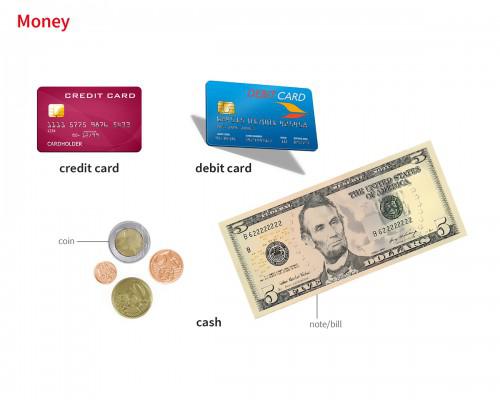
    cash(noun)

    /kæʃ/

    เงินสด

    money in the form of coins or notes

    Payments can be made by cheque or in cash.

    สามารถชำระเงินด้วยเช็คหรือเงินสด

    How much cash do you have on you?

    คำพ้องความหมายmoneycurrencyfundslegal tender
    คำตรงข้ามcreditdebtcredit cardIOU
  62. 62

    dollar(noun)

    /ˈdɑːlər/

    ดอลลาร์

    the unit of money in the US, Canada, Australia and several other countries

    You will be paid in American dollars.

    คุณจะได้รับเงินเป็นดอลลาร์สหรัฐ

    คำพ้องความหมายbuckcurrencycashgreenback
    คำตรงข้ามchangecoin
  63. 63

    receipt(noun)

    /rɪˈsiːt/

    ใบเสร็จรับเงิน, ใบเสร็จ

    a document showing that money has been paid or goods have been received

    Please keep the receipt so we can record the expense.

    กรุณาเก็บใบเสร็จรับเงินไว้ เพื่อที่เราจะได้บันทึกค่าใช้จ่าย

    The cashier gives a receipt for every cash payment.

    คำพ้องความหมายproof of purchasesales slipbillchitacknowledgmentrecord
    คำตรงข้ามpaymentexpenditureinvoice (sometimesdepending on context)
  64. 64

    tip(noun)

    /tɪp/

    ทิป, เงินทิป

    a small amount of extra money that you give to somebody who serves you, for example in a restaurant

    He gave the waiter a generous tip.

    เขาให้ทิปพนักงานเสิร์ฟอย่างงาม

    Someone put a dollar in the tip jar.

    คำพ้องความหมายgratuityrewardperkbonus
    คำตรงข้ามfinepenaltydeduction
  65. 65

    credit(noun)

    /ˈkredɪt/

    เครดิต

    an arrangement that you make, with a shop for example, to pay later for something you buy

    Your credit limit is now £2000.

    วงเงินเครดิตของคุณคือ £2000 แล้ว

    to offer interest-free credit(= allow somebody to pay later, without any extra charge)

    คำพ้องความหมายtrustbeliefrelianceconfidencereputationworthiness
    คำตรงข้ามdistrustdisbeliefdoubtdiscredit
  66. 66

    Currency(noun)

    /ˈkɜːrənsi/

    สกุลเงิน, เงินตรา

    the system of money that a country uses

    Many European countries use the same currency, the euro.

    หลายประเทศในยุโรปใช้สกุลเงินเดียวกันคือยูโร

    คำพ้องความหมายMoneyLegal tenderCashMedium of exchange
    คำตรงข้ามBarterDebtWorthlessness
  67. 67

    bonus(noun)

    /ˈbəʊnəs/

    โบนัส, เงินพิเศษ

    an extra payment given to employees, for example for good performance or at the end of the year

    Every employee received a Tet bonus equal to one month's salary.

    พนักงานทุกคนได้รับโบนัสเทศกาลเต๊ตเท่ากับเงินเดือนหนึ่งเดือน

    The bonus is accrued in December and paid in January.

    คำพ้องความหมายRewardIncentivePerkPremiumGratuityWindfall
    คำตรงข้ามPenaltyFineDeductionLoss
  68. 68

    bill(noun)

    /bɪl/

    ใบเรียกเก็บเงิน

    a document that shows how much you owe somebody for goods or services

    The bill for their meal came to £17.

    ใบเรียกเก็บเงินค่าอาหารของพวกเขาเป็นเงิน 17 ปอนด์

    คำพ้องความหมายinvoicestatementchecktabaccount
    คำตรงข้ามpaymentcreditrefund
  69. 69

    sale(noun)

    /seɪl/

    การขาย

    an act or the process of selling something

    The sale of the house brought the family a lot of money.

    การขายบ้านทำให้ครอบครัวได้เงินจำนวนมาก

    คำพ้องความหมายdiscountbargainreductionclearancepromotion
    คำตรงข้ามpurchaseacquisition
  70. 70

    premium(noun)

    /ˈpriːmiəm/

    เบี้ยประกันภัย

    the amount of money paid to an insurer for an insurance policy

    The premium for this shipment is 0.15 percent of the insured value.

    เบี้ยประกันภัยสำหรับการขนส่งครั้งนี้คือ 0.15 เปอร์เซ็นต์ของมูลค่าที่เอาประกันภัย

    Premiums rise for cargo going through war zones.

    คำพ้องความหมายhigh-qualitysuperiortop-tierexclusivedeluxe
    คำตรงข้ามinferiorcheapbasiclow-qualitystandard
  71. 71

    inflation(noun)

    /ɪnˈfleɪʃn/

    เงินเฟ้อ, อัตราเงินเฟ้อ

    a general rise in the prices of goods and services, which reduces the value of money

    The government aims to keep inflation below 4.5 per cent.

    รัฐบาลตั้งเป้าควบคุมอัตราเงินเฟ้อให้ต่ำกว่าร้อยละ 4.5

    High inflation reduces the real return on savings.

    คำพ้องความหมายprice increasecost-pushdemand-pulldevaluation
    คำตรงข้ามdeflationprice stability
  72. 72

    wealthy(adjective)

    /ˈwelθi/

    ร่ำรวย

    having a lot of money, possessions, etc.

    My dream is to become wealthy.

    ความฝันของฉันคือการร่ำรวย

    คำพ้องความหมายrichaffluentprosperousopulentwell-offmoneyed
    คำตรงข้ามpoorimpoverisheddestituteneedypenniless
  73. 73

    economics(noun)

    /ˌiːkəˈnɑːmɪks/

    เศรษฐศาสตร์

    the study of how a society organizes its money, trade and industry

    She's in her third year of economics at Washington University.

    เธอเรียนเศรษฐศาสตร์ปีสามที่มหาวิทยาลัยวอชิงตัน

    คำพ้องความหมายfinancial sciencepolitical economyfinancebusiness
    คำตรงข้ามnone (strictly antonymous words are rare; related concepts might be things like 'wastefulness' or 'inefficiency')spending
  74. 74

    costly(adjective)

    /ˈkɔːstli/

    แพง

    costing a lot of money, especially more than you want to pay

    Buying new furniture may prove too costly.

    การซื้อเฟอร์นิเจอร์ใหม่อาจมีราคาแพงเกินไป

    คำพ้องความหมายexpensivehigh-priceddearpriceylavish
    คำตรงข้ามcheapinexpensiveaffordableeconomicalreasonable
  75. 75

    consumption(noun)

    /kənˈsʌmpʃn/

    การบริโภค

    the act of using energy, food or materials; the amount used

    Industrialized countries should reduce their energy consumption.

    ประเทศอุตสาหกรรมควรลดการบริโภคพลังงาน

    คำพ้องความหมายuseutilizationexpendituredepletionspendingabsorption
    คำตรงข้ามconservationpreservationsavingproductioncreation
  76. 76

    consumer(noun)

    /kənˈsuːmər/

    ผู้บริโภค

    a person who buys goods or uses services

    It is necessary to raise consumers' awareness.

    จำเป็นต้องสร้างความตระหนักรู้ของผู้บริโภค

    คำพ้องความหมายbuyerpurchasercustomeruser
    คำตรงข้ามproducersuppliervendor
  77. 77

    luxury(noun)

    /ˈlʌkʃəri/

    ความหรูหรา

    the fact of enjoying special and expensive things, particularly food and drink, clothes and places

    We can't afford many luxuries.

    เราไม่สามารถจ่ายความหรูหราได้มากนัก

    คำพ้องความหมายopulenceaffluencegrandeursplendordeluxecomfortindulgence
    คำตรงข้ามnecessitypovertyhardshipdeprivationsimplicityfrugality
  78. 78

    donation(noun)

    /dəʊˈneɪʃn/

    การบริจาค

    something that is given to a person or an organization such as a charity, in order to help them; the act of giving something in this way

    All kinds of donations are appreciated.

    ขอขอบคุณสำหรับการบริจาคทุกประเภท

    คำพ้องความหมายcontributiongiftgrantofferingpresentalmscharity
    คำตรงข้ามlossdeprivationwithholdingtaking
  79. 79

    poverty(noun)

    /ˈpɑːvərti/

    ความยากจน

    the state of being poor

    Two million people in the city live in poverty.

    ประชากรสองล้านคนในเมืองอาศัยอยู่ในความยากจน

    คำพ้องความหมายdestitutionindigencepenuryneedwantprivation
    คำตรงข้ามwealthaffluenceprosperityabundanceriches
  80. 80

    donor(noun)

    /ˈdəʊnər/

    ผู้บริจาค

    a person or an organization that makes a gift of money, clothes, food, etc. to a charity, etc.

    The charity received £100,000 from an unnamed donor.

    องค์กรการกุศลได้รับเงิน 100,000 ปอนด์จากผู้บริจาคที่ไม่เปิดเผยชื่อ

    คำพ้องความหมายcontributorgiverbenefactorpatronphilanthropistsponsor
    คำตรงข้ามrecipientbeneficiary
  81. 81

    auction(noun)

    /ˈɔːkʃn/

    การประมูล

    a public sale in which things are sold to the person who offers the most money for them

    The painting was sold at auction for a million dollars.

    ภาพวาดถูกขายในการประมูลด้วยราคาหนึ่งล้านดอลลาร์

    คำพ้องความหมายsalebiddingpublic saleDutch auction
    คำตรงข้ามpurchaseprivate salefixed price
  82. 82

    capitalism(noun)

    /ˈkæpɪtəlɪzəm/

    ทุนนิยม

    an economic system in which a country’s businesses and industry are controlled and run for profit by private owners rather than by the government

    Capitalism encourages competition and innovation.

    ทุนนิยมส่งเสริมการแข่งขันและนวัตกรรม

    คำพ้องความหมายfree marketfree enterprisemarket economy
    คำตรงข้ามsocialismcommunismcollectivism
  83. 83

    capitalist(noun)

    /ˈkæpɪtəlɪst/

    นายทุน, นักทุนนิยม

    a person who owns or controls a lot of wealth and uses it to produce more wealth

    He became a successful capitalist through hard work and innovation.

    เขากลายเป็นนายทุนที่ประสบความสำเร็จด้วยความขยันและนวัตกรรม

    คำพ้องความหมายinvestorfinancierentrepreneurindustrialist
    คำตรงข้ามsocialistcommunistegalitarian
  84. 84

    casino(noun)

    /kəˈsiːnəʊ/

    กาสิโน (gasi-no)

    a public building or room where people play gambling games for money

    We spent the evening at the casino.

    เราใช้เวลาช่วงเย็นที่กาสิโน

    คำพ้องความหมายgambling housegaming houseclubresort
    คำตรงข้ามnone (in the literal sense)churchschoollibrary
  85. 85

    commodity(noun)

    /kəˈmɑːdəti/

    สินค้า

    a product or a raw material that can be bought and sold

    Oil is a major commodity traded on the global market.

    น้ำมันเป็นสินค้าโภคภัณฑ์หลักที่ซื้อขายในตลาดโลก

    คำพ้องความหมายproductmerchandisegoodsmaterialstock
    คำตรงข้ามserviceintangible
  86. 86

    deficit(noun)

    /ˈdefɪsɪt/

    ขาดดุล

    the amount by which money spent or owed is greater than money earned in a particular period of time

    The country is running a budget deficit.

    ประเทศกำลังประสบปัญหาการขาดดุลงบประมาณ

    คำพ้องความหมายshortfallshortagelossinsufficiency
    คำตรงข้ามsurplusexcessprofit
  87. 87

    donate(verb)

    /ˈdəʊneɪt/

    บริจาค

    to give money, food, clothes, etc. to somebody/something, especially a charity

    I will donate some money to charity.

    ฉันจะบริจาคเงินให้กับองค์กรการกุศล

    คำพ้องความหมายcontributegivebestowgiftpresent
    คำตรงข้ามreceivetakekeepwithhold
  88. 88

    economist(noun)

    /ɪˈkɑːnəmɪst/

    นักเศรษฐศาสตร์

    a person who studies or writes about economics

    The economist predicted a recession.

    นักเศรษฐศาสตร์ทำนายภาวะเศรษฐกิจถดถอย

    คำพ้องความหมายeconomic expertfinancial analyst
    คำตรงข้ามnone
  89. 89

    expenditure(noun)

    /ɪkˈspendɪtʃər/

    ค่าใช้จ่าย

    the act of spending or using money; an amount of money spent

    The company's expenditure on advertising increased this year.

    ค่าใช้จ่ายของบริษัทในการโฆษณาเพิ่มขึ้นในปีนี้

    คำพ้องความหมายexpensespendingcostoutlay
    คำตรงข้ามincomerevenuesavings
  90. 90

    fortune(noun)

    /ˈfɔːrtʃən/

    โชคลาภ, ทรัพย์สมบัติ, เงินก้อนโต

    a large amount of money

    He made a fortune selling houses before he turned forty.

    เขาหาเงินได้มหาศาลจากการขายบ้านก่อนอายุสี่สิบ

    คำพ้องความหมายluckchancedestinywealthfate
    คำตรงข้ามmisfortunebad luckpoverty
  91. 91

    institutional(adjective)

    /ˌɪnstɪˈtuːʃənl/

    เกี่ยวกับสถาบัน, เชิงสถาบัน

    connected with a large important organization, for example a university or bank

    Institutional investors such as banks and pension funds own most of the shares.

    นักลงทุนสถาบัน เช่น ธนาคารและกองทุนบำเหน็จบำนาญ ถือหุ้นส่วนใหญ่

    คำพ้องความหมายestablishedorganizedformalsystematic
    คำตรงข้ามinformalunorganizedunstructured
  92. 92

    money(noun)

    /ˈmʌni/

    เงิน

    what you earn by working or selling things, and use to buy things

    Money can't buy happiness.

    เงินซื้อความสุขไม่ได้

    คำพ้องความหมายcurrencyfundscapitalcash
    คำตรงข้ามdebtpovertylackbarter
  93. 93

    prosperity(noun)

    /prɑːˈsperəti/

    ความเจริญรุ่งเรือง

    the state of being successful, especially in making money

    The country experienced a period of great prosperity after the war.

    ประเทศประสบกับช่วงเวลาแห่งความเจริญรุ่งเรืองอย่างมากหลังสงคราม

    คำพ้องความหมายwealthsuccessaffluencefortune
    คำตรงข้ามpovertyfailurehardshipscarcity
  94. 94

    quota(noun)

    /ˈkwəʊtə/

    โควต้า

    a limited number or amount of people or things that is officially allowed

    The company has a quota of 100 units per month.

    บริษัทมีโควต้า 100 หน่วยต่อเดือน

    คำพ้องความหมายallotmentrationlimitshareceiling
    คำตรงข้ามunlimitedexcesssurplus
  95. 95

    recession(noun)

    /rɪˈseʃn/

    ภาวะเศรษฐกิจถดถอย

    a difficult time for the economy of a country, when there is less trade and industrial activity than usual and more people are unemployed

    The country is facing a severe recession.

    ประเทศกำลังเผชิญกับภาวะเศรษฐกิจถดถอยอย่างรุนแรง

    คำพ้องความหมายdownturnslumpdeclinecontraction
    คำตรงข้ามboomexpansiongrowthrecovery
  96. 96

    revenue(noun)

    /ˈrevənuː/

    รายได้, รายได้จากการขาย, รายรับ

    the income a business earns from selling goods or services before any costs are deducted

    Revenue from online sales doubled this year compared with last year.

    รายได้จากการขายออนไลน์เพิ่มขึ้นเป็นสองเท่าในปีนี้เมื่อเทียบกับปีที่แล้ว

    Most of our revenue comes from three large customers.

    คำพ้องความหมายincomeearningsturnoverreceiptsproceeds
    คำตรงข้ามexpensescostsoutgoings
  97. 97

    surplus(noun)

    /ˈsɜːrplʌs/

    ส่วนเกิน

    an amount that is extra or more than you need

    The company had a surplus of inventory at the end of the year.

    บริษัทมีสินค้าคงเหลือส่วนเกินเมื่อสิ้นปี

    คำพ้องความหมายexcessoverageremainderglut
    คำตรงข้ามdeficitshortagescarcitylack
  98. 98

    taxpayer(noun)

    /ˈtækspeɪər/

    ผู้เสียภาษี

    a person who pays tax to the government, especially on the money that they earn

    The taxpayer expects transparency from the government.

    ผู้เสียภาษีคาดหวังความโปร่งใสจากรัฐบาล

    คำพ้องความหมายcitizenratepayercontributor
    คำตรงข้ามtax evaderdefaulter
  99. 99

    worth(adjective)

    /wɜːrθ/

    มีมูลค่า, คุ้มค่า

    having a value in money, etc.

    This old painting is worth thousands of dollars.

    ภาพวาดเก่าชิ้นนี้มีมูลค่าหลายพันดอลลาร์

    คำพ้องความหมายvaluemeritdeservingbenefit
    คำตรงข้ามworthlessuselessvalueless
  100. 100

    funding(noun)

    /ˈfʌndɪŋ/

    การระดมทุน

    money for a particular purpose; the act of providing money for such a purpose

    The university needs more funding for research.

    มหาวิทยาลัยต้องการเงินทุนเพิ่มสำหรับการวิจัย

    คำพ้องความหมายfinancingcapitalgrantssponsorship
    คำตรงข้ามdefundingwithdrawal
  101. 101

    privatization(noun)

    /ˌpraɪvətəˈzeɪʃn/

    การแปรรูป

    the act of selling a business or an industry so that it is no longer owned by the government

    The government decided on the privatization of the national railway.

    รัฐบาลตัดสินใจแปรรูปรัฐวิสาหกิจการรถไฟแห่งชาติ

    คำพ้องความหมายderegulationdenationalization
    คำตรงข้ามnationalizationpublic ownership
  102. 102

    spending(noun)

    /ˈspendɪŋ/

    การใช้จ่าย

    the amount of money that is spent by a government, an organization or a person

    The government's spending on infrastructure increased this year.

    การใช้จ่ายของรัฐบาลในโครงสร้างพื้นฐานเพิ่มขึ้นในปีนี้

    คำพ้องความหมายexpenditureoutlayexpensesdisbursement
    คำตรงข้ามsavingincomerevenueearnings
  103. 103

    stock(noun)

    /stɑːk/

    หุ้น, หุ้นสามัญ

    shares in a company that people buy as an investment

    She invested most of her savings in stocks and bonds.

    เธอนำเงินออมส่วนใหญ่ไปลงทุนในหุ้นและพันธบัตร

  104. 104

    balance(noun)

    /ˈbæləns/

    ยอดเงินคงเหลือ, ยอดเงินในบัญชี

    the amount of money that somebody has in their bank account

    I checked my bank balance before paying the bill.

    ฉันตรวจยอดเงินคงเหลือในบัญชีธนาคารก่อนจ่ายบิล

  105. 105

    net(adjective)

    /net/

    สุทธิ

    remaining when nothing more is to be taken away, especially after tax and costs have been paid

    Our net profit this year was much higher than we expected.

    กำไรสุทธิของเราในปีนี้สูงกว่าที่เราคาดไว้มาก

  106. 106

    share(noun)

    /ʃer/

    หุ้น, หุ้นสามัญ

    any of the equal parts into which the value of a company is divided, sold to raise money for the company

    She bought five hundred shares in the telephone company last year.

    เธอซื้อหุ้นห้าร้อยหุ้นของบริษัทโทรศัพท์เมื่อปีที่แล้ว

  107. 107

    capital(noun)

    /ˈkæpɪtl/

    ทุน, เงินทุน

    a large amount of money that is invested or used to start a business

    She needed more capital to expand her small business.

    เธอต้องการเงินทุนเพิ่มเพื่อขยายธุรกิจเล็กๆ ของเธอ

  108. 108

    interest(noun)

    /ˈɪntrəst/

    ดอกเบี้ย

    the extra money that you pay when you borrow money or receive when you invest money

    The bank charges five percent interest on this loan.

    ธนาคารคิดดอกเบี้ยร้อยละห้าสำหรับสินเชื่อนี้

  109. 109

    distribution(noun)

    /ˌdɪstrɪˈbjuːʃn/

    การจัดจำหน่าย, การกระจาย, การแจกจ่าย

    the act or system of supplying or delivering goods, services or products to people or places

    The company is responsible for the distribution of its films to cinemas nationwide.

    บริษัทมีหน้าที่รับผิดชอบการจัดจำหน่ายภาพยนตร์ของตนไปยังโรงภาพยนตร์ทั่วประเทศ