コンテンツへスキップ

レッスン17/38 · 96語 · 覚えた単語 0

Science Research

科学と研究

  1. 1

    proof(noun)

    /pruːf/

    証拠, 証明

    information, documents, etc. that show that something is true

    The scientists found no proof that the new drug was effective.

    科学者たちは、その新薬が効果的であるという証拠を見つけられなかった。

    類義語verifyvalidateauthenticatecheckexamineinspecttestconfirm
    対義語disproveinvalidatedenyrefutecontradict
  2. 2

    verify(verb)

    /ˈverɪfaɪ/

    確認する

    to check that something is true or accurate

    We have no way of verifying his story

    彼の話を検証する方法がありません。

    I can't verify the accuracy of these numbers, since I was not present for inventory weekend

    類義語confirmauthenticatevalidatecorroboratesubstantiateprovecheck
    対義語disproveinvalidaterefutedenycontradict
  3. 3

    experiment(noun)

    /ɪkˈsperɪmənt/

    実験 (jikken)

    a scientific test that is done in order to study what happens and to gain new knowledge

    Product developers must conduct hundreds of experiments in their research

    製品開発者は、研究において何百もの実験を行わなければなりません。

    After designing a new product, researchers continue experimenting to determine whether it has other uses

    類義語testtrialinvestigationstudyprocedureobservation
    対義語theoryguessconjecturespeculation
  4. 4

    indicator(noun)

    /ˈɪndɪkeɪtər/

    指標 (shihyou)

    a sign that shows you what something is like or how a situation is changing

    If the economy is an accurate indicator, rental prices will increase rapidly in the next six months

    経済が正確な指標であるならば、賃貸料は今後6ヶ月で急速に上昇するでしょう。

    The results of the elections were seen as an important indicator of the stability in the area

    類義語signsignalindexmarkergaugeguidecluehint
    対義語obscurityconcealmentsuppression
  5. 5

    chain(noun)

    /tʃeɪn/

    鎖, チェーン

    a series of connected metal rings, used for pulling or fastening things; a length of chain used for a particular purpose

    He locked his bike to the fence with a heavy metal chain.

    彼は頑丈な金属のチェーンで自転車をフェンスにつないだ。

    類義語seriessequencesuccessionstringbondlink
    対義語breakseverancedisconnectiondivision
  6. 6

    result(noun)

    /rɪˈzʌlt/

    結果 (kekka)

    a thing that is caused or produced because of something else

    The scientific results prove that the new procedure is not significantly safer than the traditional one

    科学的な結果は、新しい手順が従来の手順よりも著しく安全ではないことを証明している。

    Your lab results won't be ready for hours

    類義語outcomeconsequenceeffectproductconclusion
    対義語causesourceoriginbeginning
  7. 7

    sample(noun)

    /ˈsæmpl/

    標本, サンプル, 見本

    a small amount of something, or a number of people or things, taken from a larger whole and tested or examined to give information about it

    A sample of the population taking the new medicine was surveyed to determine whether it caused side effects

    新薬を服用している人々から無作為に選んだ標本を調査し、副作用が出るかどうかを調べた。

    The pharmacist gave Myra a few free samples of the allergy medication

    類義語specimenexampleinstancemodeltasterexcerptsegmentportion
    対義語wholeentiretytotalcomplete
  8. 8

    steel(noun)

    /stiːl/

    鋼 (kou)

    a strong, hard metal that is made of a mixture of iron and carbon

    the iron and steel industry

    鉄鋼業 (tekkougyou)

    The frame is made of steel.

    類義語high-tensile metalhardened metalalloymetal
    対義語ironplasticwood
  9. 9

    chemical(noun)

    /ˈkemɪkl/

    化学薬品, 化学物質

    a substance obtained by or used in a chemical process

    Farmers are being urged to reduce their use of chemicals.

    農家は化学薬品の使用を減らすよう強く求められている。

    The boat sank beneath the waves.

    類義語compoundelementingredientsubstance
    対義語naturalorganic
  10. 10

    solid(adjective)

    /ˈsɑːlɪd/

    固体

    hard; not in the form of a liquid or gas

    It was so cold that the stream had frozen solid.

    とても寒かったので、小川は完全に凍ってしまいました。

    The boat bumped against a solid object.

    類義語firmharddensecompactsturdysubstantialreliable
    対義語liquidfluidsoftunstableweakhollowinsubstantial
  11. 11

    measurement(noun)

    /ˈmeʒərmənt/

    測定

    the act or the process of finding the size, quantity or degree of something

    Accurate measurement is very important in science.

    正確な測定は科学において非常に重要です。

    the metric system of measurement

    類義語calculationassessmentdeterminationevaluationquantificationgaugemetering
    対義語guessestimateapproximationsuppositionconjecture
  12. 12

    acid(noun)

    /ˈæsɪd/

    酸 (san)

    a chemical, usually a liquid, that contains hydrogen and has a pH of less than seven. The hydrogen can be replaced by a metal to form a salt. Acids usually have a bitter sharp taste and can often burn holes in or damage things they touch.

    Vinegar is an acid.

    酢は酸です。(Su wa san desu.)

    acetic/hydrochloric/lactic acid

    類義語souracidiccorrosivetartbitter
    対義語basealkalisweetmild
  13. 13

    measure(verb)

    /ˈmeʒər/

    測る (hakaru)

    to find the size, quantity, etc. of something in standard units

    Can you measure accurately with this ruler?

    この定規で正確に測れますか? (Kono jougi de seikaku ni hakaremasu ka?)

    measures against racism

    類義語gaugecalculateassessdetermineevaluateestimate
    対義語guessestimateassumeignore
  14. 14

    mineral(noun)

    /ˈmɪnərəl/

    ミネラル

    a substance that is naturally present in the earth and is not formed from animal or vegetable matter, for example gold and salt. Some minerals are also present in food and drink and in the human body and are essential for good health.

    Your diet should have enough minerals.

    あなたの食事は十分なミネラルを含むべきです。

    mineral deposits/extraction

    類義語elementnutrientinorganic substancetrace element
    対義語organic compoundvitamin
  15. 15

    pollution(noun)

    /pəˈluːʃn/

    汚染 (osen)

    the process of making air, water, soil, etc. dirty; the state of being dirty

    Water pollution is becoming more serious now.

    水質汚染がますます深刻になっています。

    air/water pollution

    類義語contaminationdefilementimpurityfoulnesstaintadulteration
    対義語purificationcleansingsterilizationclarificationpristineness
  16. 16

    liquid(noun)

    /ˈlɪkwɪd/

    液体 (ekitai)

    a substance that flows freely and is not a solid or a gas, for example water or oil

    Water is a kind of liquid.

    水は液体のひとつです。(Mizu wa ekitai no hitotsu desu.)

    the transition from liquid to vapour

    類義語fluidsolutionaqualiquormoisture
    対義語solidgas
  17. 17

    climate(noun)

    /ˈklaɪmət/

    気候 (kikou)

    the regular pattern of weather conditions of a particular place

    Viet Nam has a tropical climate.

    ベトナムは熱帯気候です。(Betonamu wa nettai kikou desu.)

    the harsh climate of the Arctic regions

    類義語weather patterntemperatureatmosphereenvironmentseason
    対義語single weather eventisolated incident
  18. 18

    survey(noun)

    /ˈsɜːrveɪ/

    アンケート調査, 調査, 意識調査

    a set of questions asked to many people to find out their opinions or behaviour

    We sent an online survey to 2,000 customers last week.

    先週、2,000人の顧客にオンラインアンケートを送りました。

    The survey found that most users shop on their phones.

    類義語pollstudyquestionnaireinvestigationreviewanalysisassessment
    対義語ignoranceneglectspeculationguesswork
  19. 19

    observe(verb)

    /əbˈzɜːrv/

    観察する, 見守る

    to watch somebody/something carefully, especially to learn more about them

    Our teacher will observe and score our performance.

    先生が私たちの演技を観察して採点します。

    He was observed to follow her closely.

    類義語watchnoticeperceivemonitorscrutinizeinspectview
    対義語ignoreoverlookneglectdisregard
  20. 20

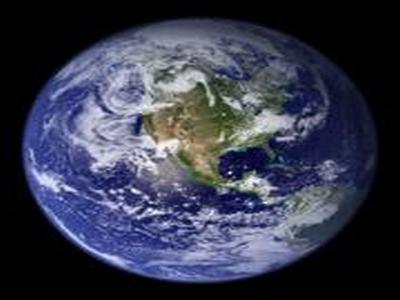
    earth(noun)

    /ɜːrθ/

    地球 (chikyuu)

    the world; the planet that we live on

    The earth revolves around the sun.

    地球は太陽の周りを回る。(Chikyuu wa taiyou no mawari o mawaru.)

    the planet Earth

    類義語worldglobeplanetterrasoilground
    対義語skyheavenspace
  21. 21

    temperature(noun)

    /ˈtemprətʃər/

    温度, 気温

    the measurement in degrees of how hot or cold a thing or place is

    The temperature in Hanoi can reach 40 degrees in summer.

    ハノイの夏は気温が40度に達することもある。

    類義語fever (when referring to body temperature)heatdegreeclimatehotnesscoldness
    対義語coldness (in general context)chill
  22. 22

    reproduce(verb)

    /ˌriːprəˈduːs/

    複製する

    to make a copy of a picture, piece of text, etc.

    This material can be reproduced without payment.

    この資料は無料で複製できます。

    The results are reproduced in Table 2.

    類義語duplicatereplicatecopyregeneraterecreatemultiplypropagate
    対義語destroyeraseeliminateextinguishsuppresssterilizehalt
  23. 23

    powder(noun)

    /ˈpaʊdər/

    粉 (kona)

    a dry mass of very small fine pieces or grains

    A wide range of cleaning fluids and powders is available.

    幅広い洗浄液と粉末が利用可能です。

    類義語dustgritgrainparticlestalcshavings
    対義語solidmassblockliquid
  24. 24

    discovery(noun)

    /dɪˈskʌvəri/

    発見 (hakken)

    an act or the process of finding somebody/something, or learning about something that was not known about before

    In 1974 Hawking made the discovery(= he discovered) that black holes give off radiation.

    1974年に、ホーキングはブラックホールが放射線を放出することを発見した。

    She was shocked by the discovery that he had been unfaithful.

    類義語findingrevelationdetectionunearthingascertainmentdisclosurebreakthroughinvention
    対義語concealmenthidinglossdestruction
  25. 25

    metal(noun)

    /ˈmetl/

    金属 (kinzoku)

    a type of solid mineral substance that is usually hard and shiny and that heat and electricity can travel through, for example tin, iron and gold

    The frame is made of metal.

    フレームは金属でできています。

    a piece of metal

    類義語mineraloreelement
    対義語nonmetalorganicplastic
  26. 26

    observation(noun)

    /ˌɑːbzərˈveɪʃn/

    観察 (kansatsu)

    the act of watching somebody/something carefully for a period of time, especially to learn something

    Most information was collected by direct observation of the animals' behaviour.

    ほとんどの情報は、動物の行動を直接観察することによって収集されました。

    The suspect is being kept under observation(= watched closely by the police).

    類義語scrutinyviewinginspectionexaminationstudysurveillancemonitoringregard
    対義語neglectignorancedisregardinattention
  27. 27

    discover(verb)

    /dɪˈskʌvər/

    発見する, 知る

    to find or learn something that you did not know about before

    The programme helps us discover strange facts about the animal life.

    その番組は、動物の生態に関する不思議な事実を発見する手助けをしてくれます。

    Cook is credited with discovering Hawaii.

    類義語finduncoverdetectreveallearnascertaindetermine
    対義語hideconcealcoverlosemissoverlook
  28. 28

    motion(noun)

    /ˈməʊʃn/

    動き (ugoki)

    the act or process of moving or the way something moves

    The motion of the car almost lulled her to sleep.

    車の動きはほとんど彼女を眠らせた。(Kuruma no ugoki wa hotondo kanojo o nemurase ta.)

    Do not alight while the train is still in motion(= moving).

    類義語movementactiongestureactivitylocomotionshiftchange
    対義語stillnessimmobilityrestinactivitystabilitystasis
  29. 29

    moon(noun)

    /muːn/

    月 (tsuki)

    the round object that moves around the earth once every 27½ days and shines at night by light reflected from the sun

    There is a bright moon tonight.

    今夜は月が明るい。(Kon'ya wa tsuki ga akarui.)

    the surface of the moon

    類義語satelliteLunamoonlight
    対義語sunstar
  30. 30

    constant(adjective)

    /ˈkɑːnstənt/

    絶え間ない, 頻繁な

    happening all the time or repeatedly

    I can't finish my homework with these constant interruptions from my phone.

    携帯電話から絶え間なく邪魔が入って、宿題が終わらない。

    類義語unwaveringsteadycontinualpersistentconsistentregularfixed
    対義語variablechanginginconsistentirregularsporadicoccasionalfluctuating
  31. 31

    variation(noun)

    /ˌveriˈeɪʃn/

    変動

    a change, especially in the amount or level of something

    regional/seasonal variation(= depending on the region or time of year)

    地域的/季節的変動(=地域や時期による)

    Currency exchange rates are always subject to variation.

    類義語differencedeviationmodificationchangealterationvarietyfluctuationdivergence
    対義語similarityuniformityconsistencysamenessstability
  32. 32

    substance(noun)

    /ˈsʌbstəns/

    物質 (busshitsu)

    a type of solid, liquid or gas that has particular qualities

    banned/illegal substances (= drugs)

    禁止/違法物質 (= 麻薬)

    a chemical/radioactive, etc. substance

    類義語materialmatterelementcomponentstuffessence
    対義語nothingnessvoidemptinessabsence
  33. 33

    react(verb)

    /riˈækt/

    反応する

    to change or behave in a particular way as a result of or in response to something

    She slapped him, but he didn't react.

    彼女は彼を叩いたが、彼は反応しなかった。

    The market reacted by falling a further two points.

    類義語respondreplyanswerretortreciprocateactbehave
    対義語ignoredisregardneglectremain passivenot react
  34. 34

    nuclear(adjective)

    /ˈnuːkliər/

    核の (kaku no)

    using, producing or resulting from nuclear energy

    People are against the nuclear test in this area.

    人々はこの地域での核実験に反対しています。

    the nuclear industry

    類義語atomicradiologicalfission
    対義語conventionalnon-nuclear
  35. 35

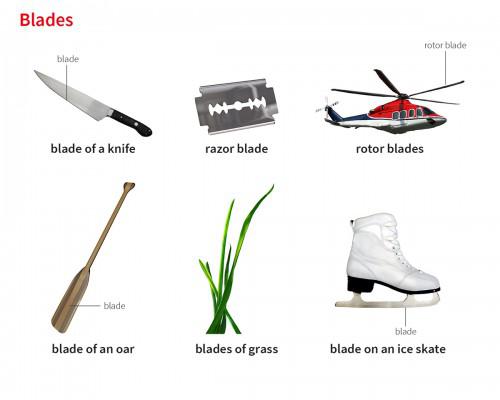
    blade(noun)

    /bleɪd/

    刃 (yaiba)

    the flat part of a knife, tool or machine, which has a sharp edge or edges for cutting

    a packet of razor blades

    カミソリの刃一箱 (kamisori no ha hitohako)

    a sword with a steel blade

    類義語edgecutterknifecutting edge
    対義語bluntdull edge
  36. 36

    nature(noun)

    /ˈneɪtʃər/

    自然 (shizen)

    all the plants, animals and things that exist in the universe that are not made by people

    Can you name different things in nature in English?

    英語で自然の中にある様々なものを挙げられますか? (Eigo de shizen no naka ni aru samazama na mono o ageraremasu ka?)

    the beauties of nature

    類義語wildernessenvironmentcreationoutdoorsnatural world
    対義語artificialitycivilizationcultureman-madesynthetic
  37. 37

    ash(noun)

    /æʃ/

    灰 (hai)

    the grey or black powder that is left after something, especially tobacco , wood or coal, has burnt

    Everything was burned to ashes.

    すべて灰になった (subete hai ni natta)

    類義語cindersootdustresiduepowder
    対義語materialsubstancefuel
  38. 38

    beam(noun)

    /biːm/

    光線 (kousen)

    a line of light, electromagnetic waves or particles

    A beam of light shone through the window.

    光線が窓から差し込んだ。

    類義語rayshaftgleamradiancejoistgirder
    対義語darknessshadowdimness
  39. 39

    aluminium(noun)

    /ˌæljəˈmɪniəm/

    アルミニウム

    a chemical element. Aluminium is a light, silver-grey metal used for making pans, etc.

    The airplane's body is made of aluminium.

    飛行機のボディはアルミニウム製です。

    類義語aluminum
    対義語steeliron
  40. 40

    natural(adjective)

    /ˈnætʃrəl/

    自然

    existing in nature; not made or caused by humans

    This bag is made from natural materials.

    このバッグは天然素材で作られています。

    類義語organicgenuineinherentnativeunprocessedunaffectednormal
    対義語artificialsyntheticman-madeunnaturalaffected
  41. 41

    cognitive(adjective)

    /ˈkɑːɡnətɪv/

    認知的な

    connected with mental processes of understanding

    There are students suffering from cognitive problems in the school we visited two months ago.

    私たちが2か月前に訪れた学校には、認知的な問題を抱える学生がいます。

    類義語intellectualmentalthinkingperceptiverational
    対義語affectiveemotionalintuitiveunthinking
  42. 42

    compound(noun)

    /ˈkɑːmpaʊnd/

    化合物 (kagoubutsu)

    a thing consisting of two or more separate things combined together

    Common salt is a compound of sodium and chlorine.

    一般的な塩はナトリウムと塩素の化合物です。

    類義語mixtureblendcombinationamalgamcompositeelement
    対義語elementseparatesimplepure
  43. 43

    empirical(adjective)

    /ɪmˈpɪrɪkl/

    経験的な, 実証的な, 実験に基づく

    based on experiments or experience rather than ideas or theories

    The theory is not supported by any empirical evidence from experiments.

    その理論は、実験による経験的な証拠では何一つ裏付けられていない。

    類義語experientialobservedpracticalfactualfirsthandreal-world
    対義語theoreticalspeculativehypotheticalabstractconjectural
  44. 44

    gravity(noun)

    /ˈɡrævəti/

    重力, 引力

    the force that attracts objects in space towards each other, and that on the earth pulls them towards the centre of the planet, so that things fall to the ground when they are dropped

    Because of gravity, an apple falls to the ground when it drops from the tree.

    重力のせいで、リンゴは木から落ちると地面に落ちる。

    類義語seriousnessimportancesignificanceweightinessseveritycriticality
    対義語trivialityunimportanceinsignificancelevity
  45. 45

    radiation(noun)

    /ˌreɪdiˈeɪʃn/

    放射線 (hōshasen)

    powerful and very dangerous rays that are sent out from radioactive substances

    ultraviolet radiation

    紫外線 (shigaisen)

    類義語emissionirradiationradianceenergy emissionefflux
    対義語absorptionshieldinginsulation
  46. 46

    satellite(noun)

    /ˈsætəlaɪt/

    衛星 (eisei)

    an electronic device that is sent into space and moves around the earth or another planet. It is used for communicating by radio, television, etc. and for gathering information.

    a weather/communications satellite

    気象/通信衛星 (kishou/tsuushin eisei)

    類義語moonorbiterspacecraft
    対義語planetground station
  47. 47

    universal(adjective)

    /ˌjuːnɪˈvɜːrsl/

    普遍的

    done by or involving all the people in the world or in a particular group

    Illiteracy is a universal issue.

    非識字は普遍的な問題です。

    類義語generalwidespreadcommonglobalworldwidecomprehensive
    対義語specificparticularlimitedlocalregionalindividual
  48. 48

    analogy(noun)

    /əˈnælədʒi/

    類似点

    a comparison of one thing with another thing that has similar features; a feature that is similar

    He drew an analogy between the brain and a vast computer.

    彼は脳と巨大なコンピューターの類似点を挙げた。

    類義語similarityresemblancecomparisoncorrespondenceparallellikenessmetaphor
    対義語differencedistinctiondisparitydissimilaritycontrast
  49. 49

    evolve(verb)

    /ɪˈvɑːlv/

    進化する (shinka suru)

    to develop gradually, especially from a simple to a more complicated form; to develop something in this way

    The idea evolved from a drawing I discovered in the attic.

    そのアイデアは、屋根裏部屋で見つけた絵から進化しました。

    類義語developgrowprogressadvancetransformchangemature
    対義語devolveregressstagnaterevertdegenerate
  50. 50

    rotate(verb)

    /ˈrəʊteɪt/

    回転する, 自転する

    to move or turn around a central fixed point; to make something do this

    The earth rotates on its axis once every 24 hours.

    地球は24時間に1回、地軸を中心に自転します。

    類義語turnrevolvespinalternatecycleswitch
    対義語staystopremainfixhold
  51. 51

    equation(noun)

    /ɪˈkweɪʒn/

    方程式, 等式

    a statement showing that two amounts or values are equal, for example 2x + y = 54

    Mathematical equations are difficult to remember.

    数学の方程式は覚えにくい。

    類義語formulaexpressioncalculationequalitystatement
    対義語inequalitydifference
  52. 52

    vacuum(noun)

    /ˈvækjuːm/

    真空

    a space that is completely empty of all substances, including all air or other gas

    Scientists created a vacuum inside the glass tube by pumping out all the air.

    科学者たちは空気をすべて抜き取り、ガラス管の中に真空を作った。

    類義語cleanerhooverdust bustersweeper
    対義語fullnessplenitudeabundance
  53. 53

    volume(noun)

    /ˈvɑːljəm/

    体積, 容積, 容量

    the amount of space that an object or a substance fills; the amount of space that a container has

    Scientists measured the volume of water in the tank after the flood.

    科学者たちは洪水の後、タンク内の水の体積を測定した。

    類義語loudnesssound levelamplitudequantityamountbulk
    対義語quietnesssoftnesssilencesmallnesslack
  54. 54

    planet(noun)

    /ˈplænɪt/

    惑星 (wakusei)

    a large round object in space that moves around a star (such as the sun) and receives light from it

    I can't imagine life on other planets.

    私は他の惑星での生命を想像できません。

    類義語globeworldorbcelestial body
    対義語satellitemoonasteroidcomet
  55. 55

    species(noun)

    /ˈspiːʃiːz/

    種 (shu)

    a group into which animals, plants, etc. that are able to have sex with each other and produce healthy young are divided, smaller than a genus and identified by a Latin name

    Over a hundred species of insect are found in this area.

    この地域では百種類以上の昆虫が見られます。

    類義語kindsorttypevarietybreedgenusclassification
    対義語individualsingular
  56. 56

    fossil(noun)

    /ˈfɑːsl/

    化石 (kaseki)

    the parts of a dead animal or a plant that have become hard and turned into rock

    Fossils of early reptiles were found in this area.

    この地域で初期の爬虫類の化石が発見されました。

    類義語relicremnantpetrificationarchetype
    対義語modern creationrecent artifact
  57. 57

    ecological(adjective)

    /ˌiːkəˈlɑːdʒɪkl/

    生態学的

    connected with the relation of plants and living creatures to each other and to their environment

    The destruction of the rain forests is an ecological disaster.

    熱帯雨林の破壊は生態学的な災害です。

    類義語environmentalnaturalbiotic
    対義語non-ecologicalartificialunnatural
  58. 58

    reaction(noun)

    /riˈækʃn/

    反応 (hannou)

    what you do, say or think as a result of something that has happened

    Does the counselor agree with Ha's reactions?

    カウンセラーはハさんの反応に同意しますか? (Kaunseraa wa Ha-san no hannou ni doui shimasu ka?)

    類義語responsereplyanswercounteractionfeelingsentiment
    対義語apathyindifferencepassivitynonreaction
  59. 59

    biological(adjective)

    /ˌbaɪəˈlɑːdʒɪkl/

    生物学的 (seibutsugakuteki)

    connected with the science of biology

    Eating is a biological necessity!

    食べることは生物学的な必要性です!(Taberu koto wa seibutsugakuteki na hitsuyōsei desu!)

    類義語physiologicalorganicnaturalliving
    対義語artificialsyntheticman-madeinorganic
  60. 60

    analyst(noun)

    /ˈænəlɪst/

    アナリスト

    a person whose job involves examining facts or materials in order to give an opinion on them

    The financial analyst predicted a rise in the stock market.

    金融アナリストは株式市場の上昇を予測しました。

    類義語interpreterevaluatorcommentatorcriticresearcher
    対義語amateurlaymangeneralist
  61. 61

    carbon(noun)

    /ˈkɑːrbən/

    炭素

    a chemical element. Carbon is found in all living things, existing in a pure state as diamond and graphite .

    Carbon is a fundamental element for life on Earth.

    炭素は地球上の生命にとって基本的な元素です。

    類義語Ccharcoalsoot
    対義語None (it's an element)
  62. 62

    copper(noun)

    /ˈkɑːpər/

    銅 (dou)

    a chemical element. Copper is a soft red-brown metal used for making electric wires, pipes and coins.

    The old pipes were made of copper.

    古いパイプは銅製だった。

    類義語Cured metalbronze component (when alloyed)
    対義語ironsteelsilvergold
  63. 63

    density(noun)

    /ˈdensəti/

    密度

    the quality of being dense ; the degree to which something is dense

    The city's population density is very high.

    その都市の人口密度は非常に高いです。

    類義語concentrationthicknesscompactness
    対義語thinnessemptinessrarity
  64. 64

    evolution(noun)

    /ˌevəˈluːʃn/

    進化

    the slow steady development of plants, animals, etc. during the history of the earth, as they adapt to changes in their environment

    The evolution of species is a complex process.

    種の進化は複雑なプロセスです。

    類義語developmentprogressgrowthadvancement
    対義語devolutionregressionstagnation
  65. 65

    evolutionary(adjective)

    /ˌevəˈluːʃəneri/

    進化の

    connected with evolution ; connected with slow steady development and change

    The evolutionary process takes many years.

    進化の過程には何年もかかります。

    類義語developmentalprogressivetransformative
    対義語staticunchangingfixed
  66. 66

    experimental(adjective)

    /ɪkˌsperɪˈmentl/

    実験の, 実験的な, 実験に基づく

    connected with or based on scientific experiments

    The scientist conducted an experimental study.

    その科学者は実験的研究を行った。

    類義語trialtentativeexploratory
    対義語provenestablisheddefinite
  67. 67

    fibre(noun)

    /ˈfaɪbər/

    食物繊維, 繊維質

    the part of food that helps to keep a person healthy by keeping the bowels working and moving other food quickly through the body

    Eat foods rich in fibre, like fruits and vegetables.

    果物や野菜など、食物繊維が豊富な食品を食べましょう。

    類義語roughagestrandfilament
    対義語refined foodsprocessed foods
  68. 68

    fluid(noun)

    /ˈfluːɪd/

    流体, 液体

    a liquid; a substance that can flow

    Water is a fluid.

    水は流体である。

    類義語liquidflowingsmoothadjustable
    対義語solidrigidfixedstable
  69. 69

    formation(noun)

    /fɔːrˈmeɪʃn/

    形成

    the action of forming something; the process of being formed

    The formation of the new government took several weeks.

    新政府の形成には数週間かかりました。

    類義語creationdevelopmentarrangementstructure
    対義語destructiondisintegrationdissolution
  70. 70

    fragment(noun)

    /ˈfræɡmənt/

    断片 (danpen)

    a small part of something that has broken off or comes from something larger

    The archaeologist carefully collected each fragment of the ancient vase.

    考古学者は古代の花瓶のそれぞれの断片を注意深く集めました。

    類義語pieceshardsegmentportionremnant
    対義語wholeentiretycompleteness
  71. 71

    gene(noun)

    /dʒiːn/

    遺伝子

    a unit inside a cell that controls a particular quality in a living thing that has been passed on from its parents

    The gene responsible for eye color is located on chromosome 15.

    目の色を決定する遺伝子は、15番染色体上にあります。

    類義語factorhereditary unit
    対義語none
  72. 72

    genetic(adjective)

    /dʒəˈnetɪk/

    遺伝的

    connected with genes (= the units in the cells of a living thing that control its physical characteristics) or genetics (= the study of genes )

    Eye color is genetic.

    目の色は遺伝的です。

    類義語inheritedhereditarycongenital
    対義語acquiredenvironmental
  73. 73

    hydrogen(noun)

    /ˈhaɪdrədʒən/

    水素

    a chemical element. Hydrogen is a gas that is the lightest of all the elements. It combines with oxygen to form water.

    Hydrogen is the lightest element.

    水素は最も軽い元素です。

    類義語Hprotium
    対義語N/A (element)
  74. 74

    inflict(verb)

    /ɪnˈflɪkt/

    与える

    to make somebody/something suffer something unpleasant

    The bully tried to inflict pain on the smaller child.

    いじめっ子は、より小さな子供に苦痛を与えようとしました。

    類義語imposecauseadministerdeal
    対義語relievesootheeasemitigate
  75. 75

    mathematical(adjective)

    /ˌmæθəˈmætɪkl/

    数学的

    connected with or involving mathematics

    Calculus is a mathematical discipline.

    微積分は数学的な分野です。

    類義語numericalgeometricalgebraicquantitative
    対義語unmathematicalnonmathematicalqualitative
  76. 76

    observer(noun)

    /əbˈzɜːrvər/

    観察者, 観測者

    a person who watches somebody/something

    A careful observer can notice small changes during the experiment.

    注意深い観察者なら、実験中の小さな変化に気づくことができる。

    類義語watcherspectatorwitnessviewer
    対義語participantactorperformer
  77. 77

    oxygen(noun)

    /ˈɑːksɪdʒən/

    酸素

    a chemical element. Oxygen is a gas that is present in air and water and is necessary for people, animals and plants to live.

    We need oxygen to breathe.

    呼吸するには酸素が必要です。

    類義語O2vital airoxidant
    対義語carbon dioxidenitrogen
  78. 78

    parameter(noun)

    /pəˈræmɪtər/

    パラメーター

    something that decides or limits the way in which something can be done

    The main parameter for this experiment is temperature.

    この実験の主なパラメーターは温度です。

    類義語variablefactorelementcriterionspecification
    対義語constantinvariant
  79. 79

    probability(noun)

    /ˌprɑːbəˈbɪləti/

    確率 (kakuritsu)

    how likely something is to happen

    The probability of rain tomorrow is high.

    明日の降水確率は高いです。(Asu no kousui kakuritsu wa takai desu.)

    類義語chancelikelihoododdspossibility
    対義語impossibilitycertaintyunlikelihood
  80. 80

    protein(noun)

    /ˈprəʊtiːn/

    タンパク質

    a substance, found within all living things, that forms the structure of muscles, organs, etc. There are many different proteins and they are an essential part of what humans and animals eat to help them grow and stay healthy.

    Protein is essential for building and repairing tissues.

    タンパク質は組織の構築と修復に不可欠です。

    類義語albuminpeptideglobulin
    対義語carbohydratefat
  81. 81

    pulse(noun)

    /pʌls/

    脈拍, 脈

    the regular beat of blood through the arteries, felt at the wrist or neck, showing the heart rate

    The nurse took his pulse at the wrist.

    看護師は彼の手首で脈拍を測った。

    Her pulse was weak and rapid when she arrived.

    類義語beatrhythmthrobvibration
    対義語stillnessinactivity
  82. 82

    reproduction(noun)

    /ˌriːprəˈdʌkʃn/

    生殖

    the act or process of producing babies, young animals or plants

    The reproduction of cells is a fundamental biological process.

    細胞の生殖は基本的な生物学的プロセスです。

    類義語procreationbreedingduplicationreplicationpropagation
    対義語sterilityinfertilitydestruction
  83. 83

    rotation(noun)

    /rəʊˈteɪʃn/

    回旋, 回旋運動, 回転

    a turning movement around a central point or axis, such as a bone turning at a joint

    Internal rotation of the hip was painful and restricted.

    股関節の内旋は痛みを伴い、可動域が制限されていた。

    Rotation of the head is controlled by several neck muscles.

    類義語revolutionspinturntwirl
    対義語stillnessfixation
  84. 84

    specimen(noun)

    /ˈspesɪmən/

    標本

    a small amount of something that shows what the rest of it is like

    The scientist collected a specimen of the rock.

    科学者は岩の標本を採取した。

    類義語sampleexampleinstanceillustration
    対義語wholeentirety
  85. 85

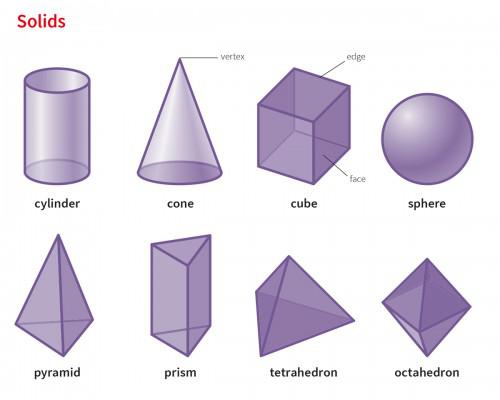
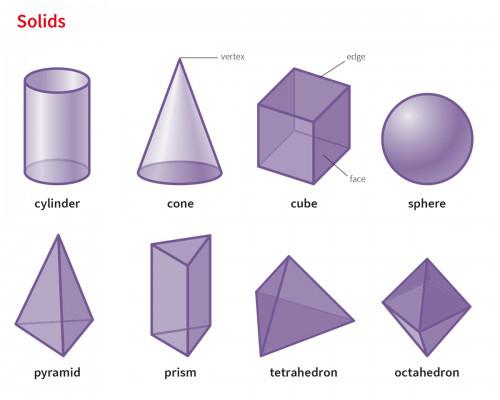
    sphere(noun)

    /sfɪr/

    球

    a solid figure that is completely round, with every point on its surface at an equal distance from the centre

    The Earth is a sphere.

    地球は球体です。

    類義語ballglobeorbround
    対義語cubesquareflat
  86. 86

    statistic(noun)

    /stəˈtɪstɪk/

    統計

    a collection of information shown in numbers

    The statistic shows a rise in unemployment.

    統計は失業率の上昇を示しています。

    類義語datafigurenumerical data
    対義語guessestimation
  87. 87

    statistical(adjective)

    /stəˈtɪstɪkl/

    統計的

    connected with or based on statistics

    The statistical analysis showed a significant trend.

    統計分析は有意な傾向を示した。

    類義語numericalquantitativeprobabilistic
    対義語qualitativesubjective
  88. 88

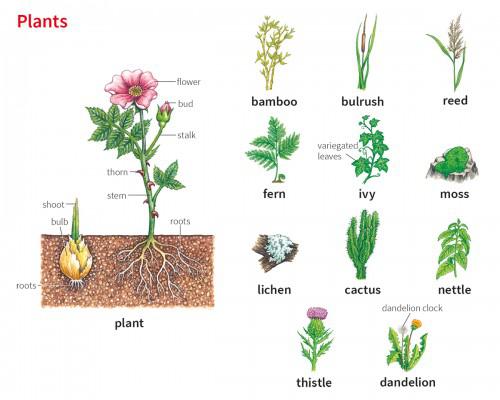
    stem(noun)

    /stem/

    茎

    the main long, thin part of a plant above the ground from which the leaves or flowers grow; a smaller part that grows from this and supports flowers or leaves

    The stem of the flower was long and green.

    花のがくは長くて緑色でした。

    類義語stalktrunkaxisroot
    対義語flowerbloomendresult
  89. 89

    synthesis(noun)

    /ˈsɪnθəsɪs/

    統合

    the act of combining separate ideas, beliefs, styles, etc.; a mixture or combination of ideas, beliefs, styles, etc.

    The synthesis of these ideas created a new theory.

    これらのアイデアの統合は、新しい理論を生み出しました。

    類義語combinationintegrationblendfusion
    対義語analysisseparationdissection
  90. 90

    theoretical(adjective)

    /ˌθiːəˈretɪkl/

    理論的

    connected with the ideas and principles on which a particular subject is based, rather than with practice and experiment

    The discussion was very theoretical and lacked practical application.

    議論は非常に理論的で、実践的な応用が欠けていました。

    類義語hypotheticalspeculativeabstractconceptual
    対義語practicalappliedconcreteempirical
  91. 91

    universe(noun)

    /ˈjuːnɪvɜːrs/

    宇宙 (uchuu)

    the whole of space and everything in it, including the earth, the planets and the stars

    The universe is vast and mysterious.

    宇宙は広大で神秘的です。(Uchuu wa koudai de shinpiteki desu.)

    類義語cosmosworldmacrocosm
    対義語microcosmearthplanet
  92. 92

    variable(noun)

    /ˈveriəbl/

    変数

    a situation, number or quantity that can vary or be varied

    The temperature is a variable that affects plant growth.

    気温は植物の成長に影響を与える変数です。

    類義語changeablefluctuatinginconsistentmodifiable
    対義語constantfixedstablestatic
  93. 93

    matter(noun)

    /ˈmætər/

    物質

    physical substance in general that everything in the world consists of

    Scientists study how matter behaves at extremely high temperatures.

    科学者たちは、極めて高い温度で物質がどのように振る舞うかを研究している。

  94. 94

    physical(adjective)

    /ˈfɪzɪkl/

    物理の, 物理的な, 自然法則の

    connected with the laws of nature or with physics

    Gravity is one of the most important physical forces in the universe.

    重力は宇宙で最も重要な物理的な力の一つです。

  95. 95

    force(noun)

    /fɔːrs/

    力

    an effect that causes things to move in a particular way

    Gravity is the force that pulls objects towards the ground.

    重力は物体を地面に引き寄せる力です。

  96. 96

    energy(noun)

    /ˈenərdʒi/

    エネルギー, 動力源

    a source of power, such as fuel, used for driving machines, providing heat, etc.

    Solar energy is a clean and renewable source of power for many homes.

    太陽エネルギーは多くの家庭にとってクリーンで再生可能な電力源だ。