본문으로 건너뛰기

레슨 17/38 · 96단어 · 외운 단어 0

Science Research

과학과 연구

  1. 1

    proof(noun)

    /pruːf/

    증거, 증명

    information, documents, etc. that show that something is true

    The scientists found no proof that the new drug was effective.

    과학자들은 그 신약이 효과가 있다는 증거를 찾지 못했다.

    유의어verifyvalidateauthenticatecheckexamineinspecttestconfirm
    반의어disproveinvalidatedenyrefutecontradict
  2. 2

    verify(verb)

    /ˈverɪfaɪ/

    확인하다

    to check that something is true or accurate

    We have no way of verifying his story

    우리는 그의 이야기를 확인할 방법이 없습니다.

    I can't verify the accuracy of these numbers, since I was not present for inventory weekend

    유의어confirmauthenticatevalidatecorroboratesubstantiateprovecheck
    반의어disproveinvalidaterefutedenycontradict
  3. 3

    experiment(noun)

    /ɪkˈsperɪmənt/

    실험 (silheom)

    a scientific test that is done in order to study what happens and to gain new knowledge

    Product developers must conduct hundreds of experiments in their research

    제품 개발자는 연구에서 수백 건의 실험을 수행해야 합니다.

    After designing a new product, researchers continue experimenting to determine whether it has other uses

    유의어testtrialinvestigationstudyprocedureobservation
    반의어theoryguessconjecturespeculation
  4. 4

    indicator(noun)

    /ˈɪndɪkeɪtər/

    지표 (jipyo)

    a sign that shows you what something is like or how a situation is changing

    If the economy is an accurate indicator, rental prices will increase rapidly in the next six months

    경제가 정확한 지표라면, 앞으로 6개월 안에 임대료가 급격히 상승할 것입니다.

    The results of the elections were seen as an important indicator of the stability in the area

    유의어signsignalindexmarkergaugeguidecluehint
    반의어obscurityconcealmentsuppression
  5. 5

    chain(noun)

    /tʃeɪn/

    쇠사슬, 체인, 목걸이

    a series of connected metal rings, used for pulling or fastening things; a length of chain used for a particular purpose

    He locked his bike to the fence with a heavy metal chain.

    그는 굵은 금속 체인으로 자전거를 울타리에 잠갔다.

    유의어seriessequencesuccessionstringbondlink
    반의어breakseverancedisconnectiondivision
  6. 6

    result(noun)

    /rɪˈzʌlt/

    결과 (gyeolgwa)

    a thing that is caused or produced because of something else

    The scientific results prove that the new procedure is not significantly safer than the traditional one

    과학적 결과는 새로운 절차가 전통적인 절차보다 유의미하게 더 안전하지 않다는 것을 증명합니다.

    Your lab results won't be ready for hours

    유의어outcomeconsequenceeffectproductconclusion
    반의어causesourceoriginbeginning
  7. 7

    sample(noun)

    /ˈsæmpl/

    표본, 샘플

    a small amount of something, or a number of people or things, taken from a larger whole and tested or examined to give information about it

    A sample of the population taking the new medicine was surveyed to determine whether it caused side effects

    신약을 복용하는 인구 중 표본을 대상으로 부작용 유발 여부를 알아보는 조사가 이루어졌다.

    The pharmacist gave Myra a few free samples of the allergy medication

    유의어specimenexampleinstancemodeltasterexcerptsegmentportion
    반의어wholeentiretytotalcomplete
  8. 8

    steel(noun)

    /stiːl/

    강철 (gangcheol)

    a strong, hard metal that is made of a mixture of iron and carbon

    the iron and steel industry

    철강 산업 (cheolgang saneop)

    The frame is made of steel.

    유의어high-tensile metalhardened metalalloymetal
    반의어ironplasticwood
  9. 9

    chemical(noun)

    /ˈkemɪkl/

    화학 물질, 화학 제품

    a substance obtained by or used in a chemical process

    Farmers are being urged to reduce their use of chemicals.

    농부들은 화학 물질 사용을 줄이도록 권고받고 있다.

    The boat sank beneath the waves.

    유의어compoundelementingredientsubstance
    반의어naturalorganic
  10. 10

    solid(adjective)

    /ˈsɑːlɪd/

    단단한

    hard; not in the form of a liquid or gas

    It was so cold that the stream had frozen solid.

    너무 추워서 시냇물이 완전히 얼어붙었다.

    The boat bumped against a solid object.

    유의어firmharddensecompactsturdysubstantialreliable
    반의어liquidfluidsoftunstableweakhollowinsubstantial
  11. 11

    measurement(noun)

    /ˈmeʒərmənt/

    측정

    the act or the process of finding the size, quantity or degree of something

    Accurate measurement is very important in science.

    정확한 측정은 과학에서 매우 중요합니다.

    the metric system of measurement

    유의어calculationassessmentdeterminationevaluationquantificationgaugemetering
    반의어guessestimateapproximationsuppositionconjecture
  12. 12

    acid(noun)

    /ˈæsɪd/

    산 (san)

    a chemical, usually a liquid, that contains hydrogen and has a pH of less than seven. The hydrogen can be replaced by a metal to form a salt. Acids usually have a bitter sharp taste and can often burn holes in or damage things they touch.

    Vinegar is an acid.

    식초는 산이다. (sikchoneun sanida)

    acetic/hydrochloric/lactic acid

    유의어souracidiccorrosivetartbitter
    반의어basealkalisweetmild
  13. 13

    measure(verb)

    /ˈmeʒər/

    측정하다 (cheukjeonghada)

    to find the size, quantity, etc. of something in standard units

    Can you measure accurately with this ruler?

    이 자로 정확하게 측정할 수 있나요? (I jaro jeonghwakhage cheukjeonghal su innayo?)

    measures against racism

    유의어gaugecalculateassessdetermineevaluateestimate
    반의어guessestimateassumeignore
  14. 14

    mineral(noun)

    /ˈmɪnərəl/

    미네랄

    a substance that is naturally present in the earth and is not formed from animal or vegetable matter, for example gold and salt. Some minerals are also present in food and drink and in the human body and are essential for good health.

    Your diet should have enough minerals.

    당신의 식단은 충분한 미네랄을 포함해야 합니다.

    mineral deposits/extraction

    유의어elementnutrientinorganic substancetrace element
    반의어organic compoundvitamin
  15. 15

    pollution(noun)

    /pəˈluːʃn/

    오염 (oyeom)

    the process of making air, water, soil, etc. dirty; the state of being dirty

    Water pollution is becoming more serious now.

    수질 오염이 점점 더 심각해지고 있습니다.

    air/water pollution

    유의어contaminationdefilementimpurityfoulnesstaintadulteration
    반의어purificationcleansingsterilizationclarificationpristineness
  16. 16

    liquid(noun)

    /ˈlɪkwɪd/

    액체 (aekche)

    a substance that flows freely and is not a solid or a gas, for example water or oil

    Water is a kind of liquid.

    물은 액체의 한 종류입니다. (Mureun aekcheui han jongnyuimnida.)

    the transition from liquid to vapour

    유의어fluidsolutionaqualiquormoisture
    반의어solidgas
  17. 17

    climate(noun)

    /ˈklaɪmət/

    기후 (gihu)

    the regular pattern of weather conditions of a particular place

    Viet Nam has a tropical climate.

    베트남은 열대 기후입니다. (Beteunameun yeoldae gihuiimnida.)

    the harsh climate of the Arctic regions

    유의어weather patterntemperatureatmosphereenvironmentseason
    반의어single weather eventisolated incident
  18. 18

    survey(noun)

    /ˈsɜːrveɪ/

    설문조사, 서베이

    a set of questions asked to many people to find out their opinions or behaviour

    We sent an online survey to 2,000 customers last week.

    지난주에 고객 2,000명에게 온라인 설문조사를 발송했습니다.

    The survey found that most users shop on their phones.

    유의어pollstudyquestionnaireinvestigationreviewanalysisassessment
    반의어ignoranceneglectspeculationguesswork
  19. 19

    observe(verb)

    /əbˈzɜːrv/

    관찰하다, 지켜보다

    to watch somebody/something carefully, especially to learn more about them

    Our teacher will observe and score our performance.

    선생님께서 우리의 공연을 지켜보시고 점수를 매기실 것이다.

    He was observed to follow her closely.

    유의어watchnoticeperceivemonitorscrutinizeinspectview
    반의어ignoreoverlookneglectdisregard
  20. 20

    earth(noun)

    /ɜːrθ/

    지구 (jigu)

    the world; the planet that we live on

    The earth revolves around the sun.

    지구는 태양 주위를 돕니다. (Jiguneun taeyang juwireul domnida.)

    the planet Earth

    유의어worldglobeplanetterrasoilground
    반의어skyheavenspace
  21. 21

    temperature(noun)

    /ˈtemprətʃər/

    기온, 온도

    the measurement in degrees of how hot or cold a thing or place is

    The temperature in Hanoi can reach 40 degrees in summer.

    하노이의 기온은 여름에 40도까지 오를 수 있다.

    유의어fever (when referring to body temperature)heatdegreeclimatehotnesscoldness
    반의어coldness (in general context)chill
  22. 22

    reproduce(verb)

    /ˌriːprəˈduːs/

    복제하다

    to make a copy of a picture, piece of text, etc.

    This material can be reproduced without payment.

    이 자료는 지불 없이 복제할 수 있습니다.

    The results are reproduced in Table 2.

    유의어duplicatereplicatecopyregeneraterecreatemultiplypropagate
    반의어destroyeraseeliminateextinguishsuppresssterilizehalt
  23. 23

    powder(noun)

    /ˈpaʊdər/

    가루 (garu)

    a dry mass of very small fine pieces or grains

    A wide range of cleaning fluids and powders is available.

    다양한 종류의 세정액과 가루를 이용할 수 있습니다.

    유의어dustgritgrainparticlestalcshavings
    반의어solidmassblockliquid
  24. 24

    discovery(noun)

    /dɪˈskʌvəri/

    발견 (balgyeon)

    an act or the process of finding somebody/something, or learning about something that was not known about before

    In 1974 Hawking made the discovery(= he discovered) that black holes give off radiation.

    1974년에 호킹은 블랙홀이 복사선을 방출한다는 것을 발견했다.

    She was shocked by the discovery that he had been unfaithful.

    유의어findingrevelationdetectionunearthingascertainmentdisclosurebreakthroughinvention
    반의어concealmenthidinglossdestruction
  25. 25

    metal(noun)

    /ˈmetl/

    금속 (geumsok)

    a type of solid mineral substance that is usually hard and shiny and that heat and electricity can travel through, for example tin, iron and gold

    The frame is made of metal.

    프레임은 금속으로 만들어졌습니다.

    a piece of metal

    유의어mineraloreelement
    반의어nonmetalorganicplastic
  26. 26

    observation(noun)

    /ˌɑːbzərˈveɪʃn/

    관찰 (gwan-chal)

    the act of watching somebody/something carefully for a period of time, especially to learn something

    Most information was collected by direct observation of the animals' behaviour.

    대부분의 정보는 동물의 행동을 직접 관찰하여 수집되었습니다.

    The suspect is being kept under observation(= watched closely by the police).

    유의어scrutinyviewinginspectionexaminationstudysurveillancemonitoringregard
    반의어neglectignorancedisregardinattention
  27. 27

    discover(verb)

    /dɪˈskʌvər/

    발견하다, 알아내다

    to find or learn something that you did not know about before

    The programme helps us discover strange facts about the animal life.

    그 프로그램은 우리가 동물의 삶에 관한 신기한 사실을 알아내도록 도와준다.

    Cook is credited with discovering Hawaii.

    유의어finduncoverdetectreveallearnascertaindetermine
    반의어hideconcealcoverlosemissoverlook
  28. 28

    motion(noun)

    /ˈməʊʃn/

    움직임 (umjigim)

    the act or process of moving or the way something moves

    The motion of the car almost lulled her to sleep.

    차의 움직임은 그녀를 거의 잠들게 했다. (Cha-ui umjigim-eun geunyeoreul geoui jamdeulge haetda.)

    Do not alight while the train is still in motion(= moving).

    유의어movementactiongestureactivitylocomotionshiftchange
    반의어stillnessimmobilityrestinactivitystabilitystasis
  29. 29

    moon(noun)

    /muːn/

    달 (dal)

    the round object that moves around the earth once every 27½ days and shines at night by light reflected from the sun

    There is a bright moon tonight.

    오늘 밤 달이 밝다. (Oneul bam dari bakda.)

    the surface of the moon

    유의어satelliteLunamoonlight
    반의어sunstar
  30. 30

    constant(adjective)

    /ˈkɑːnstənt/

    끊임없는, 지속적인

    happening all the time or repeatedly

    I can't finish my homework with these constant interruptions from my phone.

    휴대폰 때문에 끊임없이 방해를 받아서 숙제를 끝낼 수가 없어요.

    유의어unwaveringsteadycontinualpersistentconsistentregularfixed
    반의어variablechanginginconsistentirregularsporadicoccasionalfluctuating
  31. 31

    variation(noun)

    /ˌveriˈeɪʃn/

    변동

    a change, especially in the amount or level of something

    regional/seasonal variation(= depending on the region or time of year)

    지역적/계절적 변동(= 지역 또는 시기에 따라)

    Currency exchange rates are always subject to variation.

    유의어differencedeviationmodificationchangealterationvarietyfluctuationdivergence
    반의어similarityuniformityconsistencysamenessstability
  32. 32

    substance(noun)

    /ˈsʌbstəns/

    물질 (muljil)

    a type of solid, liquid or gas that has particular qualities

    banned/illegal substances (= drugs)

    금지/불법 물질 (= 마약)

    a chemical/radioactive, etc. substance

    유의어materialmatterelementcomponentstuffessence
    반의어nothingnessvoidemptinessabsence
  33. 33

    react(verb)

    /riˈækt/

    반응하다

    to change or behave in a particular way as a result of or in response to something

    She slapped him, but he didn't react.

    그녀는 그를 때렸지만 그는 반응하지 않았다.

    The market reacted by falling a further two points.

    유의어respondreplyanswerretortreciprocateactbehave
    반의어ignoredisregardneglectremain passivenot react
  34. 34

    nuclear(adjective)

    /ˈnuːkliər/

    핵의 (haege)

    using, producing or resulting from nuclear energy

    People are against the nuclear test in this area.

    사람들은 이 지역에서 핵 실험을 반대합니다.

    the nuclear industry

    유의어atomicradiologicalfission
    반의어conventionalnon-nuclear
  35. 35

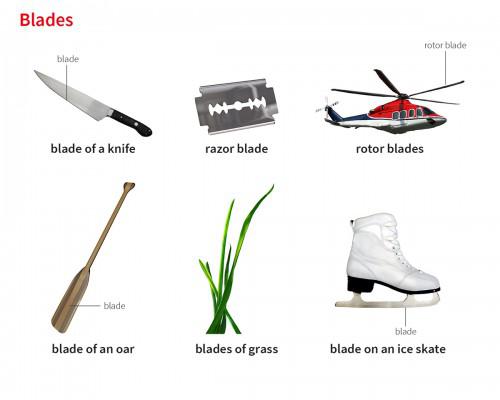
    blade(noun)

    /bleɪd/

    날 (nal)

    the flat part of a knife, tool or machine, which has a sharp edge or edges for cutting

    a packet of razor blades

    면도날 한 묶음 (myeondo nal han mukkeum)

    a sword with a steel blade

    유의어edgecutterknifecutting edge
    반의어bluntdull edge
  36. 36

    nature(noun)

    /ˈneɪtʃər/

    자연 (jayeon)

    all the plants, animals and things that exist in the universe that are not made by people

    Can you name different things in nature in English?

    영어로 자연에 있는 여러 가지를 말할 수 있나요?

    the beauties of nature

    유의어wildernessenvironmentcreationoutdoorsnatural world
    반의어artificialitycivilizationcultureman-madesynthetic
  37. 37

    ash(noun)

    /æʃ/

    재 (jae)

    the grey or black powder that is left after something, especially tobacco , wood or coal, has burnt

    Everything was burned to ashes.

    모든 것이 재로 변했다. (modeun geosi jaero byeonhaetta)

    유의어cindersootdustresiduepowder
    반의어materialsubstancefuel
  38. 38

    beam(noun)

    /biːm/

    광선 (gwangseon)

    a line of light, electromagnetic waves or particles

    A beam of light shone through the window.

    한 줄기 빛이 창문을 통해 비쳤다.

    유의어rayshaftgleamradiancejoistgirder
    반의어darknessshadowdimness
  39. 39

    aluminium(noun)

    /ˌæljəˈmɪniəm/

    알루미늄

    a chemical element. Aluminium is a light, silver-grey metal used for making pans, etc.

    The airplane's body is made of aluminium.

    비행기 몸체는 알루미늄으로 만들어졌습니다.

    유의어aluminum
    반의어steeliron
  40. 40

    natural(adjective)

    /ˈnætʃrəl/

    자연적인

    existing in nature; not made or caused by humans

    This bag is made from natural materials.

    이 가방은 천연 재료로 만들어졌습니다.

    유의어organicgenuineinherentnativeunprocessedunaffectednormal
    반의어artificialsyntheticman-madeunnaturalaffected
  41. 41

    cognitive(adjective)

    /ˈkɑːɡnətɪv/

    인지적인

    connected with mental processes of understanding

    There are students suffering from cognitive problems in the school we visited two months ago.

    두 달 전에 방문했던 학교에 인지적 문제로 고통받는 학생들이 있습니다.

    유의어intellectualmentalthinkingperceptiverational
    반의어affectiveemotionalintuitiveunthinking
  42. 42

    compound(noun)

    /ˈkɑːmpaʊnd/

    화합물 (hwahapmul)

    a thing consisting of two or more separate things combined together

    Common salt is a compound of sodium and chlorine.

    보통 소금은 나트륨과 염소의 화합물입니다.

    유의어mixtureblendcombinationamalgamcompositeelement
    반의어elementseparatesimplepure
  43. 43

    empirical(adjective)

    /ɪmˈpɪrɪkl/

    경험적인, 실증적인

    based on experiments or experience rather than ideas or theories

    The theory is not supported by any empirical evidence from experiments.

    그 이론은 실험을 통한 어떤 경험적 증거로도 뒷받침되지 않는다.

    유의어experientialobservedpracticalfactualfirsthandreal-world
    반의어theoreticalspeculativehypotheticalabstractconjectural
  44. 44

    gravity(noun)

    /ˈɡrævəti/

    중력

    the force that attracts objects in space towards each other, and that on the earth pulls them towards the centre of the planet, so that things fall to the ground when they are dropped

    Because of gravity, an apple falls to the ground when it drops from the tree.

    중력 때문에 사과는 나무에서 떨어지면 땅으로 떨어진다.

    유의어seriousnessimportancesignificanceweightinessseveritycriticality
    반의어trivialityunimportanceinsignificancelevity
  45. 45

    radiation(noun)

    /ˌreɪdiˈeɪʃn/

    방사선 (bangsaseon)

    powerful and very dangerous rays that are sent out from radioactive substances

    ultraviolet radiation

    자외선 (jaui seon)

    유의어emissionirradiationradianceenergy emissionefflux
    반의어absorptionshieldinginsulation
  46. 46

    satellite(noun)

    /ˈsætəlaɪt/

    위성 (wiseong)

    an electronic device that is sent into space and moves around the earth or another planet. It is used for communicating by radio, television, etc. and for gathering information.

    a weather/communications satellite

    기상/통신 위성 (gisang/tongsin wiseong)

    유의어moonorbiterspacecraft
    반의어planetground station
  47. 47

    universal(adjective)

    /ˌjuːnɪˈvɜːrsl/

    보편적인

    done by or involving all the people in the world or in a particular group

    Illiteracy is a universal issue.

    문맹은 보편적인 문제입니다.

    유의어generalwidespreadcommonglobalworldwidecomprehensive
    반의어specificparticularlimitedlocalregionalindividual
  48. 48

    analogy(noun)

    /əˈnælədʒi/

    비유

    a comparison of one thing with another thing that has similar features; a feature that is similar

    He drew an analogy between the brain and a vast computer.

    그는 뇌와 거대한 컴퓨터 사이의 비유를 들었다.

    유의어similarityresemblancecomparisoncorrespondenceparallellikenessmetaphor
    반의어differencedistinctiondisparitydissimilaritycontrast
  49. 49

    evolve(verb)

    /ɪˈvɑːlv/

    진화하다 (jinhwada)

    to develop gradually, especially from a simple to a more complicated form; to develop something in this way

    The idea evolved from a drawing I discovered in the attic.

    그 아이디어는 내가 다락방에서 발견한 그림에서 진화했습니다.

    유의어developgrowprogressadvancetransformchangemature
    반의어devolveregressstagnaterevertdegenerate
  50. 50

    rotate(verb)

    /ˈrəʊteɪt/

    회전하다, 돌다, 회전시키다

    to move or turn around a central fixed point; to make something do this

    The earth rotates on its axis once every 24 hours.

    지구는 24시간에 한 번씩 자전축을 중심으로 자전한다.

    유의어turnrevolvespinalternatecycleswitch
    반의어staystopremainfixhold
  51. 51

    equation(noun)

    /ɪˈkweɪʒn/

    방정식, 등식

    a statement showing that two amounts or values are equal, for example 2x + y = 54

    Mathematical equations are difficult to remember.

    수학 방정식은 기억하기 어렵다.

    유의어formulaexpressioncalculationequalitystatement
    반의어inequalitydifference
  52. 52

    vacuum(noun)

    /ˈvækjuːm/

    진공

    a space that is completely empty of all substances, including all air or other gas

    Scientists created a vacuum inside the glass tube by pumping out all the air.

    과학자들은 공기를 모두 빼내어 유리관 안에 진공을 만들었다.

    유의어cleanerhooverdust bustersweeper
    반의어fullnessplenitudeabundance
  53. 53

    volume(noun)

    /ˈvɑːljəm/

    부피, 용적

    the amount of space that an object or a substance fills; the amount of space that a container has

    Scientists measured the volume of water in the tank after the flood.

    과학자들은 홍수가 난 뒤 탱크에 찬 물의 부피를 측정했다.

    유의어loudnesssound levelamplitudequantityamountbulk
    반의어quietnesssoftnesssilencesmallnesslack
  54. 54

    planet(noun)

    /ˈplænɪt/

    행성 (haengseong)

    a large round object in space that moves around a star (such as the sun) and receives light from it

    I can't imagine life on other planets.

    나는 다른 행성에서의 삶을 상상할 수 없다.

    유의어globeworldorbcelestial body
    반의어satellitemoonasteroidcomet
  55. 55

    species(noun)

    /ˈspiːʃiːz/

    종 (jong)

    a group into which animals, plants, etc. that are able to have sex with each other and produce healthy young are divided, smaller than a genus and identified by a Latin name

    Over a hundred species of insect are found in this area.

    이 지역에서 100종이 넘는 곤충이 발견됩니다.

    유의어kindsorttypevarietybreedgenusclassification
    반의어individualsingular
  56. 56

    fossil(noun)

    /ˈfɑːsl/

    화석 (hwaseok)

    the parts of a dead animal or a plant that have become hard and turned into rock

    Fossils of early reptiles were found in this area.

    이 지역에서 초기 파충류의 화석이 발견되었습니다.

    유의어relicremnantpetrificationarchetype
    반의어modern creationrecent artifact
  57. 57

    ecological(adjective)

    /ˌiːkəˈlɑːdʒɪkl/

    생태적인

    connected with the relation of plants and living creatures to each other and to their environment

    The destruction of the rain forests is an ecological disaster.

    열대 우림 파괴는 생태학적 재앙입니다.

    유의어environmentalnaturalbiotic
    반의어non-ecologicalartificialunnatural
  58. 58

    reaction(noun)

    /riˈækʃn/

    반응 (baneung)

    what you do, say or think as a result of something that has happened

    Does the counselor agree with Ha's reactions?

    상담사는 하의 반응에 동의하나요? (Sangdamsa-neun Ha-ui baneung-e donguihanayo?)

    유의어responsereplyanswercounteractionfeelingsentiment
    반의어apathyindifferencepassivitynonreaction
  59. 59

    biological(adjective)

    /ˌbaɪəˈlɑːdʒɪkl/

    생물학적 (saengmulhakjeok)

    connected with the science of biology

    Eating is a biological necessity!

    식사는 생물학적 필수품입니다! (Siksaneun saengmulhakjeok pilsuppumimnida!)

    유의어physiologicalorganicnaturalliving
    반의어artificialsyntheticman-madeinorganic
  60. 60

    analyst(noun)

    /ˈænəlɪst/

    분석가

    a person whose job involves examining facts or materials in order to give an opinion on them

    The financial analyst predicted a rise in the stock market.

    금융 분석가는 주식 시장의 상승을 예측했습니다.

    유의어interpreterevaluatorcommentatorcriticresearcher
    반의어amateurlaymangeneralist
  61. 61

    carbon(noun)

    /ˈkɑːrbən/

    탄소

    a chemical element. Carbon is found in all living things, existing in a pure state as diamond and graphite .

    Carbon is a fundamental element for life on Earth.

    탄소는 지구상의 생명체에 필수적인 원소입니다.

    유의어Ccharcoalsoot
    반의어None (it's an element)
  62. 62

    copper(noun)

    /ˈkɑːpər/

    구리 (guri)

    a chemical element. Copper is a soft red-brown metal used for making electric wires, pipes and coins.

    The old pipes were made of copper.

    오래된 파이프는 구리로 만들어졌습니다.

    유의어Cured metalbronze component (when alloyed)
    반의어ironsteelsilvergold
  63. 63

    density(noun)

    /ˈdensəti/

    밀도

    the quality of being dense ; the degree to which something is dense

    The city's population density is very high.

    그 도시의 인구 밀도는 매우 높습니다.

    유의어concentrationthicknesscompactness
    반의어thinnessemptinessrarity
  64. 64

    evolution(noun)

    /ˌevəˈluːʃn/

    진화

    the slow steady development of plants, animals, etc. during the history of the earth, as they adapt to changes in their environment

    The evolution of species is a complex process.

    종의 진화는 복잡한 과정입니다.

    유의어developmentprogressgrowthadvancement
    반의어devolutionregressionstagnation
  65. 65

    evolutionary(adjective)

    /ˌevəˈluːʃəneri/

    진화적인

    connected with evolution ; connected with slow steady development and change

    The evolutionary process takes many years.

    진화 과정은 수년이 걸립니다.

    유의어developmentalprogressivetransformative
    반의어staticunchangingfixed
  66. 66

    experimental(adjective)

    /ɪkˌsperɪˈmentl/

    실험적인, 실험의, 실험에 기초한

    connected with or based on scientific experiments

    The scientist conducted an experimental study.

    그 과학자는 실험 연구를 수행했다.

    유의어trialtentativeexploratory
    반의어provenestablisheddefinite
  67. 67

    fibre(noun)

    /ˈfaɪbər/

    섬유질

    the part of food that helps to keep a person healthy by keeping the bowels working and moving other food quickly through the body

    Eat foods rich in fibre, like fruits and vegetables.

    과일과 채소와 같이 섬유질이 풍부한 음식을 드세요.

    유의어roughagestrandfilament
    반의어refined foodsprocessed foods
  68. 68

    fluid(noun)

    /ˈfluːɪd/

    유체, 액체

    a liquid; a substance that can flow

    Water is a fluid.

    물은 유체이다.

    유의어liquidflowingsmoothadjustable
    반의어solidrigidfixedstable
  69. 69

    formation(noun)

    /fɔːrˈmeɪʃn/

    형성

    the action of forming something; the process of being formed

    The formation of the new government took several weeks.

    새 정부 구성에는 몇 주가 걸렸습니다.

    유의어creationdevelopmentarrangementstructure
    반의어destructiondisintegrationdissolution
  70. 70

    fragment(noun)

    /ˈfræɡmənt/

    조각 (jogak)

    a small part of something that has broken off or comes from something larger

    The archaeologist carefully collected each fragment of the ancient vase.

    고고학자는 고대 꽃병의 각 조각을 조심스럽게 수집했습니다.

    유의어pieceshardsegmentportionremnant
    반의어wholeentiretycompleteness
  71. 71

    gene(noun)

    /dʒiːn/

    유전자

    a unit inside a cell that controls a particular quality in a living thing that has been passed on from its parents

    The gene responsible for eye color is located on chromosome 15.

    눈 색깔을 담당하는 유전자는 15번 염색체에 위치한다.

    유의어factorhereditary unit
    반의어none
  72. 72

    genetic(adjective)

    /dʒəˈnetɪk/

    유전적인

    connected with genes (= the units in the cells of a living thing that control its physical characteristics) or genetics (= the study of genes )

    Eye color is genetic.

    눈 색깔은 유전적입니다.

    유의어inheritedhereditarycongenital
    반의어acquiredenvironmental
  73. 73

    hydrogen(noun)

    /ˈhaɪdrədʒən/

    수소

    a chemical element. Hydrogen is a gas that is the lightest of all the elements. It combines with oxygen to form water.

    Hydrogen is the lightest element.

    수소는 가장 가벼운 원소입니다.

    유의어Hprotium
    반의어N/A (element)
  74. 74

    inflict(verb)

    /ɪnˈflɪkt/

    가하다

    to make somebody/something suffer something unpleasant

    The bully tried to inflict pain on the smaller child.

    괴롭히는 사람은 더 작은 아이에게 고통을 가하려고 했습니다.

    유의어imposecauseadministerdeal
    반의어relievesootheeasemitigate
  75. 75

    mathematical(adjective)

    /ˌmæθəˈmætɪkl/

    수학적

    connected with or involving mathematics

    Calculus is a mathematical discipline.

    미적분은 수학적 분야입니다.

    유의어numericalgeometricalgebraicquantitative
    반의어unmathematicalnonmathematicalqualitative
  76. 76

    observer(noun)

    /əbˈzɜːrvər/

    관찰자, 관측자, 참관인

    a person who watches somebody/something

    A careful observer can notice small changes during the experiment.

    주의 깊은 관찰자라면 실험 중에 일어나는 작은 변화를 알아챌 수 있다.

    유의어watcherspectatorwitnessviewer
    반의어participantactorperformer
  77. 77

    oxygen(noun)

    /ˈɑːksɪdʒən/

    산소

    a chemical element. Oxygen is a gas that is present in air and water and is necessary for people, animals and plants to live.

    We need oxygen to breathe.

    우리는 숨을 쉬기 위해 산소가 필요합니다.

    유의어O2vital airoxidant
    반의어carbon dioxidenitrogen
  78. 78

    parameter(noun)

    /pəˈræmɪtər/

    매개변수

    something that decides or limits the way in which something can be done

    The main parameter for this experiment is temperature.

    이 실험의 주요 매개변수는 온도입니다.

    유의어variablefactorelementcriterionspecification
    반의어constantinvariant
  79. 79

    probability(noun)

    /ˌprɑːbəˈbɪləti/

    확률 (hwangnyul)

    how likely something is to happen

    The probability of rain tomorrow is high.

    내일 비가 올 확률이 높습니다. (Naeil biga ol hwangnyuri nopseumnida.)

    유의어chancelikelihoododdspossibility
    반의어impossibilitycertaintyunlikelihood
  80. 80

    protein(noun)

    /ˈprəʊtiːn/

    단백질

    a substance, found within all living things, that forms the structure of muscles, organs, etc. There are many different proteins and they are an essential part of what humans and animals eat to help them grow and stay healthy.

    Protein is essential for building and repairing tissues.

    단백질은 조직을 만들고 복구하는 데 필수적입니다.

    유의어albuminpeptideglobulin
    반의어carbohydratefat
  81. 81

    pulse(noun)

    /pʌls/

    맥박

    the regular beat of blood through the arteries, felt at the wrist or neck, showing the heart rate

    The nurse took his pulse at the wrist.

    간호사가 그의 손목에서 맥박을 측정했다.

    Her pulse was weak and rapid when she arrived.

    유의어beatrhythmthrobvibration
    반의어stillnessinactivity
  82. 82

    reproduction(noun)

    /ˌriːprəˈdʌkʃn/

    생식

    the act or process of producing babies, young animals or plants

    The reproduction of cells is a fundamental biological process.

    세포의 생식은 기본적인 생물학적 과정입니다.

    유의어procreationbreedingduplicationreplicationpropagation
    반의어sterilityinfertilitydestruction
  83. 83

    rotation(noun)

    /rəʊˈteɪʃn/

    회전

    a turning movement around a central point or axis, such as a bone turning at a joint

    Internal rotation of the hip was painful and restricted.

    고관절의 내회전이 아프고 제한되어 있었다.

    Rotation of the head is controlled by several neck muscles.

    유의어revolutionspinturntwirl
    반의어stillnessfixation
  84. 84

    specimen(noun)

    /ˈspesɪmən/

    견본

    a small amount of something that shows what the rest of it is like

    The scientist collected a specimen of the rock.

    과학자는 그 암석 표본을 수집했다.

    유의어sampleexampleinstanceillustration
    반의어wholeentirety
  85. 85

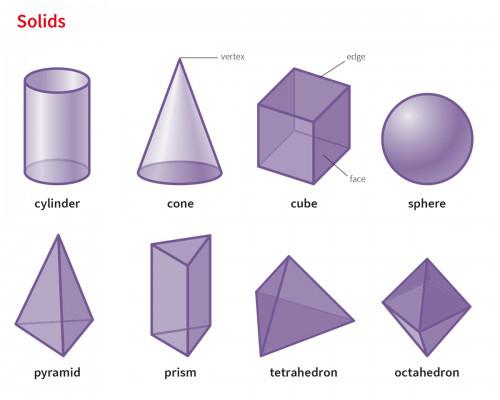
    sphere(noun)

    /sfɪr/

    구

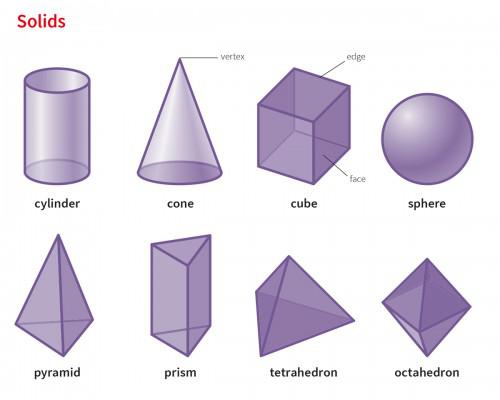
    a solid figure that is completely round, with every point on its surface at an equal distance from the centre

    The Earth is a sphere.

    지구는 구체입니다.

    유의어ballglobeorbround
    반의어cubesquareflat
  86. 86

    statistic(noun)

    /stəˈtɪstɪk/

    통계

    a collection of information shown in numbers

    The statistic shows a rise in unemployment.

    통계는 실업률 증가를 보여줍니다.

    유의어datafigurenumerical data
    반의어guessestimation
  87. 87

    statistical(adjective)

    /stəˈtɪstɪkl/

    통계적

    connected with or based on statistics

    The statistical analysis showed a significant trend.

    통계 분석은 중요한 추세를 보여주었다.

    유의어numericalquantitativeprobabilistic
    반의어qualitativesubjective
  88. 88

    stem(noun)

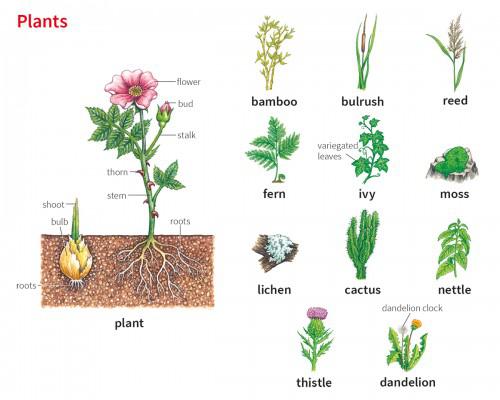
    /stem/

    줄기

    the main long, thin part of a plant above the ground from which the leaves or flowers grow; a smaller part that grows from this and supports flowers or leaves

    The stem of the flower was long and green.

    꽃의 줄기는 길고 녹색이었다.

    유의어stalktrunkaxisroot
    반의어flowerbloomendresult
  89. 89

    synthesis(noun)

    /ˈsɪnθəsɪs/

    종합

    the act of combining separate ideas, beliefs, styles, etc.; a mixture or combination of ideas, beliefs, styles, etc.

    The synthesis of these ideas created a new theory.

    이러한 아이디어의 종합은 새로운 이론을 만들었습니다.

    유의어combinationintegrationblendfusion
    반의어analysisseparationdissection
  90. 90

    theoretical(adjective)

    /ˌθiːəˈretɪkl/

    이론적인

    connected with the ideas and principles on which a particular subject is based, rather than with practice and experiment

    The discussion was very theoretical and lacked practical application.

    토론은 매우 이론적이었고 실제 적용이 부족했습니다.

    유의어hypotheticalspeculativeabstractconceptual
    반의어practicalappliedconcreteempirical
  91. 91

    universe(noun)

    /ˈjuːnɪvɜːrs/

    우주 (uju)

    the whole of space and everything in it, including the earth, the planets and the stars

    The universe is vast and mysterious.

    우주는 광대하고 신비롭습니다. (ujuneun gwangdaehago sinbiropseupnida.)

    유의어cosmosworldmacrocosm
    반의어microcosmearthplanet
  92. 92

    variable(noun)

    /ˈveriəbl/

    변수

    a situation, number or quantity that can vary or be varied

    The temperature is a variable that affects plant growth.

    온도는 식물 성장에 영향을 미치는 변수입니다.

    유의어changeablefluctuatinginconsistentmodifiable
    반의어constantfixedstablestatic
  93. 93

    matter(noun)

    /ˈmætər/

    물질

    physical substance in general that everything in the world consists of

    Scientists study how matter behaves at extremely high temperatures.

    과학자들은 물질이 극도로 높은 온도에서 어떻게 거동하는지 연구한다.

  94. 94

    physical(adjective)

    /ˈfɪzɪkl/

    물리학의, 물리적인

    connected with the laws of nature or with physics

    Gravity is one of the most important physical forces in the universe.

    중력은 우주에서 가장 중요한 물리적 힘 중 하나이다.

  95. 95

    force(noun)

    /fɔːrs/

    힘

    an effect that causes things to move in a particular way

    Gravity is the force that pulls objects towards the ground.

    중력은 물체를 땅 쪽으로 끌어당기는 힘이다.

  96. 96

    energy(noun)

    /ˈenərdʒi/

    에너지, 동력원

    a source of power, such as fuel, used for driving machines, providing heat, etc.

    Solar energy is a clean and renewable source of power for many homes.

    태양 에너지는 많은 가정에 깨끗하고 재생 가능한 동력원이다.