コンテンツへスキップ

レッスン10/16 · 54語 · 覚えた単語 0

Lesson 10: HEALTH AND HYGIENE

第10課:健康と衛生

  1. 1

    appointment(noun)

    /əˈpɔɪntmənt/

    予約 (yoyaku)

    a formal arrangement to meet or visit somebody at a particular time, especially for a reason connected with their work

    I've got a dentist appointment at 3 o'clock.

    3時に歯医者の予約があります。(San-ji ni haisha no yoyaku ga arimasu.)

    To get the most out of your appointment, keep a log of your symptoms and concerns

    類義語engagementmeetingsessionconsultationdatebookingschedule
    対義語cancellationresignationterminationdisengagement
  2. 2

    serious(adjective)

    /ˈsɪriəs/

    深刻な, 重大な

    bad or dangerous

    Smoking can cause serious health problems such as heart disease.

    喫煙は心臓病などの深刻な健康問題を引き起こすことがある。

    類義語gravesolemnearnestimportantcriticalsignificantweightyintense
    対義語frivoloustrivialinsignificantplayfuljokinghumorousunimportant
  3. 3

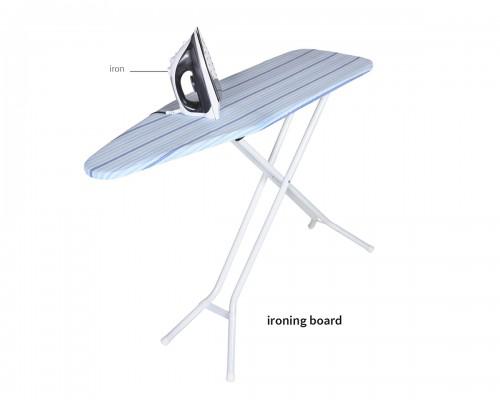
    iron(noun)

    /ˈaɪərn/

    鉄 (tetsu)

    a chemical element. Iron is a hard strong metal that is used to make steel and is also found in small quantities in blood and food.

    patients with iron deficiency(= not enough iron in their blood)

    鉄欠乏症の患者(=血液中の鉄分が不足している)

    iron gates/bars/railings

    類義語Femetalore
    対義語nonmetal
  4. 4

    change(verb)

    /tʃeɪndʒ/

    変わる, 変化する

    to become different

    The weather can change very quickly in the mountains.

    山の天気は非常に急に変わることがある。

    類義語altermodifytransformconvertadjustvaryshiftreplace
    対義語remainstaykeepmaintaincontinuepreserveretain
  5. 5

    own(adjective)

    /əʊn/

    自分自身の, 自分の

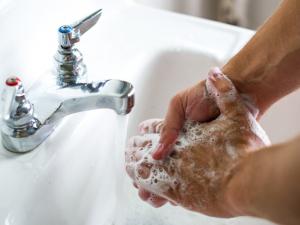
    used to emphasize that something belongs to or is connected with somebody

    I'd like to have my own room one day.

    いつか自分の部屋を持ちたい。

    類義語possesshaveholdcontrolkeep
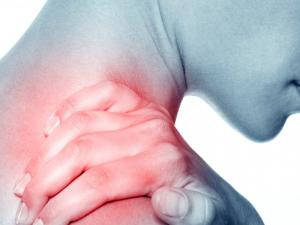
    対義語rentleaseborrowowedispossess
  6. 6

    sensible(adjective)

    /ˈsensəbl/

    賢明

    able to make good judgements based on reason and experience rather than emotion; practical

    It would be sensible to take an umbrella.

    傘を持っていくのが賢明でしょう。

    She's a sensible sort of person.

    類義語reasonablelogicalrationalwisepracticalprudentjudicious
    対義語foolishunreasonableirrationalabsurdsillyimprudentnonsensical
  7. 7

    hurt(verb)

    /hɜːrt/

    痛める

    to cause physical pain to somebody/yourself; to injure somebody/yourself

    My shoes hurt me because they are too small.

    靴が小さすぎるので、足が痛い。

    People's reaction to the film has varied greatly.

    類義語achepaininjurewoundharmafflict
    対義語healcomfortsootheeasehelp
  8. 8

    probably(adverb)

    /ˈprɑːbəbli/

    おそらく

    used to say that something is likely to happen or to be true

    The decision to set up a new company is probably his most risky decision.

    新しい会社を設立するという決定はおそらく彼にとって最も危険な決断でしょう。

    It was the best known and probably the most popular of her songs.

    類義語likelypossiblypresumablyperhapsmaybeconceivablydoubtless
    対義語certainlydefinitelysurelyundoubtedly
  9. 9

    touch(verb)

    /tʌtʃ/

    触る (sawaru)

    to put your hand or another part of your body onto somebody/something

    I touched him lightly on the arm.

    私は彼の腕を軽く触った。(Watashi wa kare no ude o karuku sawatta.)

    We stayed in a village where time has stood still(= life has not changed for many years).

    類義語feelcontactbrushstrokehandletappat
    対義語avoidignoremissdisregard
  10. 10

    patient(noun)

    /ˈpeɪʃnt/

    患者 (kanja)

    a person who is receiving medical treatment, especially in a hospital

    I am a patient of Dr. Stephens; could I make an appointment to see her?

    私はスティーブンス先生の患者です。診察の予約はできますか?(Watashi wa Sutiibunsu sensei no kanja desu. Shinsatsu no yoyaku wa dekimasu ka?)

    She's very patient with young children.

    類義語sick personinvalidcasesuffererclient (in some contexts)
    対義語doctorphysicianhealthy personwellness
  11. 11

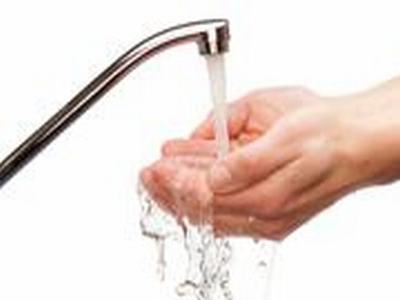
    wash(verb)

    /wɑːʃ/

    洗う (arau)

    to make something/somebody clean using water and usually soap

    Do you wash your face every morning?

    毎朝顔を洗いますか? (Maiasa kao o araimasu ka?)

    The beach had been washed clean by the tide.

    類義語cleanrinsescrubbathecleanse
    対義語dirtysoilstaincontaminatepollute
  12. 12

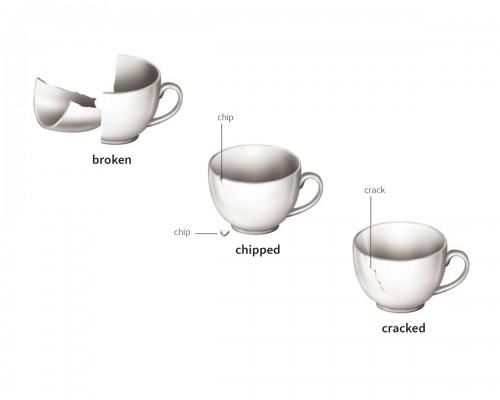
    broken(adjective)

    /ˈbrəʊkən/

    折れた, 壊れた, 故障した

    that has been damaged or injured; no longer whole or working correctly

    He fell off his bike and now has a broken arm.

    彼は自転車から落ちて、今は腕を骨折している。

    類義語shatteredcrusheddefeateddamagedfracturedinoperativeburstbankrupt
    対義語wholerepairedfixedstrongoperativeworking
  13. 13

    sound(noun)

    /saʊnd/

    音, 物音

    something that you can hear

    I heard a strange sound coming from the kitchen last night.

    昨夜、台所から変な音が聞こえた。

    類義語seemappearlookfeel
    対義語be silentfall flatjar
  14. 14

    reply(verb)

    /rɪˈplaɪ/

    返信する (henshin suru)

    to say or write something as an answer to somebody/something

    I replied that it was 12 o'clock.

    12時だと返信しました。(Jūni-ji da to henshin shimashita.)

    He never replied to any of my letters.

    類義語answerrespondretortrejoinacknowledge
    対義語askquestionignorerequestdisregard
  15. 15

    notice(verb)

    /ˈnəʊtɪs/

    気づく (kizuku)

    to see or hear somebody/something; to become aware of somebody/something

    People were making fun of him but he didn't seem to notice.

    人々は彼をからかっていたが、彼は気づいていないようだった。

    People were making fun of him but he didn't seem to notice.

    類義語observedetectperceiverecognizenotespotbe aware ofdiscern
    対義語ignoreoverlookneglectdisregardmiss
  16. 16

    advise(verb)

    /ədˈvaɪz/

    助言する (jogen suru)

    to tell somebody what you think they should do in a particular situation

    I think I'd advise leaving the company.

    私は会社を辞めることをお勧めすると思います。

    Her mother was away and couldn't advise her.

    類義語recommendsuggestguidecounselwarnurgeencourage
    対義語dissuadediscouragedetermisguide
  17. 17

    brush(verb)

    /brʌʃ/

    磨く (migaku)

    to clean, polish or make something smooth with a brush

    Do you brush your teeth every day?

    毎日歯を磨きますか? (Mainichi ha o migakimasu ka?)

    類義語scrubcleansweepgroompolish
    対義語dirtyneglectignore
  18. 18

    explain(verb)

    /ɪkˈspleɪn/

    説明する (setsumei suru)

    to tell somebody about something in a way that makes it easy to understand

    It was difficult to explain the problem to beginners.

    初心者に問題を説明するのは難しかった。

    It was difficult to explain the problem to beginners.

    類義語clarifyelucidateinterpretdefinedescribe
    対義語confuseobscuremisleadcomplicatemuddle
  19. 19

    check(verb)

    /tʃek/

    確認する, 点検する, チェックする

    to examine something to see if it is correct, safe or acceptable

    Check your work before handing it in.

    提出する前に自分の答案を確認しなさい。

    It is vital to keep a check on your speed (= look at it regularly in order to control it).

    類義語examineinspectverifyreviewinvestigatescrutinizeassessmonitor
    対義語ignoreneglectdisregardoverlook
  20. 20

    dentist(noun)

    /ˈdentɪst/

    歯科医 (shikai)

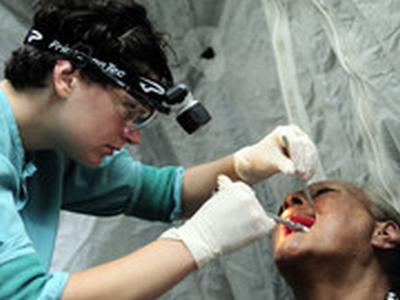
    a person whose job is to take care of people’s teeth

    A dentist's job is taking care of people's teeth.

    歯科医の仕事は人々の歯の世話をすることです。(Shikai no shigoto wa hitobito no ha no sewa o suru koto desu.)

    That's definite then, is it?

    類義語tooth doctordental surgeonoral surgeon
    対義語patient
  21. 21

    hate(verb)

    /heɪt/

    嫌い

    to dislike somebody/something very much

    I hate eating carrots most.

    私はニンジンを食べるのが一番嫌いです。

    I hate Monday mornings.

    類義語detestloathedespiseabhordislikeresent
    対義語lovelikeenjoyadoreappreciate
  22. 22

    kind(adjective)

    /kaɪnd/

    親切な, 優しい

    caring about others; gentle, friendly and generous

    She is very kind to us. She helps us a lot.

    彼女は私たちにとても親切です。たくさん助けてくれます。

    a kind heart/face

    類義語compassionategenerousbenevolentcaringconsideratethoughtfulgood-naturedhelpful
    対義語cruelmeanunkindharshselfishmalevolent
  23. 23

    strange(adjective)

    /streɪndʒ/

    奇妙な (kimyō na)

    unusual or surprising, especially in a way that is difficult to understand

    She was looking at me in a very strange way.

    彼女はとても奇妙な目で私を見ていた。

    Strange to say, I don't really enjoy television.

    類義語oddpeculiarunusualweirdbizarrecuriousabnormal
    対義語normalordinaryusualcommonfamiliar
  24. 24

    advice(noun)

    /ədˈvaɪs/

    アドバイス

    an opinion or a suggestion about what somebody should do in a particular situation

    Steven gave me some good advice.

    スティーブンは私にいくつか良いアドバイスをくれました。

    Ask your teacher 's advice / Ask your teacher for advice on how to prepare for the exam.

    類義語guidancecounselrecommendationsuggestionopinioninputdirection
    対義語deterrentwarningdissuasion
  25. 25

    washing(noun)

    /ˈwɑːʃɪŋ/

    洗濯

    the act of cleaning something using water and usually soap

    Washing is a boring job.

    洗濯は退屈な仕事です。

    a gentle shampoo for frequent washing

    類義語laundrycleaningablutionrinsing
    対義語soilingdirtyingstaining
  26. 26

    fix(verb)

    /fɪks/

    修理する

    to repair or correct something

    They couldn't fix my old computer.

    彼らは私の古いコンピューターを修理できなかった。

    to fix a post in the ground

    類義語repairmendcorrectresolveadjustsecurefasten
    対義語breakdamageruininjuredestroy
  27. 27

    afterwards(adverb)

    /ˈæftərwərdz/

    その後

    at a later time; after an event that has already been mentioned

    We had tea, and afterwards we sat in the garden for a while.

    お茶を飲んで、その後しばらく庭に座っていました。

    Shortly afterwards he met her again.

    類義語latersubsequentlythenafterthereafterfollowingnext
    対義語beforepreviouslyearlierprior
  28. 28

    smile(verb)

    /smaɪl/

    微笑む, 笑う

    to make a smile appear on your face

    He never seems to smile.

    彼は決して笑わないようだ。

    He never seems to smile.

    類義語grinbeamsmirksimperchuckle
    対義語frownscowlglaregrimace
  29. 29

    difficult(adjective)

    /ˈdɪfɪkəlt/

    難しい (muzukashii)

    not easy; needing effort or skill to do or to understand

    This homework is very difficult.

    この宿題はとても難しいです。(Kono shukudai wa totemo muzukashii desu.)

    She finds it very difficult to get up early.

    類義語hardchallengingtoughcomplexproblematicarduousdemanding
    対義語easysimpleeffortlesspainlessfacile
  30. 30

    healthy(adjective)

    /ˈhelθi/

    健康な, 元気な

    having good health and not likely to become ill

    My grandfather is eighty but he is still very healthy and strong.

    祖父は80歳だが、今でもとても健康で丈夫だ。

    類義語wellfitwholesomerobustvigorousin good shape
    対義語unhealthysickillweakfrail
  31. 31

    loud(adjective)

    /laʊd/

    騒々しい (souzoushii)

    making a lot of noise

    That music is too loud - please turn it down.

    その音楽は大きすぎるので、音量を下げてください。(Sono ongaku wa ōkisugiru node, onryō o sagete kudasai.)

    You'll have to speak louder—I can't hear you.

    類義語noisydeafeningboisterousclamorousthunderousblaringraucous
    対義語quietsilentsoftmutedinaudiblepeacefulsubdued
  32. 32

    nervous(adjective)

    /ˈnɜːrvəs/

    緊張して (kinchō shite)

    anxious about something or afraid of something

    He is nervous when he makes a speech in front of crowds.

    彼は大勢の人の前でスピーチをするとき緊張します。

    He had been nervous about inviting us.

    類義語anxiousapprehensiverestlessjitteryuneasyfidgetyon edgetense
    対義語calmrelaxedcomposedpeacefultranquil
  33. 33

    painful(adjective)

    /ˈpeɪnfl/

    痛い, 痛みを伴う

    causing you pain

    My knee is still very painful after I fell off my bike.

    自転車から落ちてから、膝がまだとても痛いです。

    類義語achingagonizingbitterdistressinggrievoushurtfulmiserablesevere
    対義語pleasantdelightfuljoyfulhappyagreeablepainless
  34. 34

    harvest(noun)

    /ˈhɑːrvɪst/

    収穫

    the time of year when the crops are gathered in on a farm, etc.; the act of cutting and gathering crops

    We had a good harvest this year.

    今年は良い収穫でした。

    類義語cropyieldgatheringreapingvintage
    対義語lossfailurescarcitybarrennesslack
  35. 35

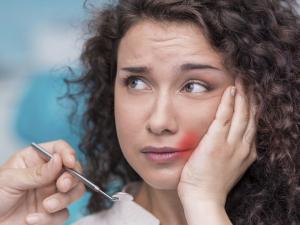
    toothache(noun)

    /ˈtuːθeɪk/

    歯痛, 歯の痛み

    pain in or around a tooth, usually caused by decay, pulp inflammation or infection

    He came to the emergency clinic with severe toothache at night.

    彼は夜、激しい歯痛のため救急クリニックを受診した。

    Painkillers only relieve toothache until the cause is treated.

    類義語odontalgiatooth paindental pain
    対義語sound teethhealthy teethno pain
  36. 36

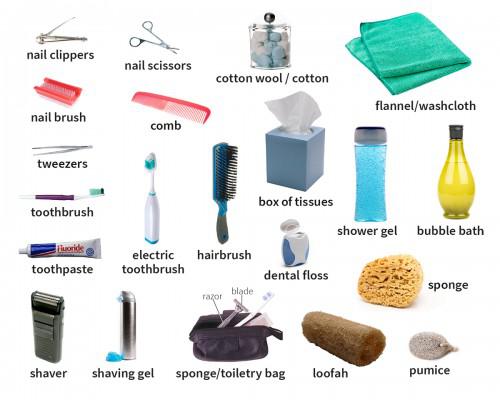
    comb(noun)

    /kəʊm/

    櫛 (kushi)

    a flat piece of plastic or metal with a row of thin teeth along one side, used for making your hair neat; a smaller version of this worn by women in their hair to hold it in place or as a decoration

    I can't find my brush, but I still have my comb.

    ブラシが見つからないけど、まだ櫛は持っている。

    類義語haircombdressing comb
    対義語brush
  37. 37

    all the time(idiom)

    /ɔːl ðə taɪm/

    しょっちゅう, いつも, 絶えず

    very often or continuously, especially in a way that is annoying

    I wish you'd stop criticizing me all the time.

    いつも私を批判するのはやめてほしい。

    類義語constantlycontinuouslyperpetuallyincessantlyalwaysuninterruptedly
    対義語neveroccasionallyrarelysometimesinfrequently
  38. 38

    be bad for(phrase)

    /bi bæd fɔːr/

    体に悪い

    to be harmful to somebody's health or to something

    Beer is bad for you.

    ビールは体に悪い。

    類義語harmfuldetrimentalunhealthyinjuriousdamaging
    対義語beneficialgood forhealthyhelpfuladvantageous
  39. 39

    be in a lot of pain(phrase)

    /biː ɪn ǝ ǀɒt ǝv peɪn/

    激痛

    to feel very strong physical pain because you are hurt or ill

    She was clearly in a lot of pain.

    彼女は明らかに激痛に苦しんでいた。

    類義語sufferingagonizinghurting badlyin agonyin distress
    対義語comfortablepainlessat easefeeling well
  40. 40

    be scared of(phrase)

    /biː skeəd ǝv/

    怖い

    to be frightened of somebody or something

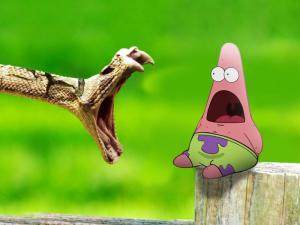
    I'm scared of snakes.

    私は蛇が怖い。

    類義語afraidfrightenedapprehensiveterrifiedfearfulanxiousnervous
    対義語fearlessbravecourageousboldconfidentunafraid
  41. 41

    cavity(noun)

    /ˈkævəti/

    虫歯, 虫歯の穴

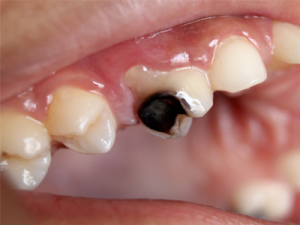
    a hole in a tooth caused by decay

    There is a cavity in my tooth.

    私の歯に虫歯があります。

    類義語holehollowopeningpitvoiddecay
    対義語fillingsolidclosure
  42. 42

    do the washing(phrase)

    /duː ðə ˈwɒʃɪŋ/

    洗濯をする

    to wash clothes, sheets and other things that need washing

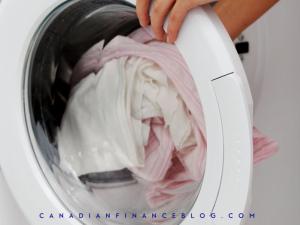
    I do the washing every day.

    私は毎日洗濯をします。

    類義語wash clotheslaunderdo laundrywash
    対義語dirtysoilstain
  43. 43

    drill(noun)

    /drɪl/

    ドリル, 穿孔機, 電動ドリル

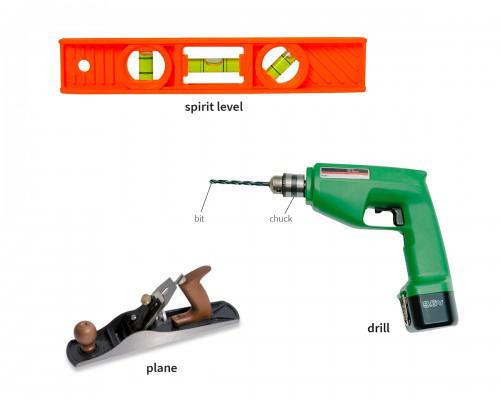
    a tool or machine with a pointed end for making holes

    The dentist used a small drill to clean the hole in my tooth.

    歯医者さんは小さなドリルで私の歯の穴をきれいにしました。

    類義語borepiercepenetrateexcavateauger
    対義語fillsealclosecover
  44. 44

    follow one's advice(phrase)

    /ˈfɒləʊ wʌnz ədˈvaɪs/

    忠告に従う, 助言に従う

    to do what somebody has suggested you should do

    I think you should follow your mother's advice.

    お母さんの忠告に従ったほうがいいと思います。

    類義語heedobeytake to heartact onlisten to
    対義語disregardignorerejectdisobey
  45. 45

    have an appointment with(phrase)

    /hæv ən əˈpɔɪntmənt wɪð/

    〜と約束がある, 〜の予約がある

    to have arranged to meet or visit somebody, such as a doctor, at a particular time

    I have an appointment with my doctor today.

    今日はかかりつけの医者に予約が入っています。

    類義語scheduledarrangedbookedmeeting with
    対義語unscheduledunarrangedfreeavailable
  46. 46

    hygiene(noun)

    /ˈhaɪdʒiːn/

    衛生

    the practice of keeping yourself and your living and working areas clean in order to prevent illness and disease

    In the interests of hygiene, please wash your hands.

    衛生のため、手を洗ってください。

    類義語cleanlinesssanitationpuritywholesomenessasepsis
    対義語dirtinessfilthpollutioncontamination
  47. 47

    ironing(noun)

    /ˈaɪərnɪŋ/

    アイロンがけ

    the task of pressing clothes, etc. with an iron to make them smooth

    I must do the ironing tonight.

    今夜アイロンをかけなければならない。

    類義語pressingsmoothinglaundering (and ironing)
    対義語wrinklingcrumplingcreasing
  48. 48

    keep somebody away(phrasal verb)

    /kiːp ˈsʌmbədi əˈweɪ/

    近づけない, 遠ざける

    to prevent somebody from going near a place or from going somewhere

    Her illness kept her away from work for several weeks.

    彼女は病気のため、数週間仕事を休まざるを得なかった。

    類義語deterdissuadepreventdiscourageward offhold backexcludeblock
    対義語attractinviteenticelurewelcomeallowpermit
  49. 49

    neglect(verb)

    /nɪˈɡlekt/

    怠る, おろそかにする, 放置する

    to fail to take care of somebody/something

    If you neglect your teeth, you will soon have problems with them.

    歯の手入れを怠ると、すぐに問題が起きますよ。

    類義語disregardignoreoverlookforgetfailshirk
    対義語attendheedcherishnurturemaintaincare
  50. 50

    pain(noun)

    /peɪn/

    痛み (itami)

    the feelings that you have in your body when you have been hurt or when you are ill

    This cream helps to relieve the pain.

    このクリームは痛みを和らげるのに役立ちます。(Kono kuriimu wa itami o yawarageru no ni yakudachimasu.)

    類義語acheagonydiscomforthurtsufferingsorenessanguishdistress
    対義語comforteasereliefpleasurewell-beingjoy
  51. 51

    surgery(noun)

    /ˈsɜːrdʒəri/

    手術, 外科手術

    the treatment of disease or injury by cutting into the body to repair or remove parts

    He needs surgery to remove his gallbladder next week.

    彼は来週、胆嚢を摘出する手術を受ける必要があります。

    She is recovering well on the ward after heart surgery.

    類義語operationproceduresurgical procedure
    対義語medical treatmenttherapyconservative treatment

  52. 52

    take exercise(phrase)

    /teɪk ˈeksəsaɪz/

    運動する

    to do physical activity in order to stay healthy and strong

    You should take exercise every day to keep fit.

    健康を保つために、毎日運動したほうがいいですよ。

    類義語exercisework outget in shapephysical activity

    対義語restrelaxidlebe sedentary
  53. 53

    unhealthy(adjective)

    /ʌnˈhelθi/

    不健康

    not having good health; showing a lack of good health

    They looked poor and unhealthy.

    彼らは貧乏で不健康そうに見えた。

    類義語sicklyillailingfeeblefrailinfirmdiseasedunfit
    対義語healthywellfitrobustvigorous
  54. 54

    fill(verb)

    /fɪl/

    詰め物をする, 充填する

    to put a substance into a hole in a tooth to repair it

    The dentist filled a cavity in my tooth.

    歯医者さんは私の虫歯の穴に詰め物をした。