본문으로 건너뛰기

레슨 10/16 · 54단어 · 외운 단어 0

Lesson 10: HEALTH AND HYGIENE

10과: 건강과 위생

  1. 1

    appointment(noun)

    /əˈpɔɪntmənt/

    약속 (yaksok)

    a formal arrangement to meet or visit somebody at a particular time, especially for a reason connected with their work

    I've got a dentist appointment at 3 o'clock.

    3시에 치과 예약이 있어요. (3si-e chigwa yeyagi isseoyo.)

    To get the most out of your appointment, keep a log of your symptoms and concerns

    유의어engagementmeetingsessionconsultationdatebookingschedule
    반의어cancellationresignationterminationdisengagement
  2. 2

    serious(adjective)

    /ˈsɪriəs/

    심각한, 중대한

    bad or dangerous

    Smoking can cause serious health problems such as heart disease.

    흡연은 심장병과 같은 심각한 건강 문제를 일으킬 수 있다.

    유의어gravesolemnearnestimportantcriticalsignificantweightyintense
    반의어frivoloustrivialinsignificantplayfuljokinghumorousunimportant
  3. 3

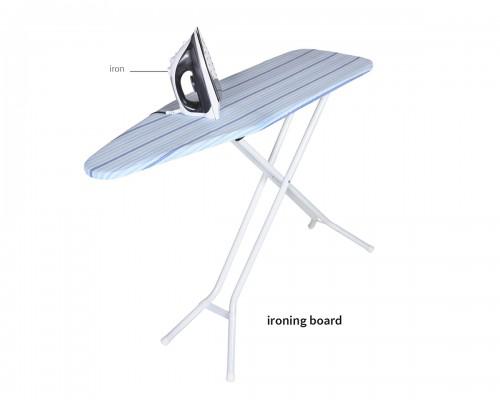
    iron(noun)

    /ˈaɪərn/

    철 (cheol)

    a chemical element. Iron is a hard strong metal that is used to make steel and is also found in small quantities in blood and food.

    patients with iron deficiency(= not enough iron in their blood)

    철분 결핍 환자 (혈액 속 철분 부족)

    iron gates/bars/railings

    유의어Femetalore
    반의어nonmetal
  4. 4

    change(verb)

    /tʃeɪndʒ/

    변하다, 바뀌다

    to become different

    The weather can change very quickly in the mountains.

    산에서는 날씨가 아주 빠르게 변할 수 있다.

    유의어altermodifytransformconvertadjustvaryshiftreplace
    반의어remainstaykeepmaintaincontinuepreserveretain
  5. 5

    own(adjective)

    /əʊn/

    자기 자신의, 자기만의

    used to emphasize that something belongs to or is connected with somebody

    I'd like to have my own room one day.

    나는 언젠가 내 방을 갖고 싶다.

    유의어possesshaveholdcontrolkeep
    반의어rentleaseborrowowedispossess
  6. 6

    sensible(adjective)

    /ˈsensəbl/

    현명한

    able to make good judgements based on reason and experience rather than emotion; practical

    It would be sensible to take an umbrella.

    우산을 가져가는 것이 현명할 것입니다.

    She's a sensible sort of person.

    유의어reasonablelogicalrationalwisepracticalprudentjudicious
    반의어foolishunreasonableirrationalabsurdsillyimprudentnonsensical
  7. 7

    hurt(verb)

    /hɜːrt/

    아프게 하다

    to cause physical pain to somebody/yourself; to injure somebody/yourself

    My shoes hurt me because they are too small.

    신발이 너무 작아서 발이 아파요.

    People's reaction to the film has varied greatly.

    유의어achepaininjurewoundharmafflict
    반의어healcomfortsootheeasehelp
  8. 8

    probably(adverb)

    /ˈprɑːbəbli/

    아마도

    used to say that something is likely to happen or to be true

    The decision to set up a new company is probably his most risky decision.

    새 회사를 설립하기로 한 결정은 아마도 그의 가장 위험한 결정일 것입니다.

    It was the best known and probably the most popular of her songs.

    유의어likelypossiblypresumablyperhapsmaybeconceivablydoubtless
    반의어certainlydefinitelysurelyundoubtedly
  9. 9

    touch(verb)

    /tʌtʃ/

    만지다 (manjida)

    to put your hand or another part of your body onto somebody/something

    I touched him lightly on the arm.

    나는 그의 팔을 가볍게 만졌다. (Naneun geueui pareul gabyeopge manjyeotda.)

    We stayed in a village where time has stood still(= life has not changed for many years).

    유의어feelcontactbrushstrokehandletappat
    반의어avoidignoremissdisregard
  10. 10

    patient(noun)

    /ˈpeɪʃnt/

    환자 (hwanja)

    a person who is receiving medical treatment, especially in a hospital

    I am a patient of Dr. Stephens; could I make an appointment to see her?

    저는 스티븐스 박사님의 환자입니다. 진료 예약할 수 있을까요? (Jeoneun Seutibeunseu baksanimui hwanjaimnida. Jillyo yeyakhal su isseulkkayo?)

    She's very patient with young children.

    유의어sick personinvalidcasesuffererclient (in some contexts)
    반의어doctorphysicianhealthy personwellness
  11. 11

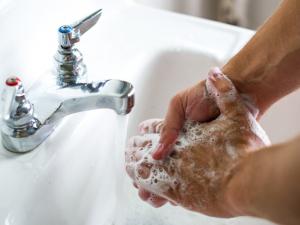
    wash(verb)

    /wɑːʃ/

    씻다 (ssitda)

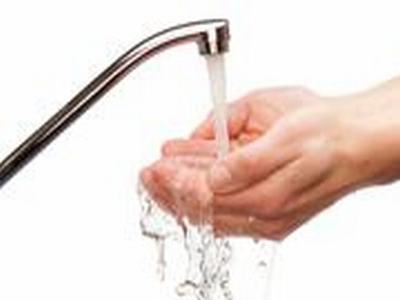
    to make something/somebody clean using water and usually soap

    Do you wash your face every morning?

    매일 아침 세수하세요? (Maeil achim sesuhaseyo?)

    The beach had been washed clean by the tide.

    유의어cleanrinsescrubbathecleanse
    반의어dirtysoilstaincontaminatepollute
  12. 12

    broken(adjective)

    /ˈbrəʊkən/

    부러진, 깨진, 고장 난

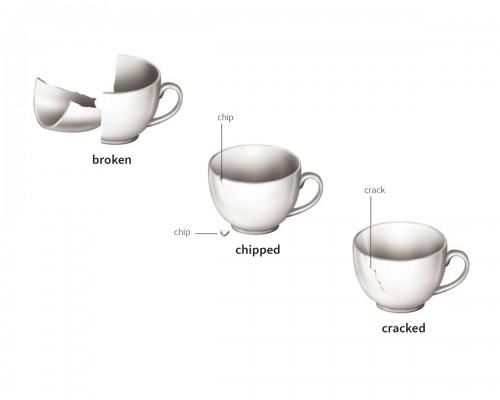
    that has been damaged or injured; no longer whole or working correctly

    He fell off his bike and now has a broken arm.

    그는 자전거에서 떨어져서 지금 팔이 부러져 있다.

    유의어shatteredcrusheddefeateddamagedfracturedinoperativeburstbankrupt
    반의어wholerepairedfixedstrongoperativeworking
  13. 13

    sound(noun)

    /saʊnd/

    소리

    something that you can hear

    I heard a strange sound coming from the kitchen last night.

    어젯밤 부엌에서 이상한 소리가 나는 것을 들었다.

    유의어seemappearlookfeel
    반의어be silentfall flatjar
  14. 14

    reply(verb)

    /rɪˈplaɪ/

    대답하다, 답장하다

    to say or write something as an answer to somebody/something

    I replied that it was 12 o'clock.

    나는 12시라고 대답했다.

    He never replied to any of my letters.

    유의어answerrespondretortrejoinacknowledge
    반의어askquestionignorerequestdisregard
  15. 15

    notice(verb)

    /ˈnəʊtɪs/

    알아차리다 (aracharida)

    to see or hear somebody/something; to become aware of somebody/something

    People were making fun of him but he didn't seem to notice.

    사람들은 그를 놀렸지만 그는 알아차리지 못하는 것 같았다.

    People were making fun of him but he didn't seem to notice.

    유의어observedetectperceiverecognizenotespotbe aware ofdiscern
    반의어ignoreoverlookneglectdisregardmiss
  16. 16

    advise(verb)

    /ədˈvaɪz/

    조언하다 (joeonhada)

    to tell somebody what you think they should do in a particular situation

    I think I'd advise leaving the company.

    저는 회사를 떠나는 것이 좋다고 조언하고 싶습니다.

    Her mother was away and couldn't advise her.

    유의어recommendsuggestguidecounselwarnurgeencourage
    반의어dissuadediscouragedetermisguide
  17. 17

    brush(verb)

    /brʌʃ/

    닦다 (dakda)

    to clean, polish or make something smooth with a brush

    Do you brush your teeth every day?

    매일 이를 닦으세요? (Maeil ireul dakkeuseyo?)

    유의어scrubcleansweepgroompolish
    반의어dirtyneglectignore
  18. 18

    explain(verb)

    /ɪkˈspleɪn/

    설명하다 (seolmyeonghada)

    to tell somebody about something in a way that makes it easy to understand

    It was difficult to explain the problem to beginners.

    초보자들에게 문제를 설명하기 어려웠다.

    It was difficult to explain the problem to beginners.

    유의어clarifyelucidateinterpretdefinedescribe
    반의어confuseobscuremisleadcomplicatemuddle
  19. 19

    check(verb)

    /tʃek/

    확인하다, 점검하다

    to examine something to see if it is correct, safe or acceptable

    Check your work before handing it in.

    제출하기 전에 네가 한 작업을 확인해라.

    It is vital to keep a check on your speed (= look at it regularly in order to control it).

    유의어examineinspectverifyreviewinvestigatescrutinizeassessmonitor
    반의어ignoreneglectdisregardoverlook
  20. 20

    dentist(noun)

    /ˈdentɪst/

    치과의사 (chigwa uisa)

    a person whose job is to take care of people’s teeth

    A dentist's job is taking care of people's teeth.

    치과의사의 일은 사람들의 치아를 관리하는 것입니다. (chigwa uisa ui ireun saramdeul-ui chialeul gwanlihaneun geosimnida.)

    That's definite then, is it?

    유의어tooth doctordental surgeonoral surgeon
    반의어patient
  21. 21

    hate(verb)

    /heɪt/

    싫어하다

    to dislike somebody/something very much

    I hate eating carrots most.

    저는 당근 먹는 것을 가장 싫어합니다.

    I hate Monday mornings.

    유의어detestloathedespiseabhordislikeresent
    반의어lovelikeenjoyadoreappreciate
  22. 22

    kind(adjective)

    /kaɪnd/

    친절한, 다정한

    caring about others; gentle, friendly and generous

    She is very kind to us. She helps us a lot.

    그녀는 우리에게 매우 친절해요. 우리를 많이 도와줘요.

    a kind heart/face

    유의어compassionategenerousbenevolentcaringconsideratethoughtfulgood-naturedhelpful
    반의어cruelmeanunkindharshselfishmalevolent
  23. 23

    strange(adjective)

    /streɪndʒ/

    이상한 (isanghan)

    unusual or surprising, especially in a way that is difficult to understand

    She was looking at me in a very strange way.

    그녀는 매우 이상한 눈으로 나를 보고 있었다.

    Strange to say, I don't really enjoy television.

    유의어oddpeculiarunusualweirdbizarrecuriousabnormal
    반의어normalordinaryusualcommonfamiliar
  24. 24

    advice(noun)

    /ədˈvaɪs/

    조언

    an opinion or a suggestion about what somebody should do in a particular situation

    Steven gave me some good advice.

    스티븐은 저에게 좋은 조언을 해줬어요.

    Ask your teacher 's advice / Ask your teacher for advice on how to prepare for the exam.

    유의어guidancecounselrecommendationsuggestionopinioninputdirection
    반의어deterrentwarningdissuasion
  25. 25

    washing(noun)

    /ˈwɑːʃɪŋ/

    세탁

    the act of cleaning something using water and usually soap

    Washing is a boring job.

    빨래는 지루한 일이다.

    a gentle shampoo for frequent washing

    유의어laundrycleaningablutionrinsing
    반의어soilingdirtyingstaining
  26. 26

    fix(verb)

    /fɪks/

    고치다

    to repair or correct something

    They couldn't fix my old computer.

    그들은 내 낡은 컴퓨터를 고칠 수 없었다.

    to fix a post in the ground

    유의어repairmendcorrectresolveadjustsecurefasten
    반의어breakdamageruininjuredestroy
  27. 27

    afterwards(adverb)

    /ˈæftərwərdz/

    나중에

    at a later time; after an event that has already been mentioned

    We had tea, and afterwards we sat in the garden for a while.

    우리는 차를 마셨고, 나중에 잠시 정원에 앉아 있었습니다.

    Shortly afterwards he met her again.

    유의어latersubsequentlythenafterthereafterfollowingnext
    반의어beforepreviouslyearlierprior
  28. 28

    smile(verb)

    /smaɪl/

    웃다, 미소 짓다

    to make a smile appear on your face

    He never seems to smile.

    그는 좀처럼 웃지 않는 것 같다.

    He never seems to smile.

    유의어grinbeamsmirksimperchuckle
    반의어frownscowlglaregrimace
  29. 29

    difficult(adjective)

    /ˈdɪfɪkəlt/

    어려운 (eoryeoun)

    not easy; needing effort or skill to do or to understand

    This homework is very difficult.

    이 숙제는 매우 어려워요. (I sukjeneun maeu eoryeowoyo.)

    She finds it very difficult to get up early.

    유의어hardchallengingtoughcomplexproblematicarduousdemanding
    반의어easysimpleeffortlesspainlessfacile
  30. 30

    healthy(adjective)

    /ˈhelθi/

    건강한

    having good health and not likely to become ill

    My grandfather is eighty but he is still very healthy and strong.

    우리 할아버지는 여든이시지만 여전히 매우 건강하고 정정하시다.

    유의어wellfitwholesomerobustvigorousin good shape
    반의어unhealthysickillweakfrail
  31. 31

    loud(adjective)

    /laʊd/

    시끄러운 (sikkeureoun)

    making a lot of noise

    That music is too loud - please turn it down.

    저 음악이 너무 시끄러워요. 소리를 줄여 주세요. (Jeo eumagi neomu sikkeureowoyo. sorireul julyeo juseyo.)

    You'll have to speak louder—I can't hear you.

    유의어noisydeafeningboisterousclamorousthunderousblaringraucous
    반의어quietsilentsoftmutedinaudiblepeacefulsubdued
  32. 32

    nervous(adjective)

    /ˈnɜːrvəs/

    불안한 (buranhan)

    anxious about something or afraid of something

    He is nervous when he makes a speech in front of crowds.

    그는 군중 앞에서 연설할 때 불안해합니다.

    He had been nervous about inviting us.

    유의어anxiousapprehensiverestlessjitteryuneasyfidgetyon edgetense
    반의어calmrelaxedcomposedpeacefultranquil
  33. 33

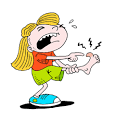
    painful(adjective)

    /ˈpeɪnfl/

    아픈, 고통스러운

    causing you pain

    My knee is still very painful after I fell off my bike.

    자전거에서 넘어진 뒤로 무릎이 아직도 매우 아프다.

    유의어achingagonizingbitterdistressinggrievoushurtfulmiserablesevere
    반의어pleasantdelightfuljoyfulhappyagreeablepainless
  34. 34

    harvest(noun)

    /ˈhɑːrvɪst/

    수확

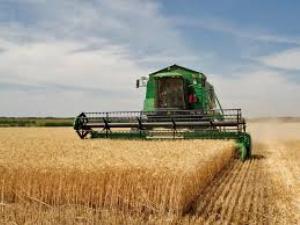
    the time of year when the crops are gathered in on a farm, etc.; the act of cutting and gathering crops

    We had a good harvest this year.

    올해는 풍년이었어요.

    유의어cropyieldgatheringreapingvintage
    반의어lossfailurescarcitybarrennesslack
  35. 35

    toothache(noun)

    /ˈtuːθeɪk/

    치통

    pain in or around a tooth, usually caused by decay, pulp inflammation or infection

    He came to the emergency clinic with severe toothache at night.

    그는 밤에 심한 치통으로 응급 진료소를 찾았다.

    Painkillers only relieve toothache until the cause is treated.

    유의어odontalgiatooth paindental pain
    반의어sound teethhealthy teethno pain
  36. 36

    comb(noun)

    /kəʊm/

    빗 (bit)

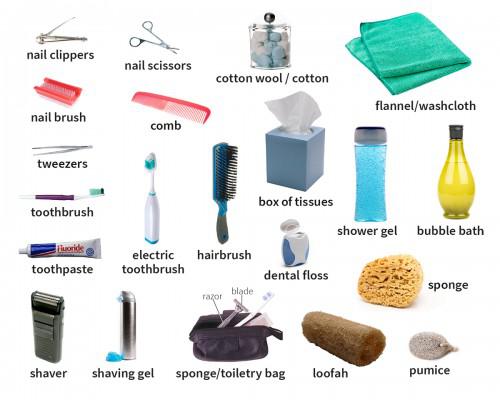
    a flat piece of plastic or metal with a row of thin teeth along one side, used for making your hair neat; a smaller version of this worn by women in their hair to hold it in place or as a decoration

    I can't find my brush, but I still have my comb.

    내 브러쉬는 찾을 수 없지만, 빗은 아직 가지고 있어.

    유의어haircombdressing comb
    반의어brush
  37. 37

    all the time(idiom)

    /ɔːl ðə taɪm/

    늘, 항상, 계속

    very often or continuously, especially in a way that is annoying

    I wish you'd stop criticizing me all the time.

    제발 그만 좀 항상 나를 비난했으면 좋겠어.

    유의어constantlycontinuouslyperpetuallyincessantlyalwaysuninterruptedly
    반의어neveroccasionallyrarelysometimesinfrequently
  38. 38

    be bad for(phrase)

    /bi bæd fɔːr/

    해롭다

    to be harmful to somebody's health or to something

    Beer is bad for you.

    맥주는 당신에게 해롭다.

    유의어harmfuldetrimentalunhealthyinjuriousdamaging
    반의어beneficialgood forhealthyhelpfuladvantageous
  39. 39

    be in a lot of pain(phrase)

    /biː ɪn ǝ ǀɒt ǝv peɪn/

    몹시 아프다

    to feel very strong physical pain because you are hurt or ill

    She was clearly in a lot of pain.

    그녀는 분명히 몹시 아파 보였다.

    유의어sufferingagonizinghurting badlyin agonyin distress
    반의어comfortablepainlessat easefeeling well
  40. 40

    be scared of(phrase)

    /biː skeəd ǝv/

    두려워하다

    to be frightened of somebody or something

    I'm scared of snakes.

    저는 뱀이 무서워요.

    유의어afraidfrightenedapprehensiveterrifiedfearfulanxiousnervous
    반의어fearlessbravecourageousboldconfidentunafraid
  41. 41

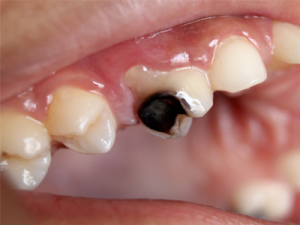
    cavity(noun)

    /ˈkævəti/

    충치 구멍, 충치

    a hole in a tooth caused by decay

    There is a cavity in my tooth.

    내 이에 충치가 하나 있다.

    유의어holehollowopeningpitvoiddecay
    반의어fillingsolidclosure
  42. 42

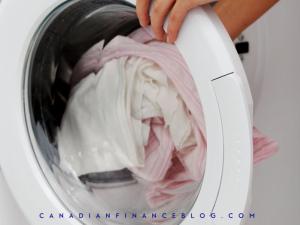
    do the washing(phrase)

    /duː ðə ˈwɒʃɪŋ/

    빨래하다, 세탁하다

    to wash clothes, sheets and other things that need washing

    I do the washing every day.

    나는 매일 빨래를 한다.

    유의어wash clotheslaunderdo laundrywash
    반의어dirtysoilstain
  43. 43

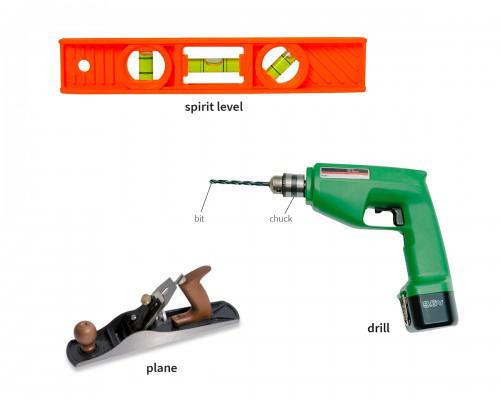
    drill(noun)

    /drɪl/

    드릴, 천공기

    a tool or machine with a pointed end for making holes

    The dentist used a small drill to clean the hole in my tooth.

    치과 의사는 작은 드릴로 내 이의 구멍을 깨끗이 했다.

    유의어borepiercepenetrateexcavateauger
    반의어fillsealclosecover
  44. 44

    follow one's advice(phrase)

    /ˈfɒləʊ wʌnz ədˈvaɪs/

    충고를 따르다, 조언에 따르다

    to do what somebody has suggested you should do

    I think you should follow your mother's advice.

    나는 네가 어머니의 충고를 따라야 한다고 생각해.

    유의어heedobeytake to heartact onlisten to
    반의어disregardignorerejectdisobey
  45. 45

    have an appointment with(phrase)

    /hæv ən əˈpɔɪntmənt wɪð/

    ~와 약속이 있다, ~에게 예약이 되어 있다

    to have arranged to meet or visit somebody, such as a doctor, at a particular time

    I have an appointment with my doctor today.

    나는 오늘 의사 선생님과 진료 예약이 있다.

    유의어scheduledarrangedbookedmeeting with
    반의어unscheduledunarrangedfreeavailable
  46. 46

    hygiene(noun)

    /ˈhaɪdʒiːn/

    위생

    the practice of keeping yourself and your living and working areas clean in order to prevent illness and disease

    In the interests of hygiene, please wash your hands.

    위생을 위해 손을 씻으십시오.

    유의어cleanlinesssanitationpuritywholesomenessasepsis
    반의어dirtinessfilthpollutioncontamination
  47. 47

    ironing(noun)

    /ˈaɪərnɪŋ/

    다림질

    the task of pressing clothes, etc. with an iron to make them smooth

    I must do the ironing tonight.

    오늘 밤 다림질을 해야 한다.

    유의어pressingsmoothinglaundering (and ironing)
    반의어wrinklingcrumplingcreasing
  48. 48

    keep somebody away(phrasal verb)

    /kiːp ˈsʌmbədi əˈweɪ/

    가까이 못 오게 하다, 멀리하게 하다

    to prevent somebody from going near a place or from going somewhere

    Her illness kept her away from work for several weeks.

    그녀는 병 때문에 몇 주 동안 직장에 나가지 못했다.

    유의어deterdissuadepreventdiscourageward offhold backexcludeblock
    반의어attractinviteenticelurewelcomeallowpermit
  49. 49

    neglect(verb)

    /nɪˈɡlekt/

    소홀히 하다, 방치하다

    to fail to take care of somebody/something

    If you neglect your teeth, you will soon have problems with them.

    치아를 소홀히 하면 곧 문제가 생길 것이다.

    유의어disregardignoreoverlookforgetfailshirk
    반의어attendheedcherishnurturemaintaincare
  50. 50

    pain(noun)

    /peɪn/

    고통 (gotong)

    the feelings that you have in your body when you have been hurt or when you are ill

    This cream helps to relieve the pain.

    이 크림은 통증을 완화하는 데 도움이 됩니다. (I keurimeun tongjeungeul wanwahaneun de doumi doemni da.)

    유의어acheagonydiscomforthurtsufferingsorenessanguishdistress
    반의어comforteasereliefpleasurewell-beingjoy
  51. 51

    surgery(noun)

    /ˈsɜːrdʒəri/

    수술

    the treatment of disease or injury by cutting into the body to repair or remove parts

    He needs surgery to remove his gallbladder next week.

    그는 다음 주에 담낭을 제거하는 수술을 받아야 한다.

    She is recovering well on the ward after heart surgery.

    유의어operationproceduresurgical procedure
    반의어medical treatmenttherapyconservative treatment

  52. 52

    take exercise(phrase)

    /teɪk ˈeksəsaɪz/

    운동하다

    to do physical activity in order to stay healthy and strong

    You should take exercise every day to keep fit.

    건강을 유지하려면 매일 운동해야 한다.

    유의어exercisework outget in shapephysical activity

    반의어restrelaxidlebe sedentary
  53. 53

    unhealthy(adjective)

    /ʌnˈhelθi/

    건강하지 않은

    not having good health; showing a lack of good health

    They looked poor and unhealthy.

    그들은 가난하고 건강해 보이지 않았다.

    유의어sicklyillailingfeeblefrailinfirmdiseasedunfit
    반의어healthywellfitrobustvigorous
  54. 54

    fill(verb)

    /fɪl/

    때우다, 충전하다

    to put a substance into a hole in a tooth to repair it

    The dentist filled a cavity in my tooth.

    치과 의사가 내 충치 구멍을 때웠다.