コンテンツへスキップ

レッスン11/16 · 40語 · 覚えた単語 0

Lesson 11: KEEP FIT STAY HEALTHY

第11課:体を鍛えて健康に

  1. 1

    prevent(verb)

    /prɪˈvent/

    防ぐ (fusegu)

    to stop somebody from doing something; to stop something from happening

    By encouraging teenagers not to smoke, doctors are hoping to prevent many cases of cancer

    医師たちは、若者に喫煙しないように勧めることで、多くの癌の症例を防ぎたいと考えています。

    His full caseload prevented the doctor from taking on new patients

    類義語avoidaverthinderobstructprecludestopblock
    対義語allowpermitencouragepromotecausehelp
  2. 2

    record(noun)

    /ˈrekərd/

    記録 (kiroku)

    a written account of something that is kept so that it can be looked at and used in the future

    You should keep a record of your expenses

    経費の記録をつけておくべきです (Keihi no kiroku o tsukete oku beki desu)

    Ms. Han typed a written request for her medical records

    類義語logdocumentaccountfileregisterarchive
    対義語forgetignoreomitneglect
  3. 3

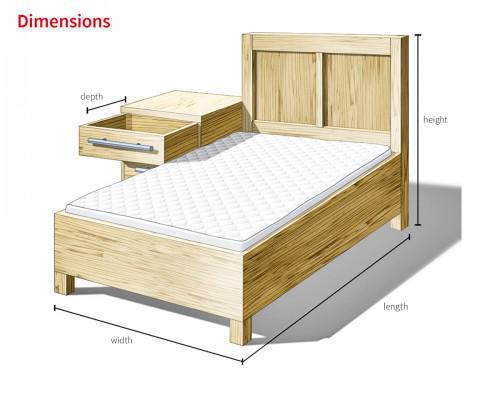
    height(noun)

    /haɪt/

    高さ (takasa)

    the measurement of how tall a person or thing is

    The height of this room is 3 meters.

    この部屋の高さは3メートルです。

    The table is available in several different heights.

    類義語elevationaltitudepeaktallnesshighness
    対義語depthshortnesslowdepressionbase
  4. 4

    form(noun)

    /fɔːrm/

    種類, 形態

    a type or variety of something

    Swimming is a very good form of exercise for people of all ages.

    水泳は、あらゆる年齢の人にとってとても良い運動の一形態だ。

    類義語documentapplicationtemplateformatshapekindtype
    対義語shapelessnessamorphousnessstructurelessness
  5. 5

    weight(noun)

    /weɪt/

    体重 (taijuu)

    how heavy somebody/something is, which can be measured in, for example, kilograms or pounds

    His weight is about 46 kilos.

    彼の体重は約46キロです。

    Sam has a weight problem (= is too fat).

    類義語heftmassloadburdenimportanceinfluence
    対義語lightnessweightlessnessinsignificanceunimportance
  6. 6

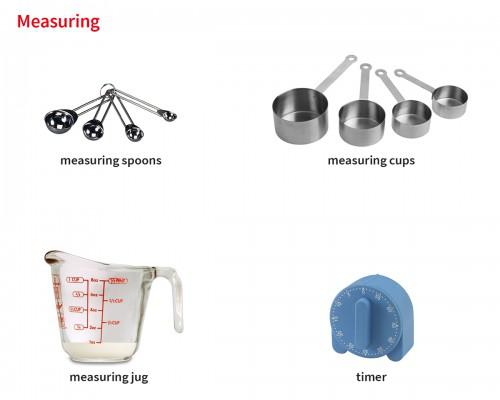
    measure(verb)

    /ˈmeʒər/

    測る (hakaru)

    to find the size, quantity, etc. of something in standard units

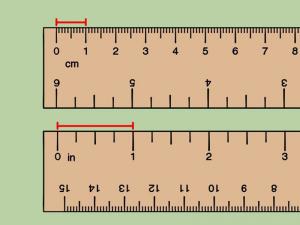
    Can you measure accurately with this ruler?

    この定規で正確に測れますか? (Kono jougi de seikaku ni hakaremasu ka?)

    measures against racism

    類義語gaugecalculateassessdetermineevaluateestimate
    対義語guessestimateassumeignore
  7. 7

    flu(noun)

    /fluː/

    インフルエンザ

    a serious disease caused by a virus, that causes a high temperature, severe pains and weakness

    The whole family has the flu.

    家族全員がインフルエンザにかかっています。

    She's got flu.

    類義語influenzagrippe
    対義語healthwellnesswell-being
  8. 8

    coughing(noun)

    /ˈkɔːfɪŋ/

    咳 (seki)

    the action or sound of coughing (= forcing air through the throat suddenly and noisily because of illness, etc.)

    Coughing is one symptom of the flu.

    咳はインフルエンザの症状の一つです。

    The passengers who felt seasick stayed below (= on a lower deck ).

    類義語hackexpectorationspasmodic expiration
    対義語silencequiet
  9. 9

    male(adjective)

    /meɪl/

    男性の, 雄の

    being a man or boy

    There are more male teachers than female teachers at my school.

    私の学校では女性教師より男性教師のほうが多い。

    類義語masculinevirilemanly
    対義語femalefeminine
  10. 10

    normal(adjective)

    /ˈnɔːrml/

    正常 (seijō)

    typical, usual or ordinary; what you would expect

    My temperature is normal.

    私の体温は正常です。(Watashi no taion wa seijō desu.)

    quite/perfectly(= completely)normal

    類義語typicalstandardusualregularaveragecommonordinary
    対義語abnormalunusualirregularatypicalstrangeoddextraordinary
  11. 11

    follow(verb)

    /ˈfɑːləʊ/

    従う (shitagau)

    to come or go after or behind somebody/something

    He followed her into the house.

    彼は彼女の後を追って家に入った。

    Sam walked in, with the rest of the boys following closely behind.

    類義語chasepursuetrackobeyadhere toobservecome afterresult from
    対義語leadignoredisobeyprecedeavoid
  12. 12

    cure(verb)

    /kjʊr/

    治す, 治療する, 治癒させる

    to make a sick person healthy again or to make a disease go away completely

    Most cases of tuberculosis can be cured with six months of treatment.

    結核の大半は6か月間の治療で治すことができる。

    Early-stage cancer can often be cured by surgery.

    類義語remedytreatmenthealingtherapyantidote
    対義語diseaseailmentillnessaffliction
  13. 13

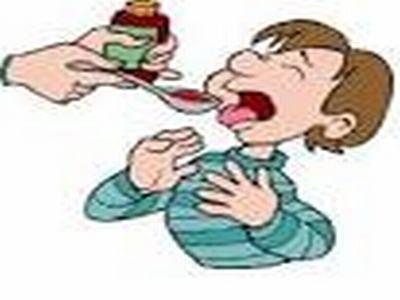
    medicine(noun)

    /ˈmedɪsn/

    薬, 内服薬

    a substance, especially a liquid that you drink or swallow, that is used to treat or prevent an illness

    Did you take your medicine?

    薬は飲みましたか?

    to study/practise medicine

    類義語medicationremedycuretreatmentdrugpharmaceutical
    対義語poisontoxindiseaseillness
  14. 14

    female(adjective)

    /ˈfiːmeɪl/

    女性

    being a woman or a girl

    The male voice is deeper than the female.

    男性の声は女性の声よりも低い。

    a feather pillow (= one containing feathers)

    類義語womanfeminineladygirl
    対義語malemasculine
  15. 15

    weigh(verb)

    /weɪ/

    重さが〜ある, 体重が〜ある

    to have a particular weight

    How much do you weigh?

    あなたは体重がどれくらいありますか。

    How much do you weigh (= how heavy are you)?

    類義語measurescaletip the scales at
    対義語lightenlose weight
  16. 16

    disappear(verb)

    /ˌdɪsəˈpɪr/

    消える (kieru)

    to become impossible to see

    My wallet seemed to have disappeared.

    私の財布はなくなったようだ。

    The plane disappeared behind a cloud.

    類義語vanishfadeevaporatedematerializebe lostpass away
    対義語appearemergearrivematerializesurfaceshow up
  17. 17

    headache(noun)

    /ˈhedeɪk/

    頭痛

    pain in any part of the head, ranging from mild to severe

    A sudden, severe headache always needs urgent assessment in hospital.

    突然の激しい頭痛は、必ず病院での緊急の評価が必要である。

    She has had a throbbing headache since yesterday.

    類義語cephalalgiamigrainehead pain
    対義語reliefcurerecoverywellness
  18. 18

    Get on(phrasal verb)

    /gɛt/ /ɒn/

    乗る, 乗車する

    to get into a bus, train or plane, or to climb onto something

    If you want to go to 5th Avenue, get on the bus number 15.

    5番街に行きたい場合は、15番のバスに乗ってください。

    類義語boardentermountembark
    対義語get offdisembarkexit
  19. 19

    medical record(noun)

    /ˈmedəkəl ˈrekərd/

    診療録, カルテ

    the official file containing all information about a patient's health, examinations and treatment

    Every drug given must be documented in the medical record.

    投与したすべての薬は診療録に記録しなければなりません。

    The hospital has switched to electronic medical records.

    類義語Health recordPatient chartClinical record
    対義語None (It is a specific term with no direct antonyms in the context of healthcare)
  20. 20

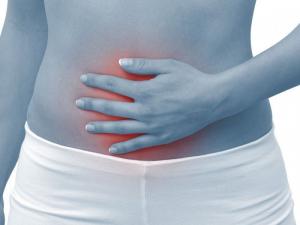
    stomach ache(noun)

    /ˈstʌmək eɪk/

    腹痛 (fukutsuu)

    pain in or near your stomach

    Eating too much chocolate makes me have a stomach ache.

    チョコレートを食べすぎるとお腹が痛くなります。

    類義語abdominal painbellyachestomach crampsindigestion
    対義語comfortreliefwellness
  21. 21

    relieve(verb)

    /rɪˈliːv/

    軽減する (keigen suru)

    to remove or reduce an unpleasant feeling or pain

    Eating bananas can relieve the stress.

    バナナを食べるとストレスを軽減できます。

    類義語alleviateeasereducelessenmitigateassuagesoothecomfort
    対義語aggravateworsenincreaseintensifyheightenexacerbate
  22. 22

    centimeter(noun)

    /ˈsentɪmiːtər/

    センチメートル (senchi meetoru)

    a unit for measuring length; there are 100 centimetres in a metre

    I am 160 centimeters in height.

    私の身長は160センチメートルです。(Watashi no shinchō wa hyaku rokujū senchi mētoru desu.)

    類義語cm
    対義語meterinchfootyardmile
  23. 23

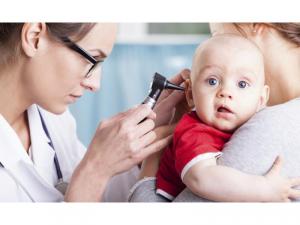
    check-up(noun)

    /ˈtʃek ʌp/

    健康診断

    an examination of somebody/something, especially a medical one to make sure that you are healthy

    I will have a medical check-up tomorrow morning.

    明日の朝、健康診断を受けます。

    類義語medical examinationphysicalhealth screeningmedical assessment
    対義語neglectdisregardignore
  24. 24

    forename(noun)

    /ˈfɔːrneɪm/

    名

    a person’s first name rather than the name that they share with the other members of their family (= their surname )

    Please write your surname and forename in the form.

    フォームに姓と名を記入してください。

    類義語first namegiven nameChristian name
    対義語surnamefamily namelast name
  25. 25

    medical check-up(noun)

    /ˈmedɪkl tʃek ʌp/

    健康診断 (kenko shindan)

    a thorough examination of your body by a doctor to check that you are healthy

    You had better go to hospital for a medical check-up.

    健康診断のために病院に行った方が良い。

    類義語physical examinationhealth screeningmedical examinationcheckup
    対義語none (in the sense of actively avoiding a check-up)neglect of health
  26. 26

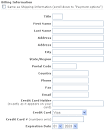
    medical form(noun)

    /ˈmedɪkl fɔ

    医療フォーム

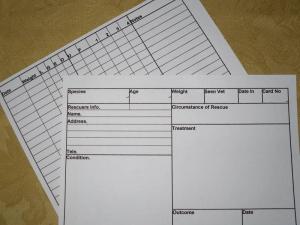
    an official document on which you give information about your health

    All people must complete this medical form.

    すべての人がこの医療フォームを完了する必要があります。

    類義語health formpatient information sheetmedical questionnaire
    対義語general formnon-medical form
  27. 27

    missing information(noun)

    /'misiɳ ˌɪnfəˈmeɪʃn/

    不足情報 (fusoku jōhō)

    facts or details that should be given, for example on a form, but have not been

    The doctor asked me to fill in the missing information on the medical form.

    医師は私に、医療フォームの不足情報を記入するように頼みました。

    類義語incomplete informationabsent datalack of informationomitted details
    対義語complete informationfull datadetailed informationcomprehensive information
  28. 28

    record card(noun)

    /ˈrekərd kɑ

    記録カード (kiroku kādo)

    a card on which information about a person, such as their health, is written and kept

    Put the record card in this box.

    この箱に記録カードを入れてください。(Kono hako ni kiroku kādo o irete kudasai.)

    類義語formdata sheetindex cardregistration card
    対義語blank card
  29. 29

    run/have a temperature(phrase)

    /rʌn/ hæv ə ˈtemprətʃər/

    熱がある

    to have a body temperature that is higher than normal because you are ill

    This child has a high temperature.

    この子は高い熱があります。

    類義語feverishinflamedhot
    対義語coldafebrilehealthy
  30. 30

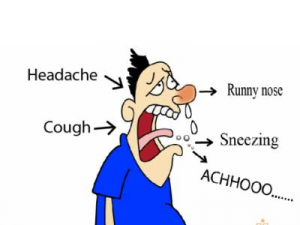
    runny nose(noun)

    /ˈrʌni nəʊz/

    鼻水

    a nose that has liquid coming out of it, usually because you have a cold

    I've got a sore throat and a runny nose.

    喉が痛くて鼻水が出ます。

    類義語nasal congestionrhinorrheadripping nose
    対義語clear nosedry noseunblocked nose
  31. 31

    semester(noun)

    /sɪˈmestər/

    学期 (gakki)

    one of the two periods that the school or college year is divided into

    The new semester will begin next month.

    新しい学期は来月始まります。

    類義語termsessionacademic period
  32. 32

    sick(adjective)

    /sɪk/

    病気

    physically or mentally ill

    My grandfather is very sick.

    私の祖父はとても病気です。

    類義語illunwellailingdiseasedunhealthy
    対義語healthywellfitrobuststrong
  33. 33

    sickness(noun)

    /ˈsɪknəs/

    病気 (byouki)

    illness; bad health

    She couldn’t go to work because of sickness.

    彼女は病気で仕事に行けませんでした。

    類義語illnessdiseaseailmentmaladyinfirmitydisorder
    対義語healthwellnessfitness
  34. 34

    slight fever(noun)

    /slaɪt ˈfiːvər/

    微熱 (binetsu)

    a body temperature that is only a little higher than normal

    Slight fever is one of the symptoms of a cold.

    微熱は風邪の症状の一つです。

    類義語low-grade fevermild feverlow temperaturemoderate fever (depending on severity)
    対義語high feversevere feverhyperthermia
  35. 35

    sneeze(verb)

    /sniːz/

    くしゃみをする

    to have air come suddenly and noisily out through your nose and mouth in a way that you cannot control, for example because you have a cold

    She’s been sneezing all day.

    彼女は一日中くしゃみをしています。

    類義語sternutationachoo
    対義語stillnessquiet
  36. 36

    symptom(noun)

    /ˈsɪmptəm/

    症状

    a change in the body or mind that a patient notices and that may be a sign of disease

    The most common symptoms of dengue are high fever and severe body aches.

    デング熱の最も一般的な症状は、高熱と激しい全身の痛みです。

    Tell the doctor when your symptoms first started.

    類義語signindicationmanifestationcharacteristicfeatureevidence
    対義語healthwellnesscurenormality

  37. 37

    take one's temperature(phrase)

    /teik wʌnz temprətʃə/

    体温を測る

    to measure how hot someone's body is, usually with a thermometer

    The doctor took my temperature.

    医者は私の体温を測りました。

    類義語measure temperaturecheck temperatureget a temperature reading
    対義語ignore temperaturenot measure temperature
  38. 38

    temperature(noun)

    /ˈtemprətʃər/

    熱, 発熱

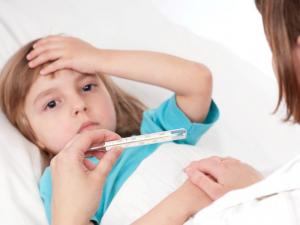
    a body temperature that is higher than normal, because you are ill

    Yesterday I had a temperature so I didn’t go to school.

    昨日は熱があったので学校に行かなかった。

  39. 39

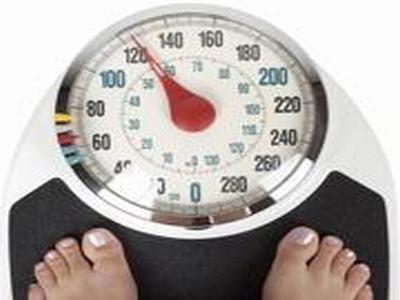
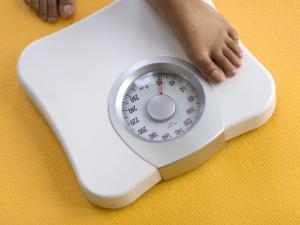
    scale(noun)

    /skeɪl/

    はかり, 秤

    an instrument for weighing people or things

    She stood on the scales to check her weight after the exercise class.

    彼女はエクササイズ教室の後、体重を確かめるために体重計に乗った。

  40. 40

    cold(noun)

    /kəʊld/

    風邪

    a common illness that affects the nose and/or throat, making you cough, sneeze, etc.

    I caught a cold because I walked in the rain.

    雨の中を歩いたので風邪をひきました。