본문으로 건너뛰기

레슨 11/16 · 40단어 · 외운 단어 0

Lesson 11: KEEP FIT STAY HEALTHY

11과: 건강한 몸 유지하기

  1. 1

    prevent(verb)

    /prɪˈvent/

    예방하다 (yebanghada)

    to stop somebody from doing something; to stop something from happening

    By encouraging teenagers not to smoke, doctors are hoping to prevent many cases of cancer

    의사들은 청소년들에게 담배를 피우지 않도록 장려함으로써 많은 암 발생을 예방하기를 희망합니다.

    His full caseload prevented the doctor from taking on new patients

    유의어avoidaverthinderobstructprecludestopblock
    반의어allowpermitencouragepromotecausehelp
  2. 2

    record(noun)

    /ˈrekərd/

    기록 (girok)

    a written account of something that is kept so that it can be looked at and used in the future

    You should keep a record of your expenses

    지출 내역을 기록해야 합니다 (Jichul naeyeogeul girokhaeya hamnida)

    Ms. Han typed a written request for her medical records

    유의어logdocumentaccountfileregisterarchive
    반의어forgetignoreomitneglect
  3. 3

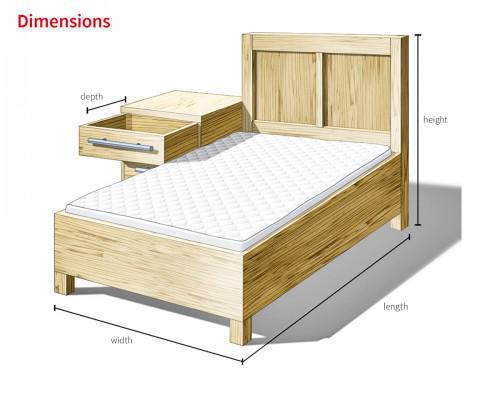
    height(noun)

    /haɪt/

    높이 (nopi)

    the measurement of how tall a person or thing is

    The height of this room is 3 meters.

    이 방의 높이는 3미터입니다.

    The table is available in several different heights.

    유의어elevationaltitudepeaktallnesshighness
    반의어depthshortnesslowdepressionbase
  4. 4

    form(noun)

    /fɔːrm/

    형태, 종류

    a type or variety of something

    Swimming is a very good form of exercise for people of all ages.

    수영은 모든 연령대의 사람에게 매우 좋은 운동 형태이다.

    유의어documentapplicationtemplateformatshapekindtype
    반의어shapelessnessamorphousnessstructurelessness
  5. 5

    weight(noun)

    /weɪt/

    체중 (chejung)

    how heavy somebody/something is, which can be measured in, for example, kilograms or pounds

    His weight is about 46 kilos.

    그의 체중은 약 46킬로그램입니다.

    Sam has a weight problem (= is too fat).

    유의어heftmassloadburdenimportanceinfluence
    반의어lightnessweightlessnessinsignificanceunimportance
  6. 6

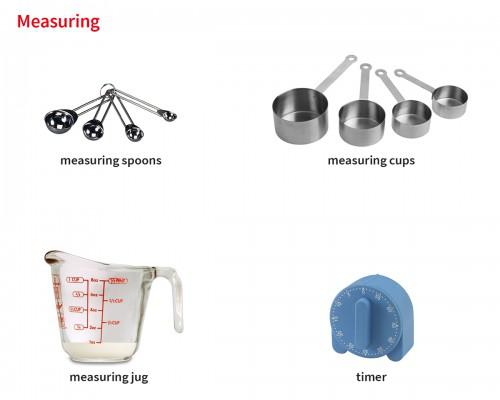
    measure(verb)

    /ˈmeʒər/

    측정하다 (cheukjeonghada)

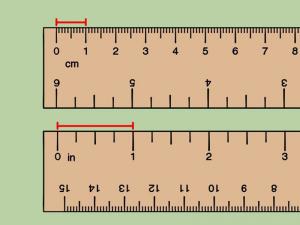
    to find the size, quantity, etc. of something in standard units

    Can you measure accurately with this ruler?

    이 자로 정확하게 측정할 수 있나요? (I jaro jeonghwakhage cheukjeonghal su innayo?)

    measures against racism

    유의어gaugecalculateassessdetermineevaluateestimate
    반의어guessestimateassumeignore
  7. 7

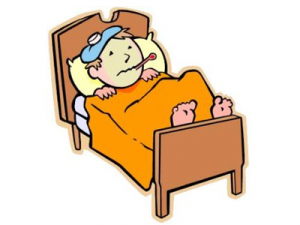
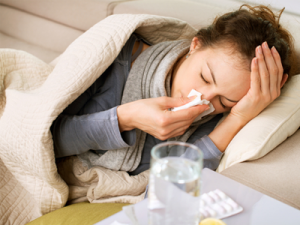
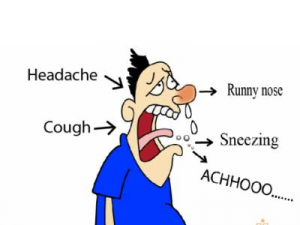
    flu(noun)

    /fluː/

    독감

    a serious disease caused by a virus, that causes a high temperature, severe pains and weakness

    The whole family has the flu.

    온 가족이 독감에 걸렸어요.

    She's got flu.

    유의어influenzagrippe
    반의어healthwellnesswell-being
  8. 8

    coughing(noun)

    /ˈkɔːfɪŋ/

    기침 (gichim)

    the action or sound of coughing (= forcing air through the throat suddenly and noisily because of illness, etc.)

    Coughing is one symptom of the flu.

    기침은 독감의 한 증상입니다.

    The passengers who felt seasick stayed below (= on a lower deck ).

    유의어hackexpectorationspasmodic expiration
    반의어silencequiet
  9. 9

    male(adjective)

    /meɪl/

    남성의, 남자의, 수컷의

    being a man or boy

    There are more male teachers than female teachers at my school.

    우리 학교에는 여자 선생님보다 남자 선생님이 더 많다.

    유의어masculinevirilemanly
    반의어femalefeminine
  10. 10

    normal(adjective)

    /ˈnɔːrml/

    정상 (jeongsang)

    typical, usual or ordinary; what you would expect

    My temperature is normal.

    제 체온은 정상입니다. (Je cheoneun jeongsangimnida.)

    quite/perfectly(= completely)normal

    유의어typicalstandardusualregularaveragecommonordinary
    반의어abnormalunusualirregularatypicalstrangeoddextraordinary
  11. 11

    follow(verb)

    /ˈfɑːləʊ/

    따르다 (ttareuda)

    to come or go after or behind somebody/something

    He followed her into the house.

    그는 그녀를 따라 집 안으로 들어갔다.

    Sam walked in, with the rest of the boys following closely behind.

    유의어chasepursuetrackobeyadhere toobservecome afterresult from
    반의어leadignoredisobeyprecedeavoid
  12. 12

    cure(verb)

    /kjʊr/

    치료하다, 완치시키다

    to make a sick person healthy again or to make a disease go away completely

    Most cases of tuberculosis can be cured with six months of treatment.

    대부분의 결핵 환자는 6개월간의 치료로 완치될 수 있다.

    Early-stage cancer can often be cured by surgery.

    유의어remedytreatmenthealingtherapyantidote
    반의어diseaseailmentillnessaffliction
  13. 13

    medicine(noun)

    /ˈmedɪsn/

    약, 약물

    a substance, especially a liquid that you drink or swallow, that is used to treat or prevent an illness

    Did you take your medicine?

    약 먹었어요?

    to study/practise medicine

    유의어medicationremedycuretreatmentdrugpharmaceutical
    반의어poisontoxindiseaseillness
  14. 14

    female(adjective)

    /ˈfiːmeɪl/

    여성

    being a woman or a girl

    The male voice is deeper than the female.

    남성의 목소리는 여성보다 더 낮습니다.

    a feather pillow (= one containing feathers)

    유의어womanfeminineladygirl
    반의어malemasculine
  15. 15

    weigh(verb)

    /weɪ/

    무게가 ~이다, 무게가 나가다

    to have a particular weight

    How much do you weigh?

    몸무게가 얼마나 나가요?

    How much do you weigh (= how heavy are you)?

    유의어measurescaletip the scales at
    반의어lightenlose weight
  16. 16

    disappear(verb)

    /ˌdɪsəˈpɪr/

    사라지다 (sarajida)

    to become impossible to see

    My wallet seemed to have disappeared.

    제 지갑이 사라진 것 같아요.

    The plane disappeared behind a cloud.

    유의어vanishfadeevaporatedematerializebe lostpass away
    반의어appearemergearrivematerializesurfaceshow up
  17. 17

    headache(noun)

    /ˈhedeɪk/

    두통

    pain in any part of the head, ranging from mild to severe

    A sudden, severe headache always needs urgent assessment in hospital.

    갑작스럽고 심한 두통은 항상 병원에서 긴급한 평가가 필요하다.

    She has had a throbbing headache since yesterday.

    유의어cephalalgiamigrainehead pain
    반의어reliefcurerecoverywellness
  18. 18

    Get on(phrasal verb)

    /gɛt/ /ɒn/

    타다, 올라타다

    to get into a bus, train or plane, or to climb onto something

    If you want to go to 5th Avenue, get on the bus number 15.

    5번가에 가려면 15번 버스를 타세요.

    유의어boardentermountembark
    반의어get offdisembarkexit
  19. 19

    medical record(noun)

    /ˈmedəkəl ˈrekərd/

    의무기록, 진료기록

    the official file containing all information about a patient's health, examinations and treatment

    Every drug given must be documented in the medical record.

    투여한 모든 약물은 의무기록에 기록되어야 한다.

    The hospital has switched to electronic medical records.

    유의어Health recordPatient chartClinical record
    반의어None (It is a specific term with no direct antonyms in the context of healthcare)
  20. 20

    stomach ache(noun)

    /ˈstʌmək eɪk/

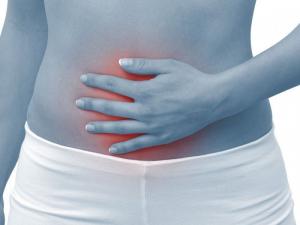
    복통 (boktong)

    pain in or near your stomach

    Eating too much chocolate makes me have a stomach ache.

    초콜릿을 너무 많이 먹으면 배가 아파요.

    유의어abdominal painbellyachestomach crampsindigestion
    반의어comfortreliefwellness
  21. 21

    relieve(verb)

    /rɪˈliːv/

    완화하다 (wanhwahada)

    to remove or reduce an unpleasant feeling or pain

    Eating bananas can relieve the stress.

    바나나를 먹는 것은 스트레스를 완화할 수 있습니다.

    유의어alleviateeasereducelessenmitigateassuagesoothecomfort
    반의어aggravateworsenincreaseintensifyheightenexacerbate
  22. 22

    centimeter(noun)

    /ˈsentɪmiːtər/

    센티미터 (senteomiteo)

    a unit for measuring length; there are 100 centimetres in a metre

    I am 160 centimeters in height.

    제 키는 160센티미터입니다. (Je kineun 160 senteomiteoimnida.)

    유의어cm
    반의어meterinchfootyardmile
  23. 23

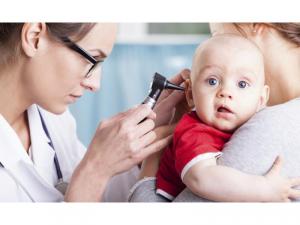
    check-up(noun)

    /ˈtʃek ʌp/

    건강 검진

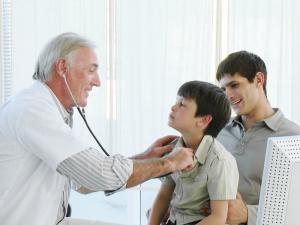
    an examination of somebody/something, especially a medical one to make sure that you are healthy

    I will have a medical check-up tomorrow morning.

    내일 아침에 건강 검진을 받을 거예요.

    유의어medical examinationphysicalhealth screeningmedical assessment
    반의어neglectdisregardignore
  24. 24

    forename(noun)

    /ˈfɔːrneɪm/

    이름

    a person’s first name rather than the name that they share with the other members of their family (= their surname )

    Please write your surname and forename in the form.

    양식에 성과 이름을 적어주세요.

    유의어first namegiven nameChristian name
    반의어surnamefamily namelast name
  25. 25

    medical check-up(noun)

    /ˈmedɪkl tʃek ʌp/

    건강 검진 (geon-gang geom-jin)

    a thorough examination of your body by a doctor to check that you are healthy

    You had better go to hospital for a medical check-up.

    병원에 가서 건강 검진을 받는 것이 좋겠습니다.

    유의어physical examinationhealth screeningmedical examinationcheckup
    반의어none (in the sense of actively avoiding a check-up)neglect of health
  26. 26

    medical form(noun)

    /ˈmedɪkl fɔ

    의료 양식

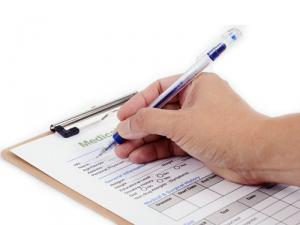
    an official document on which you give information about your health

    All people must complete this medical form.

    모든 사람은 이 의료 양식을 작성해야 합니다.

    유의어health formpatient information sheetmedical questionnaire
    반의어general formnon-medical form
  27. 27

    missing information(noun)

    /'misiɳ ˌɪnfəˈmeɪʃn/

    누락된 정보 (nurakdoen jeongbo)

    facts or details that should be given, for example on a form, but have not been

    The doctor asked me to fill in the missing information on the medical form.

    의사는 나에게 의료 양식에서 누락된 정보를 채우라고 요청했습니다.

    유의어incomplete informationabsent datalack of informationomitted details
    반의어complete informationfull datadetailed informationcomprehensive information
  28. 28

    record card(noun)

    /ˈrekərd kɑ

    기록 카드 (girok kadeu)

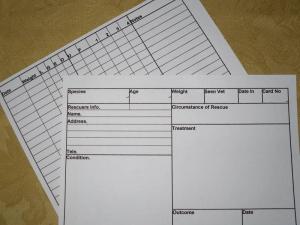
    a card on which information about a person, such as their health, is written and kept

    Put the record card in this box.

    이 상자에 기록 카드를 넣으세요. (I sangjae girok kadeureul neoeuseyo.)

    유의어formdata sheetindex cardregistration card
    반의어blank card
  29. 29

    run/have a temperature(phrase)

    /rʌn/ hæv ə ˈtemprətʃər/

    열이 나다, 열이 있다

    to have a body temperature that is higher than normal because you are ill

    This child has a high temperature.

    이 아이는 열이 높다.

    유의어feverishinflamedhot
    반의어coldafebrilehealthy
  30. 30

    runny nose(noun)

    /ˈrʌni nəʊz/

    콧물

    a nose that has liquid coming out of it, usually because you have a cold

    I've got a sore throat and a runny nose.

    목이 아프고 콧물이 나요.

    유의어nasal congestionrhinorrheadripping nose
    반의어clear nosedry noseunblocked nose
  31. 31

    semester(noun)

    /sɪˈmestər/

    학기 (hakgi)

    one of the two periods that the school or college year is divided into

    The new semester will begin next month.

    새 학기는 다음 달에 시작됩니다.

    유의어termsessionacademic period
  32. 32

    sick(adjective)

    /sɪk/

    아픈

    physically or mentally ill

    My grandfather is very sick.

    제 할아버지는 많이 아프세요.

    유의어illunwellailingdiseasedunhealthy
    반의어healthywellfitrobuststrong
  33. 33

    sickness(noun)

    /ˈsɪknəs/

    질병 (jilbyeong)

    illness; bad health

    She couldn’t go to work because of sickness.

    그녀는 아파서 출근할 수 없었습니다.

    유의어illnessdiseaseailmentmaladyinfirmitydisorder
    반의어healthwellnessfitness
  34. 34

    slight fever(noun)

    /slaɪt ˈfiːvər/

    미열 (miyeol)

    a body temperature that is only a little higher than normal

    Slight fever is one of the symptoms of a cold.

    미열은 감기의 증상 중 하나입니다.

    유의어low-grade fevermild feverlow temperaturemoderate fever (depending on severity)
    반의어high feversevere feverhyperthermia
  35. 35

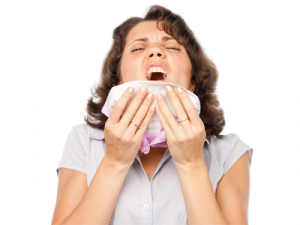
    sneeze(verb)

    /sniːz/

    재채기하다

    to have air come suddenly and noisily out through your nose and mouth in a way that you cannot control, for example because you have a cold

    She’s been sneezing all day.

    그녀는 하루 종일 재채기를 하고 있다.

    유의어sternutationachoo
    반의어stillnessquiet
  36. 36

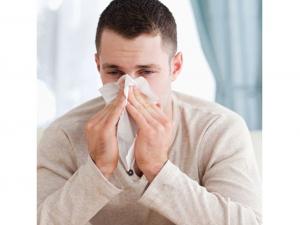
    symptom(noun)

    /ˈsɪmptəm/

    증상

    a change in the body or mind that a patient notices and that may be a sign of disease

    The most common symptoms of dengue are high fever and severe body aches.

    뎅기열의 가장 흔한 증상은 고열과 심한 전신 근육통이다.

    Tell the doctor when your symptoms first started.

    유의어signindicationmanifestationcharacteristicfeatureevidence
    반의어healthwellnesscurenormality

  37. 37

    take one's temperature(phrase)

    /teik wʌnz temprətʃə/

    체온을 재다

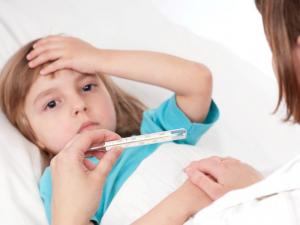
    to measure how hot someone's body is, usually with a thermometer

    The doctor took my temperature.

    의사 선생님이 내 체온을 쟀다.

    유의어measure temperaturecheck temperatureget a temperature reading
    반의어ignore temperaturenot measure temperature
  38. 38

    temperature(noun)

    /ˈtemprətʃər/

    열, 발열

    a body temperature that is higher than normal, because you are ill

    Yesterday I had a temperature so I didn’t go to school.

    어제 열이 나서 학교에 가지 않았다.

  39. 39

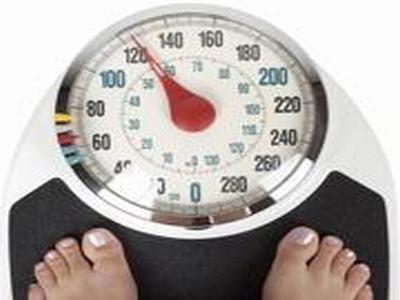
    scale(noun)

    /skeɪl/

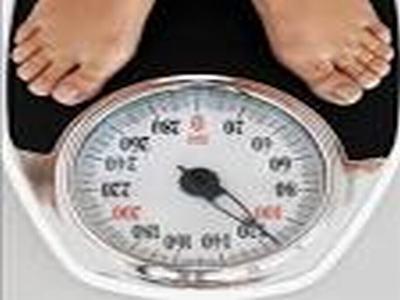
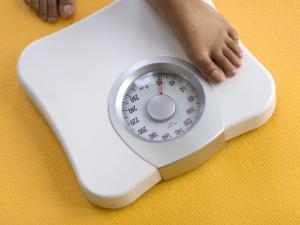
    저울

    an instrument for weighing people or things

    She stood on the scales to check her weight after the exercise class.

    그녀는 운동 수업이 끝난 후 체중을 재려고 저울 위에 올라섰다.

  40. 40

    cold(noun)

    /kəʊld/

    감기

    a common illness that affects the nose and/or throat, making you cough, sneeze, etc.

    I caught a cold because I walked in the rain.

    나는 비를 맞으며 걸어서 감기에 걸렸다.