コンテンツへスキップ

レッスン7/10 · 50語 · 覚えた単語 0

Lesson 7: SAVING ENERGY

第7課:省エネ

  1. 1

    consume(verb)

    /kənˈsuːm/

    消費する (shōhi suru)

    to use something, especially fuel, energy or time

    The printer consumes more toner than the downstairs printer

    このプリンターは下の階のプリンターよりも多くのトナーを消費します。

    The business plans consumed all of Fritz's attention this fall

    類義語usedevourexpenddepleteexhaustutilizeabsorb
    対義語conservepreservesaveproducecreatehoard
  2. 2

    replace(verb)

    /rɪˈpleɪs/

    交換

    to be used instead of somebody/something else; to do something instead of somebody/something else

    I've replaced the hard drive that was malfunctioning

    故障していたハードドライブを交換しました。

    We have been looking for three months and we've found no one who can replace our former administrator

    類義語substituteexchangesupplantsupersedeswapchange
    対義語keepretainpreservemaintain
  3. 3

    source(noun)

    /sɔːrs/

    源 (minamoto/gen)

    a place, person or thing that you get something from

    I can't tell you the source of this information

    この情報の出所は言えません。

    The source of this rare pottery that we are selling in our shop is a small village in India

    類義語originrootbeginningfoundationbasiscausefountainheadwellspring
    対義語resultoutcomeeffectconsequenceend
  4. 4

    resource(noun)

    /ˈriːsɔːrs/

    資源 (shigen)

    a supply of something that a country, an organization or a person has and can use, especially to increase their wealth

    The company's most valuable resource was its staff

    その会社の一番貴重な資源は社員だった。

    If you don't invest in petroleum resources now, you will find that the stock prices will get away from you

    類義語assetsupplyreservesourcemeanscapabilitypotential
    対義語liabilitydeficiencylackshortagewaste
  5. 5

    waste(verb)

    /weɪst/

    浪費する, 無駄にする

    to use more of something than is necessary or useful, or to use it carelessly

    Without a leader, the group members wasted time and energy trying to organize themselves

    リーダーがいなかったため、グループのメンバーは自分たちをまとめようとして時間と労力を無駄にした。

    The meeting wasn't a waste of time, but the members had hoped to accomplish more than they did

    類義語squanderdissipatefrittermisuseconsumedeplete
    対義語conservesavepreserveeconomizeutilize
  6. 6

    decade(noun)

    /ˈdekeɪd/

    十年紀 (juunenki)

    a period of ten years, especially a continuous period, such as 1910–1919 or 2000–2009

    Each decade seems to have its own fad products

    それぞれの十年紀には、独自の流行商品があるようです。

    After a decade of trying, the company finally developed a vastly superior product

    類義語ten yearsdecennium
    対義語yearcenturyera
  7. 7

    category(noun)

    /ˈkætəɡɔːri/

    カテゴリー

    a group of people or things with particular features in common

    Jazz is one of many categories of music

    ジャズは音楽の多くのカテゴリーの一つです。

    The works of Mozart are in a category by themselves

    類義語typekindsortclassgroupclassificationvarietydivision
    対義語wholeentiretyunclassified
  8. 8

    regularly(adverb)

    /ˈreɡjələrli/

    定期的に

    at regular intervals or times

    She brushes regularly after every meal

    彼女は毎食後、定期的に歯を磨きます

    I have to remind my son regularly to brush his teeth

    類義語frequentlyusuallyordinarilyroutinelysystematicallyconsistently
    対義語irregularlyinfrequentlyoccasionallyrarelysporadically
  9. 9

    separate(adjective)

    /ˈseprət/

    別々の, 独立した

    forming a unit by itself; not joined to something else

    I try to keep meat separate from other food in the fridge.

    私は冷蔵庫の中で肉をほかの食品と別にしておくようにしている。

    Stir the sauce constantly so that it does not separate.

    類義語dividedetachdisconnectisolatesegregatepartition
    対義語joinconnectunitecombinemergeintegrate
  10. 10

    scheme(noun)

    /skiːm/

    計画, 制度, 事業

    a plan or system for doing or organizing something

    The government has launched a new scheme to help families save energy at home.

    政府は家庭の省エネを支援する新しい制度を開始した。

    類義語planprojectdesignstrategysystemarrangement
    対義語improvisationchanceaccidentrandomness
  11. 11

    ultimately(adverb)

    /ˈʌltɪmətli/

    最終的に

    in the end; finally

    Ultimately, all the colonies will become independent.

    最終的に、すべての植民地は独立するでしょう。

    A poor diet will ultimately lead to illness.

    類義語eventuallyfinallyin the endat lastbasicallyfundamentally
    対義語initiallyprimarilyfirstoriginally
  12. 12

    panel(noun)

    /ˈpænl/

    パネル

    a square or rectangular piece of wood, glass or metal that forms part of a larger surface such as a door or wall

    Solar panels are installed on the roof of the house.

    ソーラーパネルが家の屋根に取り付けられています。

    The match has been postponed to a later date.

    類義語sectionsegmentcomponentsheetboard
    対義語wholeentiretyunity
  13. 13

    recent(adjective)

    /ˈriːsnt/

    最近の

    that happened or began only a short time ago

    Recent research has shown that the earth is seriously polluted.

    最近の研究で、地球が深刻な汚染にさらされていることが明らかになりました。

    There have been many changes in recent years.

    類義語newcurrentfreshlatestmodern
    対義語oldpastformerancientlong ago
  14. 14

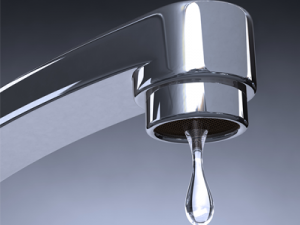
    faucet(noun)

    /ˈfɔːsɪt/

    蛇口 (jaguchi)

    a device that controls the flow of water from a pipe

    She always turns off the faucet after washing clothes.

    彼女は洗濯の後、いつも蛇口を閉めます。

    to turn a faucet on/off

    類義語tapspigotvalve
  15. 15

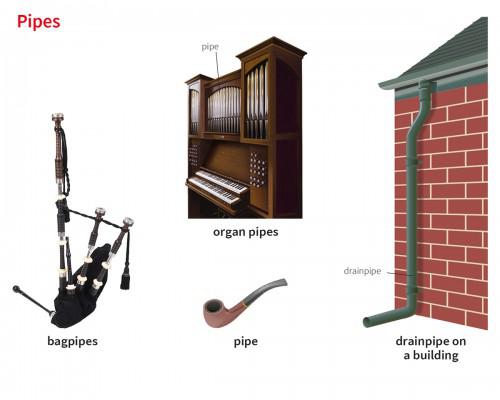
    pipe(noun)

    /paɪp/

    パイプ

    a tube through which liquids and gases can flow

    The pipes in my house are broken, so water covers the floor.

    私の家のパイプが壊れているので、水が床を覆っています。

    hot and cold water pipes

    類義語tubeconduitductlinepipeline
    対義語blockageobstructionsolid
  16. 16

    quarter(noun)

    /ˈkwɔːrtər/

    四分の一

    one of four equal parts of something

    It's a quarter past five.

    5時15分です。

    The programme lasted an hour and a quarter.

    類義語fractionportionsegmentdistrict
    対義語wholeentiretytotal
  17. 17

    save(verb)

    /seɪv/

    節約する, 省く

    to avoid wasting something or using more of it than necessary

    We need to save power.

    私たちは電力を節約する必要がある。

    Doctors were unable to save her.

    類義語conservepreserveprotectstorerescueretainsalvage
    対義語wastespendlosesquanderexpendendanger
  18. 18

    install(verb)

    /ɪnˈstɔːl/

    インストールする, 設置する, 導入する

    to put software or equipment in place on a computer or system so that it is ready to use

    You need administrator rights to install software on company laptops.

    会社のノートパソコンにソフトウェアをインストールするには、管理者権限が必要です。

    The technician installed the new printer on the office network.

    類義語set upput inestablishplacemountfixintroducesettle
    対義語removeuninstalldismantletake outdisestablish
  19. 19

    household(noun)

    /ˈhaʊshəʊld/

    世帯, 家族, 一家

    all the people living together in a house or flat

    There are four people in our household, including my grandmother.

    私たちの家族は祖母を含めて4人です。

    類義語domesticfamilyhome
    対義語commercialbusinesspublic
  20. 20

    effectively(adverb)

    /ɪˈfektɪvli/

    効果的に (koukateki ni)

    in a way that produces the intended result or a successful result

    Last month, I talked to some students about how to learn effectively.

    先月、効果的な学習方法について何人かの学生と話しました。

    You dealt with the situation very effectively.

    類義語efficientlysuccessfullyproductivelycompetentlyadeptlycapablywell
    対義語ineffectivelyinefficientlyfruitlesslyunsuccessfullypoorly
  21. 21

    receive(verb)

    /rɪˈsiːv/

    受け取る (uketoru)

    to get or accept something that is sent or given to you

    She received her prize from the manager

    彼女はマネージャーから賞を受け取りました。(Kanojo wa manējā kara shō o uketorimashita.)

    to receive a letter/present/phone call

    類義語getobtainacquireaccepttakegainderive
    対義語giveofferdonaterelinquishforfeitlose
  22. 22

    ordinary(adjective)

    /ˈɔːrdneri/

    普通

    not unusual or different in any way

    They are ordinary people like you and me.

    彼らはあなたや私のような普通の人々です。

    an ordinary sort of day

    類義語commontypicalusualregularnormalplainaveragerun-of-the-mill
    対義語extraordinaryremarkableunusualexceptionalspecialunique
  23. 23

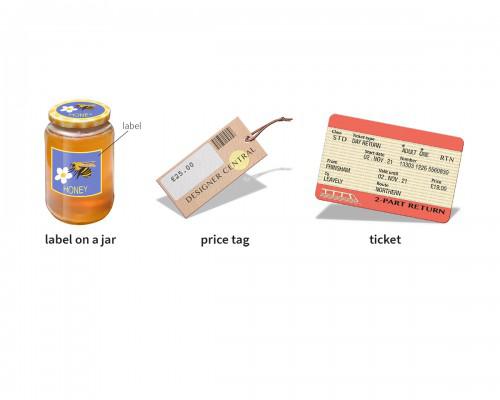
    label(noun)

    /ˈleɪbl/

    ラベル, 表示, 札

    a piece of paper, etc. that is attached to something and that gives information about it

    Always read the label on the bottle before you take any medicine.

    薬を飲む前に、必ず瓶のラベルを読んでください。

    類義語tagstickermarkerbadgeticketmark
    対義語unmarkedunlabeledanonymousgeneric
  24. 24

    crack(noun)

    /kræk/

    ひび, 亀裂

    a line on the surface of something where it has broken but not split into separate parts

    There is a crack in his car after the accident.

    事故のあと、彼の車にひびが入っています。

    The cracks (= faults) in the government's economic policy are already beginning to show.

    類義語fissuresplitcrevicefracturebreak
    対義語solidwholeunbroken
  25. 25

    suggest(verb)

    /səˈdʒest/

    提案する (teian suru)

    to put forward an idea or a plan for other people to think about

    I suggest being on time.

    時間通りに来ることを提案します。

    It has been suggested that bright children should take their exams early.

    類義語proposerecommendadvisehintimply
    対義語demandinsistassertordercommand
  26. 26

    nuclear(adjective)

    /ˈnuːkliər/

    核の (kaku no)

    using, producing or resulting from nuclear energy

    People are against the nuclear test in this area.

    人々はこの地域での核実験に反対しています。

    the nuclear industry

    類義語atomicradiologicalfission
    対義語conventionalnon-nuclear
  27. 27

    bill(noun)

    /bɪl/

    請求書 (seikyū-sho)

    a document that shows how much you owe somebody for goods or services

    The bill for their meal came to £17.

    彼らの食事代は17ポンドになりました。

    類義語invoicestatementchecktabaccount
    対義語paymentcreditrefund
  28. 28

    innovation(noun)

    /ˌɪnəˈveɪʃn/

    革新 (kakushin)

    the introduction of new things, ideas or ways of doing something

    Great innovations have been made by those famous composers.

    偉大な革新は、それらの有名な作曲家によってなされてきました。

    類義語noveltychangemodernizationalterationimprovementadvancecreationnewness
    対義語stagnationtraditionstatus quoroutinesamenessconvention
  29. 29

    infrastructure(noun)

    /ˈɪnfrəstrʌktʃər/

    インフラ

    the basic systems and services that are necessary for a country or an organization to run smoothly, for example buildings, transport and water and power supplies

    It is necessary to improve the infrastructure for better traffic systems.

    より良い交通システムのためにインフラを改善することが必要です。

    類義語frameworkfoundationbasesystemnetworkfacilitiesservices
    対義語deteriorationdecayneglectdestructiondisrepair
  30. 30

    refrigerator(noun)

    /rɪˈfrɪdʒəreɪtər/

    冷蔵庫 (reizōko)

    a piece of electrical equipment in which food is kept cold so that it stays fresh

    Put the vegetables in the refrigerator.

    野菜を冷蔵庫に入れて。

    類義語fridgeiceboxcooler
    対義語ovenheater
  31. 31

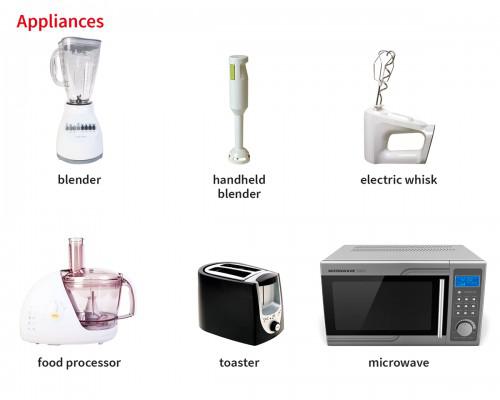
    appliance(noun)

    /əˈplaɪəns/

    家電製品 (kaden seihin)

    a machine that is designed to do a particular thing in the home, such as preparing food, heating or cleaning

    He just bought a new set of domestic appliances.

    彼はちょうど新しい家電製品一式を買った。

    類義語devicegadgetmachineequipment
    対義語tool (manual)utensil (manual)
  32. 32

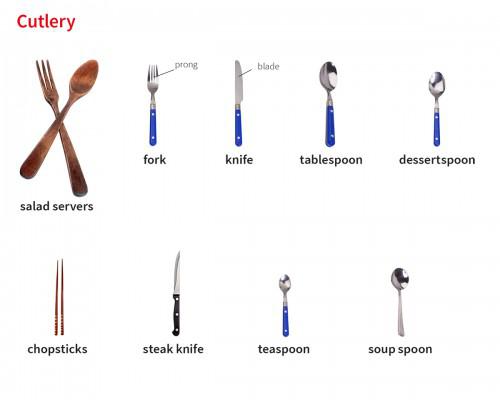
    chopstick(noun)

    /ˈtʃɑːpstɪk/

    箸 (hashi)

    either of a pair of thin sticks that are used for eating with, especially in East Asian countries

    Vietnamese people usually use chopsticks in daily meals.

    ベトナム人は普段の食事で箸を使います。

    類義語eating sticksfood sticks
    対義語spoonforkknife
  33. 33

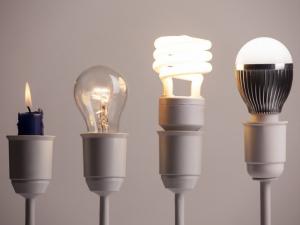
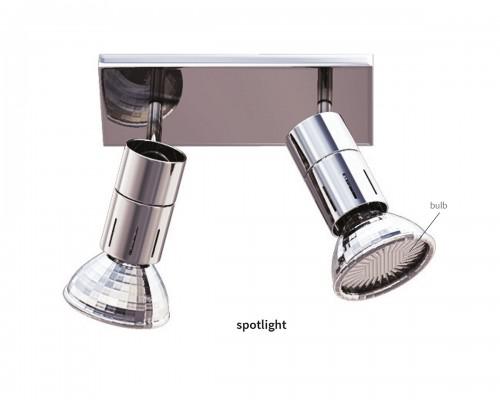
    bulb(noun)

    /bʌlb/

    電球 (denkyuu)

    the glass part that fits into an electric lamp, etc. to give light when it is switched on

    The bulb in the kitchen needs to be changed.

    台所の電球を交換する必要があります。

    類義語light bulblamp
    対義語darknessshade
  34. 34

    chore(noun)

    /tʃɔːr/

    雑用 (zatsuyou)

    a task that you do regularly

    You should help elderly people with their chores.

    お年寄りの雑用を手伝うべきです。

    類義語taskerrandjobdutywork
    対義語funrecreationleisureentertainment
  35. 35

    account for(phrasal verb)

    /əˈkaʊnt fɔː/

    〜を占める

    to be a particular amount or part of something

    Clothes account for one third of her expenses.

    衣服代は彼女の支出の3分の1を占めています。

    類義語constitutecompriseexplainjustifyrepresentmake up
    対義語disregardignoreneglect
  36. 36

    car pool(noun)

    /ˈkɑːr puːl/

    カープール, 相乗り通勤

    an arrangement in which a group of people take turns to drive each other to work, school, etc. in one car

    You should organize a car pool to reduce traffic jams.

    渋滞を減らすために、カープールを組織するとよいでしょう。

    類義語ridesharecar sharingshared rideride sharing
    対義語solo drivingsingle occupancy vehicle
  37. 37

    conservation(noun)

    /ˌkɑːnsərˈveɪʃn/

    保護 (hogo)

    the protection of the natural environment

    This kind of bird is protected by conservation plans.

    この種の鳥は、保護計画によって保護されています。

    類義語preservationprotectionsafeguardingmaintenanceupkeep
    対義語destructiondepletionwasteneglectexploitation
  38. 38

    consumption(noun)

    /kənˈsʌmpʃn/

    消費 (shōhi)

    the act of using energy, food or materials; the amount used

    Industrialized countries should reduce their energy consumption.

    工業国はエネルギー消費を削減すべきである。

    類義語useutilizationexpendituredepletionspendingabsorption
    対義語conservationpreservationsavingproductioncreation
  39. 39

    consumer(noun)

    /kənˈsuːmər/

    消費者 (shōhisha)

    a person who buys goods or uses services

    It is necessary to raise consumers' awareness.

    消費者の意識を高めることが必要です。 (Shōhisha no ishikio takameru koto ga hitsuyō desu.)

    類義語buyerpurchasercustomeruser
    対義語producersuppliervendor
  40. 40

    drip(verb)

    /drɪp/

    したたる, ぽたぽた落ちる

    to fall in small drops

    My house was full of water because the faucet had been dripping for a long time.

    蛇口が長い間ぽたぽた漏れていたせいで、家は水浸しになった。

    類義語trickleleakseepdropooze
    対義語pourgushflowsurge
  41. 41

    efficiency(noun)

    /ɪˈfɪʃnsi/

    効率

    the quality of doing something well with no waste of time or money

    The reforms will lead to cost efficiency and savings.

    改革はコスト効率と節約につながるでしょう。

    類義語productivityeffectivenesscapabilitycompetenceeconomyperformanceskill
    対義語inefficiencywastefulnessincompetenceineffectiveness
  42. 42

    energy-saving(adjective)

    /ˈenədʒi ˈseɪvɪŋ/

    省エネ (shōene)

    designed to use less energy than usual

    We should use energy-saving household appliances.

    省エネ家電を使うべきです。(shōene kaden o tsukau beki desu.)

    類義語energy-efficientpower-savingfuel-efficient
    対義語energy-wastingpower-hungryinefficient
  43. 43

    hobby(noun)

    /ˈhɑːbi/

    趣味 (shumi)

    an activity that you do for pleasure when you are not working

    What are your hobbies?

    趣味は何ですか? (Shumi wa nan desu ka?)

    類義語pastimeinterestpursuitactivityavocation
    対義語workchoreobligationduty
  44. 44

    luxury(noun)

    /ˈlʌkʃəri/

    贅沢 (zeitaku)

    the fact of enjoying special and expensive things, particularly food and drink, clothes and places

    We can't afford many luxuries.

    私たちは多くの贅沢品を買う余裕がありません。

    類義語opulenceaffluencegrandeursplendordeluxecomfortindulgence
    対義語necessitypovertyhardshipdeprivationsimplicityfrugality

  45. 45

    plumber(noun)

    /ˈplʌmər/

    配管工

    a person whose job is to fit and repair things such as water pipes, toilets, etc.

    We had to call a plumber to repair the pipes.

    配管工にパイプの修理を頼まなければならなかった。

    類義語pipe fitterpipe worker
    対義語laymanamateuruntrained person
  46. 46

    profitable(adjective)

    /ˈprɑːfɪtəbl/

    利益のある, 儲かる

    that makes or is likely to make money

    Using solar energy in manufacturing is profitable for all of us.

    製造業で太陽エネルギーを使うことは、私たち皆にとって利益になる。

    類義語beneficialadvantageousgainfulremunerativefruitfullucrativepaying
    対義語unprofitableloss-makingunproductiveworthless
  47. 47

    shortage(noun)

    /ˈʃɔːrtɪdʒ/

    不足 (busoku)

    a situation when there is not enough of the people or things that are needed

    There is a shortage of water in this area.

    この地域では水不足が起きています。

    類義語lackdearthdeficiencyscarcitypaucityinsufficiency
    対義語abundancesurplusexcessplentysufficiency
  48. 48

    solar energy(noun)

    /ˌsəʊlər ˈenərdʒi/

    太陽エネルギー

    energy given out by the sun in the form of heat and light

    Many buildings in some countries are heated by solar energy.

    一部の国の多くの建物は、太陽エネルギーによって暖房されています。

    類義語sunlight powerphotovoltaic energyradiant energy
    対義語fossil fuel energynuclear energyconventional energy
  49. 49

    model(noun)

    /ˈmɑːdl/

    型, モデル, 機種

    a particular design or type of product

    We would like to have a look at model 321A.

    321Aのモデルを見せていただきたいのですが。

  50. 50

    conserve(verb)

    /kənˈsɜːrv/

    節約する, 保存する, 大切に使う

    to use as little of something as possible so that it lasts a long time

    We can conserve energy by turning off lights we are not using.

    使っていない電気を消すことでエネルギーを節約できる。