본문으로 건너뛰기

레슨 11/16 · 48단어 · 외운 단어 0

Lesson 11: SOURCES OF ENERGY

11과: 에너지원

  1. 1

    consume(verb)

    /kənˈsuːm/

    소비하다 (sobihada)

    to use something, especially fuel, energy or time

    The printer consumes more toner than the downstairs printer

    이 프린터는 아래층 프린터보다 토너를 더 많이 소비합니다.

    The business plans consumed all of Fritz's attention this fall

    유의어usedevourexpenddepleteexhaustutilizeabsorb
    반의어conservepreservesaveproducecreatehoard
  2. 2

    strictly(adverb)

    /ˈstrɪktli/

    엄격히 (eomgyeokhi)

    with a lot of control and rules that must be obeyed

    Our store strictly enforces its return policy

    저희 가게는 반품 정책을 엄격히 시행합니다.

    Their high turnover rate is no surprise, considering how strictly the manager deals with them

    유의어rigidlyfirmlyabsolutelypreciselycloselyexactlystringently
    반의어looselylenientlyflexiblymildly
  3. 3

    trend(noun)

    /trend/

    유행

    a general direction in which a situation is changing or developing

    The clothing store tries to stay on top of all the new trends

    그 옷가게는 모든 새로운 유행을 따라가려고 노력합니다.

    Mioshi followed market trends closely before she bought a clothing franchise

    유의어fashionvoguestylecrazefaddirectionmovement
    반의어stabilitytraditionstagnationold-fashionedclassic
  4. 4

    experiment(noun)

    /ɪkˈsperɪmənt/

    실험 (silheom)

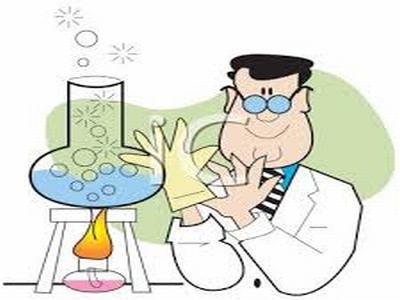
    a scientific test that is done in order to study what happens and to gain new knowledge

    Product developers must conduct hundreds of experiments in their research

    제품 개발자는 연구에서 수백 건의 실험을 수행해야 합니다.

    After designing a new product, researchers continue experimenting to determine whether it has other uses

    유의어testtrialinvestigationstudyprocedureobservation
    반의어theoryguessconjecturespeculation
  5. 5

    demand(noun)

    /dɪˈmænd/

    수요, 요구

    a very strong request for something; something that somebody needs

    The demand for electricity rises sharply during the hot summer months.

    무더운 여름철에는 전기 수요가 급격히 늘어난다.

    유의어requireneedinsistclaimexactrequestaskorder
    반의어offergivesupplyprovideforgosuggestwaive
  6. 6

    potential(adjective)

    /pəˈtenʃl/

    잠재적인

    that can develop into something or be developed in the future

    To avoid any potential side effects from the medication, be sure to tell your doctor all the drugs you are currently taking

    약물로 인한 잠재적인 부작용을 피하려면 현재 복용 중인 모든 약물을 의사에게 반드시 알리십시오.

    Given the potential delay in getting reimbursed by the health plan, why don't we just fill one prescription today?

    유의어possiblelikelyconceivableprospectivefuturelatent
    반의어actualrealcertaindefiniteunlikely
  7. 7

    fence(noun)

    /fens/

    울타리 (ultari)

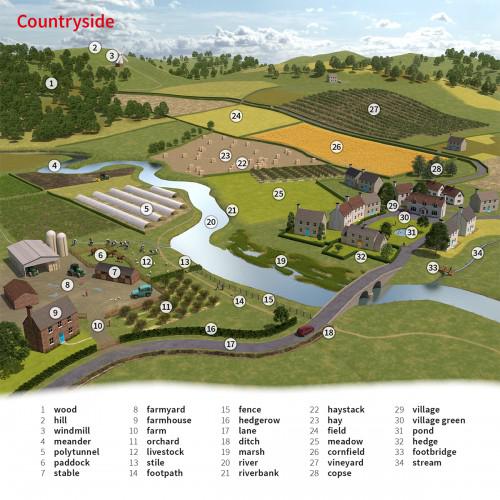
    a structure made of wood or wire supported with posts that is put between two areas of land as a boundary , or around a garden, field, etc. to keep animals in, or to keep people and animals out

    There is a white fence around his house.

    그의 집 주변에는 흰색 울타리가 있습니다.

    a green fence

    유의어barrierenclosurehedgewallrailing
    반의어open spaceunfenced area
  8. 8

    harmful(adjective)

    /ˈhɑːrmfl/

    해로운

    causing damage or injury to somebody/something, especially to a person’s health or to the environment

    This group of chemicals is harmful to people.

    이 화학 물질 그룹은 사람들에게 해롭습니다.

    Fruit juices can be harmful to children's teeth.

    유의어detrimentalinjuriousperniciousdamagingdeleterious
    반의어harmlessbeneficialsafeinnocuousadvantageous
  9. 9

    need(verb)

    /niːd/

    필요하다, 필요로 하다

    to require something/somebody because they are essential or very important, not just because you would like to have them

    Do you need me to help?

    내가 도와줄까?

    to satisfy/meet/identify a need

    유의어requiredemandlackwantdesire
    반의어havepossesssupplywant for nothing
  10. 10

    surround(verb)

    /səˈraʊnd/

    둘러싸다 (dulleossada)

    to be all around something/somebody

    Our house is surrounded with a lot of trees and flowers.

    우리 집은 많은 나무와 꽃으로 둘러싸여 있습니다.

    Tall trees surround the lake.

    유의어encloseencircleenvelopringhem inbesiege
    반의어leaveabandondesertfreerelease
  11. 11

    proportion(noun)

    /prəˈpɔːrʃn/

    비율 (biyul)

    a part or share of a whole

    A higher proportion of Americans go on to higher education than is the case in Britain.

    미국인들이 고등 교육을 받는 비율은 영국보다 더 높습니다.

    Loam is a soil with roughly equal proportions of clay, sand and silt.

    유의어ratiopercentagefractionsharepartamountextentdegree
    반의어imbalancedisproportioninequalitywhole
  12. 12

    heat(noun)

    /hiːt/

    열, 더위, 열기

    the quality of being hot

    We could feel the heat of the sun on our faces.

    우리는 얼굴에 햇볕의 열기를 느낄 수 있었다.

    유의어warmwarm upraise the temperature ofmake hotgrow warmget hot
    반의어coolchillfreezerefrigerate
  13. 13

    harm(noun)

    /hɑːrm/

    해, 피해, 손해

    damage or injury that is caused by a person or an event

    Pollution from burning coal causes serious harm to the environment.

    석탄을 태울 때 나오는 오염은 환경에 심각한 해를 끼친다.

    유의어hurtinjuredamagewoundafflictmaltreat
    반의어helpaidassistbenefitprotectheal
  14. 14

    nuclear(adjective)

    /ˈnuːkliər/

    핵의 (haege)

    using, producing or resulting from nuclear energy

    People are against the nuclear test in this area.

    사람들은 이 지역에서 핵 실험을 반대합니다.

    the nuclear industry

    유의어atomicradiologicalfission
    반의어conventionalnon-nuclear
  15. 15

    fossil fuel(noun)

    /ˈfɑːsl fjuːəl/

    화석 연료 (hwaseok yeollyo)

    fuel such as coal or oil that was formed over millions of years from parts of dead animals or plants

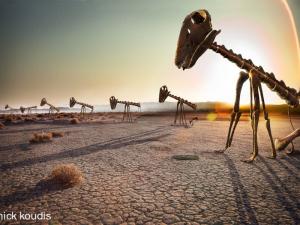
    Fossil fuels include fuels such as gas, coal and oil formed underground millions of years ago from plant and animal remains .

    화석 연료에는 수백만 년 전 식물과 동물의 유해에서 지하에 형성된 가스, 석탄, 석유와 같은 연료가 포함됩니다.

    유의어non-renewable energyconventional fuelhydrocarbon fuel
    반의어renewable energysustainable energygreen energy
  16. 16

    radiation(noun)

    /ˌreɪdiˈeɪʃn/

    방사선 (bangsaseon)

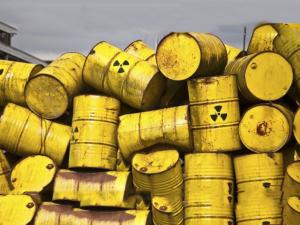
    powerful and very dangerous rays that are sent out from radioactive substances

    ultraviolet radiation

    자외선 (jaui seon)

    유의어emissionirradiationradianceenergy emissionefflux
    반의어absorptionshieldinginsulation
  17. 17

    alternate(adjective)

    /ˈɔːltərnət/

    번갈아 나타나는, 교대의

    happening or following one after the other regularly

    We had a week of alternate sunshine and heavy rain.

    우리는 일주일 동안 화창한 날씨와 폭우가 번갈아 이어졌다.

    유의어substitutereplaceexchangerotateinterchangeswitch
    반의어keepremainstayconstantsame
  18. 18

    ecology(noun)

    /iˈkɑːlədʒi/

    생태학 (saengtae-hak)

    the relation of plants and living creatures to each other and to their environment; the study of this

    She hopes to study ecology at college.

    그녀는 대학에서 생태학을 공부하기를 희망합니다.

    유의어environmental scienceenvironmentalismbiotic science
    반의어none (ecology as a field of study doesn't have a direct antonym. Related fields like urban planning might be considered distantly opposite in some contexts.)
  19. 19

    exhaust(verb)

    /ɪɡˈzɔːst/

    고갈시키다, 소진하다

    to use all of something so that there is none left

    We are quickly exhausting the world's supplies of oil and coal.

    우리는 세계의 석유와 석탄 공급량을 빠르게 고갈시키고 있다.

    유의어depletedrainconsumefatiguetirewear out
    반의어replenishrestorereviveenergize
  20. 20

    renewable(adjective)

    /rɪˈnuːəbl/

    재생 가능

    that is replaced naturally or controlled carefully and can therefore be used without the risk of using it all up

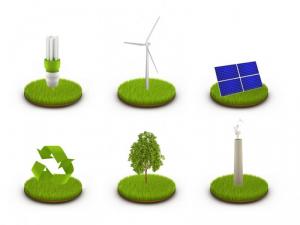
    There are some renewable energy sources such as wind and wave power.

    바람과 파력과 같은 몇몇 재생 가능 에너지원이 있습니다.

    유의어sustainableregenerativereplenishablerestorable
    반의어nonrenewablefiniteexhaustibledepletable
  21. 21

    needy(adjective)

    /ˈniːdi/

    궁핍한

    not having enough money, food, clothes, etc.

    This fund is to help children of needy families.

    이 기금은 어려운 가정의 아이들을 돕기 위한 것입니다.

    유의어poorimpoverisheddestituteindigentpenuriousdisadvantaged
    반의어wealthyrichaffluentprosperouswell-off
  22. 22

    consumption(noun)

    /kənˈsʌmpʃn/

    소비 (sobi)

    the act of using energy, food or materials; the amount used

    Industrialized countries should reduce their energy consumption.

    산업 국가들은 에너지 소비를 줄여야 합니다.

    유의어useutilizationexpendituredepletionspendingabsorption
    반의어conservationpreservationsavingproductioncreation
  23. 23

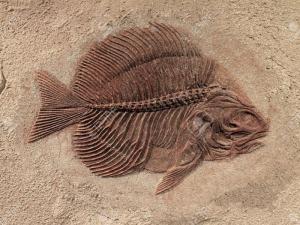
    fossil(noun)

    /ˈfɑːsl/

    화석 (hwaseok)

    the parts of a dead animal or a plant that have become hard and turned into rock

    Fossils of early reptiles were found in this area.

    이 지역에서 초기 파충류의 화석이 발견되었습니다.

    유의어relicremnantpetrificationarchetype
    반의어modern creationrecent artifact
  24. 24

    exhausted(adjective)

    /ɪɡˈzɔːstɪd/

    고갈된, 바닥난

    (of a supply of something) completely used up so that none is left

    If we keep burning oil and coal so fast, they will soon be exhausted.

    석유와 석탄을 이렇게 빨리 계속 태우면 머지않아 고갈될 것이다.

    유의어tireddrainedfatiguedwearyspentdepleted
    반의어energeticrefreshedinvigoratedrestedvigorous
  25. 25

    exhaustion(noun)

    /ɪɡˈzɔːstʃən/

    고갈, 소진

    the act of using something until it is completely finished

    The rapid exhaustion of fossil fuels is a serious problem for the world.

    화석 연료의 급속한 고갈은 전 세계의 심각한 문제이다.

    유의어fatiguewearinesstirednessburnoutdebilitationlassitude
    반의어energyvitalitystrengthinvigorationfreshness
  26. 26

    nuclear energy(noun)

    /ˌnuːkliər ˈenərdʒi/

    원자력 에너지 (wonjaryeok eneojeo)

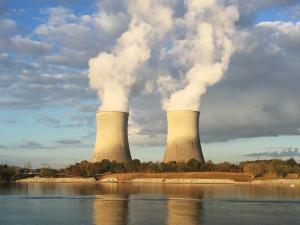
    a powerful form of energy produced by changing matter into energy by splitting the nuclei (= central parts) of atoms . It is used to produce electricity.

    I think nuclear energy will be widely used in the future.

    저는 원자력 에너지가 미래에 널리 사용될 것이라고 생각합니다.

    유의어atomic energyatomic powernuclear power
    반의어renewable energysolar energywind energyhydroelectric energy
  27. 27

    nucleus(noun)

    /ˈnuːkliəs/

    원자핵, 핵

    the part of an atom that contains most of its mass and that carries a positive electric charge

    Splitting the nucleus of an atom releases a huge amount of energy.

    원자의 핵을 분열시키면 막대한 에너지가 방출된다.

    유의어corecenterheartkernel
    반의어surfaceexteriorperipheryedge
  28. 28

    geothermal(adjective)

    /ˌdʒiːəʊˈθɜːrml/

    지열 (jiyeol)

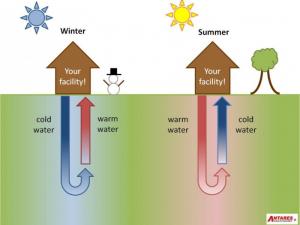
    connected with the natural heat of rock deep in the ground

    They are going to build a geothermal power station in this area.

    그들은 이 지역에 지열 발전소를 건설할 것입니다.

    유의어earth-heatgeothermicvolcanic
    반의어conventionalfossil fuelnon-geothermal
  29. 29

    geothermal heat(noun)

    /ˌdʒiːəʊ ˈθɜːməl hiːt/

    지열

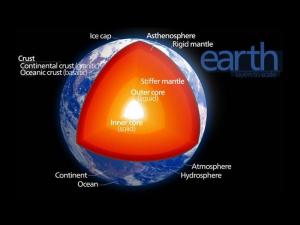
    heat that comes from deep inside the earth, which can be used to produce energy

    Geothermal heat comes from deep inside the Earth.

    지열은 지구 내부 깊숙한 곳에서 나옵니다.

    유의어geothermal energyearth heatground heat
    반의어surface heatsolar heat
  30. 30

    dam(noun)

    /dæm/

    댐

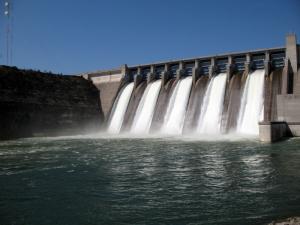
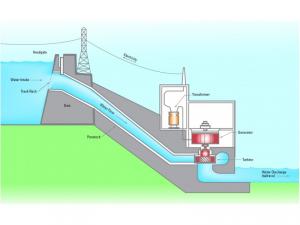
    a barrier that is built across a river in order to stop the water from flowing, used especially to make a reservoir (= a lake for storing water) or to produce electricity

    Dams have to be built in order to use this kind of energy.

    이러한 종류의 에너지를 사용하려면 댐을 건설해야 합니다.

    유의어barrierweirreservoirfloodgatelockembankment
    반의어openingchannelgapbreachleak
  31. 31

    solar panel(noun)

    /ˌsəʊlər ˈpænl/

    태양광 패널

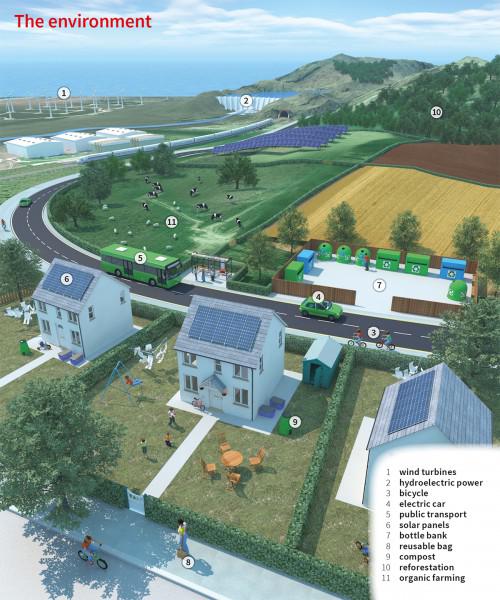
    a piece of equipment, often on the roof of a building, that uses light and heat energy from the sun to produce hot water and electricity

    Solar panels are used to power satellites.

    태양광 패널은 위성에 전력을 공급하는 데 사용됩니다.

    유의어photovoltaic panelsolar cell arrayPV panel
    반의어conventional power sourcefossil fuel generator
  32. 32

    make use of(phrase)

    /meɪk juːz əv/

    이용하다, 활용하다

    to use something, especially in a way that gives you an advantage

    How to make full use of the alternative sources of energy is a really big question.

    대체 에너지원을 어떻게 충분히 활용할 것인가는 정말 큰 문제이다.

    유의어utilizeemployexploitcapitalize onleverage
    반의어wastesquandermisuseneglect
  33. 33

    ceremony(noun)

    /ˈserəməʊni/

    의식 (uisik)

    a public or religious occasion that includes a series of formal or traditional actions

    The graduation ceremony lasted 4 hours.

    졸업식은 4시간 동안 진행되었습니다. (Jol-eop-sik-eun 4 si-gan dong-an jin-haeng-doe-eot-seup-ni-da.)

    유의어riteobservanceformalityservicefunctioncelebrationpageantsolemnity
    반의어informalityspontaneitycasualness
  34. 34

    nuclear reactor(noun)

    /ˌnuːkliər riˈæktər/

    원자로 (wonjaro)

    a large structure used to produce nuclear energy

    Radiation from a nuclear reactor is very dangerous.

    원자력 발전소에서 나오는 방사선은 매우 위험합니다.

    유의어atomic pilefission reactor
    반의어None (antonyms relate to components or replacementsnot the reactor itself.)Renewable energy source (conceptual antonym)
  35. 35

    hydroelectricity(noun)

    /ˌhaɪdrəʊɪˌlekˈtrɪsəti/

    수력 전기, 수력 발전

    electricity produced using the power of water

    Many countries use rivers and dams to produce hydroelectricity for their homes and factories.

    많은 나라가 가정과 공장에 쓸 수력 전기를 생산하기 위해 강과 댐을 이용한다.

    유의어water powerhydro power
    반의어thermal electricitynuclear electricityfossil fuel electricity
  36. 36

    hydroelectric(adjective)

    /ˌhaɪdrəʊɪˈlektrɪk/

    수력 발전의

    using the power of water to produce electricity; produced by the power of water

    Is there a hydroelectric power station in your area?

    당신 지역에 수력 발전소가 있습니까?

    유의어waterpowerhydropower
    반의어thermalnuclearfossil fuel
  37. 37

    run out (of something)(phrasal verb)

    /rʌn aʊt/

    다 떨어지다, 바닥나다

    to be used up or finished so that there is none left

    Our major sources of energy are running out.

    우리의 주요 에너지원이 바닥나고 있다.

    유의어depleteexhaustdiminishdwindlebe used upfinishwane
    반의어replenishincreasegrowaboundaccumulate
  38. 38

    radioactive(adjective)

    /ˌreɪdiəʊˈæktɪv/

    방사성의

    sending out powerful and very dangerous rays when the nuclei (= central parts) of atoms are broken up

    Uranium is a radioactive material.

    우라늄은 방사성 물질입니다.

    유의어emitting radiationradiantradiating
    반의어stablenonradioactiveinactive
  39. 39

    renewal(noun)

    /rɪˈnuːəl/

    재생, 회복, 갱신

    a situation in which something begins again after it stopped or was interrupted

    Forests need many years for natural renewal after the trees are cut down.

    숲은 나무가 베어진 뒤 자연적으로 재생되는 데 오랜 세월이 필요하다.

    유의어extensionresumptionreactivationrevivalrestoration
    반의어terminationexpirationcancellationlapse
  40. 40

    ecologist(noun)

    /iˈkɑːlədʒɪst/

    생태학자 (saengtae hakja)

    a scientist who studies ecology

    An ecologist studies the natural relationships between the air, land, water, animals, plants, etc.

    생태학자는 공기, 땅, 물, 동물, 식물 등 사이의 자연적인 관계를 연구합니다.

    유의어conservationistenvironmental scientistenvironmental biologistnature scientist
    반의어developerexploiter
  41. 41

    ecological(adjective)

    /ˌiːkəˈlɑːdʒɪkl/

    생태적인

    connected with the relation of plants and living creatures to each other and to their environment

    The destruction of the rain forests is an ecological disaster.

    열대 우림 파괴는 생태학적 재앙입니다.

    유의어environmentalnaturalbiotic
    반의어non-ecologicalartificialunnatural
  42. 42

    fertilize(verb)

    /ˈfɜːrtəlaɪz/

    비옥하게 하다, 비료를 주다

    to add a natural or chemical substance to soil or plants to make them grow well

    Remember to fertilize the plants once a month.

    한 달에 한 번 식물에 비료 주는 것을 잊지 마세요.

    유의어enrichfeednourishdressmanure
    반의어depleteexhaustimpoverishsterilize
  43. 43

    fertile(adjective)

    /ˈfɜːrtl/

    비옥한

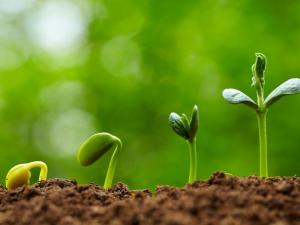
    that plants grow well in

    The soil in my garden is so fertile.

    우리 정원의 흙은 매우 비옥합니다.

    유의어productivefruitfulrichprolificbearingyielding
    반의어barreninfertileunproductivesterile
  44. 44

    shrug(verb)

    /ʃrʌɡ/

    어깨를 으쓱하다

    to raise your shoulders and then drop them to show that you do not know or care about something

    He shrugged his shoulders as if to say that there was nothing he could do about it.

    그는 어쩔 수 없다는 듯 어깨를 으쓱했다.

    유의어hunchraisedraw upmove upwarddismiss
    반의어straightenaffirmacknowledge
  45. 45

    splay(verb)

    /spleɪ/

    펼쳐지다

    to make fingers, legs, etc. become further apart from each other or spread out; to be spread out wide apart

    The petals splay out from the middle of the flower.

    꽃잎이 꽃의 가운데에서 펼쳐진다.

    유의어spreadextendfan outflareopen out
    반의어closecontractconvergefold
  46. 46

    surrounding(adjective)

    /səˈraʊndɪŋ/

    주변의

    that is near or around something

    A lot of the children at the school come from the surrounding countryside.

    학교 아이들의 많은 수가 주변 시골에서 왔습니다.

    유의어neighboringadjacentnearbyvicinalenclosingencompassing
    반의어distantremotefar-offremoved
  47. 47

    alternative(adjective)

    /ɔːlˈtɜːrnətɪv/

    대안의, 대체의, 색다른

    that can be used instead of something else; different from the usual or traditional way

    To lower the cost of health insurance, my employer chose an alternative method of insuring us

    건강보험 비용을 낮추기 위해 고용주는 우리를 보장하는 대체 방식을 선택했다.

  48. 48

    Renew(verb)

    /rɪˈnuː/

    새것으로 교체하다, 재생하다

    to replace something that is old or used up with something new of the same kind

    Forests can renew themselves if we plant new trees after cutting old ones.

    오래된 나무를 베고 새 나무를 심으면 숲은 스스로 재생될 수 있다.