บทที่ 11/16 · 48 คำ · จำได้แล้ว 0
Lesson 11: SOURCES OF ENERGY
บทที่ 11: แหล่งพลังงาน
บริโภค
to use something, especially fuel, energy or time
The printer consumes more toner than the downstairs printer
เครื่องพิมพ์นี้ใช้ผงหมึกมากกว่าเครื่องพิมพ์ชั้นล่าง
The business plans consumed all of Fritz's attention this fall
คำพ้องความหมายusedevourexpenddepleteexhaustutilizeabsorbคำตรงข้ามconservepreservesaveproducecreatehoardอย่างเคร่งครัด
with a lot of control and rules that must be obeyed
Our store strictly enforces its return policy
ร้านค้าของเราบังคับใช้นโยบายการคืนสินค้าอย่างเคร่งครัด
Their high turnover rate is no surprise, considering how strictly the manager deals with them
คำพ้องความหมายrigidlyfirmlyabsolutelypreciselycloselyexactlystringentlyคำตรงข้ามlooselylenientlyflexiblymildlyเทรนด์
a general direction in which a situation is changing or developing
The clothing store tries to stay on top of all the new trends
ร้านขายเสื้อผ้าพยายามตามให้ทันกระแสใหม่ๆ อยู่เสมอ
Mioshi followed market trends closely before she bought a clothing franchise
คำพ้องความหมายfashionvoguestylecrazefaddirectionmovementคำตรงข้ามstabilitytraditionstagnationold-fashionedclassicการทดลอง (gaan dthot long)
a scientific test that is done in order to study what happens and to gain new knowledge
Product developers must conduct hundreds of experiments in their research
นักพัฒนาผลิตภัณฑ์ต้องทำการทดลองหลายร้อยครั้งในการวิจัยของพวกเขา
After designing a new product, researchers continue experimenting to determine whether it has other uses
คำพ้องความหมายtesttrialinvestigationstudyprocedureobservationคำตรงข้ามtheoryguessconjecturespeculationความต้องการ, อุปสงค์
a very strong request for something; something that somebody needs
The demand for electricity rises sharply during the hot summer months.
ความต้องการใช้ไฟฟ้าเพิ่มขึ้นอย่างรวดเร็วในช่วงฤดูร้อนที่ร้อนจัด
คำพ้องความหมายrequireneedinsistclaimexactrequestaskorderคำตรงข้ามoffergivesupplyprovideforgosuggestwaiveที่อาจเกิดขึ้น, ที่มีศักยภาพ
that can develop into something or be developed in the future
To avoid any potential side effects from the medication, be sure to tell your doctor all the drugs you are currently taking
เพื่อหลีกเลี่ยงผลข้างเคียงที่อาจเกิดขึ้นจากยา อย่าลืมบอกแพทย์เกี่ยวกับยาทุกชนิดที่คุณกำลังใช้อยู่
Given the potential delay in getting reimbursed by the health plan, why don't we just fill one prescription today?
คำพ้องความหมายpossiblelikelyconceivableprospectivefuturelatentคำตรงข้ามactualrealcertaindefiniteunlikelyรั้ว
a structure made of wood or wire supported with posts that is put between two areas of land as a boundary , or around a garden, field, etc. to keep animals in, or to keep people and animals out
There is a white fence around his house.
มีรั้วสีขาวรอบบ้านของเขา
a green fence
คำพ้องความหมายbarrierenclosurehedgewallrailingคำตรงข้ามopen spaceunfenced areaเป็นอันตราย
causing damage or injury to somebody/something, especially to a person’s health or to the environment
This group of chemicals is harmful to people.
สารเคมีกลุ่มนี้เป็นอันตรายต่อผู้คน
Fruit juices can be harmful to children's teeth.
คำพ้องความหมายdetrimentalinjuriousperniciousdamagingdeleteriousคำตรงข้ามharmlessbeneficialsafeinnocuousadvantageousต้องการ
to require something/somebody because they are essential or very important, not just because you would like to have them
Do you need me to help?
คุณต้องการให้ฉันช่วยไหม
to satisfy/meet/identify a need
คำพ้องความหมายrequiredemandlackwantdesireคำตรงข้ามhavepossesssupplywant for nothingสัดส่วน (s̄̀ads̄̀wn)
a part or share of a whole
A higher proportion of Americans go on to higher education than is the case in Britain.
สัดส่วนของชาวอเมริกันที่ศึกษาต่อในระดับอุดมศึกษานั้นสูงกว่าในอังกฤษ
Loam is a soil with roughly equal proportions of clay, sand and silt.
คำพ้องความหมายratiopercentagefractionsharepartamountextentdegreeคำตรงข้ามimbalancedisproportioninequalitywholeอันตราย, ความเสียหาย, ภัย
damage or injury that is caused by a person or an event
Pollution from burning coal causes serious harm to the environment.
มลพิษจากการเผาถ่านหินก่อให้เกิดความเสียหายร้ายแรงต่อสิ่งแวดล้อม
คำพ้องความหมายhurtinjuredamagewoundafflictmaltreatคำตรงข้ามhelpaidassistbenefitprotecthealเชื้อเพลิงฟอสซิล
fuel such as coal or oil that was formed over millions of years from parts of dead animals or plants
Fossil fuels include fuels such as gas, coal and oil formed underground millions of years ago from plant and animal remains .
เชื้อเพลิงฟอสซิลรวมถึงเชื้อเพลิงเช่นก๊าซ ถ่านหิน และน้ำมันที่ก่อตัวขึ้นใต้ดินเมื่อหลายล้านปีก่อนจากซากพืชและสัตว์
คำพ้องความหมายnon-renewable energyconventional fuelhydrocarbon fuelคำตรงข้ามrenewable energysustainable energygreen energyสลับกัน, สลับกันไป, เว้นระยะ
happening or following one after the other regularly
We had a week of alternate sunshine and heavy rain.
เรามีสัปดาห์ที่แดดออกและฝนตกหนักสลับกันไป
คำพ้องความหมายsubstitutereplaceexchangerotateinterchangeswitchคำตรงข้ามkeepremainstayconstantsameนิเวศวิทยา
the relation of plants and living creatures to each other and to their environment; the study of this
She hopes to study ecology at college.
เธอหวังว่าจะได้เรียนนิเวศวิทยาที่วิทยาลัย
คำพ้องความหมายenvironmental scienceenvironmentalismbiotic scienceคำตรงข้ามnone (ecology as a field of study doesn't have a direct antonym. Related fields like urban planning might be considered distantly opposite in some contexts.)ใช้จนหมด, ทำให้หมดสิ้น
to use all of something so that there is none left
We are quickly exhausting the world's supplies of oil and coal.
เรากำลังใช้น้ำมันและถ่านหินของโลกจนหมดไปอย่างรวดเร็ว
คำพ้องความหมายdepletedrainconsumefatiguetirewear outคำตรงข้ามreplenishrestorereviveenergizeหมุนเวียน
that is replaced naturally or controlled carefully and can therefore be used without the risk of using it all up
There are some renewable energy sources such as wind and wave power.
มีแหล่งพลังงานหมุนเวียนบางอย่าง เช่น พลังงานลมและคลื่น
คำพ้องความหมายsustainableregenerativereplenishablerestorableคำตรงข้ามnonrenewablefiniteexhaustibledepletableการบริโภค
the act of using energy, food or materials; the amount used
Industrialized countries should reduce their energy consumption.
ประเทศอุตสาหกรรมควรลดการบริโภคพลังงาน
คำพ้องความหมายuseutilizationexpendituredepletionspendingabsorptionคำตรงข้ามconservationpreservationsavingproductioncreationหมดสิ้น, หมดเกลี้ยง, เหือดแห้ง
(of a supply of something) completely used up so that none is left
If we keep burning oil and coal so fast, they will soon be exhausted.
ถ้าเรายังเผาน้ำมันและถ่านหินเร็วขนาดนี้ พวกมันจะหมดสิ้นในไม่ช้า
คำพ้องความหมายtireddrainedfatiguedwearyspentdepletedคำตรงข้ามenergeticrefreshedinvigoratedrestedvigorousการหมดสิ้น, การเหือดแห้ง
the act of using something until it is completely finished
The rapid exhaustion of fossil fuels is a serious problem for the world.
การหมดไปอย่างรวดเร็วของเชื้อเพลิงฟอสซิลเป็นปัญหาร้ายแรงสำหรับโลก
คำพ้องความหมายfatiguewearinesstirednessburnoutdebilitationlassitudeคำตรงข้ามenergyvitalitystrengthinvigorationfreshnessพลังงานนิวเคลียร์
a powerful form of energy produced by changing matter into energy by splitting the nuclei (= central parts) of atoms . It is used to produce electricity.
I think nuclear energy will be widely used in the future.
ฉันคิดว่าพลังงานนิวเคลียร์จะถูกใช้อย่างแพร่หลายในอนาคต
คำพ้องความหมายatomic energyatomic powernuclear powerคำตรงข้ามrenewable energysolar energywind energyhydroelectric energyนิวเคลียส, นิวเคลียสของอะตอม, แกนอะตอม
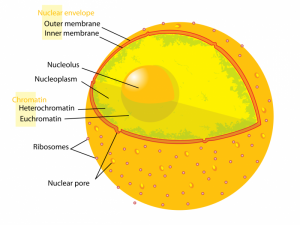
the part of an atom that contains most of its mass and that carries a positive electric charge
Splitting the nucleus of an atom releases a huge amount of energy.
การแยกนิวเคลียสของอะตอมปลดปล่อยพลังงานมหาศาล
คำพ้องความหมายcorecenterheartkernelคำตรงข้ามsurfaceexteriorperipheryedgeความร้อนใต้พิภพ
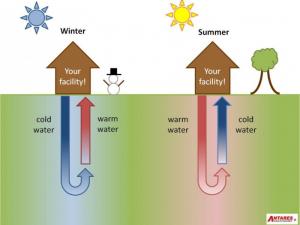
connected with the natural heat of rock deep in the ground
They are going to build a geothermal power station in this area.
พวกเขากำลังจะสร้างโรงไฟฟ้าพลังงานความร้อนใต้พิภพในพื้นที่นี้
คำพ้องความหมายearth-heatgeothermicvolcanicคำตรงข้ามconventionalfossil fuelnon-geothermalความร้อนใต้พิภพ
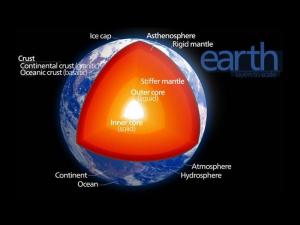
heat that comes from deep inside the earth, which can be used to produce energy
Geothermal heat comes from deep inside the Earth.
ความร้อนใต้พิภพมาจากส่วนลึกภายในโลก
คำพ้องความหมายgeothermal energyearth heatground heatคำตรงข้ามsurface heatsolar heatเขื่อน
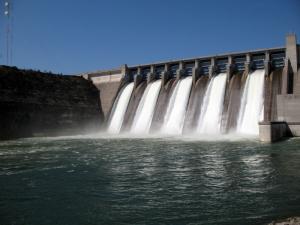
a barrier that is built across a river in order to stop the water from flowing, used especially to make a reservoir (= a lake for storing water) or to produce electricity
Dams have to be built in order to use this kind of energy.
ต้องสร้างเขื่อนเพื่อใช้พลังงานชนิดนี้
คำพ้องความหมายbarrierweirreservoirfloodgatelockembankmentคำตรงข้ามopeningchannelgapbreachleakแผงโซลาร์เซลล์
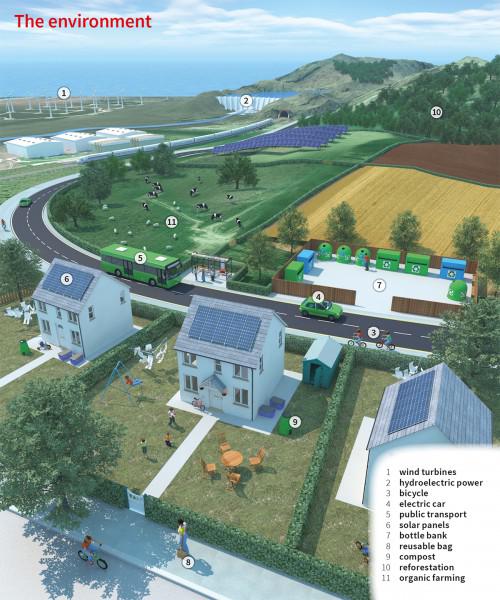
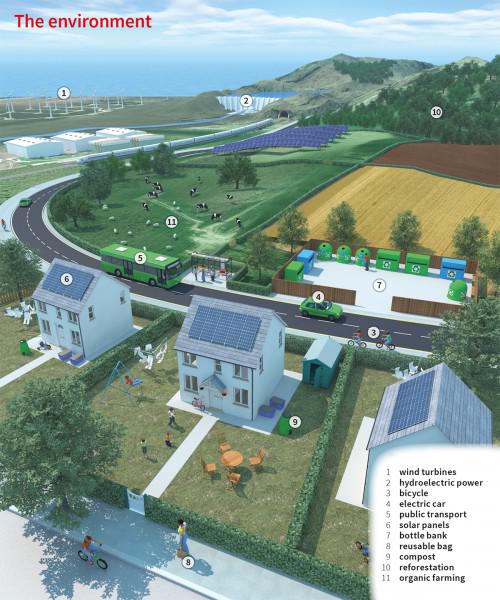
a piece of equipment, often on the roof of a building, that uses light and heat energy from the sun to produce hot water and electricity
Solar panels are used to power satellites.
แผงโซลาร์เซลล์ถูกใช้เพื่อจ่ายไฟให้กับดาวเทียม
คำพ้องความหมายphotovoltaic panelsolar cell arrayPV panelคำตรงข้ามconventional power sourcefossil fuel generatorใช้ประโยชน์จาก, ใช้
to use something, especially in a way that gives you an advantage
How to make full use of the alternative sources of energy is a really big question.
จะใช้ประโยชน์จากแหล่งพลังงานทางเลือกให้เต็มที่ได้อย่างไรเป็นคำถามที่ใหญ่มาก
คำพ้องความหมายutilizeemployexploitcapitalize onleverageคำตรงข้ามwastesquandermisuseneglectพิธี
a public or religious occasion that includes a series of formal or traditional actions
The graduation ceremony lasted 4 hours.
พิธีรับปริญญาใช้เวลา 4 ชั่วโมง
คำพ้องความหมายriteobservanceformalityservicefunctioncelebrationpageantsolemnityคำตรงข้ามinformalityspontaneitycasualnessเครื่องปฏิกรณ์นิวเคลียร์
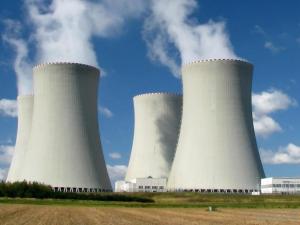
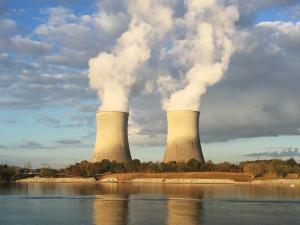
a large structure used to produce nuclear energy
Radiation from a nuclear reactor is very dangerous.
รังสีจากเครื่องปฏิกรณ์นิวเคลียร์เป็นอันตรายมาก
คำพ้องความหมายatomic pilefission reactorคำตรงข้ามNone (antonyms relate to components or replacementsnot the reactor itself.)Renewable energy source (conceptual antonym)ไฟฟ้าพลังน้ำ
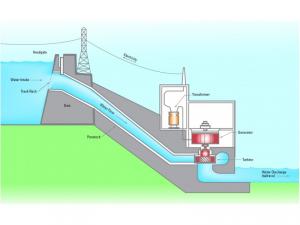
electricity produced using the power of water
Many countries use rivers and dams to produce hydroelectricity for their homes and factories.
หลายประเทศใช้แม่น้ำและเขื่อนผลิตไฟฟ้าพลังน้ำสำหรับบ้านเรือนและโรงงาน
คำพ้องความหมายwater powerhydro powerคำตรงข้ามthermal electricitynuclear electricityfossil fuel electricityพลังงานไฟฟ้าพลังน้ำ
using the power of water to produce electricity; produced by the power of water
Is there a hydroelectric power station in your area?
มีโรงไฟฟ้าพลังน้ำในพื้นที่ของคุณหรือไม่?
คำพ้องความหมายwaterpowerhydropowerคำตรงข้ามthermalnuclearfossil fuelหมดไป, หมด, ใช้จนหมด
to be used up or finished so that there is none left
Our major sources of energy are running out.
แหล่งพลังงานหลักของเากำลังหมดลง
คำพ้องความหมายdepleteexhaustdiminishdwindlebe used upfinishwaneคำตรงข้ามreplenishincreasegrowaboundaccumulateกัมมันตรังสี
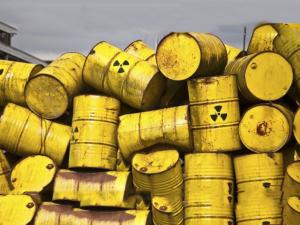
sending out powerful and very dangerous rays when the nuclei (= central parts) of atoms are broken up
Uranium is a radioactive material.
ยูเรเนียมเป็นวัสดุกัมมันตรังสี
คำพ้องความหมายemitting radiationradiantradiatingคำตรงข้ามstablenonradioactiveinactiveการฟื้นฟู, การเกิดใหม่
a situation in which something begins again after it stopped or was interrupted
Forests need many years for natural renewal after the trees are cut down.
ป่าไม้ต้องใช้เวลาหลายปีในการฟื้นฟูตามธรรมชาติหลังจากต้นไม้ถูกตัด
คำพ้องความหมายextensionresumptionreactivationrevivalrestorationคำตรงข้ามterminationexpirationcancellationlapseนักนิเวศวิทยา
a scientist who studies ecology
An ecologist studies the natural relationships between the air, land, water, animals, plants, etc.
นักนิเวศวิทยาศึกษาความสัมพันธ์ตามธรรมชาติระหว่างอากาศ ดิน น้ำ สัตว์ พืช ฯลฯ
คำพ้องความหมายconservationistenvironmental scientistenvironmental biologistnature scientistคำตรงข้ามdeveloperexploiterเชิงนิเวศ
connected with the relation of plants and living creatures to each other and to their environment
The destruction of the rain forests is an ecological disaster.
การทำลายป่าฝนเป็นหายนะทางนิเวศวิทยา
คำพ้องความหมายenvironmentalnaturalbioticคำตรงข้ามnon-ecologicalartificialunnaturalยักไหล่
to raise your shoulders and then drop them to show that you do not know or care about something
He shrugged his shoulders as if to say that there was nothing he could do about it.
เขายักไหล่ราวกับจะบอกว่าเขาทำอะไรไม่ได้
คำพ้องความหมายhunchraisedraw upmove upwarddismissคำตรงข้ามstraightenaffirmacknowledgeทางเลือก, อื่นที่ใช้แทนได้
that can be used instead of something else; different from the usual or traditional way
To lower the cost of health insurance, my employer chose an alternative method of insuring us
เพื่อลดค่าใช้จ่ายด้านประกันสุขภาพ นายจ้างของฉันจึงเลือกวิธีทางเลือกอื่นในการทำประกันให้พวกเรา