본문으로 건너뛰기

레슨 33/38 · 427단어 · 외운 단어 0

Actions Verbs

동작과 동사

  1. 1

    determine(verb)

    /dɪˈtɜːrmɪn/

    알아내다, 판단하다, 확정하다

    to discover the facts about something; to calculate something exactly

    After reading the contract, I was still unable to determine if our company was liable for back wages.

    계약서를 읽고 나서도 우리 회사가 미지급 임금에 대해 책임이 있는지 여부를 알아낼 수 없었다.

    The skill of the union bargainers will determine whether the automotive plant will open next week

    유의어ascertainestablishfind outverifyresolvedecide
    반의어doubtquestionwaverhesitatespeculateguess
  2. 2

    engage(verb)

    /ɪnˈɡeɪdʒ/

    사로잡다, 끌어들이다

    to succeed in attracting and keeping somebody’s attention and interest

    He engaged us in a fascinating discussion about current business law

    그는 현재의 기업법에 관한 흥미로운 토론으로 우리의 관심을 끌어들였다.

    The engagement begins at 7:30

    유의어involveparticipateemployoccupyattractenticehireretain
    반의어disengageignorerepeldismissrejectexclude
  3. 3

    establish(verb)

    /ɪˈstæblɪʃ/

    설립하다 (seolliphada)

    to start or create an organization, a system, etc. that is meant to last for a long time

    The merger of the two companies established a powerful new corporation

    두 회사의 합병으로 강력한 새 회사가 설립되었습니다.

    Through her many books and interviews, Dr. Wan established herself as an authority on conflict resolution

    유의어createformfoundinstitutestartbuildset upprove
    반의어abolishdestroyeliminateabolishdemolishdisproveundermineneglect
  4. 4

    resolve(verb)

    /rɪˈzɑːlv/

    해결하다, 처리하다

    to find an acceptable solution to a problem, complaint or disagreement

    The account manager resolved the billing problem in one phone call.

    담당 영업 관리자는 전화 한 통으로 청구 문제를 해결했다.

    Most complaints are resolved within two working days.

    유의어decidedeterminesettlecommitdedicatepurposeaim
    반의어hesitatedoubtwavervacillateabandongive up
  5. 5

    attract(verb)

    /əˈtrækt/

    끌다 (kkeulda)

    if you are attracted by something, it interests you and makes you want it; if you are attracted by somebody, you like or admire them

    The display attracted a number of people at the convention

    그 전시물은 컨벤션에서 많은 사람들을 끌어들였다.

    The new advertising attracts the wrong kind of customer into the store

    유의어drawappealenticeluretemptcharmfascinatecaptivate
    반의어repelrepulsedeterdiscouragedissuaderejectignore
  6. 6

    compare(verb)

    /kəmˈper/

    비교하다 (bigyohada)

    to examine people or things to see how they are similar and how they are different

    Once the customer compared the two products, her choice was easy.

    고객이 두 제품을 비교하자 그녀의 선택은 쉬워졌습니다.

    The price for this brand is high compared to the other brands on the market

    유의어collatecontrastweighequatedifferentiaterelatebalancematch
    반의어contrastdifferdetachignoredisregardseparate
  7. 7

    consume(verb)

    /kənˈsuːm/

    소비하다 (sobihada)

    to use something, especially fuel, energy or time

    The printer consumes more toner than the downstairs printer

    이 프린터는 아래층 프린터보다 토너를 더 많이 소비합니다.

    The business plans consumed all of Fritz's attention this fall

    유의어usedevourexpenddepleteexhaustutilizeabsorb
    반의어conservepreservesaveproducecreatehoard
  8. 8

    convince(verb)

    /kənˈvɪns/

    설득하다 (seoldeukhada)

    to make somebody/yourself believe that something is true

    He convinced me that he was right.

    그는 자신이 옳다고 나를 설득했다.

    유의어persuadeassuresatisfyswaywin overinfluence
    반의어dissuadediscouragedeterdoubtunconvince
  9. 9

    consider(verb)

    /kənˈsɪdər/

    고려하다 (goryeohada)

    to think about something carefully, especially in order to make a decision

    After considering all the options, Della decided to buy a used car

    모든 선택 사항을 고려한 후, 델라는 중고차를 사기로 결정했습니다.

    The customer considered buying the VCR until he learned that the warranty coverage was very limited

    유의어think aboutcontemplatereflect onponderregarddeemevaluate
    반의어disregardignoreneglectoverlook
  10. 10

    promise(verb)

    /ˈprɑːmɪs/

    약속하다

    to tell somebody that you will definitely do or not do something, or that something will definitely happen

    The sales associate promised that our new mattress would arrive by noon on Saturday

    판매 직원은 우리의 새 매트리스가 토요일 정오까지 도착할 것이라고 약속했다.

    A warranty is a promise the manufacturer makes to the consumer

    유의어assurancepledgeguaranteevowcommitmentwordundertaking
    반의어denialbreachbreakviolation
  11. 11

    protect(verb)

    /prəˈtekt/

    보호하다 (bohohada)

    to make sure that somebody/something is not harmed, injured, damaged, etc.

    Consumer laws are designed to protect the public against unscrupulous vendors

    소비자 법은 부도덕한 판매자로부터 대중을 보호하도록 설계되었습니다.

    You can protect yourself from scams by getting detailed information on the seller

    유의어defendguardshieldsafeguardpreserve
    반의어endangerharmthreatenattackjeopardize
  12. 12

    demonstrate(verb)

    /ˈdemənstreɪt/

    입증하다

    to show something clearly by giving proof or evidence

    The professor demonstrated through a case study that a business plan can impress a lender

    교수는 사례 연구를 통해 사업 계획이 대출 기관에 깊은 인상을 줄 수 있음을 입증했습니다.

    Alban's business plan demonstrated that he had put a lot of thought into making his dream a reality

    유의어showproveillustrateexhibitdisplayindicate
    반의어hideconcealdisproverefute
  13. 13

    evaluate(verb)

    /ɪˈvæljueɪt/

    평가하다 (pyeonggahada)

    to form an opinion of the amount, value or quality of something after thinking about it carefully

    It's important to evaluate your competition when making a business plan

    사업 계획을 세울 때 경쟁사를 평가하는 것이 중요합니다.

    The lenders evaluated our creditability and decided to loan us money

    유의어assessjudgeanalyzeappraiseestimategaugeweigh
    반의어ignoreneglectdisregardoverlook
  14. 14

    gather(verb)

    /ˈɡæðər/

    모이다, 모으다

    to come together, or bring people together, in one place to form a group

    A crowd gathered in the square to watch the parade

    퍼레이드를 보기 위해 광장에 군중이 모였다.

    유의어collectassembleaccumulatecompilemusteramass
    반의어dispersescatterdistributeseparatedissipate
  15. 15

    select(verb)

    /sɪˈlekt/

    선택하다, 선발하다

    to choose somebody/something from a group of people or things, usually according to a system

    The committee selected three speakers for the conference.

    위원회는 회의에 참석할 연사 세 명을 선정했다.

    유의어choseneliteexclusiveprimesuperiorhandpicked
    반의어commonordinaryunselectedgeneralinclusive
  16. 16

    allocate(verb)

    /ˈæləkeɪt/

    할당하다

    to give something officially to somebody/something for a particular purpose

    The office manager did not allocate enough money to purchase software

    사무실 관리자는 소프트웨어를 구매하기에 충분한 돈을 할당하지 않았습니다.

    The soffware architect did not allocate enough memory for the sound card to work in your computer

    유의어assigndistributeapportiongrantdesignateearmark
    반의어withholdretainkeepdeny
  17. 17

    expose(verb)

    /ɪkˈspəʊz/

    노출하다 (nochulhada)

    to show something that is usually hidden

    He did not want to expose his fears and insecurity to anyone.

    그는 자신의 두려움과 불안감을 누구에게도 노출하고 싶지 않았다.

    Mergers require that employees be exposed to different business practices

    유의어revealuncoverdiscloseunmaskdivulge
    반의어hideconcealcoverprotectshield
  18. 18

    reinforce(verb)

    /ˌriːɪnˈfɔːrs/

    강화하다 (ganghwahada)

    to make a feeling, an idea, etc. stronger

    Employees reinforced their learning with practice in the workplace

    직원들은 직장에서의 실습을 통해 학습을 강화했습니다.

    The financial officer's unconventional method of analyzing data was reinforced by the business journal article

    유의어strengthensupportbolsterfortifyenhanceaugment
    반의어weakenundermineimpairdiminish
  19. 19

    replace(verb)

    /rɪˈpleɪs/

    교체하다

    to be used instead of somebody/something else; to do something instead of somebody/something else

    I've replaced the hard drive that was malfunctioning

    고장난 하드 드라이브를 교체했습니다.

    We have been looking for three months and we've found no one who can replace our former administrator

    유의어substituteexchangesupplantsupersedeswapchange
    반의어keepretainpreservemaintain
  20. 20

    assemble(verb)

    /əˈsembl/

    모이다

    to come together as a group; to bring people or things together as a group

    All the students were asked to assemble in the main hall

    모든 학생들은 본관에 모이도록 요청받았습니다.

    유의어gathercongregateconvenemustermeetrally
    반의어dispersescatterdisbandseparatedivide
  21. 21

    generate(verb)

    /ˈdʒenəreɪt/

    발생시키다, 만들어 내다, 불러일으키다

    to produce or create something, such as energy, interest or ideas

    The new training program generated a lot of interest among employees

    새로운 교육 프로그램은 직원들 사이에서 큰 관심을 불러일으켰다.

    The job fair at the college campus should generate interest in our company

    유의어createproduceyieldcausedevelopform
    반의어destroyeliminatehaltpreventreducedecrease
  22. 22

    reject(verb)

    /rɪˈdʒekt/

    거절하다, 거부하다, 기각하다

    to refuse to accept or consider something

    The committee rejected the proposal because it would cost too much money.

    위원회는 비용이 너무 많이 든다는 이유로 그 제안을 거부했다.

    유의어discarddeclinerefusedismissexcludescrapjettison
    반의어acceptapprovewelcomeincludeembraceretain
  23. 23

    expand(verb)

    /ɪkˈspænd/

    확장하다

    to become greater in size, number or importance; to make something greater in size, number or importance

    The new manager has significantly expanded the store's inventory

    새로운 관리자는 매장 재고를 크게 확장했습니다.

    The shoe store is out of room and is thinking about expanding into the adjacent vacant building

    유의어enlargeincreaseextendwidenbroadeninflateaugment
    반의어contractreducedecreaseshrinkdiminishcompress
  24. 24

    maintain(verb)

    /meɪnˈteɪn/

    유지하다

    to make something continue at the same level, standard, etc.

    I've been maintaining a list of office supplies that are in greatest demand

    가장 수요가 많은 사무용품 목록을 유지하고 있습니다.

    Trying to maintain two different stockrooms is too much work

    유의어preserveconserveupholdsustainkeepretainsupportcontinue
    반의어neglectabandondiscontinuedestroyabolishignore
  25. 25

    minimize(verb)

    /ˈmɪnɪmaɪz/

    최소화하다

    to reduce something, especially something bad, to the lowest possible level

    The shipping staff minimized customer complaints by working overtime to deliver the packages quickly

    배송 직원은 신속하게 소포를 배달하기 위해 초과 근무를 하여 고객 불만을 최소화했습니다.

    To keep the customers happy and to minimize the effect of the carrier strike, we shipped orders directly to them

    유의어reducedecreaselessencurtailabridgediminishtruncate
    반의어maximizeincreaseexpandaugmentmaximizeenlarge
  26. 26

    remember(verb)

    /rɪˈmembər/

    기억하다 (gieokhada)

    to have or keep an image in your memory of an event, a person, a place, etc. from the past

    I will remember the combination to the safe without writing it down

    나는 적어두지 않고 금고 비밀번호를 기억할 것이다.

    I remembered the delivery clerk's name as soon as I got off the phone

    유의어recallrecollectretainmemorizebring to mind
    반의어forgetdisrememberoverlookignore
  27. 27

    compile(verb)

    /kəmˈpaɪl/

    편집하다

    to produce a book, list, report, etc. by bringing together different items, articles, songs, etc.; to collect information in order to produce a book, list, etc.

    The clerk is responsible for compiling the orders at the end of the day

    사무원은 하루가 끝날 때 주문을 편집할 책임이 있습니다.

    I have compiled a list of the most popular items in our sales catalog

    유의어assemblegathercollectaccumulateorganizearrangecollate
    반의어dispersescatterdisassembleseparatedivide
  28. 28

    estimate(verb)

    /ˈestɪmeɪt/

    추정하다, 견적하다, 산정하다

    to judge roughly how much time, effort or money a task or project will need

    The developers estimated that the migration would take three sprints.

    개발자들은 마이그레이션에 스프린트 세 번이 걸릴 것으로 추정했다.

    It is hard to estimate a task when the requirements are unclear.

    유의어approximatecalculategaugejudgeassessevaluatepredictreckon
    반의어measurecalculatedetermineascertainexact
  29. 29

    impose(verb)

    /ɪmˈpəʊz/

    부과하다 (bugwahada)

    to introduce a new law, rule, tax, etc.; to order that a rule, punishment, etc. be used

    The company will impose a surcharge for any items returned

    회사는 반품되는 품목에 대해 추가 요금을 부과할 것입니다.

    We should not impose upon our staff by requiring them to work on weekends

    유의어forceenforcedictatelevychargeinflict
    반의어removerepealrevokecancelwaiveexempt
  30. 30

    disturb(verb)

    /dɪˈstɜːrb/

    방해하다

    to interrupt somebody when they are trying to work, sleep, etc.

    Let's see how many products we can count in advance of inventory so we disturb fewer customers

    재고 조사 전에 얼마나 많은 제품을 미리 셀 수 있는지 알아보고 고객에게 방해가 덜 되도록 합시다.

    I hope I'm not disturbing you, but I need to ask you to move so I can record the products behind you

    유의어botherinterruptannoyinconveniencetroublepesterharass
    반의어aidassistcomforthelppleasesoothe
  31. 31

    accept(verb)

    /əkˈsept/

    수락하다

    to take willingly something that is offered; to say ‘yes’ to an offer, invitation, etc.

    The receptionist accepted the package from the courier

    접수 담당자는 택배 기사로부터 소포를 받았습니다.

    Without hesitating, she accepted the job of teller

    유의어receivetakeapproveagree toacknowledgeembraceadopt
    반의어rejectrefusedeclinedenydiscardoppose
  32. 32

    accumulate(verb)

    /əˈkjuːmjəleɪt/

    축적하다 (chukjeokhada)

    to gradually get more and more of something over a period of time

    They have accumulated more than enough information

    그들은 충분한 양보다 많은 정보를 축적했습니다.

    The bills started to accumulate after the secretary quit

    유의어gathercollectamasspile upbuild upincreaseacquiregarner
    반의어dissipatescatterlosespendwastedecreasedistribute
  33. 33

    audit(noun)

    /ˈɔːdɪt/

    감사, 회계감사

    an official examination of a company's financial records to check that they are accurate and follow the rules

    The annual audit starts in the second week of January.

    연례 감사는 1월 둘째 주에 시작됩니다.

    The tax audit found several invoices without supporting documents.

    유의어examineinspectreviewcheckscrutinizeverify
    반의어ignoreneglectoverlook
  34. 34

    commit(verb)

    /kəˈmɪt/

    저지르다, 범하다

    to do something wrong or illegal

    The man was sent to prison for a crime he did not commit.

    그 남자는 자신이 저지르지 않은 범죄로 교도소에 보내졌다.

    유의어dedicatedevotepledgeentrustperform
    반의어abandonneglectbreakwithdraw
  35. 35

    concentrate(verb)

    /ˈkɑːnsntreɪt/

    집중하다 (jipjunghada - verb form used as a noun)

    to give all your attention to something and not think about anything else

    We should concentrate our efforts on the last quarter of the year

    우리는 올해 마지막 분기에 노력을 집중해야 합니다.

    In his quiet, corner office, the manager could finally concentrate and finish his work

    유의어focuscenterdirecthoneintensifydevoteapply oneself
    반의어dispersedistractdivertscatterdiffuse
  36. 36

    opt(verb)

    /ɑːpt/

    선택하다

    to choose to take or not to take a particular course of action

    The operations manager opted for the less expensive office design

    운영 관리자는 더 저렴한 사무실 디자인을 선택했습니다.

    If Mary opts to join that department, you will be working together

    유의어chooseselectdecidepreferelectdetermine
    반의어declinerejectrefusediscardignore
  37. 37

    waste(verb)

    /weɪst/

    낭비하다

    to use more of something than is necessary or useful, or to use it carelessly

    Without a leader, the group members wasted time and energy trying to organize themselves

    리더가 없어서 그룹 구성원들은 스스로를 조직하려고 시간과 에너지를 낭비했다.

    The meeting wasn't a waste of time, but the members had hoped to accomplish more than they did

    유의어squanderdissipatefrittermisuseconsumedeplete
    반의어conservesavepreserveeconomizeutilize
  38. 38

    enhance(verb)

    /ɪnˈhæns/

    높이다, 향상시키다

    to increase or further improve the good quality, value or status of somebody/something

    Good lighting can greatly enhance the quality of product photos.

    좋은 조명은 제품 사진의 품질을 크게 높여 줄 수 있다.

    유의어improveboostaugmentintensifyenrichupgrade
    반의어decreasediminishworsenreducedegrade
  39. 39

    inspect(verb)

    /ɪnˈspekt/

    검사하다 (geomsahada)

    to look closely at something/somebody, especially to check that everything is as it should be

    Children's car seats are thoroughly inspected and tested for safety before being put on the market

    어린이용 카시트는 시판되기 전에 안전을 위해 철저히 검사 및 테스트됩니다.

    A quality control agent who does not inspect every product carefully can ruin his company's reputation

    유의어examinescrutinizecheckauditsurveyreviewprobe
    반의어neglectoverlookignore
  40. 40

    assume(verb)

    /əˈsuːm/

    추정하다, 가정하다

    to think or accept that something is true but without having proof of it

    I assume you have already heard the news about the merger.

    합병에 관한 소식은 이미 들으셨으리라 생각합니다.

    유의어presumesupposetake for grantedundertakeshoulderacceptbelieveimagine
    반의어rejectrefusedenydisprovedisclaimignore
  41. 41

    mix(verb)

    /mɪks/

    섞다, 혼합하다

    if two or more substances or things mix or you mix them, they combine, usually in a way that means they cannot easily be separated

    Mix the flour and sugar together before adding the eggs.

    달걀을 넣기 전에 밀가루와 설탕을 함께 섞으세요.

    유의어blendcombinationamalgamationfusionmedleyassortment
    반의어separatesegregationdivisionunmix
  42. 42

    rely(verb)

    /rɪˈlaɪ/

    의존하다 (uijonhada)

    to need or depend on someone or something

    I seldom rely on the restaurant reviews in the paper when choosing a restaurant

    저는 식당을 고를 때 신문에 실린 식당 후기에 거의 의존하지 않습니다. (Jeoneun sikdangeul goreul ttae sinmune sirin sikdang hu-gie geoui uijonhaji anhseumnida.)

    I have always relied on the restaurant advice this guidebook gives

    유의어dependcount onbank ontrustlean on
    반의어distrustdisbelievedoubtdisregardignore
  43. 43

    forget(verb)

    /fərˈɡet/

    잊다 (itda)

    to not remember to do something that you ought to do, or to bring or buy something that you ought to bring or buy

    The waiter forgot to bring the rolls, annoying the customer

    웨이터가 빵을 가져오는 것을 잊어서 손님을 짜증나게 했다.

    Don't forget to tell your friends what a great meal you had tonight

    유의어overlookneglectomitdisrememberleave behind
    반의어rememberrecallrecollectbear in mind
  44. 44

    remind(verb)

    /rɪˈmaɪnd/

    상기시키다

    to help somebody remember something, especially something important that they must do

    I remind the client that we are meeting for dinner tomorrow

    내일 저녁 식사 약속이 있다는 것을 고객에게 상기시켜 드립니다.

    Ms. Smith was annoyed at having to remind the waitress to bring the check

    유의어promptjog someone's memoryalertadvisenotify
    반의어forgetignoreoverlook
  45. 45

    impress(verb)

    /ɪmˈpres/

    감동시키다 (gamdongsikida)

    if a person or thing impresses you, you admire them or it

    I was impressed with how quickly they delivered our lunch

    그들이 얼마나 빨리 우리 점심을 배달했는지에 감동받았습니다.

    If you want to impress the new staff member, order her a nice lunch

    유의어aweinspireinfluencemovestrikeaffectastonishoverawe
    반의어boredisappointunderwhelmtiredissatisfy
  46. 46

    incorporate(verb)

    /ɪnˈkɔːrpəreɪt/

    통합하다

    to include something so that it forms a part of something

    Here are the fresh greens for you to incorporate into a salad

    샐러드에 넣을 신선한 채소입니다

    Coca incorporated the patron's suggestions into her new menu

    유의어integrateincludemixblendcombineassimilateembody
    반의어excludeseparateremovedivideextract
  47. 47

    delay(verb)

    /dɪˈleɪ/

    지연시키다, 늦추다

    to make somebody/something late or force them to move or happen more slowly

    The bus was delayed due to inclement weather

    악천후 때문에 버스가 지연되었다.

    The heavy traffic delayed our arrival at the train station

    유의어postponedeferstallprocrastinatesuspendretard
    반의어advanceaccelerateexpeditehastenrush
  48. 48

    prohibit(verb)

    /prəˈhɪbɪt/

    금지하다

    to stop something from being done or used especially by law

    The policy prohibits smoking on school grounds.

    그 정책은 학교 구내에서의 흡연을 금지합니다.

    유의어forbidbanoutlawrestrictpreventinhibit
    반의어allowpermitauthorizeenableapprove
  49. 49

    distinguish(verb)

    /dɪˈstɪŋɡwɪʃ/

    구별하다 (gubu'eolhada)

    to recognize the difference between two people or things

    Suki was able to distinguish between the different types of jets on the runway

    수키는 활주로에 있는 다양한 종류의 제트기들을 구별할 수 있었다.

    My travel agent has distinguished herself as being one of the best in our area

    유의어differentiatediscernperceiverecognizeseparatetell apart
    반의어confusemix upobscureuniteconflate
  50. 50

    extend(verb)

    /ɪkˈstend/

    연장 (yeonjang)

    to make something longer or larger

    There are plans to extend the subway line in this city

    이 도시의 지하철 노선을 연장할 계획이 있습니다.

    유의어expandincreaseprolonglengthenstretchcontinue
    반의어shortenreducecontractdecreaselimit
  51. 51

    entitle(verb)

    /ɪnˈtaɪtl/

    자격을 주다

    to give somebody the right to have or to do something

    During the holiday rush, a train ticket entitled the passenger to a ride, but not necessarily a seat

    휴가철에 기차표는 승객에게 탑승 권한을 주었지만, 반드시 좌석을 보장하는 것은 아니었습니다.

    The mess the train line made of Pedro's sleeping room reservations entitle him to a free upgrade to a better room

    유의어authorizeallowqualifyempowerpermit
    반의어disqualifyprohibitdenyforbidrevoke
  52. 52

    confirm(verb)

    /kənˈfɜːrm/

    확인하다, 확정하다

    to make an arrangement, a reservation, etc. definite, often by phone or in writing; to show that something is true

    Please write to confirm your reservation

    예약을 확인하시려면 서면으로 연락 주십시오.

    유의어verifyvalidateaffirmcorroboratesubstantiatecertifyauthenticateassure
    반의어denyrejectrefutedisproveinvalidatecontradict
  53. 53

    expect(verb)

    /ɪkˈspekt/

    기대하다

    to think or believe that something will happen or that somebody will do something

    You can expect a clean room when you check in at a hotel

    호텔에 체크인할 때 깨끗한 방을 기대할 수 있습니다.

    Mr. Kim expected that the bed linens would be changed daily

    유의어anticipateawaitforeseepredictassumepresume
    반의어doubtdisbelievequestionmisunderstanduncertain
  54. 54

    intend(verb)

    /ɪnˈtend/

    의도하다 (uidohada)

    to have a plan, result or purpose in your mind when you do something

    Do you intend to return the car to this location or to another location?

    차를 이 위치 또는 다른 위치에 반납할 의향이 있습니까? (chareul i wichi ttoneun dareun wichie bannaphalk uihyangi itseupnikka?)

    I never intended to drive to Los Angeles until my brother suggested we do it together

    유의어planmeanpurposeaimdesignexpectcontemplate
    반의어doubthesitatewaverabandonunplanned
  55. 55

    tempt(verb)

    /tempt/

    유혹하다

    to attract somebody or make somebody want to do or have something, even if they know it is wrong

    I am tempted by the idea of driving across the country instead of flying

    비행기 대신 차를 몰고 전국을 횡단하는 생각에 마음이 흔들린다.

    Gina is tempted to rent the smaller car to save a few dollars

    유의어enticelureseduceattractallureinvitewoo
    반의어repeldeterdiscouragedissuadewarn off
  56. 56

    combine(verb)

    /kəmˈbaɪn/

    결합하다

    to come together to form a single thing or group; to join two or more things or groups together to form a single one

    The director combined two previously separate visual techniques

    감독은 이전에 분리된 두 가지 시각 기술을 결합했습니다

    The new production company combines the talents of three of Hollywood's best known teams

    유의어mergeunitejoinmixblendintegratefuse
    반의어separatedividesplitdisconnectisolate
  57. 57

    continue(verb)

    /kənˈtɪnjuː/

    계속하다 (gyesok hada)

    to keep existing or happening without stopping

    The film continues the story set out in an earlier film

    그 영화는 이전 영화에서 설정된 이야기를 계속합니다.

    The search for a star will continue until one is found

    유의어proceedcarry onmaintainresumeextendpersevere
    반의어stopceasehaltdiscontinueendinterrupt
  58. 58

    occur(verb)

    /əˈkɜːr/

    발생하다 (balsaenghada)

    to happen

    The murder in the play occurs in the second act

    극 중 살인은 2막에서 발생합니다.

    It never occurred to me that the wife whom the character referred to was imaginary

    유의어happentake placetranspireariseresultmaterializeexistprevail
    반의어ceaseendstopvanishdisappear
  59. 59

    divide(verb)

    /dɪˈvaɪd/

    나누다 (nanuda)

    to separate into parts; to make something separate into parts

    The music class was evenly divided between those who liked country and western music and those who do not

    음악 수업은 컨트리 앤 웨스턴 음악을 좋아하는 사람들과 그렇지 않은 사람들로 고르게 나뉘었습니다.

    The broad topic of music can be divided into manageable parts, such as themes, styles, or centuries

    유의어separatesplitallocatedistributepartitioncleave
    반의어combineunitejoinmergeconnect
  60. 60

    prefer(verb)

    /prɪˈfɜːr/

    선호하다 (seonhohada)

    to like one thing or person better than another; to choose one thing rather than something else because you like it better

    Ms. Lanet prefers to get a seat near the aisle when she attends a concert

    라넷 씨는 콘서트에 참석할 때 통로 쪽 좌석을 선호합니다.

    He preferred contemporary music to any other type

    유의어favorlike betterwould ratherchooseopt for
    반의어dislikehaterejectdecline
  61. 61

    urge(verb)

    /ɜːrdʒ/

    촉구하다

    to advise or try hard to persuade somebody to do something

    His mother urged him to study the piano

    그의 어머니는 그에게 피아노를 공부하라고 촉구했다.

    Despite my reluctance, my friends urged me to attend an opera

    유의어encouragepressadviseimploreexhortprompt
    반의어discouragedeterdissuaderestrainhinder
  62. 62

    admire(verb)

    /ədˈmaɪər/

    존경하다 (jon-gyeonghada)

    to respect somebody for what they have done or to respect their qualities

    I admire all the effort the museum put into organizing this wonderful exhibit

    저는 박물관이 이 멋진 전시회를 조직하는 데 들인 모든 노력을 존경합니다.

    Raisa, admiring the famous smile, stood before the Mona Lisa for hours

    유의어respectesteemrevereappreciatevalueapprove ofthink highly of
    반의어despisedislikedetestdisapprove ofscornhate
  63. 63

    choose(verb)

    /tʃuːz/

    선택하다 (seontaekhada)

    to decide which thing or person you want out of the ones that are available

    Alan chooses to read The New York Times over the Wall Street Journal

    앨런은 월스트리트 저널보다 뉴욕 타임스를 읽는 것을 선택합니다.

    I did not choose that candidate to be the editor of our student newspaper

    유의어selectpickoptelectprefer
    반의어rejectrefusedeclinedisregard
  64. 64

    constitute(verb)

    /ˈkɑːnstɪtuːt/

    ~으로 간주되다, 해당하다, 구성하다

    to be considered to be something

    His action was interpreted as constituting a threat to the community.

    그의 행동은 지역 사회에 대한 위협에 해당하는 것으로 해석되었다.

    유의어composeformmake uprepresentamount tocomprise
    반의어destroydismantleexcludeseparate
  65. 65

    prevent(verb)

    /prɪˈvent/

    예방하다 (yebanghada)

    to stop somebody from doing something; to stop something from happening

    By encouraging teenagers not to smoke, doctors are hoping to prevent many cases of cancer

    의사들은 청소년들에게 담배를 피우지 않도록 장려함으로써 많은 암 발생을 예방하기를 희망합니다.

    His full caseload prevented the doctor from taking on new patients

    유의어avoidaverthinderobstructprecludestopblock
    반의어allowpermitencouragepromotecausehelp
  66. 66

    allow(verb)

    /əˈlaʊ/

    허용하다

    to let somebody/something do something; to let something happen or be done

    My insurance does not allow me to choose my own hospital

    제 보험은 제가 직접 병원을 선택하는 것을 허용하지 않습니다.

    The health plan made an exception by allowing me to go directly to a dermatologist

    유의어permitauthorizeenableletgrantapprove
    반의어forbidprohibitdenyrestrictprevent
  67. 67

    concern(verb)

    /kənˈsɜːrn/

    관련되다, 영향을 미치다

    to affect somebody/something; to involve somebody/something

    The new school rules concern all students and teachers.

    새로운 학교 규칙은 모든 학생과 교사에게 관련된다.

    유의어worryanxietyapprehensionfearinterestimportancematter
    반의어calmpeaceapathyindifferenceunconcern
  68. 68

    admit(verb)

    /ədˈmɪt/

    인정하다, 시인하다

    to agree, often unwillingly, that something is true

    He finally admitted breaking the window when his mother asked him.

    그는 어머니가 묻자 마침내 창문을 깬 것을 인정했다.

    유의어acceptacknowledgeconfessgrantreceivetake in
    반의어denyrejectexcluderefuse
  69. 69

    authorize(verb)

    /ˈɔːθəraɪz/

    승인하다

    to give official permission for something, or for somebody to do something

    We cannot share the test results with you until we have been authorized to do so by your doctor

    귀하의 의사로부터 그렇게 하도록 승인받기 전까지는 검사 결과를 공유할 수 없습니다.

    The doctor suggested that she check with her insurance company to make sure it would authorize a lengthened hospital stay

    유의어permitallowempowerlicensesanctionentitlecommissionwarrant
    반의어prohibitforbidbandisallowvetodenyrefuse
  70. 70

    detect(verb)

    /dɪˈtekt/

    감지하다 (gamjihada)

    to discover or notice something, especially something that is not easy to see, hear, etc.

    The tests are designed to detect the disease early.

    그 검사들은 그 질병을 일찍 감지하도록 고안되었습니다.

    유의어discovernoticespotidentifyfindascertainuncover
    반의어missoverlookignoreneglect
  71. 71

    seal(verb)

    /siːl/

    봉하다, 밀봉하다

    to close an envelope , etc. by sticking the edges of the opening together

    Please seal the envelope before you put it in the post box.

    봉투를 우체통에 넣기 전에 봉하세요.

    유의어sea lionwalruspinniped
    반의어disapprovalrefusalloosenopenunsealdelayput offrefuse
  72. 72

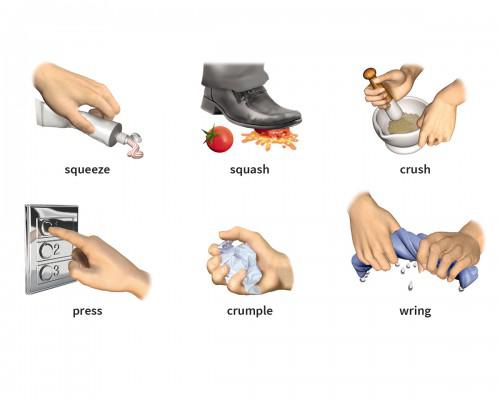
    squeeze(verb)

    /skwiːz/

    짜다, 쥐어짜다

    to press something, especially with your fingers

    Squeeze the lemon to get all the juice out.

    레몬을 짜서 즙을 모두 빼내세요.

    유의어compresspinchpresscrushgriphugwring
    반의어releaseloosenrelaxunhand
  73. 73

    ensure(verb)

    /ɪnˈʃʊr/

    확인하다 (hwaginhada)

    to make sure that something happens or is definite

    Please ensure (that) all lights are switched off.

    모든 조명이 꺼져 있는지 확인하십시오. (Modeun jomyeong-i kkeojyeo issneunji hwaginhasipsio.)

    Victory ensured them a place in the final.

    유의어guaranteeassuresecuremake sureverifyconfirmcertify
    반의어doubtquestiondisproveinvalidateuncertain
  74. 74

    stick(verb)

    /stɪk/

    붙이다

    to fix something to something else, usually with a sticky substance; to become fixed to something in this way

    I tried to stick the pieces together with some glue.

    풀로 조각들을 붙이려고 했어요.

    Her wet clothes were sticking to her body.

    유의어adhereaffixattachgluefastenbond
    반의어detachseparateunstickloosen
  75. 75

    attach(verb)

    /əˈtætʃ/

    첨부하다, 붙이다

    to fasten or join one thing to another

    Please attach a recent photograph to your application form.

    지원서에 최근 사진을 첨부해 주세요.

    유의어fastenaffixconnectjoinadhereappend
    반의어detachremoveseparatedisconnect
  76. 76

    create(verb)

    /kriˈeɪt/

    창조하다 (changjohada)

    to make something happen or exist

    The main purpose of industry is to create wealth.

    산업의 주요 목적은 부를 창출하는 것입니다.

    Scientists disagree about how the universe was created.

    유의어generateproduceformestablishinventdevelop
    반의어destroydemolisheliminateannihilate
  77. 77

    dissolve(verb)

    /dɪˈzɑːlv/

    녹다 (nokda)

    to mix with a liquid and become part of it

    Salt dissolves in water.

    소금은 물에 녹는다 (sogeumeun mure nokneunda).

    Heat gently until the sugar dissolves.

    유의어meltliquefydisintegratevanishdisappearresolve
    반의어solidifycrystallizecoagulatecondensethicken
  78. 78

    retain(verb)

    /rɪˈteɪn/

    유지하다

    to keep something; to continue to have something

    She retained her tennis title for the third year.

    그녀는 3년 연속 테니스 타이틀을 유지했습니다.

    The house retains much of its original charm.

    유의어keepmaintainpreserveholdconserve
    반의어losereleaseabandonrelinquishyield
  79. 79

    substitute(verb)

    /ˈsʌbstɪtuːt/

    대체하다, 대신하다

    to use or put somebody/something in place of another person or thing

    Butter can be substituted with margarine in this recipe.

    이 요리법에서는 버터를 마가린으로 대체할 수 있다.

    Margarine can be substituted for butter in this recipe.

    유의어replaceexchangesupplantstand in forcover fordeputize foralternate
    반의어keepretainmaintainremain
  80. 80

    succeed(verb)

    /səkˈsiːd/

    성공하다 (seonggonghada)

    to achieve something that you have been trying to do or get; to have the result or effect that was intended

    Our plan succeeded.

    우리 계획은 성공했다.

    I tried to discuss it with her but only succeeded in making her angry (= I failed and did the opposite of what I intended).

    유의어prosperthriveflourishprevailwinachieve
    반의어faillosefoundercollapsebomb
  81. 81

    attempt(verb)

    /əˈtempt/

    시도하다, 노력하다

    to make an effort or try to do something, especially something difficult

    I will attempt to answer all your questions.

    여러분의 모든 질문에 답하도록 노력하겠습니다.

    The prisoners attempted an escape, but failed.

    유의어tryendeavorseekstriveundertakeventureeffort
    반의어abstainavoidneglectignoreshunforgo
  82. 82

    encourage(verb)

    /ɪnˈkɜːrɪdʒ/

    격려하다 (gyeokryeohada)

    to give somebody support, courage or hope

    My mom always encourages me whenever I meet difficulties.

    어머니는 제가 어려움을 겪을 때마다 항상 저를 격려해 주십니다.

    My parents have always encouraged me in my choice of career.

    유의어motivateinspiresupportcheerurgehearten
    반의어discouragedeterdissuadehinderdepress
  83. 83

    live(verb)

    /lɪv/

    살다 (salda)

    to have your home in a particular place

    My parents live in New York.

    우리 부모님은 뉴욕에 사십니다. (Uri bumonim-eun Nyu-yoge sasimnida.)

    유의어residedwellexistinhabitabide
    반의어dieperish
  84. 84

    assure(verb)

    /əˈʃʊr/

    확신시키다

    to tell somebody that something is definitely true or is definitely going to happen, especially when they have doubts about it

    She's perfectly safe, I can assure you.

    그녀는 완전히 안전해요, 제가 장담할 수 있어요.

    I won't let you down, I can assure you of that.

    유의어guaranteepromisewarrantcertifyconvincepersuade
    반의어doubtquestiondisbelievedenycontradict
  85. 85

    exhibit(verb)

    /ɪɡˈzɪbɪt/

    전시하다, 진열하다

    to show something in a public place for people to enjoy or to give them information

    The gallery will exhibit paintings by local artists next month.

    그 갤러리는 다음 달에 지역 예술가들의 그림을 전시할 것이다.

    유의어displayshowpresentationexpositionitem
    반의어concealmenthidingcover-up
  86. 86

    miss(verb)

    /mɪs/

    놓치다

    to be or arrive too late for something

    We missed the bus and had to walk to school.

    우리는 버스를 놓쳐서 학교까지 걸어가야 했다.

    유의어young ladymademoisellema'am
    반의어Mrs.Madammarried woman
  87. 87

    resist(verb)

    /rɪˈzɪst/

    참다, 견디다

    to stop yourself from having or doing something that you would like to have or do

    He couldn't resist showing off his strength.

    그는 자신의 힘을 과시하지 않고는 못 배겼다.

    They are determined to resist pressure to change the law.

    유의어opposewithstanddefyfightcombatendureabstain
    반의어submityieldsuccumbgive insurrenderaccept
  88. 88

    split(verb)

    /splɪt/

    나누다, 쪼개다

    to divide, or to make something divide, into two or more parts

    We split the cake into four equal pieces.

    우리는 케이크를 똑같이 네 조각으로 나누었다.

    유의어divisionseparationriftbreachschismfracturecleavage
    반의어unityagreementaccordharmonyunionconnectionmerger
  89. 89

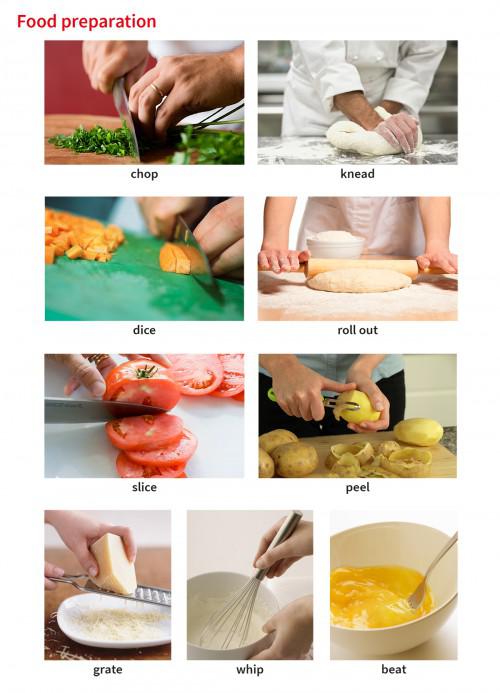
    beat(verb)

    /biːt/

    이기다, 물리치다

    to defeat somebody in a game or competition

    Our team beat them three to one in the final.

    우리 팀은 결승에서 그들을 3대 1로 이겼다.

    유의어pulserhythmthrobstrikedefeatovercome
    반의어surrenderfailurelossstandstillinactivity
  90. 90

    reckon(verb)

    /ˈrekən/

    생각하다

    to think something or have an opinion about something

    I reckon (that) I'm going to get that job.

    나는 그 일을 얻을 것 같아요.

    It's worth a lot of money, I reckon.

    유의어thinkbelievesupposeestimatejudgeconsider
    반의어disbelievedoubtquestiondisregardignore
  91. 91

    start(verb)

    /stɑːrt/

    시작하다, 시작되다

    to begin doing or using something

    It started to rain.

    비가 오기 시작했다.

    It's time you started on your homework.

    유의어begincommenceinitiatelaunchoriginate
    반의어endfinishstopterminateconclude
  92. 92

    tackle(verb)

    /ˈtækl/

    대처하다

    to make a determined effort to deal with a difficult problem or situation

    The government is determined to tackle inflation.

    정부는 인플레이션에 대처하기로 결심했습니다.

    I think I'll tackle the repairs next weekend.

    유의어addressconfrontdeal withhandlemanagegrapple withundertake
    반의어avoidevadeignoreneglectshun
  93. 93

    scratch(verb)

    /skrætʃ/

    긁다, 할퀴다

    to rub your skin with your nails, usually because it is itching

    Try not to scratch your mosquito bites or they will get worse.

    모기 물린 곳을 긁지 않도록 하세요, 안 그러면 더 심해져요.

    유의어scrapeabrasiongrazelacerationmark
    반의어healsmoothperfect
  94. 94

    alter(verb)

    /ˈɔːltər/

    변경하다 (byeong-gyeonghada)

    to become different; to make somebody/something different

    This incident altered the whole course of events.

    이 사건은 사건의 전체적인 흐름을 바꾸었다.

    He had altered so much I scarcely recognized him.

    유의어changemodifyadjusttransformconvertrevisevary
    반의어maintainpreservekeepretainconservestabilizefix
  95. 95

    hurry(verb)

    /ˈhɜːri/

    서두르다, 급히 가다

    to move or act quickly because there is not much time

    We had to hurry to catch the last bus home.

    우리는 집에 가는 마지막 버스를 타려고 서둘러야 했다.

    유의어rushhastespeeddashscurry
    반의어leisureslowdelayrestunhurried
  96. 96

    add(verb)

    /æd/

    더하다 (deohada)

    to put something together with something else so as to increase the size, number, amount, etc.

    Finally, the chef added some salt into the pot.

    마지막으로, 요리사는 냄비에 소금을 조금 넣었습니다.

    A new wing was added to the building.

    유의어increaseaugmentappendincludeincorporateannextotal
    반의어subtractdeductremovedecreasereducewithdraw
  97. 97

    cut(verb)

    /kʌt/

    자르다, 베다, 깎다

    to divide, shorten or remove something using a knife, scissors or another sharp tool

    He cuts my hair.

    그는 내 머리를 잘라 준다.

    He cut himself (= his face) shaving.

    유의어slicechopsevertrimcarvegashintersectreduce
    반의어joinconnectmendrepairattachfuse
  98. 98

    mark(verb)

    /mɑːrk/

    표시하다

    to write or draw a symbol, line, etc. on something in order to give information about it

    Please mark the correct answer with a small tick.

    정답에 작게 체크 표시를 해 주세요.

    유의어blemishscartracesignimpressioncharacteristic
    반의어erasureabsencecleanlinessnothingness
  99. 99

    enable(verb)

    /ɪˈneɪbl/

    가능하게 하다

    to make it possible for somebody/something to do something

    a new programme to enable older people to study at college

    노인들이 대학에서 공부할 수 있도록 하는 새로운 프로그램

    The software enables you to create your own DVDs.

    유의어authorizeallowempowerfacilitatepermit
    반의어disablepreventhinderimpederestrict
  100. 100

    send(verb)

    /send/

    보내다 (bonaeda)

    to make something go or be taken to a place, especially by post, email, radio, etc.

    We are sending you flowers for your birthday.

    생일에 꽃을 보내 드립니다.

    to send something by post

    유의어dispatchtransmitforwardmailshiprelaydeliver
    반의어receivegetholdkeepretainwithhold
  101. 101

    shine(verb)

    /ʃaɪn/

    빛나다 (bitnada)

    to produce or reflect light; to be bright

    The dark polished wood shone like glass.

    어두운 광택이 나는 나무가 유리처럼 빛났다.

    A light was shining in the distance.

    유의어gleamglimmersparkleglitterradiateglowilluminate
    반의어dulldarkenfadedim
  102. 102

    appear(verb)

    /əˈpɪr/

    나타나다, 모습을 드러내다

    to start to be seen

    Suddenly a small boat appeared on the horizon.

    갑자기 수평선 위에 작은 배 한 척이 나타났다.

    유의어seemlookemergearisesurfacematerialize
    반의어disappearvanishhiderecede
  103. 103

    increase(verb)

    /ɪnˈkriːs/

    증가하다, 늘리다

    to become greater in amount, number, value, etc.; to make something greater in amount, number, value, etc.

    The number of injuries from automobile accidents increases every year.

    교통사고로 인한 부상자 수가 해마다 증가한다.

    price/tax/wage increases

    유의어risegrowescalateaugmentexpandmultiply
    반의어decreasedeclinereducelessendiminish
  104. 104

    lead(verb)

    /liːd/

    안내하다

    to go with or in front of a person or an animal to show the way or to make them go in the right direction

    The receptionist led the way to the boardroom.

    접수 담당자가 회의실로 안내했습니다.

    She led the horse back into the stable.

    유의어guidedirectconductescortsteercommandheadsupervise
    반의어followobeytraillagsubmit
  105. 105

    content(noun)

    /ˈkɑːntent/

    내용

    the subject matter or ideas contained in a book, speech, course, programme, etc.

    The content of the course depends on what the students would like to study.

    강좌의 내용은 학생들이 무엇을 공부하고 싶어 하는지에 따라 달라진다.

    Her poetry has a good deal of political content.

    유의어mattersubjectthemematerialsubstancetextcontext
    반의어emptinessnothingnessvoidabsenceform
  106. 106

    realize(verb)

    /ˈriːəlaɪz/

    깨닫다 (kkaedatta)

    to understand or become aware of a particular fact or situation

    I don't think you realize how important this is to her.

    당신이 이것이 그녀에게 얼마나 중요한지 깨닫지 못하는 것 같아요.

    The moment I saw her, I realized something was wrong.

    유의어understandrecognizecomprehendperceiveappreciatebe aware of
    반의어misunderstandoverlookignoredisregardbe unaware of
  107. 107

    ruin(verb)

    /ˈruːɪn/

    파멸

    to damage something so badly that it loses all its value, pleasure, etc.

    The crops were ruined by the late frost.

    늦서리 때문에 농작물이 망쳤다.

    The bad weather ruined our trip.

    유의어devastatedestroyspoilwreckdamageimpair
    반의어repairrestorefixpreservecreatebuild
  108. 108

    take(verb)

    /teɪk/

    가지다 (gajida)

    to carry or move something from one place to another

    We'll take the dog with us.

    우리는 개를 데려갈 거예요. (Urineun gaereul delyeogal geoyeyo.)

    Shall I take my host family a gift?

    유의어acquireobtainreceivegraspseizecarryescortremove
    반의어giveofferreleaseleaveabandonrelinquish
  109. 109

    mean(verb)

    /miːn/

    의미하다

    to have something as a meaning in the same or another language

    These words mean "and so on".

    이 단어들은 "등등"을 의미합니다.

    The flashing light means (that) you must stop.

    유의어signifydenoteimplyindicaterepresentpurposeintendaverage
    반의어insignificantmeaninglessworthlesskindgenerousextremeexcellent
  110. 110

    shut(verb)

    /ʃʌt/

    닫다 (datda)

    to close something; to become closed

    The window won't shut.

    창문이 닫히지 않아.

    Philip went into his room and shut the door behind him.

    유의어closesecurefastenseallock
    반의어openunfastenunlock
  111. 111

    count(verb)

    /kaʊnt/

    세다 (seda)

    to say numbers in the correct order

    She can count up to 10 in Italian

    그녀는 이탈리아어로 10까지 셀 수 있습니다 (geunyeoneun italliaeoeo sipkkaji sel su isseupnida)

    She can count up to 10 in Italian.

    유의어enumeratetallycalculatereckoncomputeadd up
    반의어estimateguessapproximate
  112. 112

    emerge(verb)

    /ɪˈmɜːrdʒ/

    나타나다, 드러나다

    to move out of or away from something and become possible to see

    The sun finally emerged from behind the dark clouds.

    해가 마침내 먹구름 뒤에서 모습을 드러냈다.

    유의어appeararisesurfacedevelopoccurarise
    반의어disappearvanishrecedehide
  113. 113

    justify(verb)

    /ˈdʒʌstɪfaɪ/

    정당화하다, 타당함을 보이다

    to show that somebody/something is right or reasonable

    How can you justify spending so much money on clothes?

    옷에 그렇게 많은 돈을 쓰는 걸 어떻게 정당화할 수 있어?

    유의어defendexcuserationalizevindicatewarrantexplain
    반의어condemncensurecriticizedisapproveinvalidate
  114. 114

    include(verb)

    /ɪnˈkluːd/

    포함하다 (pohamhada)

    if one thing includes another, it has the second thing as one of its parts

    Tax and service are included in the bill.

    세금과 서비스가 계산서에 포함되어 있습니다.

    Your duties include typing letters and answering the telephone.

    유의어compriseencompassincorporatecontainconsist of
    반의어excludeomitexceptremovereject
  115. 115

    aid(noun)

    /eɪd/

    원조

    money, food, etc. that is sent to help countries in difficult situations

    The government sent food aid to the areas hit by the floods.

    정부는 홍수 피해 지역에 식량 원조를 보냈다.

    유의어assistancehelpsupportreliefcharitybenefit
    반의어hindranceobstructionresistanceoppositiondamageharm
  116. 116

    damage(noun)

    /ˈdæmɪdʒ/

    손해 (sonhae)

    physical harm caused to something which makes it less attractive, useful or valuable

    The damage to his car was considerable.

    그의 차에 입은 손해가 상당했다. (Geuui chae ibeun sonhaega sangdanghaetta.)

    Smoking seriously damages your health.

    유의어harminjuryimpairmentdestructionloss
    반의어repairimprovementbenefitadvantagerestoration
  117. 117

    decrease(verb)

    /dɪˈkriːs/

    감소하다, 줄이다

    to become smaller in size, number, etc.; to make something smaller in size, number, etc.

    A high population growth rate decreases economic development.

    높은 인구 증가율은 경제 발전을 둔화시킨다.

    The number of new students decreased from 210 to 160 this year.

    유의어reducelessendiminishdeclinefalldrop
    반의어increasegrowriseaugmentexpand
  118. 118

    approve(verb)

    /əˈpruːv/

    찬성하다, 승인하다

    to think that somebody/something is good, acceptable or suitable

    My parents don't approve of my staying out late at night.

    부모님은 내가 밤늦게까지 밖에 있는 것을 못마땅해하신다.

    유의어authorizeratifyendorsesanctionvalidateconfirm
    반의어rejectdenydisapproverefuseveto
  119. 119

    deserve(verb)

    /dɪˈzɜːrv/

    받을 만하다

    to do something or show qualities that mean a particular reaction, reward or punishment is appropriate

    Several other points deserve mentioning.

    몇 가지 다른 점은 언급할 가치가 있습니다.

    They didn't deserve to win.

    유의어meritwarrantearnratejustifybe worthy of
    반의어not deservebe unworthy oflacknot merit
  120. 120

    reduce(verb)

    /rɪˈduːs/

    줄이다(julida)

    to make something less or smaller in size, quantity, price, etc.; to become less or smaller in size, quantity, etc.

    Doctors will always try to reduce the temperature of patients with fever.

    의사들은 열이 있는 환자의 체온을 낮추기 위해 항상 노력할 것입니다.

    Giving up smoking reduces the risk of heart disease.

    유의어decreaselessenlowerdiminishcutcurtail
    반의어increaseraiseexpandenlargeaugment
  121. 121

    steam(verb)

    /stiːm/

    찌다

    to cook something by placing it over boiling water so that the steam heats it

    You need to steam the cakes about 30 minutes.

    케이크를 약 30분 동안 쪄야 한다.

    a Turkish steam bath

    유의어vaporizeevaporatecookheat
    반의어freezechillcoolice
  122. 122

    outline(verb)

    /ˈaʊtlaɪn/

    개요를 말하다, 윤곽을 설명하다

    to give a description of the main facts or points involved in something

    The manager outlined the main plans for the new project.

    관리자는 새 프로젝트의 주요 계획을 간략히 설명했다.

    유의어summarysketchframeworkdraftplanskeletonsyllabusblueprint
    반의어detailbodyelaborationwholecompleteness
  123. 123

    boil(verb)

    /bɔɪl/

    끓다

    when a liquid boils or when you boil it, it is heated to the point where it forms bubbles and turns to steam or vapour

    Water boils at 100 °C.

    물은 100°C에서 끓는다.

    Boil plenty of salted water, then add the spaghetti.

    유의어simmerseethebubblestewcook
    반의어freezechillcool
  124. 124

    exist(verb)

    /ɪɡˈzɪst/

    존재하다, 있다

    to be real; to be present in a place or situation

    Do you think life exists on other planets?

    다른 행성에도 생명체가 존재한다고 생각하세요?

    유의어livebeoccursubsistprevailcontinue
    반의어dieceasevanishenddisappear
  125. 125

    obey(verb)

    /əˈbeɪ/

    준수하다 (junsuhada)

    to do what you are told or expected to do

    Road users should obey traffic rules strictly.

    도로 이용자들은 교통 규칙을 엄격히 준수해야 합니다.

    He had always obeyed his parents without question.

    유의어complyadherefollowheedobserve
    반의어disobeydefyignorerebelresist
  126. 126

    tend(verb)

    /tend/

    경향이 있다

    to be likely to do something or to happen in a particular way because this is what often or usually happens

    People tend to think that the problem will never affect them.

    사람들은 그 문제가 자신들에게는 결코 영향을 미치지 않을 것이라고 생각하는 경향이 있다.

    When I'm tired, I tend to make mistakes.

    유의어inclinebe likelybe pronebe apthave a tendency
    반의어resistavoiddisincline
  127. 127

    use(verb)

    /juːz/

    사용하다, 쓰다

    to do something with a machine, a method, an object, etc. for a particular purpose

    Can I use this computer?

    이 컴퓨터를 써도 될까요?

    I'm not sure that this is the most valuable use of my time.

    유의어utilizeemployoperatehandleapplyexercise
    반의어neglectignoredisregardabandondiscard
  128. 128

    advise(verb)

    /ədˈvaɪz/

    조언하다 (joeonhada)

    to tell somebody what you think they should do in a particular situation

    I think I'd advise leaving the company.

    저는 회사를 떠나는 것이 좋다고 조언하고 싶습니다.

    Her mother was away and couldn't advise her.

    유의어recommendsuggestguidecounselwarnurgeencourage
    반의어dissuadediscouragedetermisguide
  129. 129

    adapt(verb)

    /əˈdæpt/

    적응하다

    to change your behaviour in order to deal more successfully with a new situation

    It took her a few months to adapt to life in the big city.

    그녀가 대도시 생활에 적응하는 데 몇 달이 걸렸다.

    유의어adjustmodifyalteraccommodateconformtailorrevisereshape
    반의어remainpersiststagnateresistrejectopposemisfitimmovable
  130. 130

    adopt(verb)

    /əˈdɑːpt/

    입양하다 (ibyanghada)

    to take somebody else’s child into your family and become its legal parent(s)

    a campaign to encourage childless couples to adopt

    자녀가 없는 부부에게 입양을 장려하는 캠페인

    She was forced to have her baby adopted.

    유의어take infosterchooseselectembraceaccept
    반의어rejectabandondisownrenouncerefuse
  131. 131

    arrange(verb)

    /əˈreɪndʒ/

    준비하다 (junbihada)

    to plan or organize something in advance

    Have you arranged to meet him?

    그를 만나기로 준비했어요?

    We've still got to arrange how to get to the airport.

    유의어organizeplanpreparecoordinatesettleorderfix
    반의어disarrangedisorganizederangeconfuse
  132. 132

    favour(noun)

    /ˈfeɪvər/

    호의 (ho-ui)

    a thing that you do to help somebody

    I'm going as a favour to Ann, not because I want to.

    내가 원해서 가는 게 아니라, 앤의 호의로 가는 거야.

    Thanks for helping me out. I'll return the favour(= help you because you have helped me) some time.

    유의어kindnessgood turncourtesyserviceadvantagebenefit
    반의어disfavordisserviceharminjury
  133. 133

    hide(verb)

    /haɪd/

    숨기다 (sumgida)

    to put or keep somebody/something in a place where they/it cannot be seen or found

    They hid me from the police in their attic.

    그들은 나를 다락방에 숨겨 경찰로부터 보호했다.

    He hid the letter in a drawer.

    유의어concealcoversecretemaskobscure
    반의어revealexposeshowuncoverdisclose
  134. 134

    trick(noun)

    /trɪk/

    속임수, 장난, 요령

    something that you do to make somebody believe something that is not true, or to annoy somebody as a joke

    The children played a trick on their teacher by hiding her books.

    아이들은 선생님의 책을 숨겨서 선생님에게 장난을 쳤다.

    유의어ployrusedeceitstratagemartificedeviceprankhoax
    반의어honestytruthfairnessuprightnesscandor
  135. 135

    build(verb)

    /bɪld/

    건설하다 (geonseolhada)

    to make something, especially a building, by putting parts together

    They have permission to build 200 new houses.

    그들은 새로운 집 200채를 지을 허가를 받았습니다.

    Robins build nests almost anywhere.

    유의어constructcreateestablisherectform
    반의어destroydemolishruindismantle
  136. 136

    have(verb)

    /həv/

    가지다 (gajida)

    to own, hold or possess something

    My family has four people.

    우리 가족은 네 명입니다. (Uri gajogeun ne myeongimnida.)

    If I hadn't seen it with my own eyes I wouldn't have believed it.

    유의어possessowncontainincludeexperienceundergohold
    반의어lackneedwantlosebe without
  137. 137

    improve(verb)

    /ɪmˈpruːv/

    향상시키다 (hyangsangsikida)

    to become better than before; to make something/somebody better than before

    I am improving my English skills.

    저는 영어 실력을 향상시키고 있습니다.

    The doctor says she should continue to improve (= after an illness).

    유의어enhanceadvancebetterdeveloprefineprogressameliorate
    반의어worsendeclinedeteriorateimpairweakendiminishreduce
  138. 138

    blow(verb)

    /bləʊ/

    불다 (bulda)

    to send out air from the mouth

    He drew on his cigarette and blew out a stream of smoke.

    그는 담배를 빨고 연기를 내뿜었다.

    You're not blowing hard enough!

    유의어puffgushblastexhalepant
    반의어inhalesuckdraw in
  139. 139

    bite(verb)

    /baɪt/

    물다, 깨물다

    to use your teeth to cut into or through something

    Be careful, that dog might bite you.

    조심해, 저 개가 널 물지도 몰라.

    유의어nibblemorselmouthfulgnawchamp
    반의어entiretywhole
  140. 140

    give(verb)

    /ɡɪv/

    주다 (juda)

    to hand something to somebody so that they can look at it, use it or keep it for a time

    Give your mother the letter.

    어머니께 편지를 드리세요. (Eomeoni kke pyeonjireul deuriseyo.)

    They were all given a box to carry.

    유의어provideofferpresentsupplydonateawardgrant
    반의어receivetakekeepholdwithdrawretain
  141. 141

    see(verb)

    /siː/

    보다 (boda)

    to become aware of somebody/something by using your eyes

    She looked for him but couldn't see him in the crowd

    그녀는 그를 찾았지만 군중 속에서 그를 볼 수 없었다.

    She looked for him but couldn't see him in the crowd.

    유의어observeviewnoticeperceivedetectwitnessbehold
    반의어missoverlookignoreneglect
  142. 142

    swear(verb)

    /swer/

    욕하다, 악담하다

    to use rude or offensive language, usually because you are angry

    Why did you let him swear at you like that?

    왜 그가 너에게 그렇게 욕하도록 내버려 뒀니?

    I don't like to hear children swearing.

    유의어cursevowaffirmdeclareprofaneblasphemecuss
    반의어praiseblesscomplimentapproverevere
  143. 143

    wish(verb)

    /wɪʃ/

    원하다, 바라다

    (formal) to want to do or have something

    I wish to speak to the manager.

    부장님과 이야기하고 싶습니다.

    It was her dying wish that I should have it.

    유의어desirewanthopelong foryearn foraspirationcraving
    반의어dislikehateaversionindifference
  144. 144

    hit(verb)

    /hɪt/

    치다, 부딪치다

    to bring your hand, or an object you are holding, against somebody/something quickly and with force

    The car hit a tree on the side of the road.

    차가 길가의 나무를 들이받았다.

    유의어strikeimpactblowsmashknockthumpwallop
    반의어missavoidprotectguard
  145. 145

    lack(verb)

    /læk/

    부족하다, 결여되다

    to have none or not enough of something

    He lacks confidence.

    그는 자신감이 부족하다.

    She has the determination that her brother lacks.

    유의어deficiencyshortagewantabsenceneed
    반의어abundancesurplusplentysufficiencyenough
  146. 146

    prepare(verb)

    /prɪˈper/

    준비하다 (junbihada)

    to make something or somebody ready to be used or to do something

    The children are preparing to leave for Halloween.

    아이들은 할로윈을 위해 떠날 준비를 하고 있습니다.

    A hotel room is being prepared for them.

    유의어readyarrangeequipdevelopget readytrain
    반의어neglectignoredisregardforget
  147. 147

    provide(verb)

    /prəˈvaɪd/

    제공하다 (jegonghada)

    to give something to somebody or make it available for them to use

    He provides food for the poor on Sunday mornings.

    그는 일요일 아침에 가난한 사람들에게 음식을 제공합니다.

    The hospital has a commitment to provide the best possible medical care.

    유의어supplyfurnishgiveoffercontributeequippresent
    반의어takedeprivewithholdremovedeny
  148. 148

    receive(verb)

    /rɪˈsiːv/

    받다 (batda)

    to get or accept something that is sent or given to you

    She received her prize from the manager

    그녀는 매니저로부터 상을 받았습니다. (Geunyeoneun maenijeoreobuteo sangeul batatseupnida.)

    to receive a letter/present/phone call

    유의어getobtainacquireaccepttakegainderive
    반의어giveofferdonaterelinquishforfeitlose
  149. 149

    brush(verb)

    /brʌʃ/

    닦다 (dakda)

    to clean, polish or make something smooth with a brush

    Do you brush your teeth every day?

    매일 이를 닦으세요? (Maeil ireul dakkeuseyo?)

    유의어scrubcleansweepgroompolish
    반의어dirtyneglectignore
  150. 150

    regard(verb)

    /rɪˈɡɑːrd/

    여기다, 간주하다

    to think about somebody/something in a particular way

    Many people regard him as the best player in the team.

    많은 사람들이 그를 팀 최고의 선수로 여긴다.

    유의어attentionconsiderationrespectheednoticecareconcern
    반의어disregardneglectindifferencedisrespectignore
  151. 151

    steer(verb)

    /stɪr/

    조종하다, 운전하다

    to control the direction in which a boat, car, etc. moves

    She steered the car carefully into the narrow parking space.

    그녀는 좁은 주차 공간에 조심스럽게 차를 몰아 넣었다.

    유의어guidedirectpilotnavigateconductchannel
    반의어driftwanderstraylose controlmisguide
  152. 152

    restrict(verb)

    /rɪˈstrɪkt/

    제한하다

    to limit the size, amount or range of something

    Having small children really restricts your social life.

    어린 자녀가 있으면 사회 생활이 정말 제한됩니다.

    Speed is restricted to 30 mph in towns.

    유의어limitconfinecurtailinhibitconstraincontrolregulate
    반의어freeliberateexpandreleaseallowpermit
  153. 153

    crush(verb)

    /krʌʃ/

    분쇄하다, 으깨다

    to press something hard so that it breaks into pieces or powder, for example a tablet

    Check with the pharmacist before you crush any tablet.

    정제를 분쇄하기 전에 반드시 약사에게 확인하십시오.

    Slow-release tablets must not be crushed because the whole dose is released at once.

    유의어squashmashcrumplepresssqueezeflattenoverwhelm
    반의어raisebuildconstructsupportprotect
  154. 154

    need(verb)

    /niːd/

    필요하다, 필요로 하다

    to require something/somebody because they are essential or very important, not just because you would like to have them

    Do you need me to help?

    내가 도와줄까?

    to satisfy/meet/identify a need

    유의어requiredemandlackwantdesire
    반의어havepossesssupplywant for nothing
  155. 155

    remain(verb)

    /rɪˈmeɪn/

    남다 (namda)

    to continue to be something; to be still in the same state or condition

    Train fares are likely to remain unchanged.

    기차 요금은 변동 없이 유지될 가능성이 높습니다. (Gicha yogeumeun byeondong eopsi yujidoel ganeungseongi nopseupnida.)

    He will remain (as) manager of the club until the end of his contract.

    유의어staycontinuepersistendureabide
    반의어leavedepartchangegodisappear
  156. 156

    work(verb)

    /wɜːrk/

    일하다, 근무하다

    to do something that involves physical or mental effort, especially as part of a job

    She works very hard.

    그녀는 매우 열심히 일한다.

    She had been out of work(= without a job) for a year.

    유의어labortoileffortendeavorfunctionoperate
    반의어restleisureidlenessinactivity
  157. 157

    adjust(verb)

    /əˈdʒʌst/

    조정하다 (jojeonghada)

    to change something slightly to make it more suitable for a new set of conditions or to make it work better

    If the chair is too high you can adjust it to suit you.

    의자가 너무 높으면 자신에게 맞게 조절할 수 있습니다.

    Adjust your language to the age of your audience.

    유의어modifyalterchangeregulatefine-tuneadaptcorrectset
    반의어fixleavekeepmaintaindisturb
  158. 158

    pretend(verb)

    /prɪˈtend/

    가식하다

    to behave in a particular way, in order to make other people believe something that is not true

    I pretended to be asleep.

    나는 잠든 척했다.

    Of course I was wrong; it would be hypocritical to pretend otherwise.

    유의어feignsimulateaffectshamcounterfeitact
    반의어be honestbe truthfulbe genuinebe real
  159. 159

    recall(verb)

    /rɪˈkɔːl/

    기억하다

    to remember something

    She could not recall his name.

    그녀는 그의 이름을 기억하지 못했다.

    ‘It was on a Thursday in March,’ he recalled.

    유의어rememberrecollectreminiscecall to mindthink back
    반의어forgetdisrememberobliviate
  160. 160

    suppose(verb)

    /səˈpəʊz/

    추정하다

    to think or believe that something is true or possible (based on the knowledge that you have)

    I don't suppose for a minute that he'll agree (= I'm sure that he won't).

    나는 그가 동의할 거라고 잠시도 생각하지 않아 (= 나는 그가 동의하지 않을 거라고 확신해).

    She had supposed him (to be) very rich.

    유의어assumepresumeguessimaginethinkexpect
    반의어knowbe certainbe suredoubtdisbelieve
  161. 161

    fill(verb)

    /fɪl/

    채우다, 가득 차다

    to make something full of something; to become full of something

    Please fill the bottle with water before we leave.

    떠나기 전에 병에 물을 가득 채워 주세요.

    유의어occupyreplenishstuffpackloadtop upcharge
    반의어emptydrainvacateclearunload
  162. 162

    check(verb)

    /tʃek/

    확인하다, 점검하다

    to examine something to see if it is correct, safe or acceptable

    Check your work before handing it in.

    제출하기 전에 네가 한 작업을 확인해라.

    It is vital to keep a check on your speed (= look at it regularly in order to control it).

    유의어examineinspectverifyreviewinvestigatescrutinizeassessmonitor
    반의어ignoreneglectdisregardoverlook
  163. 163

    pass(verb)

    /pæs/

    합격하다, 통과하다

    to achieve the required standard in an exam, a test, etc.

    She studied hard and passed all her exams.

    그녀는 열심히 공부해서 모든 시험에 합격했다.

    유의어overtakesurpassexceedgo beyondtranscend
    반의어failstopobstructblockimpede
  164. 164

    reflect(verb)

    /rɪˈflekt/

    비추다, 반사하다

    to show the image of somebody/something on the surface of something such as a mirror, water or glass

    His face was reflected in the mirror.

    그의 얼굴이 거울에 비쳤다.

    She could see herself reflected in his eyes.

    유의어mirrorshowdisplayreproducerepresentindicatedemonstrateembody
    반의어absorbhideconcealdisregardignore
  165. 165

    absorb(verb)

    /əbˈzɔːrb/

    흡수하다 (heupsuhada)

    to take in a liquid, gas or other substance from the surface or space around

    Let the rice cook until it has absorbed all the water.

    밥이 물을 모두 흡수할 때까지 요리하세요.

    The cream is easily absorbed into the skin.

    유의어soak upingestconsumetake inassimilateincorporateimbibe
    반의어releaseemitexudedischargeexpelrepel
  166. 166

    smash(verb)

    /smæʃ/

    산산이 부수다 (sansani busuda)

    to break something, or to be broken, violently and noisily into many pieces

    The glass bowl smashed into a thousand pieces.

    유리 그릇이 산산조각 났다.

    Several windows had been smashed.

    유의어breakshattercrushdemolishdestroycollideimpact
    반의어buildconstructcreaterepairmendfix
  167. 167

    spread(verb)

    /spred/

    퍼지다, 확산되다

    to affect or make something affect, be known by, or be used by more and more people

    The disease spread quickly through the village.

    그 병은 마을 전체로 빠르게 퍼졌다.

    유의어disseminateexpandextendcirculateradiatediffuseproliferation
    반의어contractdecreaseconcentraterestrictcontaingather
  168. 168

    surround(verb)

    /səˈraʊnd/

    둘러싸다 (dulleossada)

    to be all around something/somebody

    Our house is surrounded with a lot of trees and flowers.

    우리 집은 많은 나무와 꽃으로 둘러싸여 있습니다.

    Tall trees surround the lake.

    유의어encloseencircleenvelopringhem inbesiege
    반의어leaveabandondesertfreerelease
  169. 169

    abandon(verb)

    /əˈbændən/

    버리다, 유기하다

    to leave somebody, especially somebody you are responsible for, with no intention of returning

    The baby had been abandoned by its mother outside a hospital.

    그 아기는 어머니에게 버려져 병원 밖에 놓여 있었다.

    유의어relinquishdesertforsakeleavequitrenouncewaive
    반의어keepretaincontinuemaintainsupport
  170. 170

    let(verb)

    /let/

    ~하게 하다, 허락하다

    to allow somebody to do something or allow something to happen

    Let them splash around in the pool for a while.

    아이들이 잠시 동안 수영장에서 첨벙거리며 놀게 해 주세요.

    He'd eat chocolate all day long if I let him.

    유의어allowpermitauthorizeenablegrantconsent
    반의어preventprohibitforbidhinderstoprestrain
  171. 171

    repeat(verb)

    /rɪˈpiːt/

    반복하다

    to say or write something again or more than once

    Could you repeat the question, please?

    질문을 반복해 주시겠어요?

    I'm sorry—could you repeat that?

    유의어reiteraterestatreproducerecapgo overrehash
    반의어erasecancelretracttake backnullify
  172. 172

    affect(verb)

    /əˈfekt/

    영향을 주다 (yeonghyang-eul juda)

    to produce a change in somebody/something

    The divorce affected every aspect of her life.

    이혼은 그녀의 삶의 모든 측면에 영향을 미쳤다.

    The south of the country was worst affected by the drought.

    유의어influenceimpactalterchangemodifytouchconcernmove
    반의어leave alonenot affecthave no effect onnot influenceunchanged
  173. 173

    refuse(verb)

    /rɪˈfjuːz/

    거절하다

    to say or show that you will not do something that somebody has asked you to do

    He flatly refused to discuss the matter.

    그는 그 문제에 대해 논의하는 것을 단호히 거절했다.

    He flatly refused to discuss the matter.

    유의어declinerejectdenywithholddisallow
    반의어acceptagreeallowapproveconsent
  174. 174

    catch(verb)

    /kætʃ/

    잡다 (japda)

    to stop and hold a moving object or person, especially in your hands

    The dog caught the stick in its mouth.

    개가 입으로 막대기를 잡았다.

    ‘Throw me over that towel, will you?’ ‘OK. Catch!’

    유의어captureseizegrabsnatchapprehendtrap
    반의어releasefreelosemissliberate
  175. 175

    want(verb)

    /wɑːnt/

    원하다 (wonhada)

    to have a desire or a wish for something/somebody

    Do you want to have some more tea?

    차 더 드시겠어요? (cha deo deusigesseoyo?)

    What do you want to do tomorrow?

    유의어desirewishneedrequirecravelong foryearn for
    반의어dislikehaterejectrefusenot want
  176. 176

    make(verb)

    /meɪk/

    만들다 (mandeulda)

    to create or prepare something by combining materials or putting parts together

    Wine is made from grapes.

    와인은 포도로 만들어집니다.

    She made coffee for us all.

    유의어createproduceconstructformmanufacture
    반의어destroybreakundounmake
  177. 177

    explode(verb)

    /ɪkˈspləʊd/

    폭발하다 (pokbalhada)

    to burst (= break apart) or make something burst loudly and violently, causing damage

    Bomb disposal experts exploded the device under controlled conditions.

    폭탄 처리 전문가들이 통제된 조건 하에서 장치를 폭파시켰다.

    The firework exploded in his hand.

    유의어detonatebursteruptdischargeblow up
    반의어implodedeflatecompressquellsuppress
  178. 178

    rob(verb)

    /rɑːb/

    강도질하다, 털다

    to steal money or property from a person or place

    Two men robbed the bank and escaped in a stolen car.

    두 남자가 은행을 털고 훔친 차를 타고 달아났다.

    유의어burglarizeplunderlootstealpilferdespoilhold up
    반의어givedonatecontributeofferprovide
  179. 179

    sweep(verb)

    /swiːp/

    쓸다, 청소하다

    to clean a room, surface, etc. using a broom (= a type of brush on a long handle)

    She swept the kitchen floor after dinner.

    그녀는 저녁 식사 후에 부엌 바닥을 쓸었다.

    유의어cleanbrushclearremoveskimscourcleanse
    반의어dirtysoilcontaminatepollute
  180. 180

    destroy(verb)

    /dɪˈstrɔɪ/

    파괴하다 (pagoehada)

    to damage something so badly that it no longer exists, works, etc.

    We can't destroy the forests anymore.

    우리는 더 이상 숲을 파괴할 수 없습니다.

    They've destroyed all the evidence.

    유의어demolishruinannihilateobliteratewreckdevastateeradicate
    반의어createbuildconstructpreserveprotectrepair
  181. 181

    contain(verb)

    /kənˈteɪn/

    함유하다 (hamyuhada)

    if something contains something else, it has that thing inside it or as part of it

    This drink doesn’t contain any alcohol.

    이 음료에는 알코올이 들어 있지 않습니다.

    The bottle contains (= can hold) two litres.

    유의어includeholdcompriseincorporateconsist ofaccommodate
    반의어excludelackomitreleaseempty
  182. 182

    repair(verb)

    /rɪˈper/

    수리하다, 고치다

    to fix something that is broken, damaged or torn

    My brother is repairing my car.

    우리 형이 내 차를 수리하고 있어.

    to repair a car/roof/road/television

    유의어fixmendrestoreremedypatchcorrect
    반의어breakdamagedestroyharmruin
  183. 183

    break(verb)

    /breɪk/

    깨지다, 부서지다, 부러지다

    to be damaged and separated into two or more parts, as a result of force; to damage something in this way

    Be careful not to drop the glass, or it will break.

    유리잔을 떨어뜨려 깨지지 않도록 조심해라.

    유의어pauserestrecessrespiteintervalintermission
    반의어continuationworkeffortactivity
  184. 184

    bet(verb)

    /bet/

    돈을 걸다, 내기하다

    to risk money on a race or an event by trying to predict the result

    He bet all his money on the horse that came last.

    그는 꼴찌로 들어온 말에 전 재산을 걸었다.

    유의어wagergamblestakepledgeante
    반의어certaintysuretyfactreality
  185. 185

    dislike(verb)

    /dɪsˈlaɪk/

    싫어함

    to not like somebody/something

    Much as she disliked going to funerals (= although she did not like it at all), she knew she had to be there.

    그녀는 장례식에 가는 것을 매우 싫어했지만, 거기에 가야 한다는 것을 알았습니다.

    He disliked her staying away from home.

    유의어hatedetestabhorloatheaversiondispleasure
    반의어likeloveenjoyaffectionfondness
  186. 186

    bend(verb)

    /bend/

    구부리다, 숙이다

    to lean, or make something lean, in a particular direction

    She bent down to pick up the coin from the floor.

    그녀는 몸을 숙여 바닥에서 동전을 주웠다.

    유의어curveturnflextwistanglebow
    반의어straightenunbendstiffrigid
  187. 187

    fix(verb)

    /fɪks/

    고치다

    to repair or correct something

    They couldn't fix my old computer.

    그들은 내 낡은 컴퓨터를 고칠 수 없었다.

    to fix a post in the ground

    유의어repairmendcorrectresolveadjustsecurefasten
    반의어breakdamageruininjuredestroy
  188. 188

    wake(verb)

    /weɪk/

    일어나 (ireona)

    to stop sleeping; to make somebody stop sleeping

    Wake up! It's eight o'clock.

    일어나! 8시야. (Ireona! Yeodeolsiya.)

    He woke up to find himself alone in the house.

    유의어ariseawakenrousestircome tobecome conscious
    반의어sleepdozeslumberrest
  189. 189

    disappear(verb)

    /ˌdɪsəˈpɪr/

    사라지다 (sarajida)

    to become impossible to see

    My wallet seemed to have disappeared.

    제 지갑이 사라진 것 같아요.

    The plane disappeared behind a cloud.

    유의어vanishfadeevaporatedematerializebe lostpass away
    반의어appearemergearrivematerializesurfaceshow up
  190. 190

    hear(verb)

    /hɪr/

    듣다 (deutda)

    to be aware of sounds with your ears

    Didn't you hear what I said?

    내가 말한 것을 못 들었어? (Naega malhan geoseul mot deureosseo?)

    I can't hear very well.

    유의어listenperceiveoverhearcatchget
    반의어ignoredisregardoverlookmiss
  191. 191

    vary(verb)

    /ˈveri/

    다르다 (dareuda)

    to be different from each other in size, shape, etc.

    The boxes vary in size from small to large.

    상자들은 크기가 작음에서 큼까지 다양하다.(sangjadeureun keugiga jageumeseo keumkkaji dayanghada.)

    The quality of the students' work varies considerably.

    유의어differchangedivergefluctuatemodifydeviate
    반의어stayremainstabilizeconformstandardize
  192. 192

    treat(verb)

    /triːt/

    대하다 (daehada)

    to behave in a particular way towards somebody/something

    They treated me like a member of their family.

    그들은 나를 가족 구성원처럼 대했다.

    He was treated as a hero on his release from prison.

    유의어handledeal withmanageaddresscare fornurseadministerregard
    반의어ignoreneglectmistreatabuse
  193. 193

    deliver(verb)

    /dɪˈlɪvər/

    배달하다

    to take goods, letters, etc. to the person or people they have been sent to

    Do you have your milk delivered?

    우유는 배달 받으세요?

    Leaflets have been delivered to every household.

    유의어transportconveyhand oversupplyproviderelinquishdistributecarry
    반의어keepholdretainwithhold
  194. 194

    finish(verb)

    /ˈfɪnɪʃ/

    끝내다 (kkeutnaeda)

    to stop doing something or making something because it is complete

    My class finishes studying at 11 o'clock.

    우리 반은 11시에 공부를 끝냅니다.

    Haven't you finished your homework yet?

    유의어completeconcludeendterminateaccomplish
    반의어beginstartcommenceinitiate
  195. 195

    trace(verb)

    /treɪs/

    추적하다, 찾아내다

    to find or discover somebody/something by looking carefully for them/it

    The bank was able to trace the missing payment to another account.

    은행은 사라진 입금액을 다른 계좌로 추적할 수 있었다.

    유의어signmarkvestigeevidencetrackhintindication
    반의어presenceexistenceabundancesource
  196. 196

    capture(verb)

    /ˈkæptʃər/

    붙잡다, 포획하다

    to catch a person or an animal and keep them as a prisoner or shut them in a space that they cannot escape from

    The hunters captured the rare bird and sold it to a zoo.

    사냥꾼들은 희귀한 새를 포획해서 동물원에 팔았다.

    유의어seizeapprehendarrestnabsnatchsecuretakecatch
    반의어releaseliberatefreeloseabandonfail
  197. 197

    join(verb)

    /dʒɔɪn/

    참여하다, 함께하다

    to become a member of a group, or to take part in something with other people

    I'm sure everyone will join me in wishing you a very happy birthday.

    모두가 저와 함께 당신의 행복한 생일을 축하해 줄 거라고 확신합니다.

    Join the two sections of pipe together.

    유의어participateattenduniteconnectassociatecombine
    반의어leaveseparatewithdrawexcludedepart
  198. 198

    try(verb)

    /traɪ/

    노력하다 (noryeokhada)

    to make an attempt or effort to do or get something

    I tried hard not to laugh.

    나는 웃지 않으려고 애썼다. (Naneun utji anhreogo aesseotda.)

    I tried hard not to laugh.

    유의어attemptendeavorstriveseekundertake
    반의어avoidneglectignoreshirkabandon
  199. 199

    anticipate(verb)

    /ænˈtɪsɪpeɪt/

    예상하다 (yesanghada)

    to expect something

    They anticipate moving to bigger premises by the end of the year.

    그들은 연말까지 더 큰 건물로 이전할 것으로 예상합니다. (Geudeureun yeonmal kkaji deo keun geonmullo ijeonhal geoseuro yesanghamnida.)

    Our anticipated arrival time is 8.30.

    유의어expectpredictforeseeforecastawaitlook forward to
    반의어doubtdisbelievebe surprisednot expect
  200. 200

    trap(verb)

    /træp/

    가두다, 꼼짝 못 하게 하다

    to keep somebody in a dangerous place or bad situation that they want to get out of but cannot

    We became trapped by the rising floodwater.

    우리는 불어나는 홍수에 갇히고 말았다.

    They were trapped in the burning building.

    유의어ambushsnareentrapmentpitfalllurenet
    반의어releasefreeliberateescape
  201. 201

    imagine(verb)

    /ɪˈmædʒɪn/

    상상하다 (sangsanghada)

    to form a picture in your mind of what something might be like

    He imagined walking into the office and handing in his resignation.

    그는 사무실에 걸어 들어가 사직서를 제출하는 것을 상상했다.

    Can you imagine what it must be like to lose your job after 20 years?

    유의어envisionpictureconceivevisualizedreamfantasizesupposeassume
    반의어knowproverealizeascertainverifydemonstrate
  202. 202

    involve(verb)

    /ɪnˈvɑːlv/

    수반하다, 포함하다

    if a situation, an event or an activity involves something, that thing is an important or necessary part or result of it

    My new job involves travelling to a different country every month.

    내 새 직업은 매달 다른 나라로 출장을 가는 일을 수반한다.

    유의어includeincorporateentailaffectimplicateengage
    반의어excludeomitdisengagedetachremove
  203. 203

    meet(verb)

    /miːt/

    만나다

    to come together with somebody, either by chance or because you have arranged it

    Let's meet at the park after school tomorrow.

    내일 방과 후에 공원에서 만나자.

    유의어encountergatherconvergeassemblejoingreet
    반의어disperseseparatedepartscatteravoid
  204. 204

    remove(verb)

    /rɪˈmuːv/

    벗다, 치우다, 제거하다

    to take somebody/something away from a place

    Please remove your shoes before you go into the house.

    집에 들어가기 전에 신발을 벗어 주세요.

    유의어eliminatedeleteeraseextractwithdrawdismissdiscard
    반의어addinsertincluderestoreretainkeep
  205. 205

    burn(verb)

    /bɜːrn/

    타다, 태우다

    to produce flames and heat

    People should not burn plastic because it pollutes the air.

    플라스틱은 공기를 오염시키므로 태워서는 안 된다.

    유의어scorchsearblazeinflammationinjury
    반의어extinguishcoolsoothefreeze
  206. 206

    cheat(verb)

    /tʃiːt/

    부정행위를 하다, 커닝하다

    to act in a dishonest way in order to gain an advantage, especially in a game, competition or exam

    Did you cheat in your exam?

    너 시험에서 부정행위 했니?

    She is accused of attempting to cheat the taxman.

    유의어deceivedefraudswindletrickdupescamhustle
    반의어be honestbe truthfulbe fairbe ethical
  207. 207

    thank(verb)

    /θæŋk/

    감사 (gamsa)

    to tell somebody that you are grateful for something

    Thank you very much.

    정말 감사합니다 (Jeongmal gamsahamnida)

    There's no need to thank me—I enjoyed doing it.

    유의어appreciateacknowledgebe gratefulgive thanks
    반의어cursecriticizereproachcondemn
  208. 208

    become(verb)

    /bɪˈkʌm/

    되다 (doeda)

    to start to be something

    His job has become his whole life.

    그의 직업은 그의 인생 전부가 되었다.

    She became queen in 1952.

    유의어turn intogrow intodevelop intoevolve intotransform intogetgrowgo
    반의어remainstaycontinuepersistrevertdecline
  209. 209

    dismiss(verb)

    /dɪsˈmɪs/

    묵살하다 (muksarhada)

    to decide that somebody/something is not important and not worth thinking or talking about

    I think we can safely dismiss their objections.

    저는 그들의 이의 제기를 안전하게 묵살할 수 있다고 생각합니다.

    He dismissed the opinion polls as worthless.

    유의어rejectdisregardignorebrush asidediscountoverrulerepudiate
    반의어acceptconsiderheedacknowledgeentertainapproveembrace
  210. 210

    decline(verb)

    /dɪˈklaɪn/

    쇠퇴

    to become smaller, fewer, weaker, etc.

    Her health was declining rapidly.

    그녀의 건강은 급격히 악화되고 있었다.

    The number of tourists to the resort declined by 10% last year.

    유의어decreasediminishweakendeterioratewanesinkfallebb
    반의어increaseriseimproveascendwaxgrowflourish
  211. 211

    transform(verb)

    /trænsˈfɔːrm/

    변환하다

    to change the form of something; to change in form

    The photochemical reactions transform the light into electrical impulses.

    광화학 반응은 빛을 전기적 충격으로 변환합니다.

    To be honest with you, I don't remember what he said.

    유의어convertchangealtermodifyconvertmutateremodelmetamorphose
    반의어maintainpreserveretainkeepconserve
  212. 212

    multiply(verb)

    /ˈmʌltɪplaɪ/

    곱하다 (gophada)

    to add a number to itself a particular number of times

    Multiply 2 and 6 together and you get 12.

    2와 6을 곱하면 12가 됩니다.

    2 multiplied by 4 is/equals/makes 8 (2×4 = 8)

    유의어increaseaugmentexpandreproduceproliferate
    반의어dividereducedecreasesubtractlessen
  213. 213

    oppose(verb)

    /əˈpəʊz/

    반대하다 (bandaehada)

    to disagree strongly with somebody’s plan, policy, etc. and try to change it or prevent it from succeeding

    This party would bitterly oppose the re-introduction of the death penalty.

    이 정당은 사형 제도의 재도입에 맹렬히 반대할 것입니다.

    I would oppose changing the law.

    유의어resistobjectfightcounterdisagreechallenge
    반의어supportagreeapproveendorseadvocatepromote
  214. 214

    appreciate(verb)

    /əˈpriːʃieɪt/

    고맙게 여기다, 감사하다

    to be grateful for something that somebody has done for you

    We would appreciate you letting us know of any problems.

    문제가 있으면 저희에게 알려 주시면 감사하겠습니다.

    Her family doesn't appreciate her.

    유의어valueprizecherishesteembe grateful foracknowledgerecognize
    반의어depreciatebelittledisparagedevaluedisregardunderestimate
  215. 215

    confine(verb)

    /kənˈfaɪn/

    제한하다

    to keep somebody/something inside the limits of a particular activity, subject, area, etc.

    I will confine myself to looking at the period from 1900 to 1916.

    저는 1900년부터 1916년까지의 기간을 보는 것에 국한할 것입니다.

    The work will not be confined to the Glasgow area.

    유의어restrictlimitencloseimprisondetainconstrain
    반의어freereleaseliberateexpandextend
  216. 216

    wait(verb)

    /weɪt/

    기다리다

    to stay where you are or delay doing something until somebody/something comes or something happens

    Wait for me!

    나 기다려 줘!

    We're waiting for the rain to stop before we go out.

    유의어lingerdelaybideexpectattend
    반의어goproceedleaveadvance
  217. 217

    decide(verb)

    /dɪˈsaɪd/

    결정하다 (gyeoljeonghada)

    to think carefully about the different possibilities that are available and choose one of them

    We've decided not to go away after all.

    결국 우리는 아무데도 가지 않기로 결정했어요.

    It was decided (that) the school should purchase new software.

    유의어determineresolvechoosesettleopt
    반의어hesitatewaverdoubtvacillate
  218. 218

    find(verb)

    /faɪnd/

    찾다

    to discover somebody/something unexpectedly or by chance

    We've found a great new restaurant near the office.

    우리는 사무실 근처에서 훌륭한 새 식당을 발견했습니다.

    Look what I've found!

    유의어discoverlocatedetectidentifyunearthascertain
    반의어losemisplacemissoverlook
  219. 219

    guess(verb)

    /ɡes/

    추측하다, 짐작하다

    to try and give an answer or make a judgement about something without being sure of all the facts

    I didn't know the answer, so I had to guess.

    나는 답을 몰라서 찍을 수밖에 없었다.

    Can you guess where I've been?

    유의어estimateconjecturespeculatesurmisehypothesizededuce
    반의어knowascertaindeterminecalculateprove
  220. 220

    mind(verb)

    /maɪnd/

    꺼리다, 신경 쓰다

    to be annoyed, worried or upset by something

    I don't mind getting cold—it's the rain I don't like.

    나는 추운 건 신경 쓰지 않아요. 내가 싫어하는 건 비예요.

    Did she mind about not getting the job?

    유의어careobjectbotherdislikeregret
    반의어approvelikeapprove ofenjoy
  221. 221

    recognize(verb)

    /ˈrekəɡnaɪz/

    알아보다 (araboda)

    to know who somebody is or what something is when you see or hear them or it, because you have seen or heard them or it before

    I recognized her by her red hair.

    나는 그녀의 빨간 머리로 그녀를 알아봤다 (naneun geunyeoui ppalgan meoriro geunyeoreul arabwatda).

    I recognized him as soon as he came in the room.

    유의어identifyacknowledgeknowrealizeperceiveremember
    반의어misidentifydisregardignoreoverlookforget
  222. 222

    think(verb)

    /θɪŋk/

    생각하다 (saenggakhada)

    to have a particular idea or opinion about something/somebody; to believe something

    ‘Will we make it in time?’ ‘I think so.’

    ‘시간 안에 도착할 수 있을까?’ ‘그렇게 생각해.’ (‘Sigan ane dochakhal su isseulkka?’ ‘Geureoke saenggakhae.’)

    Am I right in thinking that you used to live here?

    유의어believeconsidersupposeimaginereckondeemjudgeassume
    반의어knowprovedisbelievedoubtquestiondismissignore
  223. 223

    accompany(verb)

    /əˈkʌmpəni/

    동행하다

    to travel or go somewhere with somebody/something

    May I accompany you to the ball? he asked her.

    무도회에 함께 가도 될까요? 그가 그녀에게 물었습니다.

    I must ask you to accompany me to the police station.

    유의어escortattendgo withjoinchaperoneconvoy
    반의어leaveabandondesertforsakeseparate
  224. 224

    celebrate(verb)

    /ˈselɪbreɪt/

    축하하다 (chukahada)

    to show that a day or an event is important by doing something special on it

    Vietnamese people celebrate Tet at different times each year.

    베트남 사람들은 매년 다른 시기에 뗏을 축하합니다.

    How do people celebrate New Year in your country?

    유의어commemorateobservehonorrejoicemarksolemnize
    반의어mournlamentcondemnignoreneglect
  225. 225

    indicate(verb)

    /ˈɪndɪkeɪt/

    나타내다

    to show that something is true or exists

    Our results indicate how misleading it could be to rely on this method.

    우리 결과는 이 방법에 의존하는 것이 얼마나 오해의 소지가 있는지 나타냅니다.

    Kingston-upon-Thames, as the name indicates, is situated on the banks of the Thames.

    유의어showsuggestpoint todemonstraterevealsignifyimply
    반의어concealhideobscuremaskcontradict
  226. 226

    spoil(verb)

    /spɔɪl/

    망치다

    to change something good into something bad, unpleasant, etc.

    The worms spoiled the apples.

    벌레들이 사과를 망쳤다.

    The tall buildings have spoiled the view.

    유의어ruindamageimpairmardefacedestroyplunderoverindulge
    반의어improveenhancebenefitpreserveprotect
  227. 227

    cancel(verb)

    /ˈkænsl/

    취소

    to decide that something that has been arranged will not now take place

    The wedding was cancelled at the last minute.

    결혼식은 막판에 취소되었다.

    All flights have been cancelled because of bad weather.

    유의어rescindrevokenullifyvoidinvalidateabortcall offabandon
    반의어confirmapprovevalidateenactestablishbeginstartproceed
  228. 228

    reveal(verb)

    /rɪˈviːl/

    폭로하다

    to make something known to somebody

    He was jailed for revealing secrets to the Russians.

    그는 러시아인들에게 비밀을 폭로한 혐의로 투옥되었다.

    Officers could not reveal how he died.

    유의어discloseuncoverexposedivulgeunveilshowmake known
    반의어concealhidecoversuppressmask
  229. 229

    Renew(verb)

    /rɪˈnuː/

    갱신하다, 연장하다

    to make something such as a library book, licence or contract valid for a further period of time

    Could you renew that book for me?

    그 책의 대출 기간을 연장해 주시겠어요?

    유의어reviverefreshrestorereopenextendprolong
    반의어expirelapseterminateendcancel
  230. 230

    Implement(verb)

    /ˈɪmplɪment/

    실행하다 (silhaenghada)

    to make something that has been officially decided start to happen or be used

    The plan was not implemented correctly.

    그 계획은 제대로 실행되지 않았다.

    유의어executeapplyenforceperformaccomplisheffectrealize
    반의어abandonneglectdisregardignorefail
  231. 231

    Grow(verb)

    /ɡrəʊ/

    성장하다 (seongjanghada)

    to increase in size, number, strength or quality

    The region is too dry for plants to grow.

    그 지역은 너무 건조해서 식물이 자랄 수 없다.

    유의어developincreaseexpandcultivateflourish
    반의어shrinkdeclinewitherdecreasediminish
  232. 232

    exceed(verb)

    /ɪkˈsiːd/

    초과하다 (chogwahada)

    to be greater than a particular number or amount

    The price will not exceed £100.

    가격은 100파운드를 초과하지 않을 것입니다.

    유의어surpassoutstripexceltranscendovercomego beyondoutdo
    반의어fall shortlackneedbe deficientbe insufficientstay below
  233. 233

    focus(verb)

    /ˈfəʊkəs/

    집중하다, 초점을 맞추다

    to give attention, effort, etc. to one particular subject, situation or person rather than another

    I need to focus on my studies.

    나는 공부에 집중해야 한다.

    유의어concentratecenteremphasizehighlighttarget
    반의어distractignoreneglectdivert
  234. 234

    stir(verb)

    /stɜːr/

    젓다

    to move a liquid or substance around, using a spoon or something similar, in order to mix it completely

    Please stir the soup gently.

    수프를 부드럽게 저어 주세요.

    유의어mixagitateblendwhiskrouse
    반의어settlestillcalm
  235. 235

    soak(verb)

    /səʊk/

    담그다 (damgeuda)

    to put something in liquid for a time so that it becomes completely wet; to become completely wet in this way

    Soak the beans overnight before cooking.

    요리하기 전에 콩을 하룻밤 동안 담가 두세요.

    유의어immersedrenchsteepsaturatewet
    반의어drydehydratedrain
  236. 236

    drain(verb)

    /dreɪn/

    배수하다

    to make something empty or dry by removing the liquid from it; to become empty or dry in this way

    The sink started to drain slowly.

    싱크대가 천천히 배수되기 시작했다.

    유의어emptyexhaustdepleteremovedischarge
    반의어fillreplenishsupplystoreretain
  237. 237

    cope(verb)

    /kəʊp/

    대처하다

    to deal successfully with something difficult

    I got to the stage where I wasn't coping any more.

    나는 더 이상 대처할 수 없는 단계에 이르렀다.

    유의어managehandledeal withmanagesurvivecontendbearendure
    반의어succumbyieldfailcollapsegive in
  238. 238

    embrace(verb)

    /ɪmˈbreɪs/

    받아들이다, 수용하다

    to accept an idea, a proposal or a set of beliefs, especially with enthusiasm

    His colleagues embraced his proposals.

    그의 동료들은 그의 제안을 기꺼이 받아들였다.

    유의어acceptadoptwelcomesupporthugincludeinvolve
    반의어rejectrefuseexcludeopposerepudiate
  239. 239

    exclude(verb)

    /ɪkˈskluːd/

    제외하다 (jeoehada)

    to deliberately not include something in what you are doing or considering

    We must not exclude any clean energy source including nuclear.

    우리는 핵을 포함한 어떤 청정 에너지원도 제외해서는 안 됩니다.

    유의어omitrejecteliminaterule outleave outejectexpel
    반의어includeadmitacceptincorporateinvolve
  240. 240

    exploit(verb)

    /ɪkˈsplɔɪt/

    활용하다, 개발하다, 이용하다

    to use something such as resources well in order to gain as much from it as possible

    We need to make sure that we exploit our resources as fully as possible.

    우리는 자원을 최대한 충분히 활용할 수 있도록 해야 합니다.

    유의어utilizeusecapitalize ontake advantage ofleveragemanipulatemistreatabuse
    반의어conservepreserveprotectignoreneglectcherish
  241. 241

    participate(verb)

    /pɑːrˈtɪsɪpeɪt/

    참여하다 (chamyeohada)

    to take part in or become involved in an activity

    She never participates in any of our discussions.

    그녀는 우리의 어떤 토론에도 참여하지 않습니다. (Geunyeoneun uriui eotteon toron-edo chamyeohaji anhseumnida.)

    유의어joinengagecontributepartakeget involvedtake partcollaborate
    반의어abstainrefrainwithdrawdeclineavoiddisengageignore
  242. 242

    possess(verb)

    /pəˈzes/

    소유하다

    to have or own something

    He was charged with possessing a shotgun without a licence.

    그는 면허 없이 엽총을 소지한 혐의로 기소되었습니다.

    유의어ownhaveholdcontroloccupyretainenjoy
    반의어lackneedwantlosereleaseforfeitdisown
  243. 243

    abolish(verb)

    /əˈbɑːlɪʃ/

    폐지하다 (pyeji hada)

    to officially end a law, a system or an institution

    This tax should be abolished.

    이 세금은 폐지되어야 한다.

    유의어repealrevokerescindnullifyinvalidateannulterminateend
    반의어establishenactinstitutecreateimplementratifyapprovemaintain
  244. 244

    adhere(verb)

    /ədˈhɪr/

    준수하다, 따르다

    to behave according to a particular law, rule or set of instructions; to follow

    For ten months he adhered to a strict no-fat low-salt diet.

    그는 열 달 동안 지방과 염분을 엄격히 제한한 식단을 철저히 지켰다.

    유의어complyfollowobeystickconformupholdmaintainabide by
    반의어disobeydefyabandonrejectdeviateignore
  245. 245

    condemn(verb)

    /kənˈdem/

    규탄하다 (gyutan hada)

    to say very strongly that you think something is bad, usually for moral reasons

    The government issued a statement condemning the killings.

    정부는 살인을 규탄하는 성명을 발표했습니다.

    유의어denouncecriticizecensurereprobatedeploredecry
    반의어praiseapproveendorsecommendexonerate
  246. 246

    confer(verb)

    /kənˈfɜːr/

    상의하다 (sanguihada)

    to discuss something with somebody, in order to exchange opinions or get advice

    He wanted to confer with his colleagues before reaching a decision.

    그는 결정을 내리기 전에 동료들과 상의하고 싶어했다.

    유의어discussconsulttalkdeliberatenegotiateadvise
    반의어ignoredisregarddecline
  247. 247

    deprive(verb)

    /dɪˈpraɪv/

    빼앗다 (ppaeatda)

    to prevent somebody from having or doing something, especially something important or pleasant

    Rather than deprive yourself of snacks, you should make healthier choices about them.

    간식을 빼앗기보다는 더 건강한 선택을 해야 합니다.

    유의어stripdispossessdivestdenywithhold
    반의어giveprovideendowsupply
  248. 248

    devise(verb)

    /dɪˈvaɪz/

    고안하다 (goanhada)

    to invent something new or a new way of doing something

    A new system has been devised to control traffic in the city.

    새로운 시스템이 도시의 교통을 통제하기 위해 고안되었습니다.

    유의어createinventdesignformulatedevelopconceivecontriveplan
    반의어destroyneglectruinignoredisorganize
  249. 249

    diminish(verb)

    /dɪˈmɪnɪʃ/

    줄이다 (julida)

    to become smaller, weaker, etc.; to make something become smaller, weaker, etc.

    The world's resources are rapidly diminishing.

    세계 자원은 급격히 줄어들고 있다.

    유의어decreasereducelessenwaneshrinkdecline
    반의어increasegrowexpandaugmentenlarge
  250. 250

    dispose(verb)

    /dɪˈspəʊz/

    처분하다, 처리하다, 없애다

    to get rid of something that you do not want or cannot keep (dispose of)

    The factory was fined for disposing of chemical waste in the river.

    그 공장은 화학 폐기물을 강에 버린 죄로 벌금을 부과받았다.

    유의어discardget rid ofthrow awayeliminateremovedumpexpel
    반의어keepretainholdstoremaintainacquire
  251. 251

    disrupt(verb)

    /dɪsˈrʌpt/

    혼란시키다 (honran sikida)

    to make it difficult for something to continue in the normal way

    A heavy snowfall disrupted the city's transport system.

    폭설로 인해 도시의 교통 시스템이 혼란에 빠졌습니다.

    유의어interruptdisturbhinderobstructderangedisarrangeupsetsuspend
    반의어facilitateaidhelpassistpromoteorganizearrangesettle
  252. 252

    divert(verb)

    /daɪˈvɜːrt/

    전환하다 (jeonhwanhada)

    to make somebody/something change direction

    The course of the stream has now been diverted.

    개울의 경로는 이제 전환되었습니다.

    유의어redirectreroutedeflectturn asidesidetrackdistract
    반의어focusconcentratemaintaincontinue
  253. 253

    dominate(verb)

    /ˈdɑːmɪneɪt/

    지배하다, 좌우하다

    to control or have a lot of influence over somebody/something, especially in an unpleasant way

    One powerful family has dominated the politics of the region for decades.

    한 강력한 가문이 수십 년 동안 그 지역의 정치를 지배해 왔다.

    유의어controlrulecommandprevailmasteroverpowersubjugate
    반의어submitobeyfollowyieldservesurrender
  254. 254

    eliminate(verb)

    /ɪˈlɪmɪneɪt/

    제거하다, 없애다, 근절하다

    to remove or get rid of something

    The government aims to eliminate extreme poverty within the next ten years.

    정부는 향후 10년 안에 극심한 빈곤을 없애는 것을 목표로 하고 있다.

    유의어removeexcludeeradicatedischargedismissabolish
    반의어includeaddretainkeepincorporate
  255. 255

    endure(verb)

    /ɪnˈdʊr/

    견디다 (gyeondida)

    to experience and deal with something that is painful or unpleasant without giving up

    They had to endure a long wait before the case came to trial.

    그들은 재판이 시작되기 전에 긴 기다림을 견뎌야 했습니다.

    유의어toleratebearwithstandsufferundergoperseverepersist
    반의어quitstopgive insuccumbyieldresist
  256. 256

    enforce(verb)

    /ɪnˈfɔːrs/

    집행하다, 시행하다, 강제 이행하다

    to make sure that a law, rule, contract or court decision is obeyed or carried out

    The bank went to court to enforce its rights under the loan agreement.

    은행은 대출 계약에 따른 권리를 집행하기 위해 법원에 갔다.

    Local authorities have started to enforce the new parking rules strictly.

    유의어implementapplyexecuteadministerimposecompeloblige
    반의어violatedisregardignoreneglectbreach
  257. 257

    exert(verb)

    /ɪɡˈzɜːrt/

    발휘하다

    to use power or influence to affect somebody/something

    He exerted all his authority to make them accept the plan.

    그는 그들이 그 계획을 받아들이게 하기 위해 그의 모든 권한을 발휘했다.

    유의어applyemployexerciseusewieldput forthstriveendeavor
    반의어relaxrestidleneglectignore
  258. 258

    flourish(verb)

    /ˈflɜːrɪʃ/

    번성하다, 번영하다

    to develop quickly and become successful or common

    The city flourished as a busy trading port in the sixteenth century.

    그 도시는 16세기에 번화한 무역항으로 번성했다.

    유의어thriveprospergrowbloomblossomsucceedburgeon
    반의어witherdeclinefailfadelanguishstruggle
  259. 259

    induce(verb)

    /ɪnˈduːs/

    유도하다 (yudohada)

    to persuade or influence somebody to do something

    Nothing would induce me to take the job.

    그 어떤 것도 내가 그 일을 맡도록 유도할 수 없다.

    유의어persuadeconvinceinfluencepromptcausebring aboutmotivate
    반의어deterpreventdissuadediscouragehinderstop
  260. 260

    inhibit(verb)

    /ɪnˈhɪbɪt/

    억제하다 (eokjehada)

    to prevent something from happening or make it happen more slowly or less frequently than normal

    A lack of oxygen may inhibit brain development in the unborn child.

    산소 부족은 태아의 뇌 발달을 억제할 수 있습니다.

    유의어hinderrestrainsuppresspreventimpedecurbstifle
    반의어encouragepromoteaidassistfosterfacilitate
  261. 261

    initiate(verb)

    /ɪˈnɪʃieɪt/

    개시하다 (gae-si-ha-da)

    to make something begin

    The program was initiated by the state government.

    그 프로그램은 주 정부에 의해 시작되었습니다. (geu peu-ro-geu-rae-meun ju jeong-bu-e ui-hae si-jak-doe-eot-seup-ni-da.)

    유의어beginstartlaunchcommenceoriginateinstituteintroduceestablish
    반의어endfinishcompleteconcludeterminatehaltstop
  262. 262

    integrate(verb)

    /ˈɪntɪɡreɪt/

    통합하다 (tonghaphada)

    to combine two or more things so that they work together; to combine with something else in this way

    We need to help disabled students to become independent, integrate in the community and achieve success at school.

    우리는 장애 학생이 자립하고 지역사회에 통합되어 학교에서 성공할 수 있도록 도와야 합니다.

    유의어incorporateassimilateblendmergeunitemeldfuse
    반의어separateisolatesegregatedividedisconnectexclude
  263. 263

    isolate(verb)

    /ˈaɪsəleɪt/

    격리하다 (gyeokrihada)

    to separate somebody/something physically or socially from other people or things

    Patients with the disease should be isolated.

    그 질병을 가진 환자들은 격리되어야 합니다.

    유의어segregateseparatequarantinesecludedetachsequester
    반의어integrateconnectjoinuniteassociate
  264. 264

    merge(verb)

    /mɜːrdʒ/

    병합하다, 머지하다, 통합하다

    to combine two or more things into one, such as joining changes from one branch of code into another

    After the review, you can merge your branch into main.

    리뷰가 끝나면 작업 브랜치를 main에 병합할 수 있습니다.

    The two customer databases were merged into a single system.

    유의어combineuniteintegrateconsolidateamalgamatefuseblend
    반의어separatedividesplitdissolvediverge
  265. 265

    modify(verb)

    /ˈmɑːdɪfaɪ/

    수정하다 (sujeonghada)

    to change something slightly, especially in order to make it more suitable for a particular purpose

    The software we use has been modified for us.

    우리가 사용하는 소프트웨어는 우리를 위해 수정되었습니다.

    유의어alterchangeadjustadaptreviseamendtransform
    반의어maintainpreserveconserveretainkeepleave
  266. 266

    perceive(verb)

    /pərˈsiːv/

    인지하다, 알아차리다

    to notice or become aware of something

    I perceived a change in his behaviour.

    나는 그의 행동에서 변화를 알아차렸다.

    유의어noticeobservedetectdiscernsenserecognizeunderstand
    반의어missoverlookignoredisregard
  267. 267

    persist(verb)

    /pərˈsɪst/

    고집하다 (gojiphada)

    to continue to do something despite difficulties or opposition, in a way that can seem unreasonable

    The reporter persisted with his questioning.

    기자는 질문을 끈기 있게 계속했다. (gijaneun jilmuneul kkeunki itge gyesokhaetda)

    유의어continueendurepersevereinsistmaintainhold on
    반의어ceasedesistgive upquitstopabandon
  268. 268

    provoke(verb)

    /prəˈvəʊk/

    유발하다, 일으키다

    to cause a particular reaction or have a particular effect

    Facing eyeball to eyeball is sure to provoke a fight.

    정면으로 맞서 노려보면 틀림없이 싸움이 일어난다.

    유의어inciteinstigatetriggerarousestir upexasperateirritategoad
    반의어appeasepacifycalmsoothedeterdiscourageprevent
  269. 269

    speculate(verb)

    /ˈspekjuleɪt/

    추측하다 (chuchukhada)

    to form an opinion about something without knowing all the details or facts

    We all speculated about the reasons for her resignation.

    우리는 모두 그녀의 사임 이유에 대해 추측했다.

    유의어guessconjecturetheorizesurmisewonderhypothesizesuppose
    반의어knowproveconfirmverifyascertainestablish
  270. 270

    stimulate(verb)

    /ˈstɪmjuleɪt/

    자극하다

    to make something develop or become more active; to encourage something

    Reading stories can stimulate children's imagination.

    이야기를 읽는 것은 아이들의 상상력을 자극할 수 있습니다.

    유의어encouragemotivateactivatearouseexciteprovokespurfoster
    반의어discourageinhibitsuppressdampencalmrepress
  271. 271

    thrive(verb)

    /θraɪv/

    번성하다

    to become, and continue to be, successful, strong, healthy, etc.

    New businesses thrive in this area.

    새로운 사업체들이 이 지역에서 번성합니다.

    유의어flourishprospergrowbloomsucceed
    반의어declinewitherfaillanguishstruggle
  272. 272

    trigger(verb)

    /ˈtrɪɡər/

    유발하다, 촉발하다

    to make something happen suddenly

    The closure of another factory triggered a strike by the workers.

    또 다른 공장의 폐쇄가 노동자들의 파업을 촉발했다.

    유의어causestimuluspromptinitiationactivationreasonsparkbeginning
    반의어deterrentinhibitionpreventionsuppressionendfinish
  273. 273

    depict(verb)

    /dɪˈpɪkt/

    묘사하다

    to show an image of somebody/something in a picture

    a painting depicting the Virgin and Child

    성모 마리아와 아기를 묘사한 그림

    유의어portrayrepresentillustrateshowrenderdelineatesketch
    반의어concealobscurehidemisrepresentdistort
  274. 274

    elevate(verb)

    /ˈelɪveɪt/

    들어 올리다, 높이다

    to lift something up or put it in a higher position

    Lie down and elevate your feet.

    누워서 발을 높이 올리세요.

    유의어raiseliftboostincreasepromote
    반의어lowerdecreasereducedemotedepress
  275. 275

    enrich(verb)

    /ɪnˈrɪtʃ/

    풍요롭게 하다 (pungyolopge hada)

    to improve the quality of something, often by adding something to it

    The study of science has enriched all our lives.

    과학 연구는 우리 모두의 삶을 풍요롭게 해왔습니다.

    유의어enhanceimproveaugmentsupplementdeveloprefineupgrade
    반의어impoverishdepletediminishreducedegrade
  276. 276

    escalate(verb)

    /ˈeskəleɪt/

    악화되다 (akhwadoeda)

    to become greater, worse, more serious, etc.; to make something greater, worse, more serious, etc.

    The fighting escalated into a full-scale war.

    싸움은 전면전으로 악화되었다. (Ssaumeun jeonmyeonjeoneuro akhwadoeeotda.)

    유의어increaseintensifyrisegrowmountworsen
    반의어decreasede-escalatelessenreducediminishabate
  277. 277

    imprison(verb)

    /ɪmˈprɪzn/

    투옥하다 (tuokhada)

    to put somebody in a prison or another place from which they cannot escape

    He was imprisoned in 1965 for attempted murder.

    그는 1965년에 살인 미수죄로 투옥되었다.

    유의어jailincarceratedetainconfineinternlock up
    반의어freereleaseliberatedischarge
  278. 278

    infer(verb)

    /ɪnˈfɜːr/

    추론하다 (churonhada)

    to reach an opinion or decide that something is true on the basis of information that is available

    Much of the meaning must be inferred from the context.

    의미의 대부분은 문맥으로부터 추론해야 한다.

    유의어deduceconcludegathersurmiseassumespeculatejudgereason
    반의어ignoredisregardoverlookmisunderstandmisinterpret
  279. 279

    motivate(verb)

    /ˈməʊtɪveɪt/

    동기 부여하다

    to be the reason why somebody does something or behaves in a particular way

    She's very good at motivating her students.

    그녀는 학생들에게 동기 부여를 아주 잘합니다.

    유의어encourageinspirestimulateincentivizedrive
    반의어discouragedeterdemotivatedissuade
  280. 280

    obsess(verb)

    /əbˈses/

    사로잡히다

    to completely fill your mind so that you cannot think of anything else, in a way that is not normal

    She's obsessed by computers.

    그녀는 컴퓨터에 사로잡혀 있다.

    유의어preoccupyconsumehauntgrippossessengross
    반의어disregardignoreneglectoverlook
  281. 281

    uphold(verb)

    /ʌpˈhəʊld/

    옹호하다 (onghohada)

    to support something that you think is right and make sure that it continues to exist

    We have a duty to uphold the law.

    우리는 법을 옹호할 의무가 있습니다.

    유의어supportmaintaindefendsustainpreserveprotectvalidate
    반의어undermineviolateabandonrejectopposeinvalidate
  282. 282

    depend(verb)

    /dɪˈpend/

    ~에 달려 있다, 좌우되다

    to be affected or decided by something

    I might not go. It depends on how tired I am.

    나는 안 갈 수도 있어. 내가 얼마나 피곤한지에 달려 있어.

    유의어relyhingerestbe contingent onturn on
    반의어independentunaffectedirrelevant
  283. 283

    introduce(verb)

    /ˌɪntrəˈduːs/

    소개하다 (sogaehada)

    to tell two or more people who have not met before what each other’s names are; to tell somebody what your name is

    Can I introduce my wife?

    제 아내를 소개해도 될까요? (Je anael sogaehaedo doelkkayo?)

    유의어presentacquaintfamiliarizeannounceproposesubmit
    반의어withdrawremovehideconceal
  284. 284

    bleed(verb)

    /bliːd/

    출혈

    to lose blood, especially from a wound or an injury

    Your nose is bleeding.

    코피가 나고 있어요.

    유의어dischargeexudeoozedrainlose blood
    반의어clothealstop bleedingstaunch
  285. 285

    revive(verb)

    /rɪˈvaɪv/

    소생하다

    to become, or to make somebody/something become, conscious or healthy and strong again

    The flowers soon revived in water.

    꽃들은 곧 물 속에서 소생했다.

    유의어reanimateresuscitaterecoverrestoreregeneraterekindlerenewrefresh
    반의어dieperishwitherdeclinesuppressdestroy
  286. 286

    carve(verb)

    /kɑːrv/

    새기다 (saegida)

    to make objects, patterns, etc. by cutting away material from a piece of wood or stone, or another hard material

    It’s not easy to carve in stone.

    돌에 새기는 것은 쉽지 않습니다.

    유의어sculptengravechiselcutfashionmold
    반의어fillsmoothcoverlevel
  287. 287

    grind(verb)

    /ɡraɪnd/

    갈다 (galda)

    to break or press something into very small pieces between two hard surfaces or using a special machine

    Shall I grind a little black pepper over your pizza?

    피자에 후추를 조금 갈아 드릴까요? (Pijae huchureul jogeum gara deurilkkayo?)

    유의어crushpulverizemillpowdercrumblemashpress
    반의어wholeassembleconstructcreate
  288. 288

    fade(verb)

    /feɪd/

    바래다 (baraeda)

    to become or to make something become paler or less bright

    Will this material fade?

    이 재료가 바랠까요? (I jaelyoga baraelkkayo?)

    유의어dimdwindleweakenpaledisappearbleach
    반의어brightenintensifyappearstrengthendeepen
  289. 289

    interact(verb)

    /ˌɪntərˈækt/

    교류하다 (gyoryuhada)

    to communicate with somebody, especially while you work, play or spend time with them

    Volunteers have a chance to interact closely with the local people.

    자원봉사자들은 지역 주민들과 긴밀하게 교류할 기회를 가집니다.

    유의어engagecommunicateconnectrelateinterfacenetwork
    반의어isolatewithdrawavoidignore
  290. 290

    spill(verb)

    /spɪl/

    쏟다

    to flow over the edge of a container by accident; to make liquid do this

    Coffee had spilled out of the cup onto the floor.

    커피가 컵에서 쏟아져 바닥에 흘렀다.

    유의어overfilloverflowshedscatterdischargepourslop
    반의어containholdkeepretaincollect
  291. 291

    behave(verb)

    /bɪˈheɪv/

    행동하다

    to do things in a particular way

    Everyone should behave well at Tet.

    모두 뗏 동안 예의 바르게 행동해야 합니다.

    유의어actconductdeportcomportact properlyconduct oneself
    반의어misbehavemisconductact updisobey
  292. 292

    erupt(verb)

    /ɪˈrʌpt/

    분출하다 (bunchulhada)

    when a volcano erupts or burning rocks, smoke, etc. erupt or are erupted , the burning rocks, etc. are thrown out from the volcano

    Hot lava erupted from the crust.

    뜨거운 용암이 지각에서 분출했다.

    유의어burst forthexplodedischargeventbreak out
    반의어calmsubsidequiescentdormant
  293. 293

    interfere(verb)

    /ˌɪntərˈfɪr/

    간섭하다 (ganseop hada)

    to get involved in and try to influence a situation that should not really involve you, in a way that annoys other people

    It's their problem and I'm not going to interfere.

    그것은 그들의 문제이고 나는 간섭하지 않을 것이다.

    유의어intervenemeddleintrudeobtrudebutt intamperinterject
    반의어stay outabstainleave aloneignoredisregard
  294. 294

    discourage(verb)

    /dɪsˈkɜːrɪdʒ/

    낙담시키다, 의욕을 꺾다

    to make somebody feel less confident or enthusiastic about doing something.

    Telling that story before an exam might discourage our children.

    시험 전에 그 이야기를 해 주면 우리 아이들의 의욕을 꺾을 수 있다.

    유의어disheartendauntdemoralizedissuadedeterinhibitweaken
    반의어encourageinspiremotivatesupportcheerembolden
  295. 295

    devastate(verb)

    /ˈdevəsteɪt/

    황폐화시키다

    to completely destroy a place or an area

    Such pollutants can devastate the environment.

    그러한 오염 물질은 환경을 황폐화시킬 수 있습니다.

    유의어destroyruinwreckdemolishravagedesolatedecimateannihilate
    반의어buildcreateconstructpreserverestorerepair
  296. 296

    discard(verb)

    /dɪˈskɑːrd/

    버리다

    to get rid of something that you no longer want or need

    Don't discard that trash, save it and sell for money.

    그 쓰레기를 버리지 말고, 모아두었다가 돈을 받고 파세요.

    유의어abandonrejectdumpscrapget rid ofthrow away
    반의어keepretainpreservesavecherish
  297. 297

    undertake(verb)

    /ˌʌndərˈteɪk/

    수행하다 (suhaenghada)

    to make yourself responsible for something and start doing it

    Students are required to undertake simple experiments.

    학생들은 간단한 실험을 수행해야 합니다. (Haksaengdeureun gandanhun silheomeul suhaenghaeya hamnida.)

    유의어beginstartassumehandletackleembark oncommit toset about
    반의어abandondesertforsakegive upstopceaseshirkneglect
  298. 298

    precede(verb)

    /prɪˈsiːd/

    앞서다, ~에 선행하다

    to happen before something or come before something/somebody in order

    A short speech by the head teacher preceded the start of the ceremony.

    교장 선생님의 짧은 연설이 기념식 시작에 앞서 있었다.

    유의어go beforecome beforeantedateforerunleadheadpave the way
    반의어followsucceedcome after
  299. 299

    compel(verb)

    /kəmˈpel/

    강요하다

    to force somebody to do something; to make something necessary

    As a school boy he was compelled to wear shorts even in winter.

    그는 학창 시절에 겨울에도 반바지를 입어야 했습니다.

    유의어forceobligerequirecoercepressureconstrainimpeldrive
    반의어dissuadedeterdiscouragepreventfreereleaseallowpermit
  300. 300

    enact(verb)

    /ɪˈnækt/

    제정하다 (jejeonghada)

    to pass a law

    A package of economic sanctions will be enacted against the country.

    경제 제재 패키지가 그 나라에 대해 제정될 것입니다.

    유의어legislatedecreeordainimplementestablishpassauthorizeratify
    반의어repealrevokeabolishnullifyrescind
  301. 301

    devote(verb)

    /dɪˈvəʊt/

    헌신하다 (heonsinhada)

    to give most of your time, energy or attention to somebody or something

    She devoted herself to her career.

    그녀는 자신의 직업에 헌신했다. (Geunyeoneun jasinui jigeobe heonsinhaetda.)

    유의어dedicatecommitconsecrategiveallocateapply
    반의어neglectignoredisregardwastesquander
  302. 302

    accelerate(verb)

    /əkˈseləreɪt/

    가속하다, 촉진하다

    to happen faster or earlier; to make something happen faster or earlier

    The government is taking measures to accelerate economic growth in the region.

    정부는 이 지역의 경제 성장을 촉진하기 위한 조치를 취하고 있다.

    유의어hastenexpeditequickenspeed upadvancefurtherpromote
    반의어decelerateslow downretarddelayhinderimpede
  303. 303

    happen(verb)

    /ˈhæpən/

    일어나다, 발생하다

    to take place, especially without being planned

    Accidents often happen on this busy road at night.

    이 붐비는 도로에서는 밤에 사고가 자주 일어난다.

    유의어occurtake placetranspirebefallarisechancecome aboutmaterialize
    반의어preventavoidforestallblockstop
  304. 304

    oblige(verb)

    /əˈblaɪdʒ/

    강요하다

    to force somebody to do something, by law, because it is a duty, etc.

    He is obliged to sell their house in order to pay his debts.

    그는 빚을 갚기 위해 그들의 집을 팔아야만 한다.

    유의어requirecompelforceconstrainbindindebt
    반의어exemptfreeexcusereleasedischarge
  305. 305

    evoke(verb)

    /ɪˈvəʊk/

    불러일으키다

    to bring a feeling, a memory or an image into your mind

    That smell always evokes memories of my father.

    그 냄새는 항상 아버지에 대한 기억을 불러일으킨다.

    유의어arouseelicitinvokesummonstimulatetriggercall forth
    반의어suppressrepressquellsubdue
  306. 306

    heighten(verb)

    /ˈhaɪtn/

    고조시키다

    if a feeling or an effect heightens , or something heightens it, it becomes stronger or increases

    The strong police presence only heightened the tension among the crowd.

    강력한 경찰의 존재는 군중들 사이의 긴장감을 고조시켰을 뿐이다.

    유의어increaseintensifyamplifymagnifyescalateaggravate
    반의어decreasereducelessendiminishweakenalleviate
  307. 307

    erect(verb)

    /ɪˈrekt/

    세우다 (seuda)

    to build something

    The first Doctors’ stone tablets were erected by King Le Thanh Tong.

    최초의 박사 석비는 레 탄 통 왕에 의해 세워졌다.

    유의어buildconstructraiseset upestablishput up
    반의어demolishdismantlerazedestroyflattentake down
  308. 308

    attribute(verb)

    /əˈtrɪbjuːt/

    ~의 탓으로 돌리다, ~때문이라고 여기다

    to say or believe that something is the result of a particular thing

    Doctors attribute his fast recovery to his healthy lifestyle.

    의사들은 그의 빠른 회복이 건강한 생활 방식 덕분이라고 본다.

    유의어characteristicqualitytraitfeaturepropertyaspect
    반의어flawdefectweaknessimperfection
  309. 309

    retrieve(verb)

    /rɪˈtriːv/

    회수하다

    to bring or get something back, especially from a place where it should not be

    She bent to retrieve her bottle from the floor.

    그녀는 바닥에서 자신의 병을 회수하기 위해 몸을 굽혔다.

    유의어recoverregainget backreclaimfetch
    반의어loseforfeitrelinquishabandon
  310. 310

    undermine(verb)

    /ˌʌndərˈmaɪn/

    약화시키다 (yakwahasikida)

    to make something, especially somebody’s confidence or authority, gradually weaker or less effective

    This crisis has undermined his position.

    이번 위기로 그의 입지가 약화되었다.

    유의어weakenerodesubvertsabotagecompromisedamageimpairattenuate
    반의어strengthenbolsterreinforcesupportfortifyenhance
  311. 311

    displace(verb)

    /dɪsˈpleɪs/

    쫓아내다, 이재민으로 만들다

    to force people to move away from their home to another place

    The destructive fire would displace many people from their homes.

    그 파괴적인 화재로 많은 사람들이 집을 잃고 쫓겨나게 될 것이다.

    유의어relocateevictmovebanishousttransferderacinate
    반의어settleestablishplaceaccommodatelodgelocate
  312. 312

    resemble(verb)

    /rɪˈzembl/

    닮다

    to look like or be similar to another person or thing

    I've been told that I resemble my mother.

    저는 엄마를 닮았다는 말을 들었어요.

    유의어look liketake afterbear a resemblance tomirrorapproximateduplicate
    반의어differcontrastdeviatedivergevary
  313. 313

    align(verb)

    /əˈlaɪn/

    정렬하다

    to arrange something in the correct position, or to be in the correct position, in relation to something else, especially in a straight line

    Please align the text to the left.

    텍스트를 왼쪽으로 정렬해 주세요.

    유의어adjustcoordinateharmonizearrangeorder
    반의어disarrangemisaligndisorderskew
  314. 314

    amend(verb)

    /əˈmend/

    개정하다, 수정하다

    to make official changes to a law, contract or legal document

    The parties agreed to amend the payment terms in a written appendix.

    당사자들은 서면 부속서를 통해 대금 지급 조건을 변경하기로 합의했다.

    Parliament amended the Labour Code to extend maternity leave.

    유의어revisemodifyaltereditimprovecorrect
    반의어worsendamageleave unchangedretain
  315. 315

    array(verb)

    /əˈreɪ/

    배열하다, 진열하다

    to arrange a group of things in an attractive or ordered way

    The books were arrayed neatly on the shelves for the customers to see.

    책들이 손님들이 볼 수 있도록 책장에 가지런히 진열되어 있었다.

    유의어listcollectionsequenceseriesset
    반의어single valuescalar
  316. 316

    assert(verb)

    /əˈsɜːrt/

    주장하다

    to state clearly and definitely that something is true

    The company asserts that its products are safe.

    회사는 자사 제품이 안전하다고 주장합니다.

    유의어declaremaintainstateclaimaver
    반의어denycontradictdisputerefute
  317. 317

    assign(verb)

    /əˈsaɪn/

    할당하다

    to give somebody something that they can use, or some work or responsibility

    The manager will assign tasks to the team.

    관리자는 팀에 업무를 할당할 것입니다.

    유의어allocatedelegateappointdesignateattribute
    반의어dismissrevokeremovefire
  318. 318

    await(verb)

    /əˈweɪt/

    기다리다 (gidarida)

    to wait for somebody/something

    I will await your reply.

    답변을 기다리겠습니다. (Dapbyeoneul gidarigesseumnida.)

    유의어waitexpectanticipatelook forward to
    반의어leavegodepart
  319. 319

    beg(verb)

    /beɡ/

    간청하다 (gancheonghada)

    to ask somebody for something especially in an anxious way because you want or need it very much

    I had to beg my boss for a raise.

    나는 상사에게 월급 인상을 간청해야 했다. (naneun sangsa-ege wolgeup insang-eul gancheonghaeya haetda.)

    유의어pleadimploreentreatbeseechsupplicate
    반의어demandcommandinsistofferrefuse
  320. 320

    betray(verb)

    /bɪˈtreɪ/

    배신하다 (baesinhada)

    to give information about somebody/something to an enemy

    He chose to betray his country to the enemy.

    그는 적에게 나라를 배신하기로 선택했다.

    유의어deceivedeceitdouble-crossstab in the backsell out
    반의어loyaltyfaithfulnesssupportdefendprotect
  321. 321

    bind(verb)

    /baɪnd/

    묶다 (mukda)

    to tie somebody/something with rope, string, etc. so that they/it cannot move or are held together strongly

    They used rope to bind the package.

    그들은 밧줄을 사용하여 소포를 묶었습니다.

    유의어tiefastenconnectbondrestrict
    반의어freereleaseuntieliberatedetach
  322. 322

    boost(verb)

    /buːst/

    높이다, 촉진하다, 북돋우다

    to make something increase, or become better or more successful

    The company tried to boost sales with a new advertising campaign.

    그 회사는 새로운 광고 캠페인으로 매출을 높이려 했다.

    유의어increaseraiseimproveenhanceamplify
    반의어decreasereduceweakendiminishlower
  323. 323

    burst(verb)

    /bɜːrst/

    터지다

    to break open or apart, especially because of pressure from inside; to make something break in this way

    The balloon burst with a loud pop.

    풍선이 펑 하는 큰 소리를 내며 터졌다.

    유의어explodeeruptruptureshatterbreakdetonate
    반의어closeimplodecompresscontain
  324. 324

    circulate(verb)

    /ˈsɜːrkjəleɪt/

    퍼지다, 유포되다, 나돌다

    if a story, an idea, information, etc. circulates, it spreads or is passed from one person to another

    News about the event started to circulate quickly.

    그 행사에 대한 소식이 빠르게 퍼지기 시작했다.

    유의어spreaddisseminatedistributeflowpropagate
    반의어suppresswithholdcontainstop
  325. 325

    clash(verb)

    /klæʃ/

    충돌하다, 맞붙다

    to fight or argue with somebody

    The two armies clashed at the border.

    두 군대는 국경에서 충돌했다.

    유의어conflictcollisiondisagreementconfrontationcontention
    반의어agreementharmonypeaceaccordconsensus
  326. 326

    cling(verb)

    /klɪŋ/

    매달리다

    to hold on tightly to somebody/something

    The wet shirt clung to his skin.

    젖은 셔츠가 그의 피부에 달라붙었다.

    유의어adherestickgrasphold fastcleave
    반의어releasedetachseparateabandonlet go
  327. 327

    comprise(verb)

    /kəmˈpraɪz/

    구성하다

    to have somebody/something as parts or members

    The book comprises ten chapters.

    그 책은 10개의 장으로 구성되어 있습니다.

    유의어includecontainconsist ofencompassconstitute
    반의어excludelackomit
  328. 328

    compute(verb)

    /kəmˈpjuːt/

    계산하다 (gyesan hada)

    to calculate something

    I need to compute the total cost.

    총 비용을 계산해야 합니다. (chong biyong-eul gyesan haeya hamnida.)

    유의어calculatecalculatefigurereckonestimate
    반의어guessestimate (imprecisely)
  329. 329

    conceal(verb)

    /kənˈsiːl/

    숨기다 (sumgida)

    to hide somebody/something

    He tried to conceal his anger.

    그는 자신의 분노를 숨기려고 노력했다. (geuneun jasinui bunnoreul sumgiryeogo noryeokhaetta.)

    유의어hidecovermaskveilsuppress
    반의어revealexposeuncoverdisclose
  330. 330

    conceive(verb)

    /kənˈsiːv/

    상상하다 (sangsanghada)

    to form an idea, a plan, etc. in your mind

    I can't conceive of a world without music.

    음악이 없는 세상을 상상할 수 없다 (eumagi eomneun sesangeul sangsanghal su eopda).

    유의어imagineunderstandbelieveenvisageinventformulate
    반의어misunderstanddisbelieverejectignore
  331. 331

    consent(verb)

    /kənˈsent/

    동의하다, 승낙하다, 허락하다

    to agree to something or give your permission for something

    After a long discussion, her parents finally consented to the trip.

    오랜 논의 끝에 그녀의 부모님은 마침내 여행을 허락하셨다.

    유의어agreementpermissionapprovalassentacquiescence
    반의어refusaldenialobjectionoppositionveto
  332. 332

    consist(verb)

    /kənˈsɪst/

    구성되다

    to be formed from the things or people mentioned

    The meal will consist of soup and a sandwich.

    식사는 수프와 샌드위치로 구성됩니다.

    유의어compriseincludecontaininvolvecompose
    반의어excludelackomitmiss
  333. 333

    consolidate(verb)

    /kənˈsɑːlɪdeɪt/

    공고히 하다, 굳히다

    to make a position of power or success stronger so that it is more likely to continue

    The team consolidated its lead with a second goal in the final minutes.

    그 팀은 경기 막판에 두 번째 골을 넣어 리드를 굳혔다.

    유의어unitestrengthencombinemergesolidify
    반의어separatedivideweakendispersefragment
  334. 334

    contemplate(verb)

    /ˈkɑːntəmpleɪt/

    심사숙고하다 (simsasukgohada)

    to think about whether you should do something, or how you should do something

    I need time to contemplate my next move.

    다음 행동을 심사숙고할 시간이 필요합니다. (Daeum haengdong-eul simsasukgohal sigan-i pillyohapnida.)

    유의어ponderreflectconsiderdeliberatemeditateruminatemuse
    반의어ignoredisregardneglectdismiss
  335. 335

    cop(noun)

    /kɑːp/

    경찰 (gyeongchal)

    a police officer

    The cop pulled the car over for speeding.

    경찰이 과속으로 차를 세웠습니다.

    유의어police officerofficerlaw enforcement
    반의어criminallawbreaker
  336. 336

    correlate(verb)

    /ˈkɔːrəleɪt/

    상관관계가 있다, 서로 연관되다

    if two or more facts, figures, etc. correlate or if a fact, figure, etc. correlates with another, the facts are closely connected and affect or depend on each other

    Studies show that smoking correlates with lung cancer.

    연구에 따르면 흡연은 폐암과 상관관계가 있다.

    유의어relateassociateconnectlinkcorrespondtie in
    반의어differdivergedisconnectseparate
  337. 337

    defy(verb)

    /dɪˈfaɪ/

    반항하다

    to refuse to obey or show respect for somebody in authority, a law, a rule, etc.

    I would not dare to defy my parents.

    나는 감히 부모님께 반항하지 않을 것이다.

    유의어disobeyresistdisregardfloutchallenge
    반의어obeysubmitcomplyyield
  338. 338

    denounce(verb)

    /dɪˈnaʊns/

    비난하다

    to strongly criticize somebody/something that you think is wrong, illegal, etc.

    The politician denounced the corruption scandal.

    그 정치인은 부패 스캔들을 비난했다.

    유의어condemncriticizecensureattackreprimand
    반의어praiseendorsesupportapprovecommend
  339. 339

    deploy(verb)

    /dɪˈplɔɪ/

    배치하다, 파견하다

    to move soldiers or weapons into a position where they are ready for military action

    The government deployed troops to the border region last night.

    정부는 어젯밤 국경 지역에 군대를 배치했다.

    유의어implementutilizepositioninstallstation
    반의어withdrawretrieveremoverecall
  340. 340

    derive(verb)

    /dɪˈraɪv/

    얻다, 끌어내다, 이끌어 내다

    to get something such as pleasure or benefit from something

    We derive great pleasure from helping others.

    우리는 다른 사람을 돕는 데서 큰 기쁨을 얻는다.

    유의어obtaingaingetariseoriginate
    반의어causecreateinvent
  341. 341

    differ(verb)

    /ˈdɪfər/

    다르다

    to be different from somebody/something

    Opinions often differ on that topic.

    그 주제에 대해 의견이 종종 다릅니다.

    유의어varycontrastdivergedisagree
    반의어agreeresemblecorrespondconcur
  342. 342

    differentiate(verb)

    /ˌdɪfəˈrenʃieɪt/

    구별하다

    to recognize or show that two things are not the same

    It is important to differentiate between fact and opinion.

    사실과 의견을 구별하는 것이 중요합니다.

    유의어distinguishdiscriminateseparatecontrast
    반의어confusemixuniteequate
  343. 343

    dig(verb)

    /dɪɡ/

    파다

    to make a hole in the ground or to move soil from one place to another using your hands, a tool or a machine

    The dog loves to dig in the garden.

    개는 정원에서 파는 것을 좋아합니다.

    유의어excavateburrowtrench
    반의어coverburyfill
  344. 344

    dip(verb)

    /dɪp/

    담그다

    to put something quickly into a liquid and take it out again

    I like to dip my bread in olive oil.

    빵을 올리브 오일에 찍어 먹는 것을 좋아합니다.

    유의어immerseplungedunksubmerge
    반의어raiseascendliftelevate
  345. 345

    distort(verb)

    /dɪˈstɔːrt/

    왜곡하다, 일그러뜨리다

    to change the shape, appearance or sound of something so that it is strange or not clear

    The curved mirror distorted her face and made everyone laugh.

    곡면 거울이 그녀의 얼굴을 일그러뜨려 모두를 웃게 만들었다.

    유의어warptwistmisrepresentfalsifypervert
    반의어clarifyrepresent accuratelydepict faithfully
  346. 346

    distract(verb)

    /dɪˈstrækt/

    집중을 방해하다

    to take somebody’s attention away from what they are trying to do

    Don't distract me while I'm driving.

    운전하는 동안 나를 방해하지 마세요.

    유의어divertinterruptsidetrackdraw away
    반의어focusconcentrateattend
  347. 347

    distress(noun)

    /dɪˈstres/

    고통, 괴로움, 번민

    a feeling of great worry or unhappiness; great mental pain

    She was in great distress after hearing the terrible news.

    그녀는 끔찍한 소식을 듣고 극심한 괴로움에 빠졌다.

    유의어sufferinganguishmiserytroublepain
    반의어comfortreliefjoyhappiness
  348. 348

    echo(verb)

    /ˈekəʊ/

    울리다, 메아리치다

    if a sound echoes , it is reflected off a wall, the side of a mountain, etc. so that you can hear it again

    Her footsteps echoed through the empty hall as she walked.

    그녀가 걸어가자 발소리가 텅 빈 홀에 울려 퍼졌다.

    유의어reverberationreflectionresponse
    반의어silencequiet
  349. 349

    embed(verb)

    /ɪmˈbed/

    박아 넣다, 끼워 넣다

    to fix something in a substance or solid object

    The builders embedded steel rods in the concrete to make it stronger.

    건축업자들은 콘크리트를 더 튼튼하게 만들려고 강철 봉을 박아 넣었다.

    유의어insertimplantintegrateencloseattach
    반의어extractremovedetach
  350. 350

    embody(verb)

    /ɪmˈbɑːdi/

    구체화하다

    to express or represent an idea or a quality

    The statue embodies freedom and courage.

    그 동상은 자유와 용기를 구체화합니다.

    유의어representincarnateexpressmanifest
    반의어disembodyexcludelack
  351. 351

    empower(verb)

    /ɪmˈpaʊər/

    권한을 주다

    to give somebody the power or authority to do something

    The company aims to empower its employees to make decisions.

    회사는 직원들이 결정을 내릴 수 있도록 권한을 부여하는 것을 목표로 합니다.

    유의어authorizeenabledelegateentitlequalify
    반의어disableweakendisempowerrestrictlimit
  352. 352

    encompass(verb)

    /ɪnˈkʌmpəs/

    포함하다

    to include a large number or range of things

    The plan encompasses several key strategies.

    그 계획은 몇 가지 핵심 전략을 포함합니다.

    유의어includesurroundcovercontainembrace
    반의어excludeomitreleaseextract
  353. 353

    encounter(verb)

    /ɪnˈkaʊntər/

    맞닥뜨리다, 부딪히다

    to experience something, especially something unpleasant or difficult, while you are trying to do something else

    We encountered several problems when we moved to a new house.

    우리는 새 집으로 이사할 때 여러 문제에 부딪혔다.

    유의어meetingconfrontationexperiencerun-in
    반의어avoidanceescapedeparture
  354. 354

    ensue(verb)

    /ɪnˈsuː/

    뒤따르다

    to happen after or as a result of another event

    The riot and much chaos ensued.

    폭동과 많은 혼란이 뒤따랐다.

    유의어followresultarisedevelopoccur
    반의어precedecausehalt
  355. 355

    expire(verb)

    /ɪkˈspaɪər/

    만료되다

    to be no longer legally acceptable because the period of time for which it could be used has ended

    My driver's license will expire next month.

    제 운전면허증은 다음 달에 만료됩니다.

    유의어lapseendfinishterminaterun out
    반의어beginstartrenewcontinue
  356. 356

    extract(verb)

    /ˈekstrækt/

    추출하다, 뽑아내다

    to remove or obtain a substance from something, for example by using an industrial or chemical process

    They extract oil from olives.

    그들은 올리브에서 기름을 추출한다.

    유의어removederiveobtaindistillwithdraw
    반의어insertimplantaddinfuse
  357. 357

    foster(verb)

    /ˈfɑːstər/

    육성하다

    to encourage something to develop

    The school aims to foster a sense of community among its students.

    학교는 학생들 사이에 공동체 의식을 육성하는 것을 목표로 합니다.

    유의어encouragepromotecultivatenurturedevelop
    반의어hinderneglectsuppressimpede
  358. 358

    found(verb)

    /faʊnd/

    설립하다, 창립하다, 세우다

    to start something, such as an organization or an institution, especially by providing money

    His grandfather founded the company in 1920 with very little money.

    그의 할아버지는 1920년에 아주 적은 돈으로 그 회사를 설립했다.

    유의어discoveredlocateddetectedencountered
    반의어lostmisplacedmissed
  359. 359

    greet(verb)

    /ɡriːt/

    인사하다 (insahada)

    to say hello to somebody or to welcome them

    I greet my neighbor every morning.

    나는 매일 아침 이웃에게 인사를 건넨다. (Naneun maeil achim iutege insareul geonnetda.)

    유의어welcomehailaddresssalute
    반의어ignoreavoidsnub
  360. 360

    haunt(verb)

    /hɔːnt/

    출몰하다

    if the ghost of a dead person haunts a place, people say that they have seen it there

    Ghosts are said to haunt the old castle.

    유령이 오래된 성에 출몰한다고 합니다.

    유의어frequentattendvisitplagueobsesstorment
    반의어ignoreneglectdisregard
  361. 361

    inclined(adjective)

    /ɪnˈklaɪnd/

    경향이 있는

    wanting to do something

    I am inclined to believe him.

    나는 그를 믿는 경향이 있다.

    유의어willinglikelypronedisposed
    반의어unwillingdisinclinedaverse
  362. 362

    inherit(verb)

    /ɪnˈherɪt/

    상속하다

    to receive money, property, etc. from somebody when they die

    She will inherit the family business.

    그녀는 가업을 상속받을 것이다.

    유의어receivesucceed tocome into
    반의어bequeathgivelose
  363. 363

    inject(verb)

    /ɪnˈdʒekt/

    주사하다

    to put a drug or other substance into a person’s or an animal’s body using a syringe

    The doctor will inject the patient with the vaccine.

    의사가 환자에게 백신을 주사할 것입니다.

    유의어administerinoculateintroduceinstill
    반의어extractremovewithdraw
  364. 364

    intensify(verb)

    /ɪnˈtensɪfaɪ/

    강화하다

    to increase in degree or strength; to make something increase in degree or strength

    The sun's rays intensify during midday.

    정오 동안 햇빛이 강렬해집니다.

    유의어escalatestrengthenheightendeepenmagnify
    반의어weakendiminishreducelessendecrease
  365. 365

    invoke(verb)

    /ɪnˈvəʊk/

    기원하다, 불러내다

    to ask a god or spirit for help, or to make a spirit appear by saying special words

    The shaman invoked the spirits of nature.

    주술사는 자연의 영혼들을 불러냈다.

    유의어call uponsummonrequestappeal toevoke
    반의어ignoresuppresscancelrevoke
  366. 366

    manifest(verb)

    /ˈmænɪfest/

    분명히 하다

    to show something clearly, especially a feeling, an attitude or a quality

    His anger began to manifest as shouting.

    그의 분노는 고함으로 나타나기 시작했다.

    유의어displayrevealdemonstrateshowevidence
    반의어hideconcealobscure
  367. 367

    manipulate(verb)

    /məˈnɪpjuleɪt/

    조종하다

    to control or influence somebody/something, often in a dishonest way so that they do not realize it

    He tried to manipulate me into giving him money.

    그는 나에게 돈을 주도록 조종하려고 했다.

    유의어controlinfluenceexploitmaneuverengineer
    반의어assisthelpaidsupport
  368. 368

    originate(verb)

    /əˈrɪdʒɪneɪt/

    유래하다

    to happen or appear for the first time in a particular place or situation

    The tradition originated in this village.

    그 전통은 이 마을에서 유래했다.

    유의어beginstartarisederivestem
    반의어endfinishterminateconclude
  369. 369

    oversee(verb)

    /ˌəʊvərˈsiː/

    감독하다

    to watch somebody/something and make sure that a job or an activity is done correctly

    He needs to oversee the project to ensure its success.

    그는 프로젝트의 성공을 보장하기 위해 감독해야 합니다.

    유의어supervisemanagedirectmonitoradminister
    반의어ignoreneglectdisregard
  370. 370

    prevail(verb)

    /prɪˈveɪl/

    우세하다, 이기다

    to prove more powerful than opposing forces; to be accepted, especially after a struggle

    Good sense will prevail.

    양식이 결국 이길 것이다.

    유의어triumphsucceeddominatewinovercome
    반의어faillosesuccumbbe defeated
  371. 371

    relate(verb)

    /rɪˈleɪt/

    관련짓다, 연관시키다

    show or make a connection between two or more things

    It is hard to relate these new results to our earlier findings.

    이 새로운 결과를 우리의 이전 연구 결과와 관련짓기는 어렵다.

    유의어connectassociatelinkcorrespondunderstandempathize
    반의어disconnectdissociateseparatediffer
  372. 372

    shatter(verb)

    /ˈʃætər/

    산산이 부수다

    to suddenly break into small pieces; to make something suddenly break into small pieces

    The vase shattered when it hit the floor.

    꽃병은 바닥에 부딪히자 산산이 부서졌다.

    유의어breaksmashsplintercrushdemolish
    반의어assembleconstructcreatemendrepair
  373. 373

    shrink(verb)

    /ʃrɪŋk/

    줄어들다

    to become smaller, especially when washed in water that is too hot; to make clothes, cloth, etc. smaller in this way

    The sweater shrank in the wash.

    스웨터가 세탁 후 줄어들었다.

    유의어contractdecreasediminishlessen
    반의어expandincreasegrowenlarge
  374. 374

    slap(verb)

    /slæp/

    찰싹 때리다, 손바닥으로 치다

    to hit somebody/something with the flat part of your hand

    She slapped him across the face and walked away.

    그녀는 그의 뺨을 때리고 걸어가 버렸다.

    유의어smackhitstrikecuffwhack
    반의어caressstrokepat
  375. 375

    slash(verb)

    /slæʃ/

    긋다

    to make a long cut with a sharp object, especially in a violent way

    The robber used a knife to slash the victim's bag.

    강도는 칼을 사용하여 피해자의 가방을 그었다.

    유의어cutripslicegash
    반의어mendrepairclose
  376. 376

    snap(verb)

    /snæp/

    뚝 부러지다, 부러뜨리다

    to break something suddenly with a sharp noise; to be broken in this way

    The dry branch snapped under his weight.

    마른 나뭇가지가 그의 체중에 뚝 부러졌다.

    유의어breakcrackclickburst
    반의어gradualsmoothslow
  377. 377

    stab(verb)

    /stæb/

    찌르다

    to push a sharp, pointed object, especially a knife, into somebody, killing or injuring them

    He tried to stab me with a knife.

    그는 칼로 나를 찌르려고 했다.

    유의어piercepuncturelanceskewer
    반의어aidhelpprotect
  378. 378

    strengthen(verb)

    /ˈstreŋkθn/

    강화하다

    to become more powerful or effective; to make somebody/something more powerful or effective

    Exercise can strengthen your muscles.

    운동은 당신의 근육을 강화할 수 있습니다.

    유의어reinforcefortifyhardentoughen
    반의어weakenimpairundermine
  379. 379

    strive(verb)

    /straɪv/

    노력하다

    to try very hard to achieve something

    She had to strive to achieve her goals.

    그녀는 목표를 달성하기 위해 노력해야 했습니다.

    유의어endeavorstruggleaspireaim
    반의어relaxgive upidlequit
  380. 380

    suppress(verb)

    /səˈpres/

    억압하다

    to put an end, often by force, to a group or an activity that is believed to threaten authority

    The government tried to suppress the rebellion.

    정부는 반란을 억압하려고 노력했다.

    유의어repressrestrainsubduestiflequash
    반의어encouragepromotereleaseinciteliberate
  381. 381

    surge(verb)

    /sɜːrdʒ/

    밀려들다, 쇄도하다

    to move quickly and with force in a particular direction

    The crowd surged forward.

    군중이 앞으로 와락 밀려들었다.

    유의어increaseriserushgushupsurge
    반의어declinedecreaseebbrecede
  382. 382

    suspend(verb)

    /səˈspend/

    정학시키다, 정직시키다

    to officially stop somebody from going to school or work for a period of time, usually as a punishment

    The school decided to suspend the student after the incident.

    학교는 그 사건 이후 그 학생을 정학시키기로 결정했다.

    유의어delayinterruptpostponeshelve
    반의어continuereinstateactivate
  383. 383

    terminate(verb)

    /ˈtɜːrmɪneɪt/

    종료하다

    to end; to make something end

    The company decided to terminate his employment.

    회사는 그의 고용을 종료하기로 결정했습니다.

    유의어endstopceaseconcludefinish
    반의어beginstartinitiatecommence
  384. 384

    tolerate(verb)

    /ˈtɑːləreɪt/

    참다

    to allow somebody to do something that you do not agree with or like

    I cannot tolerate his rudeness any longer.

    더 이상 그의 무례함을 참을 수 없다.

    유의어endurebearstandput up withaccept
    반의어rejectrefuseopposedisapprove
  385. 385

    unify(verb)

    /ˈjuːnɪfaɪ/

    통합하다

    to join people, things, parts of a country, etc. together so that they form a single unit

    The new law will unify the country.

    새 법은 국가를 통합할 것입니다.

    유의어combinemergeintegrateconsolidate
    반의어divideseparatesplitdisunite
  386. 386

    weave(verb)

    /wiːv/

    짜다

    to make cloth, a carpet, a basket , etc. by crossing threads or narrow pieces of material across, over and under each other by hand or on a machine called a loom

    She can weave beautiful baskets.

    그녀는 아름다운 바구니를 짤 수 있습니다.

    유의어intertwineinterlaceentwineplaitbraid
    반의어unraveluntangleseparatedisentangle
  387. 387

    wipe(verb)

    /waɪp/

    닦다 (dakkda)

    to rub something against a surface, in order to remove dirt or liquid from it; to rub a surface with a cloth, etc. in order to clean it

    Please wipe the table.

    테이블을 닦아 주세요. (teibeureul dakk-a juseyo.)

    유의어cleanerasemoprub
    반의어dirtysmearsoil
  388. 388

    administer(verb)

    /ədˈmɪnɪstər/

    관리하다, 운영하다

    to manage and organize the affairs of a company, an organization, a country, etc.

    She was hired to administer the company's finances and staff.

    그녀는 회사의 재무와 직원을 관리하기 위해 채용되었다.

    유의어managecontrolsupervisedispenseapply
    반의어neglectmismanagefail
  389. 389

    risk(verb)

    /rɪsk/

    무릅쓰다, 걸다

    to put something valuable or important in a dangerous situation, in which it could be lost or damaged

    He risked losing his job by telling the manager about the problem

    그는 매니저에게 그 문제를 말함으로써 직장을 잃을 위험을 무릅썼다.

  390. 390

    store(verb)

    /stɔːr/

    저장하다, 보관하다

    to keep information or facts in a computer or in your memory; to put something somewhere and keep it there

    You can store more data on a zip drive

    집 드라이브에는 더 많은 데이터를 저장할 수 있습니다.

  391. 391

    order(verb)

    /ˈɔːrdər/

    주문하다

    to ask for goods to be made or supplied, or for food or drink in a restaurant

    We ordered pizza and salad for lunch at the new restaurant.

    우리는 새 식당에서 점심으로 피자와 샐러드를 주문했다.

  392. 392

    appeal(verb)

    /əˈpiːl/

    호소하다, 간청하다

    to make a serious and urgent request to somebody for help, money or information

    The police appealed to the public for information about the missing child.

    경찰은 실종된 아이에 대한 정보를 제공해 달라고 대중에게 호소했다.

  393. 393

    influence(verb)

    /ˈɪnfluəns/

    영향을 미치다, 좌우하다

    to have an effect on the way that somebody behaves or thinks, or on the way that something develops

    The producer was able to influence the town council to allow her to film in the park

    그 제작자는 시의회를 설득해 공원에서 촬영할 수 있도록 허가를 받아낼 수 있었다.

  394. 394

    control(verb)

    /kənˈtrəʊl/

    통제하다, 조절하다

    to have power over somebody/something; to limit something or make it stay at a particular level

    Please take your medication every day to control your high blood pressure

    고혈압을 조절하려면 매일 약을 복용하세요.

  395. 395

    limit(verb)

    /ˈlɪmɪt/

    제한하다, 한정하다

    to stop something from increasing beyond a particular amount or level

    Doctors advise people to limit the amount of sugar they eat each day.

    의사들은 사람들에게 하루에 먹는 설탕의 양을 제한하라고 권고한다.

  396. 396

    export(verb)

    /ˈekspɔːrt/

    수출하다

    to sell and send goods to another country

    90% of the engines are exported to Europe.

    엔진의 90%가 유럽으로 수출된다.

  397. 397

    empty(verb)

    /ˈempti/

    비우다

    to remove everything that is inside something

    Please empty the bin before you leave the classroom.

    교실을 나가기 전에 쓰레기통을 비워 주세요.

  398. 398

    form(verb)

    /fɔːrm/

    형성하다, 이루다

    to make something or come together into a particular shape or group; to start to exist

    The children formed a circle around their teacher in the playground.

    아이들은 운동장에서 선생님 주위로 둥글게 원을 만들었다.

  399. 399

    crash(verb)

    /kræʃ/

    충돌하다, 부딪치다

    to hit something hard while moving, usually causing damage

    The car crashed into a tree on the icy road last night.

    어젯밤 그 차는 빙판길에서 나무를 들이받았다.

  400. 400

    name(verb)

    /neɪm/

    이름을 지어 주다, 명명하다

    to give a name to somebody/something

    They named their baby daughter Lily after her grandmother.

    그들은 갓 태어난 딸의 이름을 할머니를 따라 릴리라고 지었다.

  401. 401

    own(verb)

    /əʊn/

    소유하다, 가지고 있다

    to have something that belongs to you, especially because you have bought it

    Do you own your house or do you rent it?

    당신은 집을 소유하고 있나요, 아니면 세 들어 사나요?

  402. 402

    separate(verb)

    /ˈseprət/

    분리하다, 나누다

    to divide something into different parts or groups, or to move things apart

    Please separate the plastic bottles from the paper before recycling.

    재활용하기 전에 플라스틱 병을 종이와 분리해 주세요.

  403. 403

    pop(verb)

    /pɑːp/

    펑 소리 나다, 펑 터지다

    to make a short explosive sound; to burst with a short explosive sound

    Flashbulbs were popping all around them.

    카메라 플래시가 그들 주위에서 여기저기 터지고 있었다.

  404. 404

    sort(verb)

    /sɔːrt/

    분류하다, 정리하다

    to arrange things in groups or in a particular order according to their type, size, etc.

    Please sort the letters into piles according to their dates.

    편지를 날짜별로 나누어 쌓아 주세요.

  405. 405

    welcome(verb)

    /ˈwelkəm/

    환영하다, 맞이하다

    to say hello to somebody in a friendly way when they arrive somewhere, or to celebrate the start of something

    What do you do to welcome a new year?

    새해를 맞이하기 위해 무엇을 하나요?

  406. 406

    respect(verb)

    /rɪˈspekt/

    존경하다, 존중하다

    to have a very good opinion of somebody/something; to admire somebody/something

    She had always been honest with me, and I respect her for that.

    그녀는 늘 나에게 정직했고, 나는 그 점에서 그녀를 존경한다.

  407. 407

    direct(verb)

    /dəˈrekt/

    향하게 하다, 겨냥하다

    to aim something in a particular direction or at a particular person

    The machine directs a powerful beam at the affected part of the body.

    그 기계는 신체의 환부에 강력한 빔을 쏜다.

  408. 408

    contest(verb)

    /ˈkɑːntest/

    이의를 제기하다, 반박하다

    to formally oppose a decision or statement because you think it is wrong

    The company plans to contest the court's decision next month.

    그 회사는 다음 달에 법원의 결정에 이의를 제기할 계획이다.

  409. 409

    care(verb)

    /ker/

    마음을 쓰다, 신경 쓰다, 아끼다

    to feel that somebody/something is important and to be interested in or worried about them

    She really cares about her friends and her family.

    그녀는 친구들과 가족을 정말 아낀다.

  410. 410

    issue(verb)

    /ˈɪʃuː/

    발행하다, 발급하다

    to make something available officially for people to use

    Next month, VietinBank is going to issue a new service.

    다음 달에 VietinBank는 새로운 서비스를 출시할 예정이다.

  411. 411

    like(verb)

    /laɪk/

    좋아하다

    to find somebody/something pleasant, attractive or of a good enough standard; to enjoy something

    Do you like learning English?

    영어 배우는 것을 좋아하니?

  412. 412

    view(verb)

    /vjuː/

    보다, 바라보다, 관람하다

    to look at something, especially carefully or for pleasure

    There's a special area at the airport where you can view aircraft taking off and landing.

    공항에는 항공기가 이착륙하는 모습을 볼 수 있는 특별 구역이 있다.

  413. 413

    pick(verb)

    /pɪk/

    따다, 꺾다

    to take flowers, fruit, etc. from the plant or tree where they are growing

    They are picking ripe tomatoes.

    그들은 잘 익은 토마토를 따고 있다.

  414. 414

    block(verb)

    /blɑːk/

    막다, 차단하다

    to stop something from moving or flowing through a pipe, along a road, etc. by putting something in the way

    After today's heavy snow, many roads are still blocked.

    오늘 내린 폭설로 많은 도로가 여전히 막혀 있다.

  415. 415

    resort(verb)

    /rɪˈzɔːrt/

    의존하다, 기대다

    to make use of something, especially something bad, because there is no other way of achieving something

    When the talks failed, they resorted to violence to get what they wanted.

    협상이 결렬되자 그들은 원하는 것을 얻기 위해 폭력에 의존했다.

  416. 416

    chart(verb)

    /tʃɑːrt/

    기록하다, 추적하다, 도표로 나타내다

    to record or follow the progress or development of somebody/something

    Scientists charted the movement of the storm across the ocean.

    과학자들은 바다를 가로지르는 폭풍의 움직임을 추적했다.

  417. 417

    spot(verb)

    /spɑːt/

    발견하다, 알아채다

    to see or notice somebody/something, especially suddenly or when it is not easy to do so

    Have you ever spotted a strange light moving across the night sky?

    밤하늘을 가로질러 움직이는 이상한 불빛을 본 적이 있나요?

  418. 418

    open(verb)

    /ˈəʊpən/

    열다

    to move a door, window, lid, book, etc. so that it is no longer closed

    Please open your book to page ten and read the story.

    책을 10쪽으로 펴고 이야기를 읽어 보세요.

  419. 419

    cause(verb)

    /kɔːz/

    일으키다, 초래하다

    to make something happen, especially something bad or unpleasant

    Are you causing trouble again?

    너 또 문제를 일으키는 거야?

  420. 420

    doubt(verb)

    /daʊt/

    의심하다, 의문을 품다

    to feel uncertain about something; to feel that something is not true or probably will not happen

    There seems no reason to doubt her story.

    그녀의 이야기를 의심할 이유는 없어 보인다.

  421. 421

    challenge(verb)

    /ˈtʃælɪndʒ/

    이의를 제기하다, 도전하다

    to question whether a statement or an action is right, legal, etc.; to refuse to accept something

    This new discovery challenges traditional beliefs.

    이 새로운 발견은 전통적인 믿음에 도전한다.

  422. 422

    harm(verb)

    /hɑːrm/

    해치다, 해를 끼치다

    to hurt or injure somebody or to damage something

    The villains didn't harm him.

    악당들은 그를 해치지 않았다.

  423. 423

    phase(verb)

    /feɪz/

    단계적으로 실시하다, 단계적으로 추진하다

    to arrange to do something gradually in stages over a period of time

    The new rules will be phased over three years to help small businesses.

    새 규정은 소규모 업체를 돕기 위해 3년에 걸쳐 단계적으로 시행될 것이다.

  424. 424

    award(verb)

    /əˈwɔːrd/

    수여하다, 주다

    to make an official decision to give something to somebody as a prize, payment, etc.

    She was awarded a scholarship for her excellent study results.

    그녀는 뛰어난 학업 성적으로 장학금을 받았다.

  425. 425

    cue(verb)

    /kjuː/

    신호를 주다, 큐 사인을 주다

    to give somebody a signal to do something, especially an actor or musician

    The director cued the actors to begin the next scene.

    감독은 배우들에게 다음 장면을 시작하라고 신호를 주었다.

  426. 426

    resume(verb)

    /rɪˈzuːm/

    재개하다, 다시 시작하다

    to begin again or continue something after stopping for a time

    After a short break, the teacher resumed the lesson with a new exercise.

    짧은 휴식 후에 선생님은 새로운 연습 문제로 수업을 다시 시작했다.

  427. 427

    honour(verb)

    /ˈɑːnər/

    기리다, 예우하다, 영예를 주다

    to do something to show great respect for somebody, especially in public

    The town honoured the firefighters with a special ceremony last weekend.

    그 마을은 지난 주말 특별 기념식을 열어 소방관들에게 경의를 표했다.