본문으로 건너뛰기

레슨 1/38 · 105단어 · 외운 단어 0

People Family

사람과 가족

  1. 1

    characteristic(noun)

    /ˌkærəktəˈrɪstɪk/

    특성 (Teukseong)

    a typical feature or quality that something/somebody has

    One characteristic of the store is that it is slow in mailing refund checks.

    그 가게의 한 가지 특징은 환불 수표를 우편으로 보내는 것이 느리다는 것입니다. (Geu gageui han gaji teukseongeun hwanbul supyoreul upyeoneuro bonaeneun geosi neuridan geotimnida.)

    The cooking pot has features characteristic of the brand, such as \"heat-resistant\" handles

    유의어traitfeatureattributequalitypropertymarkaspect
    반의어defectflawimperfectionabsence
  2. 2

    spouse(noun)

    /spaʊs/

    배우자 (baeuja)

    a husband or wife

    My spouse prepares the tax return for both of us

    제 배우자가 우리 둘의 세금 보고서를 준비합니다.

    You can claim your spouse as a dependent on your tax return if he or she doesn't earn an income

    유의어partnerhusbandwifematesignificant other
    반의어singleunmarried
  3. 3

    individual(noun)

    /ˌɪndɪˈvɪdʒuəl/

    개인

    a person considered separately rather than as part of a group

    Every individual has the right to express their own opinion.

    모든 개인은 자신의 의견을 표현할 권리가 있다.

    유의어singleseparateparticulardistinctspecificunique
    반의어generalcollectivegroupcommonuniversal
  4. 4

    personnel(noun)

    /ˌpɜːrsəˈnel/

    인원, 직원, 인사부

    the people employed by an organisation; in some companies also the old name for the HR department

    Only authorised personnel may enter the server room.

    허가받은 인원만 서버실에 출입할 수 있습니다.

    Personnel costs make up almost half of our annual budget.

    유의어staffemployeesworkforcehuman resourceslabor
    반의어managementexecutivesadministration
  5. 5

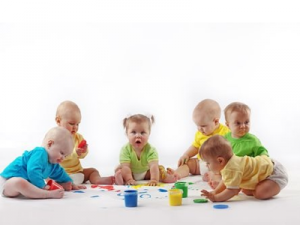
    identify(verb)

    /aɪˈdentɪfaɪ/

    식별하다

    to recognize somebody/something and be able to say who or what they are

    The tiny bracelets identified each baby in the nursery

    작은 팔찌들이 신생아실의 아기들을 식별했습니다.

    Your medical records are all marked with your patient number to identify them in case of a mix-up

    유의어recognizedeterminedistinguishnamesingle outpoint out
    반의어confuseobscuremisidentifyoverlook
  6. 6

    family(noun)

    /ˈfæməli/

    가족 (gajok)

    a group consisting of one or two parents and their children

    My family has four people.

    우리 가족은 네 명입니다 (Uri gajogeun ne myeongimnida).

    families with young children

    유의어kinrelativeshouseholdlineageancestrydescendantsfolks
    반의어strangeroutsiderindividualalonesingle
  7. 7

    girl(noun)

    /ɡɜːrl/

    소녀 (sonyeo)

    a female child

    My class has 20 girls and 15 boys.

    우리 반에는 여학생 20명과 남학생 15명이 있습니다.

    a baby girl

    유의어female childlassmaidenyoung woman
    반의어boymale
  8. 8

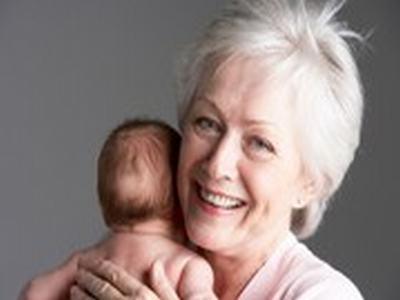
    grandmother(noun)

    /ˈɡrænmʌðər/

    할머니 (halmeoni)

    the mother of your father or mother

    That is my grandmother.

    저분은 제 할머니이세요. (Jeobuneun je halmeoni iseyo.)

    Today is the fifth (of May).

    유의어grandmagrannynannanagram
    반의어grandchildgrandsongranddaughter
  9. 9

    guy(noun)

    /ɡaɪ/

    남자 (namja)

    a man

    At the end of the film the bad guy gets shot.

    영화 마지막에 악당이 총에 맞는다.

    a big/nice/tough guy

    유의어manfellowchappersonindividual
    반의어womangirl
  10. 10

    sister(noun)

    /ˈsɪstər/

    여자 형제 (yeoja hyeongje)

    a girl or woman who has the same mother and father as another person

    My sister is a nurse.

    제 여동생/언니/누나는 간호사입니다.

    Do you have any brothers or sisters?

    유의어female siblingsibling
    반의어brother
  11. 11

    divorce(noun)

    /dɪˈvɔːrs/

    이혼

    the legal ending of a marriage

    Their divorce was finalized last year after ten years of marriage.

    그들의 이혼은 10년간의 결혼 생활 끝에 작년에 확정되었다.

    유의어separationdissolutionsplitbreakupannulment
    반의어marriageunionreconciliation
  12. 12

    woman(noun)

    /ˈwʊmən/

    여자 (yeoja)

    an adult female human

    men, women and children

    남자, 여자, 그리고 아이들

    a 24-year-old woman

    유의어femaleladygirl (when young)gentlewoman
    반의어manmale
  13. 13

    friendship(noun)

    /ˈfrendʃɪp/

    우정 (ujeong)

    a relationship between friends

    friendships formed while she was at college

    그녀가 대학에 다닐 때 형성된 우정 (geunyeoga daehage danil ttae hyeongseongdoen ujeong)

    a close/lasting/lifelong friendship

    유의어companionshipfellowshiprapportamityaffection
    반의어enmityanimosityhostilitydislikehatred
  14. 14

    son(noun)

    /sʌn/

    아들 (adeul)

    a person’s male child

    My son is fifteen years old.

    제 아들은 열다섯 살입니다. (je adeureun yeoldaseot sal imnida.)

    They have three grown-up sons.

    유의어male offspringboyheirdescendant
    반의어daughterfemale offspring
  15. 15

    fellow(adjective)

    /ˈfeləʊ/

    동료 (dongnyo)

    used to describe somebody who is the same as you in some way, or in the same situation

    I recognized a fellow sufferer, waiting nervously outside the exam room.

    나는 시험실 밖에서 초조하게 기다리고 있는 동료 고통받는 사람을 알아보았다.

    fellow members/citizens/workers

    유의어associatecompanioncolleaguepeermatepartner
    반의어strangerrivalenemyoutsider
  16. 16

    neighbourhood(noun)

    /ˈneɪbərhʊd/

    동네 (dongne)

    a district or an area of a town; the people who live there

    He shouted so loudly that the whole neighbourhood could hear him.

    그는 너무 크게 소리쳐서 온 동네 사람들이 들을 수 있었다.

    We grew up in the same neighbourhood.

    유의어vicinitycommunitylocalitydistrictarea
    반의어afardistanceremoteness
  17. 17

    mother(noun)

    /ˈmʌðər/

    어머니 (eomeoni)

    a female parent of a child or animal; a person who is acting as a mother to a child

    My mother is a teacher.

    제 어머니는 선생님이십니다 (Je eomeonineun seonsaengnimsipsida).

    an expectant (= pregnant) mother

    유의어mommamamummatriarchfemale parent
    반의어fatherdadmale parent
  18. 18

    gentleman(noun)

    /ˈdʒentlmən/

    신사 (sinsa)

    a man who is polite and well educated, who has excellent manners and always behaves well

    Thank you—you're a real gentleman.

    감사합니다. 정말 신사시네요.

    He's no gentleman!

    유의어man of honorman of his wordupstanding mandecent manhonorable mansir
    반의어cadboorloutvillainscoundrel
  19. 19

    population(noun)

    /ˌpɑːpjuˈleɪʃn/

    인구 (ingu)

    all the people who live in a particular area, city or country; the total number of people who live there

    What is the population of your country?

    당신 나라의 인구는 얼마입니까? (Dangsin nara-ui in-gu-neun eolma-imnikka?)

    The population is increasing at about 6% per year.

    유의어inhabitantsresidentscommunitypeoplenumber of inhabitants
    반의어emptinessuninhabitednessdepopulation
  20. 20

    host(noun)

    /həʊst/

    주인, 접대자

    a person who invites guests to a meal, a party, etc. or who has people staying at their house

    Our host greeted us warmly at the door when we arrived at the party.

    우리가 파티에 도착했을 때 주인이 문 앞에서 따뜻하게 맞아 주었다.

    유의어organizersponsorpresenterproviderentertainerkeeper
    반의어guestvisitorinvitee
  21. 21

    person(noun)

    /ˈpɜːrsn/

    사람 (saram)

    a human as an individual

    He's just the person we need for the job.

    그는 우리가 그 일에 필요한 바로 그 사람입니다.

    He's just the person we need for the job.

    유의어individualhumanbeingsoulcharacterfigurepersonality
    반의어thingobjectnonbeing
  22. 22

    youth(noun)

    /juːθ/

    청춘 (cheongchun)

    the time of life when a person is young, especially the time before a child becomes an adult

    She regrets spending her youth travelling, not studying.

    그녀는 공부하지 않고 여행하는 데 청춘을 보낸 것을 후회한다. (Geunyeoneun gongbuhaji anhgo yeohaenghaneun de cheongchuneul bonaen geoseul huhoeh한다.)

    She regrets that she spent her youth travelling and not studying.

    유의어young ageprimeadolescencespringtimeearly years
    반의어old ageelderlymaturityadulthoodseniority
  23. 23

    cousin(noun)

    /ˈkʌzn/

    사촌 (sachon)

    a child of your aunt or uncle

    She's my cousin.

    그녀는 내 사촌이야. (Geunyeoneun nae sachon-iya.)

    We're cousins.

    유의어relativekinsmankinswomanfamily member
    반의어unrelatedstranger
  24. 24

    personally(adverb)

    /ˈpɜːrsənəli/

    개인적으로

    used to show that you are giving your own opinion about something

    ‘Is it worth the effort?’ ‘Speaking personally, yes.’

    ‘노력할 가치가 있나요?’ ‘개인적으로는 네.’

    Personally, I prefer the second option.

    유의어individuallyprivatelydirectlyfor myselfas for me
    반의어impersonallyobjectivelygenerallypublicly
  25. 25

    grandfather(noun)

    /ˈɡrænfɑːðər/

    할아버지 (harabeoji)

    the father of your father or mother

    This is my grandfather.

    이 분은 제 할아버지입니다. (I buneun je harabeojiimnida.)

    The exchange rate is likely to fall in the near future(= soon).

    유의어grandpagrampsold man
    반의어grandchildgrandsongranddaughter
  26. 26

    resident(noun)

    /ˈrezɪdənt/

    주민

    a person who lives in a particular place or who has their home there

    The local residents are happy with the punctuality of the post office.

    지역 주민들은 우체국의 시간 엄수에 만족하고 있습니다.

    There were confrontations between local residents and the police.

    유의어inhabitantdwelleroccupantcitizenlocal
    반의어foreignervisitortransientimmigrantnonnative
  27. 27

    relation(noun)

    /rɪˈleɪʃn/

    친척, 친지

    a person who is in the same family as somebody else

    We spent the holidays visiting friends and relations in the countryside.

    우리는 시골에 사는 친구들과 친척들을 방문하며 휴일을 보냈다.

    유의어connectionrelationshiplinkassociationtie
    반의어separationdissociationdisconnectionseverance
  28. 28

    married(adjective)

    /ˈmærid/

    결혼한

    having a husband or wife

    When are you getting married?

    언제 결혼하세요?

    She's married to John.

    유의어weddedhitchedespousedunited in marriagenewlywed
    반의어singleunmarrieddivorcedseparated
  29. 29

    adult(noun)

    /əˈdʌlt/

    성인 (seongin)

    a fully grown person who is legally responsible for their actions

    Each adult has to pay ten dollars to enter the museum.

    각 성인은 박물관에 입장하려면 10달러를 내야 합니다. (Gak seongineun bangmulgwane ipjangharyeomyeon 10dalleoreul naeya hamnida.)

    Why can't you two act like civilized adults?

    유의어grown-upmature personsenior
    반의어childminoryouth
  30. 30

    relationship(noun)

    /rɪˈleɪʃnʃɪp/

    관계 (gwangye)

    the way in which two people, groups or countries behave towards each other or deal with each other

    a master-servant relationship

    주종 관계 (jujong gwangye)

    She has a very close relationship with her sister.

    유의어connectionassociationlinkbondaffiliationrapportkinship
    반의어separationdetachmentestrangementalienationisolation
  31. 31

    mate(noun)

    /meɪt/

    친구 (chingu)

    a friend

    We've been mates since our school days.

    우리는 학창 시절부터 친구였어요.

    They've been best mates since school.

    유의어friendcompanionpalbuddycomrade
    반의어enemyfoestrangerrival
  32. 32

    kid(noun)

    /kɪd/

    아이, 어린이

    a child or young person

    The kids are playing football in the park after school.

    아이들이 방과 후에 공원에서 축구를 하고 있다.

    유의어joketeasefoolhoaxspoof
    반의어serioustruthfact
  33. 33

    marry(verb)

    /ˈmæri/

    결혼하다 (gyeolhonhada - to marry)

    to become the husband or wife of somebody; to get married to somebody

    Men tend to marry later than women.

    남성은 여성보다 늦게 결혼하는 경향이 있습니다.

    I guess I'm not the marrying kind(= the kind of person who wants to get married).

    유의어wedget marriedtie the knottake to wife/husbandespouse
    반의어divorceseparatesplit upremain singledissolve marriage
  34. 34

    mum(noun)

    /mʌm/

    엄마 (eomma)

    a mother

    A lot of mums and dads have the same worries.

    많은 엄마와 아빠들이 똑같은 걱정을 합니다.

    Happy Birthday, Mum.

    유의어mothermommamaparent
    반의어dadfather
  35. 35

    guest(noun)

    /ɡest/

    손님 (sonnim)

    a person that you have invited to your house or to a particular event that you are paying for

    I have two guests coming to dinner tonight.

    오늘 저녁에 손님 두 명이 저녁 먹으러 와요. (oneul jeonyeoge sonnim du myeongi jeonyeok meogeureo wayo.)

    We have guests staying this weekend.

    유의어visitorcallerinviteepatronboarder
    반의어hostresidenttenant
  36. 36

    marriage(noun)

    /ˈmærɪdʒ/

    결혼 (gyeolhon)

    the legal relationship between two people who are married to each other

    They had a long and happy marriage.

    그들은 길고 행복한 결혼 생활을 했습니다.

    This is his second marriage.

    유의어wedlockmatrimonyunionconjugalitynuptials
    반의어divorceseparationsinglenesscelibacy
  37. 37

    partnership(noun)

    /ˈpɑːrtnərʃɪp/

    동반자 관계, 협력, 제휴

    a relationship between two people or groups who live or work together as partners

    Their marriage was a true partnership based on trust and respect.

    그들의 결혼은 신뢰와 존중에 바탕을 둔 진정한 동반자 관계였다.

    유의어allianceassociationcollaborationcooperationunionaffiliationjoint venture
    반의어separationdivisionindependencesolitudeautonomy
  38. 38

    male(adjective)

    /meɪl/

    남성의, 남자의, 수컷의

    being a man or boy

    There are more male teachers than female teachers at my school.

    우리 학교에는 여자 선생님보다 남자 선생님이 더 많다.

    유의어masculinevirilemanly
    반의어femalefeminine
  39. 39

    stranger(noun)

    /ˈstreɪndʒər/

    낯선 사람 (natseon saram)

    a person that you do not know

    There was a complete stranger sitting at my desk.

    내 책상에 완전히 낯선 사람이 앉아 있었다. (nae chaeksange wanjeonhi natseon sarami anja isseotda.)

    They got on well together although they were total strangers.

    유의어foreigneroutsideraliennewcomerunknown person
    반의어acquaintancefriendfamiliarnativelocal
  40. 40

    friend(noun)

    /frend/

    친구 (chingu)

    a person you know well and like, and who is not usually a member of your family

    He's one of my best friends.

    그는 내 가장 친한 친구 중 한 명이야.

    a childhood/family/lifelong friend

    유의어companionacquaintancepalbuddymateassociateconfidant
    반의어enemyfoeadversaryrivalstranger
  41. 41

    twin(noun)

    /twɪn/

    쌍둥이

    one of two children born at the same time to the same mother

    Tom and his twin look so alike that people often confuse them.

    톰과 그의 쌍둥이 형제는 너무 닮아서 사람들이 자주 헷갈린다.

    유의어duplicateidenticalmatchingpairdouble
    반의어singleonlyindividualunique
  42. 42

    boy(noun)

    /bɔɪ/

    소년 (sonyeon)

    a male child or a young male person

    The older boys at school used to tease him.

    학교에서 나이 많은 소년들이 그를 놀리곤 했다. (Hakgyoeseo nai maneun sonyeondeuri geureul nolligon haetta.)

    I used to play here as a boy.

    유의어ladyouthmale childyoungsterfellow
    반의어girlwomanfemale
  43. 43

    engaged(adjective)

    /ɪnˈɡeɪdʒd/

    약혼한

    having agreed to marry somebody

    Did they get engaged on Saturday?

    그들은 토요일에 약혼했나요?

    They were engaged in conversation.

    유의어betrothedpromisedaffiancedinvolvedoccupiedbusy
    반의어availableunattachedfreedisengageddivorcedsingle
  44. 44

    baby(noun)

    /ˈbeɪbi/

    아기 (agi)

    a very young child or animal

    a newborn baby

    갓 태어난 아기 (gat taeeonan agi)

    baby food/clothes

    유의어infantnewbornchildbabetot
    반의어adultgrown-up
  45. 45

    girlfriend(noun)

    /ˈɡɜːrlfrend/

    여자친구

    a girl or a woman that somebody is having a romantic relationship with

    I've never met his girlfriend.

    나는 그의 여자친구를 만난 적이 없어.

    There were cardboard boxes stuffed full of clothes.

    유의어partnerdatesweetheartlady friendsignificant other
    반의어boyfriendenemyrival
  46. 46

    husband(noun)

    /ˈhʌzbənd/

    남편 (nampyeon)

    the man that somebody is married to; a married man

    This is my husband, Steve.

    이분은 제 남편 스티브입니다. (Ibun-eun je nampyeon Seutee-beu-imnida.)

    There were cardboard boxes stuffed full of clothes.

    유의어spousepartnermanmate
    반의어wifesingledivorced
  47. 47

    female(adjective)

    /ˈfiːmeɪl/

    여성

    being a woman or a girl

    The male voice is deeper than the female.

    남성의 목소리는 여성보다 더 낮습니다.

    a feather pillow (= one containing feathers)

    유의어womanfeminineladygirl
    반의어malemasculine
  48. 48

    man(noun)

    /mæn/

    남자

    an adult male human

    the relationships between men and women

    남자와 여자 사이의 관계

    a good-looking young man

    유의어malegentlemanguyfellow
    반의어womanfemalegirl
  49. 49

    partner(noun)

    /ˈpɑːrtnər/

    파트너 (pateuneo)

    a person that you are doing an activity with, such as dancing or playing a game

    Practice the dialogue with a partner.

    파트너와 함께 대화를 연습하세요. (pateuneowa hamkke daehwareul yeonseupshaseyo.)

    a marriage partner

    유의어associatecolleagueallyteammatecollaborator
    반의어opponentrivalenemyadversary
  50. 50

    aunt(noun)

    /ænt/

    고모/이모 (gomo/imo)

    the sister of your father or mother; the wife of your uncle or aunt

    My aunt lives in Canada.

    나의 고모/이모는 캐나다에 살아요.

    Aunt Alice

    유의어female relativefather's sistermother's sister
    반의어unclefathermother
  51. 51

    identity(noun)

    /aɪˈdentəti/

    신원 (sinwon)

    who or what somebody/something is

    The thief used a false identity.

    도둑은 가짜 신분을 사용했다.

    Do you have any proof of identity?

    유의어identificationselfindividualitycharacterpersonalityessence
    반의어anonymityfacelessnessnamelessnessnonentity
  52. 52

    uncle(noun)

    /ˈʌŋkl/

    삼촌 (samchon)

    the brother of your mother or father; the husband of your aunt or uncle

    I’m going to visit my uncle.

    나는 삼촌을 방문할 거야. (naneun samchoneul bangmunhal geoya.)

    I've just become an uncle (= because your brother/sister has had a baby).

    유의어paternal unclematernal uncleforefatherkinsmanrelative
    반의어auntniecenephew
  53. 53

    wife(noun)

    /waɪf/

    아내 (anae)

    the woman that somebody is married to; a married woman

    She's his second wife.

    그녀는 그의 두 번째 아내입니다. (Geunyeoneun geuui du beonjjae anaeimnida.)

    the doctor's wife

    유의어spousepartnermatebetter half
    반의어husbandbachelorsingle
  54. 54

    personality(noun)

    /ˌpɜːrsəˈnæləti/

    성격 (seonggyeok)

    the various aspects of a person’s character that combine to make them different from other people

    People's clothes are often an expression of their personality.

    사람들의 옷은 종종 그들의 성격을 표현하는 것입니다.

    The children all have very different personalities.

    유의어characterdispositiontemperamentnatureindividuality
    반의어impersonalityconformityuniformity
  55. 55

    lady(noun)

    /ˌleɪdi ˈbræknl/

    숙녀, 여성분, 부인

    a polite word for a woman, especially one who is older

    She's a tough lady.

    그녀는 강단 있는 여성이다.

    There's a lady waiting to see you.

    유의어womangentlewomanfemaledamematron
    반의어mangentleman
  56. 56

    neighbour(noun)

    /ˈneɪbər/

    이웃 (iut)

    a person who lives next to you or near you

    Our next-door neighbours are very noisy.

    우리 옆집 이웃은 매우 시끄럽습니다.

    We've had a lot of support from all our friends and neighbours.

    유의어residentdwellerlocalabutting propertyperson next door
    반의어strangerdistant acquaintanceforeigner
  57. 57

    self(noun)

    /self/

    자신 (jasin)

    the type of person you are, especially the way you normally behave, look or feel

    His private/professional self (= how he behaves at home/work)

    그의 사적인/직업적인 자신 (= 집/직장에서 그가 행동하는 방식)

    Only with a few people could she be her real self(= show what she was really like rather than what she pretended to be).

    유의어individualidentityegobeingperson
    반의어otherexternalnon-self
  58. 58

    boyfriend(noun)

    /ˈbɔɪfrend/

    남자친구 (namjachingu)

    a man or boy that somebody has a romantic or sexual relationship with

    He's not my boyfriend - we're just good friends!

    그는 내 남자친구가 아니야 - 우리는 그냥 좋은 친구일 뿐이야!

    a sword with a steel blade

    유의어partnerbeausuitorflameloversignificant other
    반의어girlfriendfriendacquaintanceenemy
  59. 59

    divorced(adjective)

    /dɪˈvɔːrst/

    이혼한

    no longer married because your marriage has been legally ended

    Are they going to get divorced?

    그들은 이혼할 건가요?

    Many divorced men remarry and have second families.

    유의어separatedsplit updissolved (marriage)estranged
    반의어marriedtogetherunitedwedded
  60. 60

    daughter(noun)

    /ˈdɔːtər/

    딸 (ttal)

    a person’s female child

    Her daughter is in grade 6.

    그녀의 딸은 6학년입니다.

    We have two sons and a daughter.

    유의어female offspringgirldescendant (female)
    반의어sonmale offspring
  61. 61

    infant(noun)

    /ˈɪnfənt/

    유아 (yua)

    a baby or very young child

    Ever since he was an infant he has loved the sound of music.

    그는 아기 때부터 음악 소리를 좋아했습니다.

    유의어babynewbornchildbabetot
    반의어adultgrown-upelderly
  62. 62

    inhabitant(noun)

    /ɪnˈhæbɪtənt/

    주민 (jumin)

    a person or an animal that lives in a particular place

    Hanoi is the capital city of Vietnam with more than 6 million inhabitants.

    하노이는 6백만 명 이상의 주민이 있는 베트남의 수도입니다.

    유의어residentdwelleroccupantcitizendenizen
    반의어visitortouristimmigrantforeignertransient
  63. 63

    peer(noun)

    /pɪr/

    또래, 동료

    a person who is the same age or who has the same social status as you

    Unlike their western peers, Vietnamese women get married at a very early age.

    서양의 또래들과 달리 베트남 여성들은 아주 어린 나이에 결혼한다.

    유의어equalcontemporaryassociatecolleaguemate
    반의어superiorinferiorstrangeroutsider
  64. 64

    adolescent(noun)

    /ˌædəˈlesnt/

    청소년 (cheongsonyeon)

    a young person who is developing from a child into an adult

    Adolescents nowadays have problems that are different from ours.

    요즘 청소년들은 우리와 다른 문제들을 가지고 있다.

    유의어teenageryouthyoung personminor
    반의어adultchildelderly
  65. 65

    sibling(noun)

    /ˈsɪblɪŋ/

    형제자매 (hyeongje jamae)

    a brother or sister

    I have two siblings: one brother and one sister.

    저는 형제자매가 두 명 있습니다: 남자 형제 한 명과 여자 형제 한 명입니다.

    유의어brothersisterrelativekin
    반의어only child
  66. 66

    child(noun)

    /tʃaɪld/

    아이 (ai)

    a young human who is not yet an adult

    This couple has only one child.

    이 부부는 아이가 한 명뿐입니다. (I bubuneun aiga han myeongppunimnida.)

    유의어kidoffspringyouthinfantminor
    반의어adultparent
  67. 67

    brother(noun)

    /ˈbrʌðər/

    형제 (hyeongje)

    a boy or man who has the same parents as another person

    My brother is a student.

    제 형제는 학생입니다. (Je hyeongjeneun haksaengimnida.)

    유의어siblingmale siblingbro (informal)mate
    반의어sistersibling
  68. 68

    father(noun)

    /ˈfɑːðər/

    아버지 (abeoji)

    a male parent of a child or an animal; a person who is acting as the father to a child

    My father is a doctor.

    제 아버지는 의사입니다. (Je abeojineun uisaimnida.)

    유의어daddaddypapasire
    반의어motherorphan
  69. 69

    people(noun)

    /ˈpiːpl/

    사람들 (saramdeul)

    human beings; men, women and children

    How many people are there in your family?

    가족이 몇 명이에요? (Gajogi myeot myeongieyo?)

    유의어individualspersonshumansfolkpopulation
    반의어nobodyno onenothing
  70. 70

    parent(noun)

    /ˈperənt/

    부모 (bumo)

    a person’s father or mother

    He's still living with his parents.

    그는 아직 부모님과 함께 살고 있습니다.

    유의어fathermotherguardianprogenitor
    반의어childoffspringdependent
  71. 71

    teenager(noun)

    /ˈtiːneɪdʒər/

    십대 (sipdae)

    a person who is between 13 and 19 years old

    Parents should be aware of teenagers' psychology.

    부모는 십대들의 심리에 대해 알아야 합니다. (bumoneun sipdaedeul-ui simnie daehae al-aya hamnida.)

    유의어adolescentyouthyoung personminor
    반의어adulteldersenior citizen
  72. 72

    heritage(noun)

    /ˈherɪtɪdʒ/

    유산 (yusan)

    the history, traditions, buildings and objects that a country or society has had for many years and that are considered an important part of its character

    Hue's Imperial City was listed as a Cultural World Heritage site by UNESCO in 1993.

    후에의 왕궁은 1993년에 유네스코에 의해 세계 문화 유산으로 등재되었습니다.

    유의어legacyinheritancetraditionbirthrightendowment
    반의어presentmodernityinnovation
  73. 73

    humanitarian(adjective)

    /hjuːˌmænɪˈteriən/

    인도적인

    connected with helping people who are suffering and improving the conditions that they are living in

    The prisoner has been released for humanitarian reasons.

    그 죄수는 인도적인 이유로 석방되었다.

    유의어compassionatebenevolentcharitablealtruistickindcaringhumane
    반의어cruelinhumanecallousmercilessruthlessheartless
  74. 74

    offspring(noun)

    /ˈɔːfsprɪŋ/

    자식, 새끼

    a child or children of a particular person, or the young of an animal

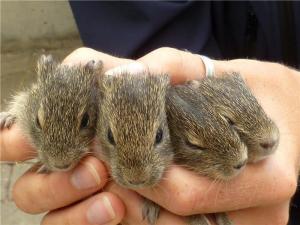
    In the case of the Guinea pig, the number of offspring varies between two and five.

    기니피그의 경우 새끼의 수는 두 마리에서 다섯 마리 사이로 다양하다.

    유의어childrendescendantsprogenyissueyoung
    반의어parentancestorforebear
  75. 75

    humanity(noun)

    /hjuːˈmænəti/

    인류

    people in general

    The massacre was a crime against humanity.

    그 학살은 반인륜적 범죄였다.

    유의어humankindmankindhuman racehuman beingsbenevolencecompassionkindness
    반의어inhumanitycrueltysavagerybarbarity
  76. 76

    engagement(noun)

    /ɪnˈɡeɪdʒmənt/

    약혼

    an agreement to marry somebody; the period during which two people are engaged

    They announced their engagement at the party on Sunday.

    그들은 일요일 파티에서 약혼을 발표했습니다.

    유의어commitmentpledgepromiseappointmentinvolvementbetrothal
    반의어releasedischargedisentanglementfreedom
  77. 77

    bride(noun)

    /braɪd/

    신부

    a woman on her wedding day, or just before or just after it

    Like all brides, Meredith was having second thoughts.

    모든 신부가 그렇듯 메러디스도 마음이 흔들리고 있었다.

    유의어newlywedwife-to-bebetrothedwoman getting married
    반의어groomdivorcedsingle
  78. 78

    ancestor(noun)

    /ˈænsestər/

    조상 (josang)

    a person in your family who lived a long time ago

    My ancestors came from Ireland.

    나의 조상들은 아일랜드에서 왔습니다.

    유의어forefatherpredecessorprogenitorforebear
    반의어descendantoffspringsuccessor
  79. 79

    beloved(adjective)

    /bɪˈlʌvɪd/

    사랑하는 (saranghaneun)

    loved very much

    She was his beloved wife.

    그녀는 그의 사랑하는 아내였다. (Geunyeoneun geuui saranghaneun anaeieotda.)

    유의어cherishedadoreddearlovedtreasured
    반의어hateddespisedunloveddetested
  80. 80

    buddy(noun)

    /ˈbʌdi/

    친구 (chingu)

    a friend

    He's my buddy from college.

    그는 대학 시절 내 친구야 (Geuneun daehak sijeol nae chinguya).

    유의어friendpalmatecomradeassociate
    반의어enemyfoestrangeradversary
  81. 81

    characterize(verb)

    /ˈkærəktəraɪz/

    특징짓다, 묘사하다

    to describe or show the qualities of somebody/something in a particular way

    The author used metaphors to characterize the protagonist's inner turmoil.

    작가는 주인공의 내면의 혼란을 묘사하기 위해 은유를 사용했다.

    유의어describedefineportrayrepresentdepict
    반의어misrepresentdistortobscureconceal

  82. 82

    childhood(noun)

    /ˈtʃaɪldhʊd/

    어린 시절

    the period of somebody’s life when they are a child

    I spent my childhood in the countryside.

    나는 어린 시절을 시골에서 보냈다.

    유의어youthearly yearsinfancy
    반의어adulthoodold age
  83. 83

    companion(noun)

    /kəmˈpænjən/

    동반자 (dongbanja)

    a person or an animal that travels with you or spends a lot of time with you

    My dog is my constant companion.

    내 개는 나의 영원한 동반자이다.

    유의어friendassociatepartnerallymate
    반의어enemyadversarystrangeropponent
  84. 84

    dad(noun)

    /dæd/

    아빠

    father

    My dad is a great cook.

    우리 아빠는 훌륭한 요리사입니다.

    유의어fatherpapadaddy
    반의어mommother
  85. 85

    descent(noun)

    /dɪˈsent/

    혈통, 가계

    a person's family origins, especially their nationality or social position

    She is an American citizen of Vietnamese descent.

    그녀는 베트남계 미국 시민이다.

    유의어declinefalldropslopeancestry
    반의어ascentriseincrease
  86. 86

    gay(adjective)

    /ɡeɪ/

    게이

    sexually attracted to people of the same sex

    He is openly gay.

    그는 공개적으로 게이입니다.

    유의어homosexuallesbianqueer
    반의어heterosexualstraight
  87. 87

    humble(adjective)

    /ˈhʌmbl/

    겸손한 (gyeomsunhan)

    showing you do not think that you are as important as other people

    He is a humble and modest man.

    그는 겸손하고 수수한 사람입니다.

    유의어modestmeekunassumingsubmissive
    반의어arrogantproudboastfulhaughty
  88. 88

    identical(adjective)

    /aɪˈdentɪkl/

    동일한

    similar in every detail

    The two fingerprints were identical.

    두 지문은 동일했습니다.

    유의어samealikeindistinguishableduplicateequivalent
    반의어differentdistinctdissimilarunique
  89. 89

    identification(noun)

    /aɪˌdentɪfɪˈkeɪʃn/

    신원 확인, 식별, 확인

    the process of showing, proving or recognizing who or what somebody/something is

    The identification of the suspect was crucial to the case.

    용의자의 신원 확인은 이 사건에서 매우 중요했다.

    유의어recognitionauthenticationverification
    반의어concealmentobscurityhiding
  90. 90

    lesbian(adjective)

    /ˈlezbiən/

    여성 동성애의, 레즈비언의

    sexually attracted to other women; connected with lesbians

    The film tells the story of a lesbian couple raising two children.

    그 영화는 두 아이를 키우는 레즈비언 커플의 이야기를 다룬다.

    유의어gay womanhomosexual womandyke
    반의어heterosexualstraight
  91. 91

    neighbouring(adjective)

    /ˈneɪbərɪŋ/

    이웃의

    located or living near or next to a place or person

    The neighbouring house is for sale.

    이웃집이 판매 중입니다.

    유의어adjacentadjoiningnearbysurroundingclose
    반의어distantremotefar
  92. 92

    parental(adjective)

    /pəˈrentl/

    부모의

    connected with a parent or parents

    Parental guidance is important for children.

    부모의 지도는 아이들에게 중요합니다.

    유의어maternalpaternalfamilialguardian
    반의어childlessorphan
  93. 93

    pregnancy(noun)

    /ˈpreɡnənsi/

    임신

    the state of being pregnant

    She announced her pregnancy yesterday.

    그녀는 어제 임신을 발표했습니다.

    유의어gestationexpectingimpregnationbecoming pregnant
    반의어infertilitysterility
  94. 94

    pregnant(adjective)

    /ˈpreɡnənt/

    임신한

    having a baby or young animal developing inside her/its body

    She is pregnant with her first child.

    그녀는 첫 아이를 임신했습니다.

    유의어expectingwith childenceintegestating
    반의어not pregnantinfertilebarren
  95. 95

    residence(noun)

    /ˈrezɪdəns/

    거주지

    a house, especially a large or impressive one

    My residence is located downtown.

    제 거주지는 시내에 있습니다.

    유의어domiciledwellinghomehouseabode
    반의어officebusinessinstitution
  96. 96

    sexuality(noun)

    /ˌsekʃuˈæləti/

    성욕

    the feelings and activities connected with a person’s sexual desires

    Sexuality is a complex aspect of human identity.

    성욕은 인간 정체성의 복잡한 측면입니다.

    유의어sensualityeroticismsexlibidocarnality
    반의어asexualitycelibacyabstinence
  97. 97

    sexy(adjective)

    /ˈseksi/

    섹시한

    sexually attractive

    She looked very sexy in her red dress.

    그녀는 빨간 드레스를 입고 매우 섹시해 보였다.

    유의어attractivealluringseductiveappealing
    반의어unattractiverepulsiveunappealing
  98. 98

    villager(noun)

    /ˈvɪlɪdʒər/

    마을 주민 (maeul jumin)

    a person who lives in a village

    The villager greeted us with a warm smile.

    마을 주민이 따뜻한 미소로 우리를 맞이했다. (maeul jumin-i ttatteuthan misoro urireul majihaetta.)

    유의어peasantlocalinhabitant
    반의어city dwellerurbanite
  99. 99

    widow(noun)

    /ˈwɪdəʊ/

    미망인, 과부

    a woman whose husband has died and who has not married again

    She became a widow at a young age.

    그녀는 젊은 나이에 미망인이 되었다.

    유의어bereaved womanrelict
    반의어husbandmarried woman
  100. 100

    youngster(noun)

    /ˈjʌŋstər/

    젊은이

    a young person or a child

    The youngster showed great potential in soccer.

    그 젊은이는 축구에서 큰 잠재력을 보여주었다.

    유의어childyouthteenagerkid
    반의어adulteldersenior
  101. 101

    grandparent(noun)

    /ˈɡrænperənt/

    조부모

    the father or mother of your father or mother

    My grandparents always give the best gifts.

    우리 조부모님은 항상 최고의 선물을 주십니다.

    유의어ancestorsforebearselders
    반의어grandchildrendescendants
  102. 102

    teenage(adjective)

    /ˈtiːneɪdʒ/

    십대의

    between 13 and 19 years old; connected with people of this age

    She is a teenage girl.

    그녀는 십 대 소녀입니다.

    유의어adolescentyouthfulyoung
    반의어adultelderly
  103. 103

    relative(noun)

    /ˈrelətɪv/

    친척, 친지

    a person who is in the same family as somebody else

    The Vietnamese visit their relatives at Tet.

    베트남 사람들은 뗏(설날)에 친척들을 방문한다.

  104. 104

    single(adjective)

    /ˈsɪŋɡl/

    독신의, 미혼의

    not married or not having a romantic relationship with somebody

    She is single and lives alone in a small flat.

    그녀는 독신이며 작은 아파트에서 혼자 산다.

  105. 105

    character(noun)

    /ˈkærəktər/

    성격, 인격

    all the qualities and features that make a person different from other people

    My best friend has a kind and honest character.

    내 가장 친한 친구는 친절하고 정직한 성격을 가졌다.