본문으로 건너뛰기

레슨 5/16 · 46단어 · 외운 단어 0

Lesson 5: THINGS I DO

5과: 내가 하는 일

  1. 1

    action(noun)

    /ˈækʃn/

    행동, 조치

    the process of doing something in order to make something happen or to deal with a situation

    We must take action now to protect the forests and the animals.

    숲과 동물들을 보호하기 위해 우리는 지금 당장 행동에 나서야 한다.

    유의어deedactivityperformancemovementinitiative
    반의어inactioninactivitypassivityrestraint
  2. 2

    girl(noun)

    /ɡɜːrl/

    소녀 (sonyeo)

    a female child

    My class has 20 girls and 15 boys.

    우리 반에는 여학생 20명과 남학생 15명이 있습니다.

    a baby girl

    유의어female childlassmaidenyoung woman
    반의어boymale
  3. 3

    thing(noun)

    /θɪŋ/

    물건 (mulgeon)

    an object whose name you do not use because you do not need to or want to, or because you do not know it

    He's just bought one of those exercise things

    그는 방금 운동 기구 중 하나를 샀어.

    Turn that thing off while I'm talking to you!

    유의어objectitementityarticlestuffmatter
    반의어nothingnonentityabstraction
  4. 4

    literature(noun)

    /ˈlɪtrətʃər/

    문학 (munhak)

    pieces of writing that are valued as works of art, especially novels, plays and poems (in contrast to technical books and newspapers, magazines, etc.)

    My sister is very good at Literature.

    제 여동생은 문학을 아주 잘합니다.

    French literature

    유의어writingslettersbookscompositioncreative writingpoetrydrama
    반의어illiteracynonfictionsciencemathematics
  5. 5

    start(verb)

    /stɑːrt/

    시작하다, 시작되다

    to begin doing or using something

    It started to rain.

    비가 오기 시작했다.

    It's time you started on your homework.

    유의어begincommenceinitiatelaunchoriginate
    반의어endfinishstopterminateconclude
  6. 6

    week(noun)

    /wiːk/

    주 (ju)

    a period of seven days, either from Monday to Sunday or from Sunday to Saturday

    Each week has seven days.

    각 주에는 7일이 있습니다. (gak ju-e-neun chil-il-i iss-seup-ni-da.)

    It rained all week.

    유의어workweekperiodtimeframe
    반의어daymonthyear
  7. 7

    Tuesday(noun)

    /ˈtuːzdeɪ/

    화요일 (Hwayoil)

    the day of the week after Monday and before Wednesday

    What do you learn on Tuesday?

    화요일에 무엇을 배우세요? (Hwayoil-e mueot-eul baeuseyo?)

    유의어Second day of the week
    반의어MondayWednesdayThursdayFridaySaturdaySunday
  8. 8

    watch(verb)

    /wɑːtʃ/

    보다 (boda)

    to look at somebody/something for a time, paying attention to what happens

    I want to watch this programme.

    저는 이 프로그램을 보고 싶어요. (Jeoneun i peurogeuraemeul bogo sipeoyo.)

    유의어observeviewlook atseewitnessattendbeholdregard
    반의어ignoreoverlookdisregardneglectmiss
  9. 9

    after(preposition)

    /ˈæftər/

    후에 (hue)

    later than something; following something in time

    Let’s meet after 5.

    5시 이후에 만나요. (daseot si ihu-e mannayo)

    I could come next week, or the week after.

    유의어followinglatersubsequentbehind
    반의어beforepriorpreceding
  10. 10

    quarter(noun)

    /ˈkwɔːrtər/

    사분의 일

    one of four equal parts of something

    It's a quarter past five.

    5시 15분입니다.

    The programme lasted an hour and a quarter.

    유의어fractionportionsegmentdistrict
    반의어wholeentiretytotal
  11. 11

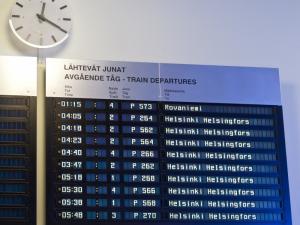
    timetable(noun)

    /ˈtaɪmteɪbl/

    시간표, 운행 시간표

    a list showing the times when buses, trains, boats or planes leave and arrive

    The ferry timetable changes in the rainy season.

    페리 운행 시간표는 우기에 변경됩니다.

    According to the timetable, the last train leaves at 10 p.m.

    유의어scheduleprogramagendaplanlistingcalendarroster
    반의어randomnessdisorganizationunpredictability
  12. 12

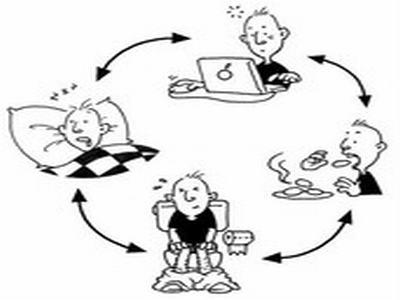
    routine(noun)

    /ruːˈtiːn/

    일상 (ilsang)

    the normal order and way in which you regularly do things

    Make exercise a part of your daily routine.

    운동을 당신의 일상으로 만드세요.

    We are trying to get the baby into a routine for feeding and sleeping.

    유의어patternhabitcustompracticeprocedureschedulegroove
    반의어irregularitychangeunpredictabilityspontaneitydeviation
  13. 13

    use(verb)

    /juːz/

    사용하다, 쓰다

    to do something with a machine, a method, an object, etc. for a particular purpose

    Can I use this computer?

    이 컴퓨터를 써도 될까요?

    I'm not sure that this is the most valuable use of my time.

    유의어utilizeemployoperatehandleapplyexercise
    반의어neglectignoredisregardabandondiscard
  14. 14

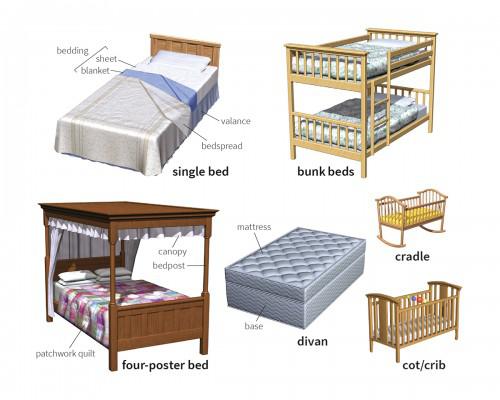
    bed(noun)

    /bed/

    침대

    a piece of furniture for sleeping on

    I'm tired. I'm going to bed.

    피곤해. 자러 갈게.

    유의어berthcotmattresssleeping place
    반의어standingawakeactive
  15. 15

    Monday(noun)

    /ˈmʌndeɪ/

    월요일 (woryoil)

    the day of the week after Sunday and before Tuesday, the first day of the working week

    I have English on Monday.

    저는 월요일에 영어 수업이 있어요. (jeoneun woryoire yeongeo sueobi isseoyo.)

    We'll meet Monday.

    유의어start of the weekfirst day of the week
    반의어weekendFridaySaturdaySunday
  16. 16

    eat(verb)

    /iːt/

    먹다 (meokda)

    to put food in your mouth, bite it and swallow it

    What do you eat?

    무엇을 먹어요? (Mueoseul meogeoyo?)

    I couldn't eat another thing (= I have had enough food).

    유의어consumedevouringestpartakefeedmunchnibble
    반의어abstainfaststarvediet
  17. 17

    music(noun)

    /ˈmjuːzɪk/

    음악 (eumak)

    sounds that are arranged in a way that is pleasant or exciting to listen to. People sing music or play it on instruments.

    I listen to music every day.

    나는 매일 음악을 듣습니다. (Naneun maeil eumageul deutseumnida.)

    The poem has been set to music.

    유의어melodyharmonytunesongcomposition
    반의어silencenoise (in some contexts)
  18. 18

    geography(noun)

    /dʒiˈɑːɡrəfi/

    지리학 (jiri-hak)

    the scientific study of the earth’s surface, physical features, divisions, products, population, etc.

    We know more about the countries through Geography.

    우리는 지리학을 통해 여러 나라에 대해 더 많이 알고 있습니다.

    a geography lesson/department/teacher/textbook

    유의어earth sciencetopographycartographyearth studies
    반의어historynonspatial studies
  19. 19

    Thursday(noun)

    /ˈθɜːrzdeɪ/

    목요일 (mogyoil)

    the day of the week after Wednesday and before Friday

    What are you going to do on Thursday evening?

    목요일 저녁에 뭐 할 거예요? (mogyoil jeonyeoge mwo hal geoeyo?)

    유의어Thufifth day of the week
  20. 20

    Saturday(noun)

    /ˈsætərdeɪ/

    토요일 (Toyoil)

    the day of the week after Friday and before Sunday

    We often go to the cinema on Saturday evening.

    우리는 토요일 저녁에 영화관에 자주 갑니다.

    유의어weekendSaturdays
    반의어weekday
  21. 21

    play(verb)

    /pleɪ/

    놀다 (nolda)

    to do things for pleasure, as children do; to enjoy yourself, rather than work

    All kids like playing.

    모든 아이들은 노는 것을 좋아합니다. (Modeun aideureun noneun geoseul joahamnida.)

    the importance of learning through play

    유의어gamerecreationfunfrolicsportamusemententertainmentperform
    반의어worklaborstudyserious
  22. 22

    today(adverb)

    /təˈdeɪ/

    오늘

    on this day

    I am visiting my grandfather today.

    나는 오늘 할아버지를 찾아뵐 예정이다.

    유의어presentlynowat presentcurrently
    반의어yesterdaytomorrowpreviouslyformerly
  23. 23

    Friday(noun)

    /ˈfraɪdeɪ/

    금요일 (geumyoil)

    the day of the week after Thursday and before Saturday

    I learn to draw every Friday.

    저는 매주 금요일 그림 그리는 것을 배웁니다. (Jeoneun maeju geumyoil geurim geurineun geoseul baeumnida.)

    유의어Fri.Fifth day of the week
    반의어None (as a day of the week)MondayTuesdayWednesdayThursdaySaturdaySunday
  24. 24

    biology(noun)

    /baɪˈɑːlədʒi/

    생물학 (saengmulhak)

    the scientific study of the life and structure of plants and animals

    What day do you have biology?

    무슨 요일에 생물 수업이 있나요? (museun yoire saengmul sueobi innayo?)

    The beach is a mile away.

    유의어life sciencenatural science
    반의어physicschemistrymathematics
  25. 25

    Wednesday(noun)

    /ˈwenzdeɪ/

    수요일 (Suyoil)

    the day of the week after Tuesday and before Thursday

    I play chess every Wednesday afternoon.

    저는 매주 수요일 오후에 체스를 둡니다. (Jeoneun maeju suyoil ohu-e cheseu-reul dupnida.)

    유의어Hump day (informal)
  26. 26

    day(noun)

    /deɪ/

    날 (nal)

    a period of 24 hours

    I play badminton every day.

    나는 매일 배드민턴을 칩니다. (Naneun maeil baedeuminteoneul chipnida.)

    We're going away in a few days/in a few days' time.

    유의어dailysunlightageeratime
    반의어night
  27. 27

    Sunday(noun)

    /ˈsʌndeɪ/

    일요일 (Ilyo-il)

    the day of the week after Saturday and before Monday, thought of as either the first or the last day of the week

    Why don't we go out this Sunday?

    이번 주 일요일에 나가지 않을래요? (Ibeon ju ilyo-ire naji aneulleyo?)

    유의어Lord's Dayfirst day of the week
    반의어weekdayMondayTuesdayWednesdayThursdayFridaySaturday
  28. 28

    sport(noun)

    /spɔːrt/

    스포츠

    activity that you do for pleasure and that needs physical effort or skill, usually done in a special area and according to fixed rules

    I like this sport.

    저는 이 스포츠를 좋아합니다.

    There are excellent facilities for sport and recreation.

    유의어gameactivityexerciserecreationathletics
    반의어inactivitysedentarinessstillness
  29. 29

    finish(verb)

    /ˈfɪnɪʃ/

    끝내다 (kkeutnaeda)

    to stop doing something or making something because it is complete

    My class finishes studying at 11 o'clock.

    우리 반은 11시에 공부를 끝냅니다.

    Haven't you finished your homework yet?

    유의어completeconcludeendterminateaccomplish
    반의어beginstartcommenceinitiate
  30. 30

    history(noun)

    /ˈhɪstri/

    역사, 역사학

    the study of past events, especially as a subject at school or university

    My mother is a history teacher.

    우리 어머니는 역사 선생님이시다.

    The area was inhabited long before the dawn of recorded history(= before people wrote about events).

    유의어pastchroniclerecordaccountevents
    반의어future
  31. 31

    tomorrow(adverb)

    /təˈmɑːrəʊ/

    내일 (nae-il)

    on or during the day after today

    I will play football tomorrow.

    내일 축구를 할 거예요.

    Today is Tuesday, so tomorrow is Wednesday.

    유의어the following daynext dayon the morrow
    반의어yesterdaytoday
  32. 32

    read(verb)

    /riːd/

    읽다 (ilkda)

    to look at and understand the meaning of written or printed words or symbols

    I read every day.

    나는 매일 읽는다. (Naneun maeil ilkneunda.)

    Can you read music?

    유의어perusestudyscanbrowsedecipherinterpret
    반의어writeignoreneglectskim
  33. 33

    homework(noun)

    /ˈhəʊmwɜːrk/

    숙제 (sukje)

    work that is given by teachers for students to do at home

    Why don't you do your homework?

    왜 숙제를 안 해? (wae sukjeleul an hae?)

    How much homework do you get?

    유의어assignmentschoolworklessonexercise
    반의어recreationleisurefunbreak
  34. 34

    sports(noun)

    /spɔːrt/

    스포츠

    activity that you do for pleasure and that needs physical effort or skill, usually done in a special area and according to fixed rules

    There are excellent facilities for sport and recreation.

    스포츠와 레크리에이션을 위한 훌륭한 시설이 있습니다.

    유의어athleticsgamesexercisephysical activitycompetition
    반의어inactivitysedentariness
  35. 35

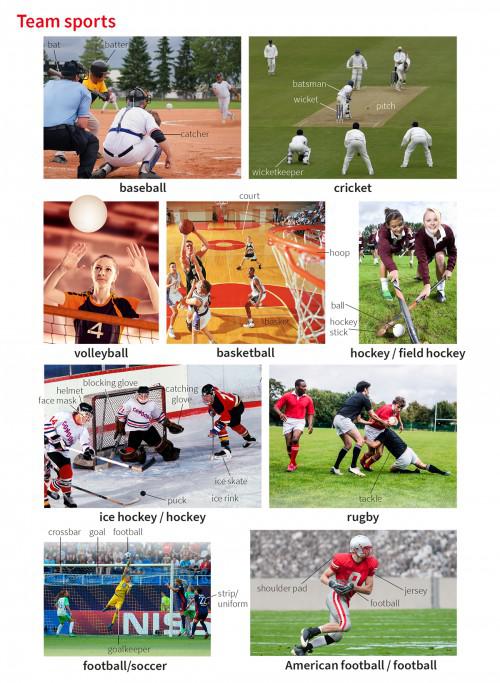
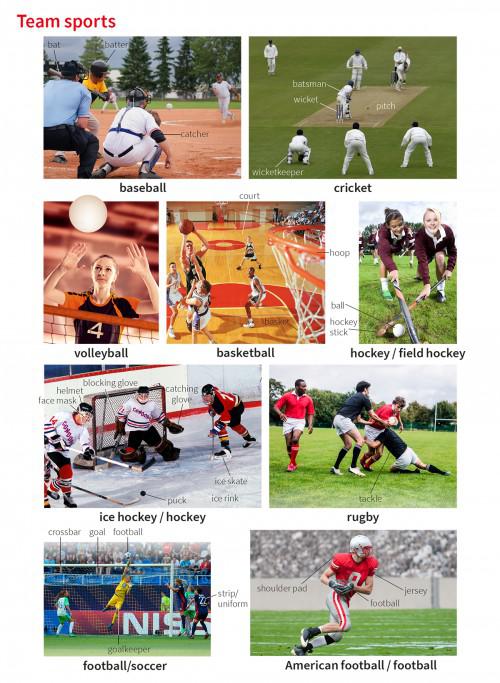
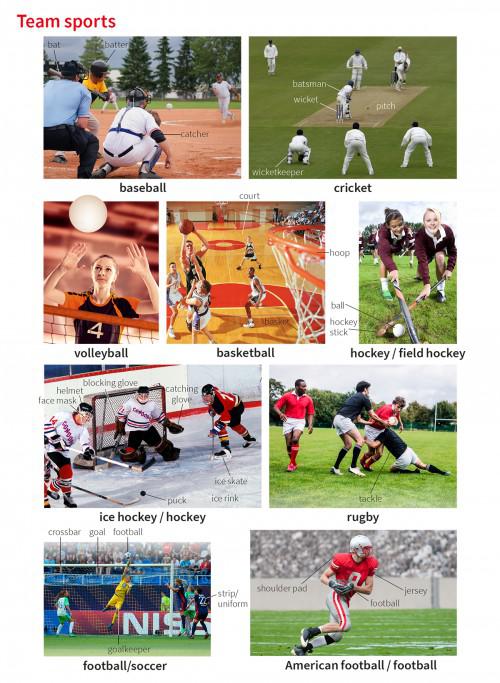
    volleyball(noun)

    /ˈvɑːlibɔːl/

    배구 (baegu)

    a game in which two teams of six players use their hands to hit a large ball backwards and forwards over a high net while trying not to let the ball touch the ground on their own side

    My brother plays volleyball very well.

    제 남동생은 배구를 아주 잘 합니다.

    유의어volley ballball game (contextually)
    반의어N/A (as a specific sport)
  36. 36

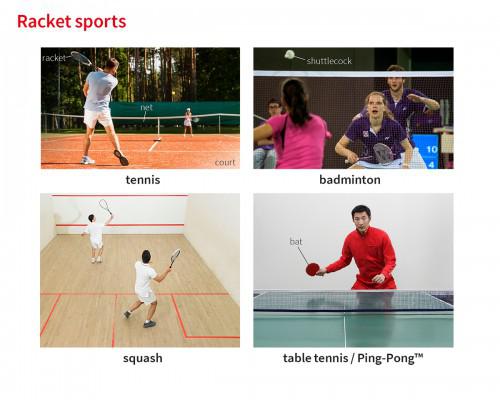
    badminton(noun)

    /ˈbædmɪntən/

    배드민턴

    a game like tennis played by two or four people, usually indoors. Players hit a small light kind of ball, originally with feathers around it (= a shuttlecock ) across a high net using a racket .

    Badminton is her favourite kind of sport.

    배드민턴은 그녀가 가장 좋아하는 종류의 스포츠입니다.

    유의어None (Badminton is a specific sport)
    반의어None (Badminton is a specific sport)
  37. 37

    English(noun)

    /ˈɪŋɡlɪʃ/

    영어 (Yeong-eo)

    the language, originally of England, now spoken in many other countries and used as a language of international communication throughout the world

    I like learning English.

    저는 영어 배우는 것을 좋아합니다. (Jeoneun yeongeo baeuneun geoseul joahamnida.)

    유의어the English languageBritish EnglishAmerican English
  38. 38

    every day(phrase)

    /'evri deɪ/

    매일, 날마다

    on each day; daily

    My sister watches TV every day.

    내 여동생은 매일 TV를 본다.

    유의어dailyeach dayday after dayregularly
    반의어neverrarelyoccasionallysometimes
  39. 39

    housework(noun)

    /ˈhaʊswɜːrk/

    집안일 (jibanil)

    the work involved in taking care of a home and family, for example cleaning and cooking

    Do you often do housework?

    집안일 자주 하세요? (Jibanil jaju haseyo?)

    유의어choreshousehold tasksdomestic workcleaningtidying
    반의어leisurerecreationrelaxation
  40. 40

    mathematics (math)(noun)

    /ˌmæθəˈmætɪks/ /mæθ/

    수학 (suhak)

    the science of numbers, quantities and shapes, studied as a school subject

    We have Mathematics on Monday.

    우리는 월요일에 수학 수업이 있어요. (Urineun wollyoire suhak sueobi isseoyo.)

    유의어arithmeticcalculationnumbersalgebrageometrytrigonometrycalculus
    반의어illiteracyinability to calculateinnumeracy
  41. 41

    physical education(noun)

    /ˌfɪzɪkl edʒuˈkeɪʃn/

    체육

    sport and exercise that is taught in schools

    We love Physical education.

    우리는 체육을 좋아합니다.

    유의어PEgymexercisesportsathleticskinesiology
    반의어sedentary activitymental activitydesk workintellectual pursuits
  42. 42

    school day(noun)

    /ˈskuːldeɪ/

    수업일 (sueobil)

    a day of the week when students go to school

    My school days are from Monday to Friday.

    제 수업일은 월요일부터 금요일까지입니다. (Je sueobil-eun wollyoilbuteo geumyoilkkajiimnida.)

    유의어schooltimeclassroom daylearning dayacademic day
    반의어holidayvacation dayday offweekend
  43. 43

    soccer(noun)

    /ˈsɑːkər/

    축구

    a game played by two teams of 11 players, using a round ball which players kick up and down the playing field. Teams try to kick the ball into the other team’s goal.

    We usually play soccer after school.

    우리는 보통 방과 후에 축구를 합니다.

    유의어footballassociation football
    반의어N/A (difficult to have a direct antonym)

  44. 44

    weekday(noun)

    /ˈwiːkdeɪ/

    평일 (pyeongil)

    any day except Saturday and Sunday

    I have to get up at 5 o'clock on weekdays.

    저는 평일에 5시에 일어나야 해요. (Jeoneun pyeongire 5sie ireonaya haeyo.)

    유의어workdaybusiness day
    반의어weekendholiday
  45. 45

    weekend(noun)

    /ˈwiːkend/

    주말 (jumal)

    Saturday and Sunday

    What will you do this weekend?

    이번 주말에 뭐 할 거야? (Ibeon jumare mwo hal geoya?)

    유의어week's endSabbathholiday
    반의어weekdayworkweekbusiness day
  46. 46

    shower(noun)

    /ˈʃaʊər/

    샤워

    an act of washing yourself by standing under a shower

    I have a shower every morning before I go to school.

    나는 매일 아침 학교에 가기 전에 샤워를 한다.