ข้ามไปยังเนื้อหา

บทที่ 5/16 · 46 คำ · จำได้แล้ว 0

Lesson 5: THINGS I DO

บทที่ 5: สิ่งที่ฉันทำ

  1. 1

    action(noun)

    /ˈækʃn/

    การกระทำ, การดำเนินการ

    the process of doing something in order to make something happen or to deal with a situation

    We must take action now to protect the forests and the animals.

    เราต้องลงมือทำเดี๋ยวนี้เพื่อปกป้องป่าและสัตว์ต่างๆ

    คำพ้องความหมายdeedactivityperformancemovementinitiative
    คำตรงข้ามinactioninactivitypassivityrestraint
  2. 2

    girl(noun)

    /ɡɜːrl/

    เด็กผู้หญิง

    a female child

    My class has 20 girls and 15 boys.

    ชั้นเรียนของฉันมีเด็กผู้หญิง 20 คนและเด็กผู้ชาย 15 คน

    a baby girl

    คำพ้องความหมายfemale childlassmaidenyoung woman
    คำตรงข้ามboymale
  3. 3

    thing(noun)

    /θɪŋ/

    สิ่งของ

    an object whose name you do not use because you do not need to or want to, or because you do not know it

    He's just bought one of those exercise things

    เขาเพิ่งซื้อของออกกำลังกายอย่างนั้นมา

    Turn that thing off while I'm talking to you!

    คำพ้องความหมายobjectitementityarticlestuffmatter
    คำตรงข้ามnothingnonentityabstraction
  4. 4

    literature(noun)

    /ˈlɪtrətʃər/

    วรรณคดี

    pieces of writing that are valued as works of art, especially novels, plays and poems (in contrast to technical books and newspapers, magazines, etc.)

    My sister is very good at Literature.

    น้องสาวของฉันเก่งวรรณคดีมาก

    French literature

    คำพ้องความหมายwritingslettersbookscompositioncreative writingpoetrydrama
    คำตรงข้ามilliteracynonfictionsciencemathematics
  5. 5

    start(verb)

    /stɑːrt/

    เริ่มต้น

    to begin doing or using something

    It started to rain.

    ฝนเริ่มตก

    It's time you started on your homework.

    คำพ้องความหมายbegincommenceinitiatelaunchoriginate
    คำตรงข้ามendfinishstopterminateconclude
  6. 6

    week(noun)

    /wiːk/

    สัปดาห์ (sàp-daa)

    a period of seven days, either from Monday to Sunday or from Sunday to Saturday

    Each week has seven days.

    แต่ละสัปดาห์มีเจ็ดวัน (tàe lá sàp-daa mee jèt wan)

    It rained all week.

    คำพ้องความหมายworkweekperiodtimeframe
    คำตรงข้ามdaymonthyear
  7. 7

    Tuesday(noun)

    /ˈtuːzdeɪ/

    วันอังคาร (Wan ang-khan)

    the day of the week after Monday and before Wednesday

    What do you learn on Tuesday?

    คุณเรียนรู้อะไรในวันอังคาร? (Khun rian-ru arai nai wan ang-khan?)

    คำพ้องความหมายSecond day of the week
    คำตรงข้ามMondayWednesdayThursdayFridaySaturdaySunday
  8. 8

    watch(verb)

    /wɑːtʃ/

    ดู

    to look at somebody/something for a time, paying attention to what happens

    I want to watch this programme.

    ฉันอยากดูรายการนี้

    คำพ้องความหมายobserveviewlook atseewitnessattendbeholdregard
    คำตรงข้ามignoreoverlookdisregardneglectmiss
  9. 9

    after(preposition)

    /ˈæftər/

    หลัง

    later than something; following something in time

    Let’s meet after 5.

    เจอกันหลัง 5 โมงนะ (jeo gan lang haa mong na)

    I could come next week, or the week after.

    คำพ้องความหมายfollowinglatersubsequentbehind
    คำตรงข้ามbeforepriorpreceding
  10. 10

    quarter(noun)

    /ˈkwɔːrtər/

    หนึ่งในสี่

    one of four equal parts of something

    It's a quarter past five.

    ห้าโมงสิบห้านาที

    The programme lasted an hour and a quarter.

    คำพ้องความหมายfractionportionsegmentdistrict
    คำตรงข้ามwholeentiretytotal
  11. 11

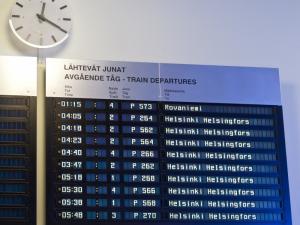
    timetable(noun)

    /ˈtaɪmteɪbl/

    ตารางเดินรถ, ตารางเวลา

    a list showing the times when buses, trains, boats or planes leave and arrive

    The ferry timetable changes in the rainy season.

    ตารางเดินเรือเฟอร์รีเปลี่ยนแปลงในช่วงฤดูฝน

    According to the timetable, the last train leaves at 10 p.m.

    คำพ้องความหมายscheduleprogramagendaplanlistingcalendarroster
    คำตรงข้ามrandomnessdisorganizationunpredictability
  12. 12

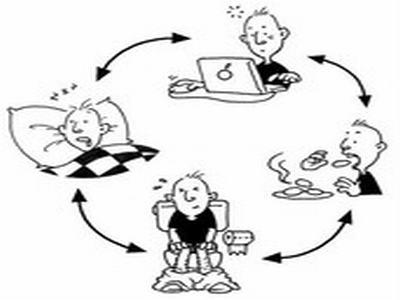
    routine(noun)

    /ruːˈtiːn/

    กิจวัตรประจำวัน

    the normal order and way in which you regularly do things

    Make exercise a part of your daily routine.

    ทำให้การออกกำลังกายเป็นส่วนหนึ่งของกิจวัตรประจำวันของคุณ

    We are trying to get the baby into a routine for feeding and sleeping.

    คำพ้องความหมายpatternhabitcustompracticeprocedureschedulegroove
    คำตรงข้ามirregularitychangeunpredictabilityspontaneitydeviation
  13. 13

    use(verb)

    /juːz/

    ใช้

    to do something with a machine, a method, an object, etc. for a particular purpose

    Can I use this computer?

    ฉันใช้คอมพิวเตอร์เครื่องนี้ได้ไหม

    I'm not sure that this is the most valuable use of my time.

    คำพ้องความหมายutilizeemployoperatehandleapplyexercise
    คำตรงข้ามneglectignoredisregardabandondiscard
  14. 14

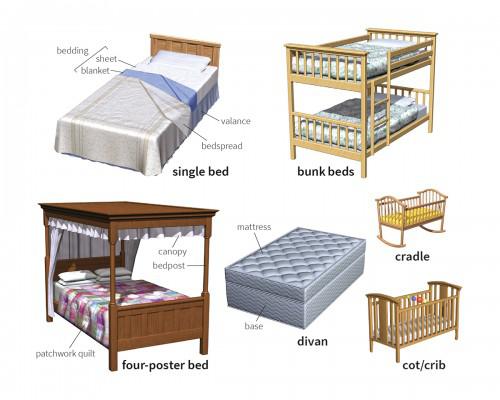
    bed(noun)

    /bed/

    เตียง

    a piece of furniture for sleeping on

    I'm tired. I'm going to bed.

    ฉันเหนื่อย ฉันจะไปนอนแล้ว

    คำพ้องความหมายberthcotmattresssleeping place
    คำตรงข้ามstandingawakeactive
  15. 15

    Monday(noun)

    /ˈmʌndeɪ/

    วันจันทร์ (wan jan)

    the day of the week after Sunday and before Tuesday, the first day of the working week

    I have English on Monday.

    ฉันมีเรียนภาษาอังกฤษในวันจันทร์ (chan mee rian phaasaa ang-grit nai wan jan)

    We'll meet Monday.

    คำพ้องความหมายstart of the weekfirst day of the week
    คำตรงข้ามweekendFridaySaturdaySunday
  16. 16

    eat(verb)

    /iːt/

    กิน

    to put food in your mouth, bite it and swallow it

    What do you eat?

    คุณกินอะไร?

    I couldn't eat another thing (= I have had enough food).

    คำพ้องความหมายconsumedevouringestpartakefeedmunchnibble
    คำตรงข้ามabstainfaststarvediet
  17. 17

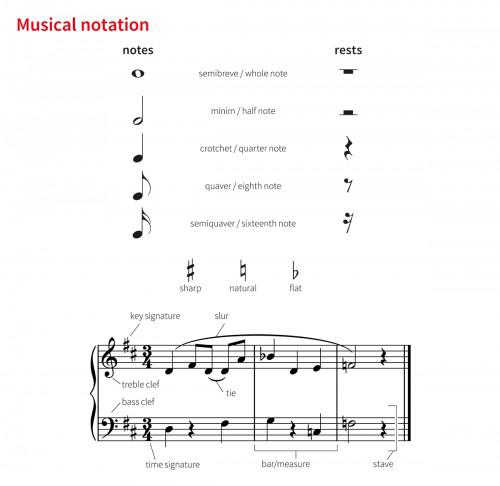
    music(noun)

    /ˈmjuːzɪk/

    ดนตรี (dontri)

    sounds that are arranged in a way that is pleasant or exciting to listen to. People sing music or play it on instruments.

    I listen to music every day.

    ฉันฟังเพลงทุกวัน (chan fang phleng thuk wan)

    The poem has been set to music.

    คำพ้องความหมายmelodyharmonytunesongcomposition
    คำตรงข้ามsilencenoise (in some contexts)
  18. 18

    geography(noun)

    /dʒiˈɑːɡrəfi/

    ภูมิศาสตร์

    the scientific study of the earth’s surface, physical features, divisions, products, population, etc.

    We know more about the countries through Geography.

    เรารู้จักประเทศต่างๆ มากขึ้นผ่านทางภูมิศาสตร์

    a geography lesson/department/teacher/textbook

    คำพ้องความหมายearth sciencetopographycartographyearth studies
    คำตรงข้ามhistorynonspatial studies
  19. 19

    Thursday(noun)

    /ˈθɜːrzdeɪ/

    วันพฤหัสบดี (wan phruhatsabodi)

    the day of the week after Wednesday and before Friday

    What are you going to do on Thursday evening?

    คุณจะทำอะไรในเย็นวันพฤหัสบดี (khun ja tham arai nai yen wan phruhatsabodi)?

    คำพ้องความหมายThufifth day of the week
  20. 20

    Saturday(noun)

    /ˈsætərdeɪ/

    วันเสาร์

    the day of the week after Friday and before Sunday

    We often go to the cinema on Saturday evening.

    พวกเรามักจะไปดูหนังในเย็นวันเสาร์

    คำพ้องความหมายweekendSaturdays
    คำตรงข้ามweekday
  21. 21

    play(verb)

    /pleɪ/

    เล่น

    to do things for pleasure, as children do; to enjoy yourself, rather than work

    All kids like playing.

    เด็กทุกคนชอบเล่น

    the importance of learning through play

    คำพ้องความหมายgamerecreationfunfrolicsportamusemententertainmentperform
    คำตรงข้ามworklaborstudyserious
  22. 22

    today(adverb)

    /təˈdeɪ/

    วันนี้

    on this day

    I am visiting my grandfather today.

    วันนี้ฉันจะไปเยี่ยมคุณตา

    คำพ้องความหมายpresentlynowat presentcurrently
    คำตรงข้ามyesterdaytomorrowpreviouslyformerly
  23. 23

    Friday(noun)

    /ˈfraɪdeɪ/

    วันศุกร์ (wan sùk)

    the day of the week after Thursday and before Saturday

    I learn to draw every Friday.

    ฉันเรียนวาดรูปทุกวันศุกร์ (chăn rian waat rûup thúk wan sùk)

    คำพ้องความหมายFri.Fifth day of the week
    คำตรงข้ามNone (as a day of the week)MondayTuesdayWednesdayThursdaySaturdaySunday
  24. 24

    biology(noun)

    /baɪˈɑːlədʒi/

    ชีววิทยา (cheewawittaya)

    the scientific study of the life and structure of plants and animals

    What day do you have biology?

    คุณเรียนชีววิทยาในวันไหน (khun rian cheewawittaya nai wan nai)?

    The beach is a mile away.

    คำพ้องความหมายlife sciencenatural science
    คำตรงข้ามphysicschemistrymathematics
  25. 25

    Wednesday(noun)

    /ˈwenzdeɪ/

    วันพุธ (Wan Phut)

    the day of the week after Tuesday and before Thursday

    I play chess every Wednesday afternoon.

    ฉันเล่นหมากรุกทุกบ่ายวันพุธ (Chan len mak ruk thuk bai wan phut)

    คำพ้องความหมายHump day (informal)
  26. 26

    day(noun)

    /deɪ/

    วัน (wan)

    a period of 24 hours

    I play badminton every day.

    ฉันเล่นแบดมินตันทุกวัน (chan len badminton thuk wan)

    We're going away in a few days/in a few days' time.

    คำพ้องความหมายdailysunlightageeratime
    คำตรงข้ามnight
  27. 27

    Sunday(noun)

    /ˈsʌndeɪ/

    วันอาทิตย์ (Wan Athit)

    the day of the week after Saturday and before Monday, thought of as either the first or the last day of the week

    Why don't we go out this Sunday?

    ทำไมเราไม่ออกไปเที่ยววันอาทิตย์นี้ (Tham-mai rao mai ok pai thiao wan Athit ni)?

    คำพ้องความหมายLord's Dayfirst day of the week
    คำตรงข้ามweekdayMondayTuesdayWednesdayThursdayFridaySaturday
  28. 28

    sport(noun)

    /spɔːrt/

    กีฬา

    activity that you do for pleasure and that needs physical effort or skill, usually done in a special area and according to fixed rules

    I like this sport.

    ฉันชอบกีฬานี้

    There are excellent facilities for sport and recreation.

    คำพ้องความหมายgameactivityexerciserecreationathletics
    คำตรงข้ามinactivitysedentarinessstillness
  29. 29

    finish(verb)

    /ˈfɪnɪʃ/

    เสร็จ

    to stop doing something or making something because it is complete

    My class finishes studying at 11 o'clock.

    ชั้นเรียนของฉันเรียนจบตอน 11 โมง

    Haven't you finished your homework yet?

    คำพ้องความหมายcompleteconcludeendterminateaccomplish
    คำตรงข้ามbeginstartcommenceinitiate
  30. 30

    history(noun)

    /ˈhɪstri/

    ประวัติศาสตร์, วิชาประวัติศาสตร์

    the study of past events, especially as a subject at school or university

    My mother is a history teacher.

    แม่ของฉันเป็นครูสอนประวัติศาสตร์

    The area was inhabited long before the dawn of recorded history(= before people wrote about events).

    คำพ้องความหมายpastchroniclerecordaccountevents
    คำตรงข้ามfuture
  31. 31

    tomorrow(adverb)

    /təˈmɑːrəʊ/

    พรุ่งนี้

    on or during the day after today

    I will play football tomorrow.

    ฉันจะเล่นฟุตบอลพรุ่งนี้

    Today is Tuesday, so tomorrow is Wednesday.

    คำพ้องความหมายthe following daynext dayon the morrow
    คำตรงข้ามyesterdaytoday
  32. 32

    read(verb)

    /riːd/

    อ่าน

    to look at and understand the meaning of written or printed words or symbols

    I read every day.

    ฉันอ่านหนังสือทุกวัน

    Can you read music?

    คำพ้องความหมายperusestudyscanbrowsedecipherinterpret
    คำตรงข้ามwriteignoreneglectskim
  33. 33

    homework(noun)

    /ˈhəʊmwɜːrk/

    การบ้าน

    work that is given by teachers for students to do at home

    Why don't you do your homework?

    ทำไมคุณไม่ทำการบ้าน

    How much homework do you get?

    คำพ้องความหมายassignmentschoolworklessonexercise
    คำตรงข้ามrecreationleisurefunbreak
  34. 34

    sports(noun)

    /spɔːrt/

    กีฬา

    activity that you do for pleasure and that needs physical effort or skill, usually done in a special area and according to fixed rules

    There are excellent facilities for sport and recreation.

    มีสิ่งอำนวยความสะดวกที่ยอดเยี่ยมสำหรับกีฬาและสันทนาการ

    คำพ้องความหมายathleticsgamesexercisephysical activitycompetition
    คำตรงข้ามinactivitysedentariness
  35. 35

    volleyball(noun)

    /ˈvɑːlibɔːl/

    วอลเลย์บอล

    a game in which two teams of six players use their hands to hit a large ball backwards and forwards over a high net while trying not to let the ball touch the ground on their own side

    My brother plays volleyball very well.

    น้องชายของฉันเล่นวอลเลย์บอลได้ดีมาก

    คำพ้องความหมายvolley ballball game (contextually)
    คำตรงข้ามN/A (as a specific sport)
  36. 36

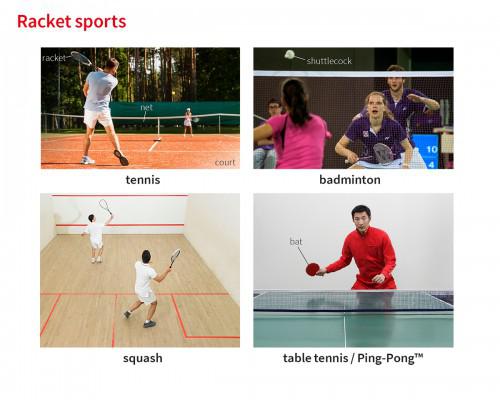
    badminton(noun)

    /ˈbædmɪntən/

    แบดมินตัน

    a game like tennis played by two or four people, usually indoors. Players hit a small light kind of ball, originally with feathers around it (= a shuttlecock ) across a high net using a racket .

    Badminton is her favourite kind of sport.

    แบดมินตันเป็นกีฬาที่เธอชื่นชอบ

    คำพ้องความหมายNone (Badminton is a specific sport)
    คำตรงข้ามNone (Badminton is a specific sport)
  37. 37

    English(noun)

    /ˈɪŋɡlɪʃ/

    ภาษาอังกฤษ

    the language, originally of England, now spoken in many other countries and used as a language of international communication throughout the world

    I like learning English.

    ฉันชอบเรียนภาษาอังกฤษ

    คำพ้องความหมายthe English languageBritish EnglishAmerican English
  38. 38

    every day(phrase)

    /'evri deɪ/

    ทุกวัน

    on each day; daily

    My sister watches TV every day.

    น้องสาวของฉันดูทีวีทุกวัน

    คำพ้องความหมายdailyeach dayday after dayregularly
    คำตรงข้ามneverrarelyoccasionallysometimes
  39. 39

    housework(noun)

    /ˈhaʊswɜːrk/

    งานบ้าน

    the work involved in taking care of a home and family, for example cleaning and cooking

    Do you often do housework?

    คุณทำงานบ้านบ่อยไหม

    คำพ้องความหมายchoreshousehold tasksdomestic workcleaningtidying
    คำตรงข้ามleisurerecreationrelaxation
  40. 40

    mathematics (math)(noun)

    /ˌmæθəˈmætɪks/ /mæθ/

    คณิตศาสตร์

    the science of numbers, quantities and shapes, studied as a school subject

    We have Mathematics on Monday.

    พวกเรามีวิชาคณิตศาสตร์ในวันจันทร์

    คำพ้องความหมายarithmeticcalculationnumbersalgebrageometrytrigonometrycalculus
    คำตรงข้ามilliteracyinability to calculateinnumeracy
  41. 41

    physical education(noun)

    /ˌfɪzɪkl edʒuˈkeɪʃn/

    พลศึกษา

    sport and exercise that is taught in schools

    We love Physical education.

    พวกเราชอบวิชาพลศึกษา

    คำพ้องความหมายPEgymexercisesportsathleticskinesiology
    คำตรงข้ามsedentary activitymental activitydesk workintellectual pursuits
  42. 42

    school day(noun)

    /ˈskuːldeɪ/

    วันเรียน

    a day of the week when students go to school

    My school days are from Monday to Friday.

    วันเรียนของฉันคือวันจันทร์ถึงวันศุกร์

    คำพ้องความหมายschooltimeclassroom daylearning dayacademic day
    คำตรงข้ามholidayvacation dayday offweekend
  43. 43

    soccer(noun)

    /ˈsɑːkər/

    ฟุตบอล

    a game played by two teams of 11 players, using a round ball which players kick up and down the playing field. Teams try to kick the ball into the other team’s goal.

    We usually play soccer after school.

    ปกติเราเล่นฟุตบอลหลังเลิกเรียน

    คำพ้องความหมายfootballassociation football
    คำตรงข้ามN/A (difficult to have a direct antonym)

  44. 44

    weekday(noun)

    /ˈwiːkdeɪ/

    วันธรรมดา

    any day except Saturday and Sunday

    I have to get up at 5 o'clock on weekdays.

    ฉันต้องตื่นตอนตี 5 ในวันธรรมดา

    คำพ้องความหมายworkdaybusiness day
    คำตรงข้ามweekendholiday
  45. 45

    weekend(noun)

    /ˈwiːkend/

    สุดสัปดาห์

    Saturday and Sunday

    What will you do this weekend?

    สุดสัปดาห์นี้คุณจะทำอะไร

    คำพ้องความหมายweek's endSabbathholiday
    คำตรงข้ามweekdayworkweekbusiness day
  46. 46

    shower(noun)

    /ˈʃaʊər/

    การอาบน้ำ, การอาบน้ำฝักบัว

    an act of washing yourself by standing under a shower

    I have a shower every morning before I go to school.

    ฉันอาบน้ำทุกเช้าก่อนไปโรงเรียน