본문으로 건너뛰기

레슨 12/16 · 36단어 · 외운 단어 0

Lesson 12: LET'S EAT

12과: 맛있게 먹자

  1. 1

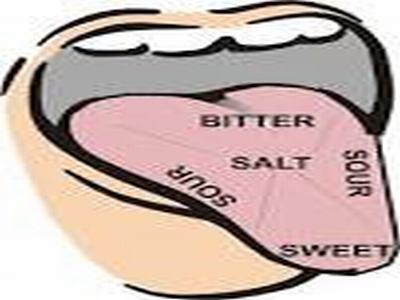
    taste(noun)

    /teɪst/

    맛

    the particular quality that different foods and drinks have that allows you to recognize them when you put them in your mouth

    This soup has a strange taste; I think it needs more salt.

    이 수프는 맛이 이상해요. 소금을 더 넣어야 할 것 같아요.

    유의어preferencelikingdiscernmentstyleflavorpalate
    반의어distastedislikeaversionrepulsion
  2. 2

    dirt(noun)

    /dɜːrt/

    먼지

    any substance that makes something dirty, for example dust, soil or mud

    His coat was covered with dirt.

    그의 코트는 먼지로 뒤덮여 있었다.

    His clothes were covered in dirt.

    유의어filthgrimesoilmuddustsmudge
    반의어cleanlinesspurityspotlessness
  3. 3

    add(verb)

    /æd/

    더하다 (deohada)

    to put something together with something else so as to increase the size, number, amount, etc.

    Finally, the chef added some salt into the pot.

    마지막으로, 요리사는 냄비에 소금을 조금 넣었습니다.

    A new wing was added to the building.

    유의어increaseaugmentappendincludeincorporateannextotal
    반의어subtractdeductremovedecreasereducewithdraw
  4. 4

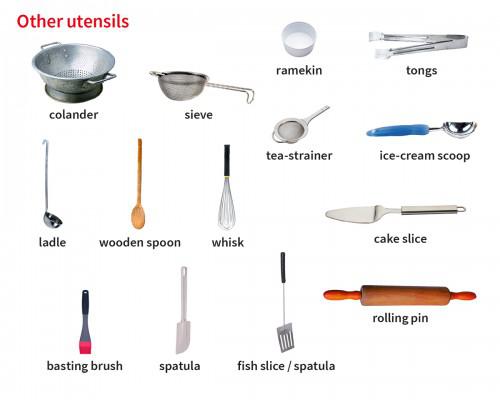
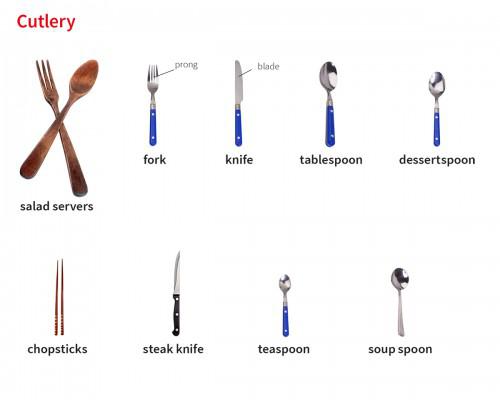
    spoon(noun)

    /spuːn/

    숟가락

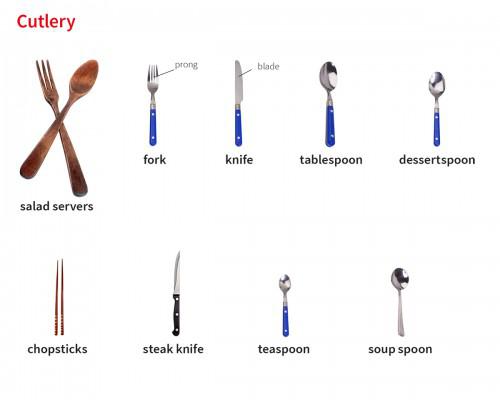
    a tool that has a handle with a shallow bowl at the end, used for mixing, serving and eating food

    I often use spoons to eat soup.

    저는 수프를 먹을 때 숟가락을 자주 사용합니다.

    Remove the onion from the oil with a slotted spoon.

    유의어scoopladle
    반의어forkknife
  5. 5

    bowl(noun)

    /bəʊl/

    그릇

    a deep round dish with a wide open top, used especially for holding food or liquid

    I would like a bowl of noodles.

    국수 한 그릇 주세요.

    Sieve the flour into a bowl.

    유의어dishcontainervesselbasin
    반의어plateflat surface
  6. 6

    onion(noun)

    /ˈʌnjən/

    양파 (yangpa)

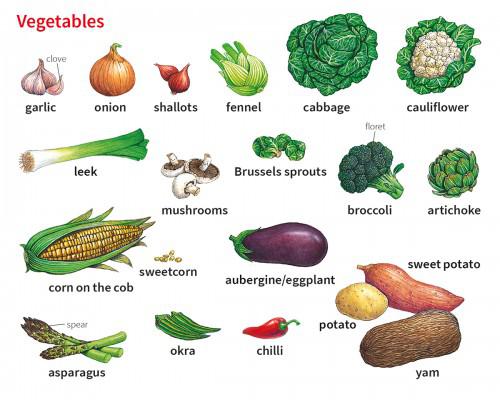
    a round vegetable with many layers inside each other and a brown, red or white skin. Onions have a strong smell and taste.

    Can you buy me some onions?

    양파 좀 사다 주시겠어요?

    Chop the onions finely.

    유의어shallotbulbvegetable
    반의어None
  7. 7

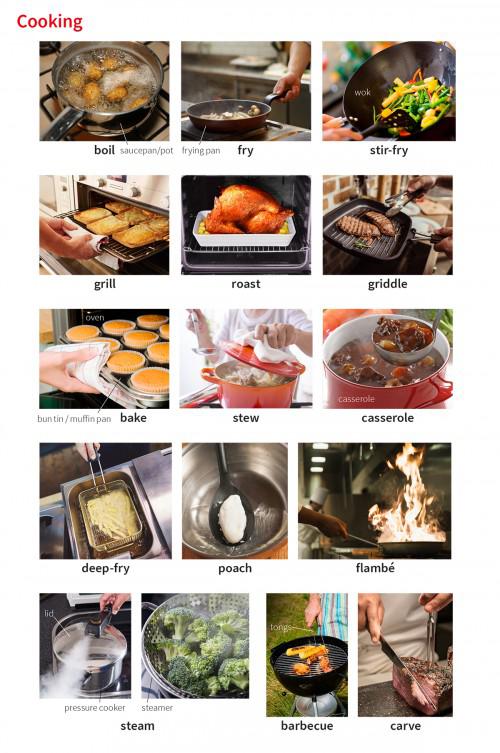
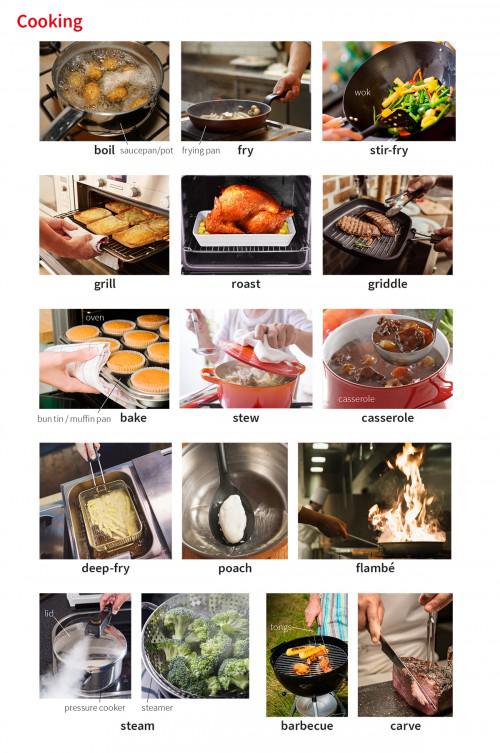
    steam(verb)

    /stiːm/

    찌다

    to cook something by placing it over boiling water so that the steam heats it

    You need to steam the cakes about 30 minutes.

    케이크를 약 30분 동안 쪄야 한다.

    a Turkish steam bath

    유의어vaporizeevaporatecookheat
    반의어freezechillcoolice
  8. 8

    boil(verb)

    /bɔɪl/

    끓다

    when a liquid boils or when you boil it, it is heated to the point where it forms bubbles and turns to steam or vapour

    Water boils at 100 °C.

    물은 100°C에서 끓는다.

    Boil plenty of salted water, then add the spaghetti.

    유의어simmerseethebubblestewcook
    반의어freezechillcool
  9. 9

    pan(noun)

    /pæn/

    냄비 (naembi)

    a container, usually made of metal, with a handle or handles, used for cooking food in

    Heat the milk in a small pan.

    작은 냄비에 우유를 데우세요.

    pots and pans

    유의어potskilletsaucepanfrying pan
    반의어bowlplatedish
  10. 10

    slice(noun)

    /slaɪs/

    조각

    a thin flat piece of bread, meat, cheese, etc. that has been cut off a larger piece; a piece of cake that has been cut from a larger cake

    Would you like another slice of beef?

    소고기 한 조각 더 드릴까요?

    a sliced loaf

    유의어pieceportionsegmentwedgeshiver
    반의어wholeentirety
  11. 11

    plate(noun)

    /pleɪt/

    접시 (jeopsi)

    a flat, usually round, dish that you put food on

    There's still a lot of food on your plate.

    아직 접시에 음식이 많이 남았어요.

    They filled their plates with spaghetti.

    유의어dishplattersaucerservice
    반의어bowlserving
  12. 12

    dish(noun)

    /dɪʃ/

    요리, 음식

    food prepared in a particular way as part of a meal

    What is your favorite dish?

    가장 좋아하는 요리가 뭐예요?

    They helped themselves from a large dish of pasta.

    유의어mealcuisinerecipecourseplate
    반의어snackingredient
  13. 13

    diet(noun)

    /ˈdaɪət/

    식단, 식습관

    the food and drink that you eat and drink regularly

    A healthy diet includes plenty of fresh fruit and vegetables.

    건강한 식단에는 신선한 과일과 채소가 풍부하게 포함된다.

    유의어regimeneating planweight loss plannutritionnourishment
    반의어overeatingindulgencebinge eatingunrestricted eating
  14. 14

    affect(verb)

    /əˈfekt/

    영향을 주다 (yeonghyang-eul juda)

    to produce a change in somebody/something

    The divorce affected every aspect of her life.

    이혼은 그녀의 삶의 모든 측면에 영향을 미쳤다.

    The south of the country was worst affected by the drought.

    유의어influenceimpactalterchangemodifytouchconcernmove
    반의어leave alonenot affecthave no effect onnot influenceunchanged
  15. 15

    smell(verb)

    /smel/

    ~한 냄새가 나다

    to have a particular smell

    There's something in the fridge that smells mouldy.

    냉장고 안에 곰팡이 냄새가 나는 것이 있다.

    There was a smell of burning in the air.

    유의어odoraromascentfragrancereekwhiff
    반의어odorlessnesslack of scent
  16. 16

    energy(noun)

    /ˈenərdʒi/

    에너지

    the strength, effort and enthusiasm required for physical or mental activity, work, etc.

    I didn't even have the energy to get out of bed.

    침대에서 나올 기운조차 없었어요.

    It's a waste of time and energy.

    유의어powervigorvitalitystrengthforcedrive
    반의어apathylethargyweaknessinactivity
  17. 17

    guideline(noun)

    /ˈɡaɪdlaɪn/

    지침

    a set of rules or instructions that are given by an official organization telling you how to do something, especially something difficult

    The doctor has drawn up guidelines on the treatment of the mentally ill.

    의사는 정신 질환 치료에 대한 지침을 작성했습니다.

    유의어instructiondirectionrecommendationadviceruleprinciplestandardprecept
    반의어ambiguityvaguenessuncertaintydisorganizationchaosflexibility
  18. 18

    moderate(adjective)

    /ˈmɑːdərət/

    적당한

    that is neither very good, large, hot, etc. nor very bad, small, cold, etc.

    The car is of moderate size - just right for a small family.

    그 차는 적당한 크기라서 작은 가족에게 딱 맞습니다.

    유의어averagemediumtemperatereasonablemildgentlemeasuredfair
    반의어extremeexcessiveintenseimmoderateexaggeratedwild
  19. 19

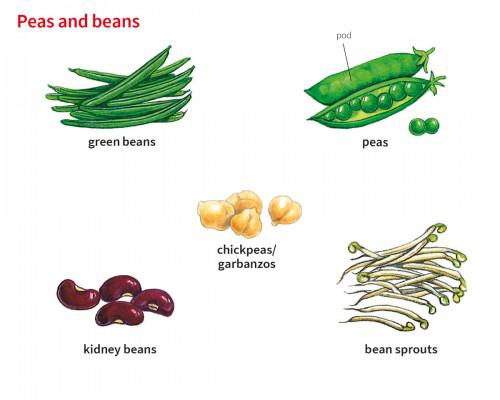
    pea(noun)

    /piː/

    완두콩

    a small round green seed, eaten as a vegetable. Several peas grow together inside a long thin pod on a climbing plant also called a pea .

    My mother buys a kilogram of peas.

    저희 어머니는 완두콩 1킬로그램을 사십니다.

    유의어green peagarden peasweet pea
    반의어beanlentil
  20. 20

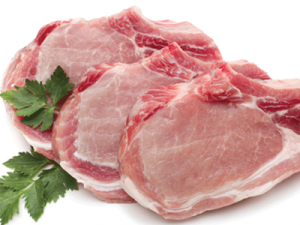
    pork(noun)

    /pɔːrk/

    돼지고기 (dwaeji-gogi)

    meat from a pig that has not been cured (= preserved using salt or smoke)

    There isn’t any pork left.

    돼지고기가 하나도 안 남았어요. (Dwaeji-gogi-ga hana-do an nam-asseoyo.)

    유의어swinepig meathambaconrashers
    반의어beefpoultryfishlambmutton
  21. 21

    amount(noun)

    /əˈmaʊnt/

    양 (yang)

    a quantity of something

    He paid regular amounts of money to a charity.

    그는 자선 단체에 정기적으로 돈을 지불했습니다.

    유의어quantitysumvolumeextentmeasuredegreeportion
    반의어lackabsenceinsufficiencyscarcitydeficiency
  22. 22

    balanced(adjective)

    /ˈbælənst/

    균형 잡힌

    keeping or showing a balance so that different things or different parts of something exist in equal or correct amounts

    She often has balanced meals with a healthy mixture of different kinds of food.

    그녀는 종종 다양한 종류의 음식을 건강하게 섞어 균형 잡힌 식사를 합니다.

    유의어evenequalproportionateharmoniouswell-adjustedsymmetrical
    반의어unevenunbalancedlop-sideddisproportionatebiased
  23. 23

    body-building food(noun)

    /ˈbɒdi ˈbɪldɪŋ fuːd/

    신체 구성 식품, 단백질 식품

    food that is rich in protein and helps the body grow and repair itself

    Eating too much body-building food is not good for your health.

    신체 구성 식품을 너무 많이 먹는 것은 건강에 좋지 않다.

    유의어muscle-building foodfitness foodhigh-protein diet
    반의어unhealthy foodjunk foodprocessed food
  24. 24

    chopstick(noun)

    /ˈtʃɑːpstɪk/

    젓가락 (jeotgarak)

    either of a pair of thin sticks that are used for eating with, especially in East Asian countries

    Vietnamese people usually use chopsticks in daily meals.

    베트남 사람들은 보통 일상 식사에서 젓가락을 사용합니다.

    유의어eating sticksfood sticks
    반의어spoonforkknife
  25. 25

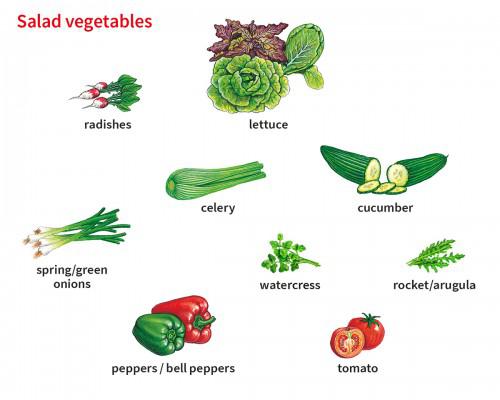
    cucumber(noun)

    /ˈkjuːkʌmbər/

    오이 (oi)

    a long vegetable with dark green skin that is light green inside, usually eaten raw

    I love to eat cucumbers in summer.

    저는 여름에 오이를 먹는 것을 좋아합니다. (Jeoneun yeoreume oireul meokneun geoseul joahamnida.)

    유의어cuke
  26. 26

    deep-fry(verb)

    /ˌdiːp ˈfraɪ/

    튀기다, deep-fry

    to cook food in a large amount of hot oil that covers it completely

    Deep-fry the spring rolls at 170 degrees until crispy.

    춘권은 170도에서 바삭해질 때까지 튀기세요.

    Never deep-fry food in oil that has turned dark.

    유의어frypan-fry (sometimes)sauté (sometimes)
    반의어bakeroastgrillsteambroil
  27. 27

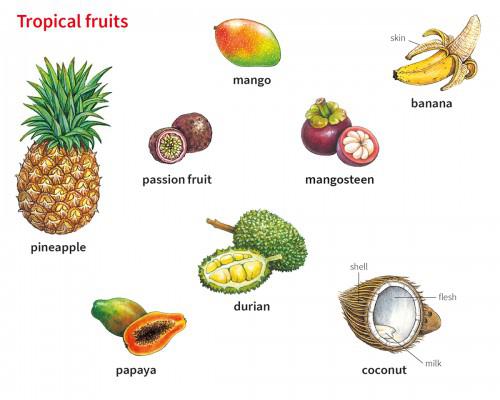
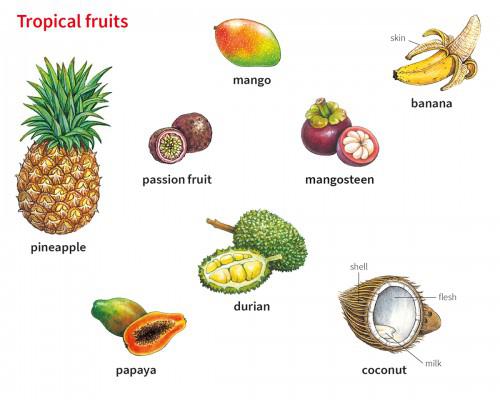
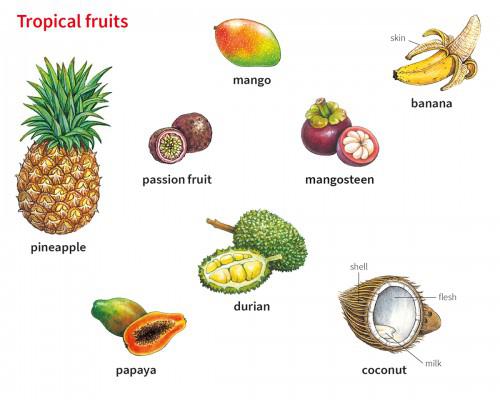
    durian(noun)

    /ˈdʊriən/

    두리안 (durian)

    a large tropical fruit with a strong unpleasant smell but a sweet taste

    Many people hate durians but I love them.

    많은 사람들이 두리안을 싫어하지만 저는 좋아해요.

    유의어stinky fruitexotic fruitking of fruits
    반의어applebananaorange
  28. 28

    lifestyle(noun)

    /ˈlaɪfstaɪl/

    생활 방식

    the way in which a person or a group of people lives and works

    He doesn't have a very healthy lifestyle.

    그는 그다지 건강한 생활 방식을 가지고 있지 않다.

    유의어way of lifehabitsroutineconductcustoms
    반의어deathstyle
  29. 29

    papaya(noun)

    /pəˈpaɪə/

    파파야 (papaya)

    a tropical fruit with yellow and green skin, that is orange or red inside with round black seeds

    I want to buy a papaya.

    저는 파파야를 사고 싶어요. (Jeoneun papayareul sago sipeoyo.)

    유의어pawpaw
  30. 30

    pineapple(noun)

    /ˈpaɪnæpl/

    파인애플

    a large tropical fruit with thick rough skin and stiff leaves on top, that is sweet and yellow inside with a lot of juice

    There is a pineapple on the table.

    탁자 위에 파인애플이 있습니다.

    유의어ananas
    반의어None (Pineapple is a specific fruit with no direct antonyms)
  31. 31

    ripe(adjective)

    /raɪp/

    익은 (igeun)

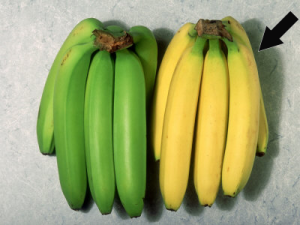
    fully grown and ready to be eaten

    Those bananas aren't ripe yet - they're still green.

    저 바나나들은 아직 익지 않았어요 - 아직 초록색이에요.

    유의어maturereadydevelopedseasonedfull-grown
    반의어unripeimmaturegreenraw
  32. 32

    set the table(phrase)

    /set ðə ˈteɪbl/

    식탁을 차리다, 상을 차리다

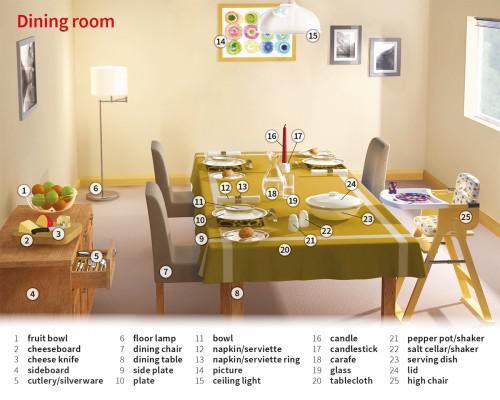
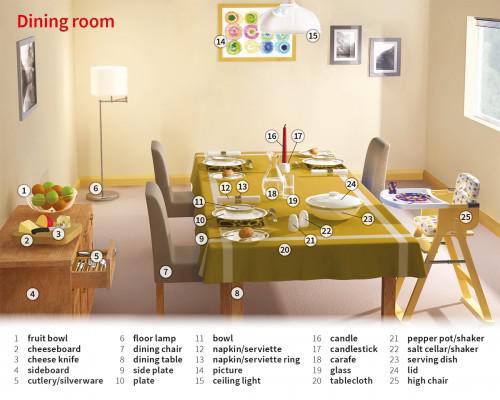
    to put plates, knives, forks, glasses, etc. on a table ready for a meal

    Could you set the table for dinner?

    저녁 식사를 위해 상 좀 차려 줄래요?

    유의어prepare the tablelay the tablearrange the table
    반의어clear the tabletake away the dishes
  33. 33

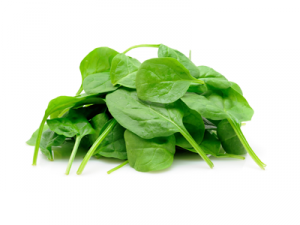
    spinach(noun)

    /ˈspɪnɪtʃ/

    시금치 (sigeumchi)

    a vegetable with large, dark-green leaves that are cooked or eaten in salads

    He doesn't like the taste of spinach.

    그는 시금치 맛을 좋아하지 않는다.

    유의어None (spinach is a specific vegetable)
    반의어None (spinach is a specific vegetable)
  34. 34

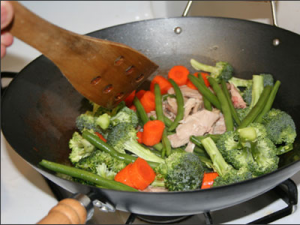
    stir-fry(noun)

    /ˈstɜːr fraɪ/

    볶음 요리, 스터프라이

    a hot dish made by stir-frying small pieces of meat, fish and/or vegetables

    We had a chicken stir-fry with rice for dinner.

    우리는 저녁으로 닭고기 볶음과 밥을 먹었다.

    유의어sautéfrytoss-fry
    반의어boilsteambraise
  35. 35

    heat(verb)

    /hiːt/

    데우다, 가열하다

    to make something hot or warm

    Firstly, heat the oil and add some onions .

    먼저 기름을 데우고 양파를 넣으세요.

  36. 36

    selection(noun)

    /sɪˈlekʃn/

    선택 범위, 다양한 모음

    a number of different things of a particular type, from which you can choose

    The new supermarket has a wide selection of fresh fruit and vegetables.

    새 슈퍼마켓은 신선한 과일과 채소를 다양하게 갖추고 있다.