본문으로 건너뛰기

레슨 8/12 · 19단어 · 외운 단어 0

Topic 8: Phrasal verb (4)

주제 8: 구동사 (4)

  1. 1

    come up with(phrasal verb)

    /kʌm ʌp wɪð/

    고안하다 (goanhada)

    to find or produce an answer, a sum of money, etc.

    In order for that small business to succeed, it needs to come up with a new strategy

    그 작은 사업이 성공하려면 새로운 전략을 고안해야 합니다.

    유의어conceivedeviseformulateinventthink upgenerate
    반의어overlookmissignore
  2. 2

    give up(phrasal verb)

    /ɡɪv ʌp/

    포기하다 (pogihada)

    to stop trying to do something

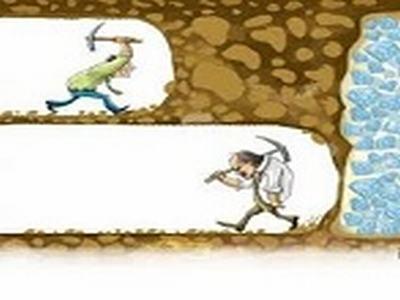
    Ms. Gomez is so optimistic that she never gives up

    고메즈 씨는 너무 낙관적이어서 절대 포기하지 않아요.

    Bruce gave up trying to prepare his tax return himself and now hires an accountant to do it

    유의어quitsurrenderrelinquishabandonyield
    반의어persistpersevereendurecontinuefight
  3. 3

    Get off(phrasal verb)

    /gɛt/ /ɒf/

    내리다

    to leave a bus, train, etc. that you are travelling on

    Remember to get off the bus at Mountain Road.

    Mountain Road에서 버스에서 내리는 것을 잊지 마세요.

    유의어alightdismountdeboardexit
    반의어boardmountget onenter
  4. 4

    close up(phrasal verb)

    /ˈkloʊs.ʌp/

    바싹 붙다, 가까이 모이다

    to move closer together

    They closed up when they saw the gang coming towards them.

    그들은 무리가 다가오는 것을 보자 바싹 붙어 섰다.

    유의어clam upshut upbecome quietwithdrawbecome uncommunicative
    반의어open uptalkcommunicateshareconfide
  5. 5

    come down(phrasal verb)

    /kʌm daʊn/

    내려가다, 하락하다

    to become lower in level, price, amount, etc.

    The price of oil has come down.

    유가가 내려갔다.

    유의어decreasedeclinereducefalldrop
    반의어increaseriseascendgo up
  6. 6

    come out(phrasal verb)

    /kʌm aʊt/

    출시되다, 출간되다

    to be produced, published or put on sale

    New models of Japanese cars usually come out in the spring.

    일본 자동차의 신모델은 보통 봄에 출시된다.

    유의어appearemergebe releasedbe publishedbe launched
    반의어disappearvanishhidebe discontinued
  7. 7

    cut up(phrasal verb)

    /kʌt ʌp/

    잘게 자르다, 썰다

    to cut something into small pieces

    You should cut up your meat before you eat it.

    고기는 먹기 전에 잘게 썰어야 한다.

    유의어chopdiceminceshredslicedividedismember
    반의어joinassembleconnectunitemerge
  8. 8

    delight in(phrasal verb)

    /dɪˈlaɪt ɪn/

    즐기다, 낙으로 삼다

    to enjoy doing something very much, especially something that makes other people feel embarrassed, uncomfortable, etc.

    Some children delight in teasing their younger brothers and sisters.

    어떤 아이들은 어린 동생들을 놀리는 것을 즐긴다.

    유의어revel inenjoyrelishsavortake pleasure in
    반의어dislikedetestabhorloathedespise
  9. 9

    die of(phrasal verb)

    /daɪ ɒv/

    ~으로 죽다

    to die because of a particular illness, lack of food, etc.

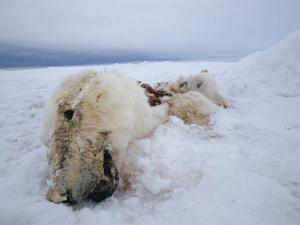
    The animals may die of starvation in the snow.

    그 동물들은 눈 속에서 굶어 죽을 수도 있다.

    유의어perish fromsuccumb toexpire from
    반의어thriverecoversurvive
  10. 10

    draw back(phrasal verb)

    /drɑː bæk/

    물러나다, 후퇴하다

    to move away from somebody/something

    The soldiers were ordered to draw back from the border.

    병사들은 국경에서 후퇴하라는 명령을 받았다.

    유의어retreatwithdrawrecedepull backfall back
    반의어advanceproceedapproachmove forward
  11. 11

    eat up(phrasal verb)

    /iːt ʌp/

    다 먹다

    to eat all of something

    She told the child to eat up the food.

    그녀는 아이에게 음식을 다 먹으라고 말했다.

    유의어finishconsumedevouringestgobble uppolish off
    반의어leavewastediscardrejectabstain
  12. 12

    face up to(phrasal verb)

    /feɪs ʌp tə/

    직시하다 (jikshihada)

    to accept and deal with something that is difficult or unpleasant

    You should face up to the reality.

    당신은 현실을 직시해야 합니다. (Dangshineun hyeonsileul jikshihaya hamnida.)

    유의어confrontacceptacknowledgedeal withgrapple withcome to terms with
    반의어avoidevadeignoreshundenyescape
  13. 13

    fall in love(idiom)

    /fɑːl ɪn lʌv/

    사랑에 빠지다

    to start to feel romantic love for somebody

    They will fall in love with each other.

    그들은 서로 사랑에 빠질 것이다.

    유의어become enamoredbe smittendevelop affectionbegin to adoretake a fancy to
    반의어fall out of lovecease to lovelose interestbecome estrangeddivorce
  14. 14

    fall down(phrasal verb)

    /fɑːl daʊn/

    넘어지다, 쓰러지다

    to fall to the ground

    Babies often fall down.

    아기들은 자주 넘어진다.

    유의어tumblestumbletripcollapsedrop
    반의어stand upriseget up
  15. 15

    fill up(phrasal verb)

    /fɪl ʌp/

    채우다 (Chaeuda)

    to become completely full; to make something completely full

    He could fill up the hole in the wall.

    그는 벽에 있는 구멍을 채울 수 있었다.

    유의어replenishstockloadsupplyoccupysaturate
    반의어emptydrainvacatedeplete
  16. 16

    find out(phrasal verb)

    /faɪnd aʊt/

    알아내다 (aranaeda)

    to get some information about something/somebody by asking, reading, etc.

    English teachers have to consult their dictionaries sometimes to find out what a word means.

    영어 선생님들은 때때로 단어의 의미를 알아내기 위해 사전을 찾아봐야 합니다.

    유의어discoverlearndetermineascertainuncoverdetectrealize
    반의어ignoremissoverlookconcealhide

  17. 17

    get into(phrasal verb)

    /ɡet ɪn.tuː/

    ~에 빠지다, 흥미를 갖게 되다

    to start to become interested or involved in an activity

    After I get over this flu, I am going to get into biking again.

    독감이 낫고 나면 다시 자전거 타기에 빠져 볼 생각이다.

    유의어become interested instartbeginparticipateinvolve oneself in
    반의어avoidabstainquitstopdiscontinue
  18. 18

    get along with(phrasal verb)

    /get əˈlɑːŋ wɪð/

    ~와 잘 지내다, 사이좋게 지내다

    to have a friendly relationship with somebody

    My cat does not get along with our new dog very well.

    우리 고양이는 새로 온 강아지와 별로 잘 지내지 못한다.

    유의어befriendharmonizecooperaterelateagree
    반의어disagreeclasharguefightoppose
  19. 19

    get over(phrasal verb)

    /getˈoʊ.vɚ/

    극복하다 (geukbokhada)

    to deal with or gain control of something

    My sister is taking counseling to get over her stress.

    제 여동생은 스트레스를 극복하기 위해 상담을 받고 있습니다.

    유의어overcomerecover fromget pastmove on fromconquersurmount
    반의어succumb tobe defeated bygive in toworsendeteriorate