본문으로 건너뛰기

레슨 4/33 · 128단어 · 외운 단어 0

Health

건강

  1. 1

    balance(noun)

    /ˈbæləns/

    균형, 조화

    a situation in which different things exist in equal, correct or good amounts

    It is important to keep a good balance between work and rest.

    일과 휴식 사이에 좋은 균형을 유지하는 것이 중요하다.

    유의어equilibriumstabilityharmonycounterpoiseoffsetadjustequalizecorrect
    반의어imbalancedisequilibriumdestabilizeupsetunbalance
  2. 2

    exercise(noun)

    /ˈeksərsaɪz/

    운동, 신체 활동

    physical or mental activity that you do to stay healthy or become stronger

    Doctors say we should do at least thirty minutes of exercise every day.

    의사들은 우리가 매일 최소 30분은 운동해야 한다고 말한다.

    유의어workoutphysical activityexertiontrainingdrill
    반의어restinactivitysedentaryrelaxation
  3. 3

    emergency(noun)

    /ɪˈmɜːrdʒənsi/

    응급 상황, 응급

    a sudden, serious situation, such as an injury or illness, that needs immediate action

    Severe chest pain should always be treated as a medical emergency.

    심한 가슴 통증은 항상 응급 상황으로 간주해야 합니다.

    In an emergency, call 115 for an ambulance.

    유의어crisisurgencyexigencypredicamentdisaster
    반의어calmpeacenormalityroutine
  4. 4

    stroke(noun)

    /strəʊk/

    뇌졸중

    a sudden serious illness when a blood vessel in the brain bursts or is blocked

    My grandfather had a stroke and could not speak for weeks.

    할아버지는 뇌졸중으로 쓰러져 몇 주 동안 말을 하지 못하셨다.

    유의어caresspetfondlebrushrub
    반의어hitslapstrikepunchshove
  5. 5

    weight(noun)

    /weɪt/

    체중 (chejung)

    how heavy somebody/something is, which can be measured in, for example, kilograms or pounds

    His weight is about 46 kilos.

    그의 체중은 약 46킬로그램입니다.

    Sam has a weight problem (= is too fat).

    유의어heftmassloadburdenimportanceinfluence
    반의어lightnessweightlessnessinsignificanceunimportance
  6. 6

    stress(noun)

    /stres/

    스트레스, 압박감

    pressure or worry caused by the problems in somebody’s life

    Many students suffer from stress before their final exams.

    많은 학생이 기말고사를 앞두고 스트레스에 시달린다.

    유의어pressurestraintensionanxietyworryburdendistress
    반의어relaxationreliefcalmpeacecomfortease
  7. 7

    health(noun)

    /helθ/

    건강 (geongang)

    the condition of a person’s body or mind

    Exhaust fumes are bad for your health.

    배기가스는 당신의 건강에 나쁩니다. (Baegigaseuneun dangsin-ui geongang-e nappeuimnida.)

    유의어well-beingfitnessconditionshapehalenessvigor
    반의어illnesssicknessdiseaseinfirmityunhealthiness
  8. 8

    hospital(noun)

    /ˈhɑːspɪtl/

    병원 (byeongwon)

    a large building where people who are ill or injured are given medical treatment and care

    He had to go to the hospital for treatment.

    그는 치료를 위해 병원에 가야 했습니다. (geuneun chiryoreul wihae byeongwone gaya haetseumnida.)

    유의어infirmaryclinicmedical centersanatoriumhospice
    반의어homeofficeworkplace
  9. 9

    infection(noun)

    /ɪnˈfekʃn/

    감염

    an illness caused by bacteria, viruses or other germs entering and growing in the body

    The wound shows signs of infection, such as redness and pus.

    상처에 발적과 고름 등 감염 징후가 나타납니다.

    Most respiratory infections in children are caused by viruses.

    유의어contaminationsepsisdiseaseailmentvirusgermpathogen
    반의어sterilityasepsiscleanlinessimmunityhealth
  10. 10

    cancer(noun)

    /ˈkænsər/

    암

    a disease in which abnormal cells grow out of control and can spread to other parts of the body

    Liver cancer is one of the most common cancers in Vietnam.

    간암은 베트남에서 가장 흔한 암 중 하나입니다.

    Early detection greatly improves the chance of curing cancer.

    유의어malignancytumorneoplasm
    반의어healthwellnesswell-being
  11. 11

    sleep(verb)

    /sliːp/

    자다, 잠자다

    to rest with your eyes closed and your mind and body not active

    Most adults need to sleep for about eight hours a night.

    대부분의 성인은 하룻밤에 여덟 시간 정도 자야 한다.

    유의어dozenaprestslumberrepose
    반의어wakeawakeconsciousnesswakefulness
  12. 12

    wound(noun)

    /wuːnd/

    상처 (sangcheo)

    an injury to part of the body, especially one in which a hole is made in the skin using a weapon

    A nurse cleaned and bandaged the wound for me.

    간호사가 저를 위해 상처를 닦고 붕대를 감아주었습니다.

    She felt the warmth of his arms around her.

    유의어injurycutlacerationbruiselesiontrauma
    반의어curehealinghealthrecovery
  13. 13

    bandage(noun)

    /ˈbændɪdʒ/

    붕대 (붕대)

    a long narrow piece of cloth used for tying around a part of the body that has been hurt in order to protect or support it

    He has a bandage on his head.

    그는 머리에 붕대를 감고 있다. (Geuneun meorie bungdaeleul gamgo itda.)

    His injured leg was all bandaged up.

    유의어dressingplastercompresscoveringwrap
    반의어uncoverexposewoundinjury
  14. 14

    fever(noun)

    /ˈfiːvər/

    발열, 열

    a body temperature higher than normal, usually above 38 degrees Celsius, often caused by infection

    The child has had a high fever for three days.

    그 아이는 사흘째 고열에 시달리고 있다.

    Paracetamol was given to bring down the fever.

    유의어pyrexiahigh temperaturetemperatureheat
    반의어hypothermiaafebrile
  15. 15

    doctor(noun)

    /ˈdɑːktər/

    의사 (uisa)

    a person who has been trained in medical science, whose job is to treat people who are ill or injured

    I am a doctor.

    저는 의사입니다 (Jeoneun uisa imnida).

    Doctor Staples (= as a title/form of address)

    유의어physicianmedical practitionerclinician
    반의어patient
  16. 16

    nurse(noun)

    /nɜːrs/

    간호사 (ganhosa)

    a person whose job is to take care of sick or injured people, usually in a hospital

    My father is a doctor and my mother is a nurse.

    저의 아버지는 의사이고, 어머니는 간호사입니다.

    a dental nurse (= one who helps a dentist)

    유의어registered nurseRNnursing sisterhealthcare professionalmedic
    반의어patientlaymannonprofessional
  17. 17

    injury(noun)

    /ˈɪndʒəri/

    부상

    harm done to a person’s or an animal’s body, for example in an accident

    to sustain injuries/an injury

    부상을 입다

    a head injury

    유의어woundtraumadamageharmhurtailment
    반의어healingrecoveryhealthwellness
  18. 18

    disease(noun)

    /dɪˈziːz/

    질병 (jilbyeong)

    an illness affecting humans, animals or plants, often caused by infection

    A fatty diet increases the risk of heart disease.

    지방이 많은 식단은 심장병의 위험을 증가시킵니다. (jibangi manheun sikdaneun simjangbyeongui wiheomeul jeunggashipnida.)

    유의어illnessailmentsicknessmaladycondition
    반의어healthwellnessfitness
  19. 19

    anxiety(noun)

    /æŋˈzaɪəti/

    불안 (buran)

    the state of feeling nervous or worried that something bad is going to happen

    According to some articles, eating chocolate can reduce anxiety.

    몇몇 기사에 따르면 초콜릿을 먹으면 불안을 줄일 수 있다고 합니다.

    Waiting for exam results is a time of great anxiety.

    유의어worryapprehensionuneasenervousnessconcernstressdread
    반의어calmpeacetranquilityserenitycomposureassurance
  20. 20

    treatment(noun)

    /ˈtriːtmənt/

    치료

    something that is done to cure an illness or injury, or to make somebody look and feel good

    The little boy has responded well to treatment.

    그 어린 소년은 치료에 잘 반응했습니다.

    He is receiving treatment for shock.

    유의어therapycureremedycaremanagementhealingmedicationintervention
    반의어neglectdisregardharminjuryaggravationworsening
  21. 21

    headache(noun)

    /ˈhedeɪk/

    두통

    pain in any part of the head, ranging from mild to severe

    A sudden, severe headache always needs urgent assessment in hospital.

    갑작스럽고 심한 두통은 항상 병원에서 긴급한 평가가 필요하다.

    She has had a throbbing headache since yesterday.

    유의어cephalalgiamigrainehead pain
    반의어reliefcurerecoverywellness
  22. 22

    heart(noun)

    /hɑːrt/

    심장, 가슴

    the organ in the chest that sends blood around the body, usually on the left in humans

    Your heart beats faster when you run or exercise.

    달리거나 운동을 하면 심장이 더 빨리 뛴다.

    유의어corecenteressencespiritsoul
    반의어exterioroutsidesurfaceapathycallousness
  23. 23

    blood pressure(noun)

    /ˈblʌd preʃər/

    혈압

    the force of blood against the walls of the arteries, written as two numbers, such as 120/80

    Her blood pressure was 150 over 95 this morning.

    오늘 아침 그녀의 혈압은 150/95였다.

    Measure blood pressure after the patient has rested for five minutes.

    유의어Arterial pressureBP
    반의어Hypotension (low blood pressure)
  24. 24

    insomnia(noun)

    /ɪnˈsɑːmniə/

    불면증

    the condition of being unable to sleep

    She has suffered from insomnia since she started her stressful new job.

    그녀는 스트레스가 많은 새 직장을 시작한 이후로 불면증에 시달리고 있다.

    유의어sleeplessnesswakefulnessrestlessness
    반의어sleepsound sleepslumber
  25. 25

    obesity(noun)

    /əʊˈbiːsəti/

    비만

    a condition of having too much body fat, which harms health; it is often defined by a high BMI

    Obesity increases the risk of diabetes, hypertension and joint problems.

    비만은 당뇨병, 고혈압 및 관절 질환의 위험을 높인다.

    The clinic offers diet advice for children with obesity.

    유의어corpulenceexcess weightfattinessplumpnessoverweight
    반의어thinnessleannessunderweightskinniness
  26. 26

    allergy(noun)

    /ˈælərdʒi/

    알레르기

    a medical condition that causes you to react badly or feel ill when you eat or touch a particular substance

    She has a food allergy to shrimp.

    그녀는 새우에 음식 알레르기가 있습니다.

    유의어sensitivityhypersensitivityreactionintolerance
    반의어immunityresistancetolerance
  27. 27

    pharmacy(noun)

    /ˈfɑːrməsi/

    약국

    a shop, or part of one, that sells medicines and drugs

    I bought some cough medicine at the pharmacy near my house.

    나는 집 근처 약국에서 기침약을 샀다.

    유의어drugstorechemist'sapothecarydrugstorepharmaceutical science
    반의어none (in a direct sense - antonyms would relate to non-medical fields or practices)
  28. 28

    antibiotics(noun)

    /ˌæntibaɪˈɑːtɪk/

    항생제 (hang-saeng-je)

    a substance, for example penicillin , that can destroy or prevent the growth of bacteria and cure infections

    I'm taking antibiotics for a throat infection.

    목 감염 때문에 항생제를 먹고 있어요.

    유의어antimicrobialantibacterialgermicide
    반의어probiotictoxin
  29. 29

    prescription(noun)

    /prɪˈskrɪpʃn/

    처방전, 처방

    a written or electronic order from a doctor allowing a patient to receive a particular medicine

    Antibiotics can only be sold with a prescription.

    항생제는 처방전이 있어야만 판매할 수 있습니다.

    The pharmacist checked the prescription carefully for dosing errors.

    유의어orderdirectioninstructionformulamedication order
    반의어over-the-counter (medication)
  30. 30

    depression(noun)

    /dɪˈpreʃn/

    우울증 (uuljeung)

    a medical condition in which a person feels very sad and anxious and often has physical symptoms such as being unable to sleep, etc.

    Do you know what often causes depression?

    우울증을 일으키는 흔한 원인이 무엇인지 아세요? (Uuljeungeul ireukineun heunhan woin-i mueosinji aseyo?)

    유의어sadnessdespairmelancholygloomdespondency
    반의어happinessjoyelationcontentmentcheerfulness
  31. 31

    prevention(noun)

    /prɪˈvenʃn/

    예방 (yebang)

    the act of stopping something bad from happening

    crime prevention

    범죄 예방 (beomjoe yebang)

    유의어deterrenceforestallingprecautionavoidancepreclusionprotection
    반의어allowancepermissionpromotioncauseinitiation
  32. 32

    therapy(noun)

    /ˈθerəpi/

    치료 (chilyo)

    the treatment of a physical problem or an illness

    We can apply herbal therapy to treat her disease.

    우리는 그녀의 질병을 치료하기 위해 약초 요법을 적용할 수 있습니다. (urineun geunyeoui jilbyeongeul chiryohagi wihae yakcho yobeobeul jeokyonghal su isseupnida.)

    유의어treatmentremedycurehealinginterventioncare
    반의어diseaseillnessharmneglectinjuryworsening
  33. 33

    diabetes(noun)

    /ˌdaɪəˈbiːtiːz/

    당뇨병

    a chronic disease in which blood sugar is too high because the body cannot make or use insulin properly

    Type 2 diabetes is often linked to obesity and lack of exercise.

    제2형 당뇨병은 흔히 비만과 운동 부족과 관련이 있습니다.

    Patients with diabetes should check their feet every day.

    유의어sugar diseasehigh blood sugar
    반의어healthywell
  34. 34

    heart attack(noun)

    /ˈhɑːrt ətæk/

    심장마비 (simjangmabi)

    a sudden serious medical condition in which the flow of blood to the heart is blocked, sometimes causing death

    He is prone to heart attack.

    그는 심장마비에 걸리기 쉽다.

    유의어myocardial infarctioncardiac arrestcoronary occlusionheart failure
    반의어heart healthcardiac wellnesshealthy heart
  35. 35

    respiratory(adjective)

    /ˈrespərətɔːri/

    호흡기의

    connected with breathing

    Living in the polluted environment can cause some respiratory diseases.

    오염된 환경에서 사는 것은 몇몇 호흡기 질환을 유발할 수 있습니다.

    유의어pulmonaryventilatorybreathing
    반의어non-respiratory
  36. 36

    well-being(noun)

    /ˈwel biːɪŋ/

    행복

    general health and happiness

    As we get older, this facet of our lives becomes even more important to our well-being and our health.

    나이가 들수록 우리 삶의 이러한 측면은 우리의 행복과 건강에 더욱 중요해집니다.

    유의어welfarehappinessprosperitycontentmentcomforteasehealthflourishing
    반의어distressunhappinessmiseryillnesshardshipsuffering
  37. 37

    aerobics(noun)

    /eˈrəʊbɪks/

    에어로빅

    physical exercises intended to make the heart and lungs stronger, often done in classes, with music

    Lan is very good at aerobics.

    란은 에어로빅을 아주 잘한다.

    유의어cardioexercisephysical activityfitness training
    반의어sedentary lifestyleinactivitylack of exercise
  38. 38

    hygiene(noun)

    /ˈhaɪdʒiːn/

    위생

    the practice of keeping yourself and your living and working areas clean in order to prevent illness and disease

    In the interests of hygiene, please wash your hands.

    위생을 위해 손을 씻으십시오.

    유의어cleanlinesssanitationpuritywholesomenessasepsis
    반의어dirtinessfilthpollutioncontamination
  39. 39

    surgery(noun)

    /ˈsɜːrdʒəri/

    수술

    the treatment of disease or injury by cutting into the body to repair or remove parts

    He needs surgery to remove his gallbladder next week.

    그는 다음 주에 담낭을 제거하는 수술을 받아야 한다.

    She is recovering well on the ward after heart surgery.

    유의어operationproceduresurgical procedure
    반의어medical treatmenttherapyconservative treatment
  40. 40

    medical check-up(noun)

    /ˈmedɪkl tʃek ʌp/

    건강 검진 (geon-gang geom-jin)

    a thorough examination of your body by a doctor to check that you are healthy

    You had better go to hospital for a medical check-up.

    병원에 가서 건강 검진을 받는 것이 좋겠습니다.

    유의어physical examinationhealth screeningmedical examinationcheckup
    반의어none (in the sense of actively avoiding a check-up)neglect of health
  41. 41

    fitness(noun)

    /ˈfɪtnəs/

    건강, 체력

    the state of being physically healthy and strong

    I took a fitness course last month.

    나는 지난달에 체력 단련 강좌를 들었다.

    유의어healthwellnessphysical conditionwell-beingshape
    반의어illnessweaknessfrailtyunhealthiness
  42. 42

    digestive(adjective)

    /daɪˈdʒestɪv/

    소화의

    connected with the digestion of food; helping the process of digestion

    The digestive process is quite complicated.

    소화 과정은 상당히 복잡합니다.

    유의어alimentarygastricnutritive
    반의어undigestive
  43. 43

    nutrition(noun)

    /nuˈtrɪʃn/

    영양 (yeong-yang)

    the process by which living things receive the food necessary for them to grow and be healthy

    Adequate nutrition is essential to the proper physical development of children.

    적절한 영양 섭취는 어린이의 적절한 신체 발달에 필수적입니다. (Jeokjeolhan yeongyang seopchineun eorinieui jeokjeolhan sinche baldale pilsujeokimnida.)

    유의어nourishmentsustenancedietfoodalimentationfeed
    반의어starvationmalnutritiondeprivationfasting
  44. 44

    anesthesia(noun)

    ,ænis'θi:zjə

    마취 (machi)

    the use of drugs that make a person unable to feel pain, especially during a medical operation

    The patient was given anesthesia before the surgery.

    환자는 수술 전에 마취를 받았습니다.

    유의어numbnessinsensitivityanalgesia
    반의어sensationawarenessconsciousness
  45. 45

    asthma(noun)

    /ˈæzmə/

    천식

    a chronic lung disease in which the airways become narrow and inflamed, causing wheezing and shortness of breath

    The boy was admitted with a severe asthma attack.

    그 소년은 심한 천식 발작으로 입원했다.

    Dust, smoke and cold air can trigger asthma in sensitive patients.

    유의어wheezingshortness of breathbronchial asthma
    반의어easy breathingclear airways
  46. 46

    blood test(noun)

    /ˈblʌd test/

    혈액검사

    a test of a small amount of blood to check health, diagnose disease or monitor treatment

    You should not eat for eight hours before this blood test.

    이 혈액검사 전에는 8시간 동안 금식해야 합니다.

    The blood test showed a high white cell count.

    유의어blood analysisblood screenblood work
  47. 47

    cardiovascular(adjective)

    /ˌkɑːrdiəʊˈvæskjələr/

    심혈관

    relating to the heart and the blood vessels (= the tubes that carry blood around the body)

    Regular exercise is important for cardiovascular health.

    규칙적인 운동은 심혈관 건강에 중요합니다.

    유의어circulatoryvascular
    반의어unrelated to circulationnon-vascular
  48. 48

    circulatory system(noun)

    순환계 (sunhwangye)

    the system of the heart and blood vessels that moves blood around the body

    The circulatory system is responsible for transporting blood throughout the body.

    순환계는 혈액을 몸 전체로 운반하는 역할을 합니다.

    유의어vascular system
  49. 49

    cleanliness(noun)

    /ˈklenlinəs/

    청결 (cheonggyeol)

    the state of being clean or the habit of keeping things clean

    The cleanliness of the kitchen is very important.

    부엌의 청결은 매우 중요합니다. (Bueokui cheonggyeoreun maeu jungyohamnida.)

    유의어hygienesanitationpuritytidinessimmaculateness
    반의어dirtinessfilthsqualoruncleannessgrime
  50. 50

    dehydration(noun)

    /ˌdiːhaɪˈdreɪʃn/

    탈수, 탈수증

    a condition in which the body has lost too much water

    Dry mouth and dark urine can be signs of dehydration.

    입이 마르고 소변 색이 진한 것은 탈수의 징후일 수 있습니다.

    Older patients are at risk of dehydration if drinks are out of reach.

    유의어desiccationwater loss
    반의어hydrationoverhydration
  51. 51

    detoxification(noun)

    /diːˌtɑːksɪfɪˈkeɪʃn/

    해독

    treatment given to people to help them stop drinking alcohol or taking drugs

    The detoxification program helped him recover from addiction.

    해독 프로그램은 그가 중독에서 회복하는 데 도움이 되었습니다.

    유의어cleansingpurificationdetox
    반의어contaminationpollutionintoxication
  52. 52

    diagnosis(noun)

    /ˌdaɪəɡˈnəʊsɪs/

    진단

    the identification of a disease or condition from its symptoms, examination and test results

    The diagnosis of pneumonia was confirmed by chest X-ray.

    폐렴 진단은 흉부 X선 검사로 확진되었다.

    Early diagnosis greatly improves the outcome of cancer treatment.

    유의어identificationanalysisassessment
    반의어prognosiscure
  53. 53

    digestive system(noun)

    /daɪˈdʒestɪv ˈsɪstəm/

    소화기관

    the series of organs inside the body that digest food

    The digestive system breaks down food into nutrients.

    소화 기관은 음식을 영양소로 분해합니다.

    유의어alimentary canalgastrointestinal tractgut
    반의어N/A
  54. 54

    endocrine system(noun)

    /ˈendəkrɪn ˈsɪstəm/

    내분비계

    the system of glands in the body that produce hormones and release them directly into the blood

    The endocrine system regulates hormones in the body.

    내분비계는 몸 안의 호르몬을 조절합니다.

    유의어hormonal systemglandular system
    반의어nervous system
  55. 55

    fatigue(noun)

    /fəˈtiːɡ/

    피로, 피로감

    a feeling of extreme tiredness and lack of energy that does not go away with normal rest

    Fatigue and pale skin may be signs of anemia.

    피로와 창백한 피부는 빈혈의 징후일 수 있다.

    Many patients feel fatigue for weeks after a viral infection.

    유의어exhaustiontirednesswearinesslassitude
    반의어energyvitalitystrength
  56. 56

    fracture(noun)

    /ˈfræktʃər/

    골절

    a break or crack in a bone

    The X-ray showed a fracture of the left wrist.

    엑스레이에서 왼쪽 손목 골절이 확인되었다.

    An open fracture needs urgent surgery to prevent infection.

    유의어breakrupturecracksplit
    반의어wholerepairmendheal
  57. 57

    hydration(noun)

    /haɪˈdreɪʃn/

    수분 공급, 수화

    the process of taking in enough water to keep the body healthy

    Proper hydration is essential for good health.

    적절한 수분 섭취는 건강에 필수적이다.

    유의어moisturewetnesswater content
    반의어dehydrationdryness
  58. 58

    hypertension(noun)

    /ˌhaɪpərˈtenʃn/

    고혈압

    blood pressure that is persistently higher than normal; high blood pressure

    Hypertension is a major risk factor for stroke and heart attack.

    고혈압은 뇌졸중과 심근경색의 주요 위험 요인이다.

    She has been taking medicine for hypertension for ten years.

    유의어high blood pressure
    반의어hypotensionlow blood pressure
  59. 59

    illness(noun)

    /ˈɪlnəs/

    질병

    the state of being physically or mentally ill

    She was absent from work due to illness.

    그녀는 질병 때문에 결근했다.

    유의어sicknessdiseaseailment
    반의어healthwellness
  60. 60

    liver(noun)

    /ˈlɪvər/

    간

    a large organ in the upper right abdomen that processes nutrients, makes bile and removes toxins from the blood

    Heavy drinking over many years can cause scarring of the liver.

    수년간의 과음은 간의 섬유화(흉터 형성)를 일으킬 수 있다.

    Blood tests showed that his liver was not working properly.

    유의어organviscus
  61. 61

    medication(noun)

    /ˌmedɪˈkeɪʃn/

    약 (yak)

    a drug or another form of medicine that you take to prevent or to treat an illness; treatment involving drugs

    The doctor prescribed medication for his illness.

    의사는 그의 병에 대한 약을 처방했습니다.

    유의어drugremedycurepharmaceutical
    반의어toxinpoison
  62. 62

    occupational therapy(noun)

    /ˌɑːkjuˈpeɪʃənl ˈθerəpi/

    작업치료

    therapy that helps people manage everyday tasks such as dressing, cooking and working after illness, injury or disability

    Occupational therapy helped her relearn how to dress herself with one hand.

    작업치료 덕분에 그녀는 한 손으로 옷을 입는 방법을 다시 익힐 수 있었다.

    The occupational therapy team will visit his home before he is discharged.

    유의어OTrehabilitative therapyactivity therapy
    반의어None
  63. 63

    rehabilitation(noun)

    /ˌriːəˌbɪlɪˈteɪʃn/

    재활, 재활치료

    treatment and training that help a person regain physical, mental or social abilities after illness, injury or surgery

    After her hip surgery, she spent three weeks in the inpatient rehabilitation unit.

    고관절 수술 후 그녀는 입원 재활병동에서 3주를 보냈다.

    Early rehabilitation lowers the risk of long-term disability after a stroke.

    유의어recoveryrestorationrecuperation
    반의어deteriorationdeclineworsening
  64. 64

    sprain(verb)

    /spreɪn/

    삐다, 접질리다

    to injure a joint in your body, especially your wrist or ankle, by suddenly twisting it

    I sprained my ankle while playing football yesterday.

    나는 어제 축구를 하다가 발목을 삐었다.

    유의어twistwrenchstrain
    반의어straightenstrengthen
  65. 65

    stamina(noun)

    /ˈstæmɪnə/

    지구력

    the physical or mental strength that enables you to do something difficult for long periods of time

    She has the stamina to run a marathon.

    그녀는 마라톤을 뛸 체력이 있다.

    유의어endurancestrengthvitalityresilience
    반의어weaknessfragilitylethargyfatigue
  66. 66

    vaccination(noun)

    /ˌvæksɪˈneɪʃn/

    예방접종, 백신 접종

    giving a vaccine to a person to protect them against a particular disease

    Vaccination against measles is given at nine months of age.

    홍역 예방접종은 생후 9개월에 실시한다.

    The vaccination program has greatly reduced cases of diphtheria.

    유의어immunizationinoculation
    반의어diseaseinfection
  67. 67

    X-ray(verb)

    /ˈeks reɪ/

    X선 촬영하다, 엑스레이 촬영하다

    to take a picture of bones or organs inside the body using X-rays

    We need to X-ray your wrist to check for a fracture.

    골절 여부를 확인하기 위해 손목을 X선 촬영해야 합니다.

    Every patient with a suspected swallowed coin is X-rayed on arrival.

    유의어radiographradiogram
  68. 68

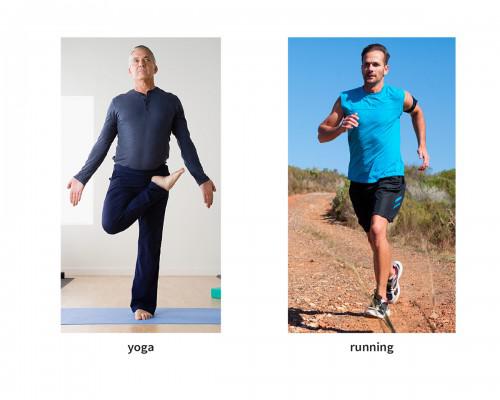
    yoga(noun)

    /ˈjəʊɡə/

    요가

    a system of exercises for the body and for controlling breathing, used to become fitter or to relax

    She practices yoga every morning.

    그녀는 매일 아침 요가를 한다.

    유의어meditationexercisemindfulnessrelaxation
    반의어stresstensionagitation
  69. 69

    nervous system(noun)

    /ˈnɜːrvəs ˈsɪstəm/

    신경계

    the system of all the nerves in the body that carries messages between the brain and the rest of the body

    The nervous system controls bodily functions.

    신경계는 신체 기능을 제어합니다.

    유의어neural networkneurological system
    반의어none
  70. 70

    cholesterol(noun)

    /kəˈlestərɔːl/

    콜레스테롤

    a fatty substance found in most tissues of the body. Too much cholesterol in the blood is linked to a higher risk of heart disease.

    High cholesterol can lead to heart disease.

    높은 콜레스테롤은 심장병으로 이어질 수 있습니다.

    유의어blood lipidsserum cholesterol
    반의어None (cholesterol itself doesn't have a direct antonymbut healthy habits that lower cholesterol could be considered the opposite)
  71. 71

    heart rate(noun)

    /hɑːrt reɪt/

    심박수, 맥박수

    the number of times the heart beats per minute

    A normal resting heart rate for adults is 60 to 100 beats per minute.

    성인의 정상 안정 시 심박수는 분당 60~100회이다.

    The monitor showed a heart rate of 130.

    유의어pulse ratecardiac frequency
    반의어N/A
  72. 72

    wellness(noun)

    /ˈwelnəs/

    건강

    the state of being healthy, especially when you actively try to achieve this

    The company promotes employee wellness through various programs.

    회사는 다양한 프로그램을 통해 직원들의 건강을 증진합니다.

    유의어well-beinghealthfitnesswholeness
    반의어illnesssicknessdiseaseunhealthiness
  73. 73

    anemia(noun)

    /əˈniːmiə/

    빈혈

    a condition in which the blood has too few red blood cells or too little hemoglobin, causing tiredness and pale skin

    Iron deficiency is the most common cause of anemia.

    철 결핍은 빈혈의 가장 흔한 원인이다.

    Her pale skin and constant fatigue suggested anemia to the doctor.

    유의어blood deficiencyiron deficiencylack of red blood cells
    반의어plethoraoverabundance of red blood cells
  74. 74

    acupuncture(noun)

    /ˈækjupʌŋktʃər/

    침술, 침 치료

    a treatment in which thin needles are inserted into specific points on the body to relieve pain and treat illness

    Acupuncture is widely used for chronic back pain.

    침술은 만성 요통에 널리 사용된다.

    She had six sessions of acupuncture for migraine.

    유의어needle therapyacupressure
    반의어surgerymedication
  75. 75

    alternative medicine(noun)

    /ɔːlˈtɜːrnətɪv ˈmedɪsn/

    대체 의학

    any type of treatment that does not use the usual scientific methods of Western medicine, for example one using plants instead of artificial drugs

    Many people are now exploring alternative medicine.

    많은 사람들이 현재 대체 의학을 탐구하고 있습니다.

    유의어complementary medicineholistic medicineunconventional medicine
    반의어conventional medicinetraditional medicineallopathic medicine
  76. 76

    chiropractic(noun)

    /ˌkaɪərəʊˈpræktɪk/

    카이로프랙틱

    the medical profession that involves treating some diseases and physical problems by pressing and moving the bones in a person’s spine or joints ; the work of a chiropractor

    She sought chiropractic treatment for her back pain.

    그녀는 허리 통증으로 카이로프랙틱 치료를 받았습니다.

    유의어spinal manipulationmanual therapy
    반의어pharmacologysurgery
  77. 77

    chiropractor(noun)

    /ˈkaɪərəʊpræktər/

    카이로프랙터

    a person whose job involves treating some diseases and physical problems by pressing and moving the bones in a person’s spine or joints

    I visited a chiropractor for my back pain.

    허리 통증 때문에 카이로프랙터를 방문했습니다.

    유의어spinal therapistbone setter
    반의어surgeongeneral practitioner
  78. 78

    ultrasound(noun)

    /ˈʌltrəsaʊnd/

    초음파, 초음파 검사

    sound waves too high for humans to hear, or a scan that uses them to create images of the inside of the body

    An ultrasound of the abdomen showed several gallstones.

    복부 초음파 검사에서 여러 개의 담석이 발견되었다.

    Ultrasound is safe in pregnancy because it uses no radiation.

    유의어sonogramechography
  79. 79

    mental health(noun)

    /ˈmentl helθ/

    정신 건강

    the state of health of somebody's mind

    Taking care of your mental health is very important.

    정신 건강을 돌보는 것은 매우 중요합니다.

    유의어emotional well-beingpsychological healthmental wellness
    반의어mental illnesspsychological distress
  80. 80

    mindfulness(noun)

    /ˈmaɪndflnəs/

    마음챙김, 명상

    a mental state or practice of calmly focusing on the present moment and accepting your thoughts, feelings and bodily sensations, often used to reduce stress

    Practicing mindfulness can reduce stress.

    마음챙김을 실천하면 스트레스를 줄일 수 있다.

    유의어awarenesspresenceattentionconsciousness
    반의어mindlessnessnegligencedisregard
  81. 81

    Qualifications(noun)

    /ˌkwɑː.lə.fɪˈkeɪ.ʃənz/

    자격

    The exams you have passed, courses you have completed, or skills you have that make you suitable for a job.

    Her qualifications made her a strong candidate for the job.

    그녀의 자격은 그녀를 그 직업에 대한 강력한 후보로 만들었습니다.

    유의어credentialsexperienceskillsabilitiescompetencies
    반의어disqualificationinabilityincapacity
  82. 82

    Remote team(noun)

    /rɪˈmoʊt tim/

    원격 팀

    A group of people who work together but from different places, usually communicating online.

    Our remote team collaborates effectively using online tools.

    우리 원격 팀은 온라인 도구를 사용하여 효과적으로 협업합니다.

    유의어Virtual teamDistributed teamTelecommuting team
    반의어In-office teamCo-located team
  83. 83

    remote work(noun)

    /rɪˈmoʊt wɜːrk/

    원격근무, 재택근무

    working away from the office, usually from home, using a computer and the internet

    Our remote work policy allows two days a week at home.

    우리 회사의 원격근무 정책은 주 2일 재택근무를 허용한다.

    Remote work has made it easier to hire people from other provinces.

    유의어TelecommutingWorking from homeDistributed work
    반의어In-office workOn-site work
  84. 84

    Retirement plan(noun)

    /rɪˈtaɪər.mənt plæn/

    퇴직 계획

    An arrangement in which money is saved regularly, often with an employer, to provide an income after you stop working.

    I started a retirement plan when I got my first job.

    첫 직장을 얻었을 때 퇴직 계획을 시작했습니다.

    유의어pension plansavings plan401kIRA
    반의어debtfinancial burden
  85. 85

    Severance package(noun)

    /ˈsɛvərəns ˈpækɪdʒ/

    퇴직금 패키지

    The money and benefits that a company gives to an employee whose job has been ended.

    The company offered him a generous severance package.

    회사는 그에게 후한 퇴직금 패키지를 제공했습니다.

    유의어separation packageredundancy package
    반의어employment contracthiring bonus
  86. 86

    Balanced diet(noun)

    /ˈbælənst ˈdaɪət/

    균형 잡힌 식단

    A diet that contains the right amounts of all the different types of food needed for good health.

    A balanced diet is essential for good health.

    균형 잡힌 식단은 건강에 필수적입니다.

    유의어nutritious diethealthy eatingwell-rounded diet
    반의어unhealthy dietpoor dietimbalanced diet
  87. 87

    Blood sugar(noun)

    /blʌd ˈʃʊɡər/

    혈당

    The amount of glucose (sugar) in a person's blood.

    High blood sugar can be dangerous.

    높은 혈당은 위험할 수 있습니다.

    유의어Glucose levelBlood glucoseGlycemia
    반의어Hypoglycemia
  88. 88

    Bones(noun)

    /boʊnz/

    뼈

    The hard parts that form the skeleton of the body of a human or an animal.

    Calcium and regular exercise help keep your bones strong and healthy.

    칼슘과 규칙적인 운동은 뼈를 튼튼하고 건강하게 유지하는 데 도움이 된다.

    유의어SkeletonFrameworkStructure
    반의어CartilageSoft tissue
  89. 89

    Cardiovascular exercise(noun)

    /ˌkɑrdioʊˈvæskjələr ˈɛksərsaɪz/

    심혈관 운동

    Physical exercise, such as running or swimming, that makes the heart and lungs work harder.

    Cardiovascular exercise is important for heart health.

    심혈관 운동은 심장 건강에 중요합니다.

    유의어CardioAerobic exerciseEndurance exercise
    반의어Anaerobic exerciseStrength trainingWeightlifting
  90. 90

    CT scan (Computed Tomography)(noun)

    /siːˈtiː skæn/

    CT 스캔

    A medical examination that uses a computer and X-rays to produce detailed images of the inside of the body.

    The doctor ordered a CT scan to investigate the cause of her abdominal pain.

    의사는 그녀의 복통 원인을 조사하기 위해 CT 스캔을 지시했습니다.

    유의어CAT scancomputerized axial tomography
    반의어X-rayMRI
  91. 91

    Emotional well-being(noun)

    /ɪˈmoʊʃənl wɛlˈbiːɪŋ/

    정서적 웰빙

    The state of feeling happy, calm and able to cope with your emotions.

    Taking care of your emotional well-being is important for overall health.

    정서적 웰빙을 돌보는 것은 전반적인 건강에 중요합니다.

    유의어Mental healthPsychological well-beingEmotional healthInner peaceContentment
    반의어Emotional distressMental illnessUnhappiness
  92. 92

    first aid(noun)

    /fɜːrst eɪd/

    응급처치, 응급 처치

    simple emergency treatment given to an injured or sick person before professional medical help arrives

    She gave first aid to the injured driver until the ambulance arrived.

    그녀는 구급차가 도착할 때까지 부상을 입은 운전자에게 응급처치를 했다.

    Every workplace should have a fully stocked first aid kit.

    유의어Emergency treatmentImmediate careMedical assistance
    반의어NeglectDisregardAbandonment
  93. 93

    health insurance(noun)

    /hɛlθ ɪnˈʃʊrəns/

    건강보험, 의료보험

    insurance that pays for medical treatment; in Vietnam a compulsory scheme paid by employers and employees

    The company pays 3 per cent of salary for employees' health insurance.

    회사는 직원의 건강보험료로 급여의 3퍼센트를 부담한다.

    New staff receive their health insurance card within a month.

    유의어Medical coverageMedical insurance
    반의어UninsuredNo coverage
  94. 94

    Health screening(noun)

    /hɛlθ ˈskrinɪŋ/

    건강 검진

    A medical test or examination to find out whether a person has a disease before symptoms appear.

    I scheduled a health screening to check for any potential health problems.

    잠재적인 건강 문제를 확인하기 위해 건강 검진을 예약했습니다.

    유의어Medical check-upHealth checkPreventive screeningMedical examination
    반의어NeglectIgnoring symptoms
  95. 95

    Healthy eating(noun)

    /ˈhɛlθi ˈiːtɪŋ/

    건강한 식사

    The practice of eating food that is good for your health, in the right amounts.

    Healthy eating is essential for a long and fulfilling life.

    건강한 식습관은 길고 만족스러운 삶에 필수적입니다.

    유의어Nutritious dietWholesome eatingBalanced diet
    반의어Unhealthy eatingJunk food dietPoor diet
  96. 96

    Healthy lifestyle(noun)

    /ˈhɛlθi ˈlaɪfstaɪl/

    건강한 생활 방식

    A way of living that helps you stay well, for example by eating good food and exercising.

    Eating well and exercising are part of a healthy lifestyle.

    잘 먹고 운동하는 것은 건강한 생활 방식의 일부입니다.

    유의어WellnessHealthy livingWell-being
    반의어Unhealthy lifestyleSedentary lifestyle
  97. 97

    herbal medicine(noun)

    /ˈhɜːrbəl ˈmɛdɪsən/

    한약, 약초요법, 생약

    the use of plants, and sometimes animal or mineral products, to prevent and treat illness; also a medicine made from them

    Herbal medicine is often combined with acupuncture.

    약초요법은 흔히 침술과 함께 사용된다.

    Tell your doctor about any herbal medicine you are taking.

    유의어Botanical medicinePhytomedicineHerbalism
    반의어Conventional medicineAllopathic medicinePharmaceutical medicine
  98. 98

    Herbal remedies

    /ˈhɜrbəl ˈrɛmɪdiz/

    약초 치료

    She uses herbal remedies to treat her allergies.

    그녀는 알레르기를 치료하기 위해 약초 치료를 사용합니다.

    유의어phytomedicinebotanical medicine
    반의어conventional medicinepharmaceuticals
  99. 99

    High blood pressure(noun)

    /haɪ blʌd ˈprɛʃər/

    고혈압

    A medical condition in which the pressure of the blood in the arteries is higher than normal.

    High blood pressure can lead to serious health problems.

    고혈압은 심각한 건강 문제를 일으킬 수 있습니다.

    유의어HypertensionElevated blood pressure
    반의어Low blood pressureHypotension
  100. 100

    Immune system(noun)

    /ɪˈmjun ˈsɪstəm/

    면역 체계

    The system of cells and tissues in the body that protects it against infection and disease.

    A healthy immune system protects the body from infections.

    건강한 면역 체계는 감염으로부터 몸을 보호합니다.

    유의어Body defenseResistanceProtection
    반의어VulnerabilitySusceptibilityWeakness
  101. 101

    Joints(noun)

    /dʒɔɪnts/

    관절

    Places in the body where two bones are connected, such as the knee or elbow.

    His joints ached from the cold.

    추위 때문에 그의 관절이 쑤셨다.

    유의어articulationshingesconnections
    반의어rigidityimmobility
  102. 102

    Kidneys(noun)

    /ˈkɪdniːz/

    신장

    The two organs in the body that remove waste from the blood and produce urine.

    The kidneys filter waste from the blood.

    신장은 혈액에서 노폐물을 걸러냅니다.

    유의어Renal organs
    반의어None
  103. 103

    Lungs(noun)

    /lʌŋz/

    폐

    The two organs inside the chest that fill with air when you breathe.

    The doctor listened to my lungs.

    의사가 내 폐를 들었습니다.

    유의어Respiratory organ
  104. 104

    Minerals(noun)

    /ˈmɪnərəlz/

    미네랄

    Natural substances such as iron or calcium that are present in food and needed for good health.

    Our bodies need minerals to function properly.

    우리 몸은 제대로 기능하기 위해 미네랄이 필요합니다.

    유의어elementsnutrientsinorganics
    반의어organicssynthetics
  105. 105

    MRI (Magnetic Resonance Imaging)(noun)

    /ˌɛmˌɑːraɪˈaɪ/

    MRI

    A medical method that uses magnetic fields and radio waves to produce images of the inside of the body.

    The doctor ordered an MRI to examine my knee.

    의사는 내 무릎을 검사하기 위해 MRI를 지시했습니다.

    유의어magnetic resonance imagingnuclear magnetic resonance imaging
    반의어X-rayCT scanUltrasound
  106. 106

    Muscles(noun)

    /ˈmʌsəlz/

    근육

    Pieces of body tissue that can tighten and relax to produce movement.

    He developed his muscles by lifting weights.

    그는 역기를 들어 근육을 키웠다.

    유의어BrawnStrengthPhysiqueBulk
    반의어WeaknessAtrophy
  107. 107

    Nutrients(noun)

    /ˈnutriənts/

    영양소

    Substances in food that people, animals and plants need to live and grow.

    Our bodies need nutrients to stay healthy.

    우리 몸은 건강을 유지하기 위해 영양소가 필요합니다.

    유의어NutritionVitaminsMineralsProvisions
    반의어ToxinsWasteImpurities
  108. 108

    Nutritional supplements(noun)

    /njuˈtrɪʃənəl ˈsʌpləmənts/

    영양 보충제

    Pills, powders or drinks taken in addition to normal food to provide extra vitamins or nutrients.

    She takes nutritional supplements to improve her health.

    그녀는 건강을 개선하기 위해 영양 보충제를 섭취합니다.

    유의어vitaminsmineralsdietary supplements
    반의어whole foodsunprocessed foods
  109. 109

    Pain reliever(noun)

    /peɪn rɪˈliːvər/

    진통제

    A drug that reduces or stops physical pain.

    I took a pain reliever for my headache.

    두통 때문에 진통제를 먹었어요.

    유의어analgesicpainkiller
    반의어pain inducer
  110. 110

    Physical activity(noun)

    /ˈfɪzɪkəl ækˈtɪvɪti/

    신체 활동

    Movement of the body that uses energy, such as walking, sport or exercise.

    Regular physical activity can improve your health.

    규칙적인 신체 활동은 건강을 개선할 수 있습니다.

    유의어ExerciseMovementFitnessWorkout
    반의어InactivitySedentary lifestyle
  111. 111

    Physical health(noun)

    /ˈfɪzɪkəl hɛlθ/

    신체 건강

    The condition of a person's body and how well it is working.

    Maintaining good physical health is important for overall well-being.

    좋은 신체 건강을 유지하는 것은 전반적인 웰빙에 중요합니다.

    유의어Bodily healthPhysical fitnessCorporeal health
    반의어Mental illnessPoor health
  112. 112

    Physical therapy(noun)

    /ˈfɪzɪkəl ˈθɛrəpi/

    물리 치료

    Treatment of injury or disease using exercises, massage and heat instead of drugs or surgery.

    She is undergoing physical therapy to recover from her knee surgery.

    그녀는 무릎 수술에서 회복하기 위해 물리 치료를 받고 있습니다.

    유의어rehabilitationphysiotherapy
    반의어immobilityinactivity
  113. 113

    Pilates(noun)

    /pɪˈlɑːtiz/

    필라테스

    a system of physical exercises that improve strength, flexibility and posture, often done on a mat or using special equipment.

    She practices Pilates to improve her core strength.

    그녀는 코어 근력을 강화하기 위해 필라테스를 연습합니다.

    유의어exerciseworkoutcore training
    반의어inactivitysedentariness
  114. 114

    Preventive care(noun)

    /prɪˈvɛntɪv kɛr/

    예방 치료

    medical care that aims to stop illnesses from developing, for example check-ups, screening and vaccinations.

    Preventive care helps maintain good health.

    예방 치료는 건강 유지에 도움이 됩니다.

    유의어Preventive medicineProphylactic care
    반의어Reactive careCurative care
  115. 115

    Rehabilitation center(noun)

    /ˌriːhəˌbɪlɪˈteɪʃən ˈsɛntər/

    재활 센터

    a place where people receive treatment to help them recover from an illness, injury or addiction.

    The rehabilitation center helped him recover from his injury.

    재활 센터는 그가 부상에서 회복하는 데 도움을 주었습니다.

    유의어rehab facilityrecovery centertreatment center
    반의어acute care hospitalhospice
  116. 116

    respiratory rate(noun)

    /rɪˈspɪrəˌtɔːri reɪt/

    호흡수, 호흡 횟수

    the number of breaths a person takes per minute

    A respiratory rate above 30 in an adult is a warning sign.

    성인의 호흡수가 30회를 넘으면 위험 신호이다.

    Count the respiratory rate for a full minute.

    유의어breathing rateventilation rate
  117. 117

    Respiratory system(noun)

    /rɪˈspɪrəˌtɔːri ˈsɪstəm/

    호흡기 계통

    the organs of the body, such as the lungs and airways, that are used for breathing.

    The respiratory system is responsible for taking in oxygen and expelling carbon dioxide.

    호흡기 계통은 산소를 들이마시고 이산화탄소를 배출하는 역할을 담당합니다.

    유의어Pulmonary systemBreathing apparatusVentilatory system
    반의어None
  118. 118

    speech therapy(noun)

    /spiːʧ ˈθɛrəpi/

    언어치료, 언어재활

    treatment that helps people improve their speech, language, voice, communication and swallowing

    After the stroke, he had speech therapy three times a week.

    뇌졸중 이후 그는 주 3회 언어치료를 받았다.

    Speech therapy helped the child pronounce difficult sounds more clearly.

    유의어language therapycommunication therapy
    반의어N/A
  119. 119

    Strength training(noun)

    /strɛŋθ ˈtreɪnɪŋ/

    근력 운동

    physical exercise using weights or resistance to make the muscles stronger.

    Strength training can improve your overall health.

    근력 운동은 전반적인 건강을 향상시킬 수 있습니다.

    유의어Weight trainingResistance training
    반의어Endurance trainingCardio
  120. 120

    Stress management(noun)

    /strɛs ˈmænɪʤmənt/

    스트레스 관리

    methods of controlling and reducing stress in order to improve health and well-being.

    Stress management techniques can improve overall well-being.

    스트레스 관리 기술은 전반적인 웰빙을 향상시킬 수 있습니다.

    유의어Stress reductionCoping strategiesRelaxation techniques
    반의어Stress amplificationCrisis escalationWorry increase
  121. 121

    Superfood

    /ˈsupərˌfuːd/

    슈퍼푸드

    Kale is often considered a superfood because of its high nutrient content.

    케일은 높은 영양 성분 때문에 종종 슈퍼푸드로 여겨집니다.

    유의어Nutrient-rich foodHealth foodPower food
    반의어Junk foodEmpty calories
  122. 122

    Symptoms(noun)

    /ˈsɪmptəmz/

    증상

    changes in the body or mind that show that a person has an illness.

    The patient reported several symptoms, including fever and cough.

    환자는 발열과 기침을 포함한 여러 증상을 보고했습니다.

    유의어IndicationsSignsManifestations
    반의어HealthWell-being
  123. 123

    Vitamins(noun)

    /ˈvaɪtəmɪnz/

    비타민

    natural substances found in food that are needed in small amounts for good health, also taken as pills.

    It's important to take your vitamins every day.

    매일 비타민을 섭취하는 것이 중요합니다.

    유의어nutrientsupplementmicronutrient
    반의어toxinpoison
  124. 124

    Weight gain(noun)

    /weɪt geɪn/

    체중 증가

    an increase in how heavy a person’s body is.

    I experienced weight gain after starting the new medication.

    새로운 약을 복용하기 시작한 후 체중이 증가했습니다.

    유의어Putting on weightGaining weightMass increase
    반의어Weight lossLosing weight
  125. 125

    weight loss(noun)

    /weɪt lɔs/

    체중 감소, 체중감소

    a decrease in body weight; when it happens without trying, it may be a sign of serious disease

    Unexplained weight loss of five kilograms needs further investigation.

    원인 불명의 5kg 체중 감소는 추가 검사가 필요하다.

    He noticed significant weight loss despite eating normally every day.

    유의어SlimmingLosing weightWeight reduction
    반의어Weight gainGaining weight
  126. 126

    Wellness program(noun)

    /ˈwɛlnəs ˈproʊˌgræm/

    웰빙 프로그램

    a set of activities, often offered by an employer, that helps people improve their health and lifestyle.

    Our company offers a comprehensive wellness program to all employees.

    저희 회사는 모든 직원에게 포괄적인 웰빙 프로그램을 제공합니다.

    유의어Health programWell-being initiativeEmployee assistance program
    반의어Illness promotionHealth neglect

  127. 127

    rest(noun)

    /rest/

    휴식, 쉼

    a period of relaxing, sleeping or doing nothing after a period of activity

    Try to get some rest. You have a busy day tomorrow.

    좀 쉬도록 해. 내일 바쁜 하루가 될 테니까.

  128. 128

    flexibility(noun)

    /ˌfleksəˈbɪləti/

    유연성

    the ability of your body to bend and stretch easily

    Doing yoga every day can improve your flexibility and balance.

    매일 요가를 하면 유연성과 균형 감각을 기를 수 있다.