コンテンツへスキップ

レッスン4/33 · 128語 · 覚えた単語 0

Health

健康

  1. 1

    balance(noun)

    /ˈbæləns/

    バランス, 均衡

    a situation in which different things exist in equal, correct or good amounts

    It is important to keep a good balance between work and rest.

    仕事と休息のバランスをうまく保つことが大切だ。

    類義語equilibriumstabilityharmonycounterpoiseoffsetadjustequalizecorrect
    対義語imbalancedisequilibriumdestabilizeupsetunbalance
  2. 2

    exercise(noun)

    /ˈeksərsaɪz/

    運動, 体操, 訓練

    physical or mental activity that you do to stay healthy or become stronger

    Doctors say we should do at least thirty minutes of exercise every day.

    医者は、私たちは毎日少なくとも30分は運動するべきだと言っている。

    類義語workoutphysical activityexertiontrainingdrill
    対義語restinactivitysedentaryrelaxation
  3. 3

    emergency(noun)

    /ɪˈmɜːrdʒənsi/

    緊急事態, 救急, 救急疾患

    a sudden, serious situation, such as an injury or illness, that needs immediate action

    Severe chest pain should always be treated as a medical emergency.

    激しい胸の痛みは、常に医学的緊急事態として扱うべきです。

    In an emergency, call 115 for an ambulance.

    類義語crisisurgencyexigencypredicamentdisaster
    対義語calmpeacenormalityroutine
  4. 4

    stroke(noun)

    /strəʊk/

    脳卒中, 発作

    a sudden serious illness when a blood vessel in the brain bursts or is blocked

    My grandfather had a stroke and could not speak for weeks.

    祖父は脳卒中を起こし、何週間も話すことができなかった。

    類義語caresspetfondlebrushrub
    対義語hitslapstrikepunchshove
  5. 5

    weight(noun)

    /weɪt/

    体重 (taijuu)

    how heavy somebody/something is, which can be measured in, for example, kilograms or pounds

    His weight is about 46 kilos.

    彼の体重は約46キロです。

    Sam has a weight problem (= is too fat).

    類義語heftmassloadburdenimportanceinfluence
    対義語lightnessweightlessnessinsignificanceunimportance
  6. 6

    stress(noun)

    /stres/

    ストレス

    pressure or worry caused by the problems in somebody’s life

    Many students suffer from stress before their final exams.

    多くの学生が期末試験の前にストレスに悩まされる。

    類義語pressurestraintensionanxietyworryburdendistress
    対義語relaxationreliefcalmpeacecomfortease
  7. 7

    health(noun)

    /helθ/

    健康 (kenko)

    the condition of a person’s body or mind

    Exhaust fumes are bad for your health.

    排気ガスは健康に悪いです。(Haiki gasu wa kenko ni warui desu.)

    類義語well-beingfitnessconditionshapehalenessvigor
    対義語illnesssicknessdiseaseinfirmityunhealthiness
  8. 8

    hospital(noun)

    /ˈhɑːspɪtl/

    病院 (byouin)

    a large building where people who are ill or injured are given medical treatment and care

    He had to go to the hospital for treatment.

    彼は治療のために病院に行かなければならなかった。(Kare wa chiryou no tame ni byouin ni ikanakereba naranakatta.)

    類義語infirmaryclinicmedical centersanatoriumhospice
    対義語homeofficeworkplace
  9. 9

    infection(noun)

    /ɪnˈfekʃn/

    感染症, 感染

    an illness caused by bacteria, viruses or other germs entering and growing in the body

    The wound shows signs of infection, such as redness and pus.

    傷口に赤みや膿など、感染の兆候が見られます。

    Most respiratory infections in children are caused by viruses.

    類義語contaminationsepsisdiseaseailmentvirusgermpathogen
    対義語sterilityasepsiscleanlinessimmunityhealth
  10. 10

    cancer(noun)

    /ˈkænsər/

    がん, 悪性腫瘍

    a disease in which abnormal cells grow out of control and can spread to other parts of the body

    Liver cancer is one of the most common cancers in Vietnam.

    肝がんはベトナムで最も多いがんの一つです。

    Early detection greatly improves the chance of curing cancer.

    類義語malignancytumorneoplasm
    対義語healthwellnesswell-being
  11. 11

    sleep(verb)

    /sliːp/

    眠る, 寝る

    to rest with your eyes closed and your mind and body not active

    Most adults need to sleep for about eight hours a night.

    たいていの大人は一晩に8時間ほど眠る必要があります。

    類義語dozenaprestslumberrepose
    対義語wakeawakeconsciousnesswakefulness
  12. 12

    wound(noun)

    /wuːnd/

    傷 (kizu)

    an injury to part of the body, especially one in which a hole is made in the skin using a weapon

    A nurse cleaned and bandaged the wound for me.

    看護師が私のために傷を洗い、包帯を巻いてくれました。

    She felt the warmth of his arms around her.

    類義語injurycutlacerationbruiselesiontrauma
    対義語curehealinghealthrecovery
  13. 13

    bandage(noun)

    /ˈbændɪdʒ/

    包帯 (hōtai)

    a long narrow piece of cloth used for tying around a part of the body that has been hurt in order to protect or support it

    He has a bandage on his head.

    彼は頭に包帯をしている。(Kare wa atama ni hōtai o shite iru.)

    His injured leg was all bandaged up.

    類義語dressingplastercompresscoveringwrap
    対義語uncoverexposewoundinjury
  14. 14

    fever(noun)

    /ˈfiːvər/

    発熱, 熱

    a body temperature higher than normal, usually above 38 degrees Celsius, often caused by infection

    The child has had a high fever for three days.

    その子は3日間高熱が続いている。

    Paracetamol was given to bring down the fever.

    類義語pyrexiahigh temperaturetemperatureheat
    対義語hypothermiaafebrile
  15. 15

    doctor(noun)

    /ˈdɑːktər/

    医者 (isha)

    a person who has been trained in medical science, whose job is to treat people who are ill or injured

    I am a doctor.

    私は医者です (Watashi wa isha desu).

    Doctor Staples (= as a title/form of address)

    類義語physicianmedical practitionerclinician
    対義語patient
  16. 16

    nurse(noun)

    /nɜːrs/

    看護師 (kangoshi)

    a person whose job is to take care of sick or injured people, usually in a hospital

    My father is a doctor and my mother is a nurse.

    私の父は医者で、母は看護師です。

    a dental nurse (= one who helps a dentist)

    類義語registered nurseRNnursing sisterhealthcare professionalmedic
    対義語patientlaymannonprofessional
  17. 17

    injury(noun)

    /ˈɪndʒəri/

    負傷

    harm done to a person’s or an animal’s body, for example in an accident

    to sustain injuries/an injury

    怪我をする

    a head injury

    類義語woundtraumadamageharmhurtailment
    対義語healingrecoveryhealthwellness
  18. 18

    disease(noun)

    /dɪˈziːz/

    病気 (byouki)

    an illness affecting humans, animals or plants, often caused by infection

    A fatty diet increases the risk of heart disease.

    脂肪分の多い食事は心臓病のリスクを高めます。(shiboubun no ooi shokuji wa shinzoubyou no risuku o takamemasu)

    類義語illnessailmentsicknessmaladycondition
    対義語healthwellnessfitness
  19. 19

    anxiety(noun)

    /æŋˈzaɪəti/

    不安 (fuan)

    the state of feeling nervous or worried that something bad is going to happen

    According to some articles, eating chocolate can reduce anxiety.

    いくつかの記事によると、チョコレートを食べると不安を軽減できるそうです。

    Waiting for exam results is a time of great anxiety.

    類義語worryapprehensionuneasenervousnessconcernstressdread
    対義語calmpeacetranquilityserenitycomposureassurance
  20. 20

    treatment(noun)

    /ˈtriːtmənt/

    治療

    something that is done to cure an illness or injury, or to make somebody look and feel good

    The little boy has responded well to treatment.

    その小さな男の子は治療によく反応しました。

    He is receiving treatment for shock.

    類義語therapycureremedycaremanagementhealingmedicationintervention
    対義語neglectdisregardharminjuryaggravationworsening
  21. 21

    headache(noun)

    /ˈhedeɪk/

    頭痛

    pain in any part of the head, ranging from mild to severe

    A sudden, severe headache always needs urgent assessment in hospital.

    突然の激しい頭痛は、必ず病院での緊急の評価が必要である。

    She has had a throbbing headache since yesterday.

    類義語cephalalgiamigrainehead pain
    対義語reliefcurerecoverywellness
  22. 22

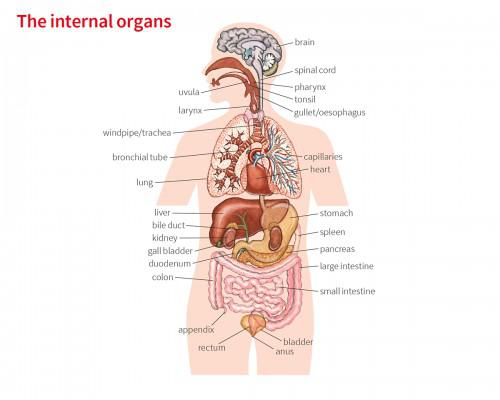
    heart(noun)

    /hɑːrt/

    心臓

    the organ in the chest that sends blood around the body, usually on the left in humans

    Your heart beats faster when you run or exercise.

    走ったり運動したりすると、心臓の鼓動が速くなります。

    類義語corecenteressencespiritsoul
    対義語exterioroutsidesurfaceapathycallousness
  23. 23

    blood pressure(noun)

    /ˈblʌd preʃər/

    血圧

    the force of blood against the walls of the arteries, written as two numbers, such as 120/80

    Her blood pressure was 150 over 95 this morning.

    彼女の今朝の血圧は150/95でした。

    Measure blood pressure after the patient has rested for five minutes.

    類義語Arterial pressureBP
    対義語Hypotension (low blood pressure)
  24. 24

    insomnia(noun)

    /ɪnˈsɑːmniə/

    不眠症

    the condition of being unable to sleep

    She has suffered from insomnia since she started her stressful new job.

    彼女は新しい仕事でストレスを抱えるようになってから、不眠症に悩まされている。

    類義語sleeplessnesswakefulnessrestlessness
    対義語sleepsound sleepslumber
  25. 25

    obesity(noun)

    /əʊˈbiːsəti/

    肥満, 肥満症

    a condition of having too much body fat, which harms health; it is often defined by a high BMI

    Obesity increases the risk of diabetes, hypertension and joint problems.

    肥満は、糖尿病、高血圧、関節の問題のリスクを高めます。

    The clinic offers diet advice for children with obesity.

    類義語corpulenceexcess weightfattinessplumpnessoverweight
    対義語thinnessleannessunderweightskinniness
  26. 26

    allergy(noun)

    /ˈælərdʒi/

    アレルギー

    a medical condition that causes you to react badly or feel ill when you eat or touch a particular substance

    She has a food allergy to shrimp.

    彼女はエビに対する食物アレルギーがある。

    類義語sensitivityhypersensitivityreactionintolerance
    対義語immunityresistancetolerance
  27. 27

    pharmacy(noun)

    /ˈfɑːrməsi/

    薬局, 調剤薬局

    a shop, or part of one, that sells medicines and drugs

    I bought some cough medicine at the pharmacy near my house.

    家の近くの薬局で咳止め薬を買いました。

    類義語drugstorechemist'sapothecarydrugstorepharmaceutical science
    対義語none (in a direct sense - antonyms would relate to non-medical fields or practices)
  28. 28

    antibiotics(noun)

    /ˌæntibaɪˈɑːtɪk/

    抗生物質 (kouseibusshitsu)

    a substance, for example penicillin , that can destroy or prevent the growth of bacteria and cure infections

    I'm taking antibiotics for a throat infection.

    私は喉の感染症のために抗生物質を飲んでいます。

    類義語antimicrobialantibacterialgermicide
    対義語probiotictoxin
  29. 29

    prescription(noun)

    /prɪˈskrɪpʃn/

    処方箋, 処方せん

    a written or electronic order from a doctor allowing a patient to receive a particular medicine

    Antibiotics can only be sold with a prescription.

    抗生物質は処方箋がなければ販売できません。

    The pharmacist checked the prescription carefully for dosing errors.

    類義語orderdirectioninstructionformulamedication order
    対義語over-the-counter (medication)
  30. 30

    depression(noun)

    /dɪˈpreʃn/

    鬱病 (utsubyou)

    a medical condition in which a person feels very sad and anxious and often has physical symptoms such as being unable to sleep, etc.

    Do you know what often causes depression?

    うつ病の一般的な原因を知っていますか? (Utsubyou no ippanteki na gen'in o shitteimasu ka?)

    類義語sadnessdespairmelancholygloomdespondency
    対義語happinessjoyelationcontentmentcheerfulness
  31. 31

    prevention(noun)

    /prɪˈvenʃn/

    予防 (yobou)

    the act of stopping something bad from happening

    crime prevention

    犯罪予防 (hanzai yobou)

    類義語deterrenceforestallingprecautionavoidancepreclusionprotection
    対義語allowancepermissionpromotioncauseinitiation
  32. 32

    therapy(noun)

    /ˈθerəpi/

    療法 (ryouhou)

    the treatment of a physical problem or an illness

    We can apply herbal therapy to treat her disease.

    私たちは彼女の病気を治療するためにハーブ療法を適用することができます。(Watashitachi wa kanojo no byouki o chiryou suru tame ni haabu ryouhou o tekiyou suru koto ga dekimasu.)

    類義語treatmentremedycurehealinginterventioncare
    対義語diseaseillnessharmneglectinjuryworsening
  33. 33

    diabetes(noun)

    /ˌdaɪəˈbiːtiːz/

    糖尿病

    a chronic disease in which blood sugar is too high because the body cannot make or use insulin properly

    Type 2 diabetes is often linked to obesity and lack of exercise.

    2型糖尿病は、しばしば肥満や運動不足と関連しています。

    Patients with diabetes should check their feet every day.

    類義語sugar diseasehigh blood sugar
    対義語healthywell
  34. 34

    heart attack(noun)

    /ˈhɑːrt ətæk/

    心臓発作 (shinzou housa)

    a sudden serious medical condition in which the flow of blood to the heart is blocked, sometimes causing death

    He is prone to heart attack.

    彼は心臓発作を起こしやすい。

    類義語myocardial infarctioncardiac arrestcoronary occlusionheart failure
    対義語heart healthcardiac wellnesshealthy heart
  35. 35

    respiratory(adjective)

    /ˈrespərətɔːri/

    呼吸器の

    connected with breathing

    Living in the polluted environment can cause some respiratory diseases.

    汚染された環境に住むことは、呼吸器疾患を引き起こす可能性があります。

    類義語pulmonaryventilatorybreathing
    対義語non-respiratory
  36. 36

    well-being(noun)

    /ˈwel biːɪŋ/

    幸福

    general health and happiness

    As we get older, this facet of our lives becomes even more important to our well-being and our health.

    歳をとるにつれて、人生のこの側面は私たちの幸福と健康にとってさらに重要になります。

    類義語welfarehappinessprosperitycontentmentcomforteasehealthflourishing
    対義語distressunhappinessmiseryillnesshardshipsuffering
  37. 37

    aerobics(noun)

    /eˈrəʊbɪks/

    エアロビクス

    physical exercises intended to make the heart and lungs stronger, often done in classes, with music

    Lan is very good at aerobics.

    ランはエアロビクスがとても上手です。

    類義語cardioexercisephysical activityfitness training
    対義語sedentary lifestyleinactivitylack of exercise
  38. 38

    hygiene(noun)

    /ˈhaɪdʒiːn/

    衛生

    the practice of keeping yourself and your living and working areas clean in order to prevent illness and disease

    In the interests of hygiene, please wash your hands.

    衛生のため、手を洗ってください。

    類義語cleanlinesssanitationpuritywholesomenessasepsis
    対義語dirtinessfilthpollutioncontamination
  39. 39

    surgery(noun)

    /ˈsɜːrdʒəri/

    手術, 外科手術

    the treatment of disease or injury by cutting into the body to repair or remove parts

    He needs surgery to remove his gallbladder next week.

    彼は来週、胆嚢を摘出する手術を受ける必要があります。

    She is recovering well on the ward after heart surgery.

    類義語operationproceduresurgical procedure
    対義語medical treatmenttherapyconservative treatment
  40. 40

    medical check-up(noun)

    /ˈmedɪkl tʃek ʌp/

    健康診断 (kenko shindan)

    a thorough examination of your body by a doctor to check that you are healthy

    You had better go to hospital for a medical check-up.

    健康診断のために病院に行った方が良い。

    類義語physical examinationhealth screeningmedical examinationcheckup
    対義語none (in the sense of actively avoiding a check-up)neglect of health
  41. 41

    fitness(noun)

    /ˈfɪtnəs/

    フィットネス

    the state of being physically healthy and strong

    I took a fitness course last month.

    先月、フィットネスのコースを受講しました。

    類義語healthwellnessphysical conditionwell-beingshape
    対義語illnessweaknessfrailtyunhealthiness
  42. 42

    digestive(adjective)

    /daɪˈdʒestɪv/

    消化の

    connected with the digestion of food; helping the process of digestion

    The digestive process is quite complicated.

    消化のプロセスは非常に複雑です。

    類義語alimentarygastricnutritive
    対義語undigestive
  43. 43

    nutrition(noun)

    /nuˈtrɪʃn/

    栄養 (eiyō)

    the process by which living things receive the food necessary for them to grow and be healthy

    Adequate nutrition is essential to the proper physical development of children.

    適切な栄養は、子供の適切な身体発達に不可欠です。(Tekisetsu na eiyō wa, kodomo no tekisetsu na shintai hattatsu ni fukaketsu desu.)

    類義語nourishmentsustenancedietfoodalimentationfeed
    対義語starvationmalnutritiondeprivationfasting
  44. 44

    anesthesia(noun)

    ,ænis'θi:zjə

    麻酔 (masui)

    the use of drugs that make a person unable to feel pain, especially during a medical operation

    The patient was given anesthesia before the surgery.

    患者は手術の前に麻酔をかけられました。

    類義語numbnessinsensitivityanalgesia
    対義語sensationawarenessconsciousness
  45. 45

    asthma(noun)

    /ˈæzmə/

    喘息, 気管支喘息

    a chronic lung disease in which the airways become narrow and inflamed, causing wheezing and shortness of breath

    The boy was admitted with a severe asthma attack.

    その男の子は重い喘息発作で入院しました。

    Dust, smoke and cold air can trigger asthma in sensitive patients.

    類義語wheezingshortness of breathbronchial asthma
    対義語easy breathingclear airways
  46. 46

    blood test(noun)

    /ˈblʌd test/

    血液検査

    a test of a small amount of blood to check health, diagnose disease or monitor treatment

    You should not eat for eight hours before this blood test.

    この血液検査の前8時間は、食事をしないでください。

    The blood test showed a high white cell count.

    類義語blood analysisblood screenblood work
  47. 47

    cardiovascular(adjective)

    /ˌkɑːrdiəʊˈvæskjələr/

    心血管

    relating to the heart and the blood vessels (= the tubes that carry blood around the body)

    Regular exercise is important for cardiovascular health.

    定期的な運動は心血管の健康に重要です。

    類義語circulatoryvascular
    対義語unrelated to circulationnon-vascular
  48. 48

    circulatory system(noun)

    循環器系 (junkan-ki kei)

    the system of the heart and blood vessels that moves blood around the body

    The circulatory system is responsible for transporting blood throughout the body.

    循環器系は、全身に血液を運ぶ役割を担っています。

    類義語vascular system
  49. 49

    cleanliness(noun)

    /ˈklenlinəs/

    清潔さ (seiketsu-sa)

    the state of being clean or the habit of keeping things clean

    The cleanliness of the kitchen is very important.

    キッチンの清潔さは非常に重要です。(Kitchin no seiketsu-sa wa hijō ni jūyō desu.)

    類義語hygienesanitationpuritytidinessimmaculateness
    対義語dirtinessfilthsqualoruncleannessgrime
  50. 50

    dehydration(noun)

    /ˌdiːhaɪˈdreɪʃn/

    脱水, 脱水症

    a condition in which the body has lost too much water

    Dry mouth and dark urine can be signs of dehydration.

    口の渇きや濃い色の尿は脱水の兆候であることがある。

    Older patients are at risk of dehydration if drinks are out of reach.

    類義語desiccationwater loss
    対義語hydrationoverhydration
  51. 51

    detoxification(noun)

    /diːˌtɑːksɪfɪˈkeɪʃn/

    解毒

    treatment given to people to help them stop drinking alcohol or taking drugs

    The detoxification program helped him recover from addiction.

    解毒プログラムは、彼が中毒から回復するのを助けました。

    類義語cleansingpurificationdetox
    対義語contaminationpollutionintoxication
  52. 52

    diagnosis(noun)

    /ˌdaɪəɡˈnəʊsɪs/

    診断

    the identification of a disease or condition from its symptoms, examination and test results

    The diagnosis of pneumonia was confirmed by chest X-ray.

    肺炎の診断は胸部X線検査で確定した。

    Early diagnosis greatly improves the outcome of cancer treatment.

    類義語identificationanalysisassessment
    対義語prognosiscure
  53. 53

    digestive system(noun)

    /daɪˈdʒestɪv ˈsɪstəm/

    消化器系

    the series of organs inside the body that digest food

    The digestive system breaks down food into nutrients.

    消化器系は食物を栄養素に分解します。

    類義語alimentary canalgastrointestinal tractgut
    対義語N/A
  54. 54

    endocrine system(noun)

    /ˈendəkrɪn ˈsɪstəm/

    内分泌系

    the system of glands in the body that produce hormones and release them directly into the blood

    The endocrine system regulates hormones in the body.

    内分泌系は体内のホルモンを調整します。

    類義語hormonal systemglandular system
    対義語nervous system
  55. 55

    fatigue(noun)

    /fəˈtiːɡ/

    倦怠感, 疲労感, 疲労

    a feeling of extreme tiredness and lack of energy that does not go away with normal rest

    Fatigue and pale skin may be signs of anemia.

    倦怠感と皮膚の蒼白は、貧血の徴候であることがある。

    Many patients feel fatigue for weeks after a viral infection.

    類義語exhaustiontirednesswearinesslassitude
    対義語energyvitalitystrength
  56. 56

    fracture(noun)

    /ˈfræktʃər/

    骨折

    a break or crack in a bone

    The X-ray showed a fracture of the left wrist.

    X線検査で左手首の骨折が確認された。

    An open fracture needs urgent surgery to prevent infection.

    類義語breakrupturecracksplit
    対義語wholerepairmendheal
  57. 57

    hydration(noun)

    /haɪˈdreɪʃn/

    水分補給, 水和

    the process of taking in enough water to keep the body healthy

    Proper hydration is essential for good health.

    適切な水分補給は健康に欠かせない。

    類義語moisturewetnesswater content
    対義語dehydrationdryness
  58. 58

    hypertension(noun)

    /ˌhaɪpərˈtenʃn/

    高血圧, 高血圧症

    blood pressure that is persistently higher than normal; high blood pressure

    Hypertension is a major risk factor for stroke and heart attack.

    高血圧は脳卒中や心臓発作の主要な危険因子である。

    She has been taking medicine for hypertension for ten years.

    類義語high blood pressure
    対義語hypotensionlow blood pressure
  59. 59

    illness(noun)

    /ˈɪlnəs/

    病気

    the state of being physically or mentally ill

    She was absent from work due to illness.

    彼女は病気で仕事を休みました。

    類義語sicknessdiseaseailment
    対義語healthwellness
  60. 60

    liver(noun)

    /ˈlɪvər/

    肝臓

    a large organ in the upper right abdomen that processes nutrients, makes bile and removes toxins from the blood

    Heavy drinking over many years can cause scarring of the liver.

    長年の大量飲酒は、肝臓の線維化を引き起こすことがある。

    Blood tests showed that his liver was not working properly.

    類義語organviscus
  61. 61

    medication(noun)

    /ˌmedɪˈkeɪʃn/

    薬 (kusuri)

    a drug or another form of medicine that you take to prevent or to treat an illness; treatment involving drugs

    The doctor prescribed medication for his illness.

    医者は彼の病気のために薬を処方しました。

    類義語drugremedycurepharmaceutical
    対義語toxinpoison
  62. 62

    occupational therapy(noun)

    /ˌɑːkjuˈpeɪʃənl ˈθerəpi/

    作業療法

    therapy that helps people manage everyday tasks such as dressing, cooking and working after illness, injury or disability

    Occupational therapy helped her relearn how to dress herself with one hand.

    作業療法のおかげで、彼女は片手で自分で服を着る方法を学び直すことができた。

    The occupational therapy team will visit his home before he is discharged.

    類義語OTrehabilitative therapyactivity therapy
    対義語None
  63. 63

    rehabilitation(noun)

    /ˌriːəˌbɪlɪˈteɪʃn/

    リハビリテーション, 機能回復訓練

    treatment and training that help a person regain physical, mental or social abilities after illness, injury or surgery

    After her hip surgery, she spent three weeks in the inpatient rehabilitation unit.

    股関節の手術後、彼女は入院リハビリテーション病棟で3週間を過ごした。

    Early rehabilitation lowers the risk of long-term disability after a stroke.

    類義語recoveryrestorationrecuperation
    対義語deteriorationdeclineworsening
  64. 64

    sprain(verb)

    /spreɪn/

    捻挫する, くじく

    to injure a joint in your body, especially your wrist or ankle, by suddenly twisting it

    I sprained my ankle while playing football yesterday.

    昨日サッカーをしていて足首を捻挫した。

    類義語twistwrenchstrain
    対義語straightenstrengthen
  65. 65

    stamina(noun)

    /ˈstæmɪnə/

    スタミナ

    the physical or mental strength that enables you to do something difficult for long periods of time

    She has the stamina to run a marathon.

    彼女にはマラソンを走るスタミナがある。

    類義語endurancestrengthvitalityresilience
    対義語weaknessfragilitylethargyfatigue
  66. 66

    vaccination(noun)

    /ˌvæksɪˈneɪʃn/

    予防接種, ワクチン接種

    giving a vaccine to a person to protect them against a particular disease

    Vaccination against measles is given at nine months of age.

    麻疹の予防接種は生後9か月で行われる。

    The vaccination program has greatly reduced cases of diphtheria.

    類義語immunizationinoculation
    対義語diseaseinfection
  67. 67

    X-ray(verb)

    /ˈeks reɪ/

    X線撮影する, レントゲンを撮る

    to take a picture of bones or organs inside the body using X-rays

    We need to X-ray your wrist to check for a fracture.

    骨折の有無を確認するため、手首のレントゲンを撮る必要があります。

    Every patient with a suspected swallowed coin is X-rayed on arrival.

    類義語radiographradiogram
  68. 68

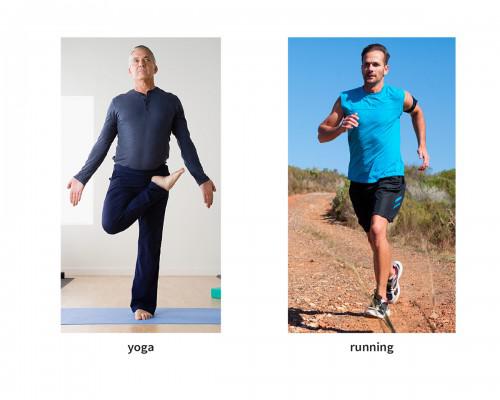
    yoga(noun)

    /ˈjəʊɡə/

    ヨガ

    a system of exercises for the body and for controlling breathing, used to become fitter or to relax

    She practices yoga every morning.

    彼女は毎朝ヨガをしている。

    類義語meditationexercisemindfulnessrelaxation
    対義語stresstensionagitation
  69. 69

    nervous system(noun)

    /ˈnɜːrvəs ˈsɪstəm/

    神経系

    the system of all the nerves in the body that carries messages between the brain and the rest of the body

    The nervous system controls bodily functions.

    神経系は身体機能を制御します。

    類義語neural networkneurological system
    対義語none
  70. 70

    cholesterol(noun)

    /kəˈlestərɔːl/

    コレステロール

    a fatty substance found in most tissues of the body. Too much cholesterol in the blood is linked to a higher risk of heart disease.

    High cholesterol can lead to heart disease.

    高コレステロールは心臓病につながる可能性があります。

    類義語blood lipidsserum cholesterol
    対義語None (cholesterol itself doesn't have a direct antonymbut healthy habits that lower cholesterol could be considered the opposite)
  71. 71

    heart rate(noun)

    /hɑːrt reɪt/

    心拍数

    the number of times the heart beats per minute

    A normal resting heart rate for adults is 60 to 100 beats per minute.

    成人の正常な安静時心拍数は1分間に60〜100回である。

    The monitor showed a heart rate of 130.

    類義語pulse ratecardiac frequency
    対義語N/A
  72. 72

    wellness(noun)

    /ˈwelnəs/

    健康

    the state of being healthy, especially when you actively try to achieve this

    The company promotes employee wellness through various programs.

    会社はさまざまなプログラムを通じて従業員の健康を促進しています。

    類義語well-beinghealthfitnesswholeness
    対義語illnesssicknessdiseaseunhealthiness
  73. 73

    anemia(noun)

    /əˈniːmiə/

    貧血

    a condition in which the blood has too few red blood cells or too little hemoglobin, causing tiredness and pale skin

    Iron deficiency is the most common cause of anemia.

    鉄欠乏は貧血の最も一般的な原因である。

    Her pale skin and constant fatigue suggested anemia to the doctor.

    類義語blood deficiencyiron deficiencylack of red blood cells
    対義語plethoraoverabundance of red blood cells
  74. 74

    acupuncture(noun)

    /ˈækjupʌŋktʃər/

    鍼治療, 鍼療法

    a treatment in which thin needles are inserted into specific points on the body to relieve pain and treat illness

    Acupuncture is widely used for chronic back pain.

    鍼治療は慢性腰痛に広く用いられている。

    She had six sessions of acupuncture for migraine.

    類義語needle therapyacupressure
    対義語surgerymedication
  75. 75

    alternative medicine(noun)

    /ɔːlˈtɜːrnətɪv ˈmedɪsn/

    代替医療

    any type of treatment that does not use the usual scientific methods of Western medicine, for example one using plants instead of artificial drugs

    Many people are now exploring alternative medicine.

    多くの人々が現在、代替医療を模索しています。

    類義語complementary medicineholistic medicineunconventional medicine
    対義語conventional medicinetraditional medicineallopathic medicine
  76. 76

    chiropractic(noun)

    /ˌkaɪərəʊˈpræktɪk/

    カイロプラクティック

    the medical profession that involves treating some diseases and physical problems by pressing and moving the bones in a person’s spine or joints ; the work of a chiropractor

    She sought chiropractic treatment for her back pain.

    彼女は背中の痛みのためにカイロプラクティック治療を受けました。

    類義語spinal manipulationmanual therapy
    対義語pharmacologysurgery
  77. 77

    chiropractor(noun)

    /ˈkaɪərəʊpræktər/

    カイロプラクター

    a person whose job involves treating some diseases and physical problems by pressing and moving the bones in a person’s spine or joints

    I visited a chiropractor for my back pain.

    腰痛のため、カイロプラクターを受診しました。

    類義語spinal therapistbone setter
    対義語surgeongeneral practitioner
  78. 78

    ultrasound(noun)

    /ˈʌltrəsaʊnd/

    超音波, 超音波検査, エコー

    sound waves too high for humans to hear, or a scan that uses them to create images of the inside of the body

    An ultrasound of the abdomen showed several gallstones.

    腹部超音波検査で、複数の胆石が認められた。

    Ultrasound is safe in pregnancy because it uses no radiation.

    類義語sonogramechography
  79. 79

    mental health(noun)

    /ˈmentl helθ/

    心の健康

    the state of health of somebody's mind

    Taking care of your mental health is very important.

    心の健康に気を配ることは非常に重要です。

    類義語emotional well-beingpsychological healthmental wellness
    対義語mental illnesspsychological distress
  80. 80

    mindfulness(noun)

    /ˈmaɪndflnəs/

    マインドフルネス

    a mental state or practice of calmly focusing on the present moment and accepting your thoughts, feelings and bodily sensations, often used to reduce stress

    Practicing mindfulness can reduce stress.

    マインドフルネスを実践するとストレスを減らせる。

    類義語awarenesspresenceattentionconsciousness
    対義語mindlessnessnegligencedisregard
  81. 81

    Qualifications(noun)

    /ˌkwɑː.lə.fɪˈkeɪ.ʃənz/

    資格

    The exams you have passed, courses you have completed, or skills you have that make you suitable for a job.

    Her qualifications made her a strong candidate for the job.

    彼女の資格は、彼女をその仕事の有力候補にした。

    類義語credentialsexperienceskillsabilitiescompetencies
    対義語disqualificationinabilityincapacity
  82. 82

    Remote team(noun)

    /rɪˈmoʊt tim/

    リモートチーム

    A group of people who work together but from different places, usually communicating online.

    Our remote team collaborates effectively using online tools.

    私たちのリモートチームは、オンラインツールを使って効果的に共同作業をしています。

    類義語Virtual teamDistributed teamTelecommuting team
    対義語In-office teamCo-located team
  83. 83

    remote work(noun)

    /rɪˈmoʊt wɜːrk/

    リモートワーク, 在宅勤務, テレワーク

    working away from the office, usually from home, using a computer and the internet

    Our remote work policy allows two days a week at home.

    当社のリモートワーク制度では、週2日の在宅勤務が認められている。

    Remote work has made it easier to hire people from other provinces.

    類義語TelecommutingWorking from homeDistributed work
    対義語In-office workOn-site work
  84. 84

    Retirement plan(noun)

    /rɪˈtaɪər.mənt plæn/

    退職プラン

    An arrangement in which money is saved regularly, often with an employer, to provide an income after you stop working.

    I started a retirement plan when I got my first job.

    最初の仕事に就いたとき、退職プランを始めました。

    類義語pension plansavings plan401kIRA
    対義語debtfinancial burden
  85. 85

    Severance package(noun)

    /ˈsɛvərəns ˈpækɪdʒ/

    退職金

    The money and benefits that a company gives to an employee whose job has been ended.

    The company offered him a generous severance package.

    会社は彼に寛大な退職金を提示しました。

    類義語separation packageredundancy package
    対義語employment contracthiring bonus
  86. 86

    Balanced diet(noun)

    /ˈbælənst ˈdaɪət/

    バランスの取れた食事

    A diet that contains the right amounts of all the different types of food needed for good health.

    A balanced diet is essential for good health.

    バランスの取れた食事は、健康のために不可欠です。

    類義語nutritious diethealthy eatingwell-rounded diet
    対義語unhealthy dietpoor dietimbalanced diet
  87. 87

    Blood sugar(noun)

    /blʌd ˈʃʊɡər/

    血糖

    The amount of glucose (sugar) in a person's blood.

    High blood sugar can be dangerous.

    高血糖は危険な場合があります。

    類義語Glucose levelBlood glucoseGlycemia
    対義語Hypoglycemia
  88. 88

    Bones(noun)

    /boʊnz/

    骨

    The hard parts that form the skeleton of the body of a human or an animal.

    Calcium and regular exercise help keep your bones strong and healthy.

    カルシウムと定期的な運動は、骨を強く健康に保つのに役立つ。

    類義語SkeletonFrameworkStructure
    対義語CartilageSoft tissue
  89. 89

    Cardiovascular exercise(noun)

    /ˌkɑrdioʊˈvæskjələr ˈɛksərsaɪz/

    心血管運動

    Physical exercise, such as running or swimming, that makes the heart and lungs work harder.

    Cardiovascular exercise is important for heart health.

    心血管運動は心臓の健康に重要です。

    類義語CardioAerobic exerciseEndurance exercise
    対義語Anaerobic exerciseStrength trainingWeightlifting
  90. 90

    CT scan (Computed Tomography)(noun)

    /siːˈtiː skæn/

    CTスキャン

    A medical examination that uses a computer and X-rays to produce detailed images of the inside of the body.

    The doctor ordered a CT scan to investigate the cause of her abdominal pain.

    医師は彼女の腹痛の原因を調べるためにCTスキャンを指示しました。

    類義語CAT scancomputerized axial tomography
    対義語X-rayMRI
  91. 91

    Emotional well-being(noun)

    /ɪˈmoʊʃənl wɛlˈbiːɪŋ/

    精神的な健康

    The state of feeling happy, calm and able to cope with your emotions.

    Taking care of your emotional well-being is important for overall health.

    精神的な健康を大切にすることは、全体的な健康にとって重要です。

    類義語Mental healthPsychological well-beingEmotional healthInner peaceContentment
    対義語Emotional distressMental illnessUnhappiness
  92. 92

    first aid(noun)

    /fɜːrst eɪd/

    応急手当, 救急処置, ファーストエイド

    simple emergency treatment given to an injured or sick person before professional medical help arrives

    She gave first aid to the injured driver until the ambulance arrived.

    彼女は救急車が到着するまで、けがをした運転手に応急手当をしました。

    Every workplace should have a fully stocked first aid kit.

    類義語Emergency treatmentImmediate careMedical assistance
    対義語NeglectDisregardAbandonment
  93. 93

    health insurance(noun)

    /hɛlθ ɪnˈʃʊrəns/

    健康保険, 医療保険

    insurance that pays for medical treatment; in Vietnam a compulsory scheme paid by employers and employees

    The company pays 3 per cent of salary for employees' health insurance.

    会社は従業員の健康保険として、給与の3パーセントを負担しています。

    New staff receive their health insurance card within a month.

    類義語Medical coverageMedical insurance
    対義語UninsuredNo coverage
  94. 94

    Health screening(noun)

    /hɛlθ ˈskrinɪŋ/

    健康診断

    A medical test or examination to find out whether a person has a disease before symptoms appear.

    I scheduled a health screening to check for any potential health problems.

    潜在的な健康問題がないか確認するために、健康診断を予約しました。

    類義語Medical check-upHealth checkPreventive screeningMedical examination
    対義語NeglectIgnoring symptoms
  95. 95

    Healthy eating(noun)

    /ˈhɛlθi ˈiːtɪŋ/

    健康的な食事

    The practice of eating food that is good for your health, in the right amounts.

    Healthy eating is essential for a long and fulfilling life.

    健康的な食事は、長く充実した人生に不可欠です。

    類義語Nutritious dietWholesome eatingBalanced diet
    対義語Unhealthy eatingJunk food dietPoor diet
  96. 96

    Healthy lifestyle(noun)

    /ˈhɛlθi ˈlaɪfstaɪl/

    健康的なライフスタイル

    A way of living that helps you stay well, for example by eating good food and exercising.

    Eating well and exercising are part of a healthy lifestyle.

    バランスの取れた食事と運動は、健康的なライフスタイルの一部です。

    類義語WellnessHealthy livingWell-being
    対義語Unhealthy lifestyleSedentary lifestyle
  97. 97

    herbal medicine(noun)

    /ˈhɜːrbəl ˈmɛdɪsən/

    ハーブ療法, 薬草療法, 生薬

    the use of plants, and sometimes animal or mineral products, to prevent and treat illness; also a medicine made from them

    Herbal medicine is often combined with acupuncture.

    ハーブ療法は鍼治療と組み合わせて行われることがよくあります。

    Tell your doctor about any herbal medicine you are taking.

    類義語Botanical medicinePhytomedicineHerbalism
    対義語Conventional medicineAllopathic medicinePharmaceutical medicine
  98. 98

    Herbal remedies

    /ˈhɜrbəl ˈrɛmɪdiz/

    薬草療法

    She uses herbal remedies to treat her allergies.

    彼女はアレルギーを治療するために薬草療法を使います。

    類義語phytomedicinebotanical medicine
    対義語conventional medicinepharmaceuticals
  99. 99

    High blood pressure(noun)

    /haɪ blʌd ˈprɛʃər/

    高血圧

    A medical condition in which the pressure of the blood in the arteries is higher than normal.

    High blood pressure can lead to serious health problems.

    高血圧は深刻な健康問題につながる可能性があります。

    類義語HypertensionElevated blood pressure
    対義語Low blood pressureHypotension
  100. 100

    Immune system(noun)

    /ɪˈmjun ˈsɪstəm/

    免疫系

    The system of cells and tissues in the body that protects it against infection and disease.

    A healthy immune system protects the body from infections.

    健康な免疫系は、感染症から体を守ります。

    類義語Body defenseResistanceProtection
    対義語VulnerabilitySusceptibilityWeakness
  101. 101

    Joints(noun)

    /dʒɔɪnts/

    関節

    Places in the body where two bones are connected, such as the knee or elbow.

    His joints ached from the cold.

    寒さで彼の関節が痛んだ。

    類義語articulationshingesconnections
    対義語rigidityimmobility
  102. 102

    Kidneys(noun)

    /ˈkɪdniːz/

    腎臓

    The two organs in the body that remove waste from the blood and produce urine.

    The kidneys filter waste from the blood.

    腎臓は血液から老廃物をろ過します。

    類義語Renal organs
    対義語None
  103. 103

    Lungs(noun)

    /lʌŋz/

    肺

    The two organs inside the chest that fill with air when you breathe.

    The doctor listened to my lungs.

    医者は私の肺を聴診した。

    類義語Respiratory organ
  104. 104

    Minerals(noun)

    /ˈmɪnərəlz/

    ミネラル

    Natural substances such as iron or calcium that are present in food and needed for good health.

    Our bodies need minerals to function properly.

    私たちの体は正常に機能するためにミネラルを必要とします。

    類義語elementsnutrientsinorganics
    対義語organicssynthetics
  105. 105

    MRI (Magnetic Resonance Imaging)(noun)

    /ˌɛmˌɑːraɪˈaɪ/

    MRI

    A medical method that uses magnetic fields and radio waves to produce images of the inside of the body.

    The doctor ordered an MRI to examine my knee.

    医者は私の膝を調べるためにMRIを指示しました。

    類義語magnetic resonance imagingnuclear magnetic resonance imaging
    対義語X-rayCT scanUltrasound
  106. 106

    Muscles(noun)

    /ˈmʌsəlz/

    筋肉

    Pieces of body tissue that can tighten and relax to produce movement.

    He developed his muscles by lifting weights.

    彼はウェイトリフティングで筋肉を鍛えた。

    類義語BrawnStrengthPhysiqueBulk
    対義語WeaknessAtrophy
  107. 107

    Nutrients(noun)

    /ˈnutriənts/

    栄養素

    Substances in food that people, animals and plants need to live and grow.

    Our bodies need nutrients to stay healthy.

    私たちの体は健康を維持するために栄養素を必要とします。

    類義語NutritionVitaminsMineralsProvisions
    対義語ToxinsWasteImpurities
  108. 108

    Nutritional supplements(noun)

    /njuˈtrɪʃənəl ˈsʌpləmənts/

    栄養補助食品

    Pills, powders or drinks taken in addition to normal food to provide extra vitamins or nutrients.

    She takes nutritional supplements to improve her health.

    彼女は健康を改善するために栄養補助食品を摂取しています。

    類義語vitaminsmineralsdietary supplements
    対義語whole foodsunprocessed foods
  109. 109

    Pain reliever(noun)

    /peɪn rɪˈliːvər/

    鎮痛剤

    A drug that reduces or stops physical pain.

    I took a pain reliever for my headache.

    頭痛のために鎮痛剤を飲みました。

    類義語analgesicpainkiller
    対義語pain inducer
  110. 110

    Physical activity(noun)

    /ˈfɪzɪkəl ækˈtɪvɪti/

    身体活動

    Movement of the body that uses energy, such as walking, sport or exercise.

    Regular physical activity can improve your health.

    定期的な身体活動はあなたの健康を改善することができます。

    類義語ExerciseMovementFitnessWorkout
    対義語InactivitySedentary lifestyle
  111. 111

    Physical health(noun)

    /ˈfɪzɪkəl hɛlθ/

    身体の健康

    The condition of a person's body and how well it is working.

    Maintaining good physical health is important for overall well-being.

    良好な身体の健康を維持することは、全体的な幸福にとって重要です。

    類義語Bodily healthPhysical fitnessCorporeal health
    対義語Mental illnessPoor health
  112. 112

    Physical therapy(noun)

    /ˈfɪzɪkəl ˈθɛrəpi/

    理学療法

    Treatment of injury or disease using exercises, massage and heat instead of drugs or surgery.

    She is undergoing physical therapy to recover from her knee surgery.

    彼女は膝の手術からの回復のために理学療法を受けています。

    類義語rehabilitationphysiotherapy
    対義語immobilityinactivity
  113. 113

    Pilates(noun)

    /pɪˈlɑːtiz/

    ピラティス

    a system of physical exercises that improve strength, flexibility and posture, often done on a mat or using special equipment.

    She practices Pilates to improve her core strength.

    彼女は体幹を鍛えるためにピラティスを練習しています。

    類義語exerciseworkoutcore training
    対義語inactivitysedentariness
  114. 114

    Preventive care(noun)

    /prɪˈvɛntɪv kɛr/

    予防ケア

    medical care that aims to stop illnesses from developing, for example check-ups, screening and vaccinations.

    Preventive care helps maintain good health.

    予防ケアは健康維持に役立ちます。

    類義語Preventive medicineProphylactic care
    対義語Reactive careCurative care
  115. 115

    Rehabilitation center(noun)

    /ˌriːhəˌbɪlɪˈteɪʃən ˈsɛntər/

    リハビリセンター

    a place where people receive treatment to help them recover from an illness, injury or addiction.

    The rehabilitation center helped him recover from his injury.

    リハビリセンターは彼が怪我から回復するのを助けました。

    類義語rehab facilityrecovery centertreatment center
    対義語acute care hospitalhospice
  116. 116

    respiratory rate(noun)

    /rɪˈspɪrəˌtɔːri reɪt/

    呼吸数

    the number of breaths a person takes per minute

    A respiratory rate above 30 in an adult is a warning sign.

    成人の呼吸数が30回/分を超えている場合は警戒すべき徴候です。

    Count the respiratory rate for a full minute.

    類義語breathing rateventilation rate
  117. 117

    Respiratory system(noun)

    /rɪˈspɪrəˌtɔːri ˈsɪstəm/

    呼吸器系

    the organs of the body, such as the lungs and airways, that are used for breathing.

    The respiratory system is responsible for taking in oxygen and expelling carbon dioxide.

    呼吸器系は、酸素を取り込み二酸化炭素を排出する役割を担っています。

    類義語Pulmonary systemBreathing apparatusVentilatory system
    対義語None
  118. 118

    speech therapy(noun)

    /spiːʧ ˈθɛrəpi/

    言語療法, 言語聴覚療法

    treatment that helps people improve their speech, language, voice, communication and swallowing

    After the stroke, he had speech therapy three times a week.

    脳卒中の後、彼は週3回、言語療法を受けました。

    Speech therapy helped the child pronounce difficult sounds more clearly.

    類義語language therapycommunication therapy
    対義語N/A
  119. 119

    Strength training(noun)

    /strɛŋθ ˈtreɪnɪŋ/

    筋力トレーニング

    physical exercise using weights or resistance to make the muscles stronger.

    Strength training can improve your overall health.

    筋力トレーニングは、全体的な健康状態を改善することができます。

    類義語Weight trainingResistance training
    対義語Endurance trainingCardio
  120. 120

    Stress management(noun)

    /strɛs ˈmænɪʤmənt/

    ストレス管理

    methods of controlling and reducing stress in order to improve health and well-being.

    Stress management techniques can improve overall well-being.

    ストレス管理のテクニックは、全体的な幸福を向上させることができます。

    類義語Stress reductionCoping strategiesRelaxation techniques
    対義語Stress amplificationCrisis escalationWorry increase
  121. 121

    Superfood

    /ˈsupərˌfuːd/

    スーパーフード

    Kale is often considered a superfood because of its high nutrient content.

    ケールは栄養価が高いため、スーパーフードとみなされることが多いです。

    類義語Nutrient-rich foodHealth foodPower food
    対義語Junk foodEmpty calories
  122. 122

    Symptoms(noun)

    /ˈsɪmptəmz/

    症状

    changes in the body or mind that show that a person has an illness.

    The patient reported several symptoms, including fever and cough.

    患者は、発熱や咳など、いくつかの症状を報告しました。

    類義語IndicationsSignsManifestations
    対義語HealthWell-being
  123. 123

    Vitamins(noun)

    /ˈvaɪtəmɪnz/

    ビタミン

    natural substances found in food that are needed in small amounts for good health, also taken as pills.

    It's important to take your vitamins every day.

    毎日ビタミンを摂取することが重要です。

    類義語nutrientsupplementmicronutrient
    対義語toxinpoison
  124. 124

    Weight gain(noun)

    /weɪt geɪn/

    体重増加

    an increase in how heavy a person’s body is.

    I experienced weight gain after starting the new medication.

    新しい薬を飲み始めてから、体重が増加しました。

    類義語Putting on weightGaining weightMass increase
    対義語Weight lossLosing weight
  125. 125

    weight loss(noun)

    /weɪt lɔs/

    体重減少, 体重低下

    a decrease in body weight; when it happens without trying, it may be a sign of serious disease

    Unexplained weight loss of five kilograms needs further investigation.

    原因不明の5キログラムの体重減少は、さらなる精密検査が必要です。

    He noticed significant weight loss despite eating normally every day.

    類義語SlimmingLosing weightWeight reduction
    対義語Weight gainGaining weight
  126. 126

    Wellness program(noun)

    /ˈwɛlnəs ˈproʊˌgræm/

    健康増進プログラム

    a set of activities, often offered by an employer, that helps people improve their health and lifestyle.

    Our company offers a comprehensive wellness program to all employees.

    当社は、すべての従業員に包括的な健康増進プログラムを提供しています。

    類義語Health programWell-being initiativeEmployee assistance program
    対義語Illness promotionHealth neglect

  127. 127

    rest(noun)

    /rest/

    休息, 休憩, 睡眠

    a period of relaxing, sleeping or doing nothing after a period of activity

    Try to get some rest. You have a busy day tomorrow.

    少し休んでください。明日は忙しい一日になりますから。

  128. 128

    flexibility(noun)

    /ˌfleksəˈbɪləti/

    柔軟性, 体の柔らかさ

    the ability of your body to bend and stretch easily

    Doing yoga every day can improve your flexibility and balance.

    毎日ヨガをすると、柔軟性とバランス感覚が向上する。