본문으로 건너뛰기

레슨 12/33 · 138단어 · 외운 단어 0

Accident

사고

  1. 1

    risk(noun)

    /rɪsk/

    위험

    the possibility of something bad happening at some time in the future; a situation that could be dangerous or have a bad result

    The primary risk for most start-up businesses is insufficient capital

    대부분의 신생 기업의 주요 위험은 자본 부족입니다.

    Expanding into a new market is a big risk

    유의어hazarddangerperilthreatpossibilitychance
    반의어safetysecuritycertaintyprotectionassurance
  2. 2

    mistake(noun)

    /mɪˈsteɪk/

    실수 (silsu)

    an action or an opinion that is not correct, or that produces a result that you did not want

    I made a mistake in adding up your bill and we overcharged you twenty dollars

    계산서 합산에 실수가 있어서 20달러를 더 청구했습니다.

    It was a mistake thinking that my boss would be reasonable when I explained situation to him

    유의어errorfaultblunderoversightslip-up
    반의어accuracycorrectnessrighttruthperfection
  3. 3

    yield(noun)

    /jiːld/

    수익률, 이자율, 배당수익률

    the income from an investment, such as interest or dividends, shown as a percentage of its price

    Ten-year government bond yields rose to 3 per cent.

    10년물 국채 수익률이 3퍼센트로 상승했다.

    The share has a dividend yield of 5 per cent.

    유의어producegenerateprovidedeliverbearafford
    반의어resistwithholdretainobstruct
  4. 4

    impact(noun)

    /ˈɪmpækt/

    영향 (yeonghyang)

    the powerful effect that something has on somebody/something

    The story of the presidential scandal had a huge impact on the public

    대통령 스캔들 이야기는 대중에게 큰 영향을 미쳤다.

    The impact of the news coverage is yet to be known

    유의어effectinfluenceforceconsequencerepercussionresult
    반의어negligibilityfailureunimportance
  5. 5

    driver(noun)

    /ˈdraɪvər/

    운전사 (unjeonsa)

    a person who drives a vehicle

    My uncle is a truck driver.

    나의 삼촌은 트럭 운전사입니다.

    The car comes equipped with a driver's airbag.

    유의어operatorchauffeurmotoristpilotengineer
    반의어passengerpedestrianrider
  6. 6

    fire(noun)

    /ˈfaɪər/

    불 (bul)

    the flames, light and heat, and often smoke, that are produced when something burns

    Animals are usually afraid of fire.

    동물들은 보통 불을 두려워합니다. (Dongmuldeureun botong bureul duryeowohamnida.)

    The islands export sugar and fruit.

    유의어flamesinfernoblazeconflagrationcombustion
    반의어watericecoldextinguishment
  7. 7

    highway(noun)

    /ˈhaɪweɪ/

    고속도로 (gosok doro)

    a main road for travelling long distances, especially one connecting and going through cities and towns

    There have been many accidents on this highway.

    이 고속도로에서 많은 사고가 있었습니다.

    Highway patrol officers closed the road.

    유의어freewayexpresswaythruwayturnpikemotorway
    반의어side streetback roadcountry lanealley
  8. 8

    electrical(adjective)

    /ɪˈlektrɪkl/

    전기의

    connected with electricity; using or producing electricity

    an electrical fault in the engine

    엔진의 전기적 결함

    electrical equipment/appliances

    유의어electricpoweredelectronic
    반의어mechanicalmanualnonelectric
  9. 9

    crash(noun)

    /kræʃ/

    충돌 (chungdol)

    an accident in which a vehicle hits something, for example another vehicle, usually causing damage and often injuring or killing the passengers

    In the Netherlands, hundreds of vehicles were involved in crashes, but no fatalities were reported.

    네덜란드에서는 수백 대의 차량이 충돌 사고에 연루되었지만 사망자는 보고되지 않았습니다.

    We're going to crash, aren't we?

    유의어collisionimpactsmashwreckaccident
    반의어avoidancepreventiondodge
  10. 10

    traffic(noun)

    /ˈtræfɪk/

    교통

    the vehicles that are on a road at a particular time

    They were stuck in traffic and missed their flight.

    그들은 교통 체증에 갇혀 비행기를 놓쳤다.

    There's a lot of traffic today on the road!

    유의어congestiongridlockjamblockage
    반의어clear roadopen roadfree-flowing
  11. 11

    upset(adjective)

    /ˌʌpˈset/

    속상한, 마음이 상한

    unhappy or disappointed because of something unpleasant that has happened

    There's no point in getting upset about it.

    그 일로 속상해해 봐야 소용없어.

    I understand how upset you must be feeling.

    유의어disturbedagitatedannoyedperturbeddistressed
    반의어calmpeacefulcontenthappypleased
  12. 12

    chemical(noun)

    /ˈkemɪkl/

    화학 물질, 화학 제품

    a substance obtained by or used in a chemical process

    Farmers are being urged to reduce their use of chemicals.

    농부들은 화학 물질 사용을 줄이도록 권고받고 있다.

    The boat sank beneath the waves.

    유의어compoundelementingredientsubstance
    반의어naturalorganic
  13. 13

    insurance(noun)

    /ɪnˈʃʊrəns/

    보험 (boheom)

    an arrangement with a company in which you pay them regular amounts of money and they agree to pay the costs, for example, if you die or are ill, or if you lose or damage something

    Can you claim for the loss on your insurance?

    보험으로 손실에 대한 보상을 청구할 수 있습니까? (Boheomeuro sonsil-e daehan bosang-eul cheongguhal su isseumnikka?)

    The bill would require employers to provide insurance for their workers.

    유의어coverageassuranceprotectionsecurityindemnitypolicy
    반의어riskvulnerabilityexposuredangerunprotected
  14. 14

    emergency(noun)

    /ɪˈmɜːrdʒənsi/

    응급 상황, 응급

    a sudden, serious situation, such as an injury or illness, that needs immediate action

    Severe chest pain should always be treated as a medical emergency.

    심한 가슴 통증은 항상 응급 상황으로 간주해야 합니다.

    In an emergency, call 115 for an ambulance.

    유의어crisisurgencyexigencypredicamentdisaster
    반의어calmpeacenormalityroutine
  15. 15

    careless(adjective)

    /ˈkerləs/

    부주의한 (bujeuihan)

    not giving enough attention and thought to what you are doing, so that you make mistakes

    He is a careless taxi driver.

    그는 부주의한 택시 운전사입니다. (Geuneun bujueuihan taeksi unjeonsaimnida.)

    It was careless of me to leave the door open.

    유의어negligentinattentivethoughtlessrecklessheedless
    반의어carefulattentivecautiousmindfulthorough
  16. 16

    ambulance(noun)

    /ˈæmbjələns/

    구급차, 앰뷸런스

    a vehicle with medical equipment and staff that takes sick or injured people to hospital

    The ambulance arrived ten minutes after the call.

    구급차는 신고 후 10분 만에 도착했습니다.

    She was taken by ambulance to the nearest emergency department.

    유의어medical transportemergency vehicle
    반의어personal vehicle
  17. 17

    car(noun)

    /kɑːr/

    차 (cha)

    a road vehicle with an engine and four wheels that can carry a small number of passengers

    You might want to rent a car when you go on vacation.

    휴가를 갈 때 차를 렌트하는 것이 좋을 수도 있습니다. (hyugareul gal ttae chareul renteuhaneun geosi joeul sudo itseumnida.)

    유의어automobilevehicle
    반의어nonefootbike
  18. 18

    machinery(noun)

    /məˈʃiːnəri/

    기계 (ggye)

    machines as a group, especially large ones

    agricultural/industrial machinery

    농업/산업 기계 (nongeop/saneop gigye)

    a piece of machinery

    유의어equipmentapparatusmechanismhardwaregear
    반의어hand toolsmanual laborskillcraft
  19. 19

    damage(noun)

    /ˈdæmɪdʒ/

    손해 (sonhae)

    physical harm caused to something which makes it less attractive, useful or valuable

    The damage to his car was considerable.

    그의 차에 입은 손해가 상당했다. (Geuui chae ibeun sonhaega sangdanghaetta.)

    Smoking seriously damages your health.

    유의어harminjuryimpairmentdestructionloss
    반의어repairimprovementbenefitadvantagerestoration
  20. 20

    motorcycle(noun)

    /ˈməʊtərsaɪkl/

    오토바이

    a road vehicle with two wheels, driven by an engine, with one seat for the driver and often a seat for a passenger behind the driver

    Riding a motorcycle can be fun and exciting, but it's also dangerous.

    오토바이를 타는 것은 재미있고 신날 수 있지만 위험하기도 합니다.

    유의어bikemotorbikecycle
    반의어carautomobile
  21. 21

    accidental(adjective)

    /ˌæksɪˈdentl/

    우연한

    happening by chance; not planned

    I didn't think our meeting was accidental—he must have known I would be there.

    나는 우리의 만남이 우연이라고 생각하지 않았어요. 그는 내가 거기에 있을 거라는 것을 알고 있었음에 틀림없어요.

    a verdict of accidental death

    유의어unintentionalunplannedinadvertentchancefortuitousrandom
    반의어intentionaldeliberateplanneddesignedpurposeful
  22. 22

    road(noun)

    /rəʊd/

    도로 (doro)

    a hard surface built for vehicles to travel on

    This road is very narrow.

    이 도로는 매우 좁습니다. (I doroneun maeoo jopseumnida.)

    유의어streetpathavenuehighwaythoroughfareroute
    반의어dead endcul-de-sac
  23. 23

    passenger(noun)

    /ˈpæsɪndʒər/

    승객 (seunggaek)

    a person who is travelling in a car, bus, train, plane or ship and who is not driving it or working on it

    The passenger felt excited during the trip.

    승객은 여행 동안 신이 났습니다. (Seunggaeg-eun yeohaeng dongan sin-i natseumnida.)

    I soon got talking to a fellow passenger on the flight.

    유의어travelerridercommuterfare-payer
    반의어driverpilotconductorcrew
  24. 24

    hit(verb)

    /hɪt/

    치다, 부딪치다

    to bring your hand, or an object you are holding, against somebody/something quickly and with force

    The car hit a tree on the side of the road.

    차가 길가의 나무를 들이받았다.

    유의어strikeimpactblowsmashknockthumpwallop
    반의어missavoidprotectguard
  25. 25

    slip(verb)

    /slɪp/

    미끄러지다 (mikkeureojida)

    to slide a short distance by accident so that you fall or nearly fall

    She slipped over on the ice and broke her leg.

    그녀는 얼음 위에서 미끄러져 다리가 부러졌다.

    As I ran up the stairs, my foot slipped and I fell.

    유의어slideskidglidestumbletriperrlapse
    반의어gripholdadhereclingstick
  26. 26

    vehicle(noun)

    /ˈviːəkl/

    차량 (charyang)

    a thing that is used for transporting people or goods from one place to another, such as a car or lorry

    Are you the driver of this vehicle?

    당신은 이 차량의 운전자인가요? (Dangsin-eun i charyang-ui unjeonja-in-ga-yo?)

    motor vehicles (= cars, buses, lorries/trucks, etc.)

    유의어automobilecarmachinetransportconveyance
    반의어immobilitystationaryinanimate
  27. 27

    smash(verb)

    /smæʃ/

    산산이 부수다 (sansani busuda)

    to break something, or to be broken, violently and noisily into many pieces

    The glass bowl smashed into a thousand pieces.

    유리 그릇이 산산조각 났다.

    Several windows had been smashed.

    유의어breakshattercrushdemolishdestroycollideimpact
    반의어buildconstructcreaterepairmendfix
  28. 28

    witness(noun)

    /ˈwɪtnəs/

    증인, 목격자

    a person who tells a court what they saw or know about the facts of a case

    The warehouse manager was called as a witness for the defence.

    창고 관리자가 피고 측 증인으로 소환되었다.

    Each witness must sign a written witness statement before the hearing.

    유의어observereyewitnesslooker-onspectatortestifyattestconfirm
    반의어ignoreoverlookdenydisprove
  29. 29

    investigation(noun)

    /ɪnˌvestɪˈɡeɪʃn/

    조사 (josa)

    an official examination of the facts about a situation, crime, etc.

    We have finished a thorough investigation of the incident.

    우리는 그 사건에 대한 철저한 조사를 마쳤습니다.

    The police have completed their investigations into the accident.

    유의어inquiryexaminationprobescrutinyresearchstudyexplorationanalysis
    반의어neglectignoranceoverlookdisregard
  30. 30

    fall(verb)

    /fɔːl/

    떨어지다, 넘어지다

    to drop down from a higher level to a lower level

    Be careful not to fall on the icy steps outside.

    바깥의 얼어붙은 계단에서 넘어지지 않도록 조심해.

    유의어autumndescentdeclinedropplummet
    반의어riseascentspringsummer
  31. 31

    injury(noun)

    /ˈɪndʒəri/

    부상

    harm done to a person’s or an animal’s body, for example in an accident

    to sustain injuries/an injury

    부상을 입다

    a head injury

    유의어woundtraumadamageharmhurtailment
    반의어healingrecoveryhealthwellness
  32. 32

    disaster(noun)

    /dɪˈzæstər/

    재난

    an unexpected event, such as a very bad accident, a flood or a fire, that kills a lot of people or causes a lot of damage

    The film begins with a terrible disaster.

    그 영화는 끔찍한 재난으로 시작된다.

    a natural disaster(= one that is caused by nature)

    유의어catastrophecalamitytragedymisfortuneadversity
    반의어successfortuneblessingtriumphbenefit
  33. 33

    safety(noun)

    /ˈseɪfti/

    안전 (anjeon)

    the state of being safe and protected from danger or harm

    Motorcyclists must wear helmets for their own safety.

    오토바이 운전자는 자신의 안전을 위해 헬멧을 착용해야 합니다.

    He was kept in custody for his own safety.

    유의어securityprotectionwell-beingsafeguardsecuritycaredefensepreservation
    반의어dangerriskhazardperilinsecurity
  34. 34

    fault(noun)

    /fɔːlt/

    잘못 (jalmot)

    the responsibility for something wrong that has happened or been done

    It's your own fault for being careless.

    부주의한 당신 잘못이에요. (bujuuihan dangsin jalmosieyo.)

    Many people live in poverty through no fault of their own.

    유의어errormistakeblameresponsibilitydefectflaw
    반의어perfectionvirtuestrengthcorrectnessright
  35. 35

    harm(noun)

    /hɑːrm/

    해, 피해, 손해

    damage or injury that is caused by a person or an event

    Pollution from burning coal causes serious harm to the environment.

    석탄을 태울 때 나오는 오염은 환경에 심각한 해를 끼친다.

    유의어hurtinjuredamagewoundafflictmaltreat
    반의어helpaidassistbenefitprotectheal
  36. 36

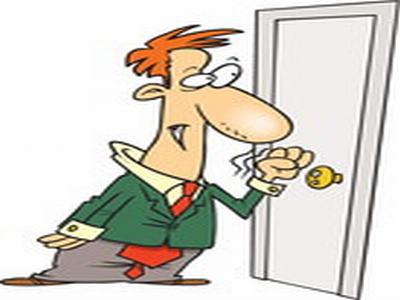
    knock(verb)

    /nɑːk/

    두드리다

    to hit a door, etc. in order to attract attention

    He knocked three times and waited.

    그는 세 번 두드리고 기다렸다.

    Somebody was knocking on the window.

    유의어raptapstrikebangpound
    반의어openyieldunlock
  37. 37

    trouble(noun)

    /ˈtrʌbl/

    문제 (munje)

    a problem, worry, difficulty, etc. or a situation causing this

    The trouble with you is you don't really want to work.

    네 문제는 네가 정말로 일하고 싶어하지 않는다는 거야.

    Our troubles aren't over yet.

    유의어problemdifficultyissueworryordealhardshipannoyance
    반의어easepeacecomfortsolutionrelief
  38. 38

    Traffic jam(noun)

    /ˈtræfɪk dʒæm/

    교통 체증, 교통 정체

    a long line of vehicles on a road that cannot move or that can only move very slowly

    There is a traffic jam on Fifth Street, so I will be late.

    5번가에 교통 체증이 있어서 저는 늦을 것 같습니다.

    유의어congestiongridlockblockagetie-upbottleneck
    반의어clear roadfree flowsmooth traffic
  39. 39

    Traffic congestion(noun)

    /ˈtræfɪk kənˈdʒestʃən/

    교통 체증 (gyotong chejeung)

    a situation in which there are too many vehicles on the roads, so that traffic moves very slowly

    The traffic congestion in the city gets worse.

    도시의 교통 체증이 점점 심해지고 있다. (dosiui gyotong chejeungi jeomjeom simhaejigo itda.)

    유의어Traffic jamGridlockTraffic bottleneckHeavy traffic
    반의어Free-flowing trafficLight trafficNo traffic
  40. 40

    Car crash(noun)

    /ˈkɑːr kræʃ/

    교통사고 (gyotong-sago)

    an accident in which a car hits something, for example another vehicle, usually causing damage and often killing or injuring the passengers

    There was a car crash on the ring road.

    순환 도로에서 교통사고가 발생했습니다. (sunhwan doro-eseo gyotong-sago-ga balsaeng-haessseumnida.)

    유의어accidentcollisionsmashwreckfender-bender
    반의어safe drivingsmooth rideuneventful journey
  41. 41

    speed limit(noun)

    /ˈspiːd lɪmɪt/

    속도 제한 (sokdo jehan)

    the highest speed at which you can legally drive on a particular road

    The speed limit on this road is 50 mph.

    이 도로의 속도 제한은 시속 50마일입니다.

    유의어maximum speedposted speed
    반의어no speed limit
  42. 42

    brake(noun)

    /breɪk/

    브레이크, 제동 장치

    a device for slowing or stopping a vehicle

    The brakes on my motorbike need checking before the long trip.

    장거리 여행 전에 내 오토바이 브레이크를 점검해야 한다.

    유의어deceleratestopslow downretardcheck
    반의어acceleratespeed upadvanceproceed
  43. 43

    casualty(noun)

    /ˈkæʒuəlti/

    사상자

    a person who is killed or injured in war or in an accident

    road casualties

    도로 사상자

    유의어victiminjuredfatalitylosswoundedsufferer
    반의어benefitgainsuccesstriumphachievement
  44. 44

    hazard(noun)

    /ˈhæzərd/

    위험 요인, 유해·위험 요소

    anything in the workplace that could cause injury, illness or damage

    Oil on the floor is a slip hazard and must be cleaned at once.

    바닥의 기름은 미끄러짐 위험 요인이므로 즉시 닦아내야 한다.

    The team identified three hazards during the walk around the workshop.

    유의어dangerriskperilthreatjeopardypitfall
    반의어safetysecurityprotectioncertainty
  45. 45

    prevention(noun)

    /prɪˈvenʃn/

    예방 (yebang)

    the act of stopping something bad from happening

    crime prevention

    범죄 예방 (beomjoe yebang)

    유의어deterrenceforestallingprecautionavoidancepreclusionprotection
    반의어allowancepermissionpromotioncauseinitiation
  46. 46

    merge(verb)

    /mɜːrdʒ/

    병합하다, 머지하다, 통합하다

    to combine two or more things into one, such as joining changes from one branch of code into another

    After the review, you can merge your branch into main.

    리뷰가 끝나면 작업 브랜치를 main에 병합할 수 있습니다.

    The two customer databases were merged into a single system.

    유의어combineuniteintegrateconsolidateamalgamatefuseblend
    반의어separatedividesplitdissolvediverge
  47. 47

    reckless(adjective)

    /ˈrekləs/

    무모한 (mumo-han)

    showing a lack of care about danger and the possible results of your actions

    He showed a reckless disregard for his own safety.

    그는 자신의 안전에 대한 무모한 경시를 보였다.

    유의어rashcarelessfoolhardyimprudentimpulsiveheedlessaudacious
    반의어cautiouscarefulprudentdiscreetcircumspectmindful
  48. 48

    setback(noun)

    /ˈsetbæk/

    차질 (chajil)

    a difficulty or problem that delays or prevents something, or makes a situation worse

    The team suffered a major setback when their best player was injured.

    팀은 최고의 선수가 부상당했을 때 큰 차질을 겪었습니다.

    유의어reversalhiccuphindrancedifficultyreverseimpedimentcomplication
    반의어advanceprogressimprovementsuccessbreakthrough
  49. 49

    trauma(noun)

    /ˈtrɔːmə/

    트라우마

    a mental condition caused by severe shock, especially when the harmful effects last for a long time

    the effects of trauma and stress on the body

    외상과 스트레스가 신체에 미치는 영향

    유의어shockdistressupsetordealinjurypsychological wound
    반의어comfortpeacewell-beinghealingrecovery
  50. 50

    mishap(noun)

    /ˈmɪshæp/

    사고

    a small accident or piece of bad luck that does not have serious results

    The event passed without mishap.

    그 행사는 사고 없이 지나갔습니다.

    유의어accidentmisfortunesetbackproblemdifficultytroublemishapincident
    반의어successfortunelucktriumphbenefit
  51. 51

    police(noun)

    /pəˈliːs/

    경찰 (gyeongchal)

    an official organization whose job is to make people obey the law and to prevent and solve crime; the people who work for this organization

    The police are busy.

    경찰은 바쁩니다. (gyeongchaleun bappeumnida.)

    유의어law enforcementofficerscopsdetectivesforceconstabulary
    반의어criminalsoutlawscivilians
  52. 52

    intersection(noun)

    /ˈɪntərsekʃn/

    교차로 (gyocharo)

    a place where two or more roads, lines, etc. meet or cross each other

    There is an intersection ahead.

    앞에 교차로가 있습니다. (ape gyocharoga itseumnida.)

    유의어junctioncrossingcrossroadsconfluencemeeting point
    반의어paralleldivergenceseparation
  53. 53

    bump(noun)

    /bʌmp/

    쿵 하는 소리, 부딪침

    the action or the dull sound of something hitting a hard surface

    He fell off the ladder and landed on the ground with a bump.

    그는 사다리에서 떨어져 쿵 소리를 내며 땅에 떨어졌다.

    유의어knockthumpjoltcollisionlumpprotuberance
    반의어smoothnessindentationdepression
  54. 54

    cyclist(noun)

    /ˈsaɪklɪst/

    자전거 선수 (jajeongeo seonsu)

    a person who rides a bicycle

    He is the best cyclist.

    그는 최고의 자전거 선수입니다. (Geuneun choegoui jajeongeo seonsuimnida.)

    유의어bikerbicycle riderwheelman
    반의어pedestriandriver
  55. 55

    tragedy(noun)

    /ˈtrædʒədi/

    비극

    a very sad event or situation, especially one that involves death

    It's a tragedy that she died so young.

    그녀가 너무 젊은 나이에 죽은 것은 비극이다.

    유의어disastercalamitycatastrophemisfortuneadversity
    반의어comedytriumphsuccessfortunejoy
  56. 56

    stumble(verb)

    /ˈstʌmbl/

    비틀거리다, 발이 걸려 넘어질 뻔하다

    to hit your foot against something while you are walking or running and almost fall

    I stumbled over a tree root.

    나는 나무뿌리에 걸려 넘어질 뻔했다.

    유의어tripfalterlurchtottermiss a step
    반의어stridemarchglidewalk steadily
  57. 57

    ladder(noun)

    /ˈlædər/

    사다리 (sadari)

    a piece of equipment for climbing up and down a wall, the side of a building, etc., consisting of two lengths of wood or metal that are joined together by steps or rungs

    My father asked me to hold a ladder for him.

    아버지는 나에게 사다리를 잡아 달라고 부탁하셨다.

    유의어step-ladderrung ladderclimbing frame
    반의어declinedescentdrop
  58. 58

    blunder(noun)

    /ˈblʌndər/

    큰 실수

    a stupid or careless mistake

    I made a terrible blunder during the presentation.

    발표 중에 끔찍한 실수를 저질렀습니다.

    유의어mistakeerrorgaffefaux paslapseoversight
    반의어achievementsuccesstriumph
  59. 59

    calamity(noun)

    /kəˈlæməti/

    재앙 (jaeang)

    an event that causes great damage to people’s lives, property, etc.

    The earthquake was a major calamity for the region.

    지진은 그 지역에 큰 재앙이었습니다.

    유의어disastercatastrophetragedymisfortune
    반의어blessingfortuneadvantagebenefit
  60. 60

    collision(noun)

    /kəˈlɪʒn/

    충돌 (chungdol)

    an accident in which two vehicles or people crash into each other

    The collision caused significant damage to both vehicles.

    충돌로 인해 두 차량 모두에 상당한 손상이 발생했습니다.

    유의어crashimpactclashsmashbump
    반의어avoidanceseparationdetachment
  61. 61

    compliance(noun)

    /kəmˈplaɪəns/

    컴플라이언스, 준법, 규정 준수

    the practice of obeying laws, regulations and internal rules

    All new products must be checked by the compliance department.

    모든 신상품은 준법감시 부서의 검토를 받아야 한다.

    The bank was fined for poor compliance with reporting rules.

    유의어obedienceadherenceobservanceconformityagreement
    반의어defiancedisobediencenoncomplianceviolationinfraction
  62. 62

    crosswalk(noun)

    /ˈkrɔːswɔːk/

    횡단보도 (hoengdanbodo)

    a part of a road where vehicles must stop to allow people to cross

    Use the crosswalk to safely cross the street.

    횡단보도를 이용하여 안전하게 길을 건너세요. (Hoengdanbodoreul iyonghayeo anjeonhage gireul geonneoseyo.)

    유의어pedestrian crossingzebra crossingmarked crossing
    반의어middle of the streetjaywalking
  63. 63

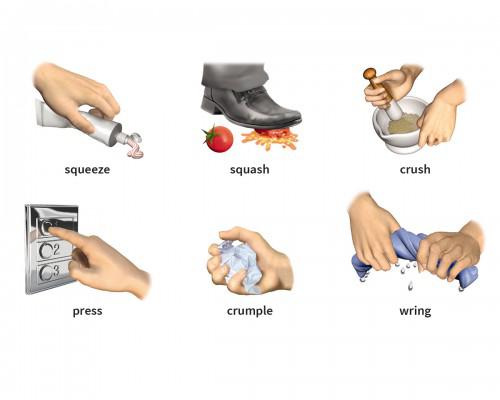
    crumple(verb)

    /ˈkrʌmpl/

    구겨지다

    to press or crush something into folds; to become pressed, etc. into folds

    The paper started to crumple in my hand.

    종이가 내 손 안에서 구겨지기 시작했다.

    유의어wrinklecrushfoldrumple
    반의어smoothflattenunfold
  64. 64

    fatality(noun)

    /feɪˈtæləti/

    사망자

    a death that is caused in an accident or a war, or by violence or disease

    There was one fatality in the car accident.

    자동차 사고로 사망자가 한 명 발생했습니다.

    유의어deathcasualtymortality
    반의어survivalrecovery
  65. 65

    fiasco(noun)

    /fiˈæskəʊ/

    대실패

    something that does not succeed, often in a way that makes people feel embarrassed

    The party was a complete fiasco.

    파티는 완전한 대실패였다.

    유의어failuredisasterdebaclecatastrophe
    반의어successtriumphvictory
  66. 66

    fluke(noun)

    /fluːk/

    요행

    a lucky or unusual thing that happens by accident, not because of planning or skill

    Winning the lottery was a total fluke.

    복권 당첨은 완전한 요행이었다.

    유의어accidentcoincidencechancestroke of luck
    반의어plandesigncertainty
  67. 67

    hazardous(adjective)

    /ˈhæzərdəs/

    위험한

    involving risk or danger, especially to somebody’s health or safety

    That chemical is extremely hazardous.

    그 화학 물질은 매우 위험합니다.

    유의어dangerousriskyperilousunsafe
    반의어safesecureharmless
  68. 68

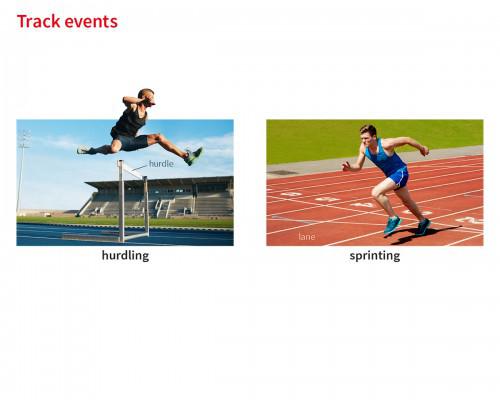
    hurdle(noun)

    /ˈhɜːrdl/

    장애물, 난관

    a problem or difficulty that must be dealt with before you can achieve something

    She overcame every hurdle in her path.

    그녀는 자신의 앞길에 놓인 모든 장애물을 극복했다.

    유의어obstaclebarrierimpedimentdifficultychallenge
    반의어aidassistancehelpadvantagebenefit
  69. 69

    incident(noun)

    /ˈɪnsɪdənt/

    사건

    something that happens, especially something unusual or unpleasant

    The police are investigating the incident.

    경찰은 그 사건을 조사하고 있습니다.

    유의어eventoccurrenceepisodeaffair
    반의어nothingnormalityusualness
  70. 70

    misfortune(noun)

    /ˌmɪsˈfɔːrtʃən/

    불행

    bad luck

    Losing his job was a great misfortune.

    직장을 잃은 것은 큰 불행이었다.

    유의어adversitytragedycalamityhardship
    반의어fortunelucksuccessblessing
  71. 71

    occupational(adjective)

    /ˌɑːkjuˈpeɪʃənl/

    직업상의

    connected with a person’s job or profession

    She suffered an occupational injury.

    그녀는 직업상의 부상을 입었다.

    유의어vocationalprofessionalwork-related
    반의어non-occupational
  72. 72

    pedestrian(noun)

    /pəˈdestriən/

    보행자

    a person walking in the street and not travelling in a vehicle

    The pedestrian waited for the light to change before crossing the street.

    보행자는 길을 건너기 전에 신호가 바뀌기를 기다렸습니다.

    유의어walkerfoot traveler
    반의어drivermotorist
  73. 73

    peril(noun)

    /ˈperəl/

    위험

    serious danger

    The hikers faced peril on the steep mountain trail.

    등산객들은 가파른 산길에서 위험에 직면했습니다.

    유의어dangerhazardrisk
    반의어safetysecurityprotection
  74. 74

    protective(adjective)

    /prəˈtektɪv/

    보호하는, 보호용의

    providing or intended to provide protection

    Workers must wear protective clothing and helmets on the building site.

    작업자들은 공사 현장에서 보호복과 안전모를 착용해야 한다.

    유의어defensivecaringwatchfulvigilantsafeguarding
    반의어carelessindifferentnegligentunprotective
  75. 75

    ram(verb)

    /ræm/

    들이받다, 충돌하다

    to drive into or hit another vehicle, ship, etc. with force, sometimes deliberately

    The stolen car rammed into a police car at the junction.

    도난 차량이 교차로에서 경찰차를 들이받았다.

    유의어male sheepbuck
    반의어ewefemale sheep
  76. 76

    run-in(noun)

    /'rʌn'in/

    언쟁, 충돌

    an argument or a fight with somebody, especially somebody in authority

    I had a run-in with my boss this morning.

    나는 오늘 아침 상사와 언쟁을 벌였다.

    유의어argumentdisagreementconflictencounter
    반의어agreementaccordharmony
  77. 77

    scaffolding(noun)

    /ˈskæfəldɪŋ/

    비계

    a temporary structure of metal tubes and boards that gives workers a safe place to stand when working above the ground

    The scaffolding around the facade will be dismantled after the painting is finished.

    외벽 둘레의 비계는 도장 작업이 끝나면 해체될 예정이다.

    Only trained and certified workers are allowed to alter the scaffolding.

    유의어stagingframeworkplatformsupport structure
    반의어demolitiondestruction
  78. 78

    skid(verb)

    /skɪd/

    미끄러지다

    to slide forward or to one side in a way that shows a loss of control

    The car began to skid on the icy road.

    차가 얼어붙은 도로에서 미끄러지기 시작했다.

    유의어slideslipswervedrift
    반의어gripadheretraction
  79. 79

    slam(verb)

    /slæm/

    쾅 닫다

    to shut, or to make something shut, with a lot of force, making a loud noise

    He slammed the door in anger.

    그는 화가 나서 문을 쾅 닫았다.

    유의어bangcrashsmashwhack
    반의어easegently close
  80. 80

    snag(noun)

    /snæɡ/

    문제점

    a problem or difficulty, especially one that is small, hidden or unexpected

    I hit a snag when trying to install the new software.

    새로운 소프트웨어를 설치하려고 할 때 문제가 발생했습니다.

    유의어difficultyhitchobstacleproblemcomplication
    반의어solutionresolutionsuccessadvantage
  81. 81

    speeding(noun)

    /ˈspiːdɪŋ/

    과속

    the traffic offence of driving faster than the legal limit

    He got a ticket for speeding.

    그는 과속으로 딱지를 받았다.

    유의어exceeding the speed limitfast drivingracing
    반의어slow drivingcrawlingobeying speed limits
  82. 82

    unforeseen(adjective)

    /ˌʌnfɔːrˈsiːn/

    예상치 못한

    that you did not expect to happen

    The accident was an unforeseen consequence of the new policy.

    그 사고는 새로운 정책의 예상치 못한 결과였습니다.

    유의어unexpectedunanticipatedunpredictedunforeseeable
    반의어expectedanticipatedpredictedforeseeable
  83. 83

    upheaval(noun)

    /ʌpˈhiːvl/

    격변

    a big change that causes a lot of worry and problems

    The country experienced a major political upheaval.

    그 나라는 주요한 정치적 격변을 겪었습니다.

    유의어disruptionturmoilupheavalrevolutionupending
    반의어stabilityorderpeace
  84. 84

    whack(verb)

    /wæk/

    세게 치다, 후려치다

    to hit somebody/something very hard

    He whacked his head on the door frame when he stood up.

    그는 일어서다가 문틀에 머리를 세게 부딪쳤다.

    유의어hitstrikesmackthump
    반의어caressstroke
  85. 85

    wreck(noun)

    /rek/

    난파선, 잔해

    a ship that has sunk or that has been very badly damaged

    Divers explored the wreck of the old ship on the sea floor.

    잠수부들이 해저에 있는 오래된 배의 난파선을 탐사했다.

    유의어ruindestructionremainsdebrisshipwreck
    반의어constructioncreationpreservation
  86. 86

    workplace(noun)

    /ˈwɜːrkpleɪs/

    직장

    the office, factory, etc. where people work

    The workplace should be a safe and comfortable environment.

    직장은 안전하고 편안한 환경이어야 합니다.

    유의어officejobbusinessestablishment
    반의어homeresidence
  87. 87

    drunk driving(noun)

    /drʌŋk ˈdraɪvɪŋ/

    음주 운전

    driving a vehicle after drinking too much alcohol

    Drunk driving is a serious offense.

    음주 운전은 심각한 범죄입니다.

    유의어driving under the influenceimpaired driving
    반의어sober drivingdesignated driver
  88. 88

    workstation(noun)

    /ˈwɜːrksteɪʃn/

    워크스테이션

    the desk and computer at which a person works; one computer that is part of a computer network

    He uses a powerful workstation for video editing.

    그는 비디오 편집을 위해 강력한 워크스테이션을 사용합니다.

    유의어desktopcomputerterminal
    반의어laptopmobile device
  89. 89

    airbag(noun)

    /ˈerbæɡ/

    에어백

    a safety device in a car that fills with air if there is an accident, to protect the people in the car

    The airbag deployed during the car accident.

    자동차 사고 동안 에어백이 펼쳐졌습니다.

    유의어safety cushionair cushion
    반의어None
  90. 90

    jackknife(verb)

    /ˈdʒæknaɪf/

    잭나이프 현상을 일으키다, V자로 꺾이다

    (of a lorry with two parts) to bend into a V-shape in an accident, so that the driver loses control

    The lorry skidded on the icy road and jackknifed across the motorway.

    화물차가 얼어붙은 도로에서 미끄러지면서 고속도로를 가로질러 V자로 꺾였다.

    유의어pocketknifefolding knife
    반의어fixed-blade knife
  91. 91

    road rage(noun)

    /rəʊd reɪdʒ/

    보복운전

    a situation in which a driver becomes extremely angry or violent with the driver of another car because of the way they are driving

    Road rage is a dangerous behavior that can lead to accidents.

    보복 운전은 사고로 이어질 수 있는 위험한 행동입니다.

    유의어aggressive drivingdriver aggressiontraffic violence
    반의어calm drivingsafe drivingpatient driving
  92. 92

    rollover(noun)

    /ˈrəʊləʊvər/

    전복 사고, 차량 전복

    an accident in which a vehicle turns over onto its side or roof

    The driver was badly injured in a rollover on the motorway.

    운전자는 고속도로에서 일어난 전복 사고로 크게 다쳤다.

    유의어renewalextensionpostponement
    반의어repaymentliquidationsettlement
  93. 93

    first aid(noun)

    /fɜːrst eɪd/

    응급처치, 응급 처치

    simple emergency treatment given to an injured or sick person before professional medical help arrives

    She gave first aid to the injured driver until the ambulance arrived.

    그녀는 구급차가 도착할 때까지 부상을 입은 운전자에게 응급처치를 했다.

    Every workplace should have a fully stocked first aid kit.

    유의어Emergency treatmentImmediate careMedical assistance
    반의어NeglectDisregardAbandonment
  94. 94

    Reckless driving(noun)

    /rɛkləs ˈdraɪvɪŋ/

    난폭 운전

    The offence of driving a vehicle in a dangerous way without caring about the safety of others.

    Reckless driving endangers everyone on the road.

    난폭 운전은 도로 위의 모든 사람을 위험에 빠뜨립니다.

    유의어Careless drivingRash drivingDangerous drivingImprudent driving
    반의어Careful drivingSafe drivingCautious driving
  95. 95

    Traffic lights(noun)

    /ˈtræfɪk laɪts/

    교통 신호등

    A set of coloured lights, usually red, yellow and green, that control traffic at a junction or crossing.

    The traffic lights turned red as I approached the intersection.

    교차로에 다가서자 교통 신호등이 빨간색으로 바뀌었습니다.

    유의어stoplightstraffic signals
  96. 96

    Traffic violation(noun)

    /ˈtræfɪk ˌvaɪəˈleɪʃən/

    교통 위반

    An act of breaking a law about driving or using the roads, such as speeding.

    He received a ticket for a traffic violation.

    그는 교통 위반으로 딱지를 받았습니다.

    유의어Traffic offenseMoving violationInfraction
    반의어ComplianceAdherenceLawfulness
  97. 97

    Aberration(noun)

    /æbəˈreɪʃən/

    이상

    A fact, action or way of behaving that is not usual and may be unacceptable.

    His violent behavior was an aberration.

    그의 폭력적인 행동은 이상이었습니다.

    유의어AnomalyDeviationIrregularityOddity
    반의어NormalityUsualnessRegularityTypicality
  98. 98

    Back Injury(noun)

    /bæk ˈɪndʒəri/

    허리 부상

    Physical harm or damage to the back, such as to the muscles or spine.

    He suffered a back injury while lifting heavy boxes.

    그는 무거운 상자를 들다가 허리 부상을 입었습니다.

    유의어Spinal injuryBack painVertebral injury
    반의어Healthy backUninjured back
  99. 99

    Brake failure(noun)

    /breɪk ˈfeɪljər/

    브레이크 고장

    A situation in which the brakes of a vehicle stop working properly.

    Brake failure caused the accident.

    브레이크 고장이 사고의 원인이었습니다.

    유의어brake malfunctionbrake breakdownbrake defect
    반의어working brakesfunctional brakes
  100. 100

    Car insurance(noun)

    /kɑːr ɪnˈʃʊrəns/

    자동차 보험

    An arrangement in which you pay a company money and it pays the costs if your car is damaged, stolen or causes an accident.

    I need to renew my car insurance.

    자동차 보험을 갱신해야 합니다.

    유의어auto insurancevehicle insurance
    반의어none
  101. 101

    Chances(noun)

    /tʃænsɪz/

    가능성, 확률

    The possibility that something will happen, especially something bad.

    The chances of having an accident increase greatly when you drive while tired.

    피곤한 상태로 운전하면 사고가 날 가능성이 크게 높아진다.

    유의어opportunitiespossibilitieslikelihoodsprospects
    반의어impossibilitiescertainties
  102. 102

    Chemical Spill(noun)

    /kɛmɪkəl spɪl/

    화학 물질 유출

    An accident in which a dangerous chemical escapes from its container and flows onto the ground or into water.

    The chemical spill caused major environmental damage.

    화학 물질 유출로 인해 심각한 환경 피해가 발생했습니다.

    유의어Toxic leakHazardous release
    반의어ContainmentPrevention
  103. 103

    Confined Space(noun)

    /kənˈfaɪnd speɪs/

    밀폐 공간

    An enclosed area with limited entry and exit, such as a tank or tunnel, where working can be dangerous.

    Workers must be trained before entering a confined space.

    작업자는 밀폐 공간에 들어가기 전에 훈련을 받아야 합니다.

    유의어Enclosed spaceRestricted areaLimited space
    반의어Open spaceUnconfined area
  104. 104

    Defensive driving(noun)

    /dɪˈfɛnsɪv ˈdraɪvɪŋ/

    방어 운전

    A way of driving in which you watch carefully for dangers and the mistakes of other drivers so that you can avoid accidents.

    Defensive driving can help prevent accidents.

    방어 운전은 사고를 예방하는 데 도움이 될 수 있습니다.

    유의어safe drivingcautious drivingprudent driving
    반의어aggressive drivingreckless driving
  105. 105

    Distracted driving(noun)

    /dɪˈstræktɪd ˈdraɪvɪŋ/

    운전 중 부주의

    Driving while your attention is taken away from the road, for example by using a phone.

    Distracted driving is a major cause of accidents.

    운전 중 부주의는 사고의 주요 원인입니다.

    유의어Inattentive drivingCareless driving
    반의어Attentive drivingFocused driving
  106. 106

    Emergency Evacuation(noun)

    /ɪˈmɜːrdʒənsi ɪˌvækjuˈeɪʃən/

    비상 대피

    The quick removal of people from a dangerous place, such as a burning building, in an emergency.

    The fire alarm triggered an emergency evacuation of the building.

    화재 경보로 건물에서 비상 대피가 시작되었습니다.

    유의어Emergency removalCrisis evacuationUrgent escape
    반의어RemainingStayingNo evacuation
  107. 107

    Eye protection(noun)

    /aɪ prəˈtɛkʃən/

    눈 보호

    Equipment such as safety glasses or goggles that is worn to protect the eyes from injury.

    You should wear eye protection when working with chemicals.

    화학 물질을 다룰 때는 눈 보호 장비를 착용해야 합니다.

    유의어safety glassesgogglesprotective eyewear
    반의어eye exposureunprotected eyes
  108. 108

    forklift(noun)

    /fɔːrklɪft/

    지게차

    a small vehicle with two metal arms at the front for lifting and moving heavy loads

    A forklift unloaded the pallets from the truck.

    지게차가 트럭에서 팔레트를 내렸다.

    Only trained staff may drive a forklift in the warehouse.

    유의어lift truckfork truck
    반의어None
  109. 109

    Hazard Communication(noun)

    /hæzərd kəˌmjuːnɪˈkeɪʃən/

    유해성 정보 전달

    The process of informing workers about dangerous chemicals and other hazards in the workplace, using labels, signs and training.

    Hazard communication is crucial for workplace safety.

    유해성 정보 전달은 직장 안전에 매우 중요합니다.

    유의어Risk communicationSafety data disseminationHazard awareness
    반의어Hazard concealmentRisk ignorance
  110. 110

    Hazardous Material(noun)

    /hæzərdəs məˈtɪriəl/

    위험물

    A substance that can harm people, property or the environment, for example because it is poisonous, flammable or explosive.

    The truck was carrying hazardous material.

    트럭은 위험물을 운반하고 있었다.

    유의어Dangerous substanceToxic materialHarmful substance
    반의어Safe materialNon-toxic substanceHarmless material
  111. 111

    Hit and run(noun)

    /hɪt ænd rʌn/

    뺑소니

    A road accident in which the driver who caused it does not stop to help or report it.

    The police are searching for the driver in the hit and run.

    경찰은 뺑소니 운전자를 찾고 있습니다.

    유의어fender bender and fleecrash and dash
    반의어stay at the scenereport the accident
  112. 112

    incident report(noun)

    /ɪnsɪdənt rɪˈpɔːrt/

    사고 보고서, 사건 보고서

    a written record of an accident, injury, loss or other problem that happened during a tour

    The guide wrote an incident report after a guest fell on the stairs.

    가이드는 고객이 계단에서 넘어진 후 사고 보고서를 작성했다.

    Incident reports must be sent to the operations manager within 24 hours.

    유의어accident reportevent reportoccurrence report
    반의어none
  113. 113

    lockout/tagout(noun)

    /lɑːkaʊt/ˈtæɡaʊt/

    잠금장치 및 표지 부착, 로토(LOTO)

    a safety procedure where a machine's energy sources are switched off, locked and tagged before maintenance work

    Apply lockout/tagout before you put your hands inside the machine.

    기계 안에 손을 넣기 전에 잠금장치 및 표지 부착(LOTO)을 실시하십시오.

    Every maintenance technician has a personal lock for lockout/tagout.

    유의어Control of Hazardous EnergyEnergy Isolation
    반의어ActivationEnergization
  114. 114

    Noise Exposure(noun)

    /nɔɪz ɪkˈspoʊʒər/

    소음 노출

    The amount of loud noise that a person is subjected to, especially at work, which may damage their hearing.

    Prolonged noise exposure can lead to hearing loss.

    장기간의 소음 노출은 청력 상실로 이어질 수 있습니다.

    유의어Sound pollutionAuditory overload
    반의어SilenceQuietPeace
  115. 115

    OSHA (Occupational Safety and Health Administration)(abbreviation)

    /oʊʃə/

    OSHA (산업안전보건청)

    Occupational Safety and Health Administration; the US government agency that sets and enforces rules for safety at work.

    The company must comply with OSHA regulations.

    회사는 OSHA 규정을 준수해야 합니다.

    유의어Workplace safety agencyOccupational health authority
    반의어Unregulated workplaceHazardous environment
  116. 116

    PPE (Personal Protective Equipment)(abbreviation)

    /piːpiːˈiː/

    개인 보호 장비

    Personal protective equipment; clothing and equipment such as masks, gloves and helmets worn to protect against injury or infection.

    Healthcare workers rely on PPE to protect themselves from infection.

    의료 종사자들은 감염으로부터 자신을 보호하기 위해 개인 보호 장비에 의존합니다.

    유의어protective gearsafety equipmentprotective clothing
    반의어hazarddangerrisk
  117. 117

    Rear-end collision(noun)

    /rɪr ɛnd kəˈlɪʒən/

    추돌

    An accident in which a vehicle crashes into the back of the vehicle in front of it.

    The rear-end collision caused significant damage to both vehicles.

    추돌 사고로 두 차량 모두 상당한 손상을 입었습니다.

    유의어Back-end collisionBumper to bumper accident
    반의어Head-on collisionSide impact collision
  118. 118

    Red light(noun)

    /rɛd laɪt/

    빨간불

    A red traffic signal that tells vehicles they must stop.

    The car stopped at the red light.

    차가 빨간불에 멈췄다.

    유의어stoplighttraffic signal
    반의어green lightgo-ahead
  119. 119

    Respiratory Protection(noun)

    /rɛspərəˌtɔːri prəˈtɛkʃən/

    호흡 보호

    Equipment such as masks or breathing devices that protects people from breathing in harmful dust, gas or smoke.

    Workers in hazardous environments must wear respiratory protection.

    위험한 환경의 작업자는 호흡 보호구를 착용해야 합니다.

    유의어Breathing apparatusAir-purifying respiratorRespiratory equipment
    반의어None
  120. 120

    risk assessment(noun)

    /rɪsk əˈsɛsmənt/

    위험성 평가, 리스크 평가

    a careful check of a task or workplace to find hazards, judge how serious they are and decide controls

    A risk assessment is needed before any work at height on the machine.

    기계에서 고소 작업을 하기 전에는 위험성 평가가 필요하다.

    The supervisor updated the risk assessment after the new press was installed.

    유의어Hazard analysisRisk analysisThreat assessment
    반의어NeglectIgnoring risks
  121. 121

    Road conditions(noun)

    /roʊd kənˈdɪʃənz/

    도로 상태

    The state of a road's surface, for example how wet, icy or damaged it is, which affects how safe it is to drive on.

    The road conditions made driving difficult.

    도로 상태가 운전을 어렵게 만들었습니다.

    유의어road surfacepavement qualitydriving conditions
    반의어ideal roadperfect road
  122. 122

    Road safety(noun)

    /roʊd ˈseɪfti/

    교통 안전

    The practice of preventing people from being hurt or killed in accidents on roads.

    Road safety is important for all drivers.

    교통 안전은 모든 운전자에게 중요합니다.

    유의어Traffic safetyHighway safety
    반의어Road hazardTraffic danger
  123. 123

    Safety Culture(noun)

    /seɪfti ˈkʌltʃər/

    안전 문화

    The shared attitudes, beliefs and practices in an organization that put safety first and help prevent accidents.

    The company promotes a strong safety culture.

    회사는 강력한 안전 문화를 장려합니다.

    유의어Safety mindsetSafety environmentRisk awarenessPreventative culture
    반의어NegligenceRecklessnessHazardous environmentRisk indifference
  124. 124

    Safety Inspector(noun)

    /seɪfti ɪnˈspɛktər/

    안전 검사관

    An official whose job is to check that workplaces, buildings or equipment are safe and follow safety rules.

    The safety inspector checked the construction site for hazards.

    안전 검사관은 건설 현장에 위험 요소가 있는지 확인했습니다.

    유의어Health and safety officerRisk assessorCompliance officer
    반의어Reckless workerNegligent supervisor
  125. 125

    Safety Regulations(noun)

    /seɪfti ˌrɛɡjəˈleɪʃənz/

    안전 규정

    Official rules that must be followed to protect people from accidents and harm.

    The company must follow all safety regulations.

    회사는 모든 안전 규정을 준수해야 합니다.

    유의어Safety rulesSecurity protocolsSafety standards
    반의어HazardsRisksDangers
  126. 126

    Safety Signs(noun)

    /seɪfti saɪnz/

    안전 표지판

    Signs that warn people about dangers or tell them how to behave safely in a place.

    The construction site was marked with safety signs to prevent accidents.

    사고를 예방하기 위해 건설 현장에는 안전 표지판이 표시되어 있었습니다.

    유의어Warning signsHazard signsCaution signs
    반의어None
  127. 127

    Safety Training(noun)

    /seɪfti ˈtreɪnɪŋ/

    안전 훈련

    Instruction that teaches people how to work or act safely and avoid accidents.

    All employees must complete the safety training.

    모든 직원은 안전 훈련을 이수해야 합니다.

    유의어Security trainingHazard trainingRisk management training
    반의어NegligenceRecklessness
  128. 128

    Side-swipe(verb)

    /saɪdswaɪp/

    측면 충돌

    to hit the side of a vehicle with the side of another vehicle while passing it

    The car side-swiped a parked vehicle while trying to parallel park.

    차가 평행 주차를 하려다 주차된 차량을 측면으로 들이받았습니다.

    유의어glancescrapebrush
    반의어direct hitfrontal collision
  129. 129

    Stop sign(noun)

    /stɑːp saɪn/

    정지 표지판

    A road sign telling drivers that they must stop their vehicle completely before going on.

    The car slowed down at the stop sign.

    차는 정지 표지판에서 속도를 줄였습니다.

    유의어halt signtraffic sign
    반의어go signyield sign
  130. 130

    Sudden stop(noun)

    /sʌdn stɑːp/

    급정지

    An occasion when a vehicle or person stops very quickly and without warning.

    The car came to a sudden stop to avoid hitting the deer.

    차는 사슴을 치는 것을 피하기 위해 급정지했습니다.

    유의어abrupt haltemergency stopjerky stop
    반의어gradual slowdownsmooth stop
  131. 131

    Tires(noun)

    /taɪrz/

    타이어

    Thick rubber coverings that fit around the wheels of a car, bicycle, etc.

    I need to buy new tires for my car.

    내 차에 새 타이어를 사야 해요.

    유의어WheelsRubberCasings
    반의어None
  132. 132

    Training Programs(noun)

    /treɪnɪŋ ˈproʊɡræmz/

    훈련 프로그램

    Organized courses of activities that teach people the skills and knowledge they need for a job or task.

    The company offers excellent training programs for new employees.

    회사는 신입 사원에게 훌륭한 훈련 프로그램을 제공합니다.

    유의어CoursesDevelopment ProgramsInstructionCoaching
    반의어NeglectIgnoranceUnpreparedness
  133. 133

    Wham(noun)

    /wæm/

    쾅

    The sudden loud sound made when something hits something else hard.

    The ball hit the wall with a wham.

    공이 벽에 쾅 소리를 내며 부딪혔다.

    유의어bangcrashthumpsmash
    반의어silencesoft touch
  134. 134

    Work-related(adjective)

    /wɜːrk rɪˈleɪtɪd/

    업무 관련의, 직업과 관련된

    connected with your job or caused by the work you do

    He suffered a serious work-related injury while lifting heavy boxes.

    그는 무거운 상자를 들다가 심각한 업무상 부상을 입었다.

    유의어job-relatedprofessionaloccupational
    반의어personalunrelated
  135. 135

    complication(noun)

    /ˌkɑːmplɪˈkeɪʃn/

    합병증

    a new problem or illness that makes treatment of a patient's existing condition more difficult
    She will have to spend two more days in the hospital due to complications during the surgery.

    그녀는 수술 중 합병증 때문에 병원에서 이틀 더 지내야 한다.

  136. 136

    trip(verb)

    /trɪp/

    발이 걸리다, 걸려 넘어지다

    to catch your foot on something and fall or almost fall

    She tripped over a loose cable and broke her wrist.

    그녀는 느슨한 전선에 걸려 넘어져 손목이 부러졌다.

  137. 137

    blow(noun)

    /bləʊ/

    타격, 강타

    a hard hit with the hand, a weapon or an object

    The driver suffered a severe blow to the head in the accident.

    운전자는 사고로 머리에 심한 타격을 입었다.

  138. 138

    lane(noun)

    /leɪn/

    차선

    a section of a wide road that is marked to show where one line of traffic should drive

    The truck suddenly moved into the fast lane without signalling.

    트럭이 방향지시등도 켜지 않고 갑자기 추월차선으로 들어왔다.