บทที่ 27/202 · 11 คำ · จำได้แล้ว 0
Law
กฎหมาย
ลูกค้า, ลูกค้าองค์กร
a person or company that pays a professional or an agency for services or advice
The client wants to see three new concepts by Friday.
ลูกค้าต้องการดูแนวคิดใหม่สามแนวคิดภายในวันศุกร์
Our biggest client is a drinks company based in Singapore.
คำพ้องความหมายcustomerpatronbuyerpurchaserconsumerคำตรงข้ามsellerprovidervendorแก้ตัว, ให้เหตุผลสนับสนุน, พิสูจน์ว่าสมเหตุสมผล
to show that somebody/something is right or reasonable
How can you justify spending so much money on clothes?
คุณจะให้เหตุผลได้อย่างไรที่ใช้เงินกับเสื้อผ้ามากขนาดนี้
คำพ้องความหมายdefendexcuserationalizevindicatewarrantexplainคำตรงข้ามcondemncensurecriticizedisapproveinvalidateกฎหมาย
a rule that deals with a particular crime, agreement, etc.
A new law was passed to make divorce easier and simpler.
มีการผ่านกฎหมายใหม่เพื่อให้การหย่าร้างง่ายและสะดวกขึ้น
Do not think you are above the law(= think that you cannot be punished by the law).
คำพ้องความหมายruleregulationstatuteactdecreeedictordinanceคำตรงข้ามdisorderanarchylawlessnessอาชญากรรม, ความผิด
an illegal act that can be punished by law
He has admitted committing several crimes including two murders.
เขายอมรับว่าได้ก่ออาชญากรรมหลายคดี รวมทั้งฆาตกรรมสองราย
คำพ้องความหมายoffensefelonymisdeedwrongdoingtransgressionviolationคำตรงข้ามinnocencelawfulnessrighteousnessvirtuemoralityส่วนของเจ้าของ, ส่วนของผู้ถือหุ้น
the owners' share of a business, equal to total assets minus total liabilities
Equity increased because the company kept most of its profit.
ส่วนของเจ้าของเพิ่มขึ้นเพราะบริษัทเก็บกำไรส่วนใหญ่ไว้
The bank prefers companies with a strong equity base.
คำพ้องความหมายownershipstakesharestockcapitalคำตรงข้ามdebtliabilityการประกันตัว, หลักทรัพย์ประกันตัว
release of an accused person before trial, often after money is paid as a guarantee they will return to court
The businessman was released on bail until his trial next month.
นักธุรกิจรายนั้นได้รับการปล่อยตัวชั่วคราวโดยประกันตัวจนกว่าจะถึงการพิจารณาคดีในเดือนหน้า
The court refused bail because the suspect might leave the country.
คำพ้องความหมายsecuritybondfreedomreleaseคำตรงข้ามimprisonmentdetentionincarcerationจำเลย
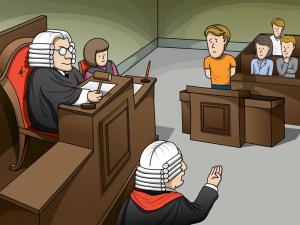
the person or company against whom a claim is brought in a civil case, or who is accused in a criminal case
The defendant denies that it received the goods.
จำเลยปฏิเสธว่าไม่ได้รับสินค้า
The bank was named as a second defendant in the lawsuit.
คำพ้องความหมายaccusedrespondentคำตรงข้ามprosecutorplaintiffคำให้การ, คำให้การเป็นลายลักษณ์อักษร
a formal statement, taken from somebody and used in a court of law
The witness gave a sworn deposition before the trial began.
พยานให้คำให้การโดยสาบานตนก่อนการพิจารณาคดีจะเริ่มขึ้น
คำพ้องความหมายaccumulationsedimentationprecipitationtestimonystatementคำตรงข้ามerosionremovalextractionช่องโหว่
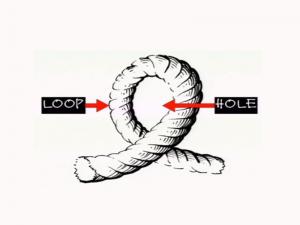
a mistake in the way a law, contract, etc. has been written that enables people to legally avoid doing something that the law, contract, etc. had intended them to do
The company exploited a loophole in the tax law to avoid paying millions.
บริษัทใช้ช่องโหว่ในกฎหมายภาษีเพื่อหลีกเลี่ยงการจ่ายเงินหลายล้าน
คำพ้องความหมายambiguityflawomissiontechnicalityescape clauseคำตรงข้ามrestrictionrulelawregulationร่างกฎหมายที่ประชามติ, ข้อเสนอเปลี่ยนแปลงกฎหมาย
(in the US) a suggested change to the law that people can vote on
Voters in California approved the proposition to raise taxes on cigarettes.
ผู้ลงคะแนนในแคลิฟอร์เนียอนุมัติข้อเสนอที่จะขึ้นภาษีบุหรี่
คำพ้องความหมายsuggestionofferproposalschemeplanคำตรงข้ามrejectiondenialrefusal