บทที่ 12/12 · 27 คำ · จำได้แล้ว 0
Topic 12: Health
หัวข้อ 12: สุขภาพ
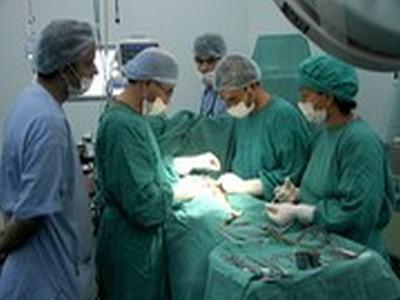
การผ่าตัด
the process of cutting open a part of a person's body in order to remove or repair a damaged part
Doctors performed an emergency operation for appendicitis last night
แพทย์ทำการผ่าตัดฉุกเฉินไส้ติ่งอักเสบเมื่อคืนนี้
Doctors performed an emergency operation for appendicitis last night.
คำพ้องความหมายsurgeryprocedureinterventiontreatmentprocessundertakingactivityคำตรงข้ามinactionrestnoninterventionabstentionเจ็บ
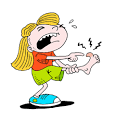
to cause physical pain to somebody/yourself; to injure somebody/yourself
My shoes hurt me because they are too small.
รองเท้าของฉันทำให้ฉันเจ็บเพราะมันเล็กเกินไป
People's reaction to the film has varied greatly.
คำพ้องความหมายachepaininjurewoundharmafflictคำตรงข้ามhealcomfortsootheeasehelpผู้ป่วย
a person who is receiving medical treatment, especially in a hospital
I am a patient of Dr. Stephens; could I make an appointment to see her?
ฉันเป็นคนไข้ของหมอสตีเฟนส์ ฉันสามารถนัดหมายเพื่อพบเธอได้ไหม
She's very patient with young children.
คำพ้องความหมายsick personinvalidcasesuffererclient (in some contexts)คำตรงข้ามdoctorphysicianhealthy personwellnessโรงพยาบาล (rong phaya baan)
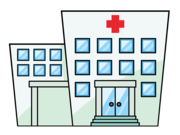
a large building where people who are ill or injured are given medical treatment and care
He had to go to the hospital for treatment.
เขาต้องไปโรงพยาบาลเพื่อรับการรักษา (khao dtong bpai rong phaya baan phuea rap gaan raksa)
คำพ้องความหมายinfirmaryclinicmedical centersanatoriumhospiceคำตรงข้ามhomeofficeworkplaceอาหารที่กินประจำ, การรับประทานอาหาร
the food and drink that you eat and drink regularly
A healthy diet includes plenty of fresh fruit and vegetables.
การรับประทานอาหารเพื่อสุขภาพประกอบด้วยผลไม้และผักสดมากมาย
คำพ้องความหมายregimeneating planweight loss plannutritionnourishmentคำตรงข้ามovereatingindulgencebinge eatingunrestricted eatingทันตแพทย์ (than taphaeet)
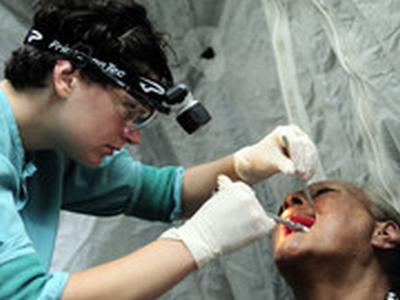
a person whose job is to take care of people’s teeth
A dentist's job is taking care of people's teeth.
งานของทันตแพทย์คือการดูแลฟันของคน (ngaan khong than taphaeet khue gaan dulae fan khong khon)
That's definite then, is it?
คำพ้องความหมายtooth doctordental surgeonoral surgeonคำตรงข้ามpatientแพร่, แพร่กระจาย, ลุกลาม
to affect or make something affect, be known by, or be used by more and more people
The disease spread quickly through the village.
โรคนี้แพร่กระจายอย่างรวดเร็วไปทั่วหมู่บ้าน
คำพ้องความหมายdisseminateexpandextendcirculateradiatediffuseproliferationคำตรงข้ามcontractdecreaseconcentraterestrictcontaingatherไข้, อาการไข้
a body temperature higher than normal, usually above 38 degrees Celsius, often caused by infection
The child has had a high fever for three days.
เด็กมีไข้สูงมาสามวันแล้ว
Paracetamol was given to bring down the fever.
คำพ้องความหมายpyrexiahigh temperaturetemperatureheatคำตรงข้ามhypothermiaafebrileโรค (rok)
an illness affecting humans, animals or plants, often caused by infection
A fatty diet increases the risk of heart disease.
อาหารที่มีไขมันสูงเพิ่มความเสี่ยงของโรคหัวใจ (a-haan thi mee khai man sung perm kwam siang khong rok hua jai)
คำพ้องความหมายillnessailmentsicknessmaladyconditionคำตรงข้ามhealthwellnessfitnessปวดศีรษะ, ปวดหัว
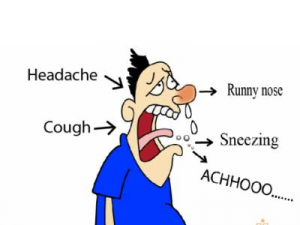
pain in any part of the head, ranging from mild to severe
A sudden, severe headache always needs urgent assessment in hospital.
อาการปวดศีรษะรุนแรงอย่างเฉียบพลันต้องได้รับการประเมินที่โรงพยาบาลโดยเร่งด่วนเสมอ
She has had a throbbing headache since yesterday.
คำพ้องความหมายcephalalgiamigrainehead painคำตรงข้ามreliefcurerecoverywellnessร้านขายยา, ห้องจ่ายยา
a shop, or part of one, that sells medicines and drugs
I bought some cough medicine at the pharmacy near my house.
ฉันซื้อยาแก้ไอที่ร้านขายยาใกล้บ้าน
คำพ้องความหมายdrugstorechemist'sapothecarydrugstorepharmaceutical scienceคำตรงข้ามnone (in a direct sense - antonyms would relate to non-medical fields or practices)ความเจ็บปวด (khwaam chep puat)
the feelings that you have in your body when you have been hurt or when you are ill
This cream helps to relieve the pain.
ครีมนี้ช่วยบรรเทาความเจ็บปวด (khriim nií chûai banthao khwaam chep puat)
คำพ้องความหมายacheagonydiscomforthurtsufferingsorenessanguishdistressคำตรงข้ามcomforteasereliefpleasurewell-beingjoyอาการ, อาการแสดง
a change in the body or mind that a patient notices and that may be a sign of disease
The most common symptoms of dengue are high fever and severe body aches.
อาการที่พบบ่อยที่สุดของโรคไข้เลือดออกคือไข้สูงและปวดเมื่อยตามตัวอย่างรุนแรง
Tell the doctor when your symptoms first started.
คำพ้องความหมายsignindicationmanifestationcharacteristicfeatureevidenceคำตรงข้ามhealthwellnesscurenormalityแพ้
having an allergy to something
Westerners are roughly twice as likely as East Asians to be allergic to peanuts.
ชาวตะวันตกมีแนวโน้มที่จะแพ้ถั่วลิสงมากกว่าชาวเอเชียตะวันออกประมาณสองเท่า
คำพ้องความหมายsensitivereactivesusceptibleaffectedhypersensitiveคำตรงข้ามimmuneresistanttolerantnonreactiveโภชนาการ (poh-cha-na-gaan)
the process by which living things receive the food necessary for them to grow and be healthy
Adequate nutrition is essential to the proper physical development of children.
โภชนาการที่เพียงพอเป็นสิ่งจำเป็นสำหรับการพัฒนาทางร่างกายที่เหมาะสมของเด็ก (poh-cha-na-gaan tee piang-pho pen sing jam-pen sam-rap gan pat-ta-na tang ra-ngai tee mop-som kong dek).
คำพ้องความหมายnourishmentsustenancedietfoodalimentationfeedคำตรงข้ามstarvationmalnutritiondeprivationfastingอาหารจานด่วน
hot food, such as hamburgers and chips, that is served very quickly and can be taken away to be eaten in the street
Fast food is hot food, such as hamburgers and chips, that you obtain from particular types of restaurant, and which is served quickly after you order it.
อาหารจานด่วนคืออาหารร้อน เช่น แฮมเบอร์เกอร์และมันฝรั่งทอด ที่คุณซื้อจากร้านอาหารบางประเภท และซึ่งเสิร์ฟอย่างรวดเร็วหลังจากที่คุณสั่ง
คำพ้องความหมายjunk foodconvenience foodtakeoutready-to-eat foodคำตรงข้ามhealthy foodslow foodhome-cooked mealnutritious foodยุง
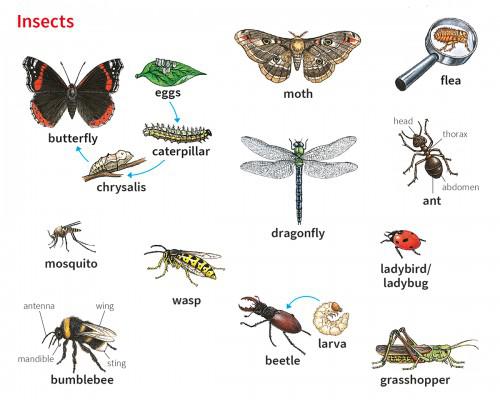
a flying insect that bites humans and animals and drinks their blood. One type of mosquito can spread the disease malaria .
A mosquito carrying malaria infected the young boy and caused him to be very ill for several weeks.
ยุงที่มียุงมาลาเรียกัดเด็กชายและทำให้เขาป่วยหนักเป็นเวลาหลายสัปดาห์
คำพ้องความหมายskeetergnatbiting flyคำตรงข้ามNone (Mosquito is a specific type of insectand doesn't have antonyms in the typical sense.)องค์การอนามัยโลก
an agency of the United Nations that works to improve public health around the world
The World Health Organization (WHO) is a specialized agency of the United Nations that is concerned with international public health.
องค์การอนามัยโลก (WHO) เป็นหน่วยงานพิเศษของสหประชาชาติที่เกี่ยวข้องกับสุขภาพสาธารณะระหว่างประเทศ
คำพ้องความหมายWHOวิตามิน (witamin)
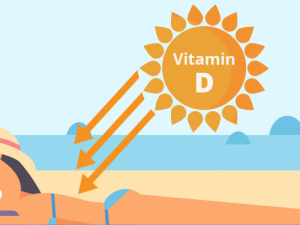
a natural substance found in food that is an essential part of what humans and animals need to help them grow and stay healthy. There are many different vitamins .
We get some of our vitamin D through sunlight.
เราได้รับวิตามินดีบางส่วนจากแสงแดด (rao dai rap witamin di bang suan chak saeng daet)
คำพ้องความหมายnutrientsupplementmicronutrientคำตรงข้ามtoxinpoisoncontaminantตาแดง
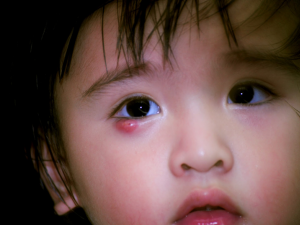
eyes that are red, painful or irritated, often because of an infection
Sore eyes, also known as conjunctivitis, are a very widespread and common eye infection that affects people of all ages.
ตาแดง หรือที่เรียกว่าเยื่อบุตาอักเสบ เป็นการติดเชื้อที่ดวงตาที่แพร่หลายและพบได้บ่อยมาก ซึ่งส่งผลกระทบต่อผู้คนทุกวัย
คำพ้องความหมายeye irritationred eyespinkeyeconjunctivitis (when caused by infection)คำตรงข้ามclear eyeshealthy eyes