레슨 12/12 · 27단어 · 외운 단어 0
Topic 12: Health
주제 12: 건강
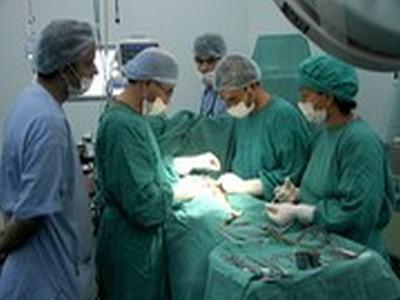
수술
the process of cutting open a part of a person's body in order to remove or repair a damaged part
Doctors performed an emergency operation for appendicitis last night
의사들은 어젯밤 맹장염 응급 수술을 했다.
Doctors performed an emergency operation for appendicitis last night.
유의어surgeryprocedureinterventiontreatmentprocessundertakingactivity반의어inactionrestnoninterventionabstention환자 (hwanja)
a person who is receiving medical treatment, especially in a hospital
I am a patient of Dr. Stephens; could I make an appointment to see her?
저는 스티븐스 박사님의 환자입니다. 진료 예약할 수 있을까요? (Jeoneun Seutibeunseu baksanimui hwanjaimnida. Jillyo yeyakhal su isseulkkayo?)
She's very patient with young children.
유의어sick personinvalidcasesuffererclient (in some contexts)반의어doctorphysicianhealthy personwellness병원 (byeongwon)
a large building where people who are ill or injured are given medical treatment and care
He had to go to the hospital for treatment.
그는 치료를 위해 병원에 가야 했습니다. (geuneun chiryoreul wihae byeongwone gaya haetseumnida.)
유의어infirmaryclinicmedical centersanatoriumhospice반의어homeofficeworkplace치과의사 (chigwa uisa)
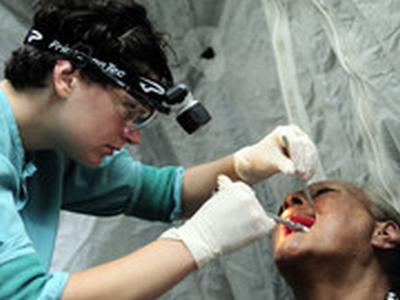
a person whose job is to take care of people’s teeth
A dentist's job is taking care of people's teeth.
치과의사의 일은 사람들의 치아를 관리하는 것입니다. (chigwa uisa ui ireun saramdeul-ui chialeul gwanlihaneun geosimnida.)
That's definite then, is it?
유의어tooth doctordental surgeonoral surgeon반의어patient발열, 열
a body temperature higher than normal, usually above 38 degrees Celsius, often caused by infection
The child has had a high fever for three days.
그 아이는 사흘째 고열에 시달리고 있다.
Paracetamol was given to bring down the fever.
유의어pyrexiahigh temperaturetemperatureheat반의어hypothermiaafebrile질병 (jilbyeong)
an illness affecting humans, animals or plants, often caused by infection
A fatty diet increases the risk of heart disease.
지방이 많은 식단은 심장병의 위험을 증가시킵니다. (jibangi manheun sikdaneun simjangbyeongui wiheomeul jeunggashipnida.)
유의어illnessailmentsicknessmaladycondition반의어healthwellnessfitness약국
a shop, or part of one, that sells medicines and drugs
I bought some cough medicine at the pharmacy near my house.
나는 집 근처 약국에서 기침약을 샀다.
유의어drugstorechemist'sapothecarydrugstorepharmaceutical science반의어none (in a direct sense - antonyms would relate to non-medical fields or practices)고통 (gotong)
the feelings that you have in your body when you have been hurt or when you are ill
This cream helps to relieve the pain.
이 크림은 통증을 완화하는 데 도움이 됩니다. (I keurimeun tongjeungeul wanwahaneun de doumi doemni da.)
유의어acheagonydiscomforthurtsufferingsorenessanguishdistress반의어comforteasereliefpleasurewell-beingjoy증상
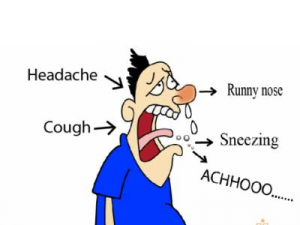
a change in the body or mind that a patient notices and that may be a sign of disease
The most common symptoms of dengue are high fever and severe body aches.
뎅기열의 가장 흔한 증상은 고열과 심한 전신 근육통이다.
Tell the doctor when your symptoms first started.
유의어signindicationmanifestationcharacteristicfeatureevidence반의어healthwellnesscurenormality영양 (yeong-yang)
the process by which living things receive the food necessary for them to grow and be healthy
Adequate nutrition is essential to the proper physical development of children.
적절한 영양 섭취는 어린이의 적절한 신체 발달에 필수적입니다. (Jeokjeolhan yeongyang seopchineun eorinieui jeokjeolhan sinche baldale pilsujeokimnida.)
유의어nourishmentsustenancedietfoodalimentationfeed반의어starvationmalnutritiondeprivationfasting패스트푸드
hot food, such as hamburgers and chips, that is served very quickly and can be taken away to be eaten in the street
Fast food is hot food, such as hamburgers and chips, that you obtain from particular types of restaurant, and which is served quickly after you order it.
패스트푸드는 햄버거와 감자 튀김처럼 특정 유형의 식당에서 얻을 수 있고 주문 후 빠르게 제공되는 따뜻한 음식입니다.
유의어junk foodconvenience foodtakeoutready-to-eat food반의어healthy foodslow foodhome-cooked mealnutritious food모기 (mogi)
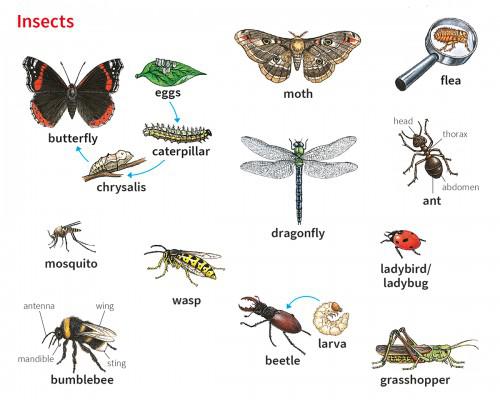
a flying insect that bites humans and animals and drinks their blood. One type of mosquito can spread the disease malaria .
A mosquito carrying malaria infected the young boy and caused him to be very ill for several weeks.
말라리아를 옮기는 모기가 어린 소년을 감염시켜서 몇 주 동안 매우 아프게 만들었습니다.
유의어skeetergnatbiting fly반의어None (Mosquito is a specific type of insectand doesn't have antonyms in the typical sense.)세계 보건 기구
an agency of the United Nations that works to improve public health around the world
The World Health Organization (WHO) is a specialized agency of the United Nations that is concerned with international public health.
세계 보건 기구(WHO)는 국제 공중 보건과 관련된 유엔의 전문 기관입니다.
유의어WHO비타민 (bitamin)
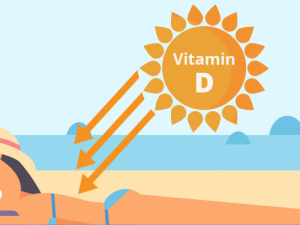
a natural substance found in food that is an essential part of what humans and animals need to help them grow and stay healthy. There are many different vitamins .
We get some of our vitamin D through sunlight.
우리는 햇빛을 통해 비타민 D를 얻습니다. (Urineun haetbicheul tonghae bitamin D reul eutseumnida.)
유의어nutrientsupplementmicronutrient반의어toxinpoisoncontaminant눈병
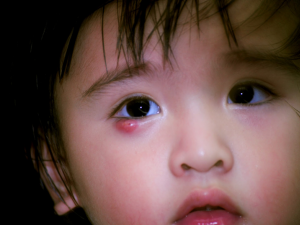
eyes that are red, painful or irritated, often because of an infection
Sore eyes, also known as conjunctivitis, are a very widespread and common eye infection that affects people of all ages.
눈병, 즉 결막염은 매우 널리 퍼져 있고 흔한 눈 감염으로 모든 연령대의 사람들에게 영향을 미칩니다.
유의어eye irritationred eyespinkeyeconjunctivitis (when caused by infection)반의어clear eyeshealthy eyes