コンテンツへスキップ

レッスン12/12 · 27語 · 覚えた単語 0

Topic 12: Health

トピック12:健康

  1. 1

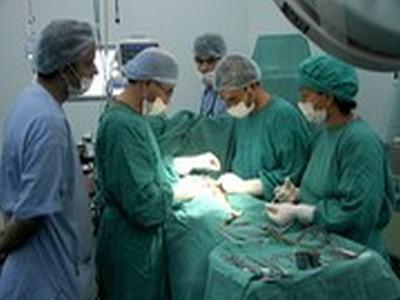
    operation(noun)

    /ˌɑːpəreɪʃn ˌdezərt ˈʃiːld/

    手術

    the process of cutting open a part of a person's body in order to remove or repair a damaged part

    Doctors performed an emergency operation for appendicitis last night

    医師たちは昨夜、虫垂炎の緊急手術を行った。

    Doctors performed an emergency operation for appendicitis last night.

    類義語surgeryprocedureinterventiontreatmentprocessundertakingactivity
    対義語inactionrestnoninterventionabstention
  2. 2

    hurt(verb)

    /hɜːrt/

    痛める

    to cause physical pain to somebody/yourself; to injure somebody/yourself

    My shoes hurt me because they are too small.

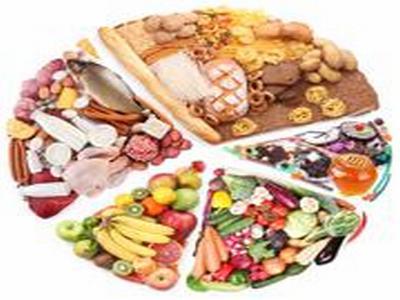
    靴が小さすぎるので、足が痛い。

    People's reaction to the film has varied greatly.

    類義語achepaininjurewoundharmafflict
    対義語healcomfortsootheeasehelp
  3. 3

    patient(noun)

    /ˈpeɪʃnt/

    患者 (kanja)

    a person who is receiving medical treatment, especially in a hospital

    I am a patient of Dr. Stephens; could I make an appointment to see her?

    私はスティーブンス先生の患者です。診察の予約はできますか?(Watashi wa Sutiibunsu sensei no kanja desu. Shinsatsu no yoyaku wa dekimasu ka?)

    She's very patient with young children.

    類義語sick personinvalidcasesuffererclient (in some contexts)
    対義語doctorphysicianhealthy personwellness
  4. 4

    hospital(noun)

    /ˈhɑːspɪtl/

    病院 (byouin)

    a large building where people who are ill or injured are given medical treatment and care

    He had to go to the hospital for treatment.

    彼は治療のために病院に行かなければならなかった。(Kare wa chiryou no tame ni byouin ni ikanakereba naranakatta.)

    類義語infirmaryclinicmedical centersanatoriumhospice
    対義語homeofficeworkplace
  5. 5

    flu(noun)

    /fluː/

    インフルエンザ

    a serious disease caused by a virus, that causes a high temperature, severe pains and weakness

    The whole family has the flu.

    家族全員がインフルエンザにかかっています。

    She's got flu.

    類義語influenzagrippe
    対義語healthwellnesswell-being
  6. 6

    diet(noun)

    /ˈdaɪət/

    食事, 食生活

    the food and drink that you eat and drink regularly

    A healthy diet includes plenty of fresh fruit and vegetables.

    健康的な食事には、新鮮な果物や野菜がたっぷり含まれている。

    類義語regimeneating planweight loss plannutritionnourishment
    対義語overeatingindulgencebinge eatingunrestricted eating
  7. 7

    dentist(noun)

    /ˈdentɪst/

    歯科医 (shikai)

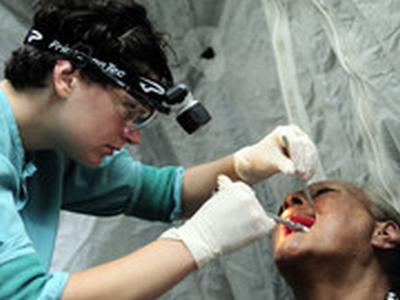
    a person whose job is to take care of people’s teeth

    A dentist's job is taking care of people's teeth.

    歯科医の仕事は人々の歯の世話をすることです。(Shikai no shigoto wa hitobito no ha no sewa o suru koto desu.)

    That's definite then, is it?

    類義語tooth doctordental surgeonoral surgeon
    対義語patient
  8. 8

    spread(verb)

    /spred/

    広がる, 広まる, 蔓延する

    to affect or make something affect, be known by, or be used by more and more people

    The disease spread quickly through the village.

    その病気は村中に急速に広がった。

    類義語disseminateexpandextendcirculateradiatediffuseproliferation
    対義語contractdecreaseconcentraterestrictcontaingather
  9. 9

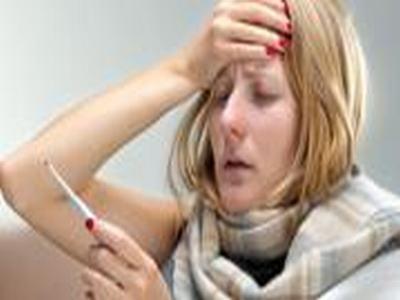
    fever(noun)

    /ˈfiːvər/

    発熱, 熱

    a body temperature higher than normal, usually above 38 degrees Celsius, often caused by infection

    The child has had a high fever for three days.

    その子は3日間高熱が続いている。

    Paracetamol was given to bring down the fever.

    類義語pyrexiahigh temperaturetemperatureheat
    対義語hypothermiaafebrile
  10. 10

    medicine(noun)

    /ˈmedɪsn/

    薬, 内服薬

    a substance, especially a liquid that you drink or swallow, that is used to treat or prevent an illness

    Did you take your medicine?

    薬は飲みましたか?

    to study/practise medicine

    類義語medicationremedycuretreatmentdrugpharmaceutical
    対義語poisontoxindiseaseillness
  11. 11

    disease(noun)

    /dɪˈziːz/

    病気 (byouki)

    an illness affecting humans, animals or plants, often caused by infection

    A fatty diet increases the risk of heart disease.

    脂肪分の多い食事は心臓病のリスクを高めます。(shiboubun no ooi shokuji wa shinzoubyou no risuku o takamemasu)

    類義語illnessailmentsicknessmaladycondition
    対義語healthwellnessfitness
  12. 12

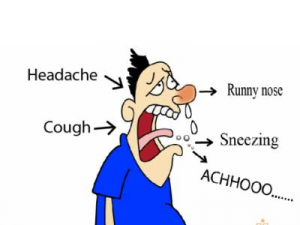
    headache(noun)

    /ˈhedeɪk/

    頭痛

    pain in any part of the head, ranging from mild to severe

    A sudden, severe headache always needs urgent assessment in hospital.

    突然の激しい頭痛は、必ず病院での緊急の評価が必要である。

    She has had a throbbing headache since yesterday.

    類義語cephalalgiamigrainehead pain
    対義語reliefcurerecoverywellness
  13. 13

    pharmacy(noun)

    /ˈfɑːrməsi/

    薬局, 調剤薬局

    a shop, or part of one, that sells medicines and drugs

    I bought some cough medicine at the pharmacy near my house.

    家の近くの薬局で咳止め薬を買いました。

    類義語drugstorechemist'sapothecarydrugstorepharmaceutical science
    対義語none (in a direct sense - antonyms would relate to non-medical fields or practices)
  14. 14

    overweight(adjective)

    /ˌəʊvərˈweɪt/

    太りすぎ

    too heavy, in a way that may be unhealthy

    She was only a few pounds overweight.

    彼女はほんの数ポンド太りすぎただけだった。

    類義語fatplumpstoutheavyobesechubby
    対義語underweightthinslimleanskinny
  15. 15

    addicted(adjective)

    /əˈdɪktɪd/

    中毒

    unable to stop using or doing something as a habit, especially something harmful

    to become addicted to drugs/gambling

    薬物/ギャンブルに中毒になる

    類義語dependenthookedcompulsiveobsessedenslaved
    対義語freeindependentimmuneresistantabstinent
  16. 16

    pain(noun)

    /peɪn/

    痛み (itami)

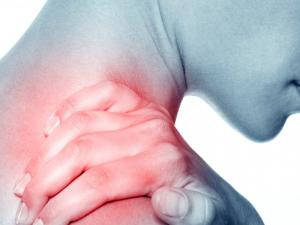
    the feelings that you have in your body when you have been hurt or when you are ill

    This cream helps to relieve the pain.

    このクリームは痛みを和らげるのに役立ちます。(Kono kuriimu wa itami o yawarageru no ni yakudachimasu.)

    類義語acheagonydiscomforthurtsufferingsorenessanguishdistress
    対義語comforteasereliefpleasurewell-beingjoy
  17. 17

    symptom(noun)

    /ˈsɪmptəm/

    症状

    a change in the body or mind that a patient notices and that may be a sign of disease

    The most common symptoms of dengue are high fever and severe body aches.

    デング熱の最も一般的な症状は、高熱と激しい全身の痛みです。

    Tell the doctor when your symptoms first started.

    類義語signindicationmanifestationcharacteristicfeatureevidence
    対義語healthwellnesscurenormality
  18. 18

    allergic(adjective)

    /əˈlɜːrdʒɪk/

    アレルギーの

    having an allergy to something

    Westerners are roughly twice as likely as East Asians to be allergic to peanuts.

    西洋人は東アジア人よりもピーナッツアレルギーである可能性が約2倍高いです。

    類義語sensitivereactivesusceptibleaffectedhypersensitive
    対義語immuneresistanttolerantnonreactive
  19. 19

    make an appointment(phrase)

    /meɪk ən əˈpɔɪntm(ə)nt/

    予約する

    to arrange a time to see somebody, especially a doctor or other professional

    You should make an appointment before coming.

    来る前に予約するべきです。

    類義語schedulebookarrangeset upfix
    対義語cancelreschedulebreak
  20. 20

    nutrition(noun)

    /nuˈtrɪʃn/

    栄養 (eiyō)

    the process by which living things receive the food necessary for them to grow and be healthy

    Adequate nutrition is essential to the proper physical development of children.

    適切な栄養は、子供の適切な身体発達に不可欠です。(Tekisetsu na eiyō wa, kodomo no tekisetsu na shintai hattatsu ni fukaketsu desu.)

    類義語nourishmentsustenancedietfoodalimentationfeed
    対義語starvationmalnutritiondeprivationfasting
  21. 21

    fast food(noun)

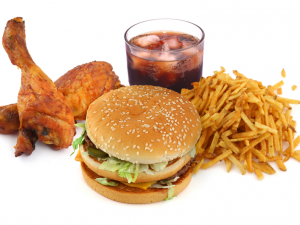
    /ˌfæst ˈfuːd/

    ファストフード

    hot food, such as hamburgers and chips, that is served very quickly and can be taken away to be eaten in the street

    Fast food is hot food, such as hamburgers and chips, that you obtain from particular types of restaurant, and which is served quickly after you order it.

    ファストフードとは、ハンバーガーやフライドポテトなど、特定の種類のレストランで入手でき、注文後すぐに提供される温かい食べ物のことです。

    類義語junk foodconvenience foodtakeoutready-to-eat food
    対義語healthy foodslow foodhome-cooked mealnutritious food
  22. 22

    mosquito(noun)

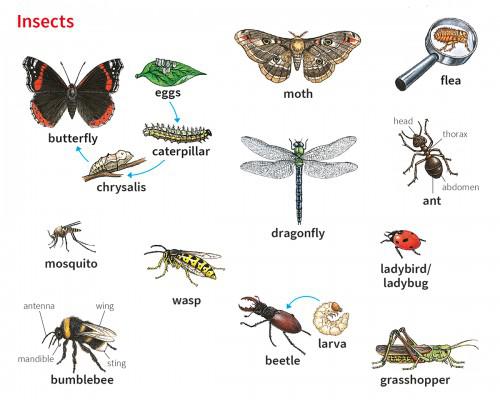
    /məˈskiːtəʊ/

    蚊 (ka)

    a flying insect that bites humans and animals and drinks their blood. One type of mosquito can spread the disease malaria .

    A mosquito carrying malaria infected the young boy and caused him to be very ill for several weeks.

    マラリアを媒介する蚊が少年を刺し、数週間非常に体調を悪くさせた。

    類義語skeetergnatbiting fly
    対義語None (Mosquito is a specific type of insectand doesn't have antonyms in the typical sense.)
  23. 23

    World Health Organization(noun)

    /ˌwɝːld ˈhelθ ɔːr.ɡən.əˌzeɪ.ʃən/

    世界保健機関

    an agency of the United Nations that works to improve public health around the world

    The World Health Organization (WHO) is a specialized agency of the United Nations that is concerned with international public health.

    世界保健機関(WHO)は、国際的な公衆衛生に関わる国連の専門機関です。

    類義語WHO
  24. 24

    vitamin(noun)

    /ˈvaɪtəmɪn/

    ビタミン (bitamin)

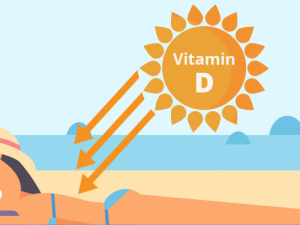
    a natural substance found in food that is an essential part of what humans and animals need to help them grow and stay healthy. There are many different vitamins .

    We get some of our vitamin D through sunlight.

    私たちは日光を通してビタミンDを摂取します。(Watashitachi wa nikkou o tooshite bitamin D o sesshu shimasu.)

    類義語nutrientsupplementmicronutrient
    対義語toxinpoisoncontaminant
  25. 25

    sore eyes(noun)

    /sɔːr aɪs/

    目の痛み

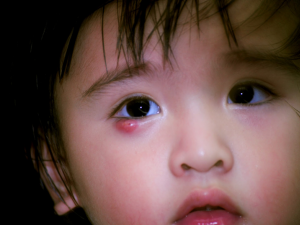
    eyes that are red, painful or irritated, often because of an infection

    Sore eyes, also known as conjunctivitis, are a very widespread and common eye infection that affects people of all ages.

    目の痛み、別名結膜炎は、非常に広範囲で一般的な目の感染症であり、あらゆる年齢層の人々に影響を与えます。

    類義語eye irritationred eyespinkeyeconjunctivitis (when caused by infection)
    対義語clear eyeshealthy eyes

  26. 26

    treat(verb)

    /triːt/

    治療する, 手当てする

    to give medical care or attention to a person, an illness, an injury, etc.

    The doctors treated her for a broken leg at the local hospital.

    医師たちは地元の病院で彼女の骨折した脚を治療した。

  27. 27

    drug(noun)

    /drʌɡ/

    薬, 医薬品

    a substance used as a medicine or used in a medicine

    The doctor prescribed a new drug to help control her blood pressure.

    医師は彼女の血圧を抑えるために新しい薬を処方しました。