跳至主要內容

第 26/38 課 · 70 個單字 · 已學會 0 個

War Conflict

戰爭與衝突

  1. 1

    warning(noun)

    /ˈwɔːrnɪŋ/

    警告, 警示

    a statement, an event, etc. telling somebody that something bad or unpleasant may happen in the future so that they can try to avoid it

    The red flashing light gives a warning to users that the battery is low

    紅色閃爍的燈號向使用者發出電量不足的警示。

    Flashing images on a web page are designed to attract users' attention

    同義詞alertcautionnotificationadmonitionthreatsignal
    反義詞reassurancesecuritysafetyencouragementnegligence
  2. 2

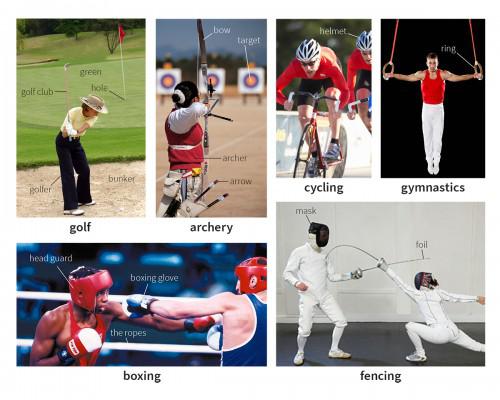
    target(noun)

    /ˈtɑːrɡɪt/

    業績目標, 銷售目標

    a result, such as an amount of sales, that a person or team tries to achieve in a period

    Our team hit its sales target two weeks before the end of the quarter.

    我們團隊在本季結束前兩週就達成了銷售目標。

    If we miss the target again, the bonus will be cut.

    同義詞aimgoalobjectivepurposemarkintenddirectfocus
    反義詞ignoreneglectmissdisregard
  3. 3

    fire(noun)

    /ˈfaɪər/

    火, 火焰

    the flames, light and heat, and often smoke, that are produced when something burns

    Animals are usually afraid of fire.

    動物通常都怕火。

    The islands export sugar and fruit.

    同義詞flamesinfernoblazeconflagrationcombustion
    反義詞watericecoldextinguishment
  4. 4

    enemy(noun)

    /ˈenəmi/

    敵人, 天敵

    a person who hates somebody or who acts or speaks against somebody/something

    Birds are the natural enemies of many insect pests (= they kill them).

    鳥類是許多害蟲的天敵。

    He has a lot of enemies in the company.

    同義詞adversaryfoeopponentrivalantagonist
    反義詞friendallysupporterassociate
  5. 5

    weapon(noun)

    /ˈwepən/

    武器, 兵器

    an object such as a knife, gun, bomb, etc. that is used for fighting or attacking somebody

    He was charged with carrying an offensive weapon.

    他被控攜帶攻擊性武器。

    nuclear weapons

    同義詞armfirearmgunordnancemissileammunition
    反義詞toolinstrumentimplement
  6. 6

    threaten(verb)

    /ˈθretn/

    威脅, 恐嚇

    to say that you will cause trouble, hurt somebody, etc. if you do not get what you want

    The mugger threatened to kill him.

    那名搶匪威脅要殺了他。

    The attacker threatened them with a gun.

    同義詞intimidatemenaceendangerportendwarncoerce
    反義詞assurecomfortencouragepromiseguarantee
  7. 7

    conflict(noun)

    /ˈkɑːnflɪkt/

    衝突, 爭執, 抵觸

    a situation in which people, groups or countries disagree strongly or are involved in a serious argument

    When conflicts do happen, we work together to find the solutions.

    當衝突真的發生時,我們會一起合作找出解決辦法。

    conflicting emotions/interests/loyalties

    同義詞disputeclashstrugglediscordoppositionfriction
    反義詞peaceharmonyagreementaccordconcord
  8. 8

    shot(noun)

    /ʃɑːt/

    槍聲, 開槍

    the act of firing a gun; the sound this makes

    We heard a shot, and everyone ran for cover.

    我們聽到一聲槍響,大家都跑去找掩護。

    同義詞attempttryeffortthrowdischargelaunch
    反義詞failuremisscatchsave
  9. 9

    cease(verb)

    /siːs/

    停止, 終止

    to stop happening or existing; to stop something from happening or existing

    You never cease to amaze me!

    你總是讓我驚訝不已!

    They voted to cease strike action immediately.

    同義詞stopendhaltterminatediscontinue
    反義詞beginstartcommencecontinuepersist
  10. 10

    attack(noun)

    /əˈtæk/

    攻擊, 襲擊, 進攻

    an act of using violence to try to hurt or kill somebody

    The soldiers launched an attack on the enemy camp at dawn.

    士兵們在黎明時對敵軍營地發動了攻擊。

    同義詞assaultraidonslaughtaggressionoffensivestrikeinvasion
    反義詞defenseprotectionretreatsurrenderpeace
  11. 11

    army(noun)

    /ˈɑːrmi/

    軍隊,陸軍

    a large organized group of soldiers who are trained to fight on land

    My uncle is in the army.

    我叔叔在軍中服役。

    She was forced to have her baby adopted.

    同義詞militaryarmed forcestroopsservicelegion
    反義詞civilianspeacesociety
  12. 12

    withdraw(verb)

    /wɪðˈdrɔː/

    提款, 提領

    to take money out of a bank account

    I withdrew five million dong from the ATM.

    我在自動提款機提領了500萬越南盾。

    You can withdraw up to 100 million dong at the counter without notice.

    同義詞retreatpull outrevokeretractcancelremoveextractrecant
    反義詞advancedepositsubmitinsertintroduceenter
  13. 13

    bomb(noun)

    /bɑːm/

    炸彈

    a weapon designed to explode at a particular time or when it is dropped or thrown

    A bomb exploded in the city centre, but luckily nobody was hurt.

    市中心發生炸彈爆炸,但幸好沒有人受傷。

    同義詞explosivegrenademissiledeviceshell
    反義詞calmpeacetranquility
  14. 14

    violent(adjective)

    /ˈvaɪələnt/

    暴力的, 兇暴的

    involving or caused by physical force that is intended to hurt or kill somebody

    This film is so violent because there are too many fights and bloody scenes.

    這部電影太暴力了,因為裡面有太多打鬥和血腥場面。

    The crowd suddenly turned violent.

    同義詞aggressiveferociousbrutalsavageforcefulintense
    反義詞peacefulgentlecalmmildharmless
  15. 15

    confront(verb)

    /kənˈfrʌnt/

    與…對峙, 遭遇, 面對

    to face somebody in an unfriendly or threatening way, especially in a fight or battle

    The soldiers were confronted by an armed group near the border.

    士兵們在邊境附近遭遇一群武裝人士。

    同義詞faceencountertackleopposebravechallenge
    反義詞avoidevadeignoredodgeshun
  16. 16

    bullet(noun)

    /ˈbʊlɪt/

    子彈

    a small metal object that is fired from a gun

    He was killed by a bullet in the head.

    他因頭部中彈而喪命。

    bullet wounds

    同義詞shotprojectilecartridgepellet
    反義詞peacesafetyprotection
  17. 17

    soldier(noun)

    /ˈsəʊldʒər/

    士兵,軍人

    a member of an army, especially one who is not an officer

    soldiers in uniform

    穿著制服的士兵

    soldiers on duty

    同義詞combatantfighterwarriorservicemantrooper
    反義詞civilian
  18. 18

    violence(noun)

    /ˈvaɪələns/

    暴力, 暴行

    violent behaviour that is intended to hurt or kill somebody

    Why do they always have to resort to violence?

    他們為什麼總是要訴諸暴力?

    domestic violence(= between family members)

    同義詞aggressionbrutalityforceferocitysavageryhostilitycombatconflict
    反義詞peacetranquilitycalmharmonygentlenessnonviolence
  19. 19

    armed(adjective)

    /ɑːrmd/

    武裝的, 持械的

    involving the use of weapons

    an armed robbery

    持械搶劫

    an international armed conflict(= a war)

    同義詞weaponizedequippedfittedpreparedcarrying weapons
    反義詞unarmeddefenselessunprotectedvulnerable
  20. 20

    gun(noun)

    /ɡʌn/

    槍, 砲

    a weapon that is used for firing bullets or shells

    The attacker held a gun to the hostage's head.

    襲擊者用槍抵住人質的頭。

    a toy gun

    同義詞firearmweaponpistolrevolverrifleshotgun
    反義詞disarmamentpeaceconciliation
  21. 21

    crisis(noun)

    /ˈkraɪsɪs/

    危機

    a time of great danger, difficulty or doubt when problems must be solved or important decisions must be made

    We provide help to families in crisis situations.

    我們為處於危機中的家庭提供協助。

    The party was suffering a crisis of confidence among its supporters (= they did not trust it any longer).

    同義詞emergencypredicamentdifficultydilemmaturning pointcatastrophe
    反義詞stabilityequilibriumpeaceharmonynormality
  22. 22

    military(adjective)

    /ˈmɪləteri/

    軍事的, 軍方的

    connected with soldiers or the armed forces

    military training/intelligence

    軍事訓練/軍事情報

    military uniform

    同義詞armedmartialsoldierlyservice
    反義詞civiliannonmilitary
  23. 23

    arms(noun)

    /ɑːrmz/

    武器, 軍火

    weapons, especially as used by the army, navy , etc.

    arms and ammunition

    武器和彈藥

    Police officers in the UK do not usually carry arms.

    同義詞weaponryweaponsfirearmsordnancearmament
    反義詞peacedisarmament
  24. 24

    arrow(noun)

    /ˈærəʊ/

    箭

    a thin stick with a sharp point at one end, which is shot from a bow

    a bow and arrow

    弓與箭

    to fire/shoot an arrow

    同義詞boltdartprojectileshaft
    反義詞defenseshield
  25. 25

    battle(noun)

    /ˈbætl/

    戰役, 戰鬥

    a fight between armies, ships or planes, especially during a war; a violent fight between groups of people

    Almost everyone has heard of the battle at Waterloo.

    幾乎每個人都聽過滑鐵盧之役。

    a gun battle

    同義詞fightcombatconflictengagementskirmish
    反義詞peacetrucearmisticeagreementharmony
  26. 26

    war(noun)

    /wɔːr/

    戰爭

    a situation in which two or more countries or groups of people fight against each other over a period of time

    How long have they been at war?

    他們交戰多久了?

    The government does not want to go to war(= start a war) unless all other alternatives have failed.

    同義詞conflictcombathostilitiesstrugglebattlefighting
    反義詞peaceharmonytruceaccordceasefire
  27. 27

    threat(noun)

    /θret/

    威脅, 恐嚇, 威脅的話

    a statement in which you tell somebody that you will punish or harm them, especially if they do not do what you want

    She is prepared to carry out her threat to resign.

    她準備實現她要辭職的威脅。

    He received death threats from right-wing groups.

    同義詞menaceintimidationwarningdangerhazardperil
    反義詞promiseassuranceguaranteeprotectionsecurity
  28. 28

    casualty(noun)

    /ˈkæʒuəlti/

    傷亡者, 死傷人員

    a person who is killed or injured in war or in an accident

    road casualties

    道路交通傷亡者

    同義詞victiminjuredfatalitylosswoundedsufferer
    反義詞benefitgainsuccesstriumphachievement
  29. 29

    intervene(verb)

    /ˌɪntərˈviːn/

    介入, 干預, 調停

    to become involved in a situation in order to improve or help it

    The teacher intervened in the quarrel between the two students.

    老師介入了兩名學生之間的爭吵。

    同義詞mediatearbitrateintercedeinterferestep in
    反義詞ignoreneglectdisregardstand by
  30. 30

    invade(verb)

    /ɪnˈveɪd/

    入侵, 侵略

    to enter a country, town, etc. using military force in order to take control of it

    Troops invaded on August 9th that year.

    當年八月九日軍隊入侵。

    同義詞attackassaultraidoccupypenetrateenter by forceinfringeencroach
    反義詞defendprotectretreatwithdrawsurrender
  31. 31

    survival(noun)

    /sərˈvaɪvl/

    生存, 存活

    the state of continuing to live or exist, often despite difficulty or danger

    His survival during the storm surprised everybody.

    他在暴風雨中生還,讓所有人都很驚訝。

    同義詞existencecontinuancepreservationrescuerecoveryendurance
    反義詞deathdemiseextinctionfailure
  32. 32

    conquer(verb)

    /ˈkɑːŋkər/

    征服, 攻占

    to take control of a country or city and its people by force

    The Romans conquered much of Europe about two thousand years ago.

    羅馬人大約在兩千年前征服了歐洲大部分地區。

    同義詞defeatovercomevanquishsubduemasterachieveattaintriumph
    反義詞surrenderyieldlosefailsubmitrelinquish
  33. 33

    terrorism(noun)

    /ˈterərɪzəm/

    恐怖主義

    the use of violent action in order to achieve political aims or to force a government to act

    The bomb explosion was one of the worst acts of terrorism that Italy has experienced in recent years.

    那起炸彈爆炸是義大利近年來經歷過最嚴重的恐怖主義行動之一。

    同義詞violenceintimidationextremismanarchy
    反義詞peacesecurityorder
  34. 34

    terrorist(noun)

    /ˈterərɪst/

    恐怖分子

    a person who takes part in terrorism

    Several terrorists have been killed by their own bombs.

    有幾名恐怖分子被自己的炸彈炸死。

    同義詞extremistinsurgentmilitantradicalzealot
    反義詞peacemakerpacifisthumanitarianpeacekeeper
  35. 35

    defensive(adjective)

    /dɪˈfensɪv/

    防守的, 防禦的

    protecting somebody/something against attack

    He's currently the best defensive player on the team.

    他目前是隊上最好的防守球員。

    同義詞protectiveguardingshieldingvigilantcautiousresistant
    反義詞offensiveaggressiveattackingvulnerableexposed
  36. 36

    aggression(noun)

    /əˈɡreʃn/

    侵略, 侵略行為

    a violent attack or threats by one country against another country, without being provoked

    The invasion was condemned as an act of aggression against a peaceful neighbour.

    這場入侵被譴責為對和平鄰國的侵略行為。

    同義詞hostilityviolencebelligerenceassaultattack
    反義詞peacecalmnessgentlenessmeeknesspassivity
  37. 37

    aggressive(adjective)

    /əˈɡresɪv/

    具攻擊性的, 好鬥的

    angry, and behaving in a threatening way; ready to attack

    The dog became aggressive and started barking loudly at strangers.

    那隻狗變得具有攻擊性,開始對陌生人大聲吠叫。

    同義詞forcefulassertivepushycombativebelligerentviolent
    反義詞passivedocilegentlemeeksubmissivepeaceful
  38. 38

    battlefield(noun)

    /ˈbætlfiːld/

    戰場

    a place where a battle is being fought or has been fought

    The battlefield was littered with debris and casualties.

    戰場上散落著殘骸與傷亡人員。

    同義詞battlegroundwar zonetheater of warfront linecombat zone
    反義詞peacehavensafe zoneneutral ground
  39. 39

    combat(noun)

    /ˈkɑːmbæt/

    戰鬥, 交戰, 格鬥

    fighting or a fight, especially during a time of war

    Many young soldiers were killed in combat during the war.

    許多年輕士兵在戰爭中陣亡。

    同義詞battlefightwarfarestrugglecontest
    反義詞peacetruceaccordharmony
  40. 40

    commander(noun)

    /kəˈmændər/

    指揮官, 司令

    a person who is in charge of something, especially an officer in charge of a particular group of soldiers or a military operation

    The commander gave the order to attack.

    指揮官下令攻擊。

    同義詞leaderchiefofficerhead
    反義詞subordinatefollowerprivate
  41. 41

    confrontation(noun)

    /ˌkɑːnfrənˈteɪʃn/

    對峙, 衝突, 對抗

    a situation in which there is anger between people or groups who disagree because they have different opinions

    The confrontation between the protesters and the police escalated quickly.

    抗議者與警方的對峙迅速升高。

    同義詞clashconflictshowdownencounterface-off
    反義詞agreementharmonypeaceaccordconciliation
  42. 42

    coup(noun)

    /kuː/

    政變

    a sudden change of government that is illegal and often violent

    The military launched a coup and seized control of the government.

    軍方發動政變,奪取了政權。

    同義詞overthrowrebellionrevolutionseizure of power
    反義詞peacestabilitydemocracystatus quo
  43. 43

    dispute(noun)

    /dɪˈspjuːt/

    爭端, 爭議, 糾紛

    an argument between two people, groups or countries; discussion about a subject on which people disagree

    The land dispute lasted for years.

    這場土地糾紛持續了好幾年。

    同義詞argumentconflictcontroversy
    反義詞agreementharmonypeace
  44. 44

    evacuate(verb)

    /ɪˈvækjueɪt/

    疏散,撤離

    to move people from a place of danger to a safer place

    We had to evacuate the building due to a fire.

    由於發生火災,我們必須撤離這棟大樓。

    同義詞withdrawabandonrelocateremove
    反義詞enteroccupystayremain
  45. 45

    exile(noun)

    /ˈeksaɪl/

    流亡,放逐

    the state of being sent to live in another country that is not your own, especially for political reasons or as a punishment

    The dictator forced his opponents into exile.

    那名獨裁者迫使反對者流亡海外。

    同義詞banishmentdeportationexpulsionostracism
    反義詞acceptanceinclusionwelcome
  46. 46

    explosive(adjective)

    /ɪkˈspləʊsɪv/

    爆炸性的, 易爆的

    easily able or likely to explode

    The explosive device detonated prematurely.

    那個爆裂裝置提前引爆了。

    同義詞fieryvolatiledangerousunstable
    反義詞stablesafecalmplacid
  47. 47

    genocide(noun)

    /ˈdʒenəsaɪd/

    種族滅絕, 滅族屠殺

    the murder of a large number of people from a particular nation or ethnic group, with the aim of destroying that nation or group

    Genocide is a crime against humanity.

    種族滅絕是危害人類的罪行。

    同義詞massacreethnic cleansingholocaustannihilation
    反義詞peacecreationpreservation
  48. 48

    guerrilla(noun)

    /ɡəˈrɪlə/

    游擊隊員

    a member of a small group of soldiers who are not part of an official army and who fight against official soldiers, usually to try to change the government

    The guerrillas launched a surprise attack on the enemy.

    游擊隊員對敵人發動了突襲。

    同義詞insurgentpartisanfreedom fighterresistance fighter
    反義詞conventional soldierregular army
  49. 49

    hostility(noun)

    /hɑːˈstɪləti/

    敵意, 敵對

    aggressive or unfriendly feelings or behaviour

    The hostility between the two nations was palpable.

    兩國之間的敵意顯而易見。

    同義詞animosityenmityantagonismrancor
    反義詞friendlinessbenevolenceamitygoodwill
  50. 50

    intervention(noun)

    /ˌɪntərˈvenʃn/

    介入, 干預

    action taken to improve or help a situation

    The government's intervention helped to resolve the crisis.

    政府的介入有助於化解這場危機。

    同義詞interferenceinvolvementmediationarbitration
    反義詞inactionpassivitydetachmentwithdrawal
  51. 51

    massacre(noun)

    /ˈmæsəkər/

    大屠殺, 屠殺

    the killing of a large number of people especially in a cruel way

    The massacre shocked the entire nation.

    那場大屠殺震驚了全國。

    同義詞slaughtercarnagebloodbathannihilation
    反義詞peaceconciliationharmony
  52. 52

    missile(noun)

    /ˈmɪsl/

    飛彈, 導彈

    a weapon that is sent through the air and that explodes when it hits the thing that it is aimed at

    The missile was launched from the ship.

    飛彈從艦艇上發射。

    同義詞rocketprojectileshell
    反義詞defenseshield
  53. 53

    mobilize(verb)

    /ˈməʊbəlaɪz/

    動員, 調動, 集結

    to prepare an army, a country or forces for war, or to gather people together for action

    The general decided to mobilize the troops.

    將軍決定動員部隊。

    同義詞musterrallyactivate
    反義詞demobilizedeactivatedisband
  54. 54

    naval(adjective)

    /ˈneɪvl/

    海軍的

    connected with the navy of a country

    The naval fleet protected the coastline.

    海軍艦隊保衛著海岸線。

    同義詞maritimeseafaringnautical
    反義詞terrestriallandcontinental
  55. 55

    raid(noun)

    /reɪd/

    突襲, 空襲

    a short surprise attack on an enemy by soldiers, ships or aircraft

    Enemy aircraft carried out a night raid on the city.

    敵機對這座城市發動了一次夜間空襲。

    同義詞attackassaultincursionbust
    反義詞defenseprotection
  56. 56

    rifle(noun)

    /ˈraɪfl/

    步槍, 來福槍

    a gun with a long barrel which you hold to your shoulder to fire

    The soldier carried a rifle.

    那名士兵帶著一把步槍。

    同義詞gunfirearmlong gun
    反義詞clubmelee weapon
  57. 57

    surrender(verb)

    /səˈrendər/

    投降, 屈服

    to admit that you have been defeated and want to stop fighting; to allow yourself to be caught, taken prisoner, etc.

    They decided to surrender to the enemy.

    他們決定向敵人投降。

    同義詞capitulateyieldsubmitgive in
    反義詞resistfightdefend
  58. 58

    survivor(noun)

    /sərˈvaɪvər/

    倖存者, 生還者

    a person who continues to live, especially despite being nearly killed or experiencing great danger or difficulty

    The survivor told his story.

    這名生還者述說了他的經歷。

    同義詞victimendurercomer-back
    反義詞victimcasualtydeceased
  59. 59

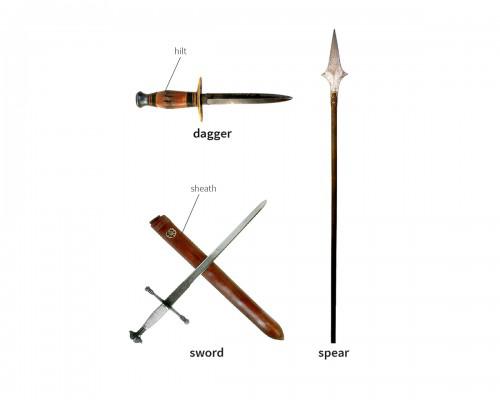
    sword(noun)

    /sɔːrd/

    劍, 刀

    a weapon with a long metal blade (= sharp cutting part) and a handle

    The knight drew his sword and prepared to fight.

    騎士拔出他的劍,準備應戰。

    同義詞bladecutlasssaberrapier
    反義詞shielddefense
  60. 60

    torture(noun)

    /ˈtɔːrtʃər/

    酷刑, 拷問

    the act of causing somebody severe pain in order to punish them or make them say or do something

    The prisoner was subjected to torture.

    那名囚犯遭受了酷刑。

    同義詞tormentabusecrueltypersecution
    反義詞comfortreliefpleasure
  61. 61

    troop(noun)

    /truːp/

    軍隊, 部隊

    a group of soldiers; troops: soldiers, especially in large groups

    The troops marched through the town.

    部隊行軍穿過了小鎮。

    同義詞companyplatoonsquadbattaliongroup
    反義詞individualloner
  62. 62

    warfare(noun)

    /ˈwɔːrfer/

    戰爭, 作戰

    the activity of fighting a war, especially using particular weapons or methods

    The country was plunged into brutal warfare.

    該國陷入了殘酷的戰爭。

    同義詞conflictcombatbattlefightinghostilities
    反義詞peaceharmonytruceagreement
  63. 63

    warrior(noun)

    /ˈwɔːriər/

    戰士, 勇士

    (especially in the past) a person who fights in a battle or war

    The warrior fought bravely.

    那位戰士英勇作戰。

    同義詞fightersoldiercombatantchampion
    反義詞pacifistcoward
  64. 64

    withdrawal(noun)

    /wɪðˈdrɔːəl/

    提款, 提領, 提領金額

    the act of taking money out of a bank account, or the amount taken out

    Large cash withdrawals must be booked one day in advance.

    大額現金提領必須提前一天預約。

    The statement shows three cash withdrawals from the ATM last week.

    同義詞retreatremovalextractionpullout
    反義詞advancedepositentrancearrival
  65. 65

    bombing(noun)

    /ˈbɑːmɪŋ/

    轟炸, 爆炸攻擊

    an occasion when a bomb is dropped or left somewhere; the act of doing this

    The bombing destroyed several buildings.

    那次轟炸摧毀了好幾棟建築。

    同義詞attackraidshellingblast
    反義詞peacetruceceasefire
  66. 66

    firearm(noun)

    /ˈfaɪərɑːrm/

    槍枝, 火器

    a gun that can be carried

    The police officer carried a firearm for protection.

    那名警察隨身攜帶槍枝以防身。

    同義詞gunweaponpistolrifle
    反義詞nonweapondeterrentprotection
  67. 67

    occupy(verb)

    /ˈɑːkjupaɪ/

    佔領, 佔據

    to enter a place in a large group and take control of it, especially by military force

    Enemy troops occupied the capital city for nearly three years.

    敵軍佔領首都長達近三年。

  68. 68

    general(noun)

    /ˈdʒenrəl/

    將軍, 上將

    an officer of very high rank in the army

    The general ordered his troops to move forward at dawn.

    將軍下令部隊在黎明時向前推進。

  69. 69

    tank(noun)

    /tæŋk/

    坦克, 戰車

    a military vehicle covered in strong metal, with a large gun, that moves on metal tracks

    Enemy tanks rolled into the city at dawn after days of heavy fighting.

    經過數日激烈戰鬥後,敵方坦克在黎明時開進了城內。

  70. 70

    offensive(adjective)

    /əˈfensɪv/

    攻擊性的, 進攻的

    connected with the act of attacking somebody/something; used for attacking

    The troops took offensive action against enemy positions near the border.

    部隊對邊境附近的敵軍陣地採取了攻擊行動。