Lumaktaw sa nilalaman

Aralin 26/38 · 70 salita · 0 natutunan

War Conflict

Digmaan at Labanan

  1. 1

    warning(noun)

    /ˈwɔːrnɪŋ/

    babala

    a statement, an event, etc. telling somebody that something bad or unpleasant may happen in the future so that they can try to avoid it

    The red flashing light gives a warning to users that the battery is low

    Ang pulang kumikislap na ilaw ay nagbibigay ng babala sa mga gumagamit na mababa na ang baterya.

    Flashing images on a web page are designed to attract users' attention

    Kasingkahuluganalertcautionnotificationadmonitionthreatsignal
    Kasalungatreassurancesecuritysafetyencouragementnegligence
  2. 2

    target(noun)

    /ˈtɑːrɡɪt/

    tunguhin sa benta, kota

    a result, such as an amount of sales, that a person or team tries to achieve in a period

    Our team hit its sales target two weeks before the end of the quarter.

    Naabot ng aming koponan ang tunguhin nito sa benta dalawang linggo bago matapos ang kuwarter.

    If we miss the target again, the bonus will be cut.

    Kasingkahuluganaimgoalobjectivepurposemarkintenddirectfocus
    Kasalungatignoreneglectmissdisregard
  3. 3

    fire(noun)

    /ˈfaɪər/

    apoy

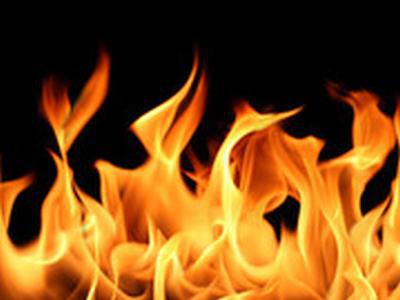
    the flames, light and heat, and often smoke, that are produced when something burns

    Animals are usually afraid of fire.

    Karaniwang takot ang mga hayop sa apoy.

    The islands export sugar and fruit.

    Kasingkahuluganflamesinfernoblazeconflagrationcombustion
    Kasalungatwatericecoldextinguishment
  4. 4

    enemy(noun)

    /ˈenəmi/

    kaaway

    a person who hates somebody or who acts or speaks against somebody/something

    Birds are the natural enemies of many insect pests (= they kill them).

    Ang mga ibon ay likas na kaaway ng maraming mga peste ng insekto (= pinapatay nila ang mga ito).

    He has a lot of enemies in the company.

    Kasingkahuluganadversaryfoeopponentrivalantagonist
    Kasalungatfriendallysupporterassociate
  5. 5

    weapon(noun)

    /ˈwepən/

    sandata

    an object such as a knife, gun, bomb, etc. that is used for fighting or attacking somebody

    He was charged with carrying an offensive weapon.

    Kinakasuhan siya ng pagdadala ng nakakasakit na sandata.

    nuclear weapons

    Kasingkahuluganarmfirearmgunordnancemissileammunition
    Kasalungattoolinstrumentimplement
  6. 6

    threaten(verb)

    /ˈθretn/

    magbanta

    to say that you will cause trouble, hurt somebody, etc. if you do not get what you want

    The mugger threatened to kill him.

    Nagbanta ang magnanakaw na papatayin siya.

    The attacker threatened them with a gun.

    Kasingkahuluganintimidatemenaceendangerportendwarncoerce
    Kasalungatassurecomfortencouragepromiseguarantee
  7. 7

    conflict(noun)

    /ˈkɑːnflɪkt/

    tunggalian

    a situation in which people, groups or countries disagree strongly or are involved in a serious argument

    When conflicts do happen, we work together to find the solutions.

    Kapag nangyayari ang mga tunggalian, nagtutulungan tayo upang hanapin ang mga solusyon.

    conflicting emotions/interests/loyalties

    Kasingkahulugandisputeclashstrugglediscordoppositionfriction
    Kasalungatpeaceharmonyagreementaccordconcord
  8. 8

    shot(noun)

    /ʃɑːt/

    putok, pagbaril

    the act of firing a gun; the sound this makes

    We heard a shot, and everyone ran for cover.

    Nakarinig kami ng putok, at nagtakbuhan ang lahat para magkubli.

    Kasingkahuluganattempttryeffortthrowdischargelaunch
    Kasalungatfailuremisscatchsave
  9. 9

    cease(verb)

    /siːs/

    tumigil

    to stop happening or existing; to stop something from happening or existing

    You never cease to amaze me!

    Hindi mo ako tinatantanan sa pagkamangha!

    They voted to cease strike action immediately.

    Kasingkahuluganstopendhaltterminatediscontinue
    Kasalungatbeginstartcommencecontinuepersist
  10. 10

    attack(noun)

    /əˈtæk/

    pag-atake, pananalakay

    an act of using violence to try to hurt or kill somebody

    The soldiers launched an attack on the enemy camp at dawn.

    Naglunsad ang mga sundalo ng pag-atake sa kampo ng kaaway sa madaling-araw.

    Kasingkahuluganassaultraidonslaughtaggressionoffensivestrikeinvasion
    Kasalungatdefenseprotectionretreatsurrenderpeace
  11. 11

    army(noun)

    /ˈɑːrmi/

    hukbo

    a large organized group of soldiers who are trained to fight on land

    My uncle is in the army.

    Ang aking tiyo ay nasa hukbo.

    She was forced to have her baby adopted.

    Kasingkahuluganmilitaryarmed forcestroopsservicelegion
    Kasalungatcivilianspeacesociety
  12. 12

    withdraw(verb)

    /wɪðˈdrɔː/

    kumuha ng pera, mag-alis ng pera

    to take money out of a bank account

    I withdrew five million dong from the ATM.

    Kumuha ako ng limang milyong dong sa ATM.

    You can withdraw up to 100 million dong at the counter without notice.

    Kasingkahuluganretreatpull outrevokeretractcancelremoveextractrecant
    Kasalungatadvancedepositsubmitinsertintroduceenter
  13. 13

    bomb(noun)

    /bɑːm/

    bomba

    a weapon designed to explode at a particular time or when it is dropped or thrown

    A bomb exploded in the city centre, but luckily nobody was hurt.

    Sumabog ang isang bomba sa sentro ng lungsod, ngunit sa kabutihang palad ay walang nasaktan.

    Kasingkahuluganexplosivegrenademissiledeviceshell
    Kasalungatcalmpeacetranquility
  14. 14

    violent(adjective)

    /ˈvaɪələnt/

    marahas

    involving or caused by physical force that is intended to hurt or kill somebody

    This film is so violent because there are too many fights and bloody scenes.

    Ang pelikulang ito ay napakarahas dahil mayroong masyadong maraming away at madugong eksena.

    The crowd suddenly turned violent.

    Kasingkahuluganaggressiveferociousbrutalsavageforcefulintense
    Kasalungatpeacefulgentlecalmmildharmless
  15. 15

    confront(verb)

    /kənˈfrʌnt/

    harapin, kumprontahin

    to face somebody in an unfriendly or threatening way, especially in a fight or battle

    The soldiers were confronted by an armed group near the border.

    Hinarap ng isang armadong grupo ang mga sundalo malapit sa hangganan.

    Kasingkahuluganfaceencountertackleopposebravechallenge
    Kasalungatavoidevadeignoredodgeshun
  16. 16

    bullet(noun)

    /ˈbʊlɪt/

    bala

    a small metal object that is fired from a gun

    He was killed by a bullet in the head.

    Napatay siya ng bala sa ulo.

    bullet wounds

    Kasingkahuluganshotprojectilecartridgepellet
    Kasalungatpeacesafetyprotection
  17. 17

    soldier(noun)

    /ˈsəʊldʒər/

    sundalo

    a member of an army, especially one who is not an officer

    soldiers in uniform

    mga sundalo na naka-uniporme

    soldiers on duty

    Kasingkahulugancombatantfighterwarriorservicemantrooper
    Kasalungatcivilian
  18. 18

    violence(noun)

    /ˈvaɪələns/

    karahasan

    violent behaviour that is intended to hurt or kill somebody

    Why do they always have to resort to violence?

    Bakit kailangan pa nilang gumamit ng karahasan?

    domestic violence(= between family members)

    Kasingkahuluganaggressionbrutalityforceferocitysavageryhostilitycombatconflict
    Kasalungatpeacetranquilitycalmharmonygentlenessnonviolence
  19. 19

    armed(adjective)

    /ɑːrmd/

    armado

    involving the use of weapons

    an armed robbery

    isang armadong panghoholdap

    an international armed conflict(= a war)

    Kasingkahuluganweaponizedequippedfittedpreparedcarrying weapons
    Kasalungatunarmeddefenselessunprotectedvulnerable
  20. 20

    gun(noun)

    /ɡʌn/

    baril

    a weapon that is used for firing bullets or shells

    The attacker held a gun to the hostage's head.

    Itinutok ng umaatake ang baril sa ulo ng bihag.

    a toy gun

    Kasingkahuluganfirearmweaponpistolrevolverrifleshotgun
    Kasalungatdisarmamentpeaceconciliation
  21. 21

    crisis(noun)

    /ˈkraɪsɪs/

    krisis

    a time of great danger, difficulty or doubt when problems must be solved or important decisions must be made

    We provide help to families in crisis situations.

    Nagbibigay kami ng tulong sa mga pamilya sa mga sitwasyon ng krisis.

    The party was suffering a crisis of confidence among its supporters (= they did not trust it any longer).

    Kasingkahuluganemergencypredicamentdifficultydilemmaturning pointcatastrophe
    Kasalungatstabilityequilibriumpeaceharmonynormality
  22. 22

    military(adjective)

    /ˈmɪləteri/

    militar

    connected with soldiers or the armed forces

    military training/intelligence

    pagsasanay/intelligence militar

    military uniform

    Kasingkahuluganarmedmartialsoldierlyservice
    Kasalungatciviliannonmilitary
  23. 23

    arms(noun)

    /ɑːrmz/

    armas

    weapons, especially as used by the army, navy , etc.

    arms and ammunition

    mga armas at bala

    Police officers in the UK do not usually carry arms.

    Kasingkahuluganweaponryweaponsfirearmsordnancearmament
    Kasalungatpeacedisarmament
  24. 24

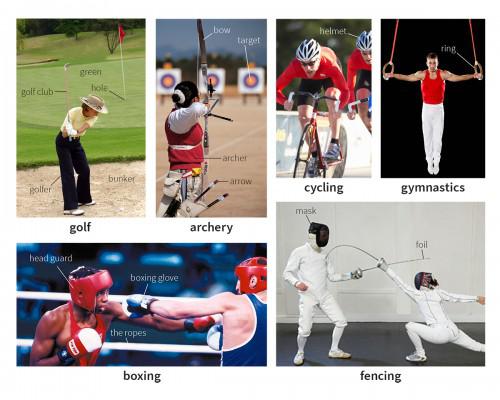
    arrow(noun)

    /ˈærəʊ/

    palaso

    a thin stick with a sharp point at one end, which is shot from a bow

    a bow and arrow

    isang busog at palaso

    to fire/shoot an arrow

    Kasingkahuluganboltdartprojectileshaft
    Kasalungatdefenseshield
  25. 25

    battle(noun)

    /ˈbætl/

    labanan

    a fight between armies, ships or planes, especially during a war; a violent fight between groups of people

    Almost everyone has heard of the battle at Waterloo.

    Halos lahat ay nakarinig na ng labanan sa Waterloo.

    a gun battle

    Kasingkahuluganfightcombatconflictengagementskirmish
    Kasalungatpeacetrucearmisticeagreementharmony
  26. 26

    war(noun)

    /wɔːr/

    digmaan

    a situation in which two or more countries or groups of people fight against each other over a period of time

    How long have they been at war?

    Gaano katagal na silang nagdidigmaan?

    The government does not want to go to war(= start a war) unless all other alternatives have failed.

    Kasingkahuluganconflictcombathostilitiesstrugglebattlefighting
    Kasalungatpeaceharmonytruceaccordceasefire
  27. 27

    threat(noun)

    /θret/

    banta

    a statement in which you tell somebody that you will punish or harm them, especially if they do not do what you want

    She is prepared to carry out her threat to resign.

    Handa siyang isakatuparan ang kanyang banta na magbitiw.

    He received death threats from right-wing groups.

    Kasingkahuluganmenaceintimidationwarningdangerhazardperil
    Kasalungatpromiseassuranceguaranteeprotectionsecurity
  28. 28

    casualty(noun)

    /ˈkæʒuəlti/

    nasawi

    a person who is killed or injured in war or in an accident

    road casualties

    mga nasawi sa kalsada

    Kasingkahuluganvictiminjuredfatalitylosswoundedsufferer
    Kasalungatbenefitgainsuccesstriumphachievement
  29. 29

    intervene(verb)

    /ˌɪntərˈviːn/

    makialam

    to become involved in a situation in order to improve or help it

    The teacher intervened in the quarrel between the two students.

    Nakialam ang guro sa away ng dalawang estudyante.

    Kasingkahuluganmediatearbitrateintercedeinterferestep in
    Kasalungatignoreneglectdisregardstand by
  30. 30

    invade(verb)

    /ɪnˈveɪd/

    lusubin

    to enter a country, town, etc. using military force in order to take control of it

    Troops invaded on August 9th that year.

    Sumalakay ang mga tropa noong Agosto 9 noong taong iyon.

    Kasingkahuluganattackassaultraidoccupypenetrateenter by forceinfringeencroach
    Kasalungatdefendprotectretreatwithdrawsurrender
  31. 31

    survival(noun)

    /sərˈvaɪvl/

    kaligtasan

    the state of continuing to live or exist, often despite difficulty or danger

    His survival during the storm surprised everybody.

    Ang kanyang kaligtasan sa panahon ng bagyo ay ikinagulat ng lahat.

    Kasingkahuluganexistencecontinuancepreservationrescuerecoveryendurance
    Kasalungatdeathdemiseextinctionfailure
  32. 32

    conquer(verb)

    /ˈkɑːŋkər/

    sakupin, lupigin

    to take control of a country or city and its people by force

    The Romans conquered much of Europe about two thousand years ago.

    Sinakop ng mga Romano ang malaking bahagi ng Europa mga dalawang libong taon na ang nakararaan.

    Kasingkahulugandefeatovercomevanquishsubduemasterachieveattaintriumph
    Kasalungatsurrenderyieldlosefailsubmitrelinquish
  33. 33

    terrorism(noun)

    /ˈterərɪzəm/

    terorismo

    the use of violent action in order to achieve political aims or to force a government to act

    The bomb explosion was one of the worst acts of terrorism that Italy has experienced in recent years.

    Ang pagsabog ng bomba ay isa sa pinakamasahol na gawa ng terorismo na naranasan ng Italya sa mga nakaraang taon.

    Kasingkahuluganviolenceintimidationextremismanarchy
    Kasalungatpeacesecurityorder
  34. 34

    terrorist(noun)

    /ˈterərɪst/

    terorista

    a person who takes part in terrorism

    Several terrorists have been killed by their own bombs.

    Ilang mga terorista ang napatay ng sarili nilang mga bomba.

    Kasingkahuluganextremistinsurgentmilitantradicalzealot
    Kasalungatpeacemakerpacifisthumanitarianpeacekeeper
  35. 35

    defensive(adjective)

    /dɪˈfensɪv/

    depensiba

    protecting somebody/something against attack

    He's currently the best defensive player on the team.

    Sa kasalukuyan, siya ang pinakamagaling na depensibang manlalaro sa koponan.

    Kasingkahuluganprotectiveguardingshieldingvigilantcautiousresistant
    Kasalungatoffensiveaggressiveattackingvulnerableexposed
  36. 36

    aggression(noun)

    /əˈɡreʃn/

    pananalakay, paglusob

    a violent attack or threats by one country against another country, without being provoked

    The invasion was condemned as an act of aggression against a peaceful neighbour.

    Kinondena ang pagsalakay bilang isang gawa ng pananalakay laban sa isang mapayapang kalapit-bansa.

    Kasingkahuluganhostilityviolencebelligerenceassaultattack
    Kasalungatpeacecalmnessgentlenessmeeknesspassivity
  37. 37

    aggressive(adjective)

    /əˈɡresɪv/

    agresibo, mapaghamon, palaaway

    angry, and behaving in a threatening way; ready to attack

    The dog became aggressive and started barking loudly at strangers.

    Naging agresibo ang aso at malakas na tumahol sa mga estranghero.

    Kasingkahuluganforcefulassertivepushycombativebelligerentviolent
    Kasalungatpassivedocilegentlemeeksubmissivepeaceful
  38. 38

    battlefield(noun)

    /ˈbætlfiːld/

    larangan ng digmaan

    a place where a battle is being fought or has been fought

    The battlefield was littered with debris and casualties.

    Ang larangan ng digmaan ay puno ng mga labi at kaswalti.

    Kasingkahuluganbattlegroundwar zonetheater of warfront linecombat zone
    Kasalungatpeacehavensafe zoneneutral ground
  39. 39

    combat(noun)

    /ˈkɑːmbæt/

    labanan, pakikipaglaban

    fighting or a fight, especially during a time of war

    Many young soldiers were killed in combat during the war.

    Maraming batang sundalo ang namatay sa labanan noong digmaan.

    Kasingkahuluganbattlefightwarfarestrugglecontest
    Kasalungatpeacetruceaccordharmony
  40. 40

    commander(noun)

    /kəˈmændər/

    kumander

    a person who is in charge of something, especially an officer in charge of a particular group of soldiers or a military operation

    The commander gave the order to attack.

    Nagbigay ng utos ang kumander na sumalakay.

    Kasingkahuluganleaderchiefofficerhead
    Kasalungatsubordinatefollowerprivate
  41. 41

    confrontation(noun)

    /ˌkɑːnfrənˈteɪʃn/

    paghaharap

    a situation in which there is anger between people or groups who disagree because they have different opinions

    The confrontation between the protesters and the police escalated quickly.

    Mabilis na lumala ang paghaharap sa pagitan ng mga nagpoprotesta at ng pulis.

    Kasingkahuluganclashconflictshowdownencounterface-off
    Kasalungatagreementharmonypeaceaccordconciliation
  42. 42

    coup(noun)

    /kuː/

    kudeta

    a sudden change of government that is illegal and often violent

    The military launched a coup and seized control of the government.

    Inilunsad ng militar ang isang kudeta at sinakop ang kontrol ng gobyerno.

    Kasingkahuluganoverthrowrebellionrevolutionseizure of power
    Kasalungatpeacestabilitydemocracystatus quo
  43. 43

    dispute(noun)

    /dɪˈspjuːt/

    pagtatalo

    an argument between two people, groups or countries; discussion about a subject on which people disagree

    The land dispute lasted for years.

    Ang pagtatalo sa lupa ay tumagal ng maraming taon.

    Kasingkahuluganargumentconflictcontroversy
    Kasalungatagreementharmonypeace
  44. 44

    evacuate(verb)

    /ɪˈvækjueɪt/

    ilikas

    to move people from a place of danger to a safer place

    We had to evacuate the building due to a fire.

    Kinailangan naming ilikas ang gusali dahil sa sunog.

    Kasingkahuluganwithdrawabandonrelocateremove
    Kasalungatenteroccupystayremain
  45. 45

    exile(noun)

    /ˈeksaɪl/

    pagpapatapon

    the state of being sent to live in another country that is not your own, especially for political reasons or as a punishment

    The dictator forced his opponents into exile.

    Pinuwersa ng diktador ang kanyang mga kalaban sa pagpapatapon.

    Kasingkahuluganbanishmentdeportationexpulsionostracism
    Kasalungatacceptanceinclusionwelcome
  46. 46

    explosive(adjective)

    /ɪkˈspləʊsɪv/

    pumuputok

    easily able or likely to explode

    The explosive device detonated prematurely.

    Pumutok nang maaga ang pampasabog.

    Kasingkahuluganfieryvolatiledangerousunstable
    Kasalungatstablesafecalmplacid
  47. 47

    genocide(noun)

    /ˈdʒenəsaɪd/

    pagpatay ng lahi

    the murder of a large number of people from a particular nation or ethnic group, with the aim of destroying that nation or group

    Genocide is a crime against humanity.

    Ang pagpatay ng lahi ay isang krimen laban sa sangkatauhan.

    Kasingkahuluganmassacreethnic cleansingholocaustannihilation
    Kasalungatpeacecreationpreservation
  48. 48

    guerrilla(noun)

    /ɡəˈrɪlə/

    gerilya

    a member of a small group of soldiers who are not part of an official army and who fight against official soldiers, usually to try to change the government

    The guerrillas launched a surprise attack on the enemy.

    Nag-lunsad ng sorpresang pag-atake sa kaaway ang mga gerilya.

    Kasingkahuluganinsurgentpartisanfreedom fighterresistance fighter
    Kasalungatconventional soldierregular army
  49. 49

    hostility(noun)

    /hɑːˈstɪləti/

    pagkagalit

    aggressive or unfriendly feelings or behaviour

    The hostility between the two nations was palpable.

    Ang pagkagalit sa pagitan ng dalawang bansa ay kitang-kita.

    Kasingkahulugananimosityenmityantagonismrancor
    Kasalungatfriendlinessbenevolenceamitygoodwill
  50. 50

    intervention(noun)

    /ˌɪntərˈvenʃn/

    pamamagitan

    action taken to improve or help a situation

    The government's intervention helped to resolve the crisis.

    Nakatulong ang pamamagitan ng gobyerno upang malutas ang krisis.

    Kasingkahuluganinterferenceinvolvementmediationarbitration
    Kasalungatinactionpassivitydetachmentwithdrawal
  51. 51

    massacre(noun)

    /ˈmæsəkər/

    masaker

    the killing of a large number of people especially in a cruel way

    The massacre shocked the entire nation.

    Ang masaker ay gumulat sa buong bansa.

    Kasingkahuluganslaughtercarnagebloodbathannihilation
    Kasalungatpeaceconciliationharmony
  52. 52

    missile(noun)

    /ˈmɪsl/

    misayl

    a weapon that is sent through the air and that explodes when it hits the thing that it is aimed at

    The missile was launched from the ship.

    Inilunsad ang misayl mula sa barko.

    Kasingkahuluganrocketprojectileshell
    Kasalungatdefenseshield
  53. 53

    mobilize(verb)

    /ˈməʊbəlaɪz/

    pakilusin, tipunin

    to prepare an army, a country or forces for war, or to gather people together for action

    The general decided to mobilize the troops.

    Nagpasya ang heneral na pakilusin ang mga tropa.

    Kasingkahuluganmusterrallyactivate
    Kasalungatdemobilizedeactivatedisband
  54. 54

    naval(adjective)

    /ˈneɪvl/

    pandagat

    connected with the navy of a country

    The naval fleet protected the coastline.

    Pinoprotektahan ng hukbong pandagat ang baybayin.

    Kasingkahuluganmaritimeseafaringnautical
    Kasalungatterrestriallandcontinental
  55. 55

    raid(noun)

    /reɪd/

    biglaang pag-atake, pagsalakay

    a short surprise attack on an enemy by soldiers, ships or aircraft

    Enemy aircraft carried out a night raid on the city.

    Nagsagawa ng pagsalakay sa lungsod sa gabi ang mga eroplano ng kaaway.

    Kasingkahuluganattackassaultincursionbust
    Kasalungatdefenseprotection
  56. 56

    rifle(noun)

    /ˈraɪfl/

    riple

    a gun with a long barrel which you hold to your shoulder to fire

    The soldier carried a rifle.

    Nagdala ang sundalo ng riple.

    Kasingkahulugangunfirearmlong gun
    Kasalungatclubmelee weapon
  57. 57

    surrender(verb)

    /səˈrendər/

    sumuko

    to admit that you have been defeated and want to stop fighting; to allow yourself to be caught, taken prisoner, etc.

    They decided to surrender to the enemy.

    Nagpasya silang sumuko sa kalaban.

    Kasingkahulugancapitulateyieldsubmitgive in
    Kasalungatresistfightdefend
  58. 58

    survivor(noun)

    /sərˈvaɪvər/

    nakaligtas

    a person who continues to live, especially despite being nearly killed or experiencing great danger or difficulty

    The survivor told his story.

    Ikinuwento ng nakaligtas ang kanyang kuwento.

    Kasingkahuluganvictimendurercomer-back
    Kasalungatvictimcasualtydeceased
  59. 59

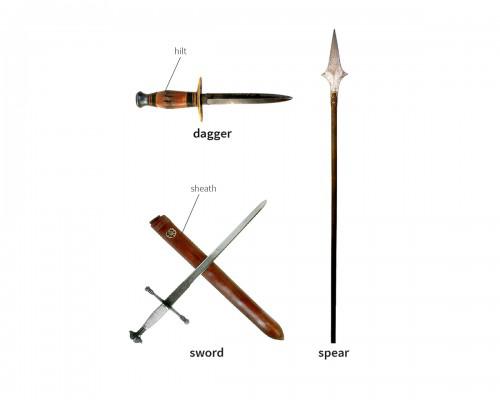
    sword(noun)

    /sɔːrd/

    espada

    a weapon with a long metal blade (= sharp cutting part) and a handle

    The knight drew his sword and prepared to fight.

    Binunot ng kabalyero ang kanyang espada at naghandang lumaban.

    Kasingkahuluganbladecutlasssaberrapier
    Kasalungatshielddefense
  60. 60

    torture(noun)

    /ˈtɔːrtʃər/

    pagpapahirap

    the act of causing somebody severe pain in order to punish them or make them say or do something

    The prisoner was subjected to torture.

    Ang bilanggo ay sumailalim sa pagpapahirap.

    Kasingkahulugantormentabusecrueltypersecution
    Kasalungatcomfortreliefpleasure
  61. 61

    troop(noun)

    /truːp/

    hukbo, sundalo

    a group of soldiers; troops: soldiers, especially in large groups

    The troops marched through the town.

    Nagmartsa ang mga sundalo sa buong bayan.

    Kasingkahulugancompanyplatoonsquadbattaliongroup
    Kasalungatindividualloner
  62. 62

    warfare(noun)

    /ˈwɔːrfer/

    digmaan

    the activity of fighting a war, especially using particular weapons or methods

    The country was plunged into brutal warfare.

    Ang bansa ay lumubog sa brutal na digmaan.

    Kasingkahuluganconflictcombatbattlefightinghostilities
    Kasalungatpeaceharmonytruceagreement
  63. 63

    warrior(noun)

    /ˈwɔːriər/

    mandirigma

    (especially in the past) a person who fights in a battle or war

    The warrior fought bravely.

    Ang mandirigma ay lumaban nang buong tapang.

    Kasingkahuluganfightersoldiercombatantchampion
    Kasalungatpacifistcoward
  64. 64

    withdrawal(noun)

    /wɪðˈdrɔːəl/

    pagkuha ng pera, pagbawi ng deposito

    the act of taking money out of a bank account, or the amount taken out

    Large cash withdrawals must be booked one day in advance.

    Ang malalaking halaga ng perang kukunin nang cash ay kailangang ireserba isang araw nang mas maaga.

    The statement shows three cash withdrawals from the ATM last week.

    Kasingkahuluganretreatremovalextractionpullout
    Kasalungatadvancedepositentrancearrival
  65. 65

    bombing(noun)

    /ˈbɑːmɪŋ/

    pambobomba

    an occasion when a bomb is dropped or left somewhere; the act of doing this

    The bombing destroyed several buildings.

    Sinalanta ng pambobomba ang ilang gusali.

    Kasingkahuluganattackraidshellingblast
    Kasalungatpeacetruceceasefire
  66. 66

    firearm(noun)

    /ˈfaɪərɑːrm/

    baril

    a gun that can be carried

    The police officer carried a firearm for protection.

    Ang pulis ay nagdala ng baril para sa proteksyon.

    Kasingkahulugangunweaponpistolrifle
    Kasalungatnonweapondeterrentprotection
  67. 67

    occupy(verb)

    /ˈɑːkjupaɪ/

    sakupin, okupahin

    to enter a place in a large group and take control of it, especially by military force

    Enemy troops occupied the capital city for nearly three years.

    Sinakop ng mga tropa ng kaaway ang kabisera sa halos tatlong taon.

  68. 68

    general(noun)

    /ˈdʒenrəl/

    heneral

    an officer of very high rank in the army

    The general ordered his troops to move forward at dawn.

    Inutusan ng heneral ang kanyang mga sundalo na sumulong sa madaling-araw.

  69. 69

    tank(noun)

    /tæŋk/

    tangke, tangkeng pandigma

    a military vehicle covered in strong metal, with a large gun, that moves on metal tracks

    Enemy tanks rolled into the city at dawn after days of heavy fighting.

    Pumasok ang mga tangke ng kaaway sa lungsod nang madaling-araw matapos ang ilang araw ng matinding labanan.

  70. 70

    offensive(adjective)

    /əˈfensɪv/

    nakakasalakay, pananalakay

    connected with the act of attacking somebody/something; used for attacking

    The troops took offensive action against enemy positions near the border.

    Nagsagawa ang mga tropa ng pagsalakay sa mga posisyon ng kaaway malapit sa hangganan.