본문으로 건너뛰기

레슨 26/38 · 70단어 · 외운 단어 0

War Conflict

전쟁과 분쟁

  1. 1

    warning(noun)

    /ˈwɔːrnɪŋ/

    경고 (gyeong-go)

    a statement, an event, etc. telling somebody that something bad or unpleasant may happen in the future so that they can try to avoid it

    The red flashing light gives a warning to users that the battery is low

    빨간색 깜박이는 불빛은 배터리가 부족하다는 경고를 사용자에게 보냅니다.

    Flashing images on a web page are designed to attract users' attention

    유의어alertcautionnotificationadmonitionthreatsignal
    반의어reassurancesecuritysafetyencouragementnegligence
  2. 2

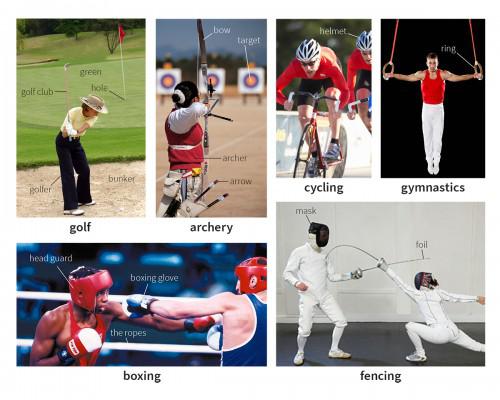
    target(noun)

    /ˈtɑːrɡɪt/

    목표, 영업 목표, 판매 목표

    a result, such as an amount of sales, that a person or team tries to achieve in a period

    Our team hit its sales target two weeks before the end of the quarter.

    우리 팀은 분기 종료 2주 전에 판매 목표를 달성했다.

    If we miss the target again, the bonus will be cut.

    유의어aimgoalobjectivepurposemarkintenddirectfocus
    반의어ignoreneglectmissdisregard
  3. 3

    fire(noun)

    /ˈfaɪər/

    불 (bul)

    the flames, light and heat, and often smoke, that are produced when something burns

    Animals are usually afraid of fire.

    동물들은 보통 불을 두려워합니다. (Dongmuldeureun botong bureul duryeowohamnida.)

    The islands export sugar and fruit.

    유의어flamesinfernoblazeconflagrationcombustion
    반의어watericecoldextinguishment
  4. 4

    enemy(noun)

    /ˈenəmi/

    적 (jeok)

    a person who hates somebody or who acts or speaks against somebody/something

    Birds are the natural enemies of many insect pests (= they kill them).

    새는 많은 해충의 천적입니다 (= 그들은 그것들을 죽입니다).

    He has a lot of enemies in the company.

    유의어adversaryfoeopponentrivalantagonist
    반의어friendallysupporterassociate
  5. 5

    weapon(noun)

    /ˈwepən/

    무기 (mugi)

    an object such as a knife, gun, bomb, etc. that is used for fighting or attacking somebody

    He was charged with carrying an offensive weapon.

    그는 공격적인 무기를 소지한 혐의로 기소되었습니다.

    nuclear weapons

    유의어armfirearmgunordnancemissileammunition
    반의어toolinstrumentimplement
  6. 6

    threaten(verb)

    /ˈθretn/

    위협하다 (wiheophada)

    to say that you will cause trouble, hurt somebody, etc. if you do not get what you want

    The mugger threatened to kill him.

    강도는 그를 죽이겠다고 위협했다.

    The attacker threatened them with a gun.

    유의어intimidatemenaceendangerportendwarncoerce
    반의어assurecomfortencouragepromiseguarantee
  7. 7

    conflict(noun)

    /ˈkɑːnflɪkt/

    갈등

    a situation in which people, groups or countries disagree strongly or are involved in a serious argument

    When conflicts do happen, we work together to find the solutions.

    갈등이 발생하면, 우리는 함께 해결책을 찾기 위해 노력합니다.

    conflicting emotions/interests/loyalties

    유의어disputeclashstrugglediscordoppositionfriction
    반의어peaceharmonyagreementaccordconcord
  8. 8

    shot(noun)

    /ʃɑːt/

    발사, 총성

    the act of firing a gun; the sound this makes

    We heard a shot, and everyone ran for cover.

    총소리가 들리자 모두가 몸을 피해 달아났다.

    유의어attempttryeffortthrowdischargelaunch
    반의어failuremisscatchsave
  9. 9

    cease(verb)

    /siːs/

    중단하다

    to stop happening or existing; to stop something from happening or existing

    You never cease to amaze me!

    당신은 항상 저를 놀라게 해요!

    They voted to cease strike action immediately.

    유의어stopendhaltterminatediscontinue
    반의어beginstartcommencecontinuepersist
  10. 10

    attack(noun)

    /əˈtæk/

    공격, 습격

    an act of using violence to try to hurt or kill somebody

    The soldiers launched an attack on the enemy camp at dawn.

    군인들은 새벽에 적의 진영을 공격했다.

    유의어assaultraidonslaughtaggressionoffensivestrikeinvasion
    반의어defenseprotectionretreatsurrenderpeace
  11. 11

    army(noun)

    /ˈɑːrmi/

    군대 (gundae)

    a large organized group of soldiers who are trained to fight on land

    My uncle is in the army.

    제 삼촌은 군대에 있습니다. (je samchoneun gundaee itseumnida.)

    She was forced to have her baby adopted.

    유의어militaryarmed forcestroopsservicelegion
    반의어civilianspeacesociety
  12. 12

    withdraw(verb)

    /wɪðˈdrɔː/

    인출하다, 출금하다

    to take money out of a bank account

    I withdrew five million dong from the ATM.

    나는 ATM에서 500만 동을 인출했다.

    You can withdraw up to 100 million dong at the counter without notice.

    유의어retreatpull outrevokeretractcancelremoveextractrecant
    반의어advancedepositsubmitinsertintroduceenter
  13. 13

    bomb(noun)

    /bɑːm/

    폭탄

    a weapon designed to explode at a particular time or when it is dropped or thrown

    A bomb exploded in the city centre, but luckily nobody was hurt.

    도심에서 폭탄이 터졌지만 다행히 다친 사람은 없었다.

    유의어explosivegrenademissiledeviceshell
    반의어calmpeacetranquility
  14. 14

    violent(adjective)

    /ˈvaɪələnt/

    폭력적인

    involving or caused by physical force that is intended to hurt or kill somebody

    This film is so violent because there are too many fights and bloody scenes.

    이 영화는 싸움 장면과 피비린내 나는 장면이 너무 많아서 너무 폭력적입니다.

    The crowd suddenly turned violent.

    유의어aggressiveferociousbrutalsavageforcefulintense
    반의어peacefulgentlecalmmildharmless
  15. 15

    confront(verb)

    /kənˈfrʌnt/

    맞서다, 마주치다

    to face somebody in an unfriendly or threatening way, especially in a fight or battle

    The soldiers were confronted by an armed group near the border.

    병사들은 국경 근처에서 무장 집단과 맞닥뜨렸다.

    유의어faceencountertackleopposebravechallenge
    반의어avoidevadeignoredodgeshun
  16. 16

    bullet(noun)

    /ˈbʊlɪt/

    총알 (chong-al)

    a small metal object that is fired from a gun

    He was killed by a bullet in the head.

    그는 머리에 총알을 맞고 죽었습니다. (Geuneun meorie chong-al-eul matgo jugeotseupnida.)

    bullet wounds

    유의어shotprojectilecartridgepellet
    반의어peacesafetyprotection
  17. 17

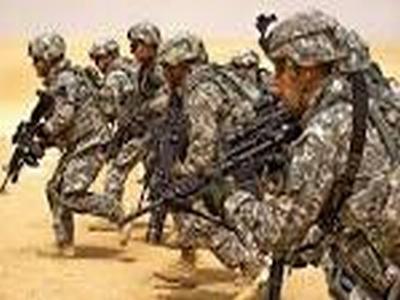
    soldier(noun)

    /ˈsəʊldʒər/

    군인 (gunin)

    a member of an army, especially one who is not an officer

    soldiers in uniform

    제복을 입은 군인들 (jebok-eul ibeun gunindeul)

    soldiers on duty

    유의어combatantfighterwarriorservicemantrooper
    반의어civilian
  18. 18

    violence(noun)

    /ˈvaɪələns/

    폭력 (poklyeok)

    violent behaviour that is intended to hurt or kill somebody

    Why do they always have to resort to violence?

    왜 그들은 항상 폭력에 의존해야 합니까?

    domestic violence(= between family members)

    유의어aggressionbrutalityforceferocitysavageryhostilitycombatconflict
    반의어peacetranquilitycalmharmonygentlenessnonviolence
  19. 19

    armed(adjective)

    /ɑːrmd/

    무장한 (mujanghan)

    involving the use of weapons

    an armed robbery

    무장 강도 (mujang gangdo)

    an international armed conflict(= a war)

    유의어weaponizedequippedfittedpreparedcarrying weapons
    반의어unarmeddefenselessunprotectedvulnerable
  20. 20

    gun(noun)

    /ɡʌn/

    총 (chong)

    a weapon that is used for firing bullets or shells

    The attacker held a gun to the hostage's head.

    공격자는 인질의 머리에 총을 겨누었다.

    a toy gun

    유의어firearmweaponpistolrevolverrifleshotgun
    반의어disarmamentpeaceconciliation
  21. 21

    crisis(noun)

    /ˈkraɪsɪs/

    위기 (wigi)

    a time of great danger, difficulty or doubt when problems must be solved or important decisions must be made

    We provide help to families in crisis situations.

    우리는 위기 상황에 처한 가족들에게 도움을 제공합니다.

    The party was suffering a crisis of confidence among its supporters (= they did not trust it any longer).

    유의어emergencypredicamentdifficultydilemmaturning pointcatastrophe
    반의어stabilityequilibriumpeaceharmonynormality
  22. 22

    military(adjective)

    /ˈmɪləteri/

    군사

    connected with soldiers or the armed forces

    military training/intelligence

    군사 훈련/정보

    military uniform

    유의어armedmartialsoldierlyservice
    반의어civiliannonmilitary
  23. 23

    arms(noun)

    /ɑːrmz/

    무기 (mugi)

    weapons, especially as used by the army, navy , etc.

    arms and ammunition

    무기와 탄약 (mugi-wa tan'yak)

    Police officers in the UK do not usually carry arms.

    유의어weaponryweaponsfirearmsordnancearmament
    반의어peacedisarmament
  24. 24

    arrow(noun)

    /ˈærəʊ/

    화살 (hwasal)

    a thin stick with a sharp point at one end, which is shot from a bow

    a bow and arrow

    활과 화살 (hwalgwa hwasal)

    to fire/shoot an arrow

    유의어boltdartprojectileshaft
    반의어defenseshield
  25. 25

    battle(noun)

    /ˈbætl/

    전투 (jeontu)

    a fight between armies, ships or planes, especially during a war; a violent fight between groups of people

    Almost everyone has heard of the battle at Waterloo.

    거의 모든 사람이 워털루 전투에 대해 들어봤습니다. (geoui modeun sarami woteollu jeontue daehae deureobwatseumnida.)

    a gun battle

    유의어fightcombatconflictengagementskirmish
    반의어peacetrucearmisticeagreementharmony
  26. 26

    war(noun)

    /wɔːr/

    전쟁 (jeonjaeng)

    a situation in which two or more countries or groups of people fight against each other over a period of time

    How long have they been at war?

    그들은 얼마나 오랫동안 전쟁을 해 왔습니까? (geudeureun eolmana oratdongan jeonjaengeul hae wasseumnikka?)

    The government does not want to go to war(= start a war) unless all other alternatives have failed.

    유의어conflictcombathostilitiesstrugglebattlefighting
    반의어peaceharmonytruceaccordceasefire
  27. 27

    threat(noun)

    /θret/

    위협 (wiheop)

    a statement in which you tell somebody that you will punish or harm them, especially if they do not do what you want

    She is prepared to carry out her threat to resign.

    그녀는 사임하겠다는 위협을 실행할 준비가 되어 있다.

    He received death threats from right-wing groups.

    유의어menaceintimidationwarningdangerhazardperil
    반의어promiseassuranceguaranteeprotectionsecurity
  28. 28

    casualty(noun)

    /ˈkæʒuəlti/

    사상자

    a person who is killed or injured in war or in an accident

    road casualties

    도로 사상자

    유의어victiminjuredfatalitylosswoundedsufferer
    반의어benefitgainsuccesstriumphachievement
  29. 29

    intervene(verb)

    /ˌɪntərˈviːn/

    개입하다

    to become involved in a situation in order to improve or help it

    The teacher intervened in the quarrel between the two students.

    선생님은 두 학생 사이의 싸움에 개입했습니다.

    유의어mediatearbitrateintercedeinterferestep in
    반의어ignoreneglectdisregardstand by
  30. 30

    invade(verb)

    /ɪnˈveɪd/

    침략하다 (chimnyakhada)

    to enter a country, town, etc. using military force in order to take control of it

    Troops invaded on August 9th that year.

    군대는 그해 8월 9일에 침략했다. (gundaeneun geuhae 8wol 9ire chimnyakhaetda.)

    유의어attackassaultraidoccupypenetrateenter by forceinfringeencroach
    반의어defendprotectretreatwithdrawsurrender
  31. 31

    survival(noun)

    /sərˈvaɪvl/

    생존

    the state of continuing to live or exist, often despite difficulty or danger

    His survival during the storm surprised everybody.

    폭풍우 속에서 그의 생존은 모두를 놀라게 했다.

    유의어existencecontinuancepreservationrescuerecoveryendurance
    반의어deathdemiseextinctionfailure
  32. 32

    conquer(verb)

    /ˈkɑːŋkər/

    정복하다, 점령하다

    to take control of a country or city and its people by force

    The Romans conquered much of Europe about two thousand years ago.

    로마인들은 약 2천 년 전에 유럽의 대부분을 정복했다.

    유의어defeatovercomevanquishsubduemasterachieveattaintriumph
    반의어surrenderyieldlosefailsubmitrelinquish
  33. 33

    terrorism(noun)

    /ˈterərɪzəm/

    테러

    the use of violent action in order to achieve political aims or to force a government to act

    The bomb explosion was one of the worst acts of terrorism that Italy has experienced in recent years.

    폭탄 폭발은 이탈리아가 최근 몇 년간 경험한 최악의 테러 행위 중 하나였습니다.

    유의어violenceintimidationextremismanarchy
    반의어peacesecurityorder
  34. 34

    terrorist(noun)

    /ˈterərɪst/

    테러리스트

    a person who takes part in terrorism

    Several terrorists have been killed by their own bombs.

    몇몇 테러리스트들이 자신의 폭탄에 의해 살해당했습니다.

    유의어extremistinsurgentmilitantradicalzealot
    반의어peacemakerpacifisthumanitarianpeacekeeper
  35. 35

    defensive(adjective)

    /dɪˈfensɪv/

    수비적인

    protecting somebody/something against attack

    He's currently the best defensive player on the team.

    그는 현재 팀에서 최고의 수비수입니다.

    유의어protectiveguardingshieldingvigilantcautiousresistant
    반의어offensiveaggressiveattackingvulnerableexposed
  36. 36

    aggression(noun)

    /əˈɡreʃn/

    침략, 공격

    a violent attack or threats by one country against another country, without being provoked

    The invasion was condemned as an act of aggression against a peaceful neighbour.

    그 침공은 평화로운 이웃 나라에 대한 침략 행위로 규탄받았다.

    유의어hostilityviolencebelligerenceassaultattack
    반의어peacecalmnessgentlenessmeeknesspassivity
  37. 37

    aggressive(adjective)

    /əˈɡresɪv/

    공격적인, 호전적인

    angry, and behaving in a threatening way; ready to attack

    The dog became aggressive and started barking loudly at strangers.

    그 개는 공격적으로 변하더니 낯선 사람들에게 크게 짖기 시작했다.

    유의어forcefulassertivepushycombativebelligerentviolent
    반의어passivedocilegentlemeeksubmissivepeaceful
  38. 38

    battlefield(noun)

    /ˈbætlfiːld/

    전장 (jeonjang)

    a place where a battle is being fought or has been fought

    The battlefield was littered with debris and casualties.

    전장은 파편과 사상자로 흩어져 있었다. (Jeonjang-eun papeon-gwa sasangjaro heuteojyeo isseotda.)

    유의어battlegroundwar zonetheater of warfront linecombat zone
    반의어peacehavensafe zoneneutral ground
  39. 39

    combat(noun)

    /ˈkɑːmbæt/

    전투, 교전

    fighting or a fight, especially during a time of war

    Many young soldiers were killed in combat during the war.

    많은 젊은 병사들이 전쟁 중 전투에서 목숨을 잃었다.

    유의어battlefightwarfarestrugglecontest
    반의어peacetruceaccordharmony
  40. 40

    commander(noun)

    /kəˈmændər/

    지휘관 (jihwigwan)

    a person who is in charge of something, especially an officer in charge of a particular group of soldiers or a military operation

    The commander gave the order to attack.

    지휘관은 공격 명령을 내렸다.

    유의어leaderchiefofficerhead
    반의어subordinatefollowerprivate
  41. 41

    confrontation(noun)

    /ˌkɑːnfrənˈteɪʃn/

    대립

    a situation in which there is anger between people or groups who disagree because they have different opinions

    The confrontation between the protesters and the police escalated quickly.

    시위대와 경찰 간의 대립이 빠르게 고조되었습니다.

    유의어clashconflictshowdownencounterface-off
    반의어agreementharmonypeaceaccordconciliation
  42. 42

    coup(noun)

    /kuː/

    쿠데타 (kudeta)

    a sudden change of government that is illegal and often violent

    The military launched a coup and seized control of the government.

    군대는 쿠데타를 일으켜 정부 통제권을 장악했다.

    유의어overthrowrebellionrevolutionseizure of power
    반의어peacestabilitydemocracystatus quo
  43. 43

    dispute(noun)

    /dɪˈspjuːt/

    논쟁

    an argument between two people, groups or countries; discussion about a subject on which people disagree

    The land dispute lasted for years.

    그 땅 분쟁은 수년 동안 지속되었다.

    유의어argumentconflictcontroversy
    반의어agreementharmonypeace
  44. 44

    evacuate(verb)

    /ɪˈvækjueɪt/

    대피하다

    to move people from a place of danger to a safer place

    We had to evacuate the building due to a fire.

    화재 때문에 건물을 대피해야 했습니다.

    유의어withdrawabandonrelocateremove
    반의어enteroccupystayremain
  45. 45

    exile(noun)

    /ˈeksaɪl/

    추방

    the state of being sent to live in another country that is not your own, especially for political reasons or as a punishment

    The dictator forced his opponents into exile.

    독재자는 그의 반대자들을 추방시켰다.

    유의어banishmentdeportationexpulsionostracism
    반의어acceptanceinclusionwelcome
  46. 46

    explosive(adjective)

    /ɪkˈspləʊsɪv/

    폭발성의, 폭발하기 쉬운

    easily able or likely to explode

    The explosive device detonated prematurely.

    그 폭발물은 예정보다 일찍 폭발했다.

    유의어fieryvolatiledangerousunstable
    반의어stablesafecalmplacid
  47. 47

    genocide(noun)

    /ˈdʒenəsaɪd/

    집단 학살

    the murder of a large number of people from a particular nation or ethnic group, with the aim of destroying that nation or group

    Genocide is a crime against humanity.

    집단 학살은 반인륜적 범죄입니다.

    유의어massacreethnic cleansingholocaustannihilation
    반의어peacecreationpreservation
  48. 48

    guerrilla(noun)

    /ɡəˈrɪlə/

    게릴라

    a member of a small group of soldiers who are not part of an official army and who fight against official soldiers, usually to try to change the government

    The guerrillas launched a surprise attack on the enemy.

    게릴라 부대는 적에게 기습 공격을 가했다.

    유의어insurgentpartisanfreedom fighterresistance fighter
    반의어conventional soldierregular army
  49. 49

    hostility(noun)

    /hɑːˈstɪləti/

    적대감

    aggressive or unfriendly feelings or behaviour

    The hostility between the two nations was palpable.

    두 나라 사이의 적대감은 뚜렷했다.

    유의어animosityenmityantagonismrancor
    반의어friendlinessbenevolenceamitygoodwill
  50. 50

    intervention(noun)

    /ˌɪntərˈvenʃn/

    개입

    action taken to improve or help a situation

    The government's intervention helped to resolve the crisis.

    정부의 개입이 위기 해결에 도움이 되었다.

    유의어interferenceinvolvementmediationarbitration
    반의어inactionpassivitydetachmentwithdrawal
  51. 51

    massacre(noun)

    /ˈmæsəkər/

    대량 학살 (daeryang hakssal)

    the killing of a large number of people especially in a cruel way

    The massacre shocked the entire nation.

    그 대량 학살은 전국에 충격을 주었다.

    유의어slaughtercarnagebloodbathannihilation
    반의어peaceconciliationharmony
  52. 52

    missile(noun)

    /ˈmɪsl/

    미사일

    a weapon that is sent through the air and that explodes when it hits the thing that it is aimed at

    The missile was launched from the ship.

    미사일이 배에서 발사되었습니다.

    유의어rocketprojectileshell
    반의어defenseshield
  53. 53

    mobilize(verb)

    /ˈməʊbəlaɪz/

    동원하다, 소집하다

    to prepare an army, a country or forces for war, or to gather people together for action

    The general decided to mobilize the troops.

    장군은 군대를 동원하기로 결정했다.

    유의어musterrallyactivate
    반의어demobilizedeactivatedisband
  54. 54

    naval(adjective)

    /ˈneɪvl/

    해군의

    connected with the navy of a country

    The naval fleet protected the coastline.

    해군 함대는 해안선을 보호했습니다.

    유의어maritimeseafaringnautical
    반의어terrestriallandcontinental
  55. 55

    raid(noun)

    /reɪd/

    기습, 습격, 급습

    a short surprise attack on an enemy by soldiers, ships or aircraft

    Enemy aircraft carried out a night raid on the city.

    적 항공기가 그 도시에 야간 기습을 감행했다.

    유의어attackassaultincursionbust
    반의어defenseprotection
  56. 56

    rifle(noun)

    /ˈraɪfl/

    소총

    a gun with a long barrel which you hold to your shoulder to fire

    The soldier carried a rifle.

    군인은 소총을 들고 다녔다.

    유의어gunfirearmlong gun
    반의어clubmelee weapon
  57. 57

    surrender(verb)

    /səˈrendər/

    항복하다, 투항하다

    to admit that you have been defeated and want to stop fighting; to allow yourself to be caught, taken prisoner, etc.

    They decided to surrender to the enemy.

    그들은 적에게 항복하기로 결정했다.

    유의어capitulateyieldsubmitgive in
    반의어resistfightdefend
  58. 58

    survivor(noun)

    /sərˈvaɪvər/

    생존자

    a person who continues to live, especially despite being nearly killed or experiencing great danger or difficulty

    The survivor told his story.

    생존자는 그의 이야기를 말했습니다.

    유의어victimendurercomer-back
    반의어victimcasualtydeceased
  59. 59

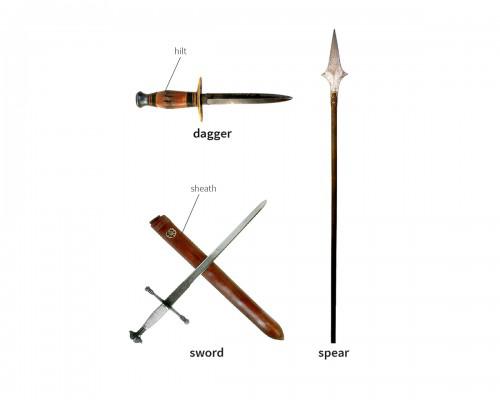
    sword(noun)

    /sɔːrd/

    검 (geom)

    a weapon with a long metal blade (= sharp cutting part) and a handle

    The knight drew his sword and prepared to fight.

    기사는 칼을 뽑아 싸울 준비를 했다.

    유의어bladecutlasssaberrapier
    반의어shielddefense
  60. 60

    torture(noun)

    /ˈtɔːrtʃər/

    고문

    the act of causing somebody severe pain in order to punish them or make them say or do something

    The prisoner was subjected to torture.

    죄수는 고문을 받았다.

    유의어tormentabusecrueltypersecution
    반의어comfortreliefpleasure
  61. 61

    troop(noun)

    /truːp/

    군대, 병력, 부대

    a group of soldiers; troops: soldiers, especially in large groups

    The troops marched through the town.

    군대가 마을을 행진해 지나갔다.

    유의어companyplatoonsquadbattaliongroup
    반의어individualloner
  62. 62

    warfare(noun)

    /ˈwɔːrfer/

    전쟁

    the activity of fighting a war, especially using particular weapons or methods

    The country was plunged into brutal warfare.

    그 나라는 잔혹한 전쟁에 빠졌습니다.

    유의어conflictcombatbattlefightinghostilities
    반의어peaceharmonytruceagreement
  63. 63

    warrior(noun)

    /ˈwɔːriər/

    전사

    (especially in the past) a person who fights in a battle or war

    The warrior fought bravely.

    전사는 용감하게 싸웠다.

    유의어fightersoldiercombatantchampion
    반의어pacifistcoward
  64. 64

    withdrawal(noun)

    /wɪðˈdrɔːəl/

    인출, 출금

    the act of taking money out of a bank account, or the amount taken out

    Large cash withdrawals must be booked one day in advance.

    고액 현금 인출은 하루 전에 예약해야 합니다.

    The statement shows three cash withdrawals from the ATM last week.

    유의어retreatremovalextractionpullout
    반의어advancedepositentrancearrival
  65. 65

    bombing(noun)

    /ˈbɑːmɪŋ/

    폭격

    an occasion when a bomb is dropped or left somewhere; the act of doing this

    The bombing destroyed several buildings.

    폭격으로 여러 건물이 파괴되었습니다.

    유의어attackraidshellingblast
    반의어peacetruceceasefire
  66. 66

    firearm(noun)

    /ˈfaɪərɑːrm/

    총기

    a gun that can be carried

    The police officer carried a firearm for protection.

    경찰관은 보호를 위해 총기를 소지했습니다.

    유의어gunweaponpistolrifle
    반의어nonweapondeterrentprotection
  67. 67

    occupy(verb)

    /ˈɑːkjupaɪ/

    점령하다, 점거하다

    to enter a place in a large group and take control of it, especially by military force

    Enemy troops occupied the capital city for nearly three years.

    적군은 거의 3년 동안 수도를 점령했다.

  68. 68

    general(noun)

    /ˈdʒenrəl/

    장군, 대장

    an officer of very high rank in the army

    The general ordered his troops to move forward at dawn.

    장군은 새벽에 부대에 전진하라고 명령했다.

  69. 69

    tank(noun)

    /tæŋk/

    탱크, 전차

    a military vehicle covered in strong metal, with a large gun, that moves on metal tracks

    Enemy tanks rolled into the city at dawn after days of heavy fighting.

    며칠간의 격전 끝에 새벽에 적의 탱크들이 도시로 진입했다.

  70. 70

    offensive(adjective)

    /əˈfensɪv/

    공격적인, 공격용의

    connected with the act of attacking somebody/something; used for attacking

    The troops took offensive action against enemy positions near the border.

    부대는 국경 근처의 적 진지에 공격 작전을 펼쳤다.