Lektion 4/16 · 15 Wörter · 0 gelernt
Lesson 4: VOLUNTEER WORK
Lektion 4: Ehrenamtliche Arbeit
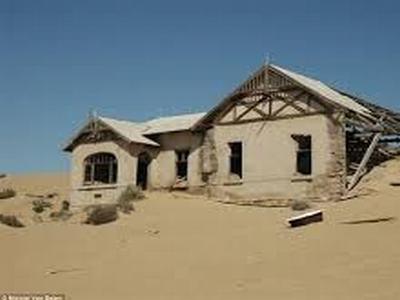
abgelegen, entlegen
far away from places where other people live
We took the train out of the city and found a remote hotel in the country for the weekend
Wir fuhren mit dem Zug aus der Stadt und fanden für das Wochenende ein abgelegenes Hotel auf dem Land.
I was surprised to find train service to such a remote location
SynonymeisolateddistantsecludedfarawayoutlyingAntonymenearcloseaccessiblecentralpopulatedverwundet, verletzt
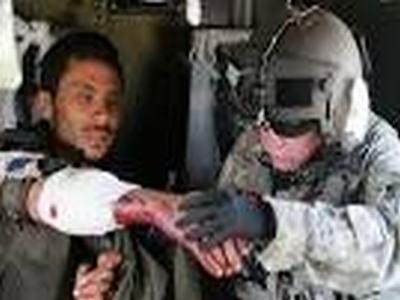
injured by a weapon, for example in a war
My brother who was wounded in the war receives a monthly allowance.
Mein Bruder, der im Krieg verwundet wurde, bekommt eine monatliche Beihilfe.
seriously wounded
SynonymeinjuredhurtharmedimpaireddisabledAntonymeunharmeduninjuredsafehealthywelldas Thema, die Frage
an important topic that people are discussing or arguing about
Climate change is one of the most important issues for young people today.
Der Klimawandel ist heute eines der wichtigsten Themen für junge Menschen.
Synonymereleasepublishlaunchdistributeput forthbring outcirculatepromulgateAntonymewithdrawrecallretractsuppressconcealdas Handwerk, das Kunsthandwerk
an activity involving a special skill at making things with your hands
The shop sells local crafts
Der Laden verkauft Kunsthandwerk aus der Region.
Craft, Design and Technology (= a subject in some British schools)
SynonymeartskilltradehandicraftartistrytechniqueAntonymeincompetenceclumsinessineptitudedie Wohltätigkeitsorganisation, die Wohltätigkeit
an organization for helping people in need
At our last meeting, we decided to organize a football match to raise money for charity.
Bei unserem letzten Treffen haben wir beschlossen, ein Fußballspiel zu organisieren, um Geld für wohltätige Zwecke zu sammeln.
The concert will raise money for local charities.
SynonymebenevolencegenerosityhumanityphilanthropygoodwillAntonymecrueltymeannessselfishnessgreedbenachteiligt
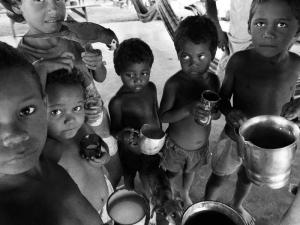
not having the things, such as education, or enough money, that people need in order to succeed in life
We visited disadvantaged children in this village.
Wir haben benachteiligte Kinder in diesem Dorf besucht.
SynonymeunderprivilegeddeprivedneedypoorimpoverishedvulnerableAntonymeadvantagedprivilegedfortunatewealthywell-offzusammenarbeiten, mitmachen, kooperieren
to work together with somebody else in order to achieve something, or to help by doing what you are asked
Women should not co-operate in demeaning womanly things just so men can feel proud of themselves.
Frauen sollten bei entwürdigenden ‚fraulichen' Dingen nicht mitmachen, nur damit Männer stolz auf sich sein können.
Synonymecollaborateassistunitework togetherjoin forcesAntonymecompeteopposeresistdisagreecontendkoordinieren, abstimmen
to organize the different parts of an activity and the people involved so that it works well
He had responsibility for coordinating London's transport services
Er war für die Koordinierung der Londoner Verkehrsbetriebe verantwortlich.
SynonymeorganizeharmonizesynchronizeintegrateorchestratemanageAntonymedisorganizedisruptscatterderangedie Spende
something that is given to a person or an organization such as a charity, in order to help them; the act of giving something in this way
All kinds of donations are appreciated.
Spenden aller Art sind willkommen.
SynonymecontributiongiftgrantofferingpresentalmscharityAntonymelossdeprivationwithholdingtakingdie Dankbarkeit
the feeling of being grateful and wanting to express your thanks
On Teachers' Day, students often express their gratitude to their teachers.
Am Lehrertag drücken die Schüler ihren Lehrern oft ihre Dankbarkeit aus.
SynonymethankfulnessappreciationgratefulnessrecognitionindebtednessAntonymeingratitudeunthankfulnessdisrespectdissatisfactionder Märtyrer, der Gefallene
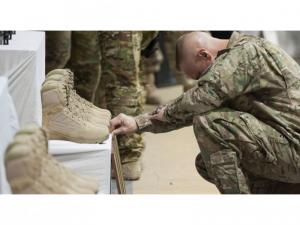
a person who is killed because of their religious or political beliefs
Last night, young people in HCM City lit candles in remembrance of war martyrs.
Gestern Abend zündeten junge Leute in Ho-Chi-Minh-Stadt Kerzen zum Gedenken an die Kriegsgefallenen an.
SynonymesufferervictimsacrificeherosaintAntonymetraitoroppressorvillainprofiteer