레슨 4/16 · 15단어 · 외운 단어 0
Lesson 4: VOLUNTEER WORK
4과: 자원봉사
외딴 (oettan)
far away from places where other people live
We took the train out of the city and found a remote hotel in the country for the weekend
우리는 기차를 타고 도시를 벗어나 주말을 위해 시골에 있는 외딴 호텔을 찾았습니다.
I was surprised to find train service to such a remote location
유의어isolateddistantsecludedfarawayoutlying반의어nearcloseaccessiblecentralpopulated쟁점, 문제, 사안
an important topic that people are discussing or arguing about
Climate change is one of the most important issues for young people today.
기후 변화는 오늘날 젊은이들에게 가장 중요한 문제 중 하나이다.
유의어releasepublishlaunchdistributeput forthbring outcirculatepromulgate반의어withdrawrecallretractsuppressconceal자선
an organization for helping people in need
At our last meeting, we decided to organize a football match to raise money for charity.
지난 회의에서, 우리는 자선 단체를 위해 돈을 모으기 위해 축구 경기를 조직하기로 결정했습니다.
The concert will raise money for local charities.
유의어benevolencegenerosityhumanityphilanthropygoodwill반의어crueltymeannessselfishnessgreed불우한
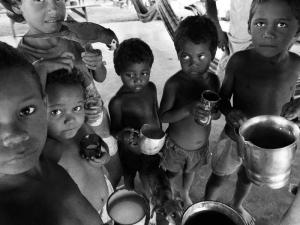
not having the things, such as education, or enough money, that people need in order to succeed in life
We visited disadvantaged children in this village.
우리는 이 마을의 불우한 아이들을 방문했습니다.
유의어underprivilegeddeprivedneedypoorimpoverishedvulnerable반의어advantagedprivilegedfortunatewealthywell-off협력하다
to work together with somebody else in order to achieve something, or to help by doing what you are asked
Women should not co-operate in demeaning womanly things just so men can feel proud of themselves.
여성들은 남성들이 자신을 자랑스러워할 수 있도록 여성적인 것을 폄하하는 일에 협력해서는 안 됩니다.
유의어collaborateassistunitework togetherjoin forces반의어competeopposeresistdisagreecontend조정하다 (jojeonghada)
to organize the different parts of an activity and the people involved so that it works well
He had responsibility for coordinating London's transport services
그는 런던의 교통 서비스를 조정할 책임이 있었다.
유의어organizeharmonizesynchronizeintegrateorchestratemanage반의어disorganizedisruptscatterderange기부 (gibu)
something that is given to a person or an organization such as a charity, in order to help them; the act of giving something in this way
All kinds of donations are appreciated.
모든 종류의 기부에 감사드립니다.
유의어contributiongiftgrantofferingpresentalmscharity반의어lossdeprivationwithholdingtaking감사 (gamsa)
the feeling of being grateful and wanting to express your thanks
On Teachers' Day, students often express their gratitude to their teachers.
스승의 날에, 학생들은 종종 선생님들께 감사를 표합니다.
유의어thankfulnessappreciationgratefulnessrecognitionindebtedness반의어ingratitudeunthankfulnessdisrespectdissatisfaction순교자 (sun-gyoja)
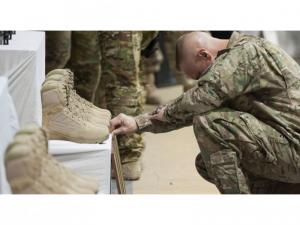
a person who is killed because of their religious or political beliefs
Last night, young people in HCM City lit candles in remembrance of war martyrs.
어젯밤, 호치민시의 젊은이들은 전쟁 순교자들을 기리기 위해 촛불을 밝혔습니다.
유의어sufferervictimsacrificeherosaint반의어traitoroppressorvillainprofiteer