บทที่ 4/16 · 15 คำ · จำได้แล้ว 0
Lesson 4: VOLUNTEER WORK
บทที่ 4: งานอาสาสมัคร
ห่างไกล
far away from places where other people live
We took the train out of the city and found a remote hotel in the country for the weekend
เรานั่งรถไฟออกจากเมืองและพบโรงแรมที่ห่างไกลในชนบทสำหรับวันหยุดสุดสัปดาห์
I was surprised to find train service to such a remote location
คำพ้องความหมายisolateddistantsecludedfarawayoutlyingคำตรงข้ามnearcloseaccessiblecentralpopulatedบาดเจ็บ
injured by a weapon, for example in a war
My brother who was wounded in the war receives a monthly allowance.
พี่ชายของฉันที่ได้รับบาดเจ็บในสงครามได้รับเงินสงเคราะห์รายเดือน
seriously wounded
คำพ้องความหมายinjuredhurtharmedimpaireddisabledคำตรงข้ามunharmeduninjuredsafehealthywellประเด็น, ปัญหา, เรื่อง
an important topic that people are discussing or arguing about
Climate change is one of the most important issues for young people today.
การเปลี่ยนแปลงสภาพภูมิอากาศเป็นหนึ่งในประเด็นที่สำคัญที่สุดสำหรับคนหนุ่มสาวในปัจจุบัน
คำพ้องความหมายreleasepublishlaunchdistributeput forthbring outcirculatepromulgateคำตรงข้ามwithdrawrecallretractsuppressconcealหัตถกรรม
an activity involving a special skill at making things with your hands
The shop sells local crafts
ร้านค้านี้ขายงานหัตถกรรมท้องถิ่น
Craft, Design and Technology (= a subject in some British schools)
คำพ้องความหมายartskilltradehandicraftartistrytechniqueคำตรงข้ามincompetenceclumsinessineptitudeการกุศล
an organization for helping people in need
At our last meeting, we decided to organize a football match to raise money for charity.
ในการประชุมครั้งล่าสุด เราตัดสินใจที่จะจัดการแข่งขันฟุตบอลเพื่อหารายได้เพื่อการกุศล
The concert will raise money for local charities.
คำพ้องความหมายbenevolencegenerosityhumanityphilanthropygoodwillคำตรงข้ามcrueltymeannessselfishnessgreedด้อยโอกาส
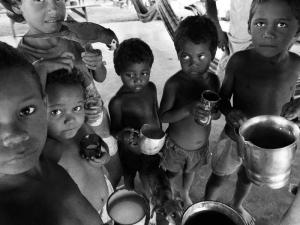
not having the things, such as education, or enough money, that people need in order to succeed in life
We visited disadvantaged children in this village.
พวกเราไปเยี่ยมเด็กด้อยโอกาสในหมู่บ้านนี้
คำพ้องความหมายunderprivilegeddeprivedneedypoorimpoverishedvulnerableคำตรงข้ามadvantagedprivilegedfortunatewealthywell-offร่วมมือ
to work together with somebody else in order to achieve something, or to help by doing what you are asked
Women should not co-operate in demeaning womanly things just so men can feel proud of themselves.
ผู้หญิงไม่ควรให้ความร่วมมือในสิ่งที่ลดทอนความเป็นผู้หญิง เพียงเพื่อให้ผู้ชายรู้สึกภาคภูมิใจในตัวเอง
คำพ้องความหมายcollaborateassistunitework togetherjoin forcesคำตรงข้ามcompeteopposeresistdisagreecontendประสานงาน
to organize the different parts of an activity and the people involved so that it works well
He had responsibility for coordinating London's transport services
เขามีความรับผิดชอบในการประสานงานบริการขนส่งของลอนดอน
คำพ้องความหมายorganizeharmonizesynchronizeintegrateorchestratemanageคำตรงข้ามdisorganizedisruptscatterderangeการบริจาค
something that is given to a person or an organization such as a charity, in order to help them; the act of giving something in this way
All kinds of donations are appreciated.
ขอขอบคุณสำหรับการบริจาคทุกประเภท
คำพ้องความหมายcontributiongiftgrantofferingpresentalmscharityคำตรงข้ามlossdeprivationwithholdingtakingความกตัญญู
the feeling of being grateful and wanting to express your thanks
On Teachers' Day, students often express their gratitude to their teachers.
ในวันครู นักเรียนมักแสดงความกตัญญูต่อครูของพวกเขา
คำพ้องความหมายthankfulnessappreciationgratefulnessrecognitionindebtednessคำตรงข้ามingratitudeunthankfulnessdisrespectdissatisfactionผู้พลีชีพ
a person who is killed because of their religious or political beliefs
Last night, young people in HCM City lit candles in remembrance of war martyrs.
เมื่อคืนที่ผ่านมา เยาวชนในเมืองโฮจิมินห์จุดเทียนเพื่อรำลึกถึงวีรชนสงคราม
คำพ้องความหมายsufferervictimsacrificeherosaintคำตรงข้ามtraitoroppressorvillainprofiteer