コンテンツへスキップ

レッスン4/16 · 15語 · 覚えた単語 0

Lesson 4: VOLUNTEER WORK

第4課:ボランティア活動

  1. 1

    remote(adjective)

    /rɪˈməʊt/

    遠隔の (enkaku no)

    far away from places where other people live

    We took the train out of the city and found a remote hotel in the country for the weekend

    週末に街から電車に乗って、田舎の遠隔のホテルを見つけました

    I was surprised to find train service to such a remote location

    類義語isolateddistantsecludedfarawayoutlying
    対義語nearcloseaccessiblecentralpopulated
  2. 2

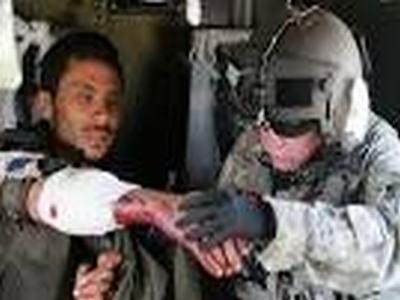
    wounded(adjective)

    /ˈwuːndɪd/

    負傷した (fushō shita)

    injured by a weapon, for example in a war

    My brother who was wounded in the war receives a monthly allowance.

    戦争で負傷した私の兄は、毎月手当を受け取っています。

    seriously wounded

    類義語injuredhurtharmedimpaireddisabled
    対義語unharmeduninjuredsafehealthywell
  3. 3

    issue(noun)

    /ˈɪʃuː/

    問題, 課題, 論点

    an important topic that people are discussing or arguing about

    Climate change is one of the most important issues for young people today.

    気候変動は、今日の若者にとって最も重要な問題の一つだ。

    類義語releasepublishlaunchdistributeput forthbring outcirculatepromulgate
    対義語withdrawrecallretractsuppressconceal
  4. 4

    craft(noun)

    /kræft/

    工芸品

    an activity involving a special skill at making things with your hands

    The shop sells local crafts

    その店は地元の工芸品を売っている。

    Craft, Design and Technology (= a subject in some British schools)

    類義語artskilltradehandicraftartistrytechnique
    対義語incompetenceclumsinessineptitude
  5. 5

    charity(noun)

    /ˈtʃærəti/

    慈善

    an organization for helping people in need

    At our last meeting, we decided to organize a football match to raise money for charity.

    前回の会議で、私たちは慈善活動のためにお金を集めるためにサッカーの試合を企画することにしました。

    The concert will raise money for local charities.

    類義語benevolencegenerosityhumanityphilanthropygoodwill
    対義語crueltymeannessselfishnessgreed
  6. 6

    disadvantaged(adjective)

    /ˌdɪsədˈvæntɪdʒd/

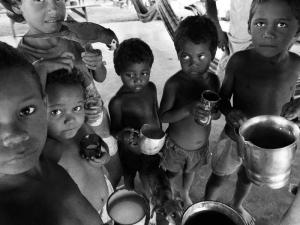
    恵まれない

    not having the things, such as education, or enough money, that people need in order to succeed in life

    We visited disadvantaged children in this village.

    私たちはこの村の恵まれない子供たちを訪問しました。

    類義語underprivilegeddeprivedneedypoorimpoverishedvulnerable
    対義語advantagedprivilegedfortunatewealthywell-off
  7. 7

    co-operate(verb)

    /koʊˈɒpəˌreɪt/

    協力する

    to work together with somebody else in order to achieve something, or to help by doing what you are asked

    Women should not co-operate in demeaning womanly things just so men can feel proud of themselves.

    女性は、男性が自分自身を誇りに思うためだけに、女性らしさを貶めるようなことに協力すべきではありません。

    類義語collaborateassistunitework togetherjoin forces
    対義語competeopposeresistdisagreecontend
  8. 8

    co-ordinate(verb)

    /kəʊˈɔːdɪneɪt/

    調整する (chōsei suru)

    to organize the different parts of an activity and the people involved so that it works well

    He had responsibility for coordinating London's transport services

    彼はロンドンの輸送サービスを調整する責任があった。

    類義語organizeharmonizesynchronizeintegrateorchestratemanage
    対義語disorganizedisruptscatterderange
  9. 9

    donation(noun)

    /dəʊˈneɪʃn/

    寄付 (kifu)

    something that is given to a person or an organization such as a charity, in order to help them; the act of giving something in this way

    All kinds of donations are appreciated.

    あらゆる種類の寄付に感謝します。

    類義語contributiongiftgrantofferingpresentalmscharity
    対義語lossdeprivationwithholdingtaking
  10. 10

    gratitude(noun)

    /ˈɡrætɪtuːd/

    感謝 (kansha)

    the feeling of being grateful and wanting to express your thanks

    On Teachers' Day, students often express their gratitude to their teachers.

    教師の日に、生徒たちは先生に感謝の気持ちを表すことが多いです。

    類義語thankfulnessappreciationgratefulnessrecognitionindebtedness
    対義語ingratitudeunthankfulnessdisrespectdissatisfaction
  11. 11

    handicapped(adjective)

    /ˈhændikæpt/

    障害のある, 身体障害の

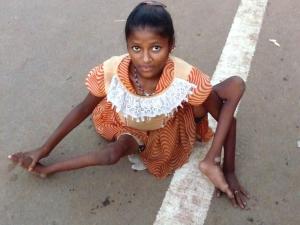
    suffering from a mental or physical handicap

    We take care of handicapped children.

    私たちは障害のある子どもたちの世話をしています。

    類義語disabledimpairedchallengeddifferently abled
    対義語able-bodiedhealthyfitunimpaired
  12. 12

    martyr(noun)

    /ˈmɑːrtər/

    殉教者 (junkyousha)

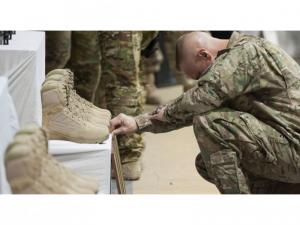
    a person who is killed because of their religious or political beliefs

    Last night, young people in HCM City lit candles in remembrance of war martyrs.

    昨夜、ホーチミン市の若者たちは、戦争の殉教者を追悼してろうそくを灯しました。

    類義語sufferervictimsacrificeherosaint
    対義語traitoroppressorvillainprofiteer
  13. 13

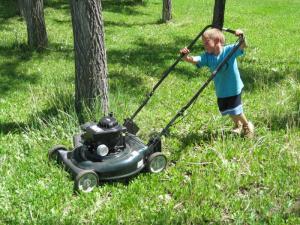
    mow(verb)

    /məʊ/

    草刈り

    to cut grass, etc. using a machine or tool with a special blade (= sharp cutting edge) or blades

    Many workers are mowing the lawns in the park.

    多くの作業員が公園で芝を刈っています。

    類義語cuttrimshearcropclip
    対義語growcultivateplant
  14. 14

    clear(verb)

    /klɪr/

    片付ける, 取り除く, 掃除する

    to remove things that are not wanted or needed from a place

    Volunteers helped clear rubbish from the beach on Sunday morning.

    ボランティアたちは日曜の朝、浜辺のごみを片付ける手伝いをした。

  15. 15

    minority(noun)

    /maɪˈnɔːrəti/

    少数民族, 少数派集団

    a small group within a community or country that is different because of race, religion, language, etc.

    Most ethnic minorities live in the highlands.

    少数民族の大半は高地に住んでいる。