Skip to content

Lesson 4/10 · 15 words · 0 learned

Building materials

  1. 1

    brick(noun)

    /brɪk/

    a small rectangular block of baked clay or concrete used to build walls

    Solid bricks are used for the external walls and toilets.

    The supplier delivered twenty thousand bricks this morning.

    Synonymsblockclaybuilding material
    Antonymsmortarwoodstone
  2. 2

    cement(noun)

    /sɪˈment/

    a grey powder that becomes hard when mixed with water, used to make concrete and mortar

    Store the cement bags off the ground and away from rain.

    The price of cement has risen by ten percent since January.

    Synonymsconcretemortaradhesivebinding agentgrout
    Antonymsseparatedivideloosendisunite
  3. 3

    insulation(noun)

    /ˌɪnsəˈleɪʃn/

    material put in roofs, walls or around pipes to reduce the loss or gain of heat or to block sound

    Rock wool insulation is placed under the metal roof to keep the factory cool.

    The insulation around the chilled water pipes was damaged during installation.

    Synonymspaddingshieldingprotectioncovering
    Antonymsexposureconduction
  4. 4

    plywood(noun)

    /ˈplaɪwʊd/

    a board made of thin layers of wood glued together, often used for formwork and furniture

    Film-faced plywood gives a smooth finish to the concrete walls.

    Each plywood sheet can be reused about five times as formwork.

    Synonymsveneered woodlaminated wood
    Antonymssolid wood
  5. 5

    timber(noun)

    /ˈtɪmbər/

    wood cut and prepared for use in building, for example for roof frames, doors and formwork

    The timber for the roof frame must be treated against termites.

    Keep the timber covered so that it does not get wet.

    Synonymswoodlumberwoodlandtrees
    Antonymssteelconcretestone
  6. 6

    plasterboard(noun)

    /ˈplæstərbɔːrd/

    a board made of gypsum between two sheets of thick paper, used for internal walls and ceilings

    The ceiling will be finished with moisture-resistant plasterboard in the bathrooms.

    Fix the plasterboard to the metal studs with screws every thirty centimetres.

    Synonymsdrywallgypsum boardwallboard
    Antonymsbrickconcretewood paneling
  7. 7

    aggregate(noun)

    /ˈæɡrɪɡət/

    sand, gravel or crushed stone mixed with cement and water to make concrete

    The coarse aggregate must be washed to remove clay and dust.

    Test reports for the aggregate are required before the first pour.

  8. 8

    mortar(noun)

    /ˈmɔːtə(r)/

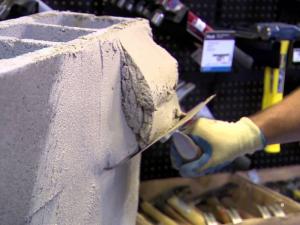
    a mixture of cement, sand and water used to join bricks or blocks and to cover walls

    The mortar for the brick walls is mixed at a ratio of one to four.

    Do not use mortar that has been mixed for more than two hours.

  9. 9

    hollow block(noun)

    /ˌhɒləʊ ˈblɒk/

    a large concrete block with empty spaces inside, which makes it lighter and cheaper than solid bricks

    The internal walls are built with hollow blocks to reduce the load on the slabs.

    Fill the cores of the hollow blocks with concrete at the door frames.

  10. 10

    AAC(abbreviation)

    /ˌeɪ eɪ ˈsiː/

    autoclaved aerated concrete: a light concrete block full of small air bubbles, used for walls with good heat insulation

    AAC blocks are popular in high-rise buildings because they are light.

    Use the special thin-bed adhesive when laying AAC blocks.

  11. 11

    structural steel(noun)

    /ˌstrʌktʃərəl ˈstiːl/

    steel made in standard shapes, such as I-beams and hollow sections, used to build frames of buildings and bridges

    The factory roof is supported by a structural steel frame.

    All structural steel must be painted with primer before delivery.

  12. 12

    galvanised steel(noun)

    /ˌɡælvənaɪzd ˈstiːl/

    steel covered with a thin layer of zinc to protect it from rust

    The handrails outside are made of hot-dip galvanised steel.

    Galvanised steel sheets are used for the roof gutters.

  13. 13

    ceramic tile(noun)

    /səˌræmɪk ˈtaɪl/

    a thin flat piece of baked clay with a hard surface, used to cover floors and walls

    The client chose large ceramic tiles for the lobby floor.

    Several ceramic tiles cracked because the adhesive did not cover the back fully.

  14. 14

    waterproofing membrane(noun)

    /ˈwɔːtəpruːfɪŋ ˌmembreɪn/

    a thin sheet or liquid coating applied to roofs, basements and bathrooms to stop water getting through

    The waterproofing membrane on the roof must be tested by flooding for 24 hours.

    Protect the waterproofing membrane before backfilling against the basement wall.
  15. 15

    sealant(noun)

    /ˈsiːlənt/

    a soft material that is put into joints and gaps and then sets, to keep out water and air

    Apply silicone sealant around the window frames to stop leaks.

    The sealant in the expansion joint has cracked and must be replaced.