Leçon 5/10 · 23 mots · 0 appris
Common diseases and conditions
Maladies et affections courantes
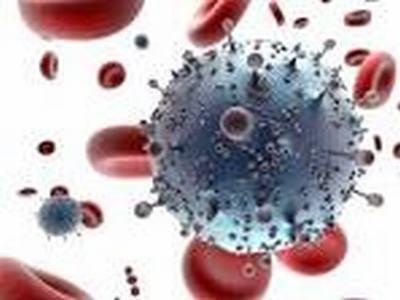
infection
an illness caused by bacteria, viruses or other germs entering and growing in the body
The wound shows signs of infection, such as redness and pus.
La plaie présente des signes d'infection, tels que rougeur et pus.
Most respiratory infections in children are caused by viruses.
SynonymescontaminationsepsisdiseaseailmentvirusgermpathogenAntonymessterilityasepsiscleanlinessimmunityhealthcancer
a disease in which abnormal cells grow out of control and can spread to other parts of the body
Liver cancer is one of the most common cancers in Vietnam.
Le cancer du foie est l'un des cancers les plus fréquents au Vietnam.
Early detection greatly improves the chance of curing cancer.
SynonymesmalignancytumorneoplasmAntonymeshealthwellnesswell-beingobésité
a condition of having too much body fat, which harms health; it is often defined by a high BMI
Obesity increases the risk of diabetes, hypertension and joint problems.
L'obésité augmente le risque de diabète, d'hypertension et de problèmes articulaires.
The clinic offers diet advice for children with obesity.
Synonymescorpulenceexcess weightfattinessplumpnessoverweightAntonymesthinnessleannessunderweightskinninessaigu, aiguë
(of an illness or symptom) starting suddenly and lasting a short time, often severe
He was admitted last night with acute abdominal pain.
Il a été admis hier soir pour une douleur abdominale aiguë.
Acute bronchitis usually gets better within three weeks.
SynonymessevereintensecriticalsharpkeenAntonymesmilddullblunttrivialslightchronique
(of an illness) lasting for a long time or recurring often, and usually needing long-term care
Diabetes and hypertension are chronic diseases that need lifelong management.
Le diabète et l'hypertension sont des maladies chroniques qui nécessitent une prise en charge à vie.
She has suffered from chronic back pain for years.
Synonymespersistentlong-lastinginveteraterecurringconstanthabitualAntonymesacutetemporaryshort-termfleetingtransientdiabète
a chronic disease in which blood sugar is too high because the body cannot make or use insulin properly
Type 2 diabetes is often linked to obesity and lack of exercise.
Le diabète de type 2 est souvent lié à l'obésité et au manque d'exercice.
Patients with diabetes should check their feet every day.
Synonymessugar diseasehigh blood sugarAntonymeshealthywellasthme
a chronic lung disease in which the airways become narrow and inflamed, causing wheezing and shortness of breath
The boy was admitted with a severe asthma attack.
Le garçon a été hospitalisé pour une crise d'asthme sévère.
Dust, smoke and cold air can trigger asthma in sensitive patients.
Synonymeswheezingshortness of breathbronchial asthmaAntonymeseasy breathingclear airwayscirrhose
a chronic liver disease in which healthy tissue is replaced by scar tissue, often caused by alcohol or hepatitis
Doctors believe that long-term heavy drinking caused his cirrhosis.
Les médecins pensent que sa cirrhose est due à une consommation excessive d'alcool prolongée.
Patients with cirrhosis may develop jaundice and fluid in the abdomen.
Synonymesliver damagehepatic fibrosisliver failureAntonymeshealthy liverdengue
a viral infection spread by mosquitoes, causing high fever, severe pain and sometimes dangerous bleeding
Dengue fever cases increase sharply during the rainy season.
Les cas de dengue augmentent fortement pendant la saison des pluies.
Platelet counts are monitored daily in patients with dengue fever.
Synonymesbreakbone feverinsuffisance cardiaque
a condition in which the heart cannot pump enough blood to meet the body's needs
Shortness of breath and leg swelling are typical of heart failure.
L'essoufflement et le gonflement des jambes sont typiques de l'insuffisance cardiaque.
Patients with heart failure should limit salt and fluids.
Synonymescardiac failurecongestive heart failureAntonymesheart healthcardiac wellnesshépatite
inflammation of the liver, most often caused by a virus such as hepatitis B or C
Chronic hepatitis B can lead to cirrhosis and liver cancer.
L'hépatite B chronique peut évoluer vers la cirrhose et le cancer du foie.
All newborns are vaccinated against hepatitis B within 24 hours of birth.
Synonymesliver inflammationhepatic diseaseAntonymeshealthy liverliver wellnesshypertension artérielle, HTA
blood pressure that is persistently higher than normal; high blood pressure
Hypertension is a major risk factor for stroke and heart attack.
L'hypertension artérielle est un facteur de risque majeur d'AVC et d'infarctus.
She has been taking medicine for hypertension for ten years.
Synonymeshigh blood pressureAntonymeshypotensionlow blood pressureinflammation
the body's reaction to injury or infection, causing redness, heat, swelling and pain
Inflammation of the joint caused pain and swelling in his knee.
L'inflammation de l'articulation provoquait douleur et gonflement du genou.
A raised CRP level shows inflammation somewhere in the body.
SynonymesswellingirritationrednesssorenessAntonymeshealthnormalityreliefgrippe
a contagious viral infection of the airways causing fever, cough, muscle aches and tiredness; flu
Health workers receive an influenza vaccine every year.
Les professionnels de santé reçoivent chaque année un vaccin contre la grippe.
Influenza can lead to pneumonia in elderly patients.
SynonymesflugrippeAntonymeshealthwellnesspneumonie, pneumopathie
an infection that inflames the air sacs in one or both lungs, causing cough, fever and difficulty breathing
The chest X-ray confirmed pneumonia in the right lower lobe.
La radiographie pulmonaire a confirmé une pneumonie du lobe inférieur droit.
Elderly patients with pneumonia often need oxygen and intravenous antibiotics.
Synonymeslung inflammationpulmonary infectionAntonymeshealthwellnesstuberculose
a serious infectious disease caused by bacteria, usually affecting the lungs and spread through the air
Tuberculosis should be suspected in anyone coughing for more than two weeks.
Il faut suspecter une tuberculose chez toute personne qui tousse depuis plus de deux semaines.
Treatment for tuberculosis usually lasts at least six months.
SynonymesTBconsumptionphthisisAntonymeshealthwellnessanémie
a condition in which the blood has too few red blood cells or too little hemoglobin, causing tiredness and pale skin
Iron deficiency is the most common cause of anemia.
La carence en fer est la cause la plus fréquente d'anémie.
Her pale skin and constant fatigue suggested anemia to the doctor.
Synonymesblood deficiencyiron deficiencylack of red blood cellsAntonymesplethoraoverabundance of red blood cellsinfection urinaire, infection des voies urinaires
an infection of any part of the urinary system, such as the bladder or kidneys
Burning when passing urine is a typical sign of a urinary tract infection.
Les brûlures à la miction sont un signe typique d'infection urinaire.
Urinary tract infections are more common in women than in men.
SynonymesUTIbladder infectioncystitisAntonymeshealthy urinary tractBPCO, bronchopneumopathie chronique obstructive
chronic obstructive pulmonary disease: a long-term lung disease, often caused by smoking, that blocks airflow
Most patients with COPD have a long history of smoking.
La plupart des patients atteints de BPCO ont de longs antécédents de tabagisme.
He was admitted with an acute exacerbation of COPD.
ulcère gastroduodénal, ulcère peptique
a sore in the lining of the stomach or the first part of the small intestine
Long-term use of painkillers increased her risk of peptic ulcer.
La prise prolongée d'antalgiques a augmenté son risque d'ulcère gastroduodénal.
Many peptic ulcers are caused by Helicobacter pylori infection.
insuffisance rénale
a condition in which the kidneys can no longer remove waste and extra fluid from the blood properly
Patients with kidney failure may need dialysis several times a week.
Les patients en insuffisance rénale peuvent avoir besoin de dialyse plusieurs fois par semaine.
Poorly controlled diabetes is a leading cause of kidney failure.
accident vasculaire cérébral, AVC
a sudden loss of brain function caused by a blocked or burst blood vessel in the brain
He suffered a stroke that left his right arm weak.
Il a fait un AVC qui a laissé son bras droit affaibli.
Stroke patients must reach hospital as quickly as possible.
infarctus du myocarde
damage to part of the heart muscle caused by a blocked blood supply; a heart attack
The ECG showed signs of an acute myocardial infarction.
L'ECG montrait des signes d'infarctus du myocarde aigu.
Patients with myocardial infarction need treatment to reopen the artery quickly.