सामग्री पर जाएँ

पाठ 1/16 · 55 शब्द · 0 याद हो गए

Lesson 1: GREETINGS

पाठ 1: अभिवादन

  1. 1

    practice(noun)

    /ˈpræktɪs/

    अभ्यास, मश्क

    doing an activity or training regularly so that you can improve your skill; the time you spend doing this

    Speaking English every day is good practice for the exam.

    रोज़ अंग्रेज़ी बोलना परीक्षा के लिए अच्छा अभ्यास है।

    समानार्थीexercisedrillrehearseapplicationcustom
    विलोमtheoryignoranceneglectdisuse
  2. 2

    remember(verb)

    /rɪˈmembər/

    याद रखना (yaad rakhna)

    to have or keep an image in your memory of an event, a person, a place, etc. from the past

    I will remember the combination to the safe without writing it down

    मैं इसे लिखे बिना तिजोरी का संयोजन याद रखूंगा।

    I remembered the delivery clerk's name as soon as I got off the phone

    समानार्थीrecallrecollectretainmemorizebring to mind
    विलोमforgetdisrememberoverlookignore
  3. 3

    draw(verb)

    /drɔː/

    चित्र बनाना, रेखाचित्र बनाना

    to make pictures, or a picture of something, with a pencil, pen or chalk (but not paint)

    The children like to draw pictures of animals with colored pencils.

    बच्चों को रंगीन पेंसिलों से जानवरों के चित्र बनाना पसंद है।

    समानार्थीattractpullenticelureattractmagnetize
    विलोमrepeldeterdiscouragepush
  4. 4

    choose(verb)

    /tʃuːz/

    चुनना (chunna)

    to decide which thing or person you want out of the ones that are available

    Alan chooses to read The New York Times over the Wall Street Journal

    एलन वॉल स्ट्रीट जर्नल की तुलना में द न्यूयॉर्क टाइम्स पढ़ना चुनता है।

    I did not choose that candidate to be the editor of our student newspaper

    समानार्थीselectpickoptelectprefer
    विलोमrejectrefusedeclinedisregard
  5. 5

    miss(verb)

    /mɪs/

    छूटना, चूकना

    to be or arrive too late for something

    We missed the bus and had to walk to school.

    हमारी बस छूट गई और हमें स्कूल तक पैदल जाना पड़ा।

    समानार्थीyoung ladymademoisellema'am
    विलोमMrs.Madammarried woman
  6. 6

    we(pronoun)

    /wi/

    हम

    I and another person or other people; I and you

    We are students.

    हम छात्र हैं।

    We'd (= the company would) like to offer you the job.

    समानार्थीusourselves
    विलोमIme
  7. 7

    his(determiner)

    /hɪz/

    उसका

    of or belonging to a man or boy who has already been mentioned or is easily identified

    His pen is very nice.

    उसका पेन बहुत अच्छा है।

    The choice was his.

    समानार्थीbelonging to himof himhis own
    विलोमhertheirmyyour
  8. 8

    they(pronoun)

    /ðeɪ/

    वे

    people, animals or things that have already been mentioned or are easily identified

    They are my friends.

    वे मेरे दोस्त हैं।

    ‘Where are John and Liz?’ ‘They went for a walk.’

    समानार्थीthose peoplethese peoplethemthe ones
    विलोमImeheshehimher
  9. 9

    you(pronoun)

    /jə/

    तुम

    used as the subject or object of a verb or after a preposition to refer to the person or people being spoken or written to

    You are very kind.

    तुम बहुत दयालु हो।

    Can I sit next to you?

    समानार्थीthoutheeyourself
    विलोमbayoucy youngcyrus the youngerdanton true youngdo-it-yourselfedward younggo-as-you-pleasegood for you
  10. 10

    count(verb)

    /kaʊnt/

    गिनना (ginanaa)

    to say numbers in the correct order

    She can count up to 10 in Italian

    वह इतालवी में 10 तक गिन सकती है (vah itaalee mein das tak gin sakatee hai)

    She can count up to 10 in Italian.

    समानार्थीenumeratetallycalculatereckoncomputeadd up
    विलोमestimateguessapproximate
  11. 11

    your(determiner)

    /jʊr/

    तुम्हारा

    of or belonging to the person or people being spoken or written to

    Your pen is very nice.

    तुम्हारा पेन बहुत अच्छा है।

    Excuse me, is this your seat?

    समानार्थीbelonging to youof you
    विलोमmyhishertheirour
  12. 12

    our(determiner)

    /ɑːr/

    हमारा

    belonging to us; connected with us

    Our school is very nice.

    हमारा स्कूल बहुत अच्छा है।

    Our main export is rice.

    समानार्थीbelonging to usof ours
    विलोमtheirtheirsyour
  13. 13

    her(pronoun)

    /hər/

    उसे, उसको

    used as the object of a verb, after the verb be or after a preposition to refer to a woman or girl who has already been mentioned or is easily identified

    I saw her at the park yesterday and said hello.

    मैंने कल उसे पार्क में देखा और नमस्ते कहा।

    समानार्थीbelonging to herhersof her
    विलोमhistheirmyyour
  14. 14

    sir(noun)

    /sər ˌɡɑːweɪn ən ðə ˌɡriːn ˈnaɪt/

    श्रीमान, साहब

    used as a polite way of addressing a man whose name you do not know, for example a customer or teacher

    Good afternoon, Sir.

    नमस्कार, श्रीमान।

    Are you ready to order, sir?

    समानार्थीmistergentlemanmaster
    विलोमmadamma'am
  15. 15

    group(noun)

    /ɡruːp/

    समूह

    a number of people or things that are together in the same place or that are connected in some way

    In English class, we often work in groups.

    अंग्रेजी कक्षा में, हम अक्सर समूहों में काम करते हैं।

    to work in groups

    समानार्थीteamclusterbandcollectionsetassociation
    विलोमindividuallonesingleone
  16. 16

    write(verb)

    /raɪt/

    लिखना (likhana)

    to make letters or numbers on a surface, especially using a pen or a pencil

    She writes in a diary.

    वह एक डायरी में लिखती है। (Vah ek diary mein likhati hai.)

    Write your name at the top of the paper.

    समानार्थीcomposeauthorpenrecorddraft
    विलोमreaderasedeleteobliteraterecant
  17. 17

    I(pronoun)

    /aɪ/

    मैं (Main)

    used as the subject of a verb when the speaker or writer is referring to himself/herself

    I am a student.

    मैं एक छात्र हूँ (Main ek chhaatr hoon).

    When they asked me if I wanted the job, I said yes.

    समानार्थीMyselfMe
    विलोमYouHeSheItTheyWe
  18. 18

    this(determiner, pronoun)

    /ðɪs/

    यह (yah)

    used to refer to a particular person, thing or event that is close to you, especially compared with another

    This is my teacher.

    यह मेरे शिक्षक हैं। (yah mere shikshak hain.)

    Is this your bag?

    समानार्थीthatthea
    विलोमthatthose
  19. 19

    she(pronoun)

    /ʃi/

    वह (vah)

    a female person or animal that has already been mentioned or is easily identified

    Daisy is my friend. She is very kind.

    डेज़ी मेरी दोस्त है। वह बहुत दयालु है। (Dezee meri dost hai. Vah bahut dayalu hai.)

    Doesn't she (= the woman we are looking at) look like Sue?

    समानार्थीherthe womanthat woman
    विलोमhehim
  20. 20

    goodbye(exclamation)

    /ˌɡʊdˈbaɪ/

    अलविदा, खुदा हाफ़िज़

    used when you are leaving somebody or when somebody else is leaving

    Goodbye, Tom! See you at school tomorrow.

    अलविदा, टॉम! कल स्कूल में मिलते हैं।

    समानार्थीfarewelladieuso longbyeadieu
    विलोमhellogreetingwelcome
  21. 21

    square(adjective)

    /skwer/

    वर्गाकार, चौकोर

    having four straight equal sides and four angles of 90°

    He has a square face and short dark hair.

    उसका चेहरा चौकोर है और बाल छोटे और काले हैं।

    समानार्थीquadranglequadblockplaza
    विलोमcircleroundcurve
  22. 22

    their(determiner)

    /ðer/

    उनका

    of or belonging to people, animals or things that have already been mentioned or are easily identified

    Their school is very nice.

    उनका विद्यालय बहुत अच्छा है।

    Which is their house?

    समानार्थीbelonging to themof them
    विलोमmyyourourhisherits
  23. 23

    repeat(verb)

    /rɪˈpiːt/

    दोहराना

    to say or write something again or more than once

    Could you repeat the question, please?

    क्या आप कृपया सवाल दोहरा सकते हैं?

    I'm sorry—could you repeat that?

    समानार्थीreiteraterestatreproducerecapgo overrehash
    विलोमerasecancelretracttake backnullify
  24. 24

    my(determiner)

    /maɪ/

    मेरा (merā)

    of or belonging to the speaker or writer

    My name is Andy.

    मेरा नाम एंडी है। (Merā nām endī hai.)

    My feet are cold.

    समानार्थीbelonging to meof minepersonally owned
    विलोमyourhishertheirits
  25. 25

    play(verb)

    /pleɪ/

    खेलना (khelna)

    to do things for pleasure, as children do; to enjoy yourself, rather than work

    All kids like playing.

    सभी बच्चों को खेलना पसंद है। (Sabhi baccho ko khelna pasand hai.)

    the importance of learning through play

    समानार्थीgamerecreationfunfrolicsportamusemententertainmentperform
    विलोमworklaborstudyserious
  26. 26

    listen(verb)

    /ˈlɪsn/

    सुनना (sunna)

    to pay attention to somebody/something that you can hear

    Most young people like listening to pop music.

    ज्यादातर युवाओं को पॉप संगीत सुनना पसंद है।

    Listen! What's that noise? Can you hear it?

    समानार्थीhearattendheedobeyconsider
    विलोमignoredisregarddisobey
  27. 27

    partner(noun)

    /ˈpɑːrtnər/

    साथी (saathi)

    a person that you are doing an activity with, such as dancing or playing a game

    Practice the dialogue with a partner.

    एक साथी के साथ संवाद का अभ्यास करें। (Ek saathee ke saath samvaad ka abhyaas karen.)

    a marriage partner

    समानार्थीassociatecolleagueallyteammatecollaborator
    विलोमopponentrivalenemyadversary
  28. 28

    hi(exclamation)

    /haɪ/

    नमस्ते

    used to say hello

    Hi, there! How're you doing?

    नमस्ते! क्या हाल है?

    Hi, Peter.

    समानार्थीhellogreetingsheyhowdygood day
    विलोमgoodbyefarewellsee youso longadieu
  29. 29

    fine(adjective)

    /faɪn/

    ठीक (theek)

    in good health

    I am fine.

    मैं ठीक हूँ। (Main theek hoon.)

    समानार्थीwellgoodokaysatisfactoryacceptableexcellentsuperbthin
    विलोमbadpoorillunwellthickcoarse
  30. 30

    thank(verb)

    /θæŋk/

    धन्यवाद देना, आभार जताना

    to tell somebody that you are grateful for something

    Thank you very much.

    आपका बहुत-बहुत धन्यवाद।

    There's no need to thank me—I enjoyed doing it.

    समानार्थीappreciateacknowledgebe gratefulgive thanks
    विलोमcursecriticizereproachcondemn
  31. 31

    say(verb)

    /seɪ/

    कहना (kehna)

    to speak or tell somebody something, using words

    He always says that he is busy.

    वह हमेशा कहता है कि वह व्यस्त है।

    ‘That was marvellous,’ said Daniel.

    समानार्थीstateutterdeclareexpressarticulatementionremarkclaim
    विलोमdenyretractwithholdconcealbe silentrefrain
  32. 32

    number(noun)

    /ˈnʌmbər/

    संख्या (sankhya)

    a word or symbol that represents an amount or a quantity

    I love numbers.

    मुझे संख्याएँ पसंद हैं।

    Think of a number and multiply it by two.

    समानार्थीnumeraldigitfigureintegeramountquantitytotal
    विलोमletterwordnamenon-numericqualitative
  33. 33

    hello(exclamation, noun)

    /həˈləʊ/

    नमस्ते

    used as a greeting when you meet somebody, in an email, when you answer the phone or when you want to attract somebody’s attention

    Say hello to Liz for me.

    लिज़ को मेरी नमस्ते कहना।

    Hello, is there anybody there?

    समानार्थीgreetingshiheyhowdygood daywelcome
    विलोमgoodbyefarewelladieu
  34. 34

    he(pronoun)

    /hi/

    वह (vah)

    a male person or animal that has already been mentioned or is easily identified

    He is 10 years old and he is a student.

    वह 10 साल का है और वह एक छात्र है।(vah das saal ka hai aur vah ek chhaatr hai.)

    He (= the man we are watching) went through that door.

    समानार्थीhimthat personthe manthe boy
    विलोमshethey
  35. 35

    am(verb)

    /əm/

    हूँ (hoon)

    the form of 'be' used with 'I' in the present tense

    I am at home.

    मैं घर पर हूँ। (Main ghar par hoon.)

    समानार्थीexistbeconstituteequate to
    विलोमnonexistentabsent
  36. 36

    are(verb)

    /ər/

    हो

    the form of 'be' used with 'you', 'we' and 'they' in the present tense

    You are very kind.

    आप बहुत दयालु हैं।

    समानार्थीexistequalrepresent
    विलोमnotlackdifference
  37. 37

    good afternoon(exclamation)

    /ˌɡʊd æftərˈnuːn/

    शुभ दोपहर (Shubh dopahar)

    used to say hello politely when people first see each other in the afternoon (in informal use people often just say Afternoon in this case); sometimes also used formally when people leave each other in the afternoon

    Good afternoon, Mr. Smith.

    शुभ दोपहर, श्री स्मिथ। (Shubh dopahar, Shri Smith.)

    समानार्थीafternoon greetinghave a good afternoon
    विलोमgood morninggood eveninggood night
  38. 38

    good evening(exclamation)

    /ˌɡʊd ˈiːvnɪŋ/

    शुभ संध्या

    used to say hello politely when people first see each other in the evening (in informal use people often just say Evening in this case); sometimes also used formally when people leave each other in the evening

    Good evening, Miss Hoa.

    शुभ संध्या, मिस होआ।

    समानार्थीevening greetingsgood nightevening salutation
    विलोमgood morninggood daygood afternoon
  39. 39

    good morning(exclamation)

    /ˌɡʊd ˈmɔːrnɪŋ/

    शुभ प्रभात (shubh prabhat)

    used to say hello politely when people first see each other in the morning; sometimes also used formally when people leave each other in the morning

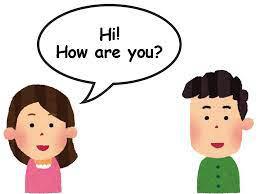
    Good morning, Miss Hoa. How are you?

    शुभ प्रभात, मिस होआ। आप कैसी हैं?

    समानार्थीgreetingsmorninggood day
    विलोमgood eveninggood night
  40. 40

    good night(exclamation)

    /ɡʊd 'naɪt/

    शुभ रात्रि

    used when you are saying goodbye to somebody late in the evening or when they are going to bed

    Good night, Mom.

    शुभ रात्रि, माँ।

    समानार्थीnighty nightsleep wellsweet dreamsgood evening
    विलोमgood morninggood day
  41. 41

    is(verb)

    /ɪz/

    है (hai)

    the form of the verb 'be' used with he, she or it in the present tense

    She is a teacher.

    वह एक शिक्षिका है। (Vah ek shikshika hai.)

    समानार्थीexistsrepresentsequalsamounts toconstitutes
    विलोमisn'twasn'tlacksis not
  42. 42

    it(pronoun)

    /ɪt/

    यह

    used to refer to an animal or a thing that has already been mentioned or that is being talked about now

    This is my dog. It is very friendly.

    यह मेरा कुत्ता है। यह बहुत मिलनसार है।

    समानार्थीthatthisthe thingthe one
    विलोमheshethey
  43. 43

    its(determiner)

    /ɪts/

    इसका

    belonging to or connected with a thing, an animal or a baby

    I have a dog. Its tail is very long.

    मेरे पास एक कुत्ता है। इसकी पूंछ बहुत लंबी है।

    समानार्थीbelonging to itof itbelonging to the thingthereof
    विलोमnone (as it's a possessive pronoun)
  44. 44

    Madam(noun)

    /ˈmædəm/

    मैडम (Madam)

    used when speaking or writing to a woman in a formal or business situation

    Good afternoon, Madam.

    शुभ दोपहर, मैडम।(Shubh dopahar, Madam.)

    समानार्थीLadyMa'amMrs.Dame
    विलोमSirMister
  45. 45

    Mr.(abbreviation)

    /ˈmɪstər/

    श्री (Shri)

    a title that comes before a man’s family name, or before his first and family names together

    This is Mr. Brown.

    ये श्री ब्राउन हैं। (Ye Shri Brown hain.)

    समानार्थीSirGentlemanEsquire
    विलोमMs.MissMrs.
  46. 46

    Mrs.(abbreviation)

    /ˈmɪsɪz/

    श्रीमती

    a title that comes before a married woman’s family name or before her first and family names together

    Mrs. Smith is very old.

    श्रीमती स्मिथ बहुत बूढ़ी हैं।

    समानार्थीMadamMa'amLadyMs.
    विलोमMr.SirMissMaster
  47. 47

    Ms.(abbreviation)

    /ˌem ˈes/

    सुश्री, श्रीमती

    a title that comes before a woman’s family name, whether or not she is married

    Ms. Green is my English teacher and she is very kind.

    सुश्री ग्रीन मेरी अंग्रेज़ी की शिक्षिका हैं और वे बहुत दयालु हैं।

    समानार्थीMadamMissMrs.
    विलोमMr.
  48. 48

    a piece of paper(phrase)

    /ə piːs əv ˈpeɪpə(r)/

    कागज़ का टुकड़ा, एक पन्ना

    a single sheet or a small part of a sheet of paper

    He wrote something on a piece of paper.

    उसने कागज़ के एक टुकड़े पर कुछ लिखा।

    समानार्थीsheet of paperscrap of paperpiece of stationerypaper
    विलोमwhole ream of paperpaperless environment
  49. 49

    child(noun)

    /tʃaɪld/

    बच्चा (bacca)

    a young human who is not yet an adult

    This couple has only one child.

    इस जोड़े का केवल एक बच्चा है। (Is jode ka keval ek bacca hai.)

    समानार्थीkidoffspringyouthinfantminor
    विलोमadultparent
  50. 50

    children(noun)

    /ˈtʃɪldrən/

    बच्चे

    the plural of 'child'; young people who are not yet adults, or sons and daughters

    That couple has three children.

    उस दंपति के तीन बच्चे हैं।

    समानार्थीkidsoffspringyoungstersyouthprogeny
    विलोमadultsparentsancestorselders
  51. 51

    classmate(noun)

    /ˈklæsmeɪt/

    सहपाठी

    a person who is or was in the same class as you at school or college

    Kim, Nick, Sam and Ken are in class 11B. They are classmates.

    किम, निक, सैम और केन कक्षा 11बी में हैं। वे सहपाठी हैं।

    समानार्थीschoolmateclassmatefellow studentpeer
    विलोमoutsiderstrangerrival
  52. 52

    exercise book(noun)

    /ˈeksərsaɪz bʊk/

    अभ्यास-पुस्तिका, कॉपी

    a small book for students to write their work in

    Please write your homework in your exercise book tonight.

    कृपया आज रात अपना गृहकार्य अपनी कॉपी में लिखिए।

    समानार्थीworkbooknotebookcopybookexercise pad
    विलोमtextbooknovel
  53. 53

    greeting(noun)

    /ˈɡriːtɪŋ/

    अभिवादन (abhivaadan)

    something that you say or do to greet somebody

    They exchanged greetings and sat down.

    उन्होंने अभिवादन का आदान-प्रदान किया और बैठ गए। (Unhone abhivaadan ka aadaan-pradaan kiya aur baith gae.)

    समानार्थीsalutationwelcomeacknowledgmentrecognition
    विलोमfarewellgoodbyepartingignorance
  54. 54

    miss(noun)

    /mɪs/

    कुमारी, मिस

    a title used before the name of a girl or a woman who is not married, or of a female teacher

    Good morning, Miss Sarah.

    सुप्रभात, मिस सारा।

  55. 55

    her(determiner)

    /hər/

    उसका, उसकी

    of or belonging to a woman or girl who has already been mentioned or is easily identified

    Meg loves her job.

    मेग को अपनी नौकरी पसंद है।