跳至主要內容

第 1/16 課 · 55 個單字 · 已學會 0 個

Lesson 1: GREETINGS

第1課:問候

  1. 1

    practice(noun)

    /ˈpræktɪs/

    練習, 實踐

    doing an activity or training regularly so that you can improve your skill; the time you spend doing this

    Speaking English every day is good practice for the exam.

    每天說英語是準備考試的好練習。

    同義詞exercisedrillrehearseapplicationcustom
    反義詞theoryignoranceneglectdisuse
  2. 2

    remember(verb)

    /rɪˈmembər/

    記得, 記住

    to have or keep an image in your memory of an event, a person, a place, etc. from the past

    I will remember the combination to the safe without writing it down

    我會記住保險箱的密碼,不用寫下來。

    I remembered the delivery clerk's name as soon as I got off the phone

    同義詞recallrecollectretainmemorizebring to mind
    反義詞forgetdisrememberoverlookignore
  3. 3

    draw(verb)

    /drɔː/

    畫, 繪製

    to make pictures, or a picture of something, with a pencil, pen or chalk (but not paint)

    The children like to draw pictures of animals with colored pencils.

    孩子們喜歡用彩色鉛筆畫動物。

    同義詞attractpullenticelureattractmagnetize
    反義詞repeldeterdiscouragepush
  4. 4

    choose(verb)

    /tʃuːz/

    選擇, 挑選

    to decide which thing or person you want out of the ones that are available

    Alan chooses to read The New York Times over the Wall Street Journal

    比起《華爾街日報》,Alan 選擇閱讀《紐約時報》。

    I did not choose that candidate to be the editor of our student newspaper

    同義詞selectpickoptelectprefer
    反義詞rejectrefusedeclinedisregard
  5. 5

    miss(verb)

    /mɪs/

    錯過, 趕不上

    to be or arrive too late for something

    We missed the bus and had to walk to school.

    我們錯過了公車,只好走路去學校。

    同義詞young ladymademoisellema'am
    反義詞Mrs.Madammarried woman
  6. 6

    we(pronoun)

    /wi/

    我們

    I and another person or other people; I and you

    We are students.

    我們是學生。

    We'd (= the company would) like to offer you the job.

    同義詞usourselves
    反義詞Ime
  7. 7

    his(determiner)

    /hɪz/

    他的

    of or belonging to a man or boy who has already been mentioned or is easily identified

    His pen is very nice.

    他的筆很好看。

    The choice was his.

    同義詞belonging to himof himhis own
    反義詞hertheirmyyour
  8. 8

    they(pronoun)

    /ðeɪ/

    他們, 她們, 它們

    people, animals or things that have already been mentioned or are easily identified

    They are my friends.

    他們是我的朋友。

    ‘Where are John and Liz?’ ‘They went for a walk.’

    同義詞those peoplethese peoplethemthe ones
    反義詞Imeheshehimher
  9. 9

    you(pronoun)

    /jə/

    你, 你們, 您

    used as the subject or object of a verb or after a preposition to refer to the person or people being spoken or written to

    You are very kind.

    你人真好。

    Can I sit next to you?

    同義詞thoutheeyourself
    反義詞bayoucy youngcyrus the youngerdanton true youngdo-it-yourselfedward younggo-as-you-pleasegood for you
  10. 10

    count(verb)

    /kaʊnt/

    數, 數數, 計算

    to say numbers in the correct order

    She can count up to 10 in Italian

    她能用義大利語數到十。

    She can count up to 10 in Italian.

    同義詞enumeratetallycalculatereckoncomputeadd up
    反義詞estimateguessapproximate
  11. 11

    your(determiner)

    /jʊr/

    你的, 你們的

    of or belonging to the person or people being spoken or written to

    Your pen is very nice.

    你的筆很漂亮。

    Excuse me, is this your seat?

    同義詞belonging to youof you
    反義詞myhishertheirour
  12. 12

    our(determiner)

    /ɑːr/

    我們的

    belonging to us; connected with us

    Our school is very nice.

    我們的學校很棒。

    Our main export is rice.

    同義詞belonging to usof ours
    反義詞theirtheirsyour
  13. 13

    her(pronoun)

    /hər/

    她

    used as the object of a verb, after the verb be or after a preposition to refer to a woman or girl who has already been mentioned or is easily identified

    I saw her at the park yesterday and said hello.

    我昨天在公園看到她,還跟她打了招呼。

    同義詞belonging to herhersof her
    反義詞histheirmyyour
  14. 14

    sir(noun)

    /sər ˌɡɑːweɪn ən ðə ˌɡriːn ˈnaɪt/

    先生

    used as a polite way of addressing a man whose name you do not know, for example a customer or teacher

    Good afternoon, Sir.

    先生,午安。

    Are you ready to order, sir?

    同義詞mistergentlemanmaster
    反義詞madamma'am
  15. 15

    group(noun)

    /ɡruːp/

    群, 組, 團體

    a number of people or things that are together in the same place or that are connected in some way

    In English class, we often work in groups.

    在英文課上,我們常常分組進行。

    to work in groups

    同義詞teamclusterbandcollectionsetassociation
    反義詞individuallonesingleone
  16. 16

    write(verb)

    /raɪt/

    寫, 書寫

    to make letters or numbers on a surface, especially using a pen or a pencil

    She writes in a diary.

    她寫日記。

    Write your name at the top of the paper.

    同義詞composeauthorpenrecorddraft
    反義詞readerasedeleteobliteraterecant
  17. 17

    I(pronoun)

    /aɪ/

    我

    used as the subject of a verb when the speaker or writer is referring to himself/herself

    I am a student.

    我是學生。

    When they asked me if I wanted the job, I said yes.

    同義詞MyselfMe
    反義詞YouHeSheItTheyWe
  18. 18

    this(determiner, pronoun)

    /ðɪs/

    這, 這個

    used to refer to a particular person, thing or event that is close to you, especially compared with another

    This is my teacher.

    這位是我的老師。

    Is this your bag?

    同義詞thatthea
    反義詞thatthose
  19. 19

    she(pronoun)

    /ʃi/

    她

    a female person or animal that has already been mentioned or is easily identified

    Daisy is my friend. She is very kind.

    Daisy 是我的朋友。她人很好。

    Doesn't she (= the woman we are looking at) look like Sue?

    同義詞herthe womanthat woman
    反義詞hehim
  20. 20

    goodbye(exclamation)

    /ˌɡʊdˈbaɪ/

    再見

    used when you are leaving somebody or when somebody else is leaving

    Goodbye, Tom! See you at school tomorrow.

    再見,湯姆!明天學校見。

    同義詞farewelladieuso longbyeadieu
    反義詞hellogreetingwelcome
  21. 21

    square(adjective)

    /skwer/

    正方形的, 方形的

    having four straight equal sides and four angles of 90°

    He has a square face and short dark hair.

    他有一張方臉和一頭深色短髮。

    同義詞quadranglequadblockplaza
    反義詞circleroundcurve
  22. 22

    their(determiner)

    /ðer/

    他們的

    of or belonging to people, animals or things that have already been mentioned or are easily identified

    Their school is very nice.

    他們的學校很漂亮。

    Which is their house?

    同義詞belonging to themof them
    反義詞myyourourhisherits
  23. 23

    repeat(verb)

    /rɪˈpiːt/

    重複, 再說一次

    to say or write something again or more than once

    Could you repeat the question, please?

    可以請你再說一次問題嗎?

    I'm sorry—could you repeat that?

    同義詞reiteraterestatreproducerecapgo overrehash
    反義詞erasecancelretracttake backnullify
  24. 24

    my(determiner)

    /maɪ/

    我的

    of or belonging to the speaker or writer

    My name is Andy.

    我的名字叫 Andy。

    My feet are cold.

    同義詞belonging to meof minepersonally owned
    反義詞yourhishertheirits
  25. 25

    play(verb)

    /pleɪ/

    玩, 玩耍

    to do things for pleasure, as children do; to enjoy yourself, rather than work

    All kids like playing.

    所有小孩都喜歡玩耍。

    the importance of learning through play

    同義詞gamerecreationfunfrolicsportamusemententertainmentperform
    反義詞worklaborstudyserious
  26. 26

    listen(verb)

    /ˈlɪsn/

    聽, 傾聽

    to pay attention to somebody/something that you can hear

    Most young people like listening to pop music.

    大多數年輕人喜歡聽流行音樂。

    Listen! What's that noise? Can you hear it?

    同義詞hearattendheedobeyconsider
    反義詞ignoredisregarddisobey
  27. 27

    partner(noun)

    /ˈpɑːrtnər/

    夥伴, 搭檔

    a person that you are doing an activity with, such as dancing or playing a game

    Practice the dialogue with a partner.

    和搭檔一起練習這段對話。

    a marriage partner

    同義詞associatecolleagueallyteammatecollaborator
    反義詞opponentrivalenemyadversary
  28. 28

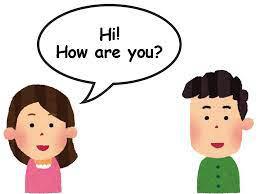
    hi(exclamation)

    /haɪ/

    嗨, 你好

    used to say hello

    Hi, there! How're you doing?

    嗨!你好嗎?

    Hi, Peter.

    同義詞hellogreetingsheyhowdygood day
    反義詞goodbyefarewellsee youso longadieu
  29. 29

    fine(adjective)

    /faɪn/

    很好的, 健康的

    in good health

    I am fine.

    我很好。

    同義詞wellgoodokaysatisfactoryacceptableexcellentsuperbthin
    反義詞badpoorillunwellthickcoarse
  30. 30

    thank(verb)

    /θæŋk/

    感謝, 謝謝

    to tell somebody that you are grateful for something

    Thank you very much.

    非常謝謝你。

    There's no need to thank me—I enjoyed doing it.

    同義詞appreciateacknowledgebe gratefulgive thanks
    反義詞cursecriticizereproachcondemn
  31. 31

    say(verb)

    /seɪ/

    說, 講

    to speak or tell somebody something, using words

    He always says that he is busy.

    他總是說他很忙。

    ‘That was marvellous,’ said Daniel.

    同義詞stateutterdeclareexpressarticulatementionremarkclaim
    反義詞denyretractwithholdconcealbe silentrefrain
  32. 32

    number(noun)

    /ˈnʌmbər/

    數字, 數

    a word or symbol that represents an amount or a quantity

    I love numbers.

    我喜歡數字。

    Think of a number and multiply it by two.

    同義詞numeraldigitfigureintegeramountquantitytotal
    反義詞letterwordnamenon-numericqualitative
  33. 33

    hello(exclamation, noun)

    /həˈləʊ/

    哈囉, 你好

    used as a greeting when you meet somebody, in an email, when you answer the phone or when you want to attract somebody’s attention

    Say hello to Liz for me.

    替我向 Liz 問好。

    Hello, is there anybody there?

    同義詞greetingshiheyhowdygood daywelcome
    反義詞goodbyefarewelladieu
  34. 34

    he(pronoun)

    /hi/

    他

    a male person or animal that has already been mentioned or is easily identified

    He is 10 years old and he is a student.

    他十歲,是個學生。

    He (= the man we are watching) went through that door.

    同義詞himthat personthe manthe boy
    反義詞shethey
  35. 35

    am(verb)

    /əm/

    是, 在

    the form of 'be' used with 'I' in the present tense

    I am at home.

    我在家。

    同義詞existbeconstituteequate to
    反義詞nonexistentabsent
  36. 36

    are(verb)

    /ər/

    是, 在

    the form of 'be' used with 'you', 'we' and 'they' in the present tense

    You are very kind.

    你人真好。

    同義詞existequalrepresent
    反義詞notlackdifference
  37. 37

    good afternoon(exclamation)

    /ˌɡʊd æftərˈnuːn/

    午安

    used to say hello politely when people first see each other in the afternoon (in informal use people often just say Afternoon in this case); sometimes also used formally when people leave each other in the afternoon

    Good afternoon, Mr. Smith.

    午安,史密斯先生。

    同義詞afternoon greetinghave a good afternoon
    反義詞good morninggood eveninggood night
  38. 38

    good evening(exclamation)

    /ˌɡʊd ˈiːvnɪŋ/

    晚安, 晚上好

    used to say hello politely when people first see each other in the evening (in informal use people often just say Evening in this case); sometimes also used formally when people leave each other in the evening

    Good evening, Miss Hoa.

    晚安,花小姐。

    同義詞evening greetingsgood nightevening salutation
    反義詞good morninggood daygood afternoon
  39. 39

    good morning(exclamation)

    /ˌɡʊd ˈmɔːrnɪŋ/

    早安

    used to say hello politely when people first see each other in the morning; sometimes also used formally when people leave each other in the morning

    Good morning, Miss Hoa. How are you?

    早安,花小姐。你好嗎?

    同義詞greetingsmorninggood day
    反義詞good eveninggood night
  40. 40

    good night(exclamation)

    /ɡʊd 'naɪt/

    晚安

    used when you are saying goodbye to somebody late in the evening or when they are going to bed

    Good night, Mom.

    晚安,媽媽。

    同義詞nighty nightsleep wellsweet dreamsgood evening
    反義詞good morninggood day
  41. 41

    is(verb)

    /ɪz/

    是, 在

    the form of the verb 'be' used with he, she or it in the present tense

    She is a teacher.

    她是老師。

    同義詞existsrepresentsequalsamounts toconstitutes
    反義詞isn'twasn'tlacksis not
  42. 42

    it(pronoun)

    /ɪt/

    牠, 它

    used to refer to an animal or a thing that has already been mentioned or that is being talked about now

    This is my dog. It is very friendly.

    這是我的狗。牠很友善。

    同義詞thatthisthe thingthe one
    反義詞heshethey
  43. 43

    its(determiner)

    /ɪts/

    牠的, 它的

    belonging to or connected with a thing, an animal or a baby

    I have a dog. Its tail is very long.

    我有一隻狗。牠的尾巴很長。

    同義詞belonging to itof itbelonging to the thingthereof
    反義詞none (as it's a possessive pronoun)
  44. 44

    Madam(noun)

    /ˈmædəm/

    女士, 夫人

    used when speaking or writing to a woman in a formal or business situation

    Good afternoon, Madam.

    午安,女士。

    同義詞LadyMa'amMrs.Dame
    反義詞SirMister
  45. 45

    Mr.(abbreviation)

    /ˈmɪstər/

    先生

    a title that comes before a man’s family name, or before his first and family names together

    This is Mr. Brown.

    這位是布朗先生。

    同義詞SirGentlemanEsquire
    反義詞Ms.MissMrs.
  46. 46

    Mrs.(abbreviation)

    /ˈmɪsɪz/

    太太, 夫人

    a title that comes before a married woman’s family name or before her first and family names together

    Mrs. Smith is very old.

    史密斯太太年紀很大了。

    同義詞MadamMa'amLadyMs.
    反義詞Mr.SirMissMaster
  47. 47

    Ms.(abbreviation)

    /ˌem ˈes/

    女士

    a title that comes before a woman’s family name, whether or not she is married

    Ms. Green is my English teacher and she is very kind.

    格林女士是我的英文老師,她人很好。

    同義詞MadamMissMrs.
    反義詞Mr.
  48. 48

    a piece of paper(phrase)

    /ə piːs əv ˈpeɪpə(r)/

    一張紙

    a single sheet or a small part of a sheet of paper

    He wrote something on a piece of paper.

    他在一張紙上寫了一些東西。

    同義詞sheet of paperscrap of paperpiece of stationerypaper
    反義詞whole ream of paperpaperless environment
  49. 49

    child(noun)

    /tʃaɪld/

    小孩, 兒童

    a young human who is not yet an adult

    This couple has only one child.

    這對夫妻只有一個小孩。

    同義詞kidoffspringyouthinfantminor
    反義詞adultparent
  50. 50

    children(noun)

    /ˈtʃɪldrən/

    孩子, 小孩, 兒童

    the plural of 'child'; young people who are not yet adults, or sons and daughters

    That couple has three children.

    那對夫妻有三個孩子。

    同義詞kidsoffspringyoungstersyouthprogeny
    反義詞adultsparentsancestorselders
  51. 51

    classmate(noun)

    /ˈklæsmeɪt/

    同班同學

    a person who is or was in the same class as you at school or college

    Kim, Nick, Sam and Ken are in class 11B. They are classmates.

    Kim、Nick、Sam 和 Ken 在 11B 班。他們是同班同學。

    同義詞schoolmateclassmatefellow studentpeer
    反義詞outsiderstrangerrival
  52. 52

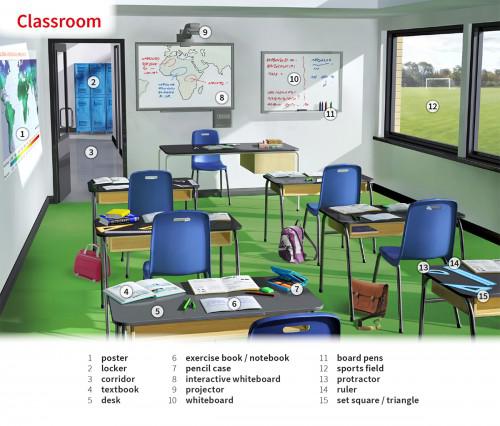
    exercise book(noun)

    /ˈeksərsaɪz bʊk/

    練習簿, 作業簿

    a small book for students to write their work in

    Please write your homework in your exercise book tonight.

    今晚請把功課寫在你的練習簿上。

    同義詞workbooknotebookcopybookexercise pad
    反義詞textbooknovel
  53. 53

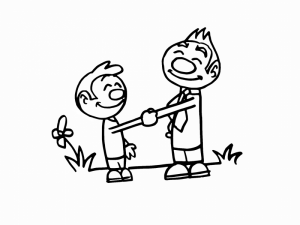
    greeting(noun)

    /ˈɡriːtɪŋ/

    問候, 招呼

    something that you say or do to greet somebody

    They exchanged greetings and sat down.

    他們互相問候後坐了下來。

    同義詞salutationwelcomeacknowledgmentrecognition
    反義詞farewellgoodbyepartingignorance
  54. 54

    miss(noun)

    /mɪs/

    小姐, 老師

    a title used before the name of a girl or a woman who is not married, or of a female teacher

    Good morning, Miss Sarah.

    早安,莎拉老師。

  55. 55

    her(determiner)

    /hər/

    她的

    of or belonging to a woman or girl who has already been mentioned or is easily identified

    Meg loves her job.

    梅格熱愛她的工作。