ข้ามไปยังเนื้อหา

บทที่ 1/16 · 55 คำ · จำได้แล้ว 0

Lesson 1: GREETINGS

บทที่ 1: การทักทาย

  1. 1

    practice(noun)

    /ˈpræktɪs/

    การฝึกฝน, การฝึกซ้อม

    doing an activity or training regularly so that you can improve your skill; the time you spend doing this

    Speaking English every day is good practice for the exam.

    การพูดภาษาอังกฤษทุกวันเป็นการฝึกฝนที่ดีสำหรับการสอบ

    คำพ้องความหมายexercisedrillrehearseapplicationcustom
    คำตรงข้ามtheoryignoranceneglectdisuse
  2. 2

    remember(verb)

    /rɪˈmembər/

    จำ

    to have or keep an image in your memory of an event, a person, a place, etc. from the past

    I will remember the combination to the safe without writing it down

    ฉันจะจำรหัสตู้เซฟได้โดยไม่ต้องเขียนมันลงไป

    I remembered the delivery clerk's name as soon as I got off the phone

    คำพ้องความหมายrecallrecollectretainmemorizebring to mind
    คำตรงข้ามforgetdisrememberoverlookignore
  3. 3

    draw(verb)

    /drɔː/

    วาด, วาดรูป

    to make pictures, or a picture of something, with a pencil, pen or chalk (but not paint)

    The children like to draw pictures of animals with colored pencils.

    เด็กๆ ชอบวาดรูปสัตว์ด้วยดินสอสี

    คำพ้องความหมายattractpullenticelureattractmagnetize
    คำตรงข้ามrepeldeterdiscouragepush
  4. 4

    choose(verb)

    /tʃuːz/

    เลือก

    to decide which thing or person you want out of the ones that are available

    Alan chooses to read The New York Times over the Wall Street Journal

    อลันเลือกที่จะอ่านหนังสือพิมพ์ The New York Times มากกว่า Wall Street Journal

    I did not choose that candidate to be the editor of our student newspaper

    คำพ้องความหมายselectpickoptelectprefer
    คำตรงข้ามrejectrefusedeclinedisregard
  5. 5

    miss(verb)

    /mɪs/

    พลาด, ตกรถ, ไม่ทัน

    to be or arrive too late for something

    We missed the bus and had to walk to school.

    เราตกรถเมล์และต้องเดินไปโรงเรียน

    คำพ้องความหมายyoung ladymademoisellema'am
    คำตรงข้ามMrs.Madammarried woman
  6. 6

    we(pronoun)

    /wi/

    พวกเรา

    I and another person or other people; I and you

    We are students.

    พวกเราเป็นนักเรียน

    We'd (= the company would) like to offer you the job.

    คำพ้องความหมายusourselves
    คำตรงข้ามIme
  7. 7

    his(determiner)

    /hɪz/

    ของเขา

    of or belonging to a man or boy who has already been mentioned or is easily identified

    His pen is very nice.

    ปากกาของเขาดีมาก

    The choice was his.

    คำพ้องความหมายbelonging to himof himhis own
    คำตรงข้ามhertheirmyyour
  8. 8

    they(pronoun)

    /ðeɪ/

    พวกเขา

    people, animals or things that have already been mentioned or are easily identified

    They are my friends.

    พวกเขาเป็นเพื่อนของฉัน

    ‘Where are John and Liz?’ ‘They went for a walk.’

    คำพ้องความหมายthose peoplethese peoplethemthe ones
    คำตรงข้ามImeheshehimher
  9. 9

    you(pronoun)

    /jə/

    คุณ

    used as the subject or object of a verb or after a preposition to refer to the person or people being spoken or written to

    You are very kind.

    คุณใจดีมาก

    Can I sit next to you?

    คำพ้องความหมายthoutheeyourself
    คำตรงข้ามbayoucy youngcyrus the youngerdanton true youngdo-it-yourselfedward younggo-as-you-pleasegood for you
  10. 10

    count(verb)

    /kaʊnt/

    นับ (náp)

    to say numbers in the correct order

    She can count up to 10 in Italian

    เธอสามารถนับได้ถึง 10 เป็นภาษาอิตาลี (thoe samat nap dai thueng sip pen phasa itali)

    She can count up to 10 in Italian.

    คำพ้องความหมายenumeratetallycalculatereckoncomputeadd up
    คำตรงข้ามestimateguessapproximate
  11. 11

    your(determiner)

    /jʊr/

    ของคุณ

    of or belonging to the person or people being spoken or written to

    Your pen is very nice.

    ปากกาของคุณสวยมาก

    Excuse me, is this your seat?

    คำพ้องความหมายbelonging to youof you
    คำตรงข้ามmyhishertheirour
  12. 12

    our(determiner)

    /ɑːr/

    ของพวกเรา

    belonging to us; connected with us

    Our school is very nice.

    โรงเรียนของเราดีมาก

    Our main export is rice.

    คำพ้องความหมายbelonging to usof ours
    คำตรงข้ามtheirtheirsyour
  13. 13

    her(pronoun)

    /hər/

    เธอ, หล่อน, เขา

    used as the object of a verb, after the verb be or after a preposition to refer to a woman or girl who has already been mentioned or is easily identified

    I saw her at the park yesterday and said hello.

    เมื่อวานฉันเจอเธอที่สวนสาธารณะและทักทายเธอ

    คำพ้องความหมายbelonging to herhersof her
    คำตรงข้ามhistheirmyyour
  14. 14

    sir(noun)

    /sər ˌɡɑːweɪn ən ðə ˌɡriːn ˈnaɪt/

    คุณผู้ชาย, ท่าน

    used as a polite way of addressing a man whose name you do not know, for example a customer or teacher

    Good afternoon, Sir.

    สวัสดีตอนบ่ายครับ คุณผู้ชาย

    Are you ready to order, sir?

    คำพ้องความหมายmistergentlemanmaster
    คำตรงข้ามmadamma'am
  15. 15

    group(noun)

    /ɡruːp/

    กลุ่ม

    a number of people or things that are together in the same place or that are connected in some way

    In English class, we often work in groups.

    ในชั้นเรียนภาษาอังกฤษ เรามักทำงานเป็นกลุ่ม

    to work in groups

    คำพ้องความหมายteamclusterbandcollectionsetassociation
    คำตรงข้ามindividuallonesingleone
  16. 16

    write(verb)

    /raɪt/

    เขียน

    to make letters or numbers on a surface, especially using a pen or a pencil

    She writes in a diary.

    เธอเขียนในไดอารี่

    Write your name at the top of the paper.

    คำพ้องความหมายcomposeauthorpenrecorddraft
    คำตรงข้ามreaderasedeleteobliteraterecant
  17. 17

    I(pronoun)

    /aɪ/

    ฉัน/ผม (Chan/Phom)

    used as the subject of a verb when the speaker or writer is referring to himself/herself

    I am a student.

    ฉันเป็นนักเรียน (Chan pen nak rian).

    When they asked me if I wanted the job, I said yes.

    คำพ้องความหมายMyselfMe
    คำตรงข้ามYouHeSheItTheyWe
  18. 18

    this(determiner, pronoun)

    /ðɪs/

    นี่

    used to refer to a particular person, thing or event that is close to you, especially compared with another

    This is my teacher.

    นี่คือครูของฉัน

    Is this your bag?

    คำพ้องความหมายthatthea
    คำตรงข้ามthatthose
  19. 19

    she(pronoun)

    /ʃi/

    เธอ (เธอ)

    a female person or animal that has already been mentioned or is easily identified

    Daisy is my friend. She is very kind.

    เดซี่เป็นเพื่อนของฉัน เธอใจดีมาก (Desi bpen pêuan khǒng chǎn. Ther jai dee mâak).

    Doesn't she (= the woman we are looking at) look like Sue?

    คำพ้องความหมายherthe womanthat woman
    คำตรงข้ามhehim
  20. 20

    goodbye(exclamation)

    /ˌɡʊdˈbaɪ/

    ลาก่อน, บ๊ายบาย

    used when you are leaving somebody or when somebody else is leaving

    Goodbye, Tom! See you at school tomorrow.

    ลาก่อนนะทอม! เจอกันที่โรงเรียนพรุ่งนี้

    คำพ้องความหมายfarewelladieuso longbyeadieu
    คำตรงข้ามhellogreetingwelcome
  21. 21

    square(adjective)

    /skwer/

    สี่เหลี่ยมจัตุรัส, สี่เหลี่ยม

    having four straight equal sides and four angles of 90°

    He has a square face and short dark hair.

    เขามีใบหน้าเหลี่ยมและผมสั้นสีเข้ม

    คำพ้องความหมายquadranglequadblockplaza
    คำตรงข้ามcircleroundcurve
  22. 22

    their(determiner)

    /ðer/

    ของพวกเขา

    of or belonging to people, animals or things that have already been mentioned or are easily identified

    Their school is very nice.

    โรงเรียนของพวกเขาดีมาก

    Which is their house?

    คำพ้องความหมายbelonging to themof them
    คำตรงข้ามmyyourourhisherits
  23. 23

    repeat(verb)

    /rɪˈpiːt/

    ทำซ้ำ

    to say or write something again or more than once

    Could you repeat the question, please?

    คุณช่วยทวนคำถามอีกครั้งได้ไหม

    I'm sorry—could you repeat that?

    คำพ้องความหมายreiteraterestatreproducerecapgo overrehash
    คำตรงข้ามerasecancelretracttake backnullify
  24. 24

    my(determiner)

    /maɪ/

    ของฉัน

    of or belonging to the speaker or writer

    My name is Andy.

    ฉันชื่อแอนดี้

    My feet are cold.

    คำพ้องความหมายbelonging to meof minepersonally owned
    คำตรงข้ามyourhishertheirits
  25. 25

    play(verb)

    /pleɪ/

    เล่น

    to do things for pleasure, as children do; to enjoy yourself, rather than work

    All kids like playing.

    เด็กทุกคนชอบเล่น

    the importance of learning through play

    คำพ้องความหมายgamerecreationfunfrolicsportamusemententertainmentperform
    คำตรงข้ามworklaborstudyserious
  26. 26

    listen(verb)

    /ˈlɪsn/

    ฟัง

    to pay attention to somebody/something that you can hear

    Most young people like listening to pop music.

    คนหนุ่มสาวส่วนใหญ่ชอบฟังเพลงป๊อป

    Listen! What's that noise? Can you hear it?

    คำพ้องความหมายhearattendheedobeyconsider
    คำตรงข้ามignoredisregarddisobey
  27. 27

    partner(noun)

    /ˈpɑːrtnər/

    คู่หู

    a person that you are doing an activity with, such as dancing or playing a game

    Practice the dialogue with a partner.

    ฝึกฝนบทสนทนากับคู่หู

    a marriage partner

    คำพ้องความหมายassociatecolleagueallyteammatecollaborator
    คำตรงข้ามopponentrivalenemyadversary
  28. 28

    hi(exclamation)

    /haɪ/

    สวัสดี

    used to say hello

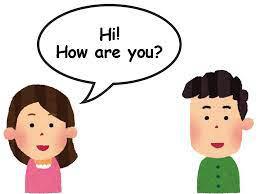
    Hi, there! How're you doing?

    สวัสดี สบายดีไหม

    Hi, Peter.

    คำพ้องความหมายhellogreetingsheyhowdygood day
    คำตรงข้ามgoodbyefarewellsee youso longadieu
  29. 29

    fine(adjective)

    /faɪn/

    สบายดี

    in good health

    I am fine.

    ฉันสบายดี (chăn sabai dee)

    คำพ้องความหมายwellgoodokaysatisfactoryacceptableexcellentsuperbthin
    คำตรงข้ามbadpoorillunwellthickcoarse
  30. 30

    thank(verb)

    /θæŋk/

    ขอบคุณ

    to tell somebody that you are grateful for something

    Thank you very much.

    ขอบคุณมาก

    There's no need to thank me—I enjoyed doing it.

    คำพ้องความหมายappreciateacknowledgebe gratefulgive thanks
    คำตรงข้ามcursecriticizereproachcondemn
  31. 31

    say(verb)

    /seɪ/

    พูด

    to speak or tell somebody something, using words

    He always says that he is busy.

    เขาพูดเสมอว่าเขายุ่ง

    ‘That was marvellous,’ said Daniel.

    คำพ้องความหมายstateutterdeclareexpressarticulatementionremarkclaim
    คำตรงข้ามdenyretractwithholdconcealbe silentrefrain
  32. 32

    number(noun)

    /ˈnʌmbər/

    จำนวน

    a word or symbol that represents an amount or a quantity

    I love numbers.

    ฉันรักตัวเลข

    Think of a number and multiply it by two.

    คำพ้องความหมายnumeraldigitfigureintegeramountquantitytotal
    คำตรงข้ามletterwordnamenon-numericqualitative
  33. 33

    hello(exclamation, noun)

    /həˈləʊ/

    สวัสดี

    used as a greeting when you meet somebody, in an email, when you answer the phone or when you want to attract somebody’s attention

    Say hello to Liz for me.

    ฝากสวัสดีลิซด้วยนะ

    Hello, is there anybody there?

    คำพ้องความหมายgreetingshiheyhowdygood daywelcome
    คำตรงข้ามgoodbyefarewelladieu
  34. 34

    he(pronoun)

    /hi/

    เขา (khāo)

    a male person or animal that has already been mentioned or is easily identified

    He is 10 years old and he is a student.

    เขาอายุ 10 ปี และเขาเป็นนักเรียน (khāo ayu sip pi lae khāo pen nak rian)

    He (= the man we are watching) went through that door.

    คำพ้องความหมายhimthat personthe manthe boy
    คำตรงข้ามshethey
  35. 35

    am(verb)

    /əm/

    คือ

    the form of 'be' used with 'I' in the present tense

    I am at home.

    ฉันอยู่ที่บ้าน

    คำพ้องความหมายexistbeconstituteequate to
    คำตรงข้ามnonexistentabsent
  36. 36

    are(verb)

    /ər/

    คือ

    the form of 'be' used with 'you', 'we' and 'they' in the present tense

    You are very kind.

    คุณใจดีมาก

    คำพ้องความหมายexistequalrepresent
    คำตรงข้ามnotlackdifference
  37. 37

    good afternoon(exclamation)

    /ˌɡʊd æftərˈnuːn/

    สวัสดีตอนบ่าย

    used to say hello politely when people first see each other in the afternoon (in informal use people often just say Afternoon in this case); sometimes also used formally when people leave each other in the afternoon

    Good afternoon, Mr. Smith.

    สวัสดีตอนบ่าย คุณสมิทธ์

    คำพ้องความหมายafternoon greetinghave a good afternoon
    คำตรงข้ามgood morninggood eveninggood night
  38. 38

    good evening(exclamation)

    /ˌɡʊd ˈiːvnɪŋ/

    สวัสดีตอนเย็น

    used to say hello politely when people first see each other in the evening (in informal use people often just say Evening in this case); sometimes also used formally when people leave each other in the evening

    Good evening, Miss Hoa.

    สวัสดีตอนเย็น คุณฮวา

    คำพ้องความหมายevening greetingsgood nightevening salutation
    คำตรงข้ามgood morninggood daygood afternoon
  39. 39

    good morning(exclamation)

    /ˌɡʊd ˈmɔːrnɪŋ/

    สวัสดีตอนเช้า

    used to say hello politely when people first see each other in the morning; sometimes also used formally when people leave each other in the morning

    Good morning, Miss Hoa. How are you?

    สวัสดีตอนเช้า คุณฮวา สบายดีไหม?

    คำพ้องความหมายgreetingsmorninggood day
    คำตรงข้ามgood eveninggood night
  40. 40

    good night(exclamation)

    /ɡʊd 'naɪt/

    ราตรีสวัสดิ์

    used when you are saying goodbye to somebody late in the evening or when they are going to bed

    Good night, Mom.

    ราตรีสวัสดิ์ค่ะ คุณแม่

    คำพ้องความหมายnighty nightsleep wellsweet dreamsgood evening
    คำตรงข้ามgood morninggood day
  41. 41

    is(verb)

    /ɪz/

    คือ

    the form of the verb 'be' used with he, she or it in the present tense

    She is a teacher.

    เธอคือครู

    คำพ้องความหมายexistsrepresentsequalsamounts toconstitutes
    คำตรงข้ามisn'twasn'tlacksis not
  42. 42

    it(pronoun)

    /ɪt/

    มัน

    used to refer to an animal or a thing that has already been mentioned or that is being talked about now

    This is my dog. It is very friendly.

    นี่คือสุนัขของฉัน มันเป็นมิตรมาก

    คำพ้องความหมายthatthisthe thingthe one
    คำตรงข้ามheshethey
  43. 43

    its(determiner)

    /ɪts/

    ของมัน

    belonging to or connected with a thing, an animal or a baby

    I have a dog. Its tail is very long.

    ฉันมีหมา ตัวของมันมีหางยาวมาก

    คำพ้องความหมายbelonging to itof itbelonging to the thingthereof
    คำตรงข้ามnone (as it's a possessive pronoun)
  44. 44

    Madam(noun)

    /ˈmædəm/

    คุณผู้หญิง

    used when speaking or writing to a woman in a formal or business situation

    Good afternoon, Madam.

    สวัสดีตอนบ่ายค่ะ คุณผู้หญิง

    คำพ้องความหมายLadyMa'amMrs.Dame
    คำตรงข้ามSirMister
  45. 45

    Mr.(abbreviation)

    /ˈmɪstər/

    นาย

    a title that comes before a man’s family name, or before his first and family names together

    This is Mr. Brown.

    นี่คือคุณบราวน์

    คำพ้องความหมายSirGentlemanEsquire
    คำตรงข้ามMs.MissMrs.
  46. 46

    Mrs.(abbreviation)

    /ˈmɪsɪz/

    คุณนาย

    a title that comes before a married woman’s family name or before her first and family names together

    Mrs. Smith is very old.

    คุณนายสมิธแก่มาก

    คำพ้องความหมายMadamMa'amLadyMs.
    คำตรงข้ามMr.SirMissMaster
  47. 47

    Ms.(abbreviation)

    /ˌem ˈes/

    คุณ, นางสาว, นาง

    a title that comes before a woman’s family name, whether or not she is married

    Ms. Green is my English teacher and she is very kind.

    คุณกรีนเป็นครูสอนภาษาอังกฤษของฉัน และเธอใจดีมาก

    คำพ้องความหมายMadamMissMrs.
    คำตรงข้ามMr.
  48. 48

    a piece of paper(phrase)

    /ə piːs əv ˈpeɪpə(r)/

    กระดาษหนึ่งแผ่น, เศษกระดาษ

    a single sheet or a small part of a sheet of paper

    He wrote something on a piece of paper.

    เขาเขียนอะไรบางอย่างลงบนกระดาษแผ่นหนึ่ง

    คำพ้องความหมายsheet of paperscrap of paperpiece of stationerypaper
    คำตรงข้ามwhole ream of paperpaperless environment
  49. 49

    child(noun)

    /tʃaɪld/

    เด็ก

    a young human who is not yet an adult

    This couple has only one child.

    คู่รักคู่นี้มีลูกเพียงคนเดียว

    คำพ้องความหมายkidoffspringyouthinfantminor
    คำตรงข้ามadultparent
  50. 50

    children(noun)

    /ˈtʃɪldrən/

    เด็ก ๆ, ลูก ๆ

    the plural of 'child'; young people who are not yet adults, or sons and daughters

    That couple has three children.

    คู่สามีภรรยาคู่นั้นมีลูกสามคน

    คำพ้องความหมายkidsoffspringyoungstersyouthprogeny
    คำตรงข้ามadultsparentsancestorselders
  51. 51

    classmate(noun)

    /ˈklæsmeɪt/

    เพื่อนร่วมชั้น

    a person who is or was in the same class as you at school or college

    Kim, Nick, Sam and Ken are in class 11B. They are classmates.

    คิม, นิค, แซม และเคน อยู่ในชั้นเรียน 11B พวกเขาเป็นเพื่อนร่วมชั้น

    คำพ้องความหมายschoolmateclassmatefellow studentpeer
    คำตรงข้ามoutsiderstrangerrival

  52. 52

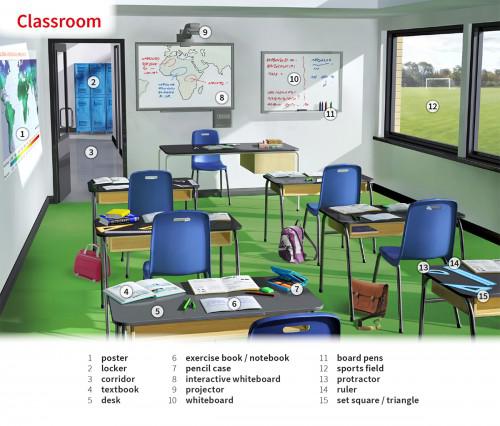
    exercise book(noun)

    /ˈeksərsaɪz bʊk/

    สมุดแบบฝึกหัด, สมุดจด

    a small book for students to write their work in

    Please write your homework in your exercise book tonight.

    คืนนี้กรุณาเขียนการบ้านลงในสมุดแบบฝึกหัดของเธอ

    คำพ้องความหมายworkbooknotebookcopybookexercise pad
    คำตรงข้ามtextbooknovel
  53. 53

    greeting(noun)

    /ˈɡriːtɪŋ/

    คำทักทาย

    something that you say or do to greet somebody

    They exchanged greetings and sat down.

    พวกเขาแลกคำทักทายและนั่งลง

    คำพ้องความหมายsalutationwelcomeacknowledgmentrecognition
    คำตรงข้ามfarewellgoodbyepartingignorance
  54. 54

    miss(noun)

    /mɪs/

    คุณครู, นางสาว

    a title used before the name of a girl or a woman who is not married, or of a female teacher

    Good morning, Miss Sarah.

    สวัสดีตอนเช้าค่ะ คุณครูซาราห์

  55. 55

    her(determiner)

    /hər/

    ของเธอ, ของหล่อน

    of or belonging to a woman or girl who has already been mentioned or is easily identified

    Meg loves her job.

    เม็กรักงานของเธอ