Lezione 19/38 · 36 parole · 0 imparate
Animals Plants
Animali e piante
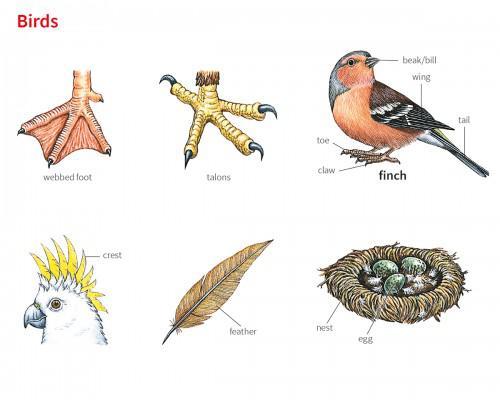
coda
the part that sticks out at the back of the body of a bird, an animal or a fish, which the animal can move from side to side or up and down
My cat has a long tail.
Il mio gatto ha la coda lunga.
The dog ran up, wagging its tail.
Sinonimirearendextremitytraincaudal appendageContrarifrontheadbeginningnido
a hollow place or structure that a bird makes or chooses for laying its eggs in and sheltering its young
sparrows building a nest of twigs and dry grass
passeri che costruiscono un nido di ramoscelli ed erba secca
The match has been postponed to a later date.
Sinonimilairdenroostbreeding placeretreathavensanctuaryContrariexposurewildernessopenoutsidecoltura, raccolto
a plant that is grown in large quantities, especially as food
Sugar is an important crop on the island.
Lo zucchero è una coltura importante sull'isola.
The crops are regularly sprayed with pesticides.
SinonimiharvestproduceyieldgrowthcultivationContrarilossfailurebarrennesssterilitycane
an animal with four legs and a tail, often kept as a pet or trained for work, for example hunting or guarding buildings. There are many types of dog , some of which are wild.
I could hear a dog barking
Sentivo un cane abbaiare.
a dog and her puppies
SinonimicaninehoundpuppoochContraricatfelinecorno
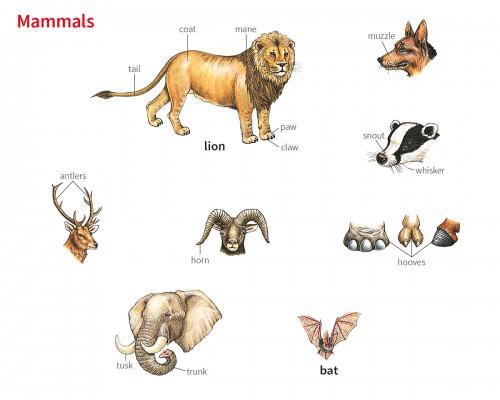
a hard pointed part that grows, usually in pairs, on the heads of some animals, such as sheep and cows. Horns are often curved.
The goat has two curved horns on its head.
La capra ha due corna ricurve sulla testa.
SinonimituskprojectionantennasounderklaxonContrarisilenceconcavitycavallo
a large animal with four legs, a mane (= long thick hair on its neck) and a tail. Horses are used for riding on, pulling carriages , etc.
He mounted his horse and rode off.
Montò a cavallo e se ne andò.
a horse and cart
SinonimisteedequinenagContrariNone (Horses do not have direct antonyms in the same category)animale
a creature that is not a bird, a fish, a reptile , an insect or a human
There are many kinds of animals in this zoo.
Ci sono molti tipi di animali in questo zoo.
This product has not been tested on animals.
SinonimicreaturebeastfaunabeingContrariplantvegetationmineralinanimate objectallevare
to keep animals in order to produce young ones, usually of a particular type
His main income comes from breeding cattle.
Il suo reddito principale deriva dall'allevamento di bestiame.
Labradors and other large breeds of dog
SinonimireproduceraiserearcultivategeneratepropagateContrarikilldestroyextinctselvatico, selvaggio
living or growing in natural conditions; not kept in a house or on a farm
Many wild animals live in this forest.
Molti animali selvatici vivono in questa foresta.
SinonimiuntamedferaluncultivatednaturalsavageundomesticateduncontrolledContraritamedomesticatedcultivatedcontrolledmilduccello
a creature that is covered with feathers and has two wings and two legs. Most birds can fly.
More than a third of Britain's bird species need urgent protection
Più di un terzo delle specie di uccelli della Gran Bretagna ha bisogno di protezione urgente.
More than a third of Britain's bird species need urgent protection.
SinonimifowlaviansongbirdraptorcreatureContrarimammalfishreptileserpente
a reptile with a very long thin body and no legs. There are many types of snake , some of which are poisonous.
Venomous snakes spit and hiss when they are cornered.
I serpenti velenosi sputano e sibilano quando sono messi alle strette.
a snake coiled up in the grass
SinonimiserpentreptileviperpythoncobraContrarifriendallycreatura, essere vivente
a living thing, real or imaginary, that can move around, such as an animal
Merlion which is a creature with the head of a lion and the body of a fish is the symbol of Singapore.
Il Merlion, che è una creatura con la testa di leone e il corpo di pesce, è il simbolo di Singapore.
respect for all living creatures
Sinonimibeinganimalorganismentitylife formContrariinanimate objectnonbeingthingelefante
a very large animal with thick grey skin, large ears, two curved outer teeth called tusks and a long nose called a trunk . There are two types of elephant , the African and the Asian.
Elephants are the largest existing land animals.
Gli elefanti sono i più grandi animali terrestri esistenti.
SinonimimammothpachydermContraridwarfminiature animalsmall animalinsetto
any small creature with six legs and a body divided into three parts. Insects usually also have wings. Ants , bees and flies are all insects .
Insects are the most diverse group of animals
Gli insetti sono il gruppo di animali più vario.
Sinonimibugcreepy-crawlyarthropodContrarivertebratemammalanimal (in a general sensewhen focusing on non-insect types)leone
a large, powerful animal of the cat family that hunts in groups and lives in parts of Africa and southern Asia. Lions have yellow-brown fur and the male has a mane (= long, thick hair round its neck).
Lion populations are untenable outside designated protected areas
Le popolazioni di leoni non sono sostenibili al di fuori delle aree protette designate.
SinonimiKing of beastsLeoAfrican lionContrariPrey animalscimmia
an animal with a long tail, that climbs trees and lives in hot countries. There are several types of monkey and they are related to apes and humans.
The many species of monkey have varied relationships with humans.
Le numerose specie di scimmie hanno rapporti molto diversi con gli esseri umani.
SinonimiapeprimatesimianContrarihumannon-primateraccolto, mietitura
the time of year when the crops are gathered in on a farm, etc.; the act of cutting and gathering crops
We had a good harvest this year.
Quest'anno abbiamo avuto un buon raccolto.
SinonimicropyieldgatheringreapingvintageContrarilossfailurescarcitybarrennesslackape
a black and yellow flying insect that can sting (= touch your skin and make you feel a sharp pain) .Bees live in large groups and make honey (= a sweet sticky substance that is good to eat) .
The bee flew from flower to flower collecting pollen.
L'ape volava di fiore in fiore raccogliendo il polline.
SinonimihoneybeebumblebeeapianContrariwaspflyobbligazione, titolo obbligazionario
a document showing that money has been lent to a government or company, which pays interest and repays it on a set date
The company issued five-year bonds to finance its new factory.
L'azienda ha emesso obbligazioni quinquennali per finanziare il nuovo stabilimento.
Bond prices usually fall when market interest rates rise.
Sinonimidebenturesecurityfixed-income securityContraristockequity